
Reviewed · SUMO EXPERIENCES
Tokyo:Luxury Sumo Show Experience & Japanese cuisine & Drink
Sumo, sukiyaki, and a little stage comedy. Tokyo’s Asakusa Sumo Club Annex combines a geisha dance, live sumo bouts, Japanese food, and audience participation in a polished two-hour show. I like the clear bilingual commentary, which makes the rules and rituals easy to follow, and the close-up setting, where you can see the wrestlers without sitting in a huge arena. The main consideration is that this is a theatrical performance by retired sumo wrestlers, not a visit to an active training stable.
The meal is another strong point, especially the A5 wagyu sukiyaki, chanko hot pot, and matcha dessert. I also like the warm, playful mood. Children can join in, solo visitors are drawn into the fun, and brave adults can try the ring challenge, although participation is limited and may be decided by lottery.
In This Review
- Key points to know before booking
- A small Asakusa venue with a real sumo ring
- The geisha dance gives the evening a graceful opening
- A crash course in sumo that actually helps
- Watching retired wrestlers up close
- Should you enter the ring?
- What you eat during the two-hour show
- Choosing Standard, Business, or First Class
- Photos, souvenirs, and the final moments
- Who will enjoy this sumo experience most?
- Practical details before you go
- Should you book the Asakusa Sumo Club Annex?
- FAQ
- How long does the Asakusa Sumo Club Annex experience last?
- What food is included?
- Are drinks included?
- Can I participate in the sumo challenge?
- Is the performance suitable for children?
- Can vegetarian or vegan meals be arranged?
- Is the venue wheelchair accessible?
Key points to know before booking
- A two-hour sumo show in Asakusa: The real ring sits in the middle of the restaurant, giving you a close view from table or sofa seating.
- English and Japanese explanations: The host explains sumo history, rules, training moves, and rituals with plenty of humor.
- Japanese dinner included: Standard seating includes A5 wagyu sukiyaki, chanko nabe, matcha dessert, and one drink.
- Premium seating changes the value: Business includes tempura and unlimited drinks, while First Class adds front-row sofas, premium Yamazaki whisky, and a happi coat souvenir.
- Family-friendly participation: Children and adults may be invited into the ring for a lighthearted sumo challenge.
- A geisha performance adds variety: The evening begins with a graceful dance, followed by a photo opportunity.
A small Asakusa venue with a real sumo ring
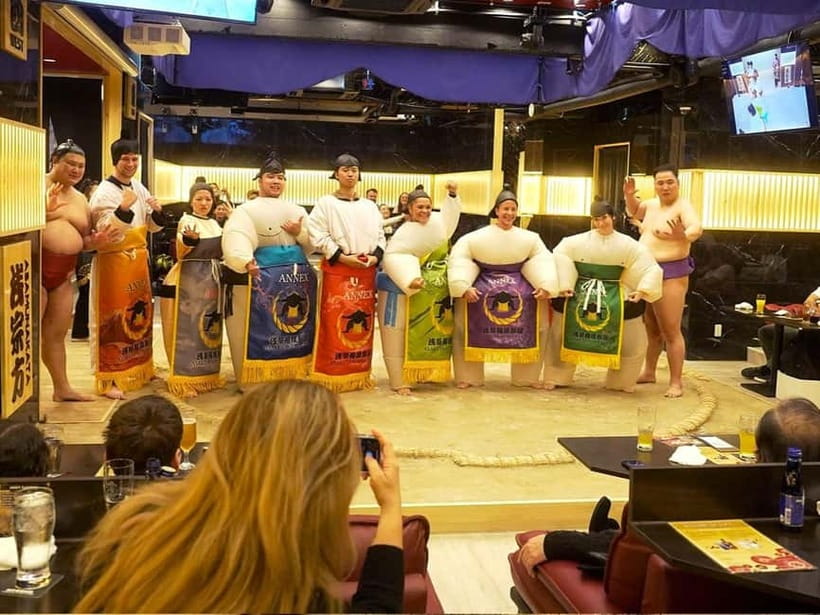
The Asakusa Sumo Club Annex is along Asakusa Kokusai Street, next to Matsuya Restaurant. It is the more intimate branch of the larger Asakusa Sumo Club, with a private, VIP-style feel rather than the atmosphere of a large theater.
That smaller scale matters. The ring is set in the center of the restaurant, so the action feels close even if you choose Standard table seats. Business and First Class sofa seats give you a more relaxed position, and First Class places you nearest to the ring.
You may be seated with other people, so this is not a fully private dining experience. Still, the friendly format encourages interaction. The staff take photographs, help with participation, and keep the evening moving without making you feel stranded if you arrive alone.
The setting is comfortable and refined, but keep one practical point in mind: stairs make the Annex unsuitable for wheelchair users. Babies under one year old are also not permitted.
More Sumo Experiences in Tokyo
- Tokyo: Sumo Show Experience with Chicken Hot Pot and a Photo
★ 4.8 · 6,678 reviews - Tokyo: Sumo Show and Dining Experience
★ 4.8 · 2,742 reviews - the SUMO show
★ 5.0 · 1,960 reviews
The geisha dance gives the evening a graceful opening
Before the wrestling begins, a geisha performs a traditional Japanese dance. It is a quiet change of pace from the louder, comic parts of the show, with small, controlled movements that reward close attention.
Afterward, you may have a chance to take a photograph with the geisha. This portion is brief compared with the sumo performance, but it helps frame the evening as a broader introduction to Japanese entertainment culture rather than a wrestling demonstration alone.
The geisha appearance is also useful for families. Younger children may not follow every explanation about sumo, but the dance, costumes, photos, and later audience interaction give the evening several different points of interest.
You should treat the show as a cultural performance created for an international audience. It is accessible and welcoming, but it is not a formal geisha house visit or a traditional private performance.
A crash course in sumo that actually helps
The sumo explanation covers the sport’s history, rules, rituals, training methods, and basic strategy. The host and wrestlers demonstrate techniques, explain how a bout works, and use humor to make the information easy to absorb.
That introduction is important. Sumo can look mysterious if you do not know why wrestlers stamp, throw salt, stare each other down, or spend so much time preparing before the actual clash. Here, those actions are explained in plain English and Japanese, so you can watch the later bouts with a better sense of what is happening.
The hosts also make room for questions. If you are curious about the wrestlers’ routines, the rules, or the meaning of certain gestures, this is a good time to ask. A few people who attended the late time slot found the question-and-answer portion especially worthwhile because it turned a simple show into a conversation.
The English delivery has been praised repeatedly, including by visitors who found the host easy to understand. One useful tip is to arrive with questions ready. The show is designed to be interactive, and the Q&A is one of the best chances to get more than a basic explanation.
Watching retired wrestlers up close
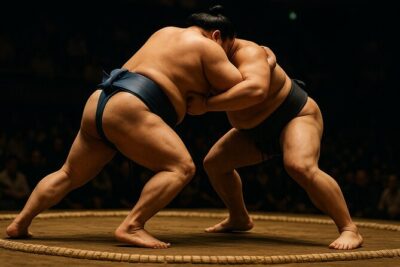
The wrestlers perform training techniques and dynamic bouts in the ring. You are close enough to see the force of the movements, the comic timing, and the contrast between the wrestlers’ imposing size and their friendly manner outside the ring.
The matches are performed for entertainment, not as official tournament bouts. That does not make them meaningless. The wrestlers still demonstrate recognizable sumo techniques and the basic structure of the sport, but the mood is light, theatrical, and deliberately welcoming.
This distinction is worth understanding before you book. If your priority is to observe active wrestlers at a working stable during early-morning training, choose a different type of experience. If you want to learn the basics, laugh, eat dinner, and see the action from a few feet away, the Annex is a better fit.
The comic side of the presentation is a major part of its appeal. The host brings people into the action, the wrestlers play along, and the crowd is encouraged to respond. Many people describe the evening as one of the funniest activities of their Tokyo visit, which tells you more about the tone than a formal description ever could.
A completely different kind of day out in Tokyo:
- Mt Fuji and Hakone 1-Day Bus Tour Return by Bullet Train
★ 5.0 · 26,383 reviews - 1-Day Tokyo Bus Tour
★ 5.0 · 14,250 reviews - Tokyo: TOKYO SKYTREE® Admission ticket
★ 4.5 · 11,192 reviews - Tokyo: teamLab Planets TOKYO Digital Art Museum Entry Ticket
★ 4.6 · 9,779 reviews
Should you enter the ring?
The sumo challenge is the evening’s biggest interactive moment. You may be invited to step into the ring and push against a wrestler in a friendly contest. It is meant to be funny and memorable, not a serious test of athletic ability.
Children can take part when selected. Several families particularly enjoyed watching teenagers and younger children try to move a much larger wrestler. Solo visitors can also join in, and the staff help with photographs so you do not lose the moment.
There is a limit to the number of challengers at each performance. If too many people want to participate, the final names are selected by drawing lots. So you should not book this expecting a guaranteed turn.
The ring itself is a real sumo ring, which adds a little ceremony to the experience. Even if you are not selected, watching other people attempt the challenge is part of the fun. The audience usually gets plenty of chances to laugh, cheer, and ask questions.
What you eat during the two-hour show
The standard meal includes an A5-ranked Japanese wagyu sukiyaki bento, chanko nabe, and matcha dessert. The food is served during the performance, so you can dine while watching rather than sitting through a show and waiting for dinner afterward.
Sukiyaki brings the special-occasion touch, with tender wagyu as the centerpiece. Chanko nabe is closely associated with sumo wrestlers, making it a fitting dish for the setting. Together, the two dishes provide a substantial meal rather than a token snack.
The food has received almost as much praise as the performance. Many people describe the meal as delicious and generous, though one useful caution is that dishes may not always arrive as hot as expected. If food temperature matters to you, mention it to the staff when appropriate.
Business and First Class include tempura in addition to the sukiyaki and chanko nabe. Matcha dessert is included across the meal offering described for the experience.
Vegetarian and vegan meals can be prepared, but you must request them at least two days before your reservation. A same-day request cannot be accommodated because the ingredients need to be arranged in advance. Gluten-free and halal meals are not available, though you may bring your own food if required.
Infants do not receive meals, seating, or souvenirs as part of the experience. Babies under one year old are not suitable for this activity.
Choosing Standard, Business, or First Class
The three seating categories are not just different chairs. They change the amount of food, drink, and extra attention included in the evening.
Standard table seats are the sensible choice if you mainly want the show and a comfortable meal. You receive the sukiyaki meal, chanko hot pot, matcha dessert, and one complimentary drink. Additional drinks are available for purchase.
Business sofa seats make more sense if you want the evening to feel like a special night out. You receive the same core meal plus tempura and unlimited drinks. The sofas also give you a more relaxed setting and a good view of the ring.
First Class front-row sofas are for people who want to be closest to the action. This category includes tempura, unlimited drinks, premium Japanese whisky such as Yamazaki, and a special souvenir set with a happi coat.
The price starts at about $103 per person, but the exact value depends on the seating category you select. Standard can be reasonable for a one-off cultural dinner show, particularly because the meal, performance, commentary, geisha dance, photos, and souvenir are bundled together.
Business costs more, but the unlimited drinks and tempura can make the upgrade worthwhile if you plan to drink throughout the show. One person specifically felt the Business category was worth the extra cost because of the food and drinks. On the other hand, another person felt the experience was expensive if the free bar was not used.
My practical advice is simple: choose Standard if the sumo itself is your priority. Choose Business if you want a longer, more relaxed dinner evening. Choose First Class only if front-row seating, premium whisky, and the larger souvenir package matter to you.
Photos, souvenirs, and the final moments
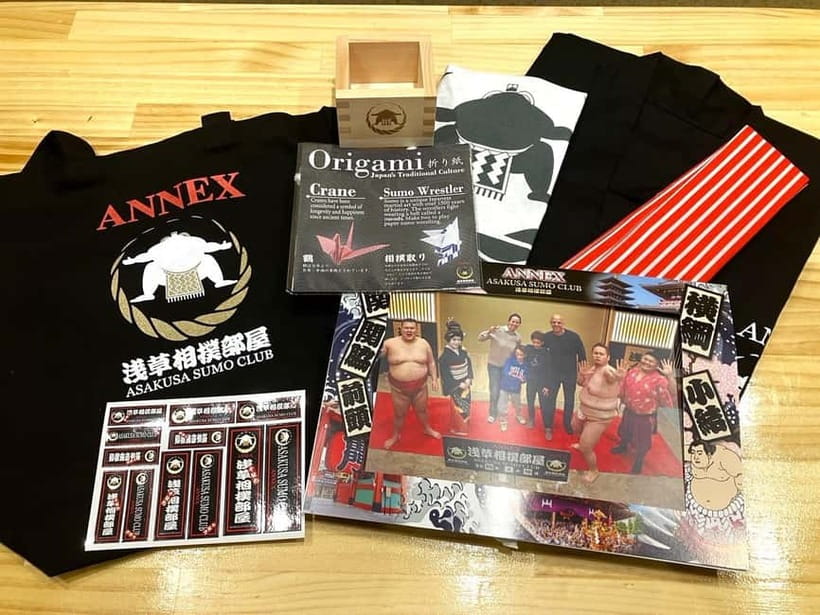
The experience continues after the bouts. You can pose with the wrestlers and receive a printed commemorative photo. Staff also take pictures during the ring challenge, which is helpful if your companions are busy watching or participating.
Souvenirs vary by seating category and season. First Class includes the most substantial package, including a happi coat, while other categories receive their own special gifts. These extras are small, but they give the evening a clear finish and save you from relying only on phone pictures.
The photo session is also a chance to see the wrestlers away from the performance. During the show they are comic and energetic. Afterward, they are generally approachable and happy to interact, which is one reason the experience works well for families and solo visitors.
Who will enjoy this sumo experience most?
I would recommend it to first-time visitors who want a simple way to understand sumo without committing to a full tournament day. The explanations are short enough to hold a child’s attention and detailed enough to give adults useful context.
It suits couples looking for an unusual dinner, families with children old enough to follow a two-hour show, and solo visitors who want an activity with built-in social interaction. The staff make an effort to include people, even when the room is small or the audience is light.
It is less suitable if you want a quiet meal, a serious sporting event, or an active stable visit. The show uses comedy, audience participation, and planned demonstrations. Sumo purists may find it simplified, while first-time viewers will probably appreciate the friendly introduction.
The performance also works well for a rainy evening or a night when you want a fixed two-hour plan in Asakusa. If you attend a late time slot, you may find fewer open businesses nearby afterward, but Asakusa’s temple area and smaller streets can be pleasant to explore while you wait for the show.
Practical details before you go
The meeting point is along Asakusa Kokusai Street, next to Matsuya Restaurant. Check your confirmation carefully, since the Annex is distinct from the main Asakusa Sumo Club. One person went to the wrong venue first, a common enough mix-up that staff were able to guide them to the correct location.
The show lasts two hours, with starting times available according to the date you select. Cancellation is free up to 24 hours before the experience, and you can reserve now while paying later, which helps if your Tokyo schedule is still changing.
The venue is not wheelchair accessible because of stairs. You may be seated with other people, and meals or souvenirs are not included for infants. Bring advance dietary requests to the booking process, especially for vegetarian or vegan food.
Should you book the Asakusa Sumo Club Annex?
Book it if you want sumo explained in clear English, a close view of retired wrestlers, a Japanese meal, and a generous dose of laughter. The strongest parts are the bilingual host, the warm staff, the geisha dance, and the chance to join the ring challenge.
I would choose Standard for value, Business for a celebratory evening with drinks, and First Class only for a front-row treat. Just keep your expectations straight: this is polished entertainment, not an official tournament or a working sumo stable.
For a first introduction to Japan’s national sport, especially with children or friends who know little about sumo, it is an easy recommendation. The price is not low, but the combination of dinner, instruction, performance, photos, drinks, and souvenirs gives you a full evening rather than a short demonstration.
FAQ
How long does the Asakusa Sumo Club Annex experience last?
The experience lasts two hours.
What food is included?
The meal includes a Japanese A5 wagyu beef sukiyaki bento, chanko-nabe hot pot, and matcha dessert. Tempura is also included for Business and First Class seating.
Are drinks included?
Standard seating includes one complimentary drink, with additional drinks available for purchase. Business and First Class include unlimited drinks. First Class also includes premium Japanese whisky such as Yamazaki.
Can I participate in the sumo challenge?
You may have the chance to enter the ring and challenge a wrestler. The number of participants is limited, and if many people want to take part, names are chosen by lottery.
Is the performance suitable for children?
Yes. The show is designed for adults and children, and children may participate in the sumo challenge if selected. Babies under one year old are not suitable for the activity.
Can vegetarian or vegan meals be arranged?
Yes, but you must request a vegetarian or vegan meal at least two days before the reservation date. Same-day requests cannot be accommodated. Gluten-free and halal meals are not available.
Is the venue wheelchair accessible?
No. The venue has stairs and is not wheelchair accessible.
Just added around Tokyo
- Tokyo 6hr Instagram Highlights Private Tour with Licensed Guide★ 5.0 · 38 reviews
- Tokyo Small Group Tour with Guide★ 4.5 · 38 reviews
- Tokyo Sumo Experience with Live Show & Audience Challenge★ 5.0 · 38 reviews
- Very popular in Harajuku♡Animal petting zoo★ 4.6 · 39 reviews
- Japanese Food Cooking Class in Asakusa, Tokyo★ 5.0 · 39 reviews
- Ramen Making from Scratch with Tokyo Mom(Vegan Option Available)★ 5.0 · 39 reviews
- Tokyo: Kimono Rental inside Shinjuku Gyoen National Garden★ 4.9 · 39 reviews
- Tokyo JDM Night: 600hp C63s AMG Edition 1 (Private)★ 4.9 · 39 reviews
Sumo Experiences, compared.
Tokyo Shinjuku Sumo Show & Experience with Photo
Read our review →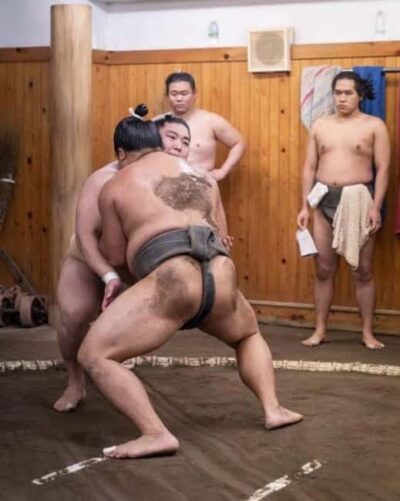
Sumo Show & Experience w/ Optional Kimono & Hot Pot
Read our review →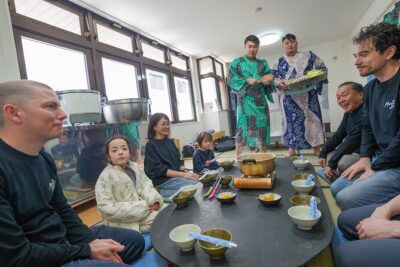
Authentic Sumo Experience in Tokyo: Enter the Sanctuary
Read our review →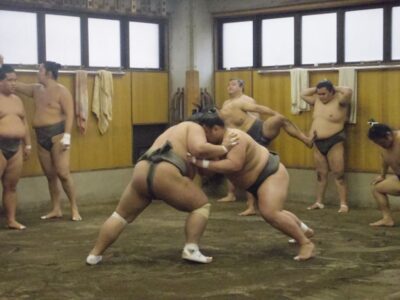
Browse the lists this tour appears in