
Reviewed · SUMO EXPERIENCES
Authentic Sumo Experience in Tokyo: Enter the Sanctuary
Sumo gets personal here. This four-hour experience in Kawasaki takes you inside a former sumo stable, where you see the dining room, bath, practice area, and ring up close. You also watch morning training, try selected sumo exercises, and eat chanko-nabe with the wrestlers. The behind-the-scenes access is the main draw. I also like the included lunch and the warm, funny teaching style reported from guides and wrestlers such as Charlie, Jim, Lily, and Fuji.
The main caution is timing. You must meet at 9:30 a.m. and be on time, since arriving more than five minutes late without contact can count as a cancellation. The stable can also cancel a few days before the activity, and large suitcases are not allowed. At $171.12, this is not a cheap half-day outing, but the meal, guide, transportation arrangements, photographs, T-shirt, and rare access make it a fair value for serious sumo fans and families seeking something beyond a standard sightseeing stop.
In This Review
- Key points to know before you book
- Why this Kawasaki sumo visit is worth the trip from Tokyo
- Inside a former stable: dining room, bath, and practice area
- Watching morning practice from the front row
- Trying sumo exercises with the wrestlers
- Chanko-nabe lunch around a real sumo table
- What the $171.12 price includes
- Who will enjoy this most
- The timing and cancellation risks to understand
- Is this authentic sumo or just a tourist show?
- Should you book the Kawasaki sumo experience?
- FAQ
- Where does the sumo experience take place?
- What time does the tour start?
- How long does the experience last?
- Is lunch included?
- Can I participate in sumo training?
- Can I bring a suitcase?
Key points to know before you book
- A real former sumo stable: The building was officially used until 2022, giving you a look at the everyday setting where wrestlers lived and trained.
- Training happens close to the ring: You sit directly in front of the sumo ring for a morning practice session.
- You can try the movements: Participants may take part in exercises and, depending on the session, challenge a wrestler in the ring.
- Chanko-nabe is part of the experience: You help prepare chicken dumplings and eat the hearty hot pot around a table used in the sumo room.
- The group stays small: The maximum is 15 people, which gives the guide room to explain customs and involve families.
- The start is strict: Meet at 9:30 a.m. at the stated Kawasaki meeting point near Shin-Kawasaki Station, with no room for a late arrival.
Why this Kawasaki sumo visit is worth the trip from Tokyo
The word Tokyo in the tour title is useful for marketing, but the actual setting is Kawasaki, in Kanagawa Prefecture. That distinction matters. You are not walking into a major stadium in central Tokyo for a quick photo. You are heading to a working-style sumo setting in a quieter part of town.
That extra effort is part of the value. A tournament gives you polished bouts, ceremony, and a large crowd. This experience gives you the daily side of sumo: where wrestlers eat, wash, sleep, train, and build their bodies. You learn how much of the sport depends on routine rather than just the few seconds when two wrestlers crash together.
The meeting point is listed at 1-chōme-2-1 Kashimada, Saiwai Ward, Kawasaki, close to Shin-Kawasaki Station. Check the exact route before leaving your hotel, and allow extra time for the station and meeting point. The tour begins at 9:30 a.m. sharp. If you are more than five minutes late without contacting the operator, you may be treated as a no-show with no refund.
More sumo experiences in Japan:
- Tokyo: Sumo Show Experience with Chicken Hot Pot and a Photo
★ 4.8 · 6,678 reviews - Tokyo: Sumo Show and Dining Experience
★ 4.8 · 2,742 reviews - the SUMO show
★ 5.0 · 1,960 reviews
Inside a former stable: dining room, bath, and practice area
The first part is a guided introduction to the sumo world. Your guide explains the sport’s traditions, history, and customs before taking you through the building. That setting gives the talk more weight than a museum display because you are standing in the places connected to the daily life of wrestlers.
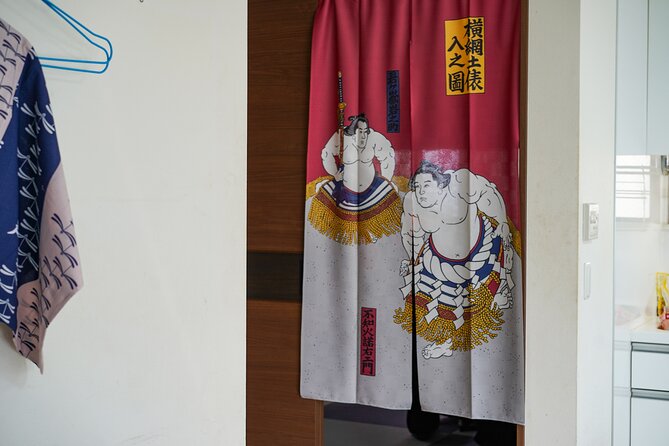
You see the dining room, bath, and practice area. Each space helps explain the strict communal routine. The dining room is especially important later, since the group eats around a table that was actually used in the sumo room.
The bath and living spaces also help correct the usual image of sumo as only a public contest. Sumo wrestlers follow a demanding way of life built around training, food, rest, and hierarchy. The tour does not simply show you a ring and ask for a picture. It gives you the setting in which the sport is practiced day after day.
Guides add another layer. Charlie is praised for meeting people at the station and sharing useful information on the way. Jim is described as clear and detailed, while Lily is noted for her strong English and enthusiasm for sumo. Guide assignments can change, so treat those names as examples rather than a guarantee.
Watching morning practice from the front row
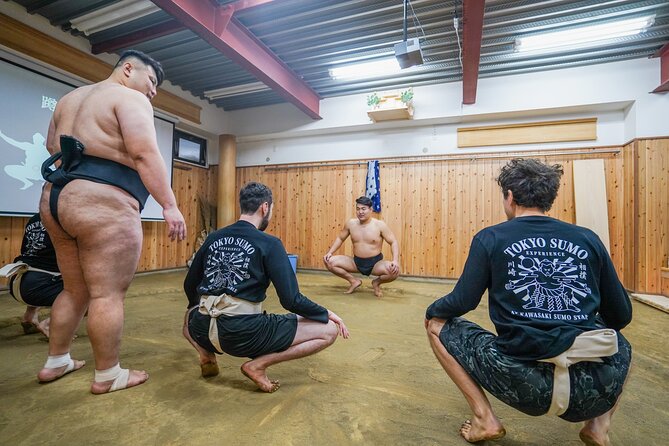
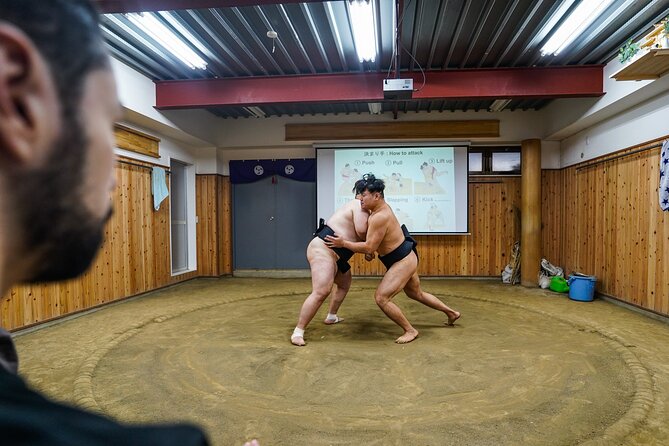
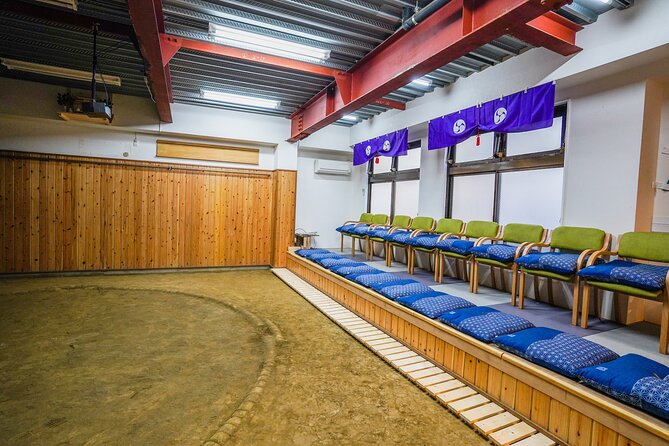
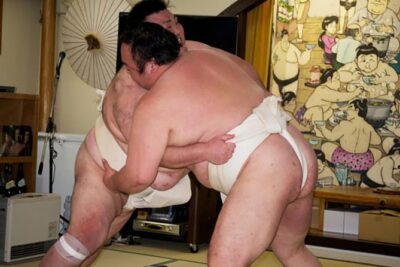
The central event is the morning practice session. You sit right in front of the ring, close enough to see the physical effort rather than viewing it from a distant stand. This is not a theatrical stage show. The training is linked to a long-standing routine that has continued since the samurai era.
Morning practice usually begins around 7 a.m. and can last three or four hours. Since this activity begins at 9:30 a.m., the exact portion you see depends on the day’s schedule and how the stable organizes the visit. Your guide explains what is happening, which helps if you are new to sumo and do not yet know the difference between training movements, ritual gestures, and bouts.
The serious opening can make the group quiet at first. That is not a bad thing. Sumo has formal rules and a strong sense of respect, so the early part gives you time to watch before the mood becomes more playful.
The distance from the ring is a major advantage. You notice the force behind each movement, the concentration required, and the contrast between the wrestlers’ large bodies and their controlled footwork. Even if you have never followed a tournament, you can understand that this is demanding athletic training.
Trying sumo exercises with the wrestlers
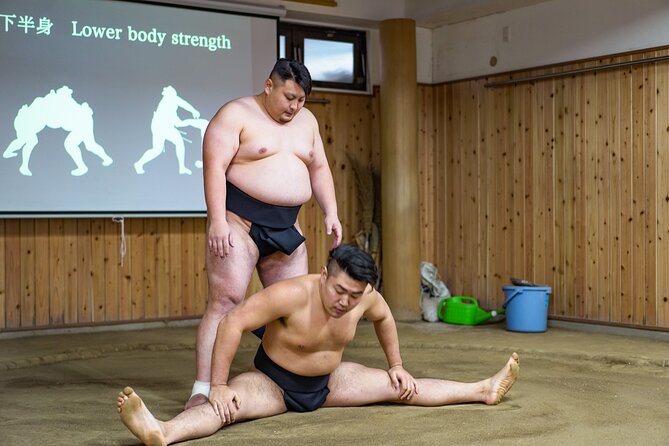
After watching, you may get the chance to take part. The wrestlers demonstrate movements and invite participants to try them. You might practice basic exercises, test your balance, or step into the ring for a playful challenge.
This section is clearly aimed at participation rather than technical instruction. One French-speaking visitor described the practical exercises as more amusing than useful, especially for children and teenagers. That is a fair way to view it. You will not become a trained rikishi in one morning, but you will get a physical sense of how difficult the sport is.
The wrestlers’ attitude makes a big difference. Reports describe them as friendly, humorous, and eager to answer questions. Their good nature helps shy people join in, and children often find this the most memorable part. Adults should remember that the wrestlers are still athletes, so follow the guide’s directions and do not treat the ring like a free-for-all.
The challenge is one of the few chances in Japan to move from watching sumo to feeling its strength directly. You may not win, but that is hardly the point. The fun comes from realizing how quickly a seemingly simple push becomes a lesson in balance and power.
A few more Japan experiences worth weighing up
- EVO, WRX, Skyline – JDM Night Run to Daikoku Car Meet
★ 4.9 · 478 reviews - Tokyo: Best Price Daikoku Parking Area JDM Car Meet
★ 4.9 · 192 reviews - Daikoku & Tokyo Private JDM Tour by 700HP R34 GT-R
★ 4.9 · 101 reviews - Tokyo 8hr Private Tour with Licensed Guide from Yokohama
★ 5.0 · 94 reviews
Chanko-nabe lunch around a real sumo table
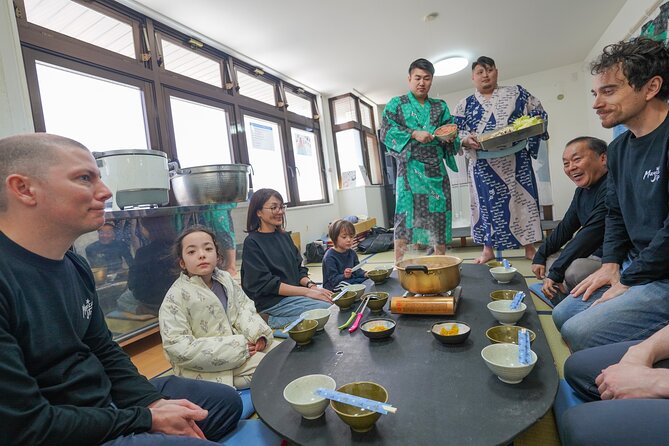
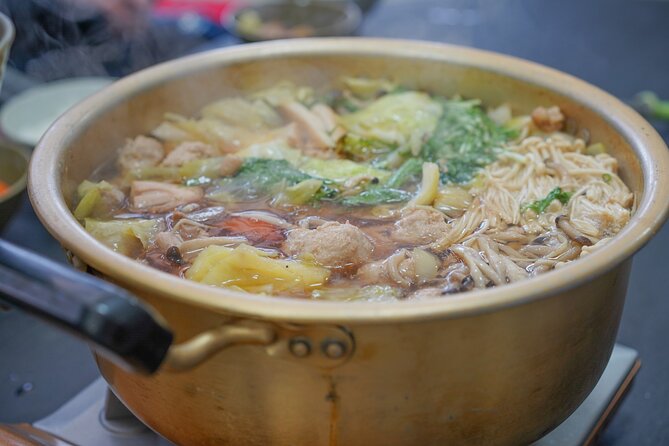
Food is not an afterthought here. The included meal is chanko-nabe, the hot pot closely associated with sumo wrestlers’ high-calorie diet. You help make chicken dumplings with the wrestlers, then eat together around the same type of table used in the stable.
This shared meal changes the pace of the visit. After the noise and effort of practice, you have time to sit down, ask questions, and talk with the people who demonstrated the sport. It also makes the cultural side easier to understand. Food is one of the ways the communal life of a sumo stable becomes real.
The soup has been a strong part of the experience for many people. One family’s son reportedly ate four bowls, which tells you the meal is more than a symbolic taste. Still, additional food and drinks are not included, so bring money if you want anything beyond the provided lunch.
Tell the operator about allergies or dietary requests at least one day ahead. Same-day requests cannot be accommodated. The food is prepared in kitchens outside the operator’s control, and an allergy-free meal or a suitable substitution cannot be guaranteed. That is important for anyone with a serious allergy.
What the $171.12 price includes
The cost is $171.12 per person. That is a sizable amount for a four-hour activity, especially when compared with simply attending a sumo match or visiting a museum. The comparison is not quite fair, though, because this includes several separate elements:
- A certified MagicalTrip guide
- The sumo experience and stable visit
- The training demonstration and possible participation
- Chanko-nabe lunch
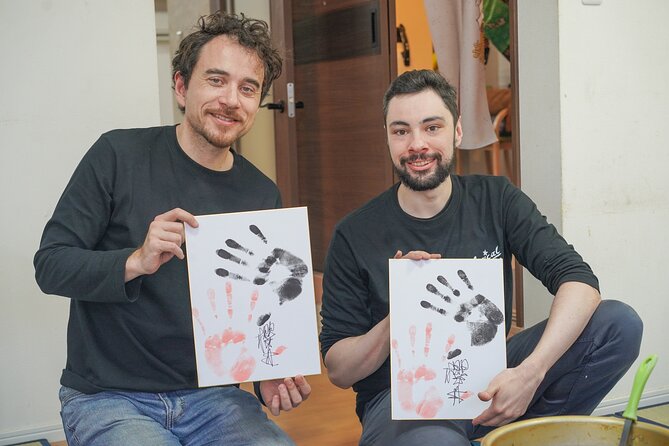
- Tour photographs
- An original T-shirt
Some feedback also describes a comfortable van or taxi transfer from the station, with the fare included in that booking. Since the formal meeting details focus on Shin-Kawasaki Station and the Kawasaki address, confirm the exact pickup arrangement after booking.
I see the price as reasonable if you value access and interaction. You are paying for a small group capped at 15, a guide who explains the customs, a meal in the sumo setting, and direct contact with wrestlers. If your main goal is to watch a full professional tournament, this is the wrong purchase. If you want to understand how sumo life works and take part in it for a morning, the cost has a stronger case.
The included T-shirt and photographs are pleasant extras, but I would not base the decision on them. The real value is the stable, the ring-side training, and the meal with the wrestlers.
Who will enjoy this most
Families often get a lot from this experience. Children can see the training, try the exercises, and ask questions rather than sitting through a long historical lecture. The food also gives the morning a clear finish, and the group format encourages participation.
Long-time sumo fans may find it even more rewarding. You get details about stable life that a tournament ticket cannot provide, and you have the chance to meet wrestlers face to face. The opportunity to train with a rikishi, even briefly, is a memorable addition for anyone who has followed the sport for years.
Couples, solo visitors, and groups of friends can fit in well too. The guides use humor and explanation to break the ice, and the activity becomes more social as the morning continues. If you prefer quiet observation with no participation, you can still watch the practice and stable tour, but the experience is designed to involve you.
Most people can participate, but the exercise portion is optional according to the description. Wear clothing that allows comfortable movement, especially if you hope to enter the ring. Summer in Japan can be very hot and humid, so bring water and a hat. There is no place for large suitcases, so leave heavy luggage at your hotel.
The timing and cancellation risks to understand
This activity is strict about punctuality. Arrive early at the meeting point, not just at Shin-Kawasaki Station. The tour starts on time, and missing the group can mean losing both the experience and your payment.
You can cancel for a full refund up to 24 hours before the start time. Cancellations or changes made within 24 hours are not refunded or accepted, and a no-show after the start time receives no refund.
There is also a special risk with sumo stables. An unexpected cancellation can happen a few days, or even a couple of days, before the scheduled date. If the minimum number is not reached, the operator will offer another date or experience, or provide a full refund. I would avoid placing this tour on the one morning when a missed activity would ruin your entire Japan schedule.
Is this authentic sumo or just a tourist show?
It is best described as a structured cultural visit with real access, not an ordinary public tournament. The former stable was officially used until 2022, the ring and table are connected to sumo life, and the training movements are based on actual practice.
At the same time, the participation section is made for visitors. The humor, demonstrations, and chance to wrestle are meant to be fun. That does not make them fake, but it does mean you should not expect to observe a completely private training session without explanation or interaction.
For me, that balance is sensible. You get genuine context without being left to guess what you are seeing. The guide helps bridge the gap between an unfamiliar ritual and an enjoyable morning activity.
Should you book the Kawasaki sumo experience?
I would book it if you want more than a photograph beside a sumo statue. The best parts are the former stable, front-row training view, hands-on exercises, and chanko-nabe meal with the wrestlers. Families and sumo fans get the most from the personal contact.
I would skip it if your schedule is too tight for a firm morning commitment, if you need guaranteed allergy-free food, or if you only want to watch a formal match. Also think carefully about the $171.12 price and the possibility of a last-minute stable cancellation.
For most people who can manage the timing and cost, this is a strong choice. It gives you a clearer picture of sumo as a way of life, not just a sport in a ring. That is what makes the morning worth the trip from central Tokyo.
FAQ
Where does the sumo experience take place?
The activity takes place in Kawasaki, Kanagawa, near Shin-Kawasaki Station. The listed meeting point is 1-chōme-2-1 Kashimada, Saiwai Ward, Kawasaki, Kanagawa 212-0058, Japan.
What time does the tour start?
The start time is 9:30 a.m. The tour begins on time, and arriving more than five minutes late without contacting the operator may be treated as a cancellation.
How long does the experience last?
The activity lasts approximately four hours and 10 minutes. It ends back at the meeting point.
Is lunch included?
Yes. Chanko-nabe lunch is included, along with chicken dumplings prepared with the wrestlers. Additional food and drinks are not included.
Can I participate in sumo training?
Participants have the opportunity to try sumo movements and exercises with the wrestlers. The experience also includes a demonstration and time to watch practice from in front of the ring.
Can I bring a suitcase?
Large luggage such as suitcases is not permitted. Bring only what you need for the morning, including water and a hat during hot, humid summer weather.
Just added around Japan
- Kanazawa private half day/Photoshoot by professional photographer★ 5.0 · 38 reviews
- Osaka Food Tour with 10 Classic Japanese Tastings & Drinks★ 5.0 · 38 reviews
- Osaka: Highlights & Hidden Gems Private Walking Tour★ 4.7 · 38 reviews
- Tokyo Small Group Tour with Guide★ 4.5 · 38 reviews
- Tokyo 6hr Instagram Highlights Private Tour with Licensed Guide★ 5.0 · 38 reviews
- From Tokyo: Kamakura Private Customize Tour by Luxury Van★ 4.6 · 38 reviews
- Tokyo Sumo Experience with Live Show & Audience Challenge★ 5.0 · 38 reviews
- Kyoto: Private Customizable Day Trip by Car★ 5.0 · 38 reviews
Sumo Experiences, compared.
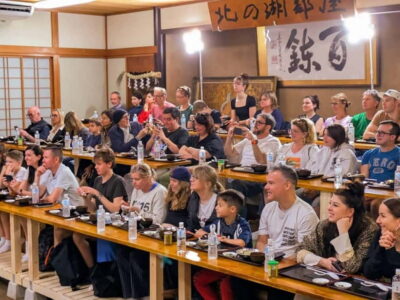
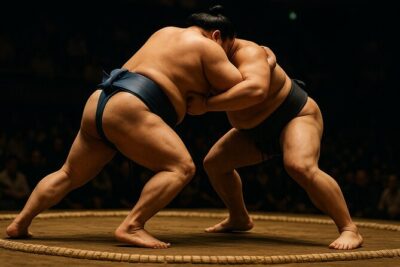
Tokyo Shinjuku Sumo Show & Experience with Photo
Read our review →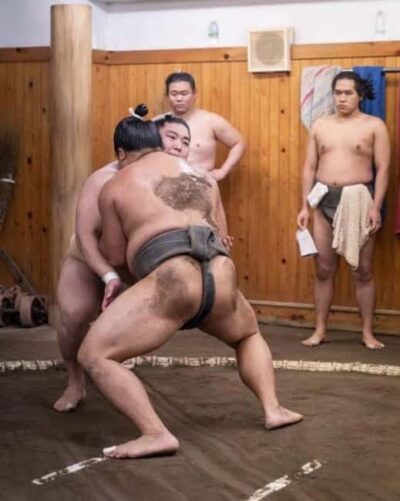
Sumo Show & Experience w/ Optional Kimono & Hot Pot
Read our review →
Luxury Sumo Show Experience & Japanese cuisine & Drink
Read our review →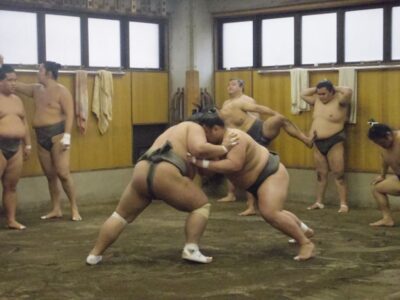
Browse the lists this tour appears in