
Reviewed · KIMONO DRESSING & PHOTOSHOOTS
Kyoto: Traditional Kimono Rental
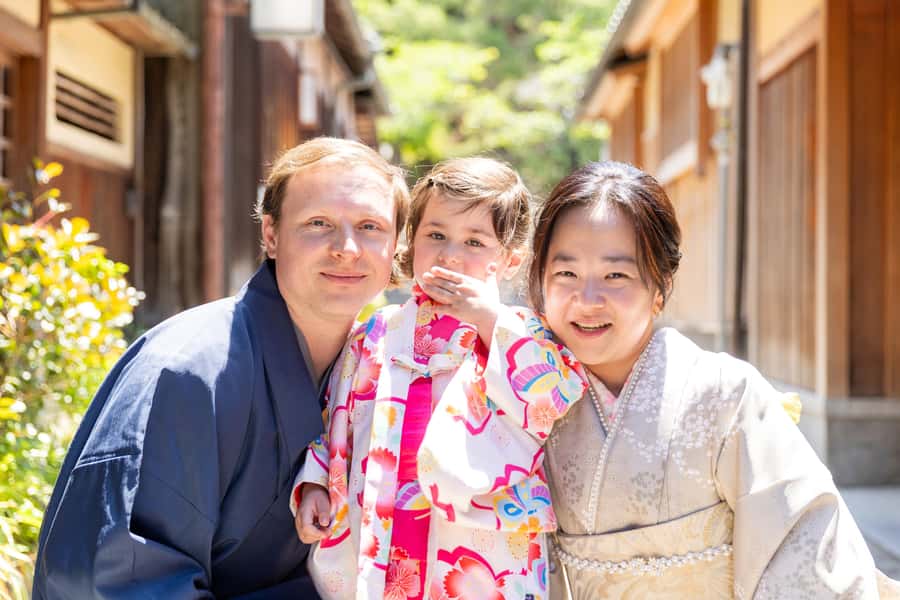
Kyoto looks different in a kimono. This rental experience lets you walk the city in clothing supplied by a shop with 160 years of kimono experience, choosing from formal, casual, seasonal, and modern designs. I like the broad size range and the care taken by in-house dressers. The main catch is time: dressing takes about an hour, and optional hair and makeup add another 30 minutes.
I also like the location, just three minutes from Gojo Station and one stop from Kyoto Station. The large selection makes it easier to find something that suits your style rather than settling for the first available outfit. Still, the 5:30pm same-day return deadline can shorten your sightseeing day, especially if you want to visit a distant temple.
For a relatively low starting price of $25 per person, this is a good way to add a memorable cultural activity to a Kyoto itinerary. You should expect a dressing appointment, not a guided tour, and you will need to plan your route, meals, photos, and return time yourself.
In This Review
- Key points to know before booking
- Why wearing a kimono changes a Kyoto day
- Arriving at the Gojo Station shop
- Choosing between classic and modern designs
- The one-hour dressing process
- Hair styling and makeup add polish
- Making the most of your sightseeing route
- Price and what you receive for $25
- Service, languages, and the practical experience
- Professional photos and independent pictures
- Who will enjoy this most
- Final verdict: should you book Kyoto Kimono Rental Yumeyakata?
- FAQ
- How much does the Kyoto kimono rental cost?
- Where does the activity begin and end?
- How long does kimono preparation take?
- What hairstyles are available?
- Is makeup included, and is it maiko makeup?
- When must I return the kimono?
- Who cannot take part in this activity?
Key points to know before booking
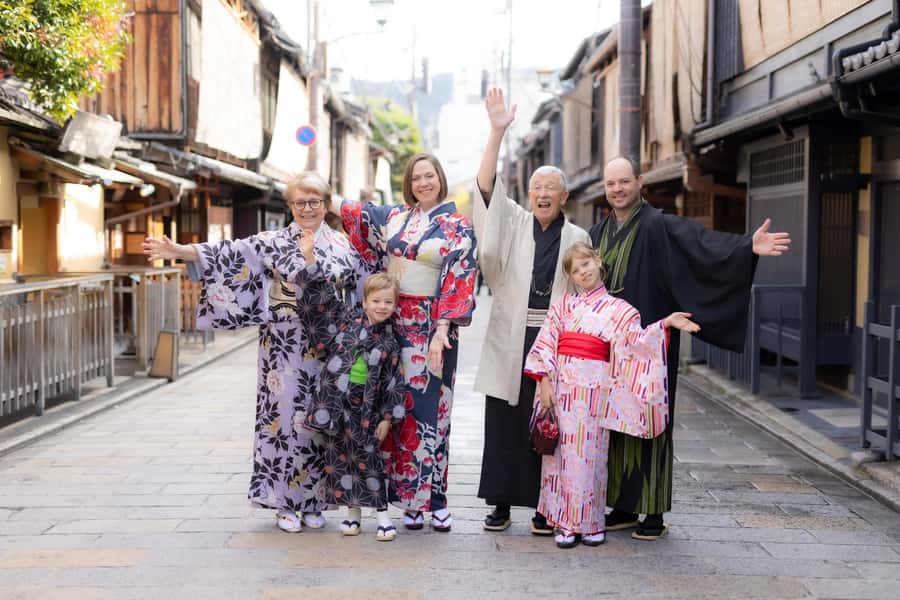
- A shop with Edo-period roots: Yumeyakata comes from a kimono business with around 160 years of experience.
- One of Kyoto’s broadest selections: Choose among classic, formal, seasonal, contemporary, and premium styles.
- Professional dressing matters: A kimono is not a simple robe, and trained staff fit and secure each layer for comfort.
- Convenient Gojo location: The shop is a short walk from Gojo Station, making arrival easy from Kyoto Station.
- Plan for preparation time: Allow one hour for kimono dressing, or about 90 minutes with hairstyling and makeup.
- Return rules shape your day: Same-day returns are due by 5:30pm unless you pay for next-day or postal return.
Why wearing a kimono changes a Kyoto day
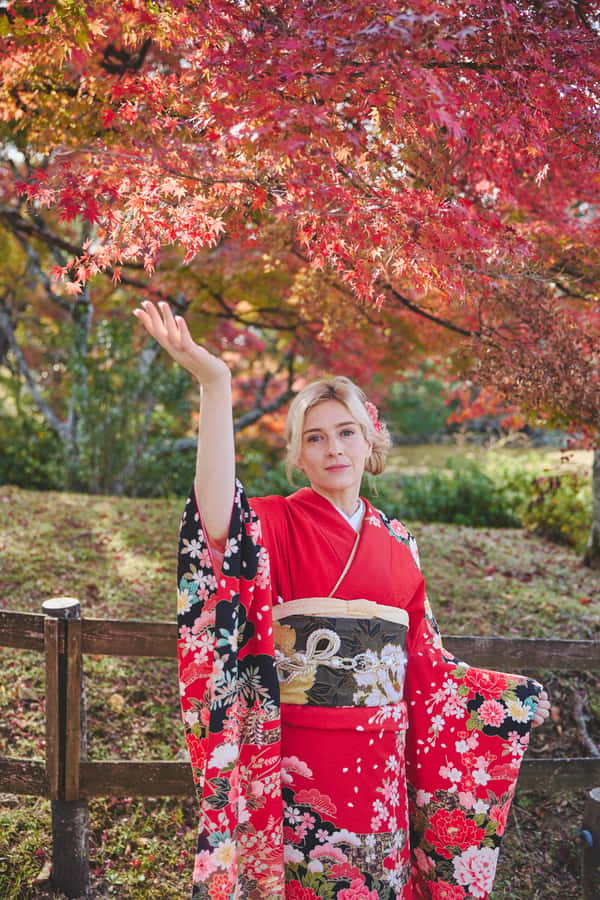
A kimono rental gives you a physical connection to Kyoto that a quick temple visit cannot. You are not only looking at traditional clothing in a museum. You are learning how it feels to move through the city in carefully arranged layers, a tied obi, and formal footwear.
That change affects the pace of the day. You will likely walk more slowly, take more care on steps, and notice how people respond to the clothing. Wooden machiya houses, old teahouses, temple gates, and narrow lanes become natural settings for photographs.
The experience is not a historical lecture or a full cultural class. It is a practical introduction to one part of Japanese dress, with the value coming from the dressing process and the chance to wear the clothing outside the shop.
I especially like that the shop combines older techniques with current design choices. You can choose a classic pattern, or pick a color and style that feels more modern. That makes the activity suitable for someone who loves traditional details, as well as someone who does not normally wear formal clothing.
More Kimono Experiences in Kyoto
- Kimono Tea Ceremony at Kyoto Maikoya, NISHIKI
★ 5.0 · 911 reviews - Kyoto: Kimono Rental with Hairstyling and Accessories
★ 4.8 · 653 reviews - Kyoto: Kimono Tea Ceremony at Orizuruya Gion
★ 4.9 · 618 reviews
Arriving at the Gojo Station shop
Kyoto Kimono Rental Yumeyakata is at the Gojo Station meeting point, about a three-minute walk from the station. Gojo is only one stop from Kyoto Station, so the location works well if you are arriving with a day bag and want to begin quickly.
The shop is also positioned for several popular routes. From the area, you can plan toward Kiyomizu-dera and Higashiyama, Gion, Fushimi Inari Shrine, or Nijo Castle. These places are not all close enough to treat as one easy walking loop, so choose your sightseeing area before dressing.
You can store your clothes and handbag during the rental. Large suitcases, strollers, and other oversized luggage are different: storage costs an additional ¥550 per piece per day and is paid on site. I would avoid arriving with bulky bags if possible. A kimono day is easier when you carry only a small amount.
Indoor rules are strict and worth noting. Smoking, indoor shoes, video recording, indoor photography, and strong fragrances are not allowed. You can take photographs after leaving the shop, but do not plan on filming the selection or dressing process inside.
Choosing between classic and modern designs
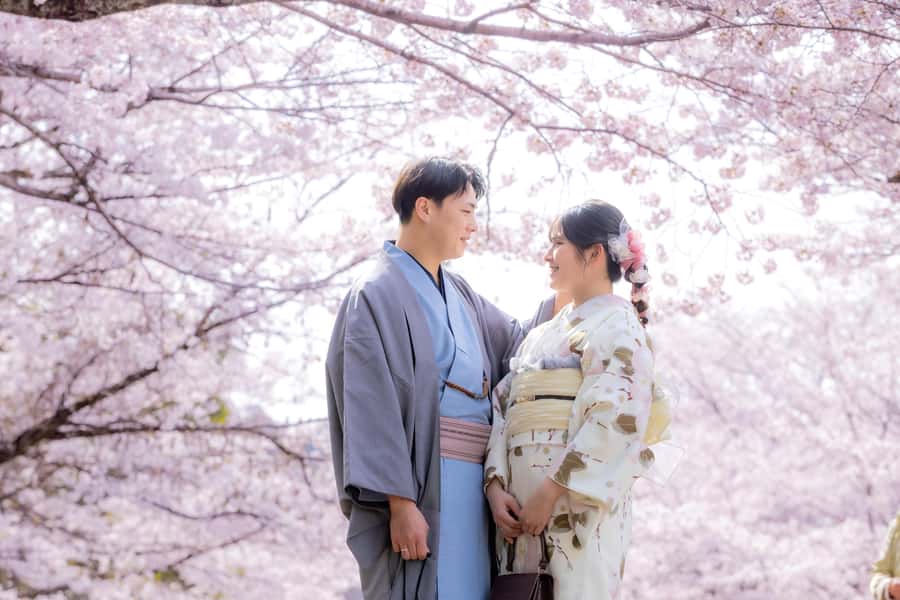
The selection is one of the strongest parts of this experience. The shop carries kimono in many colors, patterns, and levels of formality. You might find subdued traditional designs, seasonal motifs, brighter contemporary patterns, and premium options intended for tea ceremonies or photo sessions.
The standard rental plan is aimed at a day of sightseeing. Yukata rental is another option, and premium kimono plans are available if you want something more formal. The exact choice depends on the plan you book, so check that your selected option matches the clothing you want.
The staff help you make a practical choice, but you should still think about your day. If you plan to visit temples and traditional streets, a classic design may fit the setting. If photographs are the main goal, a bolder color or pattern may show better against wooden buildings and stone paths.
The size range is unusually broad. Women’s sizes run from S to 4LW, while men’s sizes run from 5S to 5L. That does not remove the need for a proper fitting, but it gives more people a realistic chance to wear a comfortable outfit.
People taller than 200 centimeters, or about 6 feet 6 inches, cannot use this experience. It is also not suitable for pregnant women, wheelchair users, or babies under one year old.
The one-hour dressing process
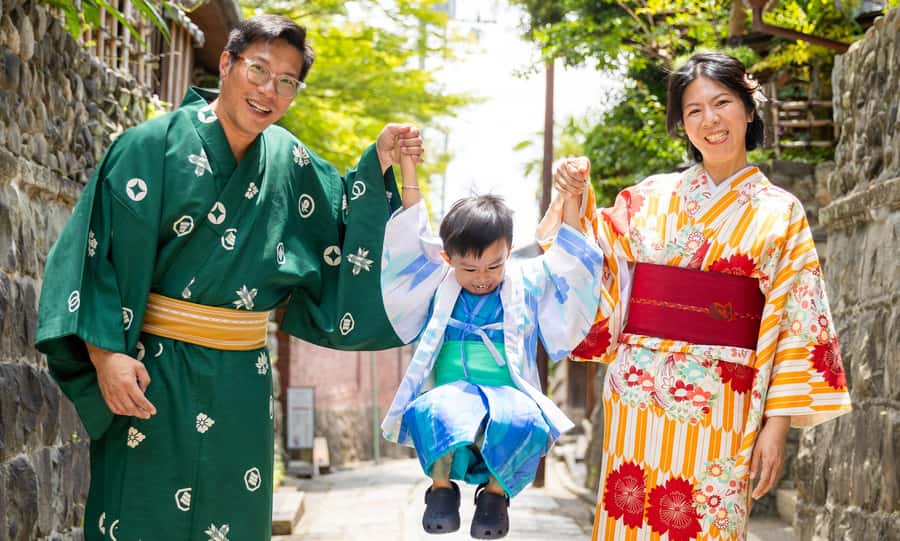
Allow one hour for standard preparation. The schedule can take longer if the shop is busy, and the departure time is not guaranteed. This is the most important planning detail in the whole activity.
A kimono requires more care than putting on a jacket or dress. The dresser arranges the garment, adjusts the fit, ties the obi, and checks the finished appearance. The process gives you a better sense of the skill involved in traditional dress.
The shop says its dressers and stylists train in-house and must pass internal examinations before working with customers. That matters because proper fitting affects both comfort and appearance. A badly arranged kimono can feel restrictive, while a careful fitting lets you walk and pose with more confidence.
The dressing itself is part of the cultural value. You can watch the staff work and learn why the clothing takes time to put on. One especially useful detail from the experience is the staff’s explanation of the historical significance of the yukata, the lighter casual garment often associated with warm weather.
You should wear or bring practical underlayers and avoid applying strong fragrance before arriving. The shop specifically asks customers not to use strong fragrances, and the close dressing process makes that a sensible rule.
A completely different kind of day out in Kyoto:
- PERFECT KYOTO 1-Day Bus Tour
★ 5.0 · 13,518 reviews - Kyoto: Fushimi Inari, Kinkakuji, Bamboo Grove 1 Day Bus Tour
★ 4.8 · 4,316 reviews - Kyoto: Tea Ceremony in a Traditional Tea House in Kiyomizu
★ 4.9 · 3,519 reviews - Kyoto Geisha Walking Tour: Gion District & Hidden Gems
★ 4.7 · 3,273 reviews
Hair styling and makeup add polish
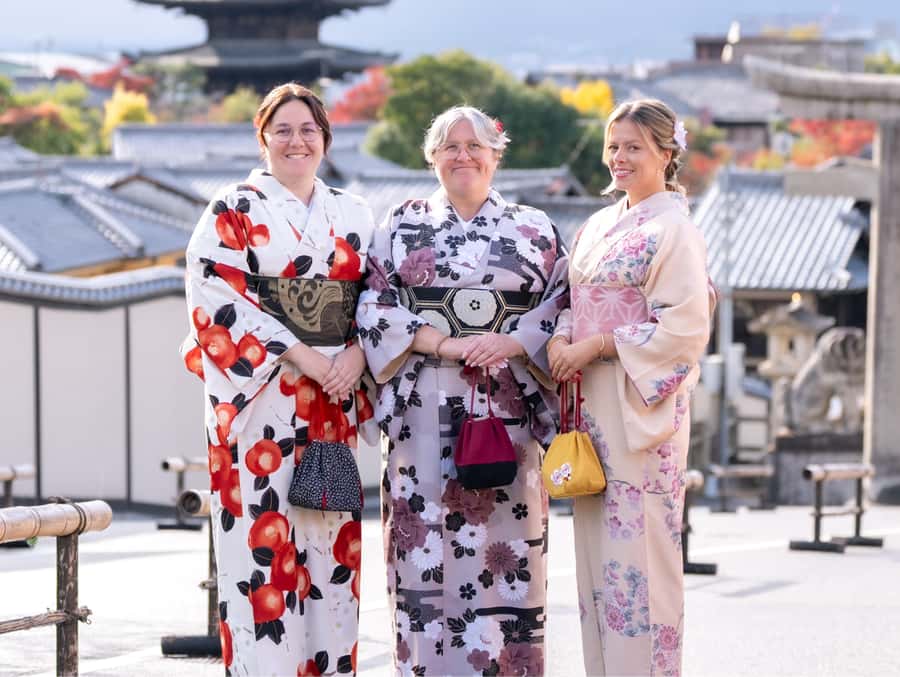
Women can add hairstyling, makeup, and hair accessories. The standard hairstyling option offers eight styles from a catalogue, so you can choose a look without spending too much time deciding.
If you want a customized hairstyle, the additional cost is ¥1,100 per person. A hairstyle requested only after arrival costs ¥2,200 per person, and availability may be limited if the salon is fully booked. If the hairstyle matters to you, select it ahead of time rather than hoping for an opening.
Hairstyling adds about 30 minutes to preparation. Makeup also adds time, although the available makeup is not maiko or geiko makeup. That distinction is important. You are receiving ordinary event or sightseeing makeup, not the white face and elaborate styling associated with Kyoto’s professional entertainers.
I think the hair option is worthwhile if photographs are a major reason for booking. A traditional hairstyle helps the outfit look complete and gives you a more polished appearance in portraits. If you simply want to wear a kimono while walking through town, the basic rental may offer better value.
Making the most of your sightseeing route
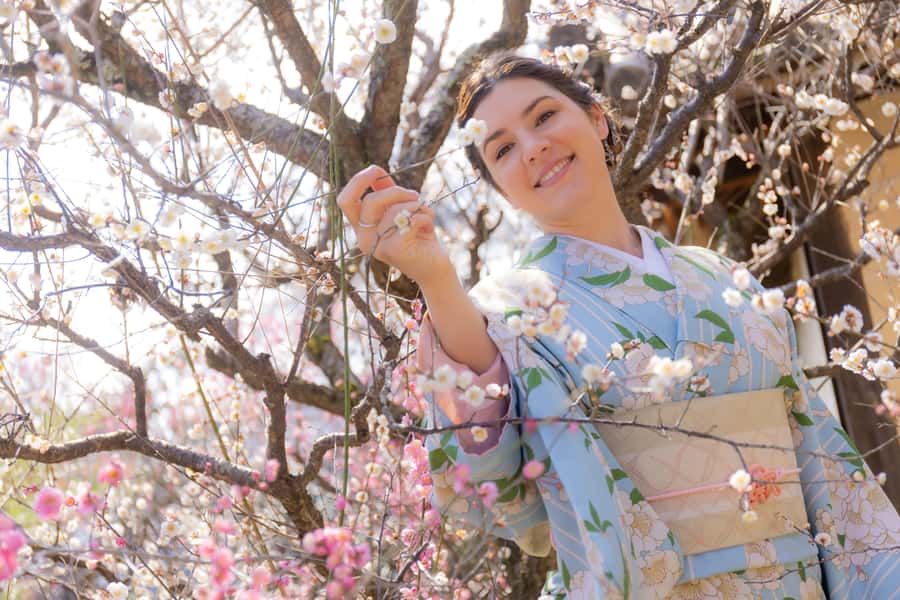
The rental ends back at the shop, so you are responsible for planning your outing. The strongest choices are areas where traditional architecture gives your photographs a clear sense of place.
Higashiyama is a natural option, with access to Kiyomizu-dera, old streets, and wooden buildings. Gion also suits the clothing, especially if you want a calm walk through Kyoto’s traditional quarter. Fushimi Inari Shrine offers a different setting, with its famous shrine paths, while Nijo Castle provides a historic backdrop.
You can also go to Arashiyama, including the Monkey Park, but allow more travel time. The rental shop is convenient for several areas, yet it is not beside every major sight. A good photograph depends as much on choosing the right setting as on the kimono itself.
Wear the kimono for a focused half-day or full afternoon rather than attempting an overloaded sightseeing schedule. Temples often involve stairs and uneven paths. You can walk in the outfit, but you will have a more pleasant day if you leave room for pauses, photos, and careful movement.
The same-day return deadline is 5:30pm. If you want to stay out later, you can return the kimono the next day between 9am and 5pm for an extra fee, or use postal return for another additional charge. Confirm the exact procedure at arrival, since the shop offers three return methods.
Price and what you receive for $25
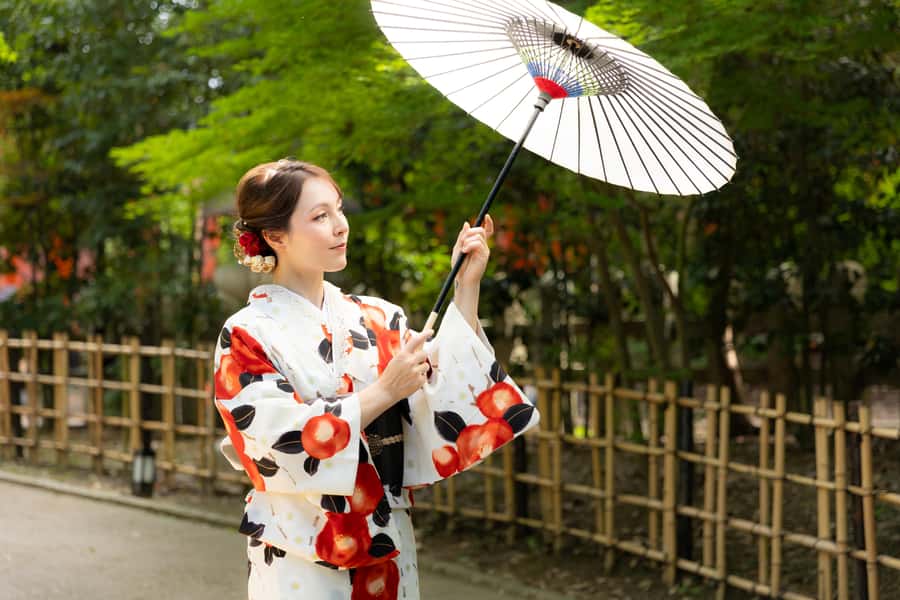
At $25 per person, the standard rental is good value if you use the clothing for several hours. The price covers the selected kimono rental plan and storage of your clothes and handbag. It does not include professional photography, hair, makeup, accessories unless selected as add-ons, or large-luggage storage.
The price also does not buy a guided cultural tour. You are paying for access to a large collection, professional dressing, and the chance to explore Kyoto dressed in traditional clothing. That is a different kind of value from a temple tour or cooking class.
Hair and makeup can raise the total, as can a premium kimono or a later return. I would compare the final price after selecting extras, especially if your budget is tight. Still, the basic option remains appealing for a special day, a couple’s activity, a family outing, or a photo-focused visit.
The strongest value comes when you already plan to visit a traditional district. You do not need to add a separate photo location or cultural attraction. The city itself becomes the setting.
Service, languages, and the practical experience
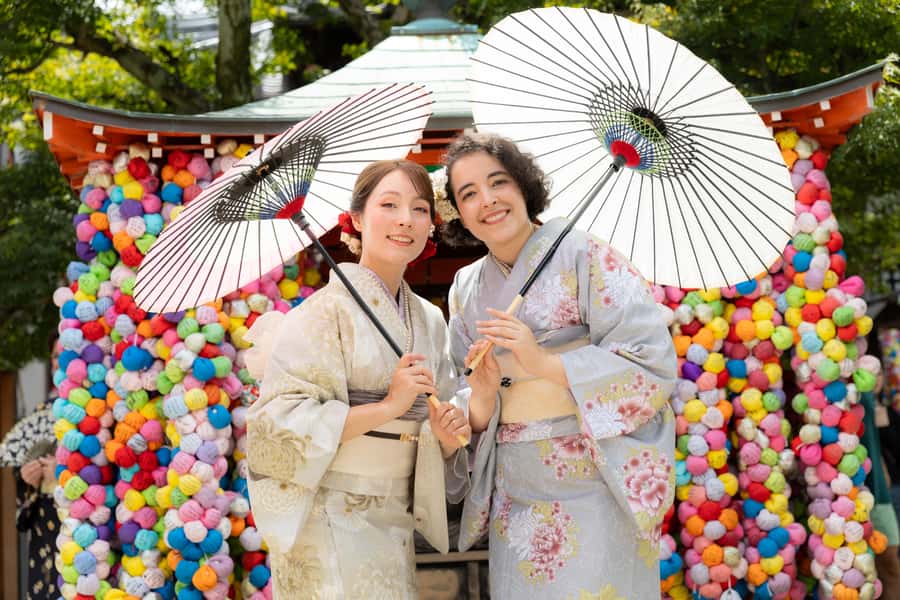
The shop offers service in English, Japanese, Chinese, Korean, and Traditional Chinese. That broad language support helps during clothing selection, sizing, and return instructions.
The staff’s professional approach is another major strength. They are trained in-house rather than brought in as temporary daily workers. That suggests a consistent process, which is especially useful when many people need to be dressed on the same morning.
The operation is organized around appointments and preparation, so do not arrive expecting an instant walk-in service. One positive detail is that a coordinator has helped customers find the shop and organize communication through a WhatsApp group chat. You should still rely on the address and meeting instructions supplied with your booking.
The clearest weakness is the return procedure. It is explained on arrival, but you should listen carefully and confirm the deadline, especially if you choose next-day or postal return. Keep any payment details for extra services clear before leaving the shop.
Professional photos and independent pictures
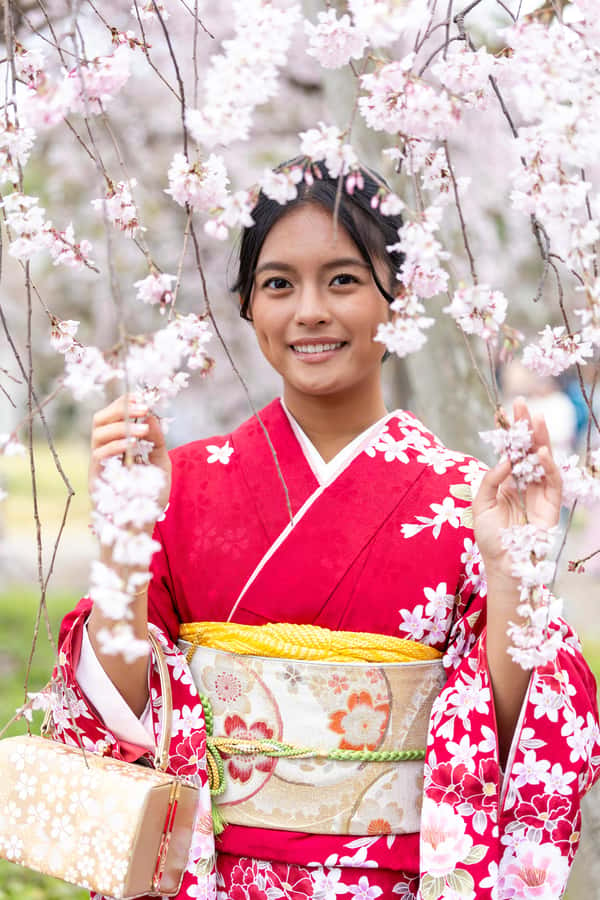
Professional photography and video are not included. They are available separately, but the supplied information does not specify the price or exact package, so ask before committing.
You can also take your own pictures after leaving the shop. A friend or family member can photograph you around Higashiyama, Gion, the river, a temple area, or another suitable setting. The staff can help you look polished, but you will need to choose the backdrop and manage the timing.
Indoor photography is not permitted, so use the shop for selection and preparation, then save your camera work for outside. This rule protects the dressing process and keeps the shop’s operations moving.
If you want photographs from the day, plan them early rather than waiting until the final hour. You will need time to return to Gojo by 5:30pm, and Kyoto’s sightseeing areas can take longer to cross than the map suggests.
Who will enjoy this most
I would recommend the rental to couples, families, friends, solo photographers, and anyone who wants a cultural activity that is easy to add to a Kyoto day. The wide selection and inclusive sizing make it more flexible than a rental shop with only a small set of standard outfits.
It is especially suitable for people who enjoy taking photographs or visiting traditional neighborhoods. Families can also make it work, since the staff have handled adults and young children together, although babies under one year old are excluded.
You may want to skip it if you dislike tight clothing, have limited time, need wheelchair access, or want a fully guided cultural lesson. You should also reconsider if your Kyoto schedule is built around long-distance travel between several distant sights.
The experience has a strong rating of 4.7 from 265 reviews, and the most praised points are consistent: kind staff, attractive clothing, careful dressing, helpful hair styling, and good value. Those strengths match the practical details of the service rather than depending only on the novelty of the outfit.
Final verdict: should you book Kyoto Kimono Rental Yumeyakata?
Book it if you want more than a quick costume photograph. The staff, selection, sizing, and central location make this a well-rounded way to spend part of a Kyoto day, and $25 is reasonable for several hours of use.
Choose the standard plan for a simple outing, or add hairstyling if photographs are central to your plans. Pick a nearby district such as Higashiyama or Gion, allow at least 90 minutes if using hair and makeup, and set an alarm for the 5:30pm return.
I would not book it for a rushed itinerary or a day involving heavy luggage and nonstop temple hopping. For most people with a little spare time, though, wearing a carefully fitted kimono through Kyoto’s old streets is a memorable and fairly priced addition to the city.
FAQ
How much does the Kyoto kimono rental cost?
The listed price is $25 per person. The final cost can be higher if you choose a premium kimono, hairstyling, makeup, hair accessories, next-day return, postal return, professional photography, or large-luggage storage.
Where does the activity begin and end?
You begin at Kyoto Kimono Rental Yumeyakata, about a three-minute walk from Gojo Station. The activity ends back at the same meeting point.
How long does kimono preparation take?
Standard kimono preparation takes about one hour. Customers who add hairstyling and makeup should allow about 30 additional minutes. The shop cannot guarantee an exact departure time.
What hairstyles are available?
The shop offers eight hairstyles from a catalogue. A customized hairstyle costs an additional ¥1,100 per person, while requesting a hairstyle upon arrival costs ¥2,200 per person. Availability may be limited for requests made on the day.
Is makeup included, and is it maiko makeup?
Makeup is not included in the standard rental. It is available as an add-on, but it is not maiko or geiko makeup.
When must I return the kimono?
Same-day return is due by 5:30pm. You can also return it the next day between 9am and 5pm for an extra charge, or return it by post for an extra charge.
Who cannot take part in this activity?
The rental is not suitable for pregnant women, wheelchair users, people over 200 centimeters tall, or babies under one year old.
Just added around Kyoto
- Kyoto: Private Customizable Day Trip by Car★ 5.0 · 38 reviews
- Kyoto: Gion Night Walking Tour with Geisha Insight★ 5.0 · 39 reviews
- Kyoto: Full Day Bike Tour★ 4.9 · 39 reviews
- Private Japanese Calligraphy in Kyoto – Learn Shodō with a Master★ 5.0 · 39 reviews
- Experience a tea ceremony in an authentic tearoom, in Kyoto!★ 4.5 · 41 reviews
- Kyoto: Gion Evening Walk with Hidden Gems, Geisha & Sake★ 5.0 · 41 reviews
- Kyoto Private Photo Shoot & Tour by SnapKyoto★ 5.0 · 41 reviews
- The Way of Tea: Kyoto Crafts, Hidden Temples & Wabi-Sabi Walk★ 5.0 · 41 reviews
Kimono Dressing & Photoshoots, compared.

Sumo Show & Experience w/ Optional Kimono & Hot Pot
Read our review →
KYOTO Tea Ceremony with kimono near by Imamiya Jinjya Shrine
Read our review →
Kimono and Tea Ceremony Experience at Cultural Asset
Read our review →
Browse the lists this tour appears in