
Reviewed · KIMONO DRESSING & PHOTOSHOOTS
Let’s make kimono !(Kimono is a gift for you
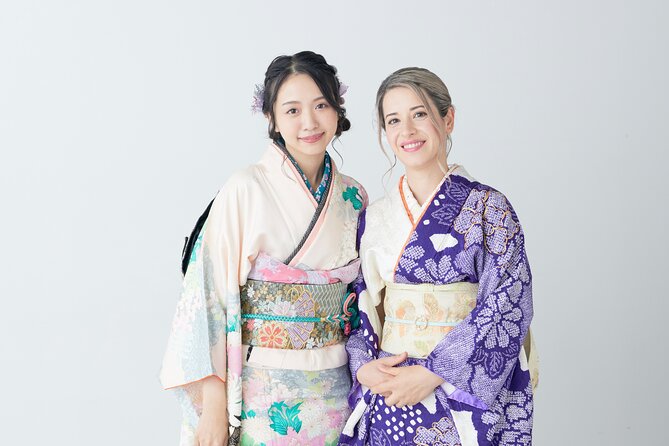
A kimono you can take home. This 90-minute workshop in Tokyo’s Kiba district turns a traditional garment into a personal souvenir, with vintage fabrics, fitting help, dressing guidance, and photos at the end. I especially like the small group of no more than five and the chance to work in a local home rather than a large rental shop. The free obi and related accessories also add real value.
I also like the inclusive approach. Women, men, children, and taller or larger participants can take part, with the garment adjusted to fit. The main point to understand is that you do not sew a complete kimono from raw fabric. You choose and alter a vintage kimono, often making it easier to wear, and some of the more attractive garments cost extra.
In This Review
- Key points to know before booking
- What you are really making in 90 minutes
- Arriving in Kiba, Tokyo
- Choosing your vintage kimono
- The women’s kimono process
- Men’s kimono and Kanji name detail
- Children’s kimonos have a different path
- A small-group setting with a local feel
- What is included, and what is not
- Why the experience feels authentic, and where it falls short
- Who will get the most from this activity
- Cancellation and weather details
- Should you book the Tokyo kimono workshop?
- FAQ
- How long does the kimono experience take?
- Where does the activity begin and end?
- What is included in the price?
- Are upgraded kimonos included?
- Are sandals and tabi included?
- Can children participate?
- Can I cancel or change my booking?
Key points to know before booking
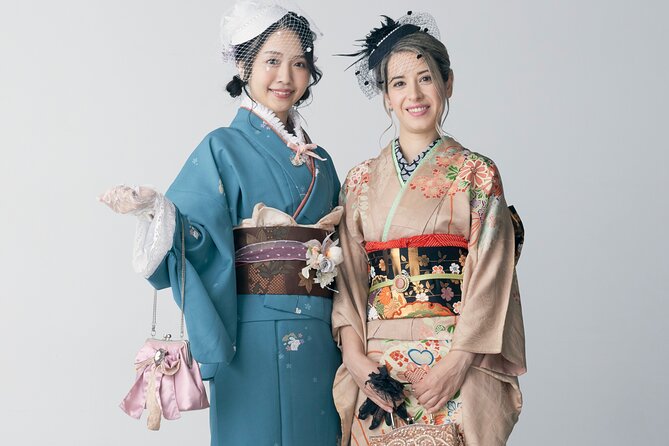
- You keep the kimono: The selected garment becomes your souvenir, rather than being returned after a standard rental.
- The workshop takes about 90 minutes: You choose, adjust, prepare, wear, and photograph the kimono in one compact session.
- The setting feels personal: The meeting point is in a residential part of Kiba, in or near a private home rather than a big tourist facility.
- Basic choices are included: Upgraded women’s kimonos cost about ¥2,000 to ¥6,000 more, while a men’s haori and kimono set costs an additional ¥2,000.
- Accessories are provided for the session: Obi, obiage, obijime, and an obi pillow are included as free rentals, but sandals and tabi are not.
- The experience works for families: Children have their own kimono arrangements, and boys can add their names in Japanese to the collar.
What you are really making in 90 minutes
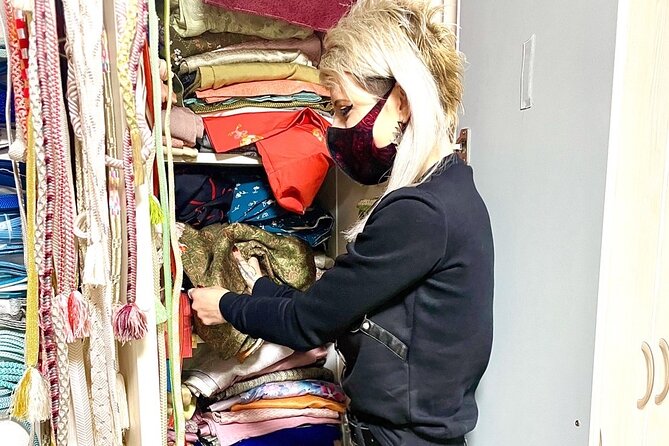
The title may make you picture a full sewing lesson. That is not quite what happens. You select a preowned kimono, then learn how to adjust or remake it so it can be worn more easily. Depending on the garment and your choice, the work can involve cutting, folding, hemming, taping a seam, or ironing.
One practical description of the workshop is kimono upcycling. Some participants finish with a jacket and skirt-style arrangement rather than a traditional full-length kimono. That is useful for modern wear, but it matters if your dream is to construct a formal kimono from scratch.
The task is designed for beginners. If you can cut, fold, and iron, you should be able to follow along. Staff members help when you get stuck, so you do not need sewing experience. The pace is also manageable for a short activity, though you should expect to participate rather than simply sit back while someone dresses you.
The reward is twofold. You get a garment to keep, and you learn a practical method for wearing or adjusting one later. For someone who has always admired kimono but assumed the clothing was too difficult to handle, that is a useful lesson.
More Kimono Experiences in Tokyo
- Tokyo: Matcha and Kimono Experience
★ 4.7 · 219 reviews - Tokyo: Asakusa Kimono Dressing and Matcha Experience
★ 4.9 · 173 reviews - Asakusa: Kimono Tea Ceremony with Matcha and Sweet
★ 4.9 · 153 reviews
Arriving in Kiba, Tokyo
The meeting point is 6-chōme-8-6 Kiba, Koto City, Tokyo 135-0042. The location is in an older residential district, not one of the obvious sightseeing centers. That gives the experience a different feel from a polished shop in Asakusa or a large costume-rental operation.
Allow time to find the address. One participant initially got lost and needed help locating the home. The setting can seem uncertain at first, especially if you expect a storefront with a bright sign. Keep your phone ready, and use the provided contact details if you need directions.
I like the change of scene. Walking through a residential area can show you a quieter side of Tokyo, and one person found the neighborhood more interesting than spending the entire day in the usual tourist zones. Still, the location is a consideration for anyone who wants a highly organized attraction with an easy-to-spot entrance.
The activity begins and ends at the same meeting point. It is near public transportation, and the booking includes a mobile ticket. Confirmation is provided at booking, which makes the planning simple once you have the address.
Choosing your vintage kimono
The selection process is one of the most enjoyable parts. You look through vintage and preowned kimonos in different colors, patterns, fabrics, and textures. Some are simple and included in the base price. Others are more ornate and require an upgrade.
The fabric selection itself can take time. I would not rush this part, because the garment you choose determines both the final look and any additional cost. Basic choices are included, while upgraded women’s kimonos usually add ¥2,000 to ¥6,000. The precise price depends on the garment.
This is where the price needs careful attention. The advertised cost is about $43.11 per person, which is reasonable for a small, hands-on activity that includes a kimono to keep. But do not assume every kimono on the rack is covered by that amount. Several participants chose more elaborate pieces and paid extra, with one paying ¥6,000 more for a kimono and another spending about ¥11,000 for a full set of garments and accessories.
The added charges are not necessarily unreasonable, but you should ask before committing to a particular fabric. The disappointment comes when someone expects the most ornate option to be included and learns about the supplement late in the process. A simple kimono can keep the cost close to the advertised price.
The garments are vintage, so some may have stains or signs of age. That is part of their character, but it is not the same as receiving a new, flawless costume. Inspect the fabric carefully and choose one whose condition suits you.
The women’s kimono process
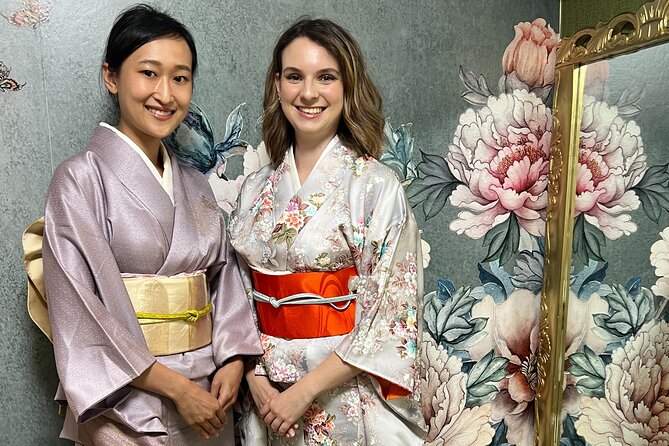
For a women’s kimono, you first select a garment. Staff then customize it to your size and guide you through the alterations. The work can include adjusting the waist, folding material, securing seams, and using an iron.
The fitting assistance is especially helpful for taller or larger participants. Traditional Japanese sizing does not always suit every body, and one of the strongest practical benefits here is that the garment can be adapted. A tall participant found the workshop useful because it explained not only how to wear a kimono, but also how to alter one to fit in the future.
You then learn how to put the kimono on. This is not just a quick costume change. The staff show you the arrangement of the garment and the supporting pieces, helping you understand how the outfit sits on the body. The session is intended to make kimono easier to wear, even though traditional dressing can be difficult.
The free accessories include an obi, obiage, obijime, and obi pillow. These pieces help create the finished appearance. They are available as rentals for the activity and may also be purchased, but they are not automatically yours simply because you used them during the session.
Once dressed, you have a photo session. Staff take pictures of you in the finished outfit, and some participants received photos afterward when their own phone was unavailable. The photo time is a nice finish, particularly for families or couples who want a record beyond the garment itself.
A completely different kind of day out in Tokyo:
- Mt Fuji and Hakone 1-Day Bus Tour Return by Bullet Train
★ 5.0 · 26,383 reviews - 1-Day Tokyo Bus Tour
★ 5.0 · 14,250 reviews - Tokyo: TOKYO SKYTREE® Admission ticket
★ 4.5 · 11,192 reviews - Tokyo: teamLab Planets TOKYO Digital Art Museum Entry Ticket
★ 4.6 · 9,779 reviews
Men’s kimono and Kanji name detail
Men choose a kimono, with a haori and kimono combination available for an additional ¥2,000. The haori adds a more finished, layered appearance and may appeal to anyone looking for a complete traditional outfit rather than a single garment.
A distinctive feature for men is the Japanese name detail. You can have your name printed in Kanji, choose the font color, and iron it onto the kimono. This gives the finished piece a personal mark and makes the souvenir feel less like a generic rental.
The activity is not limited to women dressing up while other family members watch. Men can take part in the selection, fitting, customization, and photo process. Couples can also choose garments together and ask for advice on coordinating colors or styles.
As with the women’s option, the kimono is vintage and may show age. The final result depends on the garment you select, so look closely at the condition and clarify the price of any upgraded piece.
Children’s kimonos have a different path
Children can join, but the children’s itinerary is not exactly the same as the women’s kimono process. Girls choose from children’s kimonos, and some do not need adjustment. In those cases, the child can wear the garment without cutting the material.
That makes the children’s option easier and less involved for younger participants. The staff are used to helping children, and the dressing process can become a fun family activity rather than a difficult craft project.
Boys can have their names printed in Japanese on the collar of the kimono. This small detail gives them a personal role in the activity and creates a souvenir with a clear connection to the day.
Parents should understand that children may not follow every step of the adult women’s workshop. If you want all family members to have identical activities, ask for details before booking. If you mainly want the children dressed, photographed, and involved in a Japanese cultural activity, the separate children’s format makes sense.
A small-group setting with a local feel
The maximum group size is five people. That is a major advantage for anyone who wants personal help with fitting, cutting, or dressing. Staff can spend time solving practical problems, including sizing issues and uncertainty about how to handle the fabric.
The setting is described as a local home, which gives the activity a warm and informal character. You may initially wonder if you are in the right place, but that home setting is part of what separates this from a commercial rental counter.
The staff are repeatedly praised for being friendly, patient, humorous, and helpful. English assistance is available, and one participant specifically found the English instructor excellent. Clear communication matters here because you are choosing fabric, discussing extra charges, and learning unfamiliar dressing steps.
The workshop also received the Gold Award at the Omotenashi Selection, an honor judged by foreigners living in Japan. That does not guarantee a perfect experience for every person, but it supports the impression that the hosts have made a serious effort to welcome an international audience.
What is included, and what is not
Your booking includes:
- A kimono
- Obi rental
- Obiage rental
- Obijime rental
- Obi pillow rental
- Help with fitting and wearing
- Photo time
Some accessories are available for purchase if you want to build a fuller outfit or keep the pieces. The kimono itself is presented as your gift or souvenir, which is a major part of the value.
Japanese sandals and tabi are not included. If you want a complete head-to-toe look, plan to bring suitable footwear or budget for those items separately. The missing footwear is not a serious problem for the workshop, but it matters for photographs and for anyone hoping to walk around Tokyo in full dress afterward.
The activity ends back at the meeting point. You should not expect a guided walk through Kiba or a sightseeing tour after the workshop.
Why the experience feels authentic, and where it falls short
The strongest feature is the personal contact. You work with local staff in a home setting, ask questions as you go, and handle vintage fabrics rather than putting on a mass-produced outfit for ten minutes. The result feels more connected to a person and a place.
You can also ask about kimono traditions while you work. Staff members offer guidance on dressing and styling, and some participants came away with useful fashion advice. The workshop has enough cultural content to make the activity more than a photo opportunity.
Still, formal history instruction is limited. If you want a structured talk about the origins, symbolism, seasons, fabrics, and social rules of kimono, this may leave you wanting more. You can ask questions, but the main focus is making, adjusting, wearing, and photographing the garment.
The workshop is also not a perfect match for someone who wants a museum-quality preservation experience. The kimonos are vintage, some may have stains, and the garment can be altered or cut as part of the process. That is precisely what makes the clothing easier to wear, but it may trouble anyone who sees a kimono only as a traditional formal object.
Who will get the most from this activity
I would recommend it most strongly to:
- Families with children who enjoy hands-on activities
- Couples who want matching or complementary Japanese outfits
- Anyone interested in textiles, clothing, or crafts
- Taller or larger participants who struggle with standard kimono rentals
- Visitors who want a souvenir they can use after returning home
- People who prefer a small, personal setting to a busy costume shop
- Anyone curious about wearing kimono without mastering a full formal dressing ritual
It may be less suitable if you want a complete history lesson, a pristine new kimono, or a traditional sewing course. It is also worth reconsidering if extra charges would spoil the experience for you. The base price is fair, but the most appealing garments may not be the included options.
The workshop lasts about an hour and a half, with morning and afternoon sessions. That makes it easy to fit around Tokyo sightseeing. Older participants can take part, and one person in her late 70s had no trouble with the activity. Even so, ask about the working position if you have mobility concerns, because the experience takes place in a home rather than a purpose-built studio.
Cancellation and weather details
The experience is non-refundable and cannot be changed for any reason after booking. Read that policy carefully before paying, especially if your Tokyo schedule is still uncertain.
The activity requires good weather. If the provider cancels because of poor weather, you are offered another date or a full refund. That policy applies to a cancellation by the provider, not to a personal change of plans.
Should you book the Tokyo kimono workshop?
Yes, if you want a creative souvenir and a personal introduction to wearing kimono rather than a standard rental-and-photo package. The small group, patient assistance, family options, and ability to keep the finished garment make the roughly $43 price attractive.
Before booking, decide how traditional you want the result to be. You are adapting a vintage kimono, not making a full garment from new cloth, and you may pay extra for the fabric you really want. Ask about upgrades, inspect the condition of the kimono, and remember that sandals and tabi are separate.
For many visitors, the best part is leaving with something personal, useful, and made with your own hands. That is a better souvenir than another shop-bought trinket, and it gives you a story to tell when you wear it later.
FAQ
How long does the kimono experience take?
The experience lasts approximately 1 hour and 30 minutes.
Where does the activity begin and end?
It begins at 6-chōme-8-6 Kiba, Koto City, Tokyo 135-0042, Japan, and ends back at the same meeting point.
What is included in the price?
The booking includes a kimono, plus free rental of an obi, obiage, obijime, and obi pillow.
Are upgraded kimonos included?
Not always. Some basic kimonos are included, while upgraded women’s kimonos generally cost an additional ¥2,000 to ¥6,000. A men’s haori and kimono set costs an additional ¥2,000.
Are sandals and tabi included?
No. Japanese sandals and tabi are not included.
Can children participate?
Yes. Children can choose children’s kimonos. Girls may receive a different itinerary from women, and some children’s kimonos do not need adjustment. Boys can have their names printed in Japanese on the collar.
Can I cancel or change my booking?
The experience is non-refundable and cannot be changed for any reason. If the provider cancels because of poor weather, you will be offered a different date or a full refund.
Just added around Tokyo
- Tokyo 6hr Instagram Highlights Private Tour with Licensed Guide★ 5.0 · 38 reviews
- Tokyo Small Group Tour with Guide★ 4.5 · 38 reviews
- Tokyo Sumo Experience with Live Show & Audience Challenge★ 5.0 · 38 reviews
- Japanese Food Cooking Class in Asakusa, Tokyo★ 5.0 · 39 reviews
- Very popular in Harajuku♡Animal petting zoo★ 4.6 · 39 reviews
- Ramen Making from Scratch with Tokyo Mom(Vegan Option Available)★ 5.0 · 39 reviews
- Tokyo JDM Night: 600hp C63s AMG Edition 1 (Private)★ 4.9 · 39 reviews
- Tokyo: Kimono Rental inside Shinjuku Gyoen National Garden★ 4.9 · 39 reviews
Kimono Dressing & Photoshoots, compared.

Sumo Show & Experience w/ Optional Kimono & Hot Pot
Read our review →
KYOTO Tea Ceremony with kimono near by Imamiya Jinjya Shrine
Read our review →
Kimono and Tea Ceremony Experience at Cultural Asset
Read our review →
Browse the lists this tour appears in