
Reviewed · TEA CEREMONY EXPERIENCES
Tokyo: Practicing Zen with a Japanese Tea Ceremony
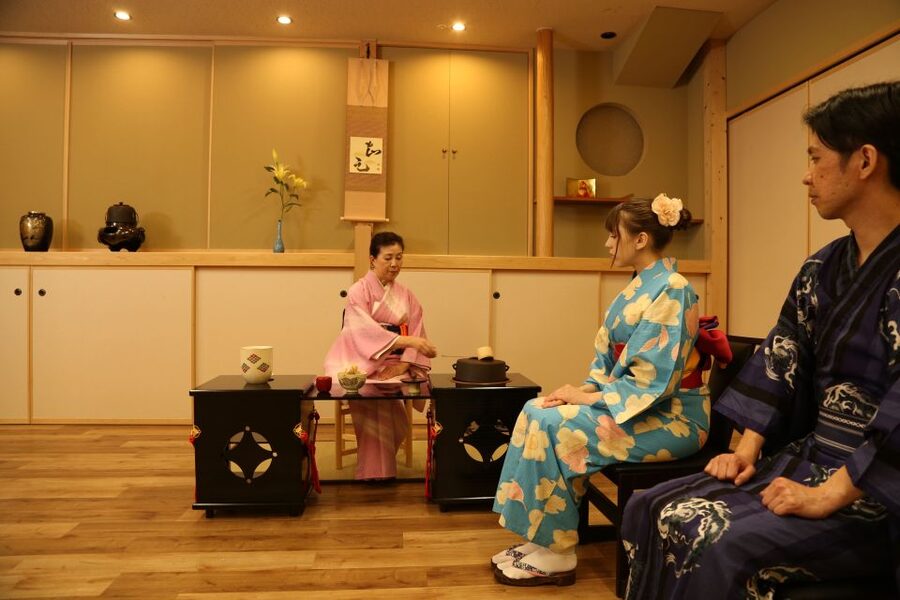
Quiet hands can teach you a lot. This 75-minute experience gives you matcha, traditional sweets, and a guided tea ceremony, then lets you perform the process yourself. I like the clear link between tea, Zen Buddhism, art, and architecture, and I like that instructors explain the reasons behind each movement instead of asking you to copy gestures blindly.
The main consideration is the setting. The room can feel like a tearoom, but one participant heard noise from a neighboring activity, which softened the calm atmosphere. The floor-seating issue is handled well, with chairs available, but you should still arrive ready for a quiet, focused class rather than a grand temple ceremony.
In This Review
- Key points to know before booking
- A calm introduction beside Tokyo Tower
- The first ceremony: watch before you act
- Matcha and sweets with a reason behind them
- Your turn to make matcha
- Zen in practice, not just in theory
- Sitting on the floor is optional
- Is $63 a fair price?
- Who will enjoy this tea ceremony most?
- Practical details for a smooth visit
- Should you book this Tokyo tea ceremony?
- FAQ
- Where does the Japanese tea ceremony take place?
- What should I do if I cannot find the instructor?
- How long does the experience last?
- Is the activity conducted in English?
- Is transportation included?
- Can I sit on a chair instead of the floor?
- What is included in the price?
Key points to know before booking
- You perform the ceremony yourself: After watching the instructor, you prepare matcha with expert guidance.
- The Zen connection is central: This is not just tea and sweets. You learn how mindfulness shapes the movements and setting.
- Small groups make a difference: The class is limited to 10 participants, so you can see the demonstration and receive help.
- The location is easy to identify: Meet at the main entrance of Kikai Shinko Kaikan, directly opposite Tokyo Tower.
- Chairs are available: You do not need to sit on the floor, making the session more comfortable for people with limited mobility.
- The price covers the core experience: At $63 per person, the fee includes tea, sweets, instruction, and your own second ceremony.
A calm introduction beside Tokyo Tower
The meeting point is practical, if not especially poetic. Kikai Shinko Kaikan is directly opposite Tokyo Tower, and you meet your instructor at the building’s main entrance on the first floor. If you cannot find the instructor there, True Japan Tour is in Room B109 on the basement level.
That clear landmark helps. Tokyo Tower is one of the easiest reference points in this part of the city, so you can use it to get your bearings before the class. Transportation is not included, and you make your own way to the building.
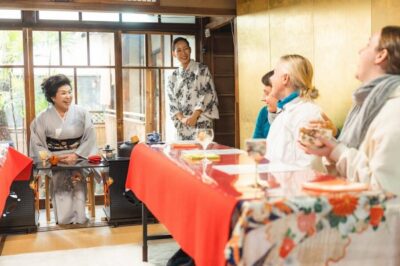
Once inside, the mood shifts from city traffic to a more formal tea setting. The room is arranged to feel like a tearoom, even though this is a teaching space in a modern building. That contrast is useful: you get a cultural lesson without having to commit half a day to a distant temple or garden.
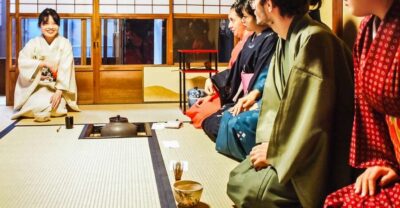
The group limit of 10 matters here. Tea ceremony has many small movements, and a crowded room would make it hard to see the utensils or follow the instructor’s hands. A small class gives you a better view and makes it easier to ask for help when it is your turn.
More Tea Ceremonies in Tokyo
- Tokyo: Traditional Tea Ceremony with a Tea Master
★ 5.0 · 528 reviews - Tea Ceremony Workshop in Tokyo by the Experienced Instrucor
★ 5.0 · 189 reviews - Asakusa: Kimono Tea Ceremony with Matcha and Sweet
★ 4.9 · 153 reviews
The first ceremony: watch before you act
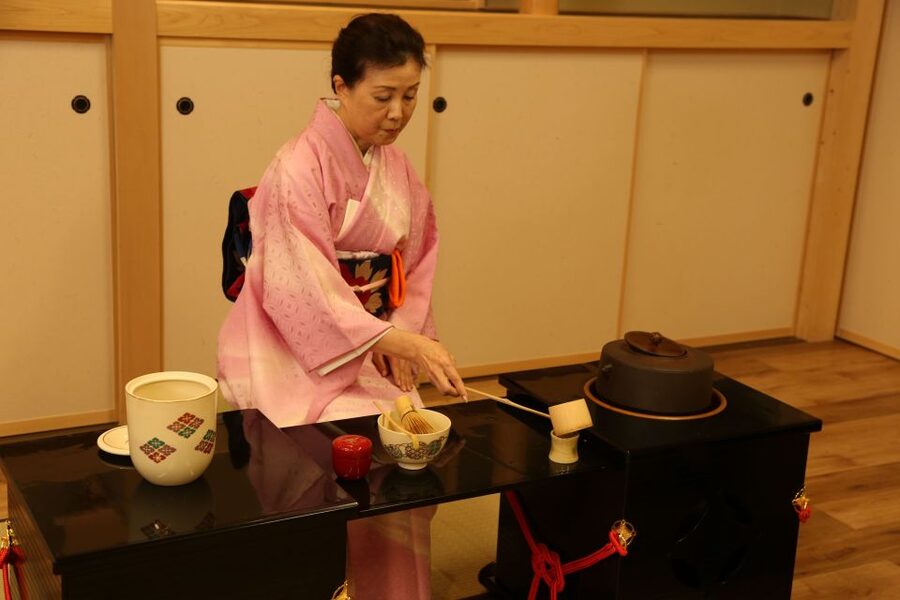
The session begins with a demonstration. Your instructor prepares matcha while explaining the sequence, the utensils, and the movements that give the ceremony its shape.
You are not simply handed a bowl and told to whisk. The teaching focuses on what happens and why. You learn how the utensils are used, how the tea is prepared, and how manners guide the interaction between the person making the tea and the person receiving it.
That explanation is one of the strongest parts of the experience. Without it, a tea ceremony can look like a series of mysterious hand motions. With context, the movements begin to feel deliberate. The careful handling of a bowl, the order of preparation, and the quiet pauses all become part of a larger idea: attention to the present moment.
The class also explains the role of Zen Buddhism. You hear how tea ceremony expresses ideas tied to calm, focus, simplicity, and respect. The point is not to turn you into a Zen student in 75 minutes. Instead, you get a practical look at how a religious and artistic outlook has shaped a familiar Japanese cultural practice.
Several instructors have received especially warm praise. Junko is described as gentle and clear, while Ken earned a mention for making the class easy to follow. Midori helped create a comfortable atmosphere, and other participants have appreciated the friendly tea masters and assistants. The strongest pattern is the care taken to explain rather than rush.
Matcha and sweets with a reason behind them
The tea is served with a traditional Japanese confection. This pairing is not an afterthought. The sweet gives your palate a contrast to matcha’s grassy, slightly bitter taste, helping you appreciate the tea in a more balanced way.
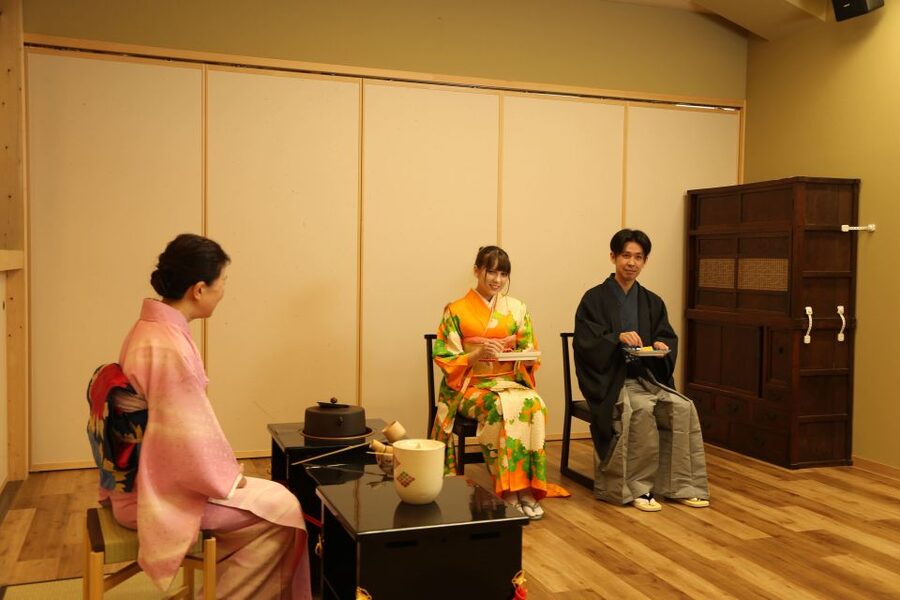
You first watch the preparation, then taste the sweet and green tea before attempting the process yourself. That order works well. You know what the finished cup should taste like before you begin handling the utensils.
Matcha is different from ordinary steeped green tea. The powdered tea is whisked into the water, so you drink the tea itself rather than removing the leaves. The ceremony gives you a chance to notice the texture, flavor, and presentation as one experience.
Do not expect a large meal. The included sweet and tea are a carefully framed cultural tasting, not refreshments designed to fill you up. I would plan this between meals rather than treating it as lunch.
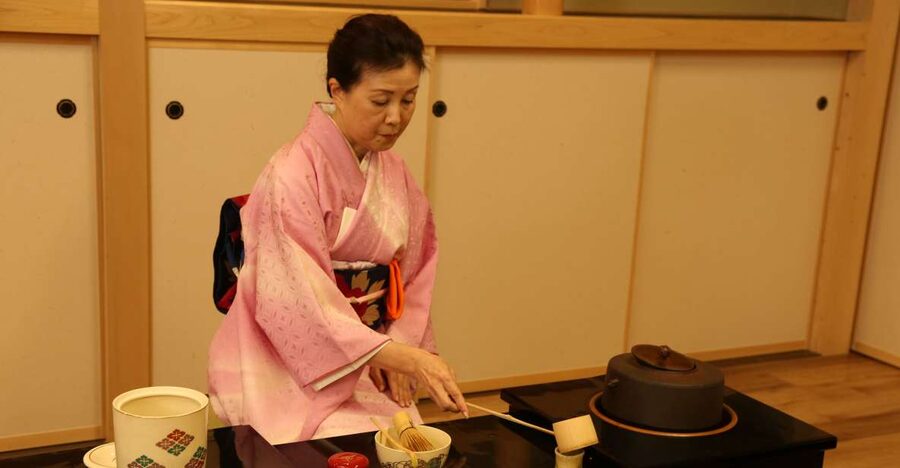
The instructors also explain the special tools involved. Even if you forget some of the names later, you will come away with a better sense of why the bowl, whisk, scoop, and other items are handled with such care. The utensils are functional, but they also help create the ceremony’s visual and tactile rhythm.
Your turn to make matcha
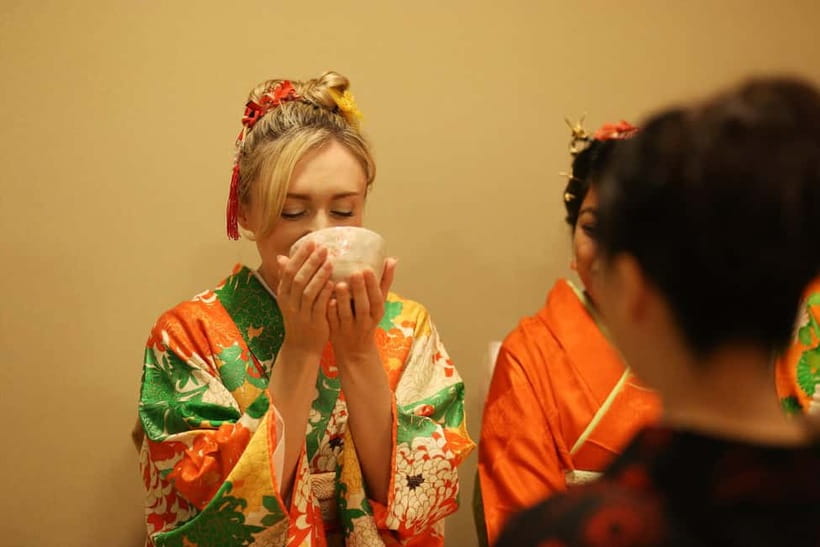
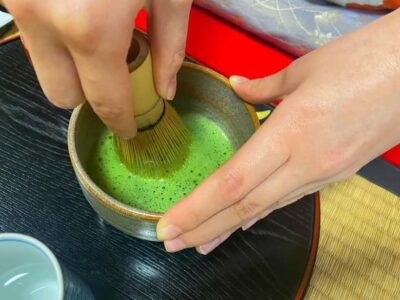
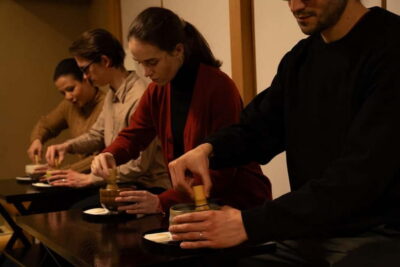
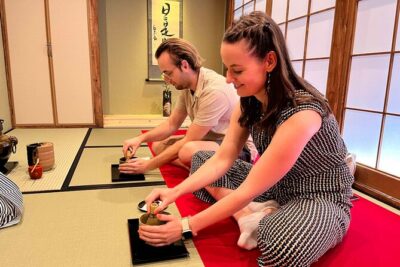
The second half is hands-on. After watching the expert, you conduct the ceremony yourself with guidance.
This is where the class earns its price. A demonstration alone would be pleasant, but it would leave you as an observer. Performing the steps gives you a physical memory of the lesson. You have to pay attention to the order, the tools, and the manner of movement, which makes the ideas about focus much easier to understand.
You should not worry about getting every motion perfect. The instructor walks you through the process and corrects you as needed. The experience is designed for people with no previous tea ceremony training, and several participants who began with no knowledge of the practice found the teaching approachable.
The activity is quiet, and making noise is not allowed. That rule is reasonable because the class depends on concentration and listening. It also means this may not suit a young child who needs to move around or ask frequent questions. Children under 4 are not permitted, and older children would need to manage a calm, respectful class.
The hands-on portion is also where group size matters most. With no more than 10 people, the instructor can see what you are doing and help you through the unfamiliar parts. If you enjoy learning by doing, this will likely be the most rewarding section.
A completely different kind of day out in Tokyo:
- Mt Fuji and Hakone 1-Day Bus Tour Return by Bullet Train
★ 5.0 · 26,383 reviews - 1-Day Tokyo Bus Tour
★ 5.0 · 14,250 reviews - Tokyo: TOKYO SKYTREE® Admission ticket
★ 4.5 · 11,192 reviews - Tokyo: teamLab Planets TOKYO Digital Art Museum Entry Ticket
★ 4.6 · 9,779 reviews
Zen in practice, not just in theory
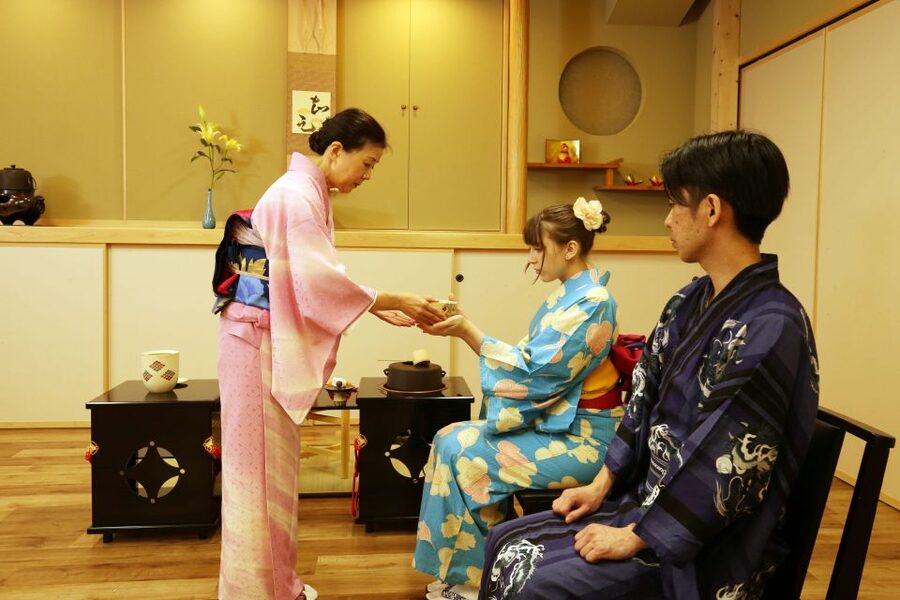
The title promises a Zen experience, but it is worth keeping expectations realistic. You are not taking part in an extended meditation retreat. The Zen exercise is brief, and one participant felt that part was too short.
Still, the connection is not decorative. Zen ideas help explain why the ceremony values silence, precision, simplicity, and full attention. The tea room, utensils, movements, and shared cup all support that focus.
I like this approach because it avoids treating Zen as a vague relaxation slogan. You receive cultural context, then see how the ideas appear in a specific practice. The session is strongest when the instructor connects a small action to a larger principle.
The room itself may affect how calm the experience feels. One participant found that noise from another activity next door interrupted the atmosphere and suggested better soundproofing. That is a fair warning. The setting is designed to resemble a tearoom, but it is still in a building used for other activities, not an isolated mountain retreat.
For some people, the surrounding Tokyo setting adds interest. You can begin with the city’s famous tower outside and then spend the next hour focusing on a centuries-old cultural practice inside. For others, outside sound may make it harder to reach the peaceful mood they hoped for.
Sitting on the floor is optional
Japanese tea ceremony is often associated with sitting on tatami mats, but you are not required to sit on the floor here. Chairs are available for people who prefer them or cannot sit comfortably on the ground.
That makes the experience more accessible than many traditional demonstrations. A participant with limited mobility found the arrangement comfortable, and the small classroom allowed her to see and hear the instruction.
The practical benefit is simple: you can focus on the ceremony instead of managing knee or hip pain. If you need a chair, use one without feeling that you are missing the point. The value comes from attention, explanation, and participation, not from forcing your body into a particular position.
The experience is wheelchair accessible. You should still identify your needs when booking if you require specific assistance, since the supplied information confirms accessibility but does not describe every part of the route through the building.
Is $63 a fair price?
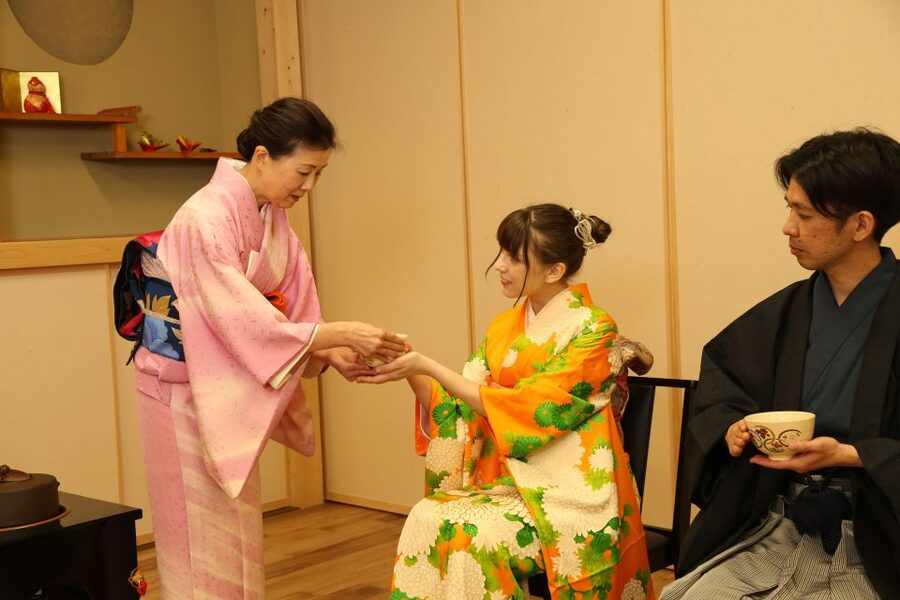
At $63 per person, this is not the cheapest way to drink matcha in Tokyo. You could find tea and a sweet for far less. But you are paying for instruction, cultural context, a small class, and the chance to prepare the tea yourself.
The value is strongest if you want more than a photo or a quick taste. A short demonstration may look elegant, but understanding the etiquette and practicing the movements gives you something you can remember after leaving Tokyo.
The 75-minute length also makes the cost easier to justify. It is long enough for an explanation, a full demonstration, tasting, and your own attempt, yet short enough to fit into a busy sightseeing day around Tokyo Tower, Roppongi, or nearby Minato.
I would call it good value for a first introduction, especially if this is your only planned tea ceremony in Japan. If you already have a formal tea school visit or a longer temple-based session arranged, the overlap may make this less useful.
The overall rating is 4.7 out of 5 from 105 ratings, with repeated praise for the instructors, clear explanations, and hands-on format. The most consistent strength is not the room or the snack. It is the teaching.
Who will enjoy this tea ceremony most?
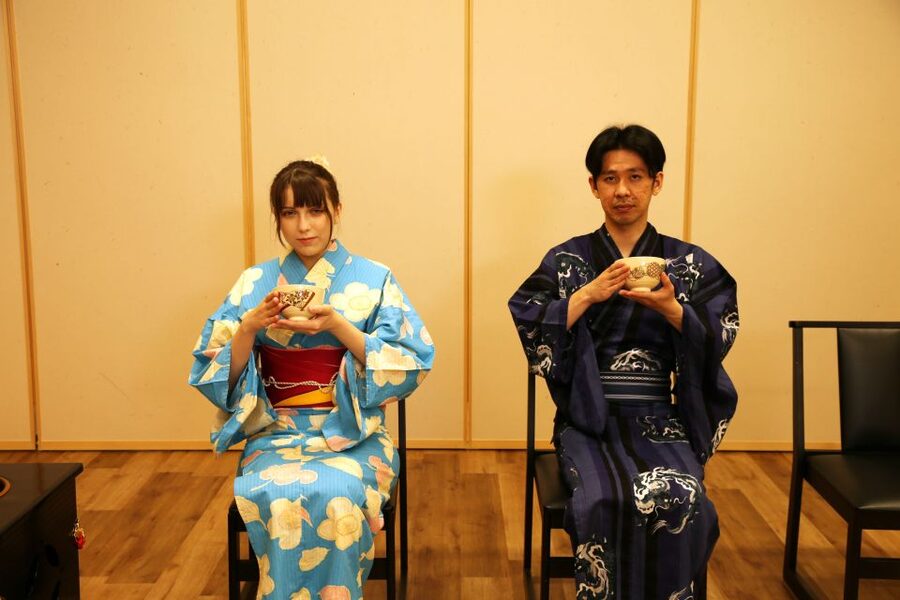
This experience suits you if you want a cultural activity that is calm, structured, and easy to fit into a Tokyo itinerary. It is particularly good for first-time visitors who know little about Zen or tea ceremony but want a friendly explanation without a full academic lecture.
It also suits people who prefer active learning. You are not sitting through a presentation while someone else does everything. You watch, taste, listen, and then practice.
It can work well for couples, solo visitors, and small family groups with older children. The small class helps create a personal feel, and the instructors have a reputation for warmth and humor as well as careful teaching.
You may want to skip it if you are looking for a grand historic building, a long meditation session, or a full meal. The venue is a modern building opposite Tokyo Tower, and the Zen portion is an introduction rather than an extended retreat.
It is also not ideal if you dislike quiet rules or formal gestures. The ban on making noise is part of the setting, not a minor footnote. You need to be willing to slow down and follow the instructor’s lead.
Practical details for a smooth visit
The class is conducted in English. That is important because the experience depends on explanations of meaning, etiquette, and Buddhist connections, not just silent demonstration.
Plan to arrive at the main entrance of Kikai Shinko Kaikan on the first floor. The building is directly opposite Tokyo Tower. If you cannot locate the instructor, go to True Japan Tour in Room B109 on the basement level.
Transportation is not included, so allow enough time to reach the building on your own. The activity has scheduled starting times, and availability should be checked for your preferred date.
You can cancel up to 24 hours before the experience for a full refund. You can also reserve now and pay later, which helps if your Tokyo schedule is still shifting.
The experience is limited to 10 participants, is wheelchair accessible, and includes the tea ceremony, traditional sweet, matcha, and your second ceremony. Children under 4 are not suitable for the activity.
Should you book this Tokyo tea ceremony?
Book it if you want to understand what you are seeing, not just watch a polished performance. The instructor-led explanation, Zen context, matcha tasting, and personal attempt make this a useful cultural lesson in a compact format.
I would give it extra credit for offering chairs and keeping the group small. Those details make the experience more comfortable and more useful for people who might struggle with floor seating or large demonstrations.
Keep your expectations grounded. This is not a secluded temple retreat, the Zen exercise may feel brief, and noise from another room can occasionally interrupt the mood. But at $63, it offers a fair mix of instruction and participation, especially for a first tea ceremony in Tokyo.
If Junko, Ken, Midori, or another of the experienced English-speaking instructors leads your session, you are likely to get the most from the class by asking questions. Come curious, keep your movements quiet, and pay attention to the reasons behind the ritual. That is where the real value lies.
FAQ
Where does the Japanese tea ceremony take place?
Meet at the main entrance of Kikai Shinko Kaikan on the first floor. The building is directly opposite Tokyo Tower.
What should I do if I cannot find the instructor?
Go to True Japan Tour in Room B109 on the basement level of Kikai Shinko Kaikan.
How long does the experience last?
The tea ceremony experience lasts 75 minutes.
Is the activity conducted in English?
Yes. The instructor language is English.
Is transportation included?
No. You are responsible for getting to the meeting point.
Can I sit on a chair instead of the floor?
Yes. Seats are available for people who prefer not to sit on the floor.
What is included in the price?
The price includes the tea ceremony, traditional sweets, matcha green tea, and a second ceremony that you perform with guidance.
Just added around Tokyo
- Tokyo 6hr Instagram Highlights Private Tour with Licensed Guide★ 5.0 · 38 reviews
- Tokyo Small Group Tour with Guide★ 4.5 · 38 reviews
- Tokyo Sumo Experience with Live Show & Audience Challenge★ 5.0 · 38 reviews
- Japanese Food Cooking Class in Asakusa, Tokyo★ 5.0 · 39 reviews
- Very popular in Harajuku♡Animal petting zoo★ 4.6 · 39 reviews
- Ramen Making from Scratch with Tokyo Mom(Vegan Option Available)★ 5.0 · 39 reviews
- Tokyo JDM Night: 600hp C63s AMG Edition 1 (Private)★ 4.9 · 39 reviews
- Tokyo: Kimono Rental inside Shinjuku Gyoen National Garden★ 4.9 · 39 reviews
Tea Ceremony Experiences, compared.
Tea Ceremony in a Traditional Tea House in Kiyomizu
Read our review →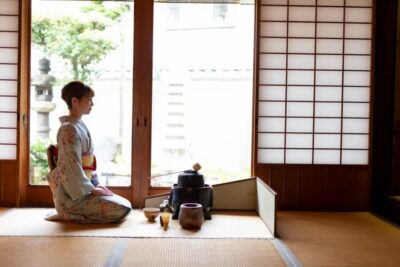
Browse the lists this tour appears in