
Reviewed · DESSERT TOURS IN TOKYO
Make Traditional Nerikiri Sweets & Matcha experience in Shibuya
Tokyo slows down over tea. This small-group class takes you from fashionable Harajuku into a local home, where Hana teaches you to shape four traditional nerikiri sweets and serve matcha in a relaxed, personal setting. I like the creative work and the chance to see how an inner-city Tokyo resident lives. I also like that you can take everything you make home with you.
The class is especially good for families, first-time visitors, and anyone who wants a quiet break from Tokyo’s crowded streets. The main consideration is the price: at $60 per person, it is not a cheap snack stop, though the hands-on instruction, four sweets, tea, and small group size make it fair value for a special cultural activity.
In This Review
- Key points at a glance
- From Omotesando Station to Hana’s home
- Why nerikiri is more than a pretty sweet
- Four designs, four chances to improve
- Hana’s teaching style and language skills
- The matcha lesson after the sweets
- A good choice for families and mixed-age groups
- What $60 means in Tokyo
- Fitting the class into a Tokyo day
- Small drawbacks to consider
- Who should book this experience?
- Should you book the nerikiri and matcha class?
- FAQ
- Where does the nerikiri and matcha experience meet?
- How far is the class from Omotesando Station?
- How long does the experience last?
- How many people can join?
- How many sweets will I make?
- Is matcha included?
- Is the class suitable for children, vegans, and vegetarians?
Key points at a glance
- Make four sweets yourself: Choose three designs from examples, then invent one of your own.
- Learn in Hana’s home: The short walk from the meeting point gives you a glimpse of residential life in central Tokyo.
- Matcha is part of the lesson: You do not simply drink tea. You also learn about its preparation and table-style serving.
- Very small group: A maximum of four people allows Hana to give close help, especially to children and first-time makers.
- Easy Omotesando base: The meeting point is about three minutes from Omotesando Station, with Shibuya and Harajuku nearby.
- Good start to the day: The 9:00 AM session finishes before many shops open, leaving time for Meiji Shrine, Takeshita Street, or Shibuya Crossing.
From Omotesando Station to Hana’s home

The meeting point is at 5-chōme-2-21 Jingūmae, Shibuya, Tokyo 150-0001. More specifically, you meet across from CHUMS Omotesando, in front of the brown building. From there, Hana walks with you for only about 30 seconds to her home.
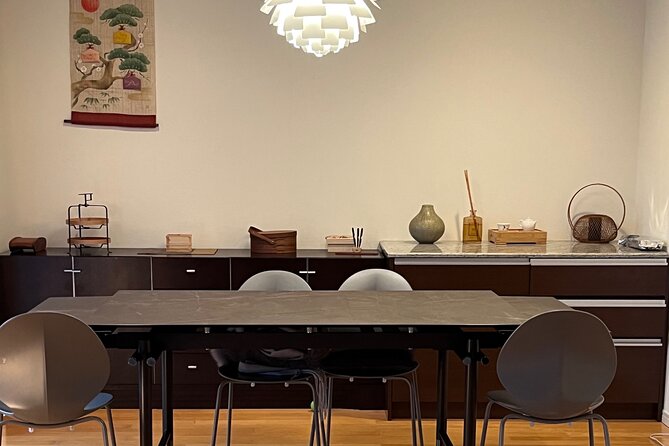
That short walk matters. You are not entering a large cooking school or a busy commercial kitchen. You are being welcomed into a private home in one of Tokyo’s most polished districts. The setting gives the class a personal feel and lets you see a side of the city that is easy to miss between department stores, cafés, and major sights.
Omotesando is one of Tokyo’s most convenient areas for this kind of activity. The station is close, public transportation is easy to use, and you can walk toward Harajuku or Shibuya afterward. You should save the address and meeting instructions on your phone, since the class ends back at the same meeting point.
The available start times are 9:00 AM, 1:00 PM, and 3:30 PM. I especially like the morning option. Many shops do not open until about 11:00 AM, so the early class fills a quiet part of your schedule instead of taking time away from shopping or sightseeing.
More Dessert Tours in Tokyo
- Matcha Making Class in Tokyo with Authentic Japanese Sweets Set
★ 5.0 · 744 reviews - Tokyo: Matcha Making Experience with Mochi Sweets in Asakusa
★ 4.9 · 388 reviews - Private Mochi Sweets Making class near Shibuya area
★ 5.0 · 93 reviews
Why nerikiri is more than a pretty sweet
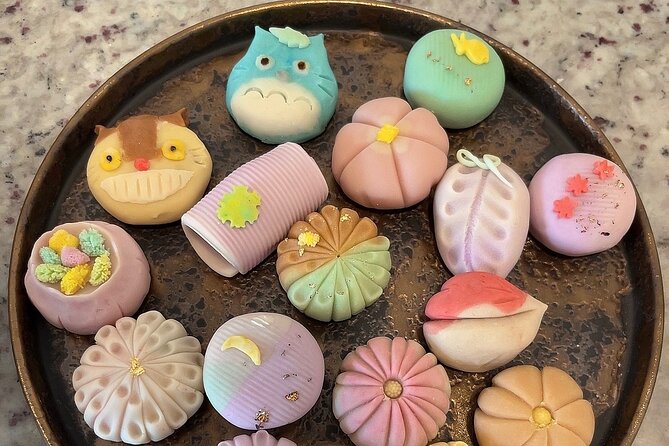
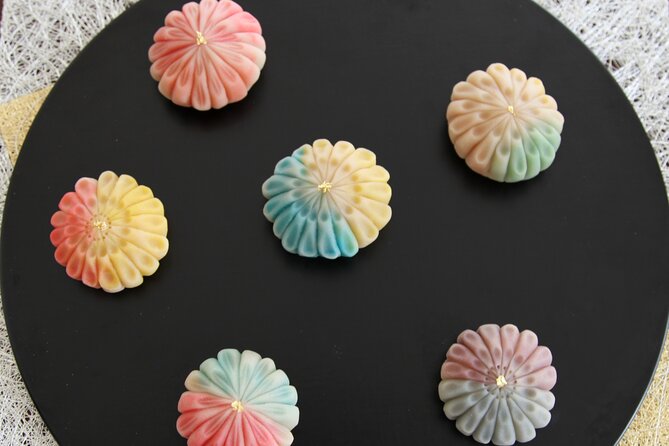
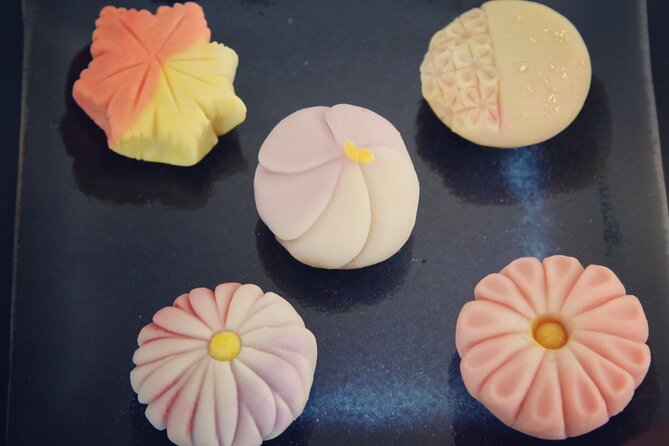
Nerikiri is a traditional Japanese confection made from bean paste, sugar, and other ingredients. Its appeal is visual as well as culinary. The finished sweets often resemble flowers, seasonal plants, animals, or small works of art.
That attention to appearance is central to the experience. You are not simply mixing ingredients and eating the result. You are learning how small changes in shape, color, and detail can turn a simple sweet into something expressive.
Hana first shows you sample designs. You choose three shapes from the examples and follow her instructions as you make them. She breaks down techniques that can look difficult at first, so you are not left guessing how to form petals, add color, or create fine details.
The fourth sweet is your own design. This is the point where the class becomes less like a demonstration and more like a personal craft lesson. You can copy a character, make a flower, or create something entirely new. Previous participants have made designs inspired by Pikachu, Hello Kitty, Totoro, pumpkins, cherry blossoms, dogs, and original characters.
Do not worry if your first shape looks a little uneven. That is part of the fun. Hana’s teaching style is patient and encouraging, and she adjusts her help to the person in front of her. Children can receive extra assistance while adults work on their own pieces.
Four designs, four chances to improve
The structure is well judged. You start with examples, which gives you a clear target. Then you repeat the basic skills across several pieces, allowing you to improve without feeling as if you are taking a formal exam in Japanese confectionery.
The first three designs provide guidance. You learn by watching Hana’s hands and then copying the movements. The work calls for care rather than speed, which makes this a pleasant change from a packed sightseeing day.
The final original design gives you more freedom. It also shows how much you have learned during the class. Some people may prefer to reproduce one of Hana’s examples, while others will want to make a recognizable character or a personal creation.
Everything you make can be taken home. That adds real value, especially if you are traveling with children. The sweets become both a snack and a small reminder of the afternoon. You will need to handle them carefully, since handmade confections are not the sort of souvenir you toss into the bottom of a backpack.
The class is suitable for all ages, from young children to seniors. The feedback is particularly strong from families with children aged seven, ten, eleven, thirteen, and fourteen. One parent said the activity became a favorite part of the trip for a daughter, while another described the class as a relaxed family experience.
Hana’s teaching style and language skills
Hana, also referred to as Hana sensei, is the instructor and host. Her strengths are patience, clear demonstrations, and the ability to make beginners feel capable.
That matters here because nerikiri can appear far more difficult than it is. You need someone who can show the process in small steps rather than present a perfect finished sweet and expect you to reproduce it. Hana’s guidance has helped nervous beginners make designs they were proud to show.
She also speaks English and Japanese fluently, according to the information provided for the class. That makes it easier to ask about technique, ingredients, tea, or Japanese customs during the session.
Another useful part of Hana’s role is her local advice. She has suggested places to visit during the rest of a Tokyo itinerary, including nearby areas and food stops. That help is not the main product, but it can make the class feel like a conversation with a friendly local rather than a one-way lesson.
The small maximum of four people is a major advantage. In a larger workshop, you might wait for help or struggle to see the demonstration. Here, Hana can give individual support. That is especially useful when a child needs help but a parent also wants time to make their own sweets.
A completely different kind of day out in Tokyo:
- Mt Fuji and Hakone 1-Day Bus Tour Return by Bullet Train
★ 5.0 · 26,383 reviews - 1-Day Tokyo Bus Tour
★ 5.0 · 14,250 reviews - Tokyo: TOKYO SKYTREE® Admission ticket
★ 4.5 · 11,192 reviews - Tokyo: teamLab Planets TOKYO Digital Art Museum Entry Ticket
★ 4.6 · 9,779 reviews
The matcha lesson after the sweets
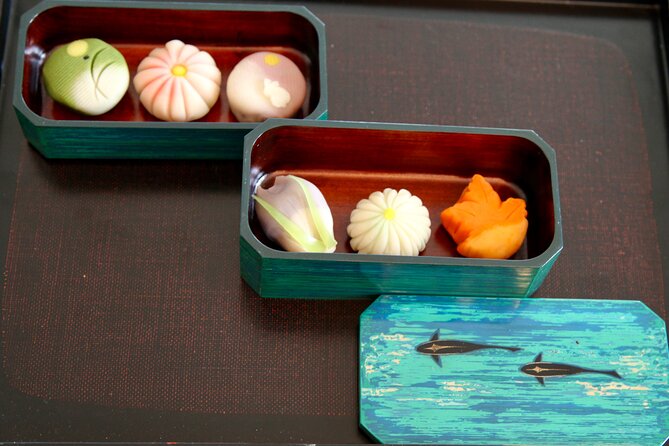
After the sweets are made, Hana serves matcha with carefully selected Japanese sweets sourced from different parts of Japan. The tea portion follows a table-style ceremony, so you learn the etiquette and rhythm without needing to attend a formal tea school.
The experience includes a hot drink, and matcha preparation is part of the activity rather than a decorative extra. You have the chance to learn how the tea is made and take part in the serving process.
This section gives the class a calmer finish. The shaping work requires concentration, while the tea portion gives you time to sit, taste, and ask questions. It also helps explain why Japanese sweets are designed with such care. Their shape, color, seasonality, and texture all matter alongside flavor.
You should expect a cultural introduction, not an advanced tea ceremony certification lesson. The format is accessible and friendly, making it a good choice if this is your first experience with matcha etiquette.
The pairing also helps balance the activity. You get to eat the four sweets you have made, then enjoy additional Japanese sweets with the tea. If you have a sweet tooth, this is one of the strongest parts of the value.
A good choice for families and mixed-age groups
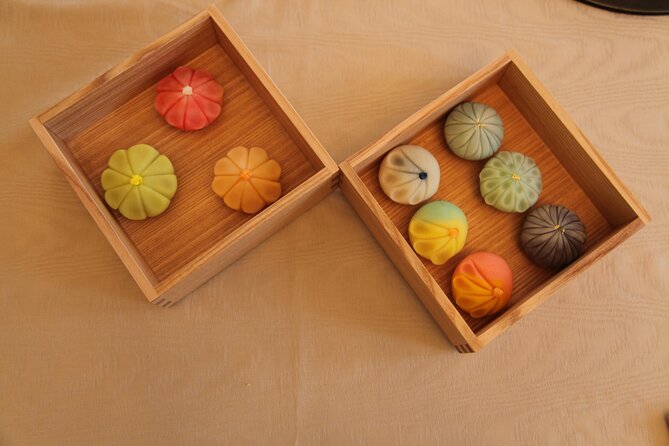
This class works unusually well for a family because everyone can participate at a different level. A seven-year-old can focus on color and simple shapes, while a teenager or adult can spend more time on fine detail.
Parents have also appreciated that Hana helps children when needed. That can free you to concentrate on your own sweet instead of managing every step for your child.
The activity is also suitable for vegetarians and vegans. If you have other dietary concerns, it is sensible to communicate them when booking. One participant with halal concerns noted that Hana contacted them about alcohol-containing ingredients and discussed substitutions.
The class can also suit older visitors who prefer a slower activity. There is no need to rush from one sight to the next. You spend about 90 minutes seated, working with your hands, then sharing tea.
Keep in mind that this is a creative activity, not a sightseeing tour. If you want constant movement, dramatic views, or a long list of Tokyo landmarks, you may find it too quiet. If you want a thoughtful break with a strong cultural focus, the pace is a plus.
What $60 means in Tokyo
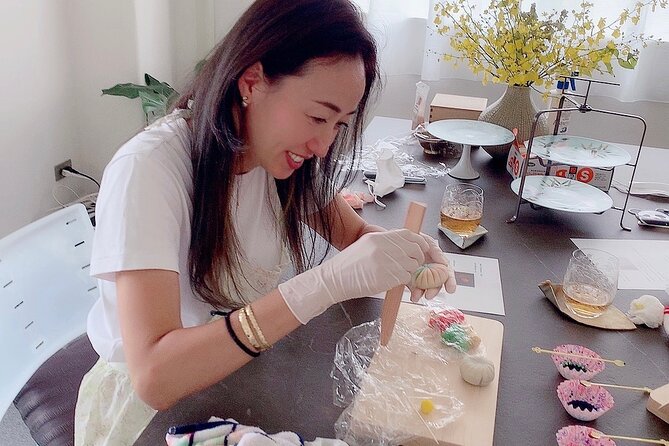
The price is $60 per person. For a simple matcha tasting, that would be high. For a private-home class with instruction, four handmade sweets, a hot drink, additional Japanese sweets, and a maximum of four people, the value is easier to justify.
You are paying for access to a personal setting and a teacher who works directly with each participant. The small group is important here. It changes the activity from watching someone else make nerikiri into making it yourself.
The value is also stronger for families. Each person makes four pieces, and the activity occupies about an hour and a half without requiring a separate meal or attraction ticket. You leave with something you made, rather than only a photograph.
Still, you should book it because you want the lesson, not because it is the cheapest way to eat Japanese sweets. If you are mainly looking for a low-cost snack, a department-store food hall or traditional confectionery shop will cost less.
The class has a 4.9 rating from 130 reviews and is recommended by 98 percent of participants. That is a strong record, and the praise is consistent around Hana’s kindness, clear instruction, family-friendly approach, and the peaceful home setting.
Fitting the class into a Tokyo day
The 9:00 AM session is the most practical choice if you want to see a lot of Tokyo. Afterward, you can head to Meiji Shrine, walk through Takeshita Street, or continue toward Shibuya Crossing.
The 1:00 PM session works well as a break between morning sightseeing and an evening in Shibuya. You can visit Harajuku beforehand, then enjoy the class when the area is active and open.
The 3:30 PM session gives you a late-afternoon cultural activity before dinner. Since the class lasts about 90 minutes, it can lead naturally into an evening meal in the Shibuya or Omotesando area.
The location is one of the best practical features. You are within walking distance of Harajuku and Shibuya, and the activity begins near Omotesando Station. You do not have to lose half a day crossing Tokyo to reach it.
Mobile tickets make the booking side simple. Confirmation is received at booking, and the activity ends back at the meeting point. Free cancellation is available up to 24 hours before the start time for a full refund. Changes or cancellations inside that 24-hour window are not accepted.
Small drawbacks to consider
The class takes place in a home, so it will not feel like a polished tourist attraction with a large reception area. That is part of its charm, but some people may prefer a more formal venue.
The sweets require patience and hand control. Hana helps beginners, but you should not expect every piece to look exactly like the sample. The point is to learn the process and enjoy the attempt.
The experience also centers on sweet foods. If you do not enjoy bean paste or Japanese confectionery, the tea portion may be more appealing than the tasting itself. The supplied information confirms vegetarian and vegan suitability, but it does not provide a full ingredient list.
Finally, the meeting point is near a busy commercial district, but the actual home address is not the same as the public meeting location. Follow the directions carefully and meet across from CHUMS Omotesando before walking with Hana.
Who should book this experience?
I would choose this class for families with children, couples seeking a quieter Tokyo activity, solo visitors interested in Japanese food culture, and anyone who enjoys making things by hand.
It is also a smart choice early in a first trip. The setting is calm, the location is easy, and Hana can offer suggestions for the rest of your time in Japan.
You should probably skip it if you want a large cooking class, a full meal, or a formal ceremony in a historic temple. This is a small, friendly workshop in a local home, with the emphasis on making, tasting, and talking.
Should you book the nerikiri and matcha class?
Yes, if you want a personal cultural activity that fits neatly into a Tokyo itinerary. The strongest reasons are Hana’s patient teaching, the maximum group size of four, the chance to design one sweet yourself, and the appealing Omotesando location.
At $60, it is best viewed as a hands-on experience rather than a dessert purchase. Book it for the memory, the skill, and the chance to spend 90 unhurried minutes in a local home. Choose the 9:00 AM time if you want to pair it with Meiji Shrine and Harajuku before the shops get busy.
FAQ
Where does the nerikiri and matcha experience meet?
The meeting point is at 5-chōme-2-21 Jingūmae, Shibuya, Tokyo 150-0001, across from CHUMS Omotesando in front of the brown building.
How far is the class from Omotesando Station?
The location is about a three-minute walk from Omotesando Station. After meeting, you walk with the instructor for about 30 seconds to her home.
How long does the experience last?
The experience lasts approximately one hour and 30 minutes.
How many people can join?
The activity has a maximum of four participants.
How many sweets will I make?
You will make four nerikiri sweets. You choose three designs from sample pieces and create one original design of your own.
Is matcha included?
Yes. The experience includes matcha and carefully selected Japanese sweets served during a table-style tea ceremony.
Is the class suitable for children, vegans, and vegetarians?
Yes. The activity is suitable for all ages, including young children and seniors, and it is also suitable for vegans and vegetarians.
Just added around Tokyo
- Tokyo 6hr Instagram Highlights Private Tour with Licensed Guide★ 5.0 · 38 reviews
- Tokyo Small Group Tour with Guide★ 4.5 · 38 reviews
- Tokyo Sumo Experience with Live Show & Audience Challenge★ 5.0 · 38 reviews
- Japanese Food Cooking Class in Asakusa, Tokyo★ 5.0 · 39 reviews
- Very popular in Harajuku♡Animal petting zoo★ 4.6 · 39 reviews
- Ramen Making from Scratch with Tokyo Mom(Vegan Option Available)★ 5.0 · 39 reviews
- Tokyo JDM Night: 600hp C63s AMG Edition 1 (Private)★ 4.9 · 39 reviews
- Tokyo: Kimono Rental inside Shinjuku Gyoen National Garden★ 4.9 · 39 reviews
Dessert Tours in Tokyo, compared.

Matcha Making Class in Tokyo with Authentic Japanese Sweets Set
Read our review →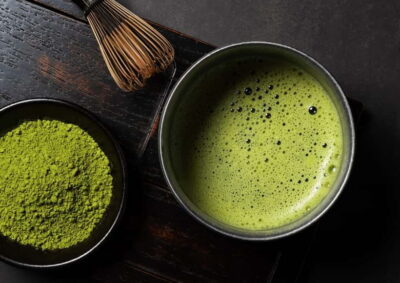
Matcha Making Experience with Mochi Sweets in Asakusa
Read our review →
Private Mochi Sweets Making class near Shibuya area
Read our review →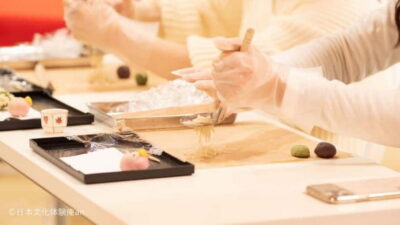
Japanese Traditional Sweets making and Tea Ceremony
Read our review →
Tokyo Local Food Tour: Noodles, Skewers, Dumplings, Sweets
Read our review →Browse the lists this tour appears in