
Reviewed · WORKSHOPS
Chopstick Making Workshop in Ginza
A souvenir can be useful, not dusty. This one-hour Ginza workshop lets you make a pair of chopsticks from raw wood, using a hand plane, sandpaper, and oil. I like the choice of 24 wood types and two lengths, which gives the activity a personal touch, and I like that you leave with something you can use at home rather than a trinket destined for a drawer. The main consideration is that shaping the wood takes real arm strength, and better wood plus engraving can push the final cost well above the advertised $25.
The English-speaking staff guide you through each stage without turning the class into a rushed factory line. Instructors including Tina, Waka, Kotoha, Shion, and Koko have been singled out for patience and clear help. Still, the room can feel tight when full, and anyone who struggles with the plane may need to ask for assistance during busy periods.
In This Review
- Key points before you book
- Starting with 24 woods in central Ginza
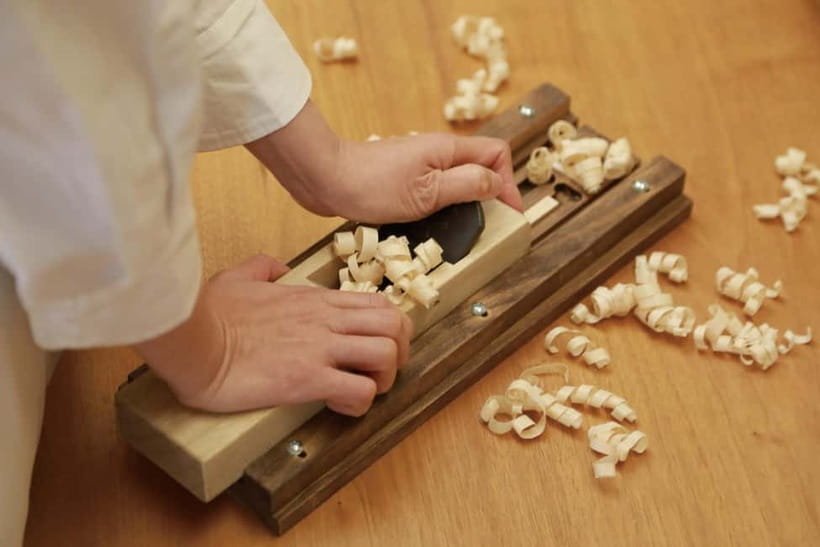
- Shaping the chopsticks with a hand plane
- Sanding the tips and corners
- Applying oil for a polished finish
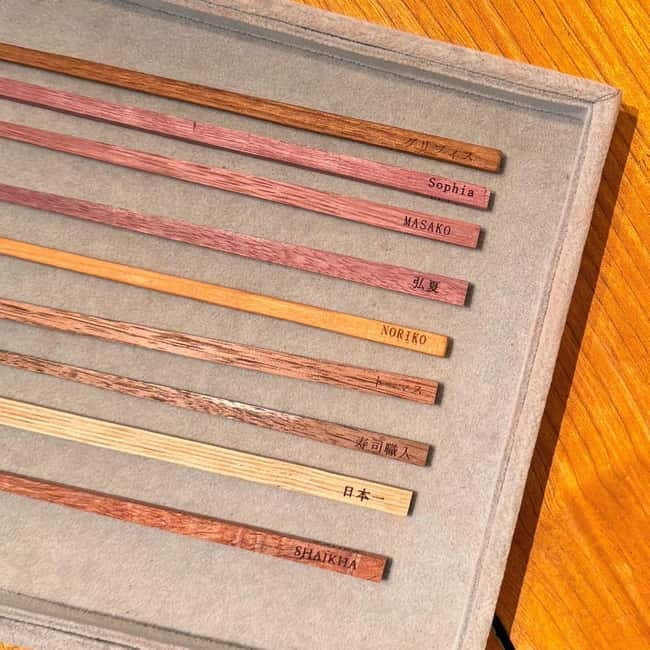
- Adding names and phrases with laser engraving
- English help and the small workshop atmosphere
- Is $25 good value in Ginza?
- Who will enjoy this most?
- Practical booking advice for a smooth hour
- Should you book the Ginza chopstick workshop?
- FAQ
- Where is the chopstick-making workshop located?
- How long does the activity last?
- How much does the workshop cost?
- How many types of wood can I choose from?
- Can I choose different chopstick lengths?
- What tools will I use?
- Can I have my name engraved?
- Can I take the chopsticks home immediately?
- Is the workshop available in English and wheelchair accessible?
Key points before you book
- Choose your wood first: Five of the 24 wood types are included, while 19 higher-grade options cost extra.
- Use traditional hand tools: You shape the chopsticks with a plane, then refine them with sandpaper.
- Expect a physical hour: Pressing the plane into the wood takes more strength than the polished souvenir suggests.
- Engraving adds a personal finish: Names or short phrases can be engraved in Japanese or your own language for ¥1,100 per pair.
- Take them home the same day: The finished chopsticks are ready to carry away after the workshop.
- Good for families and rainy afternoons: The activity suits children old enough to handle the tools, though the formal age limits exclude children under three and people over 70.
Starting with 24 woods in central Ginza
The workshop takes place at 2-9-13 Ginza, Chuo-ku, Tokyo, in the heart of one of Tokyo’s best-known shopping districts. That location makes this easy to fit between department stores, lunch, galleries, and other Ginza stops. You do not need to give up half a day for it. The stated duration is one hour.
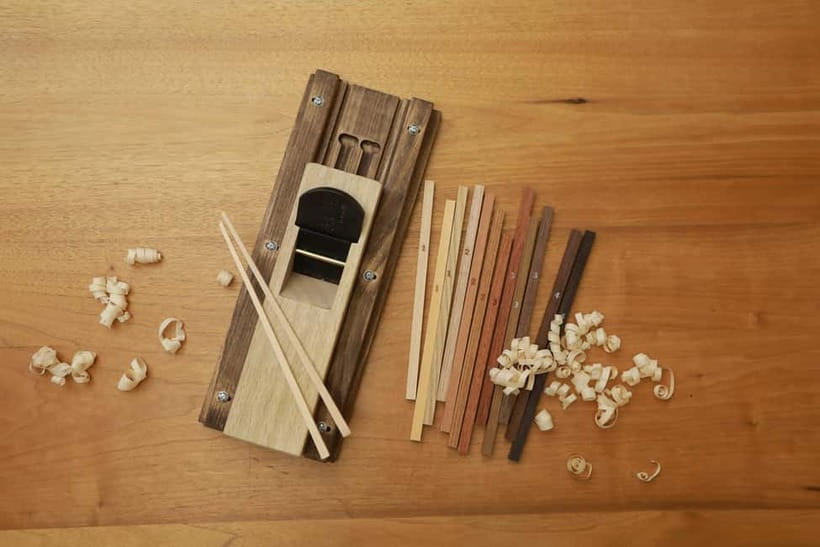
Your first decision is the wood. You can choose from 24 types and select either of two lengths. The five included woods keep the basic price reasonable, while the remaining 19 are higher-grade choices with an additional charge. The exact surcharge is not provided in the activity details, so ask before committing to an upgrade.
That price structure matters. At $25 per person, the basic class offers a fair deal for a hands-on activity and a usable souvenir. But it is easy to get caught up in the attractive specialty woods, then add engraving and discover that the final bill is much higher than the starting price. One useful habit: decide at the beginning whether your priority is the making process, a particular wood, engraving, or all three.
The wood choice is not just decoration. Different woods can feel different under the plane. Olive wood, for example, has proved harder to work than some other options. That can frustrate you if you want a quick, easy craft, but it also gives the class a more genuine woodworking feel. If you enjoy a challenge, a tougher wood may be part of the fun. If you are working with a child or have limited hand strength, an easier included wood may be the wiser choice.
A few more Tokyo experiences worth weighing up
- Sushi Making Tokyo Roll and Authentic Japanese Sushi Class
★ 5.0 · 3,971 reviews - Tokyo: Roll and Authentic Sushi Making Class in Asakusa
★ 4.9 · 1,957 reviews - Tokyo Shinjuku Chopsticks Making Class
★ 5.0 · 1,763 reviews
Shaping the chopsticks with a hand plane
Once you choose your wood, you place the chopsticks on a stand and begin removing material with a plane. The task is simple to understand, but not entirely effortless. You need to apply steady pressure and keep the tool moving along the wood.
This is the point where the workshop feels different from a decorative craft class. You are not merely assembling a souvenir. You are changing the shape of a piece of wood by hand. Several participants have described the work as requiring strength in the arms, shoulders, and core. Long hair should be tied back, particularly since the process can become surprisingly sporty.
The instructors demonstrate the technique and remain available as you work. English-speaking staff are part of the experience, and the listed instructor languages are English and Japanese. That makes the class approachable for international visitors who might otherwise hesitate around unfamiliar tools.
Your main job is to remove enough wood without taking too much. The chopsticks gradually become slimmer and more recognizable. The process rewards patience. If you rush, you may create uneven areas or remove more material than you intended. If you take your time, you have a better chance of producing a balanced pair.
Some people find the chopstick can flip while being planed. This can make it unclear which side should face upward. It is a small issue, but it is worth knowing in advance. Ask for help rather than forcing the tool, especially if the wood suddenly feels unstable.
The workshop is designed for beginners. The instructions are given step by step, and children as young as eight or ten have managed the process with help. A 12-year-old participant was initially unsure how much pressure to use, then became more confident and proud of the result. Teenagers and adults also have plenty to do, especially if they choose harder specialty wood.
Sanding the tips and corners
After planing, you move to sandpaper. This stage smooths the tips, corners, and any rough sections left by the plane. It sounds easy, but sanding is where you control the final feel of the chopsticks.
I would not treat this as a quick wipe at the end. The finished pair will touch your hands and mouth, so smoothness matters. You can spend extra time refining the shape, and some people have stayed longer to get the surface just right. One participant made a second pair and spent two hours in total because of careful sanding, although the advertised class length is one hour.
That difference is important for scheduling. Most people finish in about the stated hour, but your pace can vary according to wood choice, precision, and how busy the room is. Do not schedule a train departure immediately afterward if you know you like careful, fussy finishing.
The shop can become busy. At half capacity, the pace feels comfortable, but a full room may leave less elbow room and make it harder to get instant help. The instructors work with people at different stages, so you may see one person planing while another is sanding or oiling. That arrangement keeps the class moving, though you may need to wait briefly for a staff member.
Applying oil for a polished finish
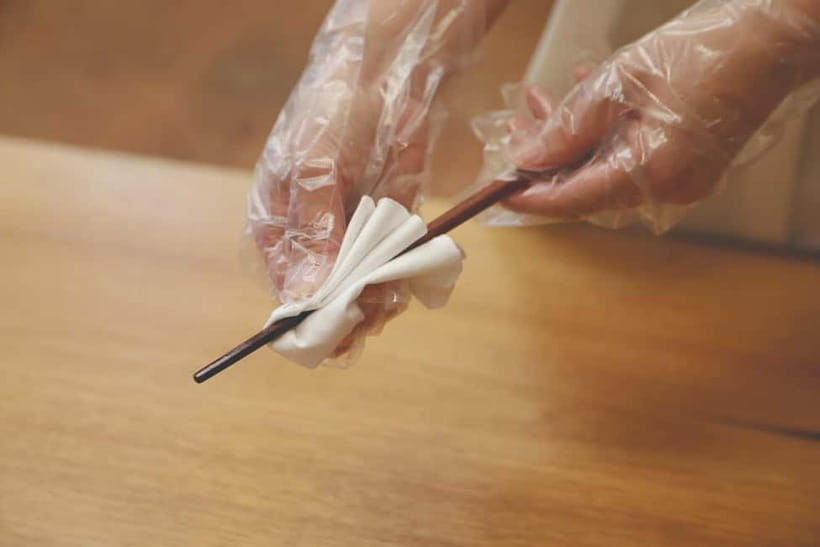
Once the shape and surface feel right, you apply oil. This gives the wood a finished appearance and helps bring out its natural color and grain. The final step is quick, but it changes the look of the chopsticks from workshop project to finished household item.
This is one reason the activity has lasting value. You are not taking home an unfinished stick with a souvenir label attached. You have selected the material, shaped it, smoothed it, and helped finish it. The marks of your work remain part of the story.
The product is also practical. Chopsticks are small, light, and easy to pack. You can use them at home for everyday meals or keep them for special occasions. That makes them a stronger souvenir choice than many attractive but impractical Tokyo purchases.
Do remember that handmade means personal, not factory-perfect. Small differences between the two chopsticks are part of the process. If you want completely identical pieces with a flawless commercial finish, buy a finished pair in a department store. If you want something connected to your time in Ginza, the handmade result has more meaning.
A completely different kind of day out in Tokyo:
- Mt Fuji and Hakone 1-Day Bus Tour Return by Bullet Train
★ 5.0 · 26,383 reviews - 1-Day Tokyo Bus Tour
★ 5.0 · 14,250 reviews - Tokyo: TOKYO SKYTREE® Admission ticket
★ 4.5 · 11,192 reviews - Tokyo: teamLab Planets TOKYO Digital Art Museum Entry Ticket
★ 4.6 · 9,779 reviews
Adding names and phrases with laser engraving
Engraving is optional and costs an additional ¥1,100 per pair. You can add your name or a favorite phrase in Japanese or your own language. The shop uses a high-performance laser intended to engrave cleanly while putting gentle stress on the wood.
For many people, this is the feature that changes a nice souvenir into a personal keepsake. Couples can add their names, parents can mark a child’s pair, and friends can choose a phrase from the trip. Staff can also help translate a name or phrase into Japanese, which adds a local touch without requiring you to know Japanese calligraphy.
The extra fee is reasonable if you already care about personalization, but it is not included in the base price. If you are making several pairs for family members, remember that the ¥1,100 charge applies per pair. A family booking can therefore grow quickly if everyone chooses specialty wood and engraving.
A practical point: decide on your wording before the class if you can. Short names are straightforward, while favorite phrases may require translation or confirmation. The supplied information confirms that engraving is available in Japanese or your native language, but it does not state a maximum character count or turnaround arrangement beyond the same-day take-home promise.
English help and the small workshop atmosphere
The English-speaking staff are central to the experience. The class is not a lecture about Japanese woodworking. You learn by watching a demonstration, trying the tool, and getting corrections when needed.
The instructors have been praised for being kind, patient, and attentive. Tina has been described as especially helpful during a birthday session, while Waka has been credited with teaching the full process in a professional and encouraging way. Kotoha, Shion, and Koko have also been named as helpful staff members. Staff names and schedules can change, but the consistent message is that the teaching style is friendly and hands-on.
That support matters because the first few strokes with the plane can feel awkward. You may wonder how much pressure to use or which side of the chopstick should face upward. A quick correction can save you from wasting energy or damaging the shape.
The tradeoff is space. The workshop is cozy rather than spacious, and it may feel crowded at full capacity. If you prefer lots of personal room, book a quieter time if availability allows. The activity is wheelchair accessible, though the provided details do not describe the exact workbench layout, so it is sensible to confirm any specific seating needs in advance.
Is $25 good value in Ginza?
The $25 starting price is strong value if you want an activity rather than a simple purchase. It covers the workshop, tools, materials, the chopstick-making instruction, and the included guide fee of ¥1,000. You also leave with a pair made by you.
The value becomes less clear if you compare it with inexpensive ready-made chopsticks. You can buy factory-made pairs for less, and even attractive Japanese chopsticks may cost less than a specialty-wood pair with engraving. But that comparison misses the main point. You are paying for one hour of instruction, access to woodworking tools, the choice of materials, and the chance to make something tied to your own visit.
I see it as good value for couples, families, and anyone who enjoys making things. It is also a smart rainy-day plan because the whole activity takes place indoors and does not require a full-day commitment.
Budget carefully for extras:
- The base price is $25 per person.
- Five wood types are included.
- Nineteen higher-grade wood types cost extra.
- Engraving costs ¥1,100 per pair.
- A second pair costs extra.
The activity provider does not state the surcharge for each specialty wood in the information provided. Ask to see the prices before choosing. One participant specifically wished the different wood costs had been explained more clearly, so this is worth checking rather than assuming every option is included.
Who will enjoy this most?
I would recommend this workshop to you if you like practical souvenirs, light woodworking, and activities with a clear finished result. It works particularly well for couples who want matching or personalized chopsticks, parents and children, and older children who can follow tool instructions.
Children under three are not suitable for the activity, and the stated upper age limit is 70. The age guidance deserves attention because one family completed it across ages four to 72. That suggests real-world flexibility, but the formal activity information still lists people over 70 as unsuitable. If someone in your group falls outside the stated range, confirm acceptance before booking.
You should also consider hand strength. The work is beginner-friendly, but it is not completely passive. If you have difficulty gripping tools, pushing a plane, or sanding for an extended period, ask the staff what adaptations are possible before reserving.
This is less suitable if you want a polished sightseeing tour, a long cultural explanation, or a completely effortless activity. The appeal is in doing the work yourself. A little unevenness is part of the charm.
Practical booking advice for a smooth hour
The meeting point is 2-9-13 Ginza, Chuo-ku, Tokyo. Check the address carefully before setting out. One participant went to the wrong address, so do not rely only on a general map pin or the name Ginza.
The class lasts one hour, and starting times depend on availability. Arrive with enough time to find the location, especially if you are coming from a hotel or another part of Tokyo. Some participants arrived early and were able to start promptly, but that should not be treated as a guaranteed early entry.
Wear clothes you can move comfortably in. The work is not dangerous when done as instructed, but planing and sanding require repeated arm movement. Tie back long hair, and expect a little dust from the sanding process.
The activity offers free cancellation up to 24 hours before the start time and a reserve-now, pay-later option. Those terms help if your Ginza plans are still shifting. The booking information also lists wheelchair access and English and Japanese instruction.
Should you book the Ginza chopstick workshop?
Book it if you want a useful, personal souvenir and enjoy hands-on work. The one-hour format fits neatly into a Tokyo day, the staff provide English help, and the finished chopsticks are small enough to pack easily. Add engraving if you want a gift with a stronger personal connection.
Think twice if your group dislikes physical crafts, needs a lot of space, or expects every wood choice to be included in the $25 price. Ask about specialty-wood charges before you choose, and remember that engraving costs extra.
For most visitors, I would book this as a short Ginza activity rather than a major attraction. It gives you a story to bring home, not just an object. Every meal that follows can remind you of the time you took a raw piece of Japanese wood and made it useful.
FAQ
Where is the chopstick-making workshop located?
The meeting point is 2-9-13 Ginza, Chuo-ku, Tokyo, in Ginza on Honshu, Japan.
How long does the activity last?
The stated duration is one hour. Your exact pace may vary depending on your wood choice and how carefully you plane and sand.
How much does the workshop cost?
The listed price is $25 per person. Specialty wood and engraving cost extra.
How many types of wood can I choose from?
You can choose from 24 types of wood. Five are included in the basic price, while the other 19 are higher-grade options with an additional charge.
Can I choose different chopstick lengths?
Yes. Two lengths are available.
What tools will I use?
You will place the chopsticks on a stand, shape them with a hand plane, smooth the tips and corners with sandpaper, and apply oil for the final finish.
Can I have my name engraved?
Yes. Names or favorite phrases can be engraved in Japanese or your native language. The additional charge is ¥1,100 per pair.
Can I take the chopsticks home immediately?
Yes. The finished chopsticks can be taken home on the day of the workshop.
Is the workshop available in English and wheelchair accessible?
Yes. English-speaking staff assist with the activity, and the listed instructor languages are English and Japanese. The activity is also listed as wheelchair accessible.
Just added around Tokyo
- Tokyo 6hr Instagram Highlights Private Tour with Licensed Guide★ 5.0 · 38 reviews
- Tokyo Small Group Tour with Guide★ 4.5 · 38 reviews
- Tokyo Sumo Experience with Live Show & Audience Challenge★ 5.0 · 38 reviews
- Japanese Food Cooking Class in Asakusa, Tokyo★ 5.0 · 39 reviews
- Very popular in Harajuku♡Animal petting zoo★ 4.6 · 39 reviews
- Ramen Making from Scratch with Tokyo Mom(Vegan Option Available)★ 5.0 · 39 reviews
- Tokyo JDM Night: 600hp C63s AMG Edition 1 (Private)★ 4.9 · 39 reviews
- Tokyo: Kimono Rental inside Shinjuku Gyoen National Garden★ 4.9 · 39 reviews
Workshops, compared.
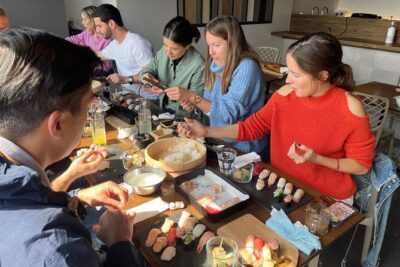
Sushi Making Tokyo Roll and Authentic Japanese Sushi Class
Read our review →

Roll and Authentic Sushi Making Class in Asakusa
Read our review →
Ramen Cooking Class at Ramen Factory in Kyoto
Read our review →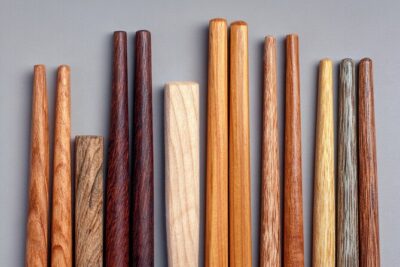
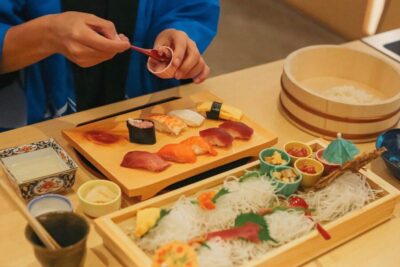
Sushi Making Class in a Happi Coat near a Famous Spot
Read our review →
Sushi Making Osaka Roll and Authentic Japanese Sushi Class
Read our review →
Tokyo Sushi Making Class in Tsukiji with Professional Chef
Read our review →Browse the lists this tour appears in