
Reviewed · SPA & HOT SPRINGS
Osaka: Nara and Uji Day Trip with Deer Park and Hot Spring
Deer, temples, matcha, and a hot bath make a full day. This $57 day trip from Osaka packs Nara’s most famous sights and Uji’s tea streets into one organized outing, then finishes with a Japanese-style hot spring. I like the easy round-trip transport and the mix of culture, food, animals, and relaxation. The main tradeoff is time: with Nara, Uji, temples, and the onsen in one day, you will see highlights rather than explore either town slowly.
I also like the flexible feel once you arrive. Guides such as Etta, Lucia, Karin, and Watson have been praised for clear explanations, good food suggestions, and keeping groups on schedule. Still, traffic, weather, admission queues, and a compact vehicle can affect the day, and one hour at the hot spring may feel short if bathing is your main reason for booking.
In This Review
- Key points at a glance
- Why this day trip works from Osaka
- Nara Park and the deer near Wakakusa Mountain
- Todai-ji and Nara’s Great Buddha
- Kasuga Taisha and its lantern-lined paths
- Uji’s matcha streets and riverside character
- Genji no Yu and the rules of Japanese bathing
- How good is the $57 value?
- Guide quality and group style
- The day’s main drawbacks
- Who should book this Nara and Uji tour?
- Should you book it?
- FAQ
- Where does the tour meet in Osaka?
- What time does the tour depart?
- How long is the experience?
- Are meals and drinks included?
- Are entrance fees included?
- Can I choose between Byodo-in Temple and the Tale of Genji Museum?
- Can I enter the hot spring if I have a tattoo?
- What languages does the guide speak?
Key points at a glance
- Feed deer in Nara Park: A complimentary pack of deer crackers gives you an easy way to meet the famous deer, especially around the maple forest near Wakakusa Mountain.
- See Nara’s Great Buddha: Todai-ji houses the huge Great Buddha of Nara, but its admission fee is separate.
- Walk among lanterns at Kasuga Taisha: The shrine’s stone and bronze lanterns give this stop a quieter, more atmospheric feel than the open park.
- Taste Uji’s matcha specialties: Matcha ice cream, cakes, souvenirs, and even green tea flavored soba noodles line the streets near the main sights.
- Choose your Uji culture stop: Depending on the schedule, you can visit Byodo-in Temple and its Omotesando approach or the Tale of Genji Museum.
- Finish at Genji no Yu: Three indoor baths and one outdoor bath offer a welcome rest after a long day on foot.
Why this day trip works from Osaka
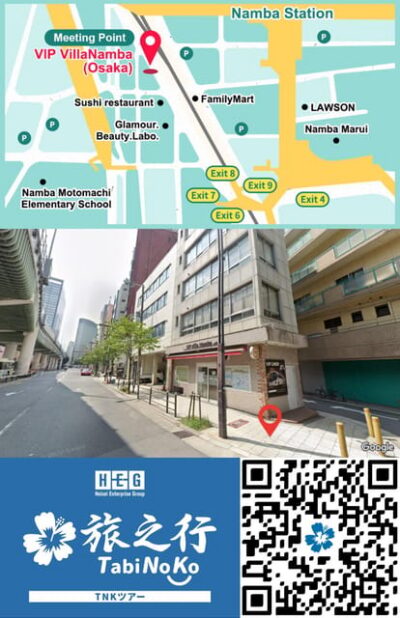
The tour begins at 8:40 a.m. outside Harimaya Building in the Namba and Shinsaibashi area. The address is 1-chome-3-11 Nipponbashi, Chuo Ward, Osaka. You should arrive at least 15 minutes early and look for the guide holding a yellow flag. Late arrivals and no-shows do not receive a refund, so this is not the morning to cut things close.
The bus ride to Nara takes about 70 minutes. That transfer matters because you avoid figuring out separate train routes, local buses, and walking directions between Nara Park, Todai-ji, Kasuga Taisha, Uji, and the hot spring. The vehicle has air conditioning, and the driver, parking, taxes, and round-trip transport are included.
I would keep your expectations realistic about comfort. Japanese tour vehicles often have compact seats, and the parking area is not right beside every sight. Comfortable walking shoes are essential. The day lasts about 10 hours, with roughly 80 minutes on the return ride, and traffic or weather can shift the schedule.
For groups of fewer than 13 people, the guide may also drive. In that case, explanations are more basic. Larger groups may receive fuller commentary, but the tour is shared with people from several countries and explanations are given in English, Japanese, and Traditional Chinese. That multilingual format is useful, though it can make stops feel less leisurely.
More onsen experiences:
- From Osaka: Himeji Castle, Arima Onsen & Mt. Rokko Day Tour
★ 4.6 · 339 reviews - From Tokyo: Private Tour to Fuji/Hakone – Onsen, Art, Nature
★ 5.0 · 116 reviews - Mt. Fuji, Hakone Private Tour from Tokyo – Onsen, Arts and Nature
★ 5.0 · 79 reviews
Nara Park and the deer near Wakakusa Mountain
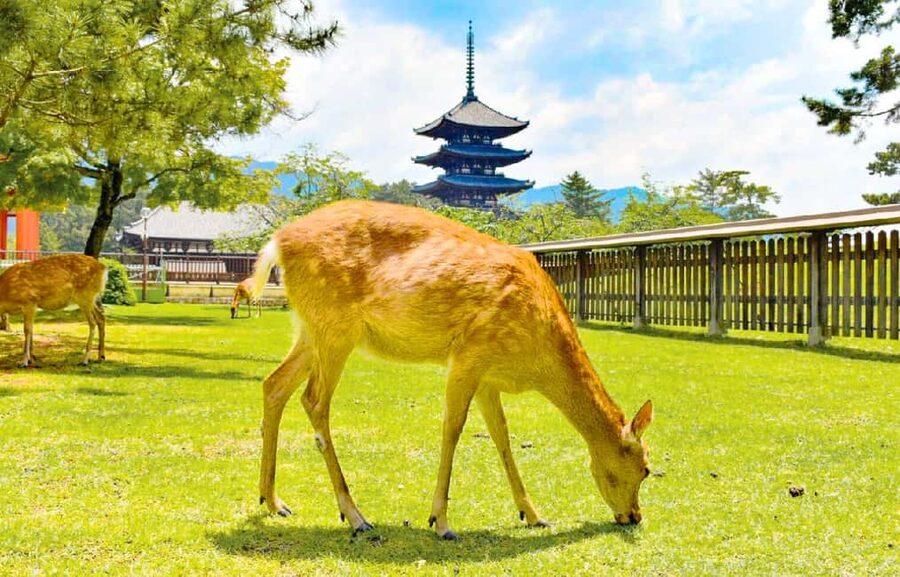
Nara Park is the emotional centerpiece of the day. The urban park spreads around the base of Wakakusa Mountain and includes some of Nara’s best-known landmarks. It is also home to deer that roam freely among the paths and trees.
You receive a complimentary pack of deer crackers when you meet the guide. These are the traditional rice crackers sold for feeding the deer. The animals are accustomed to people and may walk directly toward you once they spot food in your hand. I would feed them one cracker at a time, keep your hands open afterward, and avoid waving food around when a group is nearby.
The maple forest is especially appealing in the right season. Even outside autumn, the deer create a memorable contrast with the temple grounds and wooded paths. The stop lasts about two hours, which gives you time for deer feeding and at least one major temple visit, but not for every corner of the park.
Use the deer stop with some care. Excited groups of deer can crowd around you, and the animals are more eager when they see crackers. Follow the guide’s instructions and do not treat them like tame pets. The fun comes from watching their behavior, not from forcing contact.
The park has the highest concentration of deer along the route, so this is the best place to use your crackers. If you want photographs, take them early in the stop, before your food attracts a small committee of hungry animals.
Todai-ji and Nara’s Great Buddha
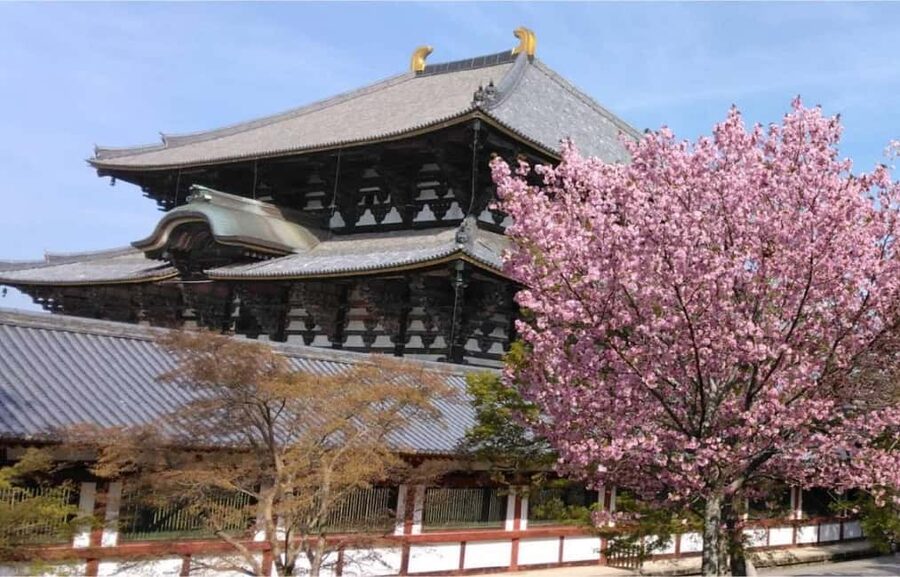
Todai-ji is one of the day’s essential cultural stops. The temple is famous for housing the Great Buddha of Nara, a giant bronze image inside one of Japan’s most impressive temple buildings.
The scale is the point. After the playful deer outside, entering Todai-ji shifts the mood from open park to grand religious architecture. You can look closely at the Buddha, study the vast wooden structure, and take in the contrast between the building’s size and the surrounding forest.
Admission to Todai-ji is not included, so bring money for the entrance fee. The tour’s $57 price covers transport, guide and driver service, parking, and taxes, but not temple admissions, food, drinks, or the onsen. That separation keeps the base price low, though your final spending will be higher if you enter every paid site.
Time is the main limitation here. You may need to choose between lingering inside Todai-ji, browsing nearby paths, and reaching Kasuga Taisha on schedule. I would prioritize the Great Buddha rather than trying to shop extensively around the temple.
Kasuga Taisha and its lantern-lined paths
Kasuga Taisha offers a different kind of Nara experience. This Shinto shrine is known for thousands of stone and bronze lanterns, many of them placed along the wooded approach and shrine grounds.
The lanterns create a calmer stop after the crowds and animal activity around the park. The setting gives you a chance to notice smaller details, such as the repeated shapes of the lanterns and the way the paths lead through the trees. I find this stop most rewarding when you slow down and let the atmosphere do some of the work.
As with Todai-ji, you will need to manage your time. The day includes two famous Nara sites, but it is not designed for a detailed study of either one. Your guide can help explain the religious setting and point out the main areas, while you still get time to look around on your own.
The combination is well chosen. Todai-ji gives you monumental Buddhist architecture and the Great Buddha. Kasuga Taisha gives you lanterns, forest paths, and Shinto character. Together with the deer, they provide a solid first visit to Nara.
A few more Nara experiences worth weighing up
- Nara Half Day Trip Walking Tour (Private Option Available)
★ 5.0 · 937 reviews - Mt Fuji and Hakone 1-Day Bus Tour Return by Bullet Train
★ 5.0 · 26,383 reviews - 1-Day Tokyo Bus Tour
★ 5.0 · 14,250 reviews - PERFECT KYOTO 1-Day Bus Tour
★ 5.0 · 13,518 reviews
Uji’s matcha streets and riverside character

The bus then takes you to Uji, a town closely associated with matcha and Japanese literary culture. You get about 90 minutes here, which is enough for a focused walk, a snack, and a short look at the main sights.
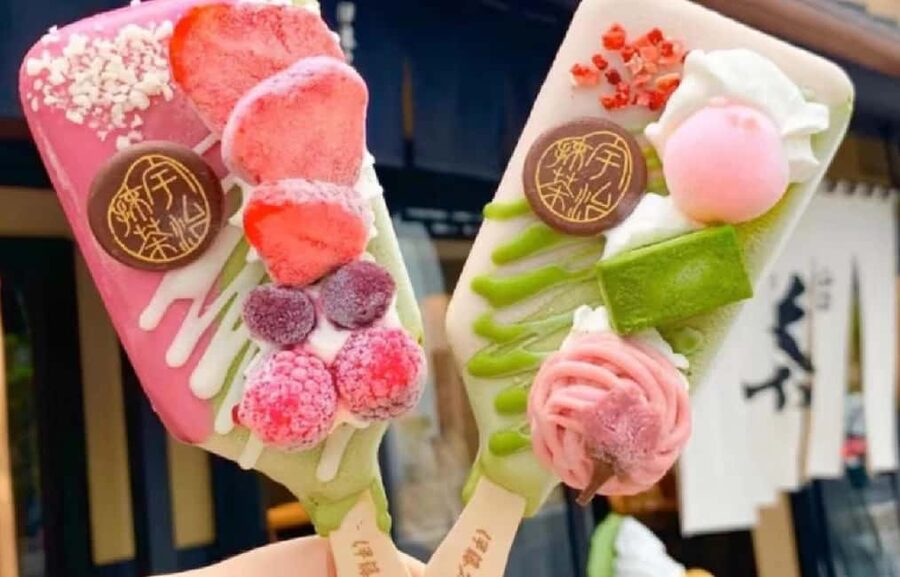
The streets around Byodo-in Omotesando are lined with matcha shops and cafés. You can try matcha ice cream, matcha cakes, and green tea flavored soba noodles. The food is not just a souvenir gimmick. Uji’s tea identity shapes what you see in shop windows, what you eat, and what you can take home.
I would set aside part of this stop for tasting rather than spending every minute at a temple. Vegetarian soba and matcha ice cream have been particularly popular choices, and the guide can suggest places to eat. Matcha products also make practical souvenirs, though your time may not allow a long shopping session.
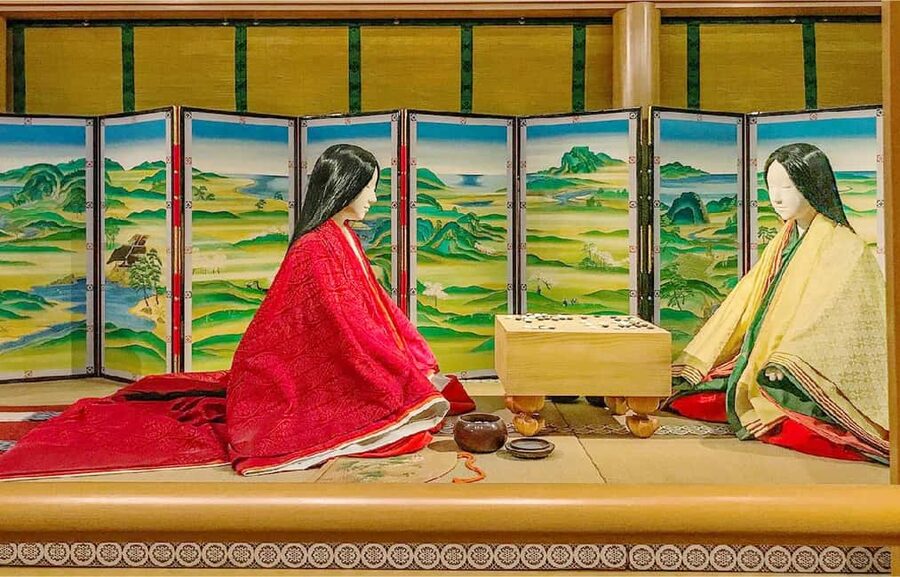
Uji has a literary side, too. The final ten chapters of The Tale of Genji are set in the area. That connection explains the presence of the Tale of Genji Museum, which uses multimedia displays and high-definition visuals to present the novel’s characters and story.
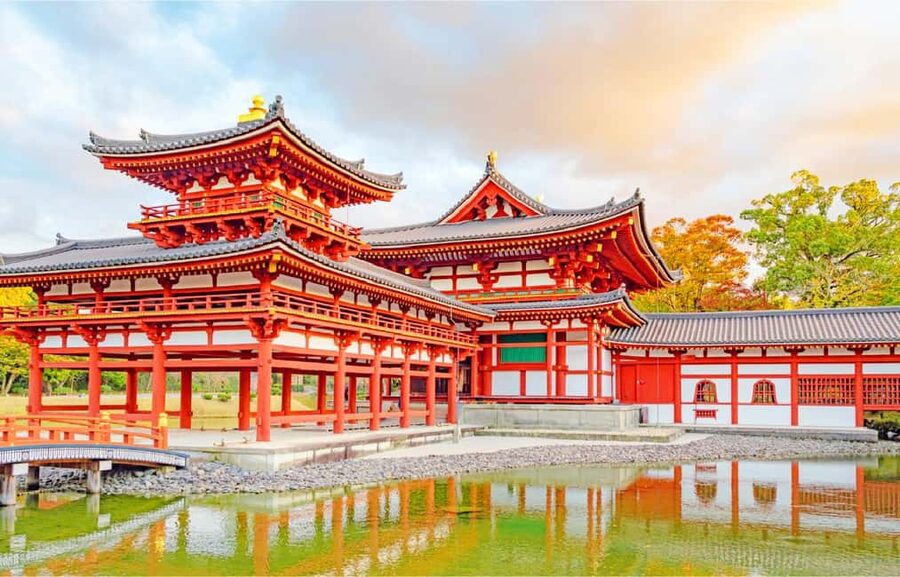
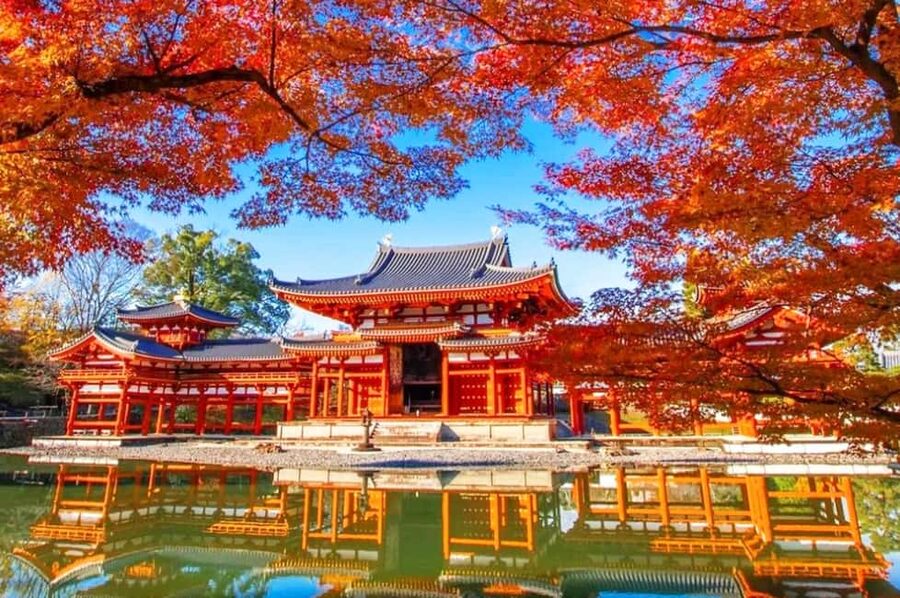
This is where the tour asks you to choose. You may visit Byodo-in Omotesando and Byodo-in Temple, or spend time at the Tale of Genji Museum. Byodo-in is the better pick if you want classic architecture, a pond garden, and an instantly recognizable Uji sight. The museum suits you better if Japanese literature and visual interpretation interest you more than temple grounds.
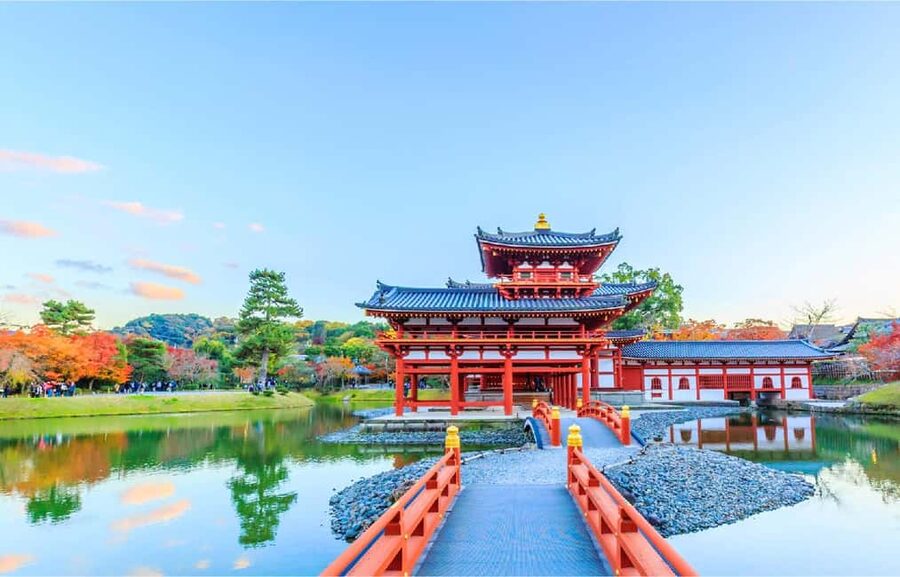
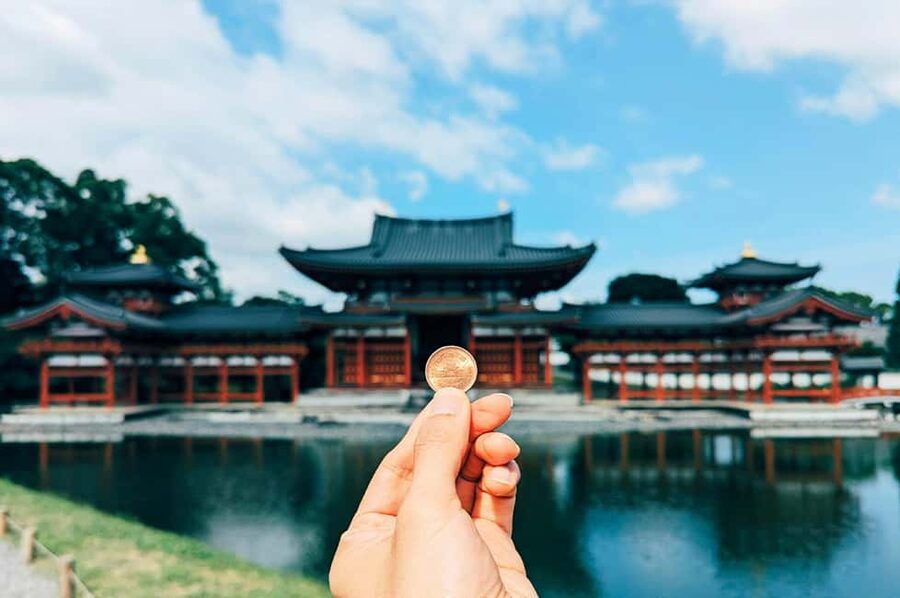
Byodo-in is a Heian-era masterpiece built around a pond garden. Its setting gives Uji a polished, graceful feel, and the approach through the tea shops makes the visit feel connected to the town rather than isolated from it. Admission is separate, and the limited Uji time means you should decide quickly if you want to enter.
Genji no Yu and the rules of Japanese bathing
The tour ends at Genji no Yu, described as Uji’s only natural hot spring. The water is drawn from 1,111 meters underground, and the facility has three indoor baths plus one outdoor bath. Traditional Japanese-style architecture and a quieter setting make this a sensible final stop after hours of walking.
You get about one hour here. That is enough for a proper bath and a rest, but it is not a spa day. If you want to use several bathing areas slowly, you may find the visit rushed. I would treat it as a refreshing reset before the return drive, not as the main attraction.
Japanese hot springs have firm rules. Bathing is nude, and you cannot wear clothing in the baths. If you have a tattoo, you may not be allowed to enter. The information provided gives no alternative tattoo policy, so you should confirm acceptance before booking if this applies to you.
Bring a clean change of clothes if possible, since you will want to feel comfortable on the ride back to Osaka. The onsen admission is not included, so budget separately for it. For many people, finishing with warm water is what makes the long schedule feel balanced rather than exhausting.
How good is the $57 value?
At $57 per person, this is a strong value if you want to combine Nara and Uji without arranging transport yourself. The price includes a guide, driver service, air-conditioned vehicle, round-trip transfers from the Osaka meeting point, parking, and taxes. Those costs add up quickly on an independent day with multiple transfers.
The price is less compelling if you plan to spend a full day at only one destination. Nara alone can fill a day if you want to visit several temple buildings, walk farther into the park, and take your time with the deer. Uji also rewards a slower pace, especially if you want tea tastings, Byodo-in, the museum, and riverside walks.
You must also add admission fees, meals, drinks, matcha treats, and the hot spring. The base fare is not an all-inclusive ticket. Still, the ability to see two towns and finish at an onsen without navigating the return journey gives the tour practical value.
The strongest part of the price is convenience. You do not need to monitor train connections after a long day, and the guide shares directions and food suggestions at each stop. Some guides, including Etta, have also used WhatsApp to send locations and recommendations, which can help you find your way during free time.
Guide quality and group style
The experience depends heavily on the guide. Etta has received especially strong praise for her energy, humor, clear English, multilingual explanations, and organization. Other guides, including Ethan, Liao, Jessica, Hugo, Nick Lee, Lucia, Karin, Watson, and Jack, have also been described as friendly, helpful, and good at keeping the group moving.
That does not mean every guide will have the same personality. It does show that the tour places real importance on communication and timing. In a day with several stops, a guide who gives clear meeting instructions can prevent small delays from becoming major problems.
You should expect a shared group rather than a private tour. People from different countries may need explanations in several languages, and the guide must keep everyone together. The reward is an easy, social format. The cost is less flexibility and less time at any single sight.
One practical tip is to keep your phone charged. Guides may send meeting points or food recommendations by message, and you will want a reliable camera for the deer, lanterns, temple halls, and Uji streets.
The day’s main drawbacks
The schedule is ambitious. Nara Park receives about two hours, Uji about 90 minutes, and the hot spring about one hour. That is enough for a first taste, but not enough for deep exploration.
Rain can affect Uji more than Nara. Wet streets and limited time make it harder to enjoy shopping, temple gardens, and riverside views. Traffic can also change the arrival and return times, so I would not schedule a flight, long-distance train, or fixed evening reservation immediately after the tour.
The hot spring may also be unavailable to you if you have a tattoo, and the no-clothing rule may not suit everyone. If you would skip the bath, the day still includes worthwhile Nara and Uji sights, but the tour’s final reward loses some of its appeal.
Who should book this Nara and Uji tour?
I would recommend it to a first-time Osaka visitor who wants to see Nara’s deer and major temples, sample Uji matcha, and try an onsen without handling the transportation. It also suits solo visitors and couples who like guided structure but want some free time at each stop.
Families should enjoy the deer and Great Buddha, though adults need to supervise children closely around the animals. Food-focused visitors will appreciate Uji’s matcha treats and soba, while culture-minded visitors can choose between Byodo-in and the Tale of Genji Museum.
I would choose a different plan if you dislike fixed schedules, want extensive temple visits, or need guaranteed tattoo-friendly bathing. You may also prefer an independent Nara day if your priority is spending several hours with the deer and exploring beyond the main sights.
Should you book it?
Book this trip if you want a lot of Japan in one day: deer in Nara, Buddhist and Shinto landmarks, Uji tea culture, and a hot spring finish. The $57 starting price is fair for the transport and coordination, especially from Osaka.
Skip it if you value slow travel over variety. The tour gives you a useful first look, not a complete visit to Nara or Uji. Arrive early, wear walking shoes, budget for admissions and food, and decide in advance if the onsen rules work for you. For the right kind of visitor, it is an efficient and enjoyable day with plenty of memorable moments.
FAQ
Where does the tour meet in Osaka?
The meeting point is Harimaya Building at 1-chome-3-11 Nipponbashi, Chuo Ward, Osaka, in the Namba and Shinsaibashi area. The guide holds a yellow flag.
What time does the tour depart?
Departure is at 8:40 a.m. You should arrive at least 15 minutes before departure.
How long is the experience?
The full experience lasts about 10 hours, including the bus journeys between Osaka, Nara, Uji, and back to Osaka.
Are meals and drinks included?
No. Meals and drinks are not included. You can buy matcha ice cream, cakes, soba noodles, and other food in Uji.
Are entrance fees included?
No. Admission to Todai-ji, Byodo-in Temple, and the Uji onsen is not included in the tour price.
Can I choose between Byodo-in Temple and the Tale of Genji Museum?
The Uji portion offers a choice between visiting Byodo-in Omotesando and Byodo-in Temple or visiting the Tale of Genji Museum.
Can I enter the hot spring if I have a tattoo?
You may not be able to enter the onsen if you have a tattoo. The provided information gives no exception or alternative policy.
What languages does the guide speak?
Live guidance is available in English, Japanese, and Traditional Chinese. If fewer than 13 people join, the guide may also drive and provide only basic explanations.
Just added around Nara
- Private Nara Tour and Sake Tasting (Departing from Kyoto/Nara)★ 5.0 · 40 reviews
- Nara: Bike Tour in Ancient Capital UNESCO World Heritage★ 5.0 · 43 reviews
- Perfect Nara Park Half-Day Bus Tour with English Speaking Guide★ 5.0 · 49 reviews
- Discover Ancient Nara: Private Car Tour from Kyoto or Osaka★ 5.0 · 52 reviews
- Hammer a Pattern on Your Ring Workshop★ 5.0 · 57 reviews
- Nara: Great Buddha, Kasuga Shrine & Deer Park Tour★ 4.8 · 62 reviews
- Nara: Private Tour with Private Guide★ 4.8 · 66 reviews
- Nara Highlight Walking Tour with Furoshiki Experience with Lunch★ 5.0 · 73 reviews
Spa & Hot Springs, compared.
Himeji Castle, Arima Onsen & Mt. Rokko Day Tour
Read our review →
Private Tour to Fuji/Hakone – Onsen, Art, Nature
Read our review →
Mt. Fuji, Hakone Private Tour from Tokyo – Onsen, Arts and Nature
Read our review →
Private Nagano 1-Day Tour:Snow Monkeys,Zenko-ji,Obuse,Sake,Onsen
Read our review →
Mt Takao Tour with Ramen and Tattoo-Okay Hot Spring
Read our review →
Snow Monkey & Shibu Onsen Afternoon Tour (Depart: Iiyama & Nozwa)
Read our review →Browse the lists this tour appears in