
Reviewed · NARA TOURS
Nara: Private Tour with Private Guide
Nara rewards a slower look. This private walking tour gives you six hours with a licensed local guide, bringing together major temples, deer-filled parkland, and useful stories about Japan’s early capital. I especially like the custom route and the chance to meet guides such as Junichi, Ken, Rie, or Kazuo Sumi, who have shaped the day around family needs, food restrictions, weather, and train schedules. I also like the personal pace: you can ask questions as you go instead of following a fixed group. The main drawback is cost. At $151 per person, the tour is far more expensive than exploring Nara alone, and entrance fees, meals, and transport are extra.
The tour earns a 4.8 rating from 66 bookings, with repeated praise for warm, attentive guiding. That matters in Nara, where the temples are large, the walking can add up, and a good guide helps you understand why each place matters. The experience is private, available in English or Japanese, and can be arranged for four or six hours.
In This Review
- Key points at a glance
- Why a private guide helps in Nara
- Meeting your guide and setting the route
- Kofuku-Ji, a strong opening stop
- Todai-Ji and the Great Buddha
- Feeding the deer in Nara Park
- Kasuga Taisha and the National Treasure Hall
- What the guides do best
- Price, transport, and the real value
- Who should book this Nara tour?
- Final verdict: book it for personal attention
- FAQ
- How long is the Nara private tour?
- What sights are included in the suggested six-hour route?
- Is transportation included?
- Can the tour start at my hotel?
- Are entrance fees and meals included?
- Is the experience available in English?
Key points at a glance
- Private planning before the day: Your guide contacts you to confirm the route and can shape the visit around children, food needs, mobility, temple interests, or a tight train schedule.
- The classic Nara circuit: The suggested six-hour route links Kofuku-Ji, Todai-Ji, Nara Park, and Kasuga Taisha.
- Guides who do more than recite facts: Junichi, Ken, Haru, Rie, Shuji, and others have been praised for clear explanations, patience, humor, and careful time management.
- A walking tour with flexible transport: Pickup can be on foot from a nearby accommodation, while public transport or a taxi can be used during the day for an added charge.
- Deer are part of the experience, not the whole experience: You feed the deer in Nara Park, then move on to major Buddhist and Shinto sites.
- Useful for a full day from Kyoto or Osaka: The guide can help with public transport and, in some cases, get you back to the right train and platform.
Why a private guide helps in Nara
Nara is easy to reach from Kyoto and Osaka, but its sights are spread across a large area. You can walk between many of them, yet a six-hour visit involves plenty of choices. Do you spend more time with the Great Buddha, look through the National Treasure Hall at Kasuga Taisha, stop for lunch, or add a quieter temple?
A private guide turns that choice into part of the service. You can arrive with a wish list, or let the guide build the day. That flexibility has real value if you are traveling with children, a mixed-age group, or someone who cannot maintain a fast pace.
I also like the human side of this arrangement. Junichi is repeatedly praised for answering questions and keeping the day organized. Ken has helped families see baby deer, find a suitable pace, and reach their train on time. Rie has arranged a food stop and added a mochi shop. Shuji has adjusted rest breaks and drinking time during hot weather.
These details tell you what you are paying for. The temples themselves are public sights. The private guide earns the fee by making the day easier, more intelligible, and better suited to your group.
A few more Nara experiences worth weighing up
- World Heritage Kyoto & Nara Uji Authentic Matcha Experience
★ 5.0 · 1,573 reviews - Nara Half Day Trip Walking Tour (Private Option Available)
★ 5.0 · 937 reviews - Nara Early Morning Tour (Kyoto or Osaka Departure Available)
★ 5.0 · 676 reviews
Meeting your guide and setting the route
Your guide meets you at your hotel or another agreed location. If the accommodation is within a reasonable distance, pickup is on foot, with the guide waiting in the lobby or requested location about 10 minutes before the scheduled time.
This arrangement works particularly well if you are staying in Kyoto and want help making the trip to Nara. One family used public transport from Kyoto with Haru, who also adjusted the visit around final travel arrangements. Another guide, Ken, met a group at its Kyoto hotel and helped them return to the correct train, deck, and tickets.
That kind of assistance is not guaranteed from every guide, so you should state your transport needs when booking. The provider says the experience is not confirmed until the guide contacts you, usually within seven days. Use that contact to share your starting point, preferred sights, food requirements, mobility concerns, and return deadline.
The tour is private, so you do not have to wait for strangers or match another group’s pace. You can also request a four-hour version if six hours feels too long. The longer option makes sense if you want the main temples plus lunch, a museum or hall, and time with the deer.
Kofuku-Ji, a strong opening stop
The usual route begins at Kofuku-Ji, a temple complex and UNESCO World Heritage site. This is a good first stop because it introduces Nara’s religious and political importance before the crowds and scale of Todai-Ji take over the day.
The highlight here is the Buddhist sculpture associated with the temple, including the celebrated Statue of Ashura. It is one of the places where a guide adds real value. Without context, you may see a striking figure and move on. With explanation, you can better understand the role of Buddhist images, temple patronage, and the artistic choices behind the sculpture.
Kofuku-Ji also gives your guide room to adjust the pace at the beginning. You might spend longer with the art, or keep moving if your group is eager to reach the Great Buddha. Ask your guide how much time is sensible based on your interests, since entrance fees are not included and the exact route is customizable.
Todai-Ji and the Great Buddha
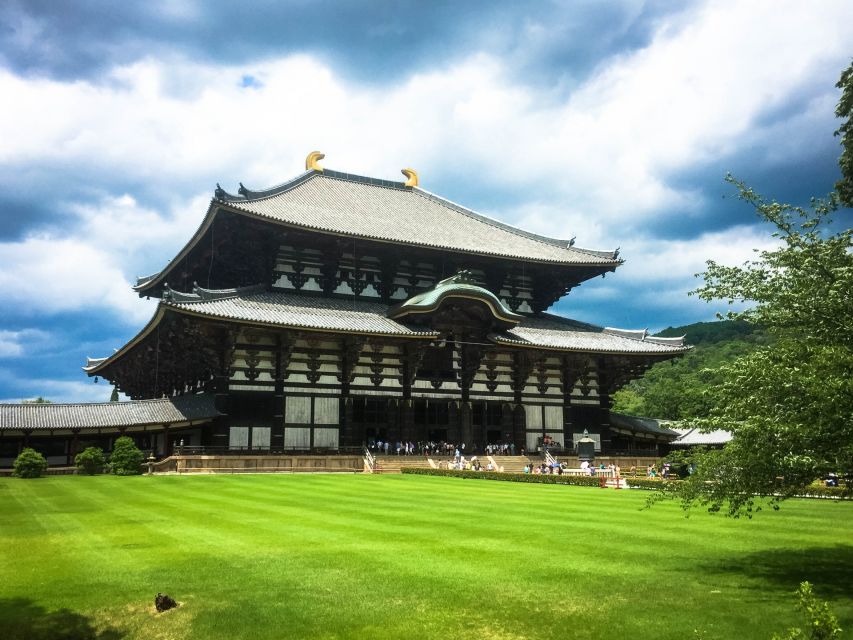
Todai-Ji is the emotional center of the standard route. Its fame is deserved, but the approach matters. At Nandaimon Gate, you see the powerful Kongo Rikishi guardians before entering the temple grounds. These figures help set the tone for the enormous wooden temple ahead.
Inside, the Great Buddha is the main event. It is described as Japan’s largest Great Buddha statue, and the scale is difficult to grasp from photographs alone. I would give this stop generous time, especially if you want to look at the surrounding details rather than rush in, take one picture, and leave.
A guide can explain what you are seeing, answer questions about Buddhist practice, and point out details you might miss. The private format is useful here because you can stop to ask about religion, architecture, sculpture, or the rebuilding of the temple without worrying about a group schedule.
Todai-Ji is also where the tour can feel busiest and most demanding. The site is a major Nara landmark, so expect a popular public attraction rather than a quiet temple visit. Your guide may help you manage the timing, but no private tour can remove the wider popularity of the place.
Entrance fees are not included. That keeps the base price clear, but you need to budget separately for each paid site you enter.
A completely different kind of day out in Nara:
- Osaka: Nara and Uji Day Trip with Deer Park and Hot Spring
★ 4.4 · 302 reviews - Kyoto/Osaka: Kinkakuji, Bamboo Forest, and Nara Deer Park
★ 4.4 · 265 reviews - Nara 6hr Private Tour with Government-Licensed Guide
★ 5.0 · 219 reviews - E-Bike Nara Highlights – Todaiji, Knives, Deer, Shrine
★ 4.8 · 186 reviews
Feeding the deer in Nara Park
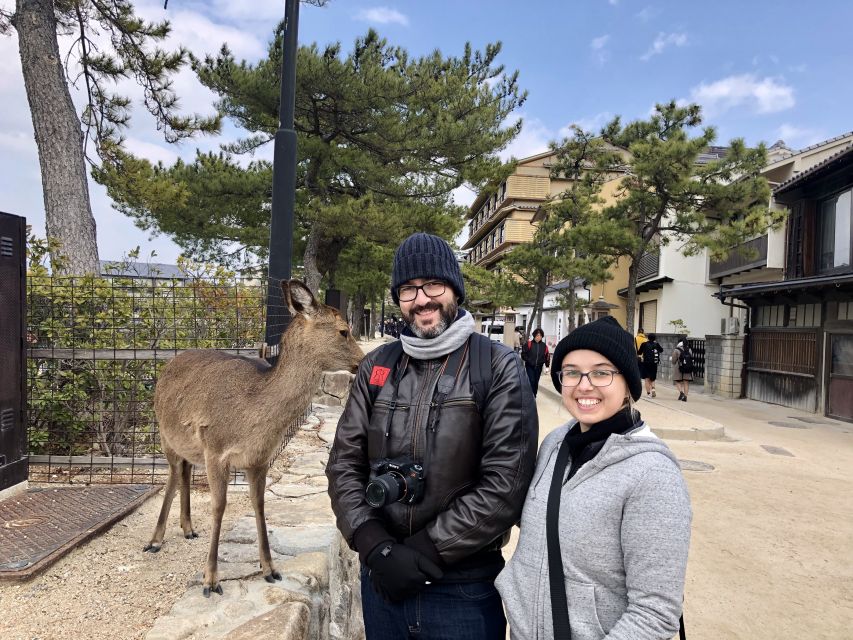
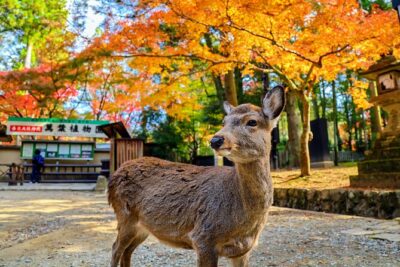
From Todai-Ji, the route continues through Nara Park, the open setting famous for its wild deer. Feeding the deer is one of Nara’s best-known activities, and it is especially appealing for families. A guide can explain how to approach the animals and help you keep the encounter under control once the food is gone.
I would treat this as a short, lively part of the day rather than the main reason to visit Nara. The deer are memorable, but the park also gives you a welcome change from temple interiors and formal gates. You can walk outdoors, pause for photographs, and enjoy the setting between major cultural stops.
Season and weather will affect this portion. One family was delighted to see young deer in June. Another group completed the route during very hot and humid weather, with Shuji adding more breaks, water, and rest time. The tour operates rain or shine, so bring sensible clothing and shoes for the conditions.
The park also offers a natural place for lunch. Ken arranged a picnic there for one group, while other guides have helped find local meals such as udon or a restaurant that met gluten-free, dairy-free, and nut-free needs. Food and drinks are not included, so tell your guide what you need before the day begins.
Kasuga Taisha and the National Treasure Hall
Kasuga Taisha provides a change in mood and religious tradition. Its red main shrine has a different visual character from the Buddhist temples, and the approach adds another side of Nara’s sacred spaces.
The National Treasure Hall contains valuable Buddhist art. This is a worthwhile addition if you care about sculpture, objects, and the finer points of religious art. It also offers a more focused indoor stop after time spent walking outside.
The tradeoff is time. A six-hour day can cover the major sights, but you cannot linger everywhere indefinitely. If you want a detailed visit to the hall, a long lunch, or extra temple stops, tell your guide what matters most. A private guide can make those choices with you, while a standard group schedule cannot.
Some guides also include quieter places beyond the usual four stops. Shoji took one group to less crowded temples. Ken added an imperial palace site, gardens, and a discussion of old building methods. These additions are not promised, but they show why it is useful to share your interests before the tour.
What the guides do best
The strongest pattern across the experience is attentive personal service. Guides are praised for warmth, preparation, clear communication, and the ability to adjust the day without making it feel hurried.
Junichi is a particularly safe choice if you want an organized guide who keeps the conversation moving and welcomes questions. Ken has been praised for family care, local suggestions, and precise handling of train connections. Kazuo Sumi contacted one family months in advance and planned around two children. Rie prepared carefully, added a good lunch stop, and finished with a recommended mochi shop.
Other guide strengths include:
- Haru: enthusiastic, flexible, and helpful with last-minute travel arrangements.
- Shuji: careful in hot weather, adding rest and drink breaks while keeping the day on track.
- Kaeko: able to coordinate a family using Japanese for some members and English for others.
- Kiyoshi: adjusted the food stop to include udon and even added a tea-shopping stop after Nara.
- Noriko and Hideo: praised for energy, clear explanations, and fitting in many places without making the day feel rushed.
- Ichiro: handled a rainy day and a large group of seven with good timing.
Guide assignments can vary, so you should not assume a specific person is available unless the provider confirms it. You can request a named guide, but availability remains important.
Price, transport, and the real value
The price is $151 per person. That is a serious amount for a day in Japan, especially because entrance fees, food, drinks, and transport during the tour are not included.
For one or two people, the cost may feel high compared with taking the train and visiting Nara independently. If you are comfortable reading maps, checking temple hours, managing tickets, and choosing where to eat, self-guiding is a reasonable alternative.
The price becomes easier to justify for a family or private group. You are paying for a licensed guide, personal planning, a private pace, language help, and practical support with transport. A guide can also prevent small errors from consuming your limited day, such as taking the wrong train or spending too long at one site.
Walking is the default. Public transport or a taxi can be arranged during the tour at an additional cost, and transport to and from the meeting point is not included. Confirm these costs before departure, especially if you are starting from Kyoto or need to finish near a specific train.
The four-hour option may offer better value if you want only the main highlights. Choose six hours if you want a calmer pace, lunch, time with the deer, extra questions, or a custom stop.
Who should book this Nara tour?
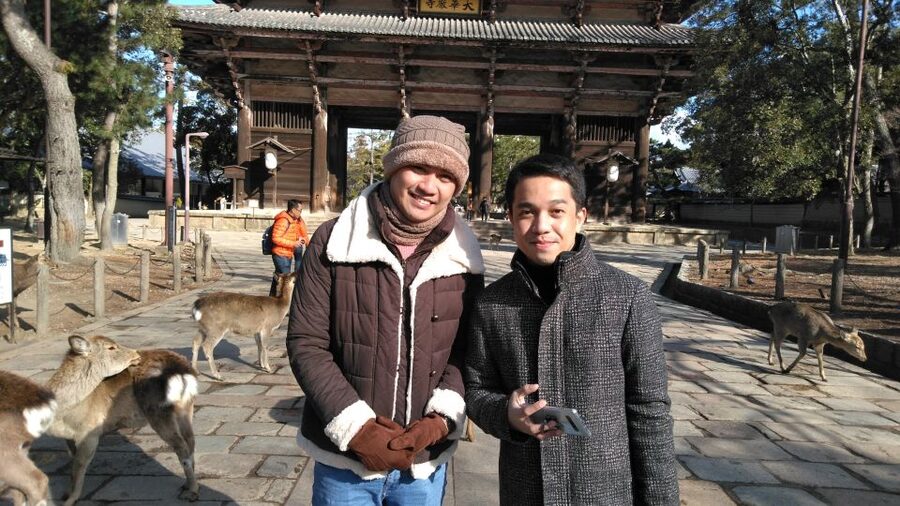
I think this tour suits first-time visitors who want context, families who need a flexible pace, and anyone who would rather spend the day asking questions than managing logistics. It is also useful if you are making Nara a day trip from Kyoto or Osaka and want help protecting your train schedule.
Food-sensitive diners may benefit from the advance planning. So may groups with teenagers, older adults, or different interests. The guide can make the day less rigid and help everyone get something from it.
Independent visitors on a tight budget should think twice. The major sights are accessible without a private guide, and extra expenses can add up once transport, admission, and lunch are included. You should also be ready for a lot of walking, even though the experience is listed as wheelchair accessible. Share mobility needs in advance so the route can be discussed properly.
The tour operates in all weather. A rainy day can still work, as Ichiro showed, but hot, humid, or wet conditions may change how much ground your group comfortably covers.
Final verdict: book it for personal attention
I would book this private Nara tour if I wanted a well-shaped day rather than a simple checklist. The temples, Great Buddha, deer, and shrine are all easy to identify, but a good guide gives them order and meaning. The best value comes from customization: a family-friendly route, a food-aware lunch, quieter sites, or help getting back to Kyoto on time.
I would skip it if keeping costs low is your main goal or if you prefer exploring alone. Otherwise, the combination of a private group, licensed local guide, flexible route, and six hours of support makes this a strong choice for a first visit. Request your priorities early, ask about transport costs, and treat the guide contact as a chance to build the right day.
FAQ
How long is the Nara private tour?
The experience can last four or six hours. The six-hour option is suitable for the main temples, Nara Park, the deer, lunch, and possible extra stops.
What sights are included in the suggested six-hour route?
The example route includes Kofuku-Ji, Todai-Ji, Nara Park, and Kasuga Taisha. At Todai-Ji, you see the Kongo Rikishi at Nandaimon Gate and the Great Buddha. Kasuga Taisha also includes the National Treasure Hall.
Is transportation included?
No. The tour is primarily a walking experience. Public transport or a taxi can be used during the tour at an additional cost. Transport to and from the meeting point is also not included.
Can the tour start at my hotel?
Pickup is included on foot if your accommodation is within a reasonable distance. The guide waits in the hotel lobby or requested location about 10 minutes before the scheduled pickup time.
Are entrance fees and meals included?
No. Food, drinks, and entrance fees are paid separately. You can discuss meal preferences and dietary needs with your guide before the tour.
Is the experience available in English?
Yes. Live guiding is available in English and Japanese. The tour is private, and the route can be personalized to your requests and preferences.
Just added around Nara
- Private Nara Tour and Sake Tasting (Departing from Kyoto/Nara)★ 5.0 · 40 reviews
- Nara: Bike Tour in Ancient Capital UNESCO World Heritage★ 5.0 · 43 reviews
- Perfect Nara Park Half-Day Bus Tour with English Speaking Guide★ 5.0 · 49 reviews
- Discover Ancient Nara: Private Car Tour from Kyoto or Osaka★ 5.0 · 52 reviews
- Hammer a Pattern on Your Ring Workshop★ 5.0 · 57 reviews
- Nara: Great Buddha, Kasuga Shrine & Deer Park Tour★ 4.8 · 62 reviews
- Nara Highlight Walking Tour with Furoshiki Experience with Lunch★ 5.0 · 73 reviews
- Nara – Highlights Bike Tour★ 4.5 · 89 reviews
Nara Tours, compared.
World Heritage Kyoto & Nara Uji Authentic Matcha Experience
Read our review →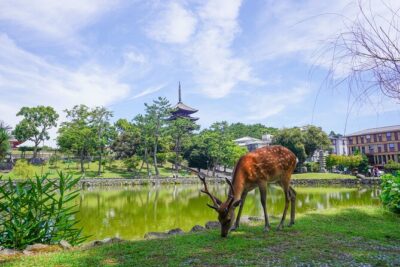
Nara Half Day Trip Walking Tour (Private Option Available)
Read our review →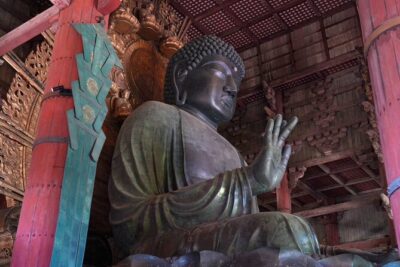
Nara Early Morning Tour (Kyoto or Osaka Departure Available)
Read our review →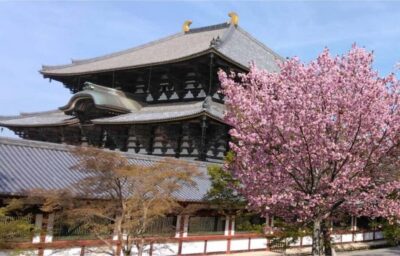
Nara and Uji Day Trip with Deer Park and Hot Spring
Read our review →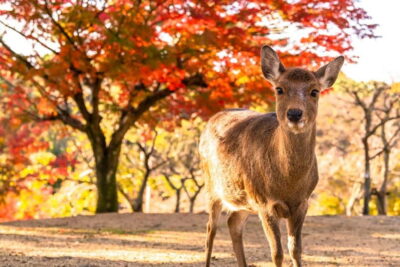
Kyoto/Osaka: Kinkakuji, Bamboo Forest, and Nara Deer Park
Read our review →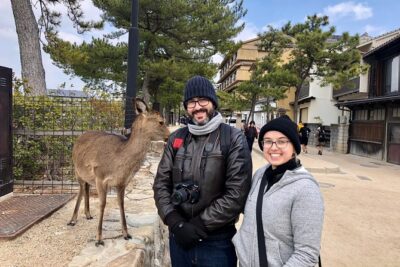
Nara 6hr Private Tour with Government-Licensed Guide
Read our review →
E-Bike Nara Highlights – Todaiji, Knives, Deer, Shrine
Read our review →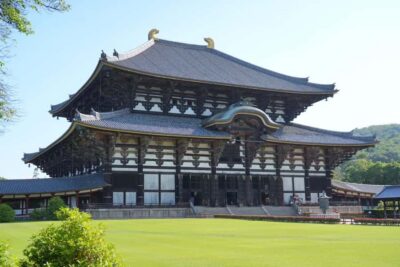
Nara Early Bird Tour (Kyoto Departure Option Available)
Read our review →Browse the lists this tour appears in