
Reviewed · CYCLING TOURS
Nara – Highlights Bike Tour
Nara is easier on two wheels. This half-day ride links Todai-ji, Kasuga Taisha, Nara Park, and Sagi Pond without making you walk every step between them. You also get a stop at Kikuichi Monju Shiro Kanenaga, a traditional knife shop that adds a useful local detail to the usual temple circuit.
I like the tour’s efficient route and its mix of Buddhist, Shinto, natural, and working-town sights. Guides such as Christophe, Melody, Remi, Elodie, Jérôme, and Robert have been praised for friendly service, clear explanations, bike help, and thoughtful support. The main drawback is practical: the meeting point is some distance from Nara Park and the rail station, and the ride can feel demanding on hills or sidewalks for some people.
For $72.67 per person, this is not the cheapest way to see Nara. But it can be good value if you have only one day and want local guidance, bicycle transport, safety gear, and several major sights in three to four hours. You should be comfortable cycling and ready for a brisk outing rather than a slow temple visit.
In This Review
- Key points to know before booking
- Why cycling works so well in Nara
- Starting at Japan Tour Adventure in Furuichicho
- Todai-ji’s Grand South Gate and its fierce guardians
- Inside Todai-ji, Nara’s great wooden temple
- A useful detour at Kikuichi Monju Shiro Kanenaga
- Kasuga Grand Shrine and its thousand lanterns
- Nara Park and the deer encounter
- Finishing beside Sagi Pond
- How hard is the ride?
- The guides make the difference
- Is $72.67 a fair price?
- Who should book this ride?
- Should you book the Nara Highlights Bike Tour?
- FAQ
- How long does the Nara Highlights Bike Tour last?
- What sights are included?
- Is bicycle use included in the price?
- Is admission to Todai-ji included?
- Can I buy a Japanese knife during the tour?
- How many people can join the tour?
- Can one person book the tour?
- Where does the tour start and finish?
- Is the tour suitable for everyone?
- What happens if the weather is poor?
Key points to know before booking
- The tour covers four major Nara sights quickly: Todai-ji, Kasuga Grand Shrine, Nara Park, and Sagi Pond are joined in one route.
- Kikuichi Monju Shiro Kanenaga is an unusual stop: You can learn about Japanese cutlery and may buy a knife with free blade engraving if the engraver is available.
- The ride is usually moderate but not effortless: Some riders found the hills and sidewalk sections hard, especially older adults and children.
- The guides are a major strength: Christophe, Melody, Remi, Elodie, Jérôme, and Robert are praised for care, history explanations, and help with bikes.
- The start is away from the main sights: A taxi may be the easiest way to reach the office, with a local bus useful for returning afterward.
- Small groups keep the ride personal: The maximum group size is 10 people, though at least two bookings are needed for the tour to operate.
Why cycling works so well in Nara
Nara’s famous sights are spread across a broad area of parkland and quiet streets. Walking lets you enjoy the setting, but it takes time. A bicycle gives you a practical middle ground: you cover more ground than on foot while still moving slowly enough to notice deer, stone lanterns, temple roofs, and everyday streets.
That balance is the tour’s strongest idea. You are not simply being driven from one photo stop to another. You pedal between places, hear explanations along the way, and get a clearer sense of how Nara’s religious sites fit into the town around them.
The pace is designed for a half-day outing. The listed stops add up to about two hours, leaving the rest of the three to four hours for cycling, orientation, and the guide’s commentary. That means you will see a lot, but you will not have unlimited time at each temple or shrine.
The group is capped at 10 people. That is small enough for a guide to keep an eye on the riders and help with bike adjustments. It also means the experience is more social than a private tour, with the chance to meet other people without being part of a large crowd.
More bike tours:
- E-Bike Nara Highlights – Todaiji, Knives, Deer, Shrine
★ 4.8 · 186 reviews - Nara: Bike Tour in Ancient Capital UNESCO World Heritage
★ 5.0 · 43 reviews - Hidden Kyoto E-Biking tour
★ 5.0 · 1,843 reviews
Starting at Japan Tour Adventure in Furuichicho
The tour begins at Japan Tour Adventure, at 297-9 Furuichichō in Nara. The office is near public transportation, but it is not right beside Nara Park or the main rail station. This detail matters more than it may seem, especially if you are arriving in Nara for a single day with a tight schedule.
Several riders found it useful to take a taxi to the starting point. A local bus can help you return toward town or the station after the ride. Build extra time into your morning so you are not rushing to find the office.
At the start, you receive a rental bicycle, helmet, and other bike gear. Guides have been praised for adjusting the bikes to suit each rider’s height and supplying safety items such as glasses. The bicycles have gears, which help on inclines, though the ride is not completely flat or effortless.
The minimum booking rule is important. A single person can book directly, but the tour needs at least two participants to run. If that minimum is not reached, the operator may cancel and offer another date or a full refund.
Todai-ji’s Grand South Gate and its fierce guardians
The first stop is Todai-ji Namdaimon, the temple’s Great South Gate. You get about 15 minutes here, enough to take in the scale of the timber structure and the two fierce guardian figures that protect the entrance.
This is a smart opening stop because it gives you a visual preview of Todai-ji before you enter the main temple area. The guardians are imposing, with expressive faces and powerful bodies. Your guide can help explain their role rather than leaving you to see them as simply large statues.
The short visit also keeps the group moving. If you want detailed time with the gate, plan to return independently after the tour. The cycling format favors a broad look at Nara, not long, quiet study at every building.
Inside Todai-ji, Nara’s great wooden temple
The main Todai-ji visit lasts about 40 minutes, the longest stop on the route. The temple is famous for its enormous wooden hall and the Great Buddha housed inside. The building is described as the biggest wooden structure in the world, and its scale is hard to grasp until you are standing in front of it.
This is the tour’s major cultural anchor. The guide explains Buddhist traditions and the place of the temple in Nara’s story, giving more meaning to the architecture and statues. The experience is stronger when you understand what you are looking at, rather than simply taking a quick photograph and moving on.
Admission to Todai-ji is included. That makes the price easier to assess, since you are not paying the tour fee and then adding a separate entrance charge at this major stop.
Forty minutes is enough for a solid introduction, but it can feel short if you want to explore every corner. The guide needs to keep the group on schedule, so treat this as an overview. You can return later if Todai-ji becomes the highlight of your day.
A few more Nara experiences worth weighing up
- World Heritage Kyoto & Nara Uji Authentic Matcha Experience
★ 5.0 · 1,573 reviews - Nara Half Day Trip Walking Tour (Private Option Available)
★ 5.0 · 937 reviews - Nara Early Morning Tour (Kyoto or Osaka Departure Available)
★ 5.0 · 676 reviews - Osaka: Nara and Uji Day Trip with Deer Park and Hot Spring
★ 4.4 · 302 reviews
A useful detour at Kikuichi Monju Shiro Kanenaga
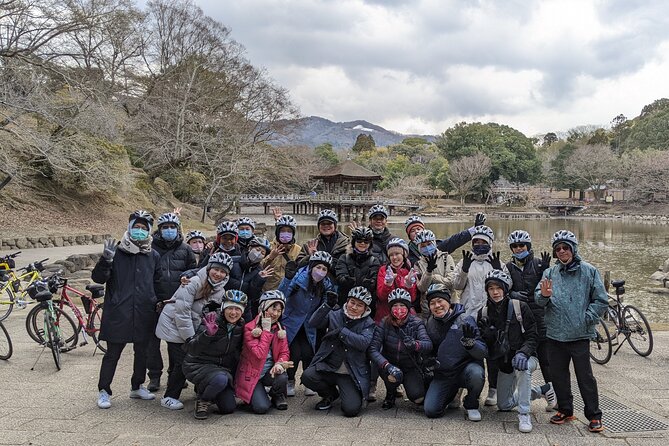
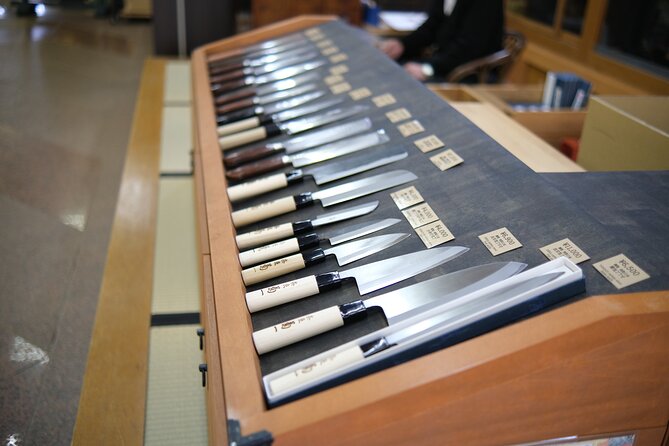
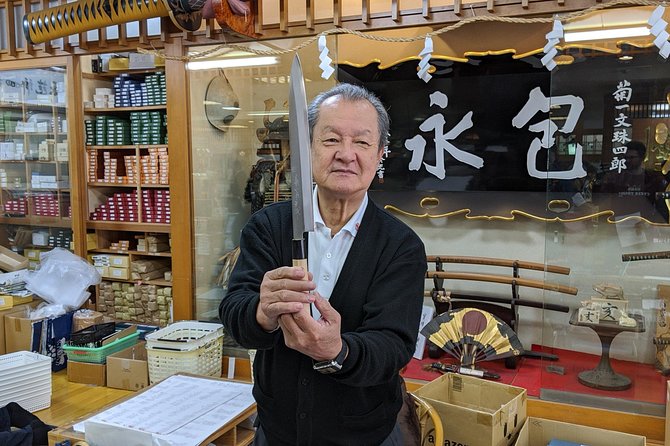
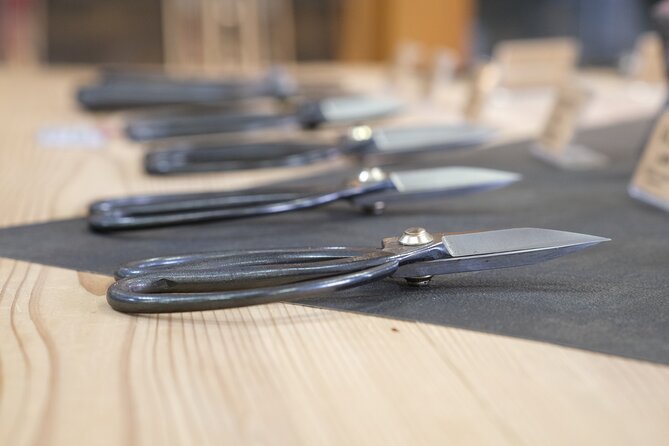
The knife shop is the most distinctive part of the route. At Kikuichi Monju Shiro Kanenaga, you learn about the shop’s long history and the traditional craft of Japanese cutlery. The visit lasts around 15 minutes, but the subject gives the tour a welcome connection to present-day Nara.
This is more than another historic building. You get to see a specialist business still focused on a traditional craft, and you can buy a knife if something catches your eye. Free blade engraving may be available for tour participants, but only if the engraver is working at that time.
I like this stop because it breaks up the temple sequence. Nara is not only ancient gates, shrines, and deer. It is also a living city with shops and craftspeople. If you are interested in cooking, Japanese tools, or practical souvenirs, this could be one of the most rewarding stops.
Do not assume you must buy something. The stop works as a short introduction even if you leave empty-handed. Any purchase or extra food and drink costs are your responsibility.
Kasuga Grand Shrine and its thousand lanterns
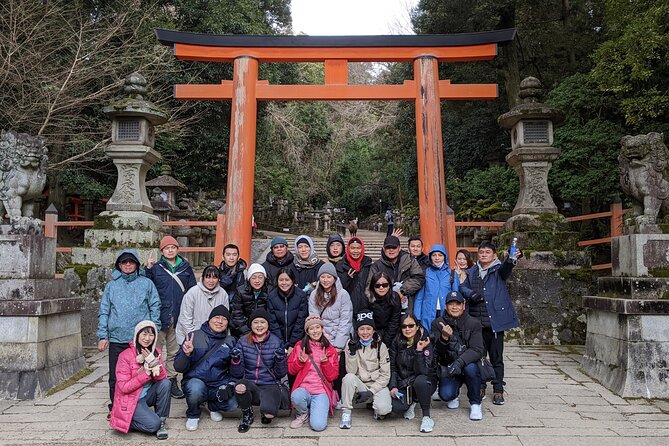
Kasuga Grand Shrine receives about 30 minutes. This Shinto shrine is known for its lanterns, with stone lanterns lining the approaches and lanterns inside the shrine grounds. The setting feels different from Todai-ji, and that contrast helps you understand the difference between Buddhist and Shinto traditions.
The cycling route gives you a chance to see the shrine area without spending the whole day on foot. Your guide can explain the religious customs, the role of the lanterns, and the importance of the site in Nara.
The stop is free according to the tour details. Thirty minutes gives you time to look around and take photographs, though the exact amount of quiet time will depend on the group’s pace and conditions at the shrine.
This part of the ride can be especially pleasant after the large scale of Todai-ji. The stone lanterns, wooded setting, and slower shrine atmosphere create a calmer section of the outing. Keep your camera ready, but also listen to the guide, since the cultural context is a key part of the experience.
Nara Park and the deer encounter
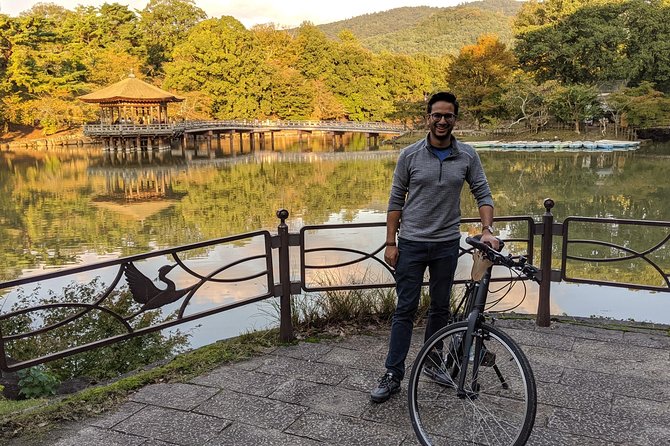
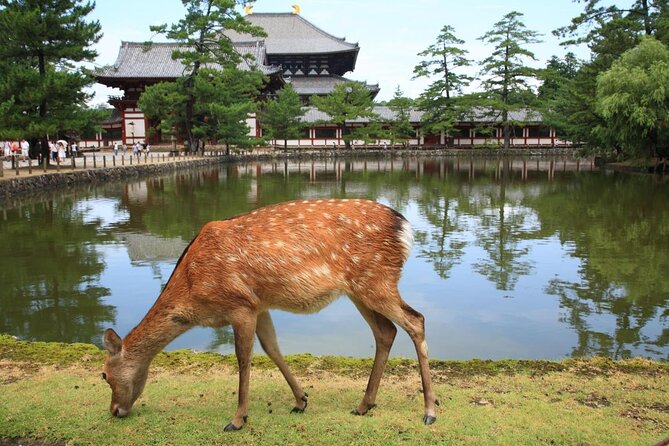
Nara Park is one of the reasons many people come to Nara, and the bike tour includes a ride through the park plus about 10 minutes to watch the deer. You may be able to feed them, and the deer bowing for food is one of the memorable sights associated with the park.
The bicycle is useful here because the park covers a large area. You can move between open spaces and major sights more easily than on foot. Guides have also taken photographs of riders feeding deer, including action shots, which is a thoughtful touch if you want pictures of the experience rather than only pictures of the animals.
The park stop is brief on paper. If the deer are the main reason you want to visit Nara, you may wish you had more time to linger. The tour is designed to show you the highlights, so the group continues rather than spending a long stretch in one spot.
Remember that deer are wild animals, even though they are accustomed to people. Follow your guide’s instructions and stay alert around food. A respectful approach makes the encounter better for you and the animals.
Finishing beside Sagi Pond
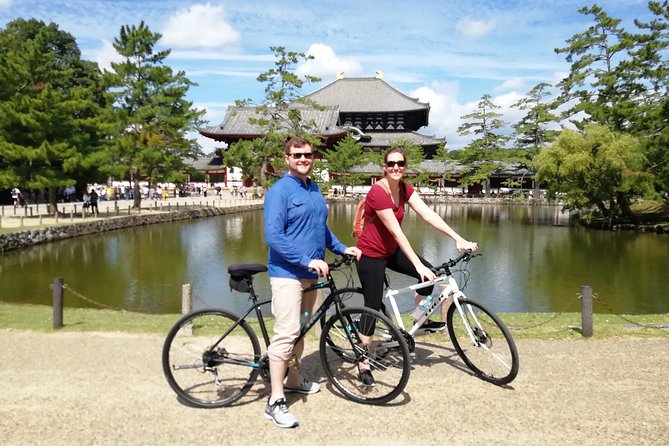
The final stop is Sagi Pond, where you have about 10 minutes for a peaceful break and photographs. It is a quieter finish than the main temple and park stops, giving the group a chance to slow down before cycling back to the office.
This is a good example of the tour’s wider appeal. You are not only ticking off the biggest names. You also get a scenic pause that lets you see a gentler side of Nara. The pond is intended as a photo spot, so this is the time to capture a final view without the intensity of the larger temple grounds.
Some riders felt the end of the route moved too quickly through the parks and wished for more photo stops. If you prefer a relaxed photography tour, the schedule may feel tight. If you want to see the main sights within a few hours, the efficient pace is a benefit.
How hard is the ride?
The most accurate description is moderate exercise with some challenging sections. Several people found the ride easy enough to focus on the sights, and the geared bicycles helped with hills. Others found the pedaling demanding, especially on sidewalk sections and inclines.
Your fitness, cycling confidence, and group makeup will shape the experience. A regular cyclist should find the route manageable, but you should not book it expecting a completely flat cruise. One family found the route hard for a 12-year-old and a 70-year-old relative.
The operator supplies a helmet and other bike equipment, and the guides keep watch over the group. Melody was specifically praised for monitoring a group of 10 and keeping everyone safe. Still, basic comfort on a bicycle is important.
Wear clothes suited to light exercise and shoes that work well on pedals. The tour lasts three to four hours, so expect sustained activity rather than a short ride between two attractions.
The guides make the difference
The guide is central to the value of this tour. Christophe has been praised for combining Buddhist and Shinto explanations with a friendly approach. Melody received high marks for her energy, photographs, and care with a full group. Remi was singled out for clear narration and strong explanations of the area.
Elodie has been praised for fitting many sights into a one-day visit and for sharing photographs. Jérôme helped late-arriving riders, adjusted their bicycles, and supplied helmets and glasses. Robert went out of his way to help locate a wallet left on a bus, then continued the tour after the delay.
These details point to a service-minded operation. The guides do more than lead the route. They help with practical problems, keep the group informed, and try to make the ride feel personal.
The quality of explanations may vary by guide. One lower-rated experience felt the guide could have offered more historical detail. If you want an academic-level lecture at every stop, this may not meet your expectations. For most people, the mix of cultural background, local stories, and practical help should be more useful than a formal history lesson.
Is $72.67 a fair price?
At $72.67, you are paying for the bicycle, helmet and bike gear, guide service, entrance fees, and a planned route through several major places. You are also buying time. In a short visit to Nara, avoiding long walks between sights can be worth a fair amount.
The value is strongest for first-time visitors with only a few hours. You can see Todai-ji, Kasuga Grand Shrine, Nara Park, Sagi Pond, and the knife shop in one organized outing. The guide adds cultural explanation, and you do not have to plan the route yourself.
The value is weaker if you already know Nara well, prefer long visits at temples, or mainly want to wander at your own pace. One person felt the tour was expensive for the amount of explanation and the short time at each stop. The distant bike office also affects the calculation because you may need a taxi to begin.
With a 92 percent recommendation rate and a 4.7 rating from 89 ratings, the overall response is strong. Still, the price only makes sense if you will use the efficiency and guidance. If you mainly want a bicycle rental, an independent option may suit you better.
Who should book this ride?
I would recommend it to first-time visitors, couples, families with active older children, and anyone who wants to see Nara’s main sights without spending the whole day walking. It also suits people who enjoy hearing local explanations while moving through a city.
You should be comfortable with moderate exercise and some hills. Families should think carefully about the youngest and oldest riders in the group. The tour may not suit anyone who finds sidewalk cycling uncomfortable or wants a slow, unhurried temple visit.
It is especially useful for a day trip. The route gives you a structured introduction, and you can return to Todai-ji, the deer park, or Kasuga Shrine afterward if one place deserves more time.
The tour runs only in good weather. You can cancel for a full refund up to 24 hours before the start time. Changes or cancellations inside that window are not accepted, and a weather or minimum-participant cancellation brings an alternative date or full refund.
Should you book the Nara Highlights Bike Tour?
Book it if you want an efficient introduction to Nara, enjoy cycling, and value a guide who can connect temples, shrines, deer, and local craft. The knife shop is an unusual bonus, and the small group, included gear, and strong guide feedback add real value.
Skip it if you want to spend an hour or more at each major sight, dislike hills, or are unwilling to deal with a meeting point away from the park and station. For the right rider, this is a lively and practical way to see Nara in half a day. Just allow extra time to reach the office and treat the ride as moderate exercise, not a gentle roll through town.
FAQ
How long does the Nara Highlights Bike Tour last?
The tour lasts approximately three to four hours, including cycling between the stops and time at each site.
What sights are included?
The route includes Todai-ji Namdaimon, Todai-ji Temple, Kikuichi Monju Shiro Kanenaga, Kasuga Grand Shrine, Nara Park, and Sagi Pond.
Is bicycle use included in the price?
Yes. The tour includes use of a bicycle, a helmet, other bike gear, and all listed fees and taxes.
Is admission to Todai-ji included?
Yes. Admission to Todai-ji Temple is included. The other listed stops have no admission fee according to the tour details.
Can I buy a Japanese knife during the tour?
Yes. Kikuichi Monju Shiro Kanenaga offers the possibility of buying knives. Free blade engraving may be available if the engraver is working.
How many people can join the tour?
The maximum group size is 10 people.
Can one person book the tour?
Yes, a single person can book directly. However, at least two participants are required for the tour to operate.
Where does the tour start and finish?
It starts at Japan Tour Adventure, 297-9 Furuichichō, Nara, 630-8424, Japan. The tour finishes back at the same meeting point.
Is the tour suitable for everyone?
Most people can participate, but the ride includes cycling and some riders have found the hills or sidewalk sections demanding. You should be comfortable riding a bicycle for several hours.
What happens if the weather is poor?
The tour requires good weather. If the operator cancels because of poor weather, you can choose another date or receive a full refund.
Just added around Nara
- Private Nara Tour and Sake Tasting (Departing from Kyoto/Nara)★ 5.0 · 40 reviews
- Nara: Bike Tour in Ancient Capital UNESCO World Heritage★ 5.0 · 43 reviews
- Perfect Nara Park Half-Day Bus Tour with English Speaking Guide★ 5.0 · 49 reviews
- Discover Ancient Nara: Private Car Tour from Kyoto or Osaka★ 5.0 · 52 reviews
- Hammer a Pattern on Your Ring Workshop★ 5.0 · 57 reviews
- Nara: Great Buddha, Kasuga Shrine & Deer Park Tour★ 4.8 · 62 reviews
- Nara: Private Tour with Private Guide★ 4.8 · 66 reviews
- Nara Highlight Walking Tour with Furoshiki Experience with Lunch★ 5.0 · 73 reviews
Cycling Tours, compared.


3h Tokyo E-Bike Tour: Hidden Gems, and Local Life with guide
Read our review →
Arashiyama Bamboo Forest & Hidden Gems Bike Tour (Early Bird)
Read our review →
Hiroshima in a Nutshell: Morning Bike Adventure
Read our review →Browse the lists this tour appears in