
Reviewed · NARA TOURS
Nara Early Bird Tour (Kyoto Departure Option Available)
Nara rewards early risers. This small-group morning tour makes a strong case for leaving Kyoto at dawn, taking you by public train to Nara before the afternoon crowds arrive. You visit Kofuku-ji Temple, Todaiji Temple, Nara Park, and Kasuga Grand Shrine, then finish before noon with the rest of your day free.
I especially like the early timing, which means quieter temple grounds, better photographs, and a calmer first look at the deer. I also like the young English-speaking guides, including Shuma, Genki, Hina, Natsuho, Futaba, Kota, and Kotaro, who are praised for making the walk feel friendly rather than stiff. The main drawback is the amount of walking, along with the early meeting time and the extra cost of entering Todaiji.
For $88 per person, this is a sensible choice if you are staying in Kyoto and want an organized introduction to Nara without giving up your whole day. You will need to arrive 10 minutes early. Late arrivals are not accepted, and there is no refund for missing the departure.
In This Review
- Key points at a glance
- Why the early start matters in Nara
- From Kyoto Station to Nara by public train
- Kofuku-ji Temple and Nara’s first historic stop
- Nara Park and the famous deer
- Todaiji Temple and the extra 800 yen
- Kasuga Grand Shrine and the quieter walk
- Guides who make the difference
- What $88 includes and what it does not
- The confusing Kyoto highlights
- Who will enjoy this half-day tour
- Should you book the Nara Early Bird Tour?
- FAQ
- Where does the Kyoto departure option meet?
- How early should I arrive?
- How long does the Kyoto Station departure option last?
- How long is the Kintetsu Nara Station option?
- How do you travel from Kyoto to Nara?
- Which Nara sights are included?
- Is Todaiji admission included?
- Is transportation back to Kyoto included?
- Is the tour suitable for wheelchair users or people with limited mobility?
Key points at a glance
- Quiet Nara before the crowds: The tour begins early and ends before noon, when the main sights become much busier.
- Four major Nara stops: You visit Kofuku-ji Temple, Todaiji Temple, Nara Park, and Kasuga Grand Shrine.
- Public train from Kyoto: The Kyoto departure option includes transportation to Nara and takes about one hour each way.
- Small groups of up to 12: The group size allows for questions and personal help without feeling like a large sightseeing procession.
- Friendly, capable guides: Guides such as Futaba, Kota, Natsuho, Genki, and Shuma receive repeated praise for clear English, good pacing, and useful local tips.
- A half-day plan with flexibility: Finish in Nara before noon, then stay for lunch or continue independently to Osaka or Kyoto.
Why the early start matters in Nara
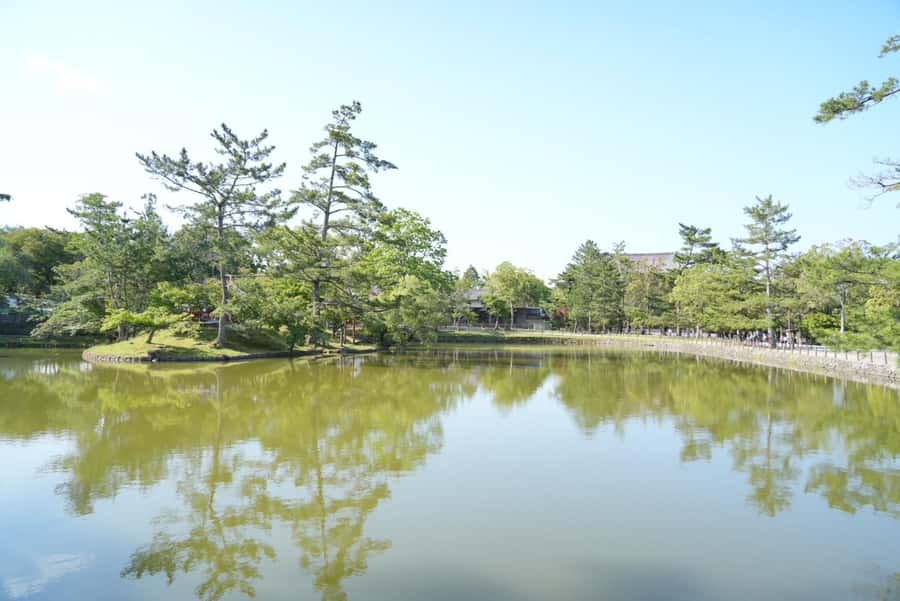
Nara Park is famous for its free-roaming deer, but the park and temples are not a secret. By afternoon, the paths can feel crowded, and taking a clean photograph near the main sights becomes harder.
This tour uses the quietest useful part of the day. Early in the morning, you can see deer near the temple grounds with more breathing room. One especially useful observation from the tour experience is that the sites may feel peaceful when you arrive and crowded by the time you leave. That contrast makes the early departure more than a slogan. It changes the mood of the visit.
You also avoid spending your limited sightseeing time waiting behind large groups. The tour ends before noon, so you can continue exploring Nara, eat lunch, or return to Kyoto for another activity. If you are building a packed Japan itinerary, those extra afternoon hours matter.
The tradeoff is obvious: you must get up early. The meeting point is Kyoto Station’s Central Ticket Gate, on the northern side of the station, outside near Kyoto Tower and next to Hotel Granvia. Plan your route in advance and arrive at least 10 minutes before the scheduled departure.
A few more Nara experiences worth weighing up
- World Heritage Kyoto & Nara Uji Authentic Matcha Experience
★ 5.0 · 1,573 reviews - Nara Half Day Trip Walking Tour (Private Option Available)
★ 5.0 · 937 reviews - Nara Early Morning Tour (Kyoto or Osaka Departure Available)
★ 5.0 · 676 reviews
From Kyoto Station to Nara by public train
The Kyoto Station departure option begins with a public train ride of about one hour. Transportation from Kyoto to Nara is included in the $88 price, which simplifies the start of the day and removes the need to work out the first train connection yourself.
The train portion is also a useful part of the experience. Your guide can begin explaining the plan and answering questions before you reach Nara. Guides have been praised for sharing background about Kyoto and Japan in general, not only pointing out the next temple.
The tour group can include up to 12 people. That is small enough for a guide to keep an eye on the group and respond to questions, though it is not a private tour. One practical point is worth noting: there is no promise of a special flag or sign for finding the group once the walk begins, so pay attention when gathering at the station.
There is also a Kintetsu Nara Station meet-up option. That version lasts three hours. The Kyoto Station departure option lasts four hours because it includes the train journey. Check which meeting point you select, since the timing and included transport differ.
Kofuku-ji Temple and Nara’s first historic stop
Kofuku-ji Temple is one of the main stops on the route and gives you an immediate sense that Nara is much more than deer. Temple buildings and grounds frame the opening part of the walk, while your guide explains the religious and cultural setting.
This is where a good guide makes a real difference. The route can look like a simple stroll through parkland, but the stops have layers of meaning that are easy to miss without context. Guides such as Shuma, Kota, and Kotaro have been praised for explaining both the well-known sights and smaller details about Nara’s past and present.
The walk is not rushed, but this is still a compact morning tour. You will have time to look, take photographs, and ask questions, yet you should not expect a long, quiet meditation at every building. The benefit is coverage: you see several important places in one outing rather than spending the whole morning at a single complex.
Nara Park and the famous deer
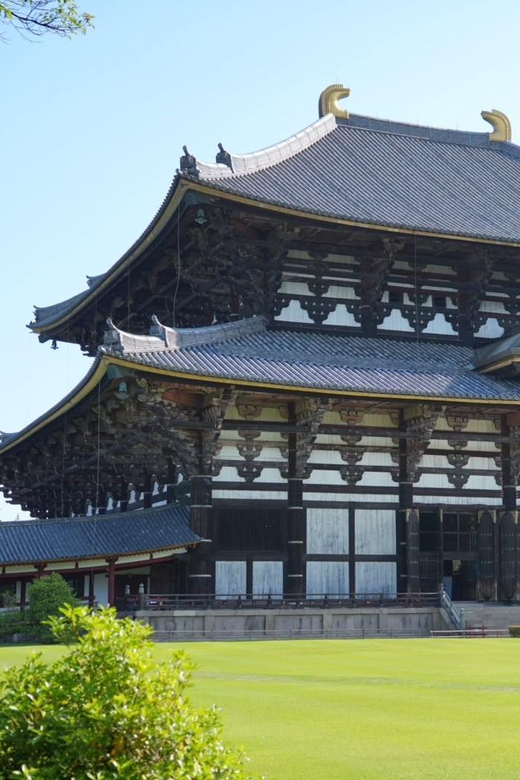
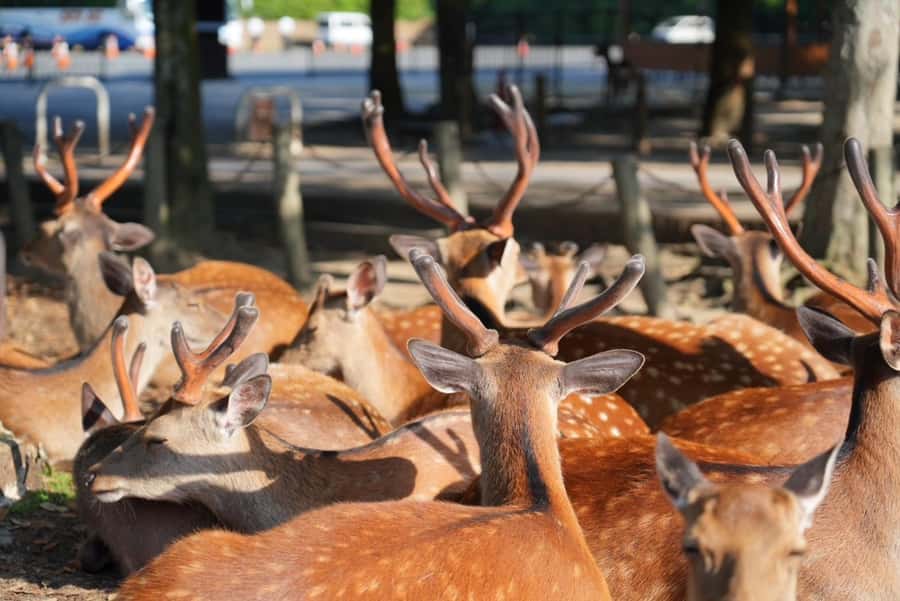
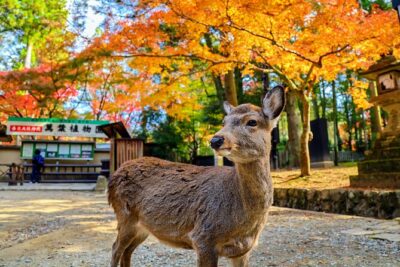
Nara Park is the most playful part of the tour. Deer move freely through the grounds, adding an unusual human-animal encounter to a visit otherwise centered on temples and shrines.
You can buy special crackers to feed them. A memorable detail is that some deer bow before receiving food. Children often enjoy this part most, and guides have experience keeping younger members of the group interested during the historical explanations.
Still, treat the deer as wild animals, not as tame park pets. They may be gentle, but you should follow your guide’s instructions and avoid teasing them with food. Feeding is only one small part of the park. The trees, open paths, temple structures, and deer together create the character of Nara.
The early hour helps here too. With fewer people around, you have more room to watch the deer and take photographs. Later, the same areas can become packed, making the encounter more hurried and noisy.
A completely different kind of day out in Nara:
- Osaka: Nara and Uji Day Trip with Deer Park and Hot Spring
★ 4.4 · 302 reviews - Kyoto/Osaka: Kinkakuji, Bamboo Forest, and Nara Deer Park
★ 4.4 · 265 reviews - Nara 6hr Private Tour with Government-Licensed Guide
★ 5.0 · 219 reviews - E-Bike Nara Highlights – Todaiji, Knives, Deer, Shrine
★ 4.8 · 186 reviews
Todaiji Temple and the extra 800 yen
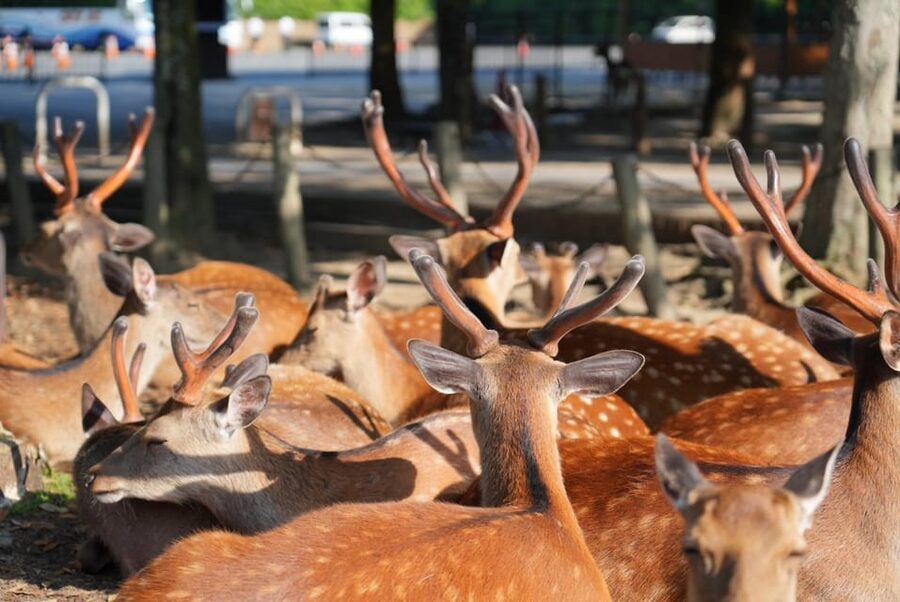
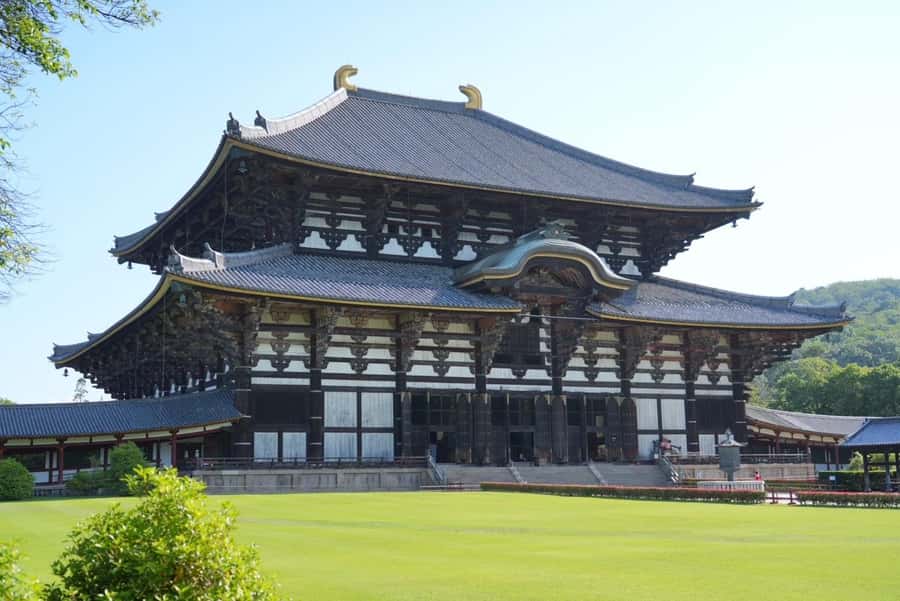
Todaiji is the major architectural highlight. The Buddhist temple is famous for its enormous scale, and the Great Buddha inside gives the visit a powerful sense of proportion. The building is not merely another stop on a temple checklist. It is the place where the size of Nara’s religious tradition becomes physically clear.
Admission to Todaiji is not included. Budget 800 yen per person for entry. At $88, the tour price is already substantial, so this extra charge is worth remembering when you compare your total cost.
You will also hear about the famous pillar with a small opening said to match the size of the Buddha’s nostril. One guide joked about not fitting through it, which captures the light tone of the experience. The tour mixes cultural explanation with room for humor, rather than treating every stop like a formal lecture.
If you want to spend a long time inside Todaiji or visit additional temple interiors, this tour may feel too structured. One participant chose to buy a guide’s ticket to enter a temple together, but do not assume that other admissions are included or that your guide will join every optional visit. The included route is the practical overview.
Kasuga Grand Shrine and the quieter walk
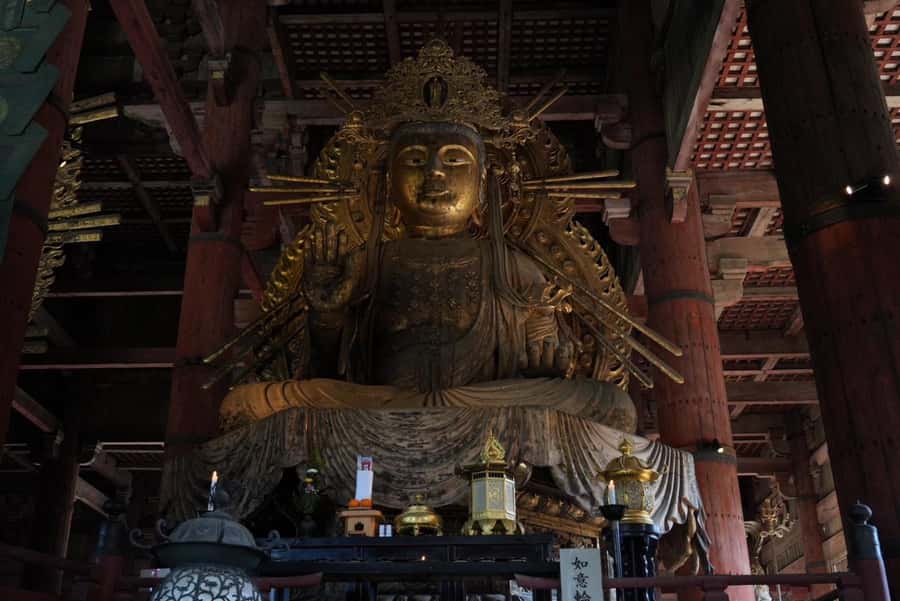
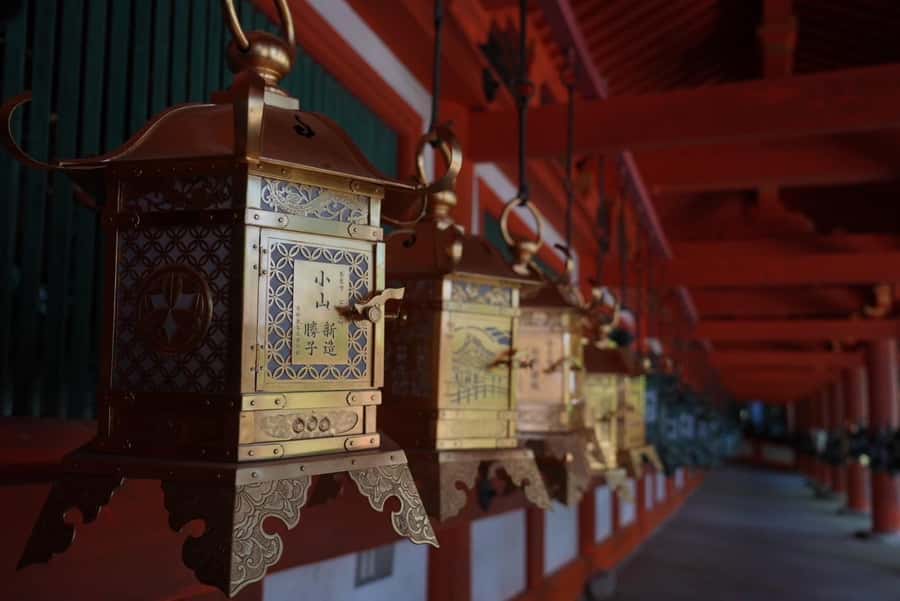
Kasuga Grand Shrine brings a different mood. The route through Nara’s wooded temple and shrine grounds offers a slower change of pace after the scale of Todaiji and the activity around the deer.
The walk to Kasuga helps show why Nara works as a day trip. You are not simply moving between isolated buildings. The setting connects temples, shrines, trees, paths, and open parkland. Guides explain the religious and cultural meaning of the area while keeping the pace comfortable.
Comfortable shoes are essential. Several people praised the pace, but they also described the morning as a substantial walk. This is not a good choice if you want a vehicle-based tour with very little movement.
The experience is not suitable for wheelchair users, people with recent surgeries, or people over 70 according to the tour restrictions. Those limits are important because the route includes public transport and walking across temple and park areas.
Guides who make the difference
The guide is the part of this experience you cannot fully judge from the itinerary. The strongest feedback centers on warmth, clear English, and the ability to answer questions without making the morning feel like a classroom.
Futaba is praised for energy, friendliness, and keeping the history engaging. Kota receives repeated praise for his English, organization, and useful suggestions for food, mochi, and later sightseeing. Natsuho is described as both professional and helpful, even assisting one group with reaching its next destination.
Genki is singled out for bringing Nara’s temples, deer, and culture to life with warmth. Hina is praised for punctuality, local knowledge, and practical advice about shopping and restaurants in Kyoto. Shuma receives credit for knowing good paths and showing that Nara offers more than deer.
The guide roster can change, so you cannot guarantee a particular person unless the booking system specifically allows it. Still, the repeated pattern is encouraging. The guides seem to focus on conversation, questions, and personal help, not only reciting prepared facts.
What $88 includes and what it does not
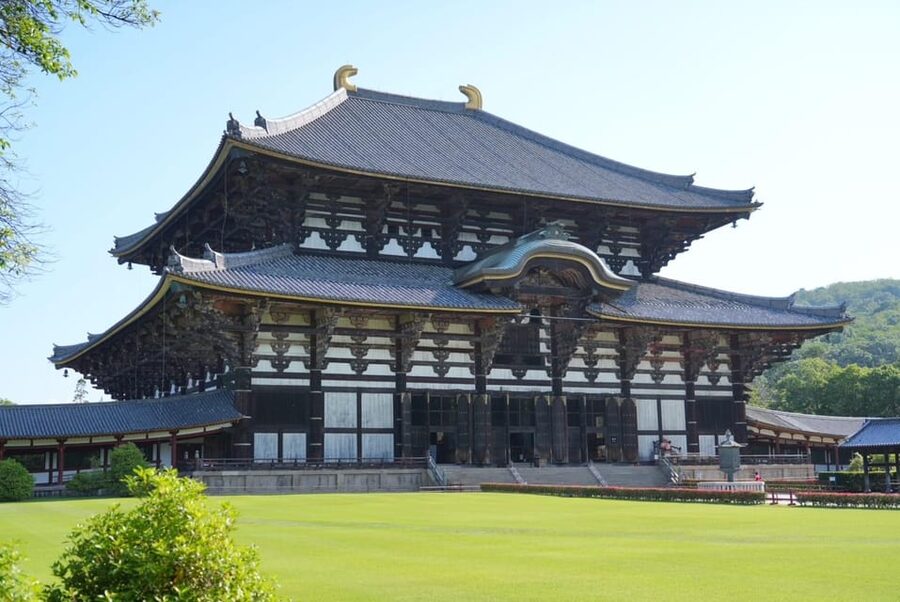
The $88 price includes an English-speaking guide and transportation from Kyoto to Nara for the Kyoto Station departure option. It does not include Todaiji admission, food, drinks, or your transportation back to Kyoto if you stay in Nara after the tour.
That last point affects the value calculation. If you want a guided introduction and plan to continue exploring Nara, you will need to arrange and pay for your return trip yourself. This is also a benefit if you want flexibility. You can stay for lunch, visit more sites, or head onward to Osaka rather than being brought straight back to Kyoto.
For a self-directed visitor comfortable with Japanese train travel, the price may seem high. You could reach Nara independently and visit the same general area. The tour earns its cost through the early organization, the guide’s explanations, and the efficient route through four major sights.
For a first visit, especially with only a few hours available, I think the value is solid. The small group and local advice add more than simply buying a train ticket. If your priority is the lowest possible cost, go independently. If your priority is using a short morning well, the tour makes more sense.
The confusing Kyoto highlights
The tour information also mentions Fushimi-Inari Shrine, Kinkakuji, and Arashiyama among its highlights. Those are important Kyoto sights, but the detailed Nara route described for this experience focuses on Kofuku-ji, Todaiji, Nara Park, and Kasuga Grand Shrine.
Do not assume that Fushimi-Inari, Kinkakuji, and Arashiyama are part of this Nara morning unless your selected booking option clearly confirms them. Trying to fit all those Kyoto locations into a four-hour Kyoto-to-Nara tour would not be realistic. For planning purposes, treat the Nara temples and park as the confirmed core of the visit.
That clarification matters because the Nara route already fills the morning. You get a focused introduction to Nara, not a whirlwind tour of every major sight around Kyoto.
Who will enjoy this half-day tour
I would choose this for:
- First-time visitors who want a clear introduction to Nara
- People staying in Kyoto who prefer an organized train connection
- Families who want to see deer and major temples in one morning
- Photographers who care about quieter conditions
- Anyone planning to stay in Nara after the tour
- Visitors who enjoy asking guides about Japanese culture and daily life
I would think twice if you dislike early mornings, struggle with extended walking, or want long, unhurried visits inside each temple. It is also not suitable for wheelchair users, people with recent surgeries, or people over 70 under the stated tour conditions.
Bring comfortable shoes, water, and enough money for Todaiji admission, food, and any later transport. Alcohol and drugs are not allowed, and baby strollers are not permitted.
Should you book the Nara Early Bird Tour?
Book it if you are staying in Kyoto, want to see Nara’s main sights before the crowds, and value a friendly guide more than the lowest price. The early start is the central advantage, not a minor detail. It gives you a calmer encounter with the deer and more pleasant conditions around the temples.
I would especially recommend it to families and first-time visitors. Guides such as Kota, Futaba, Genki, Natsuho, and Hina have shown the kind of warmth and practical help that can turn a half-day visit into a useful introduction to Japan.
Skip it if you prefer total independence, need a slower or more accessible route, or plan to spend the entire day inside Nara’s temples. For everyone else, $88 is fair for a well-organized morning that saves time, explains what you are seeing, and leaves the rest of the day open.
FAQ
Where does the Kyoto departure option meet?
The group meets at Kyoto Station’s Central Ticket Gate on the northern side of the station, where Kyoto Tower is visible outside. The meeting point is beside Hotel Granvia, at the large ground-floor gate.
How early should I arrive?
You should arrive 10 minutes before the scheduled meeting time. Late arrivals cannot be accepted, and no refund is provided if you miss the departure.
How long does the Kyoto Station departure option last?
The Kyoto Station departure option lasts four hours, including the public train journey from Kyoto to Nara.
How long is the Kintetsu Nara Station option?
The Kintetsu Nara Station meet-up option lasts three hours.
How do you travel from Kyoto to Nara?
The tour uses a public train. The journey from Kyoto to Nara takes about one hour, and transportation from Kyoto to Nara is included with the Kyoto Station departure option.
Which Nara sights are included?
The route includes Kofuku-ji Temple, Todaiji Temple, Nara Park, and Kasuga Grand Shrine.
Is Todaiji admission included?
No. Todaiji admission costs 800 yen per person and is paid separately.
Is transportation back to Kyoto included?
No. Return transportation is not included for people who stay in Nara after the tour. The activity ends back at the meeting point for the standard round-trip arrangement.
Is the tour suitable for wheelchair users or people with limited mobility?
No. The tour is not suitable for wheelchair users, people with recent surgeries, or people over 70 according to the stated restrictions. Comfortable shoes are required.
Just added around Nara
- Private Nara Tour and Sake Tasting (Departing from Kyoto/Nara)★ 5.0 · 40 reviews
- Nara: Bike Tour in Ancient Capital UNESCO World Heritage★ 5.0 · 43 reviews
- Perfect Nara Park Half-Day Bus Tour with English Speaking Guide★ 5.0 · 49 reviews
- Discover Ancient Nara: Private Car Tour from Kyoto or Osaka★ 5.0 · 52 reviews
- Hammer a Pattern on Your Ring Workshop★ 5.0 · 57 reviews
- Nara: Great Buddha, Kasuga Shrine & Deer Park Tour★ 4.8 · 62 reviews
- Nara: Private Tour with Private Guide★ 4.8 · 66 reviews
- Nara Highlight Walking Tour with Furoshiki Experience with Lunch★ 5.0 · 73 reviews
Nara Tours, compared.
World Heritage Kyoto & Nara Uji Authentic Matcha Experience
Read our review →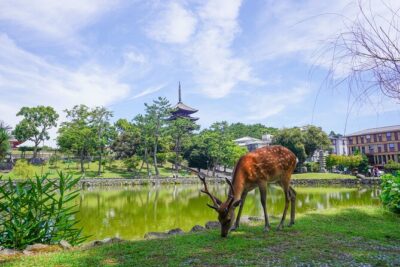
Nara Half Day Trip Walking Tour (Private Option Available)
Read our review →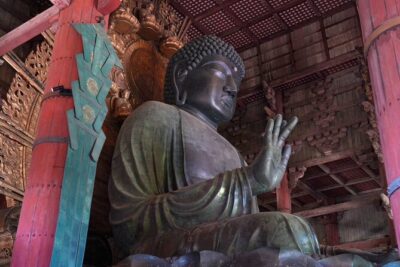
Nara Early Morning Tour (Kyoto or Osaka Departure Available)
Read our review →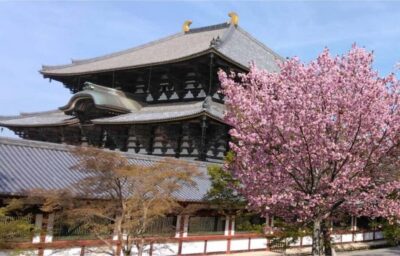
Nara and Uji Day Trip with Deer Park and Hot Spring
Read our review →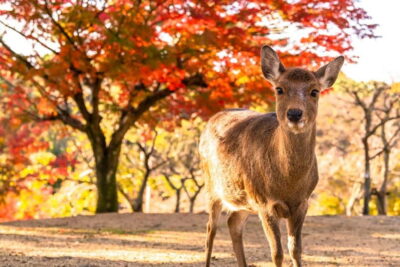
Kyoto/Osaka: Kinkakuji, Bamboo Forest, and Nara Deer Park
Read our review →
Nara 6hr Private Tour with Government-Licensed Guide
Read our review →
E-Bike Nara Highlights – Todaiji, Knives, Deer, Shrine
Read our review →
Nara:Authentic Tea Ceremony(Max 5 ppl) -Master Matcha Making
Read our review →Browse the lists this tour appears in