
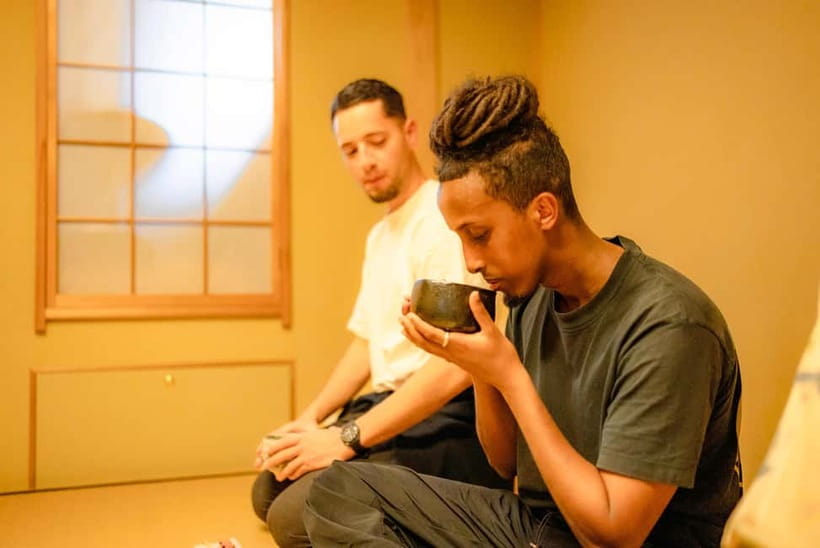
Reviewed · TEA CEREMONY EXPERIENCES
Nara:Authentic Tea Ceremony(Max 5 ppl) -Master Matcha Making
A quiet hour can change your Nara day. This intimate tea experience takes you into a 120-year-old Japanese farmhouse, where a tea master explains the customs, tools, and meaning behind tea ceremony before you make matcha yourself. I like the calm setting and the chance to compare single-origin Nara teas rather than simply drink one prepared cup. The main consideration is time: at only one hour, the session gives you a focused introduction, not a full study of tea culture.
I also like the personal instruction. You whisk your own matcha and receive help with the technique, so you leave with something useful to repeat at home. The English and Japanese instruction is a help, too, especially when asking about etiquette or the reasons behind each step. Group size can vary, however. The experience is advertised for a maximum of five people, while the activity details say up to six, so check the exact booking conditions if privacy matters to you.
In This Review
- Key details before you book
- Entering a 120-year-old Japanese farmhouse
- The tea master explains the rules and the reasons
- Tasting Nara matcha before you make your own
- Whisking your own matcha
- Wagashi and the balance of flavors
- Why the small size matters
- Local advice adds unexpected value
- Is $46 a fair price for one hour?
- Who should book this tea experience?
- Practical details to keep in mind
- Should you book it?
- FAQ
- How long does the Nara tea ceremony experience last?
- How much does the experience cost?
- Where does the tea ceremony take place?
- Is the experience conducted in English?
- How many people can join?
- Do I make my own matcha?
- Is tea tasting included?
- Are Japanese sweets included?
- Can I cancel for a full refund?
- Can I reserve now and pay later?
Key details before you book
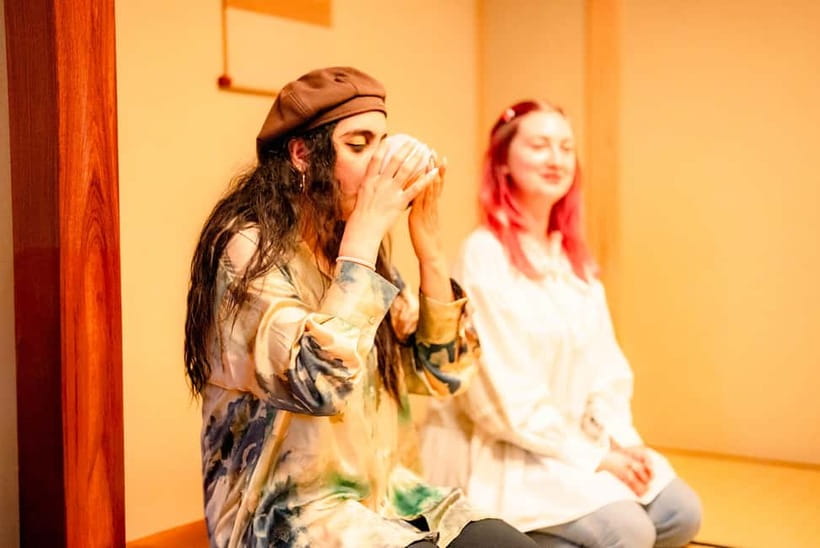
- A 120-year-old farmhouse: The traditional house supplies the atmosphere, with a quiet, lived-in feel rather than a staged modern classroom.
- Your own matcha practice: You do not only watch the tea master. You whisk matcha yourself and receive practical advice on making it smooth and creamy.
- Nara tea tasting: You compare single-origin matcha from Nara and can identify which flavor suits you best.
- Seasonal wagashi: Traditional Japanese sweets are served with the tea, giving you the classic balance of bitter matcha and delicate sweetness.
- Small and personal: The session is limited to a small group, and several bookings have been private or one-on-one.
- Useful local advice: Tea masters such as Mike, Kurabi, Hasumi, and Tate have helped participants choose restaurants, matcha shops, sake stores, and places to visit in Nara and nearby cities.
Entering a 120-year-old Japanese farmhouse
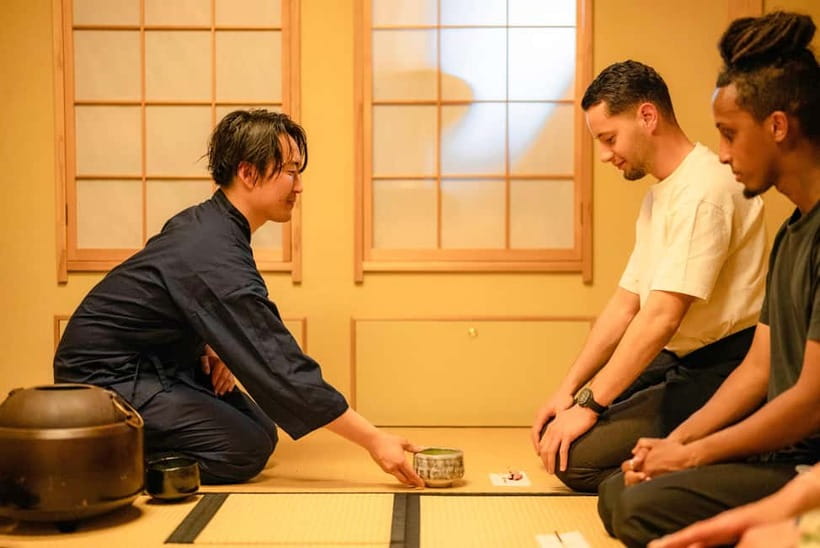
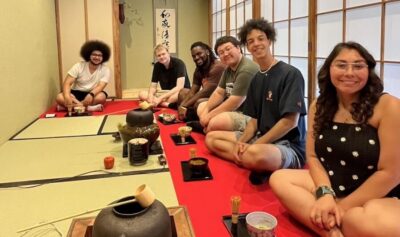
The setting does much of the work here. Rather than sitting in a hotel meeting room, you enter an old Japanese farmhouse that creates the quiet mood a tea ceremony needs. The age of the house gives the hour a sense of place, and the traditional surroundings help you pay attention to small movements that could feel fussy in a plain tourist classroom.
One participant described walking through an older part of Nara to reach the guesthouse. The walk took about 10 minutes after meeting the tea master, and finding the meeting point was briefly confusing. The host called through WhatsApp and helped with the directions. That is a useful detail to keep in mind: allow a little patience at the start and keep your phone available for contact.
Once inside, the pace slows. You are not rushed from one display to another. The house offers a calm break from Nara’s temples, shopping streets, and deer park. I especially like this contrast. After a busy morning of sightseeing, sitting quietly with one bowl of tea can feel more refreshing than adding another major attraction to your schedule.
The farmhouse is also a good fit for people who care about atmosphere. The experience is not only about consuming matcha. The house, utensils, gestures, sweets, and conversation all help show how tea ceremony links everyday actions with attention and respect.
More tea ceremonies:
- Kyoto: Tea Ceremony in a Traditional Tea House in Kiyomizu
★ 4.9 · 3,519 reviews - Kyoto: Tea Ceremony Ju-An at Jotokuji Temple
★ 4.9 · 3,207 reviews - Kyoto: 45-Minute Tea Ceremony Lesson Experience
★ 4.3 · 2,378 reviews
The tea master explains the rules and the reasons
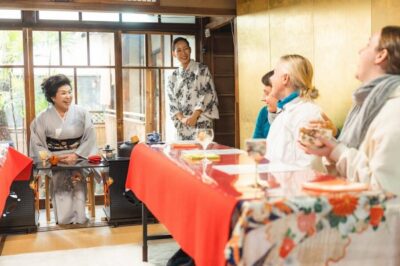
The opening part covers the basics of tea ceremony, including its history, etiquette, utensils, and sequence. You learn what the master is doing and why, rather than being asked to copy movements without context.
That explanation matters. Tea ceremony can look formal from the outside, with bows, bowls, scoops, and carefully ordered actions. Without an explanation, you may notice the beauty but miss the purpose. Here, the host helps connect the physical steps with the ideas behind them.
The instruction is designed for beginners. You do not need previous knowledge of matcha, and you are not expected to perform a long formal ceremony from memory. The tone appears to balance tradition with conversation. Declan from Australia praised the way the host taught the formalities while still allowing room for humor, which is important if you worry that the session might feel stiff.
English and Japanese are available. English-speaking hosts have been praised for clear explanations, including Mike and Kurabi. Hasumi was also described as welcoming and thorough when explaining the process and its history. Since tea ceremony uses gestures and objects as much as words, clear teaching makes a real difference.
You can ask about the utensils, the tea itself, the etiquette, or the philosophical side of the ceremony. Several people valued the chance to understand the why behind the ritual. That makes this more worthwhile than a photo opportunity where you copy a few motions and leave without knowing what they mean.
Tasting Nara matcha before you make your own
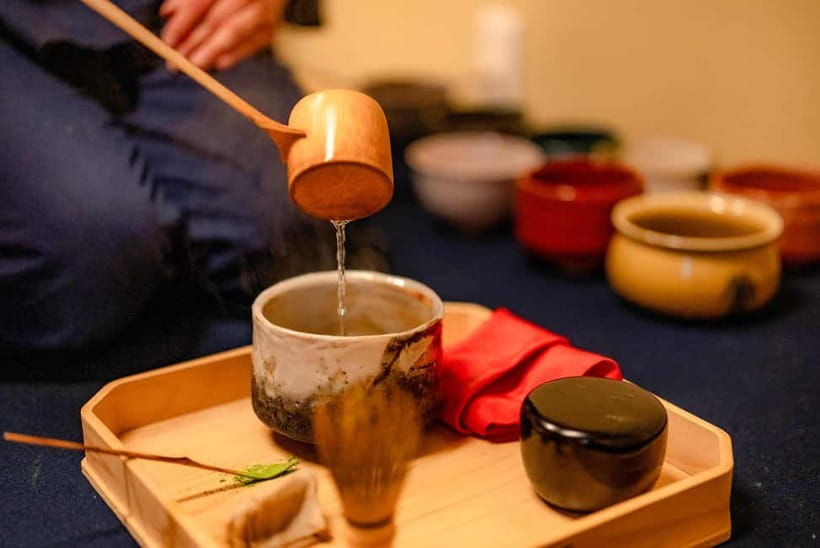
The tea tasting gives the session a useful tasting lesson. You compare single-origin matcha from Nara, paying attention to differences in aroma and flavor. The point is not to declare one tea the winner. It is to help you notice your own preferences.
Matcha can taste unfamiliar at first. It may be earthy, grassy, bitter, creamy, or lightly sweet depending on the tea and preparation. Comparing more than one type gives you a better reference point than trying one cup in isolation.
Some sessions have included extra tea, such as matcha from Uji, as a recommendation from the host. That is not something to assume will happen every time, but it shows the conversation can sometimes extend beyond the main tasting. You can also ask for advice on buying matcha in Nara.
This section is especially useful if you want to continue drinking matcha after your holiday. You begin to understand that matcha is not one uniform flavor. The tea master can help you connect taste with preparation and personal preference.
The experience includes the preparation and serving of matcha, along with your hands-on practice. You are not paying only for a sweet drink in a pretty room. Much of the value comes from learning how to judge and prepare the tea.
Whisking your own matcha
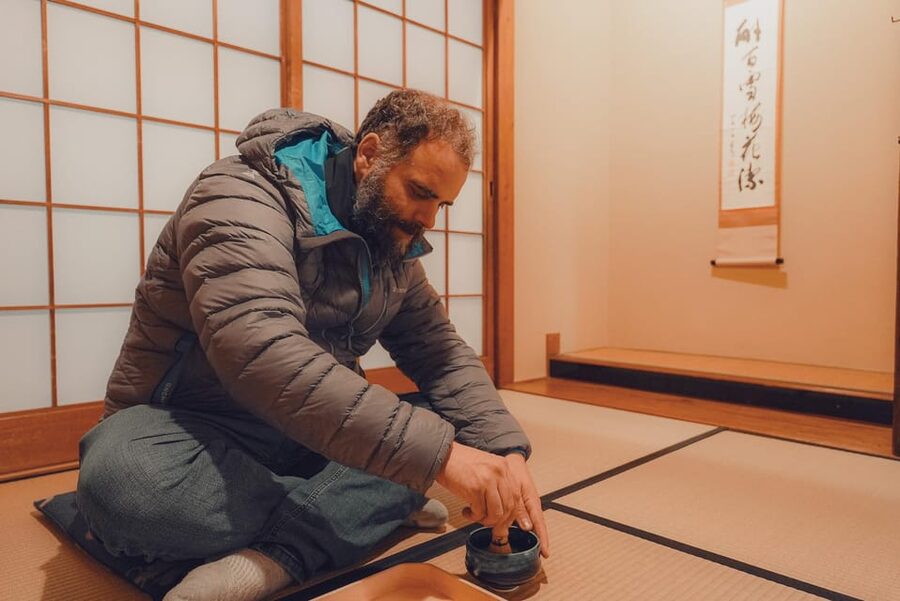
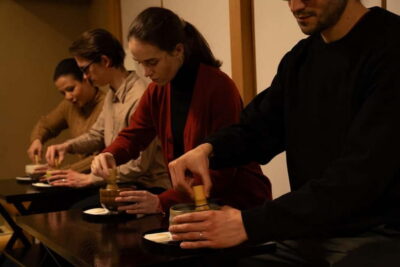
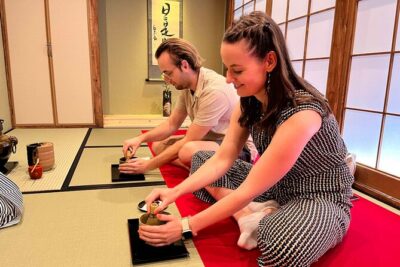
This is the most interactive part of the hour. The tea master demonstrates the technique, then you take the whisk and prepare your own bowl. You receive personalized feedback on your movements, with a focus on making a smooth, creamy drink.
Whisking looks easy until you try it. The motion needs to be quick and controlled, and the result can change with your technique. A few small tips from the master can help you avoid a flat or lumpy cup. You may not become an expert in one session, but you will understand the basic method and have a better chance of repeating it at home.
I like this practical angle. Many cultural activities end when the demonstration ends. Here, you get to handle the tools, make a few mistakes, and improve with guidance. The learning is simple, physical, and memorable.
The tone also seems forgiving. The hosts are described as friendly, warm, and willing to laugh while still respecting the formal parts of the ceremony. That balance is valuable. If you are new to Japanese etiquette, you can ask questions without feeling you are interrupting a solemn performance.
The activity suits families and mixed-age groups particularly well, based on the private family booking described by one participant. It also works for solo visitors, couples, and friends who want an activity that is quieter than a cooking class or a large group tour.
A few more Nara experiences worth weighing up
- World Heritage Kyoto & Nara Uji Authentic Matcha Experience
★ 5.0 · 1,573 reviews - Nara Half Day Trip Walking Tour (Private Option Available)
★ 5.0 · 937 reviews - Nara Early Morning Tour (Kyoto or Osaka Departure Available)
★ 5.0 · 676 reviews - Osaka: Nara and Uji Day Trip with Deer Park and Hot Spring
★ 4.4 · 302 reviews
Wagashi and the balance of flavors
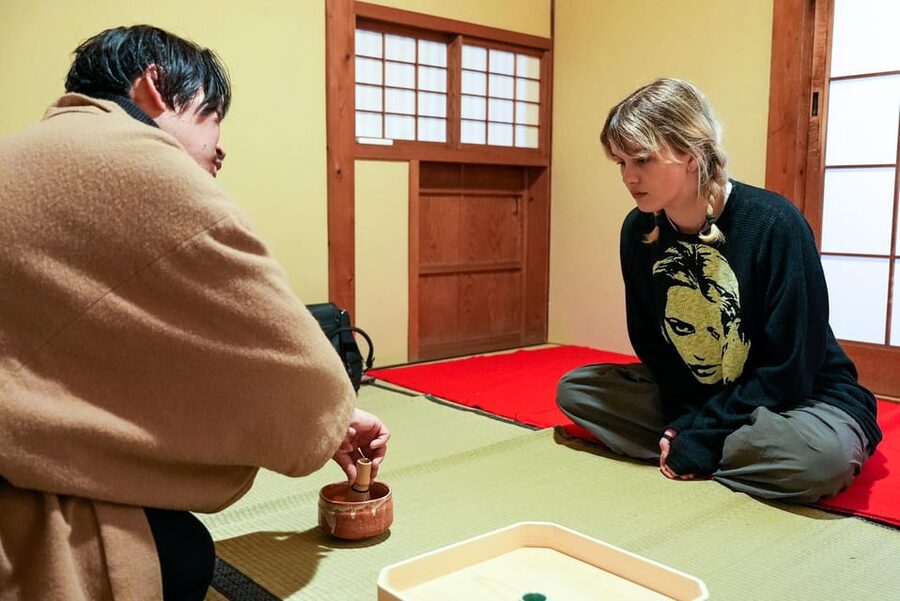
The matcha is served with seasonal wagashi, traditional Japanese sweets. These are not just a small dessert at the end. Their sweetness helps balance matcha’s stronger, more bitter flavor and gives the ceremony a classic food pairing.
The sweets vary by season, so the exact style is not specified. That changing element adds a small connection to the time of year. You should think of the wagashi as part of the tea experience, not as a separate snack.
Some hosts have also served sweets they made themselves. One participant described a homemade sweet as especially tasty, though that may depend on the individual session. The certain inclusion is authentic wagashi served alongside the tea.
For many people, this will be the moment when the ceremony’s parts come together. You have seen the tools, heard the background, tasted different teas, and made your own matcha. The sweet gives you a chance to sit with the flavor instead of rushing to the next stop.
Why the small size matters
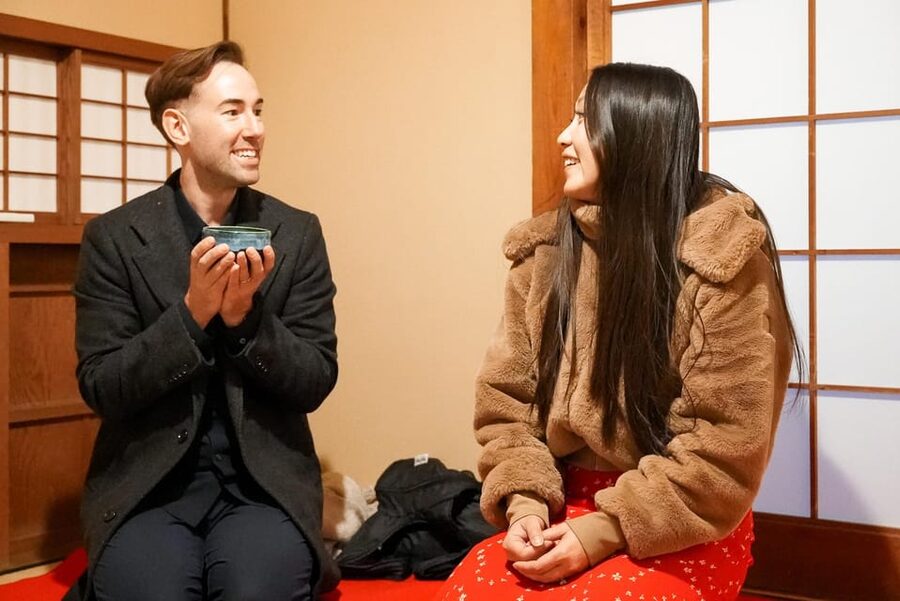
The activity is limited to a small group, with the supplied details giving a limit of six participants. Its title states a maximum of five, so confirm the number attached to your chosen time. In practice, several people have described a private or one-on-one session, including a family group of four and a solo booking.
A small group changes the quality of instruction. You have more room to ask questions, and the master can watch your whisking rather than giving the same speech to a crowded room. It also keeps the farmhouse peaceful.
The tradeoff is that a small session may have fewer available starting times than a large attraction. The duration is one hour, and you need to check availability for the schedule. If you have a tight temple plan, leave enough space for meeting the host and finding the farmhouse.
Do not book this expecting a long, formal ceremony lasting half a day. You are getting a compact introduction with tasting, explanation, demonstration, practice, and sweets. For most people, that is the right length during a sightseeing trip. Tea lovers who want a detailed study of schools, advanced etiquette, or extended meditation will need more than this experience provides.
Local advice adds unexpected value
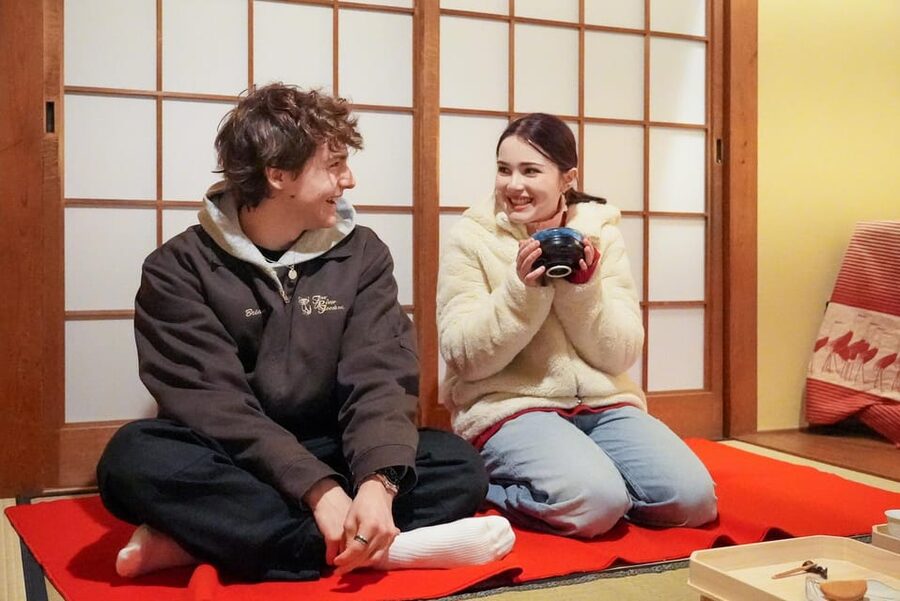
The tea master is also a useful local contact. Several hosts, including Mike, Kurabi, Tate, and others, have offered recommendations for restaurants, matcha cafés, sake stores, and attractions in Nara, Kyoto, and Osaka.
These suggestions can make the hour worth more than its posted price. One participant received a ramen recommendation and tried it. Another received help finding a yakiniku restaurant, including assistance with a reservation. Other advice covered less visited bars, restaurants, matcha shops, and places to buy sake.
You should ask for recommendations before you leave. Have a short list ready: where to eat near Nara, where to buy tea, what to do after the deer park, or how to spend time in Kyoto. The hosts seem especially useful for practical local ideas rather than standard guidebook stops.
One host also helped a participant find the next bus to Nara’s deer park. That kind of help is not a guaranteed formal part of the activity, but it shows why a personal cultural experience can be useful early in your stay. Schedule it near the beginning of your Nara visit if you want to use the advice during the rest of your trip.
Is $46 a fair price for one hour?
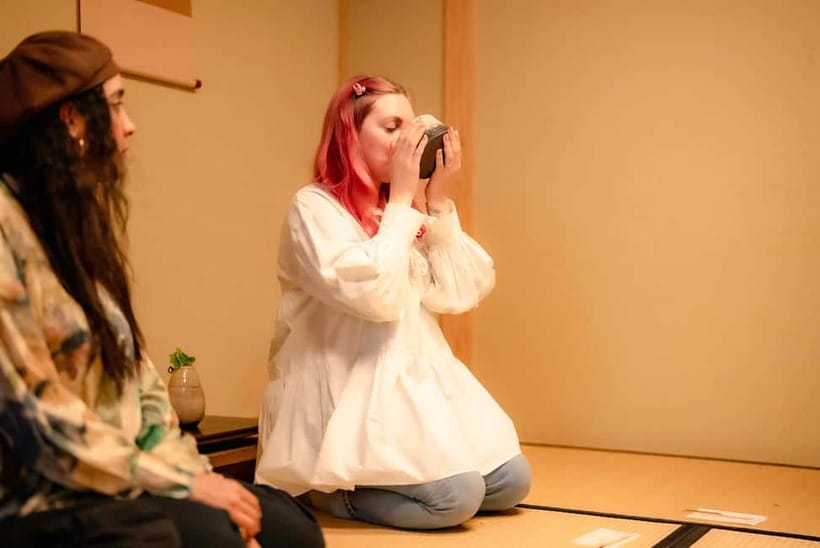
At $46 per person, this is not the cheapest way to drink matcha in Nara. If you only want a bowl of tea and a sweet, a café will cost less and take less time.
The price makes more sense when you count what is included: a traditional setting, instruction from a tea master, an explanation of history and etiquette, a tasting of Nara teas, guided matcha preparation, personalized feedback, and seasonal wagashi. The small size also gives the experience a more personal feel than a large demonstration.
I see the best value for someone who wants cultural understanding rather than a quick refreshment. You are paying for access, teaching, conversation, and practice. The ability to make matcha again at home adds lasting value.
The one-hour format keeps the cost from becoming a major part of your Nara budget. It also lets you fit the activity around temples and other plans. If you are traveling with a family or group of friends, a private session can make the price easier to justify because everyone gets to participate.
Who should book this tea experience?
I would recommend it to first-time visitors who want a gentle introduction to Japanese culture. You receive enough explanation to understand the ceremony without needing to read a book beforehand.
It is also a strong choice for tea drinkers, food lovers, couples, and families. The hands-on whisking keeps children and adults involved, while the quiet setting gives couples a slower shared activity.
Book it early in your Nara stay if local food and shopping advice matters to you. Book it later if you want a peaceful pause after several days of sightseeing.
You might skip it if you dislike sitting still, have no interest in matcha, or want a long and highly formal ceremony. The experience is friendly and interactive, but it still asks you to slow down and pay attention to ritual.
Practical details to keep in mind
The experience lasts one hour and is offered in English and Japanese. The instructor names may vary, but people have praised hosts including Mike, Kurabi, Hasumi, and Tate for clear explanations, warmth, and local advice.
The activity allows free cancellation up to 24 hours before the start time for a full refund. You can also reserve and pay later, which helps if your Nara schedule is still changing.
Keep your phone available when meeting the host, especially since one participant had trouble locating the meeting point and was contacted through WhatsApp. The farmhouse may be reached by a walk through older parts of Nara, but the exact meeting and walking details should be confirmed when you book.
The published details contain two group-size figures: a maximum of five in the title and a limit of six in the activity information. If you are choosing this specifically for a one-on-one session, confirm the arrangement rather than assuming every time slot will be private.
Should you book it?
Yes, if you want more than a staged tea photo. The best parts are the old farmhouse, the clear explanation of ceremony customs, the comparison of Nara teas, and the chance to whisk your own bowl with help from the master.
At $46, it is a fair buy for a small, personal cultural lesson, especially when you use the local restaurant and shopping advice afterward. I would place it high on a Nara schedule for anyone curious about Japanese tea, though I would not recommend it to someone seeking an advanced or lengthy ceremony.
The strongest reason to book is its balance. You get tradition without excessive formality, instruction without a classroom feel, and a quiet hour that still leaves you with practical skills. Add seasonal wagashi and thoughtful local tips, and this becomes one of the more memorable short activities you can fit into a Nara visit.
FAQ
How long does the Nara tea ceremony experience last?
The experience lasts one hour.
How much does the experience cost?
The listed price is $46 per person.
Where does the tea ceremony take place?
It takes place in a traditional 120-year-old Japanese farmhouse in Nara.
Is the experience conducted in English?
Yes. Instruction is available in English and Japanese.
How many people can join?
The title gives a maximum of five people, while the activity details state that the small group is limited to six participants. Check the exact group size for your selected booking.
Do I make my own matcha?
Yes. The tea master demonstrates the technique, then guides you as you whisk your own matcha and offers personal feedback.
Is tea tasting included?
Yes. You taste and compare single-origin matcha from Nara. Some sessions may also include additional tea recommendations, such as matcha from Uji.
Are Japanese sweets included?
Yes. Seasonal wagashi, traditional Japanese sweets, are included with the tea.
Can I cancel for a full refund?
Yes. You can cancel up to 24 hours in advance for a full refund.
Can I reserve now and pay later?
Yes. The activity offers a reserve-now, pay-later option.
Just added around Nara
- Private Nara Tour and Sake Tasting (Departing from Kyoto/Nara)★ 5.0 · 40 reviews
- Nara: Bike Tour in Ancient Capital UNESCO World Heritage★ 5.0 · 43 reviews
- Perfect Nara Park Half-Day Bus Tour with English Speaking Guide★ 5.0 · 49 reviews
- Discover Ancient Nara: Private Car Tour from Kyoto or Osaka★ 5.0 · 52 reviews
- Hammer a Pattern on Your Ring Workshop★ 5.0 · 57 reviews
- Nara: Great Buddha, Kasuga Shrine & Deer Park Tour★ 4.8 · 62 reviews
- Nara: Private Tour with Private Guide★ 4.8 · 66 reviews
- Nara Highlight Walking Tour with Furoshiki Experience with Lunch★ 5.0 · 73 reviews
Tea Ceremony Experiences, compared.
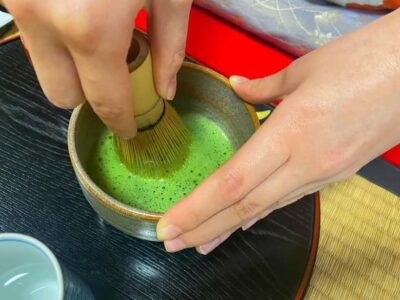
Tea Ceremony in a Traditional Tea House in Kiyomizu
Read our review →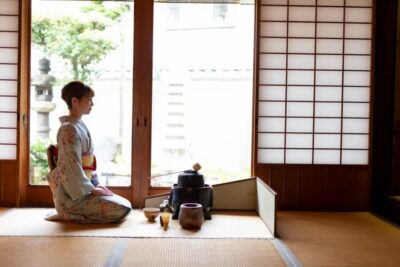
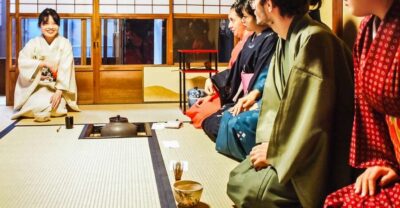
Browse the lists this tour appears in