
Reviewed · TAKAYAMA TOURS
1-Day Takayama Tour: Explore Scenic Takayama and Shirakawago
Two mountain worlds, one well-packed day. This tour gives you a practical way to see Takayama and Shirakawa-go without arranging buses or renting a car. I like the included transport and the English-speaking guides, especially Hemi and Yoshi, who are praised for clear explanations, food advice, and easy company.
I also like the balance between guided walks and free time. You get help finding the important sights, then time to wander on your own. The main concern is pace: some people find the day rushed, and a few feel that the time at Takayama Jinya could be shorter so Shirakawa-go has more breathing room.
In This Review
- Key points to know before booking
- Why combine Takayama and Shirakawa-go?
- Takayama Jinya: start with the town’s working past
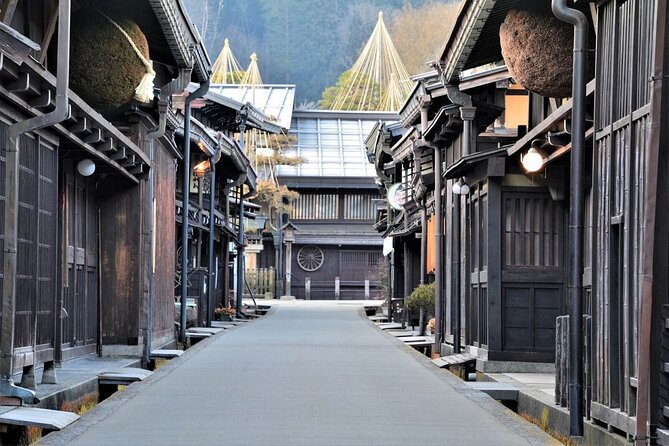
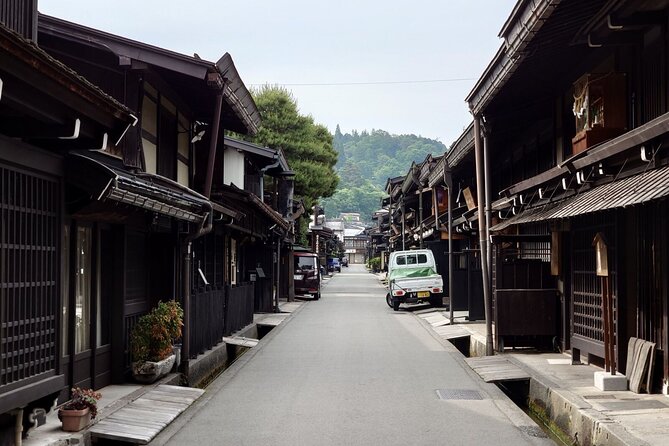
- Sanmachi Suji: Takayama’s old streets and woodwork
- Miyagawa Morning Market: a tasty introduction to Hida
- The ride to Shirakawa-go changes the rhythm
- Shirakawa-go: the main event of the afternoon
- The guides make the difference
- Is $177.06 fair value?
- Who will enjoy this day most?
- Should you book the Takayama and Shirakawa-go tour?
- FAQ
- How long does the tour last?
- Where does the tour start?
- What destinations are included?
- Is transportation included?
- Is admission to Takayama Jinya included?
- Is lunch included?
- How large is the group?
Key points to know before booking
- Two major destinations in nine hours: You visit Takayama’s old streets and Shirakawa-go’s famous thatched villages in one day.
- Takayama Jinya admission is included: You can enter this former government office and see its rooms, work areas, and historical displays.
- A guide adds real local context: Hemi, Yoshi, Yoneya, and Yassi have been praised for history, food tips, and friendly English commentary.
- Shirakawa-go gets about five hours: That includes a guided introduction and free time for walking, photos, shops, houses, and the lookout.
- Transport removes a major headache: The tour moves between sites by included transport, with some groups using a private van.
- The $177.06 price pays for convenience: It is not a bargain if you already have transport arranged, but it can be fair for a full day with a guide and admission included.
Why combine Takayama and Shirakawa-go?

Takayama and Shirakawa-go are close enough to pair, but awkward enough to make transport planning matter. Takayama gives you old merchant streets, local food, woodwork, and the former office of the shogun’s representatives. Shirakawa-go offers a rural village setting and the distinctive steep roofs of its traditional houses.
You could arrange the two places yourself, but you would need to match bus schedules and keep an eye on the clock. This tour takes care of the movement between destinations, which lets you focus on the scenery and the stories rather than the timetable.
The day starts at 9:00 a.m. at Takayama Station and lasts about nine hours. The listed group limit is 20 people, though several departures have been much smaller. A group of seven, and even a few private-feeling days with one or two participants, have been reported. That smaller scale matters because it makes questions easier and keeps the walking portions from feeling like a parade.
The tour ends somewhere different from the starting point, so check the final arrangements before you set off. The supplied information does not give one fixed end location. That is a small but important detail if you have an evening train or hotel check-in to catch.
A few more Takayama experiences worth weighing up
- From Takayama: Guided Day Trip to Takayama and Shirakawa-go
★ 4.9 · 113 reviews - Hida Takayama, Shirakawa-go+Observatory|Day Trip from Nagoya
★ 4.3 · 47 reviews - Mt Fuji and Hakone 1-Day Bus Tour Return by Bullet Train
★ 5.0 · 26,383 reviews
Takayama Jinya: start with the town’s working past
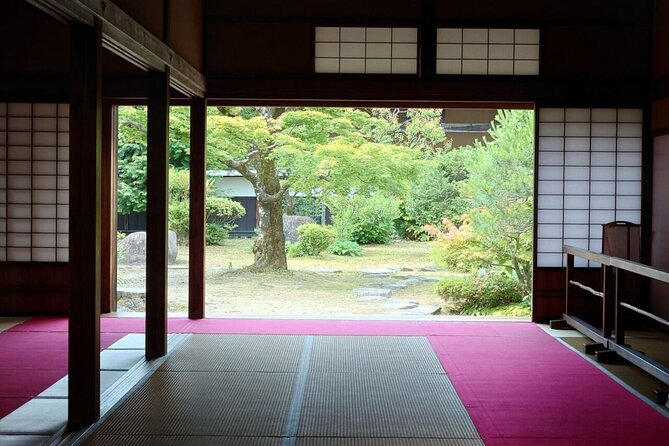
The first stop is Takayama Jinya, with about an hour inside and admission included. This beautifully preserved government outpost was built for representatives of the shogun. It offers a useful introduction to how Takayama was governed and how local industries supported the town.
I find this a strong first stop because it gives the rest of the morning a frame. Instead of seeing old wooden buildings as attractive scenery alone, you learn why Takayama mattered and how authority worked here. A good guide can turn rooms, offices, and practical details into a story about daily life.
Yoshi has received special praise for his explanation of Takayama Jinya and the town’s past. Hemi has also been described as a walking encyclopedia, though in a friendly way rather than a dry classroom style. That distinction matters. You want context, but you do not want every minute buried under dates and names.
One caution: the planned time at Takayama Jinya has felt too long for some people. If you are most interested in photography, food, or village scenery, an hour is probably enough. If you enjoy architecture, government history, and the details of traditional rooms, you may be happy to have the time.
Wear shoes that are easy to remove if needed, and expect the visit to involve walking and standing. The tour information does not provide a full accessibility breakdown, but most people can participate, and service animals are allowed.
Sanmachi Suji: Takayama’s old streets and woodwork
Next comes Sanmachi Suji, the traditional district at the heart of Takayama. The streets are known for their old wooden buildings, small shops, food stalls, and local craft traditions. The walk lasts about 90 minutes, and there is no separate admission charge.
This is where the tour begins to feel less like a sequence of historical rooms and more like a living town. You can look at the woodwork, follow the narrow streets, and see how the old district still functions as part of modern Takayama.
The guide’s role is useful here. Without help, you might simply photograph the most attractive facades and move on. With Hemi, Yoshi, or another English-speaking guide, you can ask about the buildings, local customs, and foods that make the area distinct.
Food is one of the pleasures of this walk. The guides have recommended local snacks, Hida beef skewers, seasonal fruit, and restaurants for later meals. One guide even helped a family find gluten-free choices. You should still explain your dietary needs clearly, but the guide can be a valuable source of practical advice.
The drawback is limited independent time. A guided walk is helpful, but Sanmachi Suji also rewards slow wandering. If you want to browse every shop or buy several souvenirs, you may feel the schedule moving faster than you would prefer.
My advice is simple: decide before the tour what matters most to you. If you want food, make that your priority. If you want crafts, save your shopping questions for the guide. You will get more from the stop if you do not try to inspect every storefront.
Miyagawa Morning Market: a tasty introduction to Hida
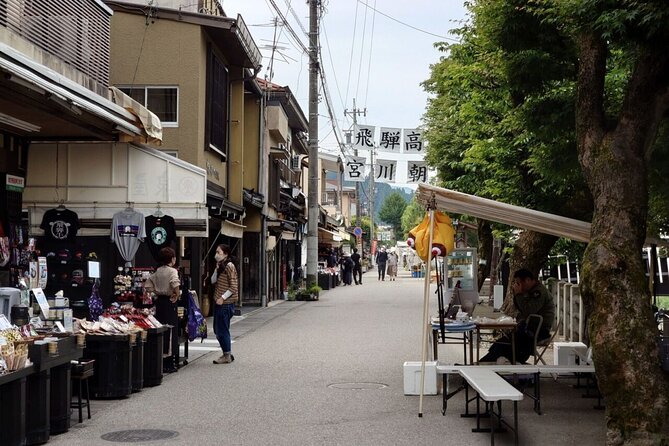
The Hida-Takayama Miyagawa Morning Market is listed as a 90-minute stop. It is a chance to sample local delicacies and see the food side of the city early in the day.
This part of the morning adds an important local touch. Takayama is not only old streets and historical buildings. Food gives you another way to understand the area, and a market is usually more memorable than a quick explanation from a guidebook.
The timing is slightly unusual because the tour begins at 9:00 a.m., so the exact feel of the market can depend on the day and the vendors operating. The information provided does not promise a particular food tasting or a set meal. Think of this as time to browse and sample, not a formal breakfast included in the price.
Lunch is not included anywhere in the tour. Plan your spending accordingly. You might find something at the market or in Takayama, but the schedule is full enough that you should not assume you will have a long sit-down lunch before leaving town.
This is also a good moment to ask your guide about dinner. Yoshi has given restaurant suggestions that helped people find memorable meals later in their Japan trips. A useful food recommendation can be worth more than another generic explanation of a famous building.
A completely different kind of day out in Takayama:
- Kanazawa: World Heritage Shirakawa-go Morning Guided Tour
★ 4.9 · 988 reviews - Kanazawa: World Heritage Shirakawa-go & Two Local Experience
★ 4.9 · 274 reviews - Kanazawa/Takayama: Shirakawago & Takayama Private Day Tour
★ 4.8 · 172 reviews - Departing from Takayama [Regular sightseeing bus] World Heritage Sites Shirakawago and Gokayama Ainokura
★ 4.5 · 137 reviews
The ride to Shirakawa-go changes the rhythm
After Takayama, included transport takes you toward Shirakawa-go. Several people have described the vehicle as comfortable, and one group specifically had private van transport. The exact vehicle and group arrangement can vary, but you do not need to organize this connection yourself.
The ride gives the day a natural change of pace. Takayama is a compact historic town, while Shirakawa-go feels more rural and open. The guide can continue explaining the area during the journey, though the amount of commentary may depend on the guide and the group.
This transfer is one of the strongest reasons to consider the tour. Independent transport between Takayama and Shirakawa-go can take planning, and a missed connection would affect the whole day. Here, the movement is built into the experience.
Still, the long day has a price. You are fitting two major places into roughly nine hours, including walks, transport, and free time. If you prefer to spend a whole day in one village, this is not the right format. It is designed for coverage and convenience.
Shirakawa-go: the main event of the afternoon
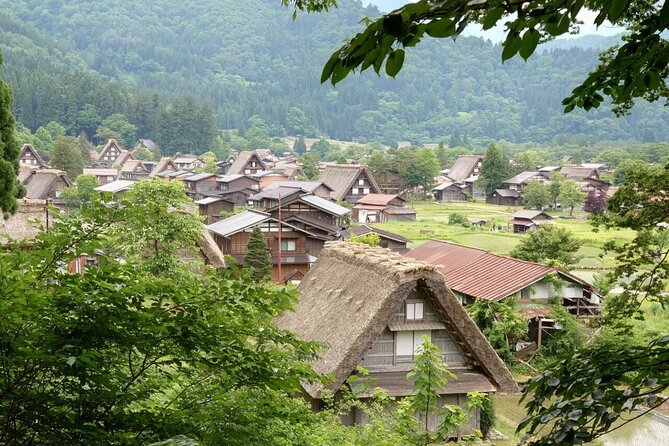
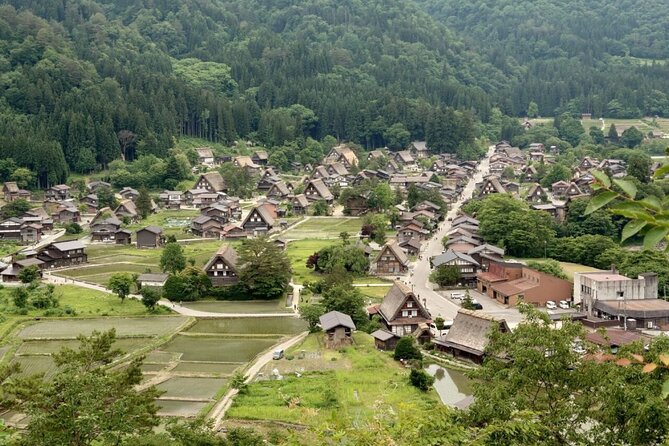
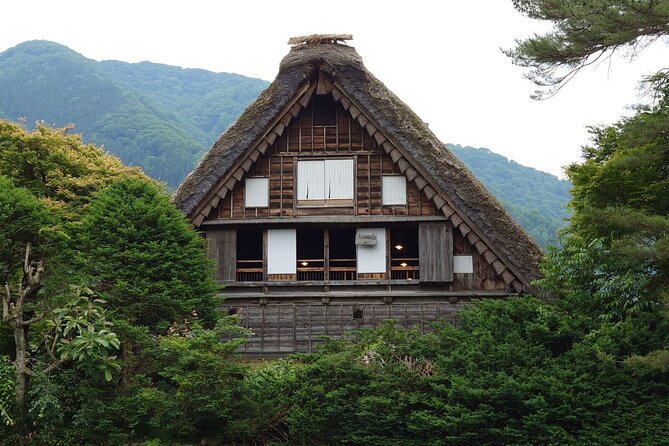
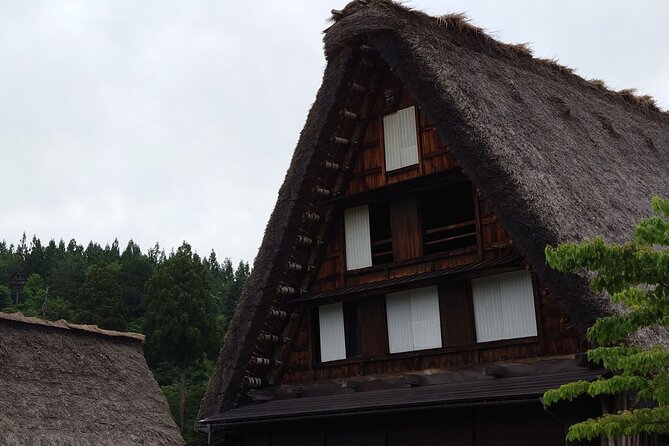
The tour allows about five hours at Shirakawa-go, including a guided walk and time to explore alone. This is the largest section of the day, and rightly so. The UNESCO-listed historic villages are known for their traditional houses with steep, thatched roofs, built to handle heavy snowfall.
You begin with the guide, then get free time to make the village your own. A typical visit described by participants included a short hike of about 10 minutes to a lookout, a walk through the village, a visit to a traditional house, and a stop at a local shrine. These details may vary, but they show the range of activities possible within the allotted time.
The lookout is especially useful because it helps you understand the shape of Shirakawa-go from above. Down in the village, individual houses attract your attention. From higher ground, you see how the settlement fits into its mountain setting.
The guide also explains how local families lived and worked in the houses. That context helps you look past the postcard image. The roofs are striking, but the real interest is in the practical design, household life, and businesses connected with the village.
Five hours sounds generous, but it can pass quickly. You may want to photograph the houses, visit an interior, walk to the lookout, browse shops, and eat something. Some people would prefer even more time here, especially after feeling that Takayama Jinya received more time than necessary.
I suggest choosing your Shirakawa-go priorities before arrival. If the lookout matters most, go there early. If you want to enter a historic house, ask the guide about the best order. If you prefer quiet village lanes, use the free period away from the most obvious photo points.
The weather will shape this stop. Clear conditions make the views especially striking, while rain or snow can change the walking experience. The tour runs according to availability and may require adjustments if part of the planned experience cannot operate. The provider says it will contact you about suitable alternatives when needed.
The guides make the difference
The most consistently praised part of this experience is the human one. Hemi has been described as friendly, patient with children, and strong on Japanese history. Yoshi, also called Yoneya, is a long-time Takayama resident with a broad command of local stories, food, history, and everyday life.
Yassi has also been praised for connecting Takayama’s old town, samurai-era history, Takayama Jinya, local food, and Shirakawa-go’s family homes in one clear story. These accounts suggest that the guide style can vary by departure, but the best guides add much more than directions.
You should expect commentary in English, but fluency may differ from one guide to another. One person found the English difficult to follow and felt there was not enough content. That is not the dominant impression, but it is a fair reason to keep expectations realistic.
A good guide also helps after the formal tour ends. Food suggestions, advice about other Japanese cities, and help finding dietary options can add value beyond the advertised stops. I would make a point of asking questions as you walk. This is where a small group is far better than a large coach tour.
Is $177.06 fair value?
At $177.06 per person, this is not a cheap sightseeing day. The value depends on what you would otherwise need to arrange.
The price includes transport between destinations, admission to Takayama Jinya, guided walks in both locations, and an English-speaking guide. Lunch, snacks, and any personal purchases are extra. If you already have a car, understand the bus system, and prefer to explore alone, the price may feel high.
I think it is fair for people who want two difficult-to-pair destinations in one day without handling the transport details. The guide is the other major part of the value. If you get a guide like Hemi or Yoshi, the historical explanations and food advice can make the places easier to understand and enjoy.
The 4.9 rating from 113 ratings and 97 percent recommendation suggest a strong overall record, but the lower scores point to the main risk: pace. You are paying for a full day of movement, not a slow stay in either place.
The tour makes the most sense if you are based in Takayama for a short visit, have only one free day, or want an introduction before returning later on your own. It is less suitable if you dislike fixed schedules or need long, unstructured shopping time.
Who will enjoy this day most?
I would recommend it to first-time visitors who want local context without spending hours on transport research. Families can benefit from the guide’s help, especially with food choices and keeping children engaged. English-speaking visitors also gain a lot because signs and historical details can otherwise pass by quickly.
It suits people who enjoy walking, historic buildings, local food, and scenic villages. Most people can participate, but you should be ready for a long day with several walking sections and changing weather.
I would hesitate to recommend it to slow travelers who want to sit in a cafe, browse every shop, or spend a full day photographing Shirakawa-go. You may leave wishing you had cut one destination and stayed longer at the other.
The tour has free cancellation up to 24 hours before the 9:00 a.m. start for a full refund. Changes made inside that 24-hour window are not accepted, so keep that cutoff in mind when planning around weather or rail connections.
Should you book the Takayama and Shirakawa-go tour?
Book it if your priority is seeing both places efficiently, with transport and an English-speaking guide already arranged. The strongest reason is not simply the number of sights. It is the chance to understand Takayama’s old streets, government office, food, and woodwork, then connect that experience with the homes and village life of Shirakawa-go.
Skip it if you have plenty of time and prefer to explore at your own speed. You may want more freedom in Takayama and more time in Shirakawa-go than this schedule allows.
For most first-time visitors with one open day, I think the tour is a practical choice. Ask plenty of questions, save room in your budget for lunch and snacks, and choose your Shirakawa-go priorities before the afternoon begins.
FAQ
How long does the tour last?
The experience lasts approximately nine hours. It begins at 9:00 a.m. at Takayama Station and ends at a different location.
Where does the tour start?
The meeting point is Takayama Station, at 1-222 Showamachi, Takayama, Gifu 506-0053, Japan.
What destinations are included?
The tour visits Takayama Jinya, Sanmachi Suji, the Hida-Takayama Miyagawa Morning Market, and Shirakawa-go.
Is transportation included?
Yes. Transportation between all listed destinations is included.
Is admission to Takayama Jinya included?
Yes. Entrance to Takayama Jinya is included in the tour price.
Is lunch included?
No. Lunch is not included, so you should budget separately for food and drinks.
How large is the group?
The maximum group size is 20 people. Actual group sizes may be smaller, and some departures have operated with only a few participants.
Just added around Takayama
- Magome & Tsumago Nakasendo Trail Day Hike with Government-Licensed Guide★ 5.0 · 38 reviews
- Japanese Cooking Class with Local Family in Takayama Old Town★ 5.0 · 40 reviews
- From Takayama: Shinhotaka Ropeway and Kamikochi tour★ 4.8 · 42 reviews
- Shuriken Experience in Takayama★ 5.0 · 46 reviews
- Shirakawa-go UNESCO Half-Day Tour from Takayama★ 4.6 · 47 reviews
- Hida Takayama, Shirakawa-go+Observatory|Day Trip from Nagoya★ 4.3 · 47 reviews
- Takayama Old Town Walking Tour with Local Guide★ 4.5 · 50 reviews
- Private group Local Food Tour in Takayama★ 5.0 · 59 reviews
Takayama Tours, compared.
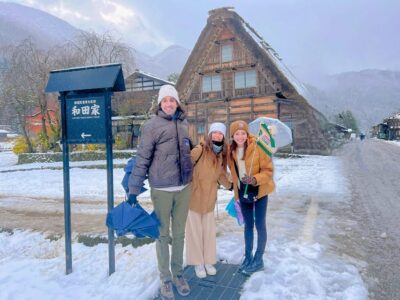
World Heritage Shirakawa-go Morning Guided Tour
Read our review →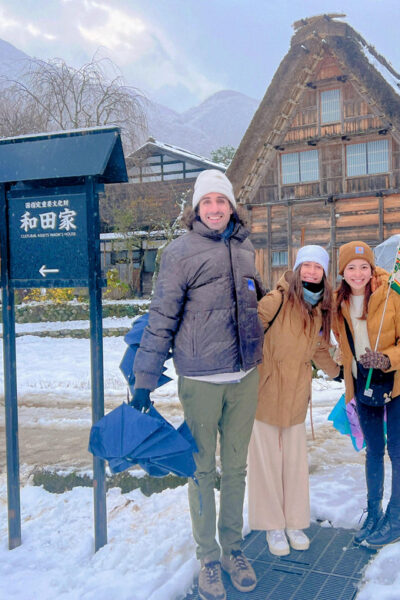
World Heritage Shirakawa-go & Two Local Experience
Read our review →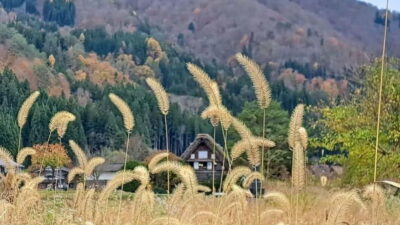
Kanazawa/Takayama: Shirakawago & Takayama Private Day Tour
Read our review →![Departing from Takayama [Regular sightseeing bus] World Heritage Sites Shirakawago and Gokayama Ainokura](https://7.thejapaneseguide.com/wp-content/uploads/departing-from-takayama-regular-sightseeing-bus-world-heritage-sites-shirakawago-and-gokayama-ainokura-400x267.jpg)
Departing from Takayama [Regular sightseeing bus] World Heritage Sites Shirakawago and Gokayama Ainokura
Read our review →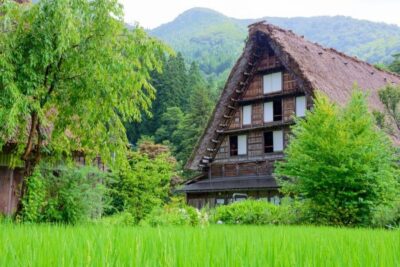
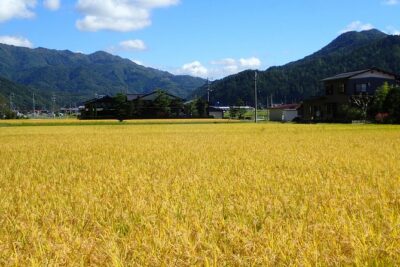
Private Afternoon Cycling Tour in Hida-Furukawa
Read our review →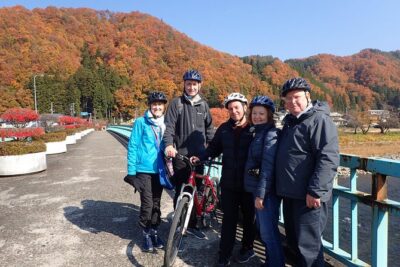
Private-group Morning Cycling Tour in Hida-Furukawa
Read our review →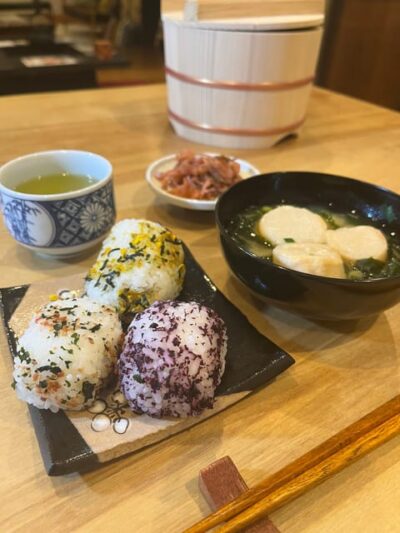
Onigiri and miso soup making at a buddhist temple
Read our review →Browse the lists this tour appears in