
Reviewed · TEMPLE & SHRINE TOURS
Takayama: Onigiri and miso soup making at a buddhist temple
Slow food, quiet temple. This one-hour class brings you into a Japanese temple kitchen to prepare onigiri and miso soup with hands-on help from English-speaking staff. I like the peaceful setting and the fact that you actually make and eat the food, rather than simply watching a demonstration. I also like the gentle link between cooking, gratitude, and Buddhist practice. The main limitation is the short running time: if you want a long lesson on Japanese food culture, one hour may feel tight.
You’ll work with fresh, seasonal ingredients in the temple’s kuri, the kitchen space used for preparing food. Guides such as Kazuki and Tama have been praised for friendly, clear instruction, and some sessions include a short prayer or a moment to pay respects to the temple’s patron. That gives the meal more meaning, though the amount of cultural background can vary with the guide and group.
At $25 per person, this is a fair buy if you want a small, practical taste of Japanese cooking in Takayama. It is especially good for solo visitors, couples, and small groups who prefer a calm cultural activity to a busy sightseeing stop. Arrive 10 minutes early, and do not count on parking at the temple.
In This Review
- Key points at a glance
- Why making onigiri in a temple feels different
- Entering through the correct temple gate
- The temple kitchen, or kuri
- Shaping onigiri by hand
- Preparing miso soup from simple ingredients
- The Buddhist meaning behind the meal
- What the one-hour schedule really allows
- Is $25 good value in Takayama?
- Who should book this experience?
- Should you book the Takayama temple cooking class?
- FAQ
- How long does the onigiri and miso soup class last?
- How much does the experience cost?
- Is the activity conducted in English?
- What food is included?
- How do I find the meeting point?
- Is the experience suitable for children and wheelchair users?
Key points at a glance
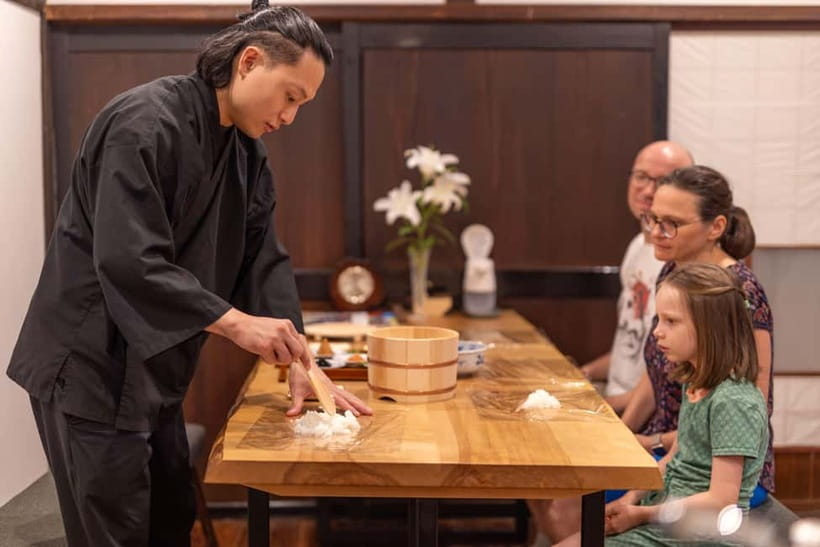
- Make two Japanese staples: Prepare your own onigiri rice balls and miso soup, then eat what you make.
- Cook inside a Buddhist temple: The class takes place in the kuri, a quiet temple kitchen rather than a standard cooking school.
- English instruction: The guides explain each step in English and answer questions about ingredients, customs, and food.
- A spiritual touch: Some sessions begin with prayer or include paying respects to the temple’s patron.
- Small-group feel: The activity is designed to be personal, with hands-on attention from the instructor.
- One hour, $25: It fits easily into a Takayama day, though the schedule leaves little room for a long discussion.
Why making onigiri in a temple feels different
Onigiri is simple food: seasoned rice shaped by hand, often with a filling or topping. Yet that simplicity is exactly what makes it useful for learning. You handle the rice, shape it yourself, and see how a few well-chosen ingredients can become a satisfying meal.
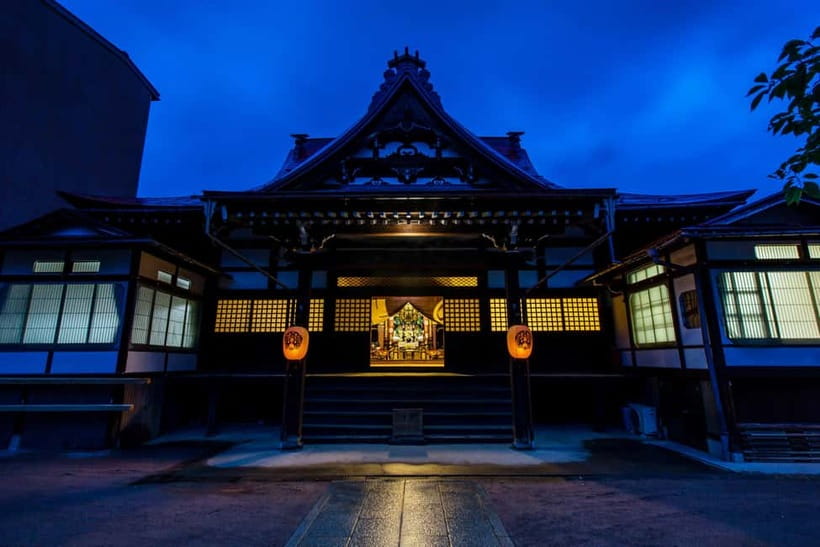
In this class, the setting changes the mood. You are not just standing at a counter in a commercial kitchen. You enter a temple, find the kitchen area, and prepare food in a place connected with religious life. The surroundings encourage you to slow down and pay attention to the work in front of you.
That connection is not forced into the activity. The food lesson includes ideas about respect for ingredients, mindfulness, and gratitude. One participant described beginning with a prayer, while another appreciated the chance to pay respects to the temple’s patron. These moments may be brief, but they help explain why food has a spiritual role in Japanese daily life.
I would not book this expecting a formal Buddhist ceremony or a long lecture on Zen. Think of it as a cooking class with a quiet religious setting and occasional cultural insight. The balance works well for most people because you learn by doing.
More temple & shrine tours:
- Kyoto: Fushimi Inari, Kinkakuji, Bamboo Grove 1 Day Bus Tour
★ 4.8 · 4,316 reviews - Kyoto: Tea Ceremony in a Traditional Tea House in Kiyomizu
★ 4.9 · 3,519 reviews - Kyoto: Tea Ceremony Ju-An at Jotokuji Temple
★ 4.9 · 3,207 reviews
Entering through the correct temple gate
The meeting point is easy to miss if you are not watching for the two gates in front of the temple. Enter through the gate closer to the traffic lights, then walk straight toward the entrance and follow the directions there.
That small instruction matters. The experience does not include transportation, so you need to make your own way to the temple. Build in enough time to find the gates and arrive 10 minutes before the start. Takayama is pleasant to explore on foot, but do not leave this until the last minute.
Parking is another point to handle carefully. One participant was told by customer service that parking would be available, but found no parking at the temple. I would plan to come without a car or confirm the arrangement directly before setting out. The supplied information does not promise parking, so treat it as a walking or local transport activity.
The temple kitchen, or kuri
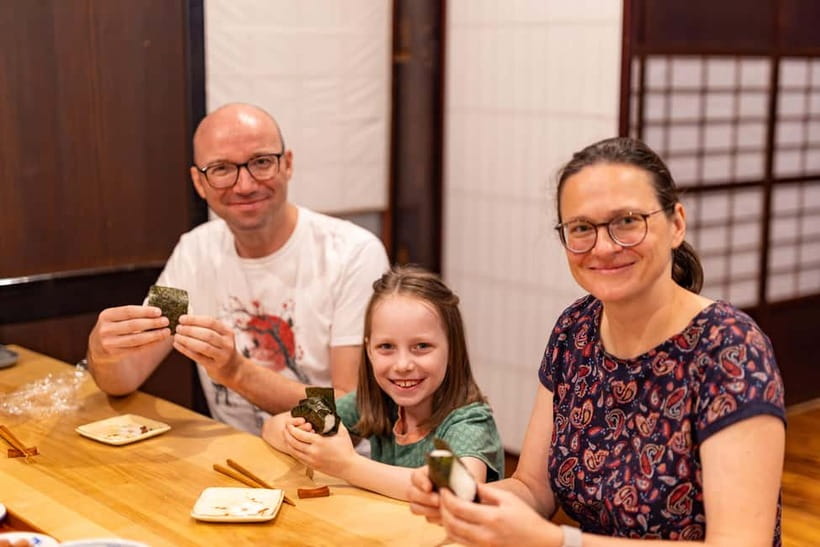
The class takes place in the temple’s kuri, its kitchen space. This is one of the most appealing parts of the experience because the cooking feels tied to the temple’s daily life rather than placed in a tourist-only room.
You receive guidance from a staff member or chef, with English used throughout. The instructors have been praised for clear, step-by-step teaching. Kazuki is noted as a welcoming host and skilled cook, while Tama is praised for being friendly and helpful. Another instructor was described as having excellent English and an easy way of explaining ingredients and Japanese food customs.
The kitchen is described as well equipped, organized, and hygienic. You should expect practical instruction, not an intimidating professional kitchen. The teacher shows you what to do, then gives you a chance to try it yourself. That format suits beginners and people who want to repeat the dishes at home.
The small-group format also matters. When attendance is low, you may receive close personal attention, even one-to-one instruction. A private or nearly private session can make the $25 fee feel especially good value. On the other hand, the exact level of personal attention depends on how many people book your time.
Shaping onigiri by hand
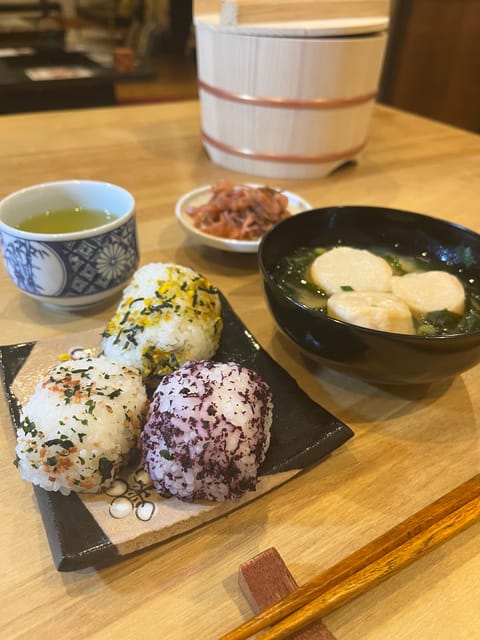
The onigiri lesson is the heart of the hour. You learn how to prepare and shape rice balls with seasonal ingredients, then eat your finished food as part of the meal.
The technique looks easy until you try it. Rice needs the right handling, and the shape has to hold together without being packed too firmly. A good instructor can show you how to use your hands, how much pressure to apply, and how to make the rice ball neat enough to eat comfortably.
You may prepare several variations. One session included three kinds of mochi, while other descriptions focus on onigiri, so the exact food selection can change. The reliable promise is that rice balls and miso soup are included, with vegetarian-friendly options available.
You are not simply handed a plate at the end. Eating what you made gives the lesson a satisfying finish. It also makes the class practical: you leave with a technique you can try in your own kitchen, not only a memory of a meal.
One instructor provided a recipe to take away. That is useful because onigiri is ideal for home cooking. You do not need a large collection of special tools, and the basic method can be adapted to different fillings and toppings.
A few more Takayama experiences worth weighing up
- Kanazawa: World Heritage Shirakawa-go Morning Guided Tour
★ 4.9 · 988 reviews - Kanazawa: World Heritage Shirakawa-go & Two Local Experience
★ 4.9 · 274 reviews - Kanazawa/Takayama: Shirakawago & Takayama Private Day Tour
★ 4.8 · 172 reviews - Departing from Takayama [Regular sightseeing bus] World Heritage Sites Shirakawago and Gokayama Ainokura
★ 4.5 · 137 reviews
Preparing miso soup from simple ingredients
Miso soup can look modest, but its flavor depends on balance. The class explains how to prepare it and how the ingredients work together. You get to make the soup rather than merely taste a finished bowl.
Several people singled out the soup as a highlight, describing it as the best miso soup they had tasted. That praise likely reflects more than the recipe itself. Fresh ingredients, careful preparation, and eating in a calm temple setting can make a familiar dish feel special.
The lesson also gives you a chance to ask about the ingredients. An English-speaking chef discussed where to find the items used in the class and shared views on food. That kind of conversation adds value because it connects the bowl in front of you with everyday Japanese cooking.
Vegetarian-friendly choices are available, but you should still confirm your needs when booking or arriving. The supplied information does not explain every possible dietary restriction, so people with allergies or strict requirements should ask for details before the class begins.
The Buddhist meaning behind the meal
The cultural side of this activity is modest but worthwhile. Food is presented not only as fuel, but as something deserving care and thanks. You may hear about respecting ingredients, the work involved in preparing them, and the Buddhist attitude of gratitude before eating.
This can be a welcome change from a standard cooking class. You are given a chance to consider how a meal connects people with place, custom, and spiritual practice. The quiet surroundings make that idea easier to notice.
The experience is not identical for every group. Some participants received a prayer at the beginning, and one group was invited to attend morning prayer the following day. That invitation may not be part of every booking, so treat it as a possible extra rather than a guaranteed feature.
One person felt the class could have offered more time and context about the food and its cultural meaning. That is the key tradeoff. The activity gives you a thoughtful introduction, but it cannot explain all of Japanese cuisine and Buddhism in 60 minutes.
What the one-hour schedule really allows
An hour is enough to learn the basic methods, prepare the dishes, eat, and have some conversation. It is a neat fit for a Takayama itinerary, especially if you want a lunch activity or a calm break between sightseeing stops.
The short length also keeps the class focused. You are unlikely to get tired of the lesson, and you do not need to dedicate half a day to cooking. Families with older children may appreciate the compact schedule, although children under 10 are not permitted.
The limit is depth. There may be little time for a long explanation of regional ingredients, detailed knife skills, or several versions of each dish. If your main goal is advanced cooking instruction, choose a longer class. If you want to learn two useful dishes and gain a small window into temple culture, the timing works well.
The activity can serve as breakfast or lunch. That makes it more than a demonstration, since the included food can replace one meal. Still, the exact portion and number of variations can differ, so book it for the cultural activity first and the meal second.
Is $25 good value in Takayama?
At $25, the price is reasonable for a hands-on activity that includes your meal, instruction, an English-speaking guide, and a distinctive venue. You are paying for access to a temple kitchen and personal guidance, not just for a bowl of soup and a rice ball.
The value improves if you enjoy asking questions. Guides have explained Japanese cuisine, local customs, ingredient choices, and Buddhist ideas. You can also ask how to repeat the recipes at home, which makes the experience useful after your trip.
The value is weaker if you only want a cheap lunch. You could find simpler food elsewhere, and the class takes time and requires you to reach the temple. Its real worth comes from the setting, the participation, and the chance to connect a familiar meal with Japanese culture.
A 4.9 rating from 93 reviews suggests very strong satisfaction, and the praise is unusually consistent around the same points: friendly instruction, tasty miso soup, clear English, and the peaceful temple atmosphere. The one clear criticism is the limited time and, in one case, confusion about parking.
Who should book this experience?
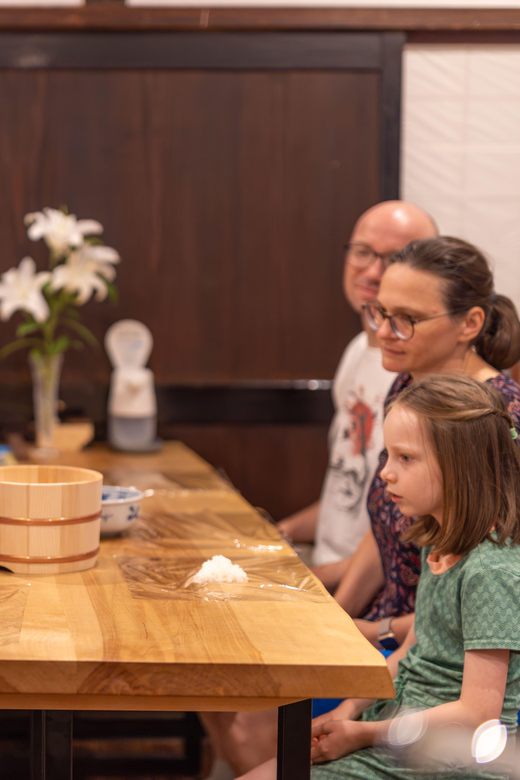
I would recommend it to food lovers who want to understand how Japanese home-style dishes are made. It is also a good choice if you have already seen Takayama’s main sights and want an activity that feels quieter and more personal.
Culture-minded visitors will appreciate the link between food and Buddhist values. You do not need prior knowledge of Buddhism or Japanese cooking. The teacher guides you through the process, and the class is designed for participation.
It suits people who like small-group activities and direct contact with local staff. English instruction is a major advantage, especially when you want to ask about ingredients or the meaning behind the meal.
I would be more cautious if you use a wheelchair, are booking for a child under 10, or need a fully accessible venue. The experience is not suitable for wheelchair users or children below that age. It is also marked as unsuitable for people with altitude sickness, though the supplied information gives no further explanation.
Wear something comfortable for kitchen work and arrive early. You do not need to bring transportation arrangements into the booking, but you do need to plan your route to the temple.
Should you book the Takayama temple cooking class?
Book it if you want a one-hour cultural experience with food you make yourself. The strongest reasons are the calm temple kitchen, warm English-speaking instruction, delicious miso soup, and the chance to connect everyday cooking with Buddhist ideas.
Skip it if you want a long, technical cooking course or guaranteed parking. The lesson is compact, and its cultural explanation may be brief depending on the session.
For most visitors, the $25 price is a sensible way to add something personal to a Takayama stay. You leave with a full stomach, a recipe or two, and a better understanding of why a simple bowl of miso soup can carry so much care.
FAQ
How long does the onigiri and miso soup class last?
The activity lasts one hour. You should arrive 10 minutes before the scheduled start time.
How much does the experience cost?
The price is $25 per person.
Is the activity conducted in English?
Yes. The instructor and guidance are provided in English.
What food is included?
The experience includes rice balls and miso soup as breakfast or lunch. Vegetarian-friendly options are available.
How do I find the meeting point?
Look for the two gates in front of the temple. Enter through the gate closer to the traffic lights, walk straight to the entrance, and follow the directions.
Is the experience suitable for children and wheelchair users?
Children under 10 are not permitted, and the activity is not suitable for wheelchair users. It is also listed as unsuitable for people with altitude sickness.
Just added around Takayama
- Magome & Tsumago Nakasendo Trail Day Hike with Government-Licensed Guide★ 5.0 · 38 reviews
- Japanese Cooking Class with Local Family in Takayama Old Town★ 5.0 · 40 reviews
- From Takayama: Shinhotaka Ropeway and Kamikochi tour★ 4.8 · 42 reviews
- Shuriken Experience in Takayama★ 5.0 · 46 reviews
- Shirakawa-go UNESCO Half-Day Tour from Takayama★ 4.6 · 47 reviews
- Hida Takayama, Shirakawa-go+Observatory|Day Trip from Nagoya★ 4.3 · 47 reviews
- Takayama Old Town Walking Tour with Local Guide★ 4.5 · 50 reviews
- Private group Local Food Tour in Takayama★ 5.0 · 59 reviews
Temple & Shrine Tours, compared.
Fushimi Inari, Kinkakuji, Bamboo Grove 1 Day Bus Tour
Read our review →
Tea Ceremony in a Traditional Tea House in Kiyomizu
Read our review →

Meiji Shrine, Asakusa, Skytree Bus Tour and Cruise
Read our review →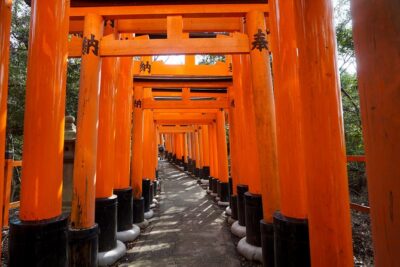
Fushimi Inari Hidden Hiking Tour (Private Option Available)
Read our review →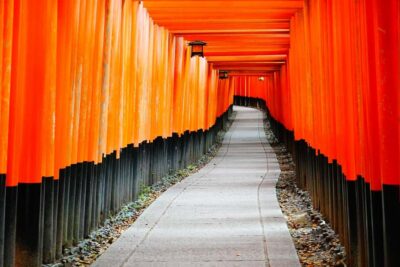
Osaka/Kyoto:Kinkakuji,Arashiyama,FushimiInariShrine,NaraPark
Read our review →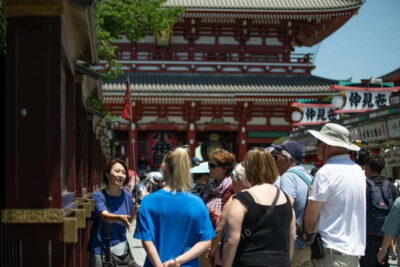
Asakusa Walking Tour with Sensoji Temple Visit
Read our review →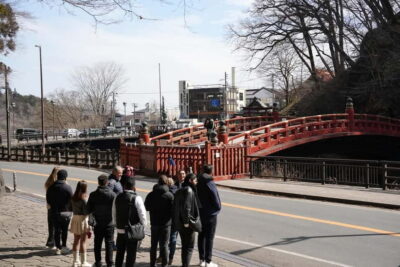
Nikko: Kegon Falls, Lake Chuzenji & Toshogu Temple
Read our review →Browse the lists this tour appears in