
Reviewed · GOVERNMENT-LICENSED GUIDE TOURS
Magome & Tsumago Nakasendo Trail Day Hike with Government-Licensed Guide
Step into old Japan on foot. This six-hour private tour combines an easy 8-kilometer hike with time in two beautifully preserved post towns, Magome and Tsumago. I like the way the route gives you exercise, scenery, and Japanese history without requiring a full trekking holiday.
I also like the personal service. Guides such as Hiroshi, Matt Masatake, Elvis, Yumi, and Kazue have helped make the walk more than a simple transfer between villages. The main catch is practical: public transportation costs extra, and the experience is not offered from December through February because of icy conditions.
In This Review
- Key points at a glance
- Why the Nakasendo route is worth your time
- Starting in Magome, the sloping post town
- Walking the 8-kilometer trail between villages
- Tsumago, the flatter village with a quieter mood
- What the guide adds to the walk
- Price, transport, and what you actually receive
- Who will enjoy this hike most
- Useful planning advice before you book
- Should you book the Magome and Tsumago hike?
- FAQ
- How long does the Magome and Tsumago Nakasendo tour last?
- How far is the hike?
- Is the hike difficult?
- Is this a private tour?
- Is transportation included?
- Are lunch and entrance fees included?
- Is the tour available in winter?
- What language does the guide speak?
- Can I cancel for a full refund?
Key points at a glance
- The walk connects two historic post towns: Magome sits on a slope with valley views, while Tsumago is flatter and especially atmospheric.
- The trail is about 5 miles, or 8 kilometers: It is considered easy, but uneven stone paths and slopes still call for sensible shoes.
- You get a private licensed guide: Only your own group takes part, so the pace and explanations can be adjusted.
- The six-hour timing includes more than hiking: Allow time for village visits, transport, food, and stops along the route.
- Cash is useful: Bus and other public transport costs are not included, nor are lunch, entrance fees, or personal purchases.
- Winter changes the plan: The hike is unavailable from December through February due to icy conditions.
Why the Nakasendo route is worth your time
The Nakasendo was an inland road linking Kyoto and Edo, now Tokyo. In the days of the shoguns, merchants, officials, and noble processions used this route through the Kiso Valley. Today, the surviving post towns offer one of Japan’s clearest chances to walk through a rural setting shaped by that older road system.
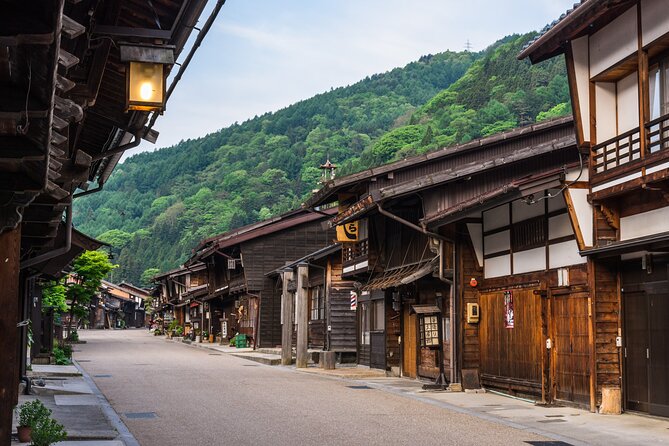
You are not walking a remote wilderness trail. You are moving between preserved villages, forest paths, traditional houses, small museums, tea houses, and viewpoints. That makes the outing a good fit if you want a taste of rural Japan but do not have time for a multi-day trek.
The route also works well with a guide because the physical path tells only part of the story. A government-licensed English-speaking guide can explain why the villages look different, how the old inns operated, and what you are seeing inside buildings such as the Honjin and Wakihonjin.
The experience has a strong record, with a 4.8 rating from 38 reviews and 97 percent recommending it. That does not mean every moment will suit everyone. A private guide cannot remove the hills, the stone footing, or the need to arrange transport, but the personal attention can make the day far easier to understand and manage.
More licensed guide tours:
- Takayama Half-Day Private Tour with Government Licensed Guide
★ 5.0 · 69 reviews - Tokyo 6hr Private Tour with Government-Licensed Guide
★ 5.0 · 3,902 reviews - Tokyo 4hr Private Tour with Government-Licensed Guide
★ 5.0 · 1,394 reviews
Starting in Magome, the sloping post town
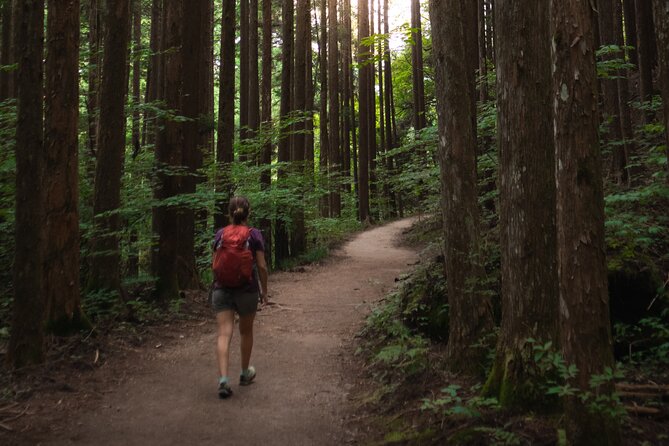
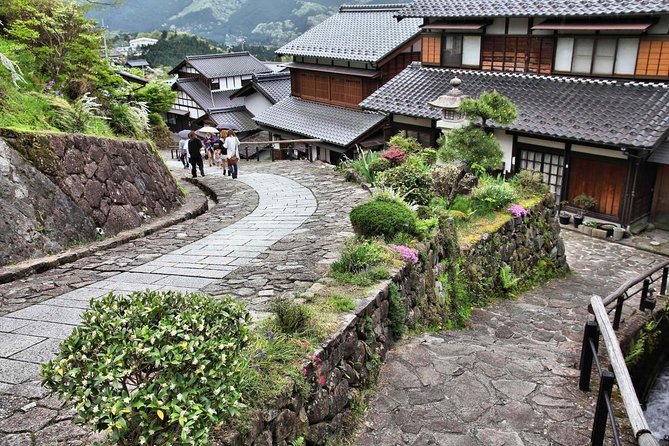
Magome is the more dramatic place to begin. It climbs a slope, and its broad stone walkway is lined with trees, traditional houses, craft shops, restaurants, and small museums. The incline gives the town a pleasing sense of movement, along with views toward the surrounding valley.
This is not a village you simply pass through on the way to the trail. Plan to spend roughly two hours here, including time to look around and get oriented. Your guide can explain how Magome functioned as a post town and point out the ways it has been preserved and restored.
I especially like the contrast between the polished walkway and the small-scale village life around it. The setting feels orderly without being reduced to a theme park. You might find museums devoted to local history, former residents, artists, and traditional ways of living.
Food and drink are part of the pleasure here. The tour information suggests stopping at restaurants near the top of the village for something to eat and a valley view, or visiting the lower part to meet local people and get a different feel for the town. Lunch is not included, so this is one place where you should carry cash and decide with your guide how much time to spend.
The slope is also your first reminder that easy does not mean completely flat. If you dislike uphill walking, Magome may require a little patience before the trail settles into its rhythm.
Walking the 8-kilometer trail between villages
The central walk takes about two hours, although the overall experience lasts around six hours. That difference matters. The day includes village visits, explanations, rest stops, food possibilities, and public transportation, so do not treat it as a two-hour appointment.
The path is roughly 5 miles, or 8 kilometers. It is described as an easy hike, and several guides have helped people complete it comfortably at an amateur level. Still, the route includes old stone paving and uneven surfaces. One Japanese-language review made a useful point: the historic stones can be hard to walk on, especially when you are trying to keep pace with a group.
A private format helps here. Your guide can slow down, explain things at the back, and allow time for photographs. That said, you should speak up if you need a pause. One participant felt that explanations sometimes finished before the slowest person arrived, so the best approach is to tell your guide at the start that you want the group to stay together.
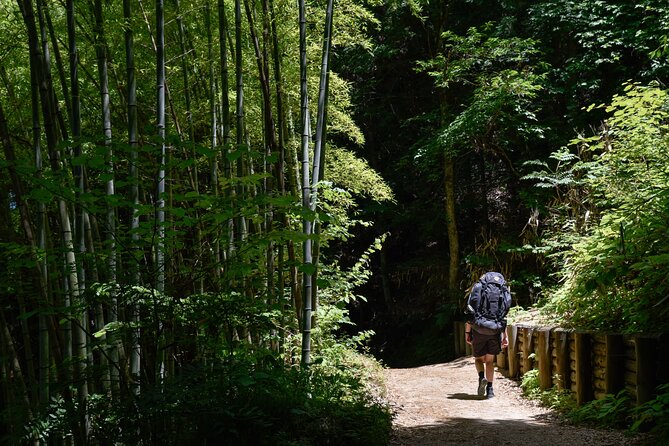
Along the route, expect forest scenery, traditional structures, and plenty of photo opportunities. The trail is attractive in different seasons. Spring may bring cherry blossoms, while autumn can offer colorful leaves and distinctive displays of dried persimmons hanging outside houses.
One stop mentioned in the feedback is a historic tea house, where a bento lunch was enjoyed. Other guide-led outings have included soba and a visit to a Wakihonjin museum. These details show the benefit of a private guide, but they should not be treated as guaranteed inclusions. Lunch, entry fees, and personal expenses are not covered in the price.
A waterfall viewpoint has also been part of at least one outing. Conditions can affect what you see, and one person found that trees blocked the view. Keep your expectations flexible. The old road, forests, villages, and conversation with your guide are the reliable parts of the day.
Tsumago, the flatter village with a quieter mood
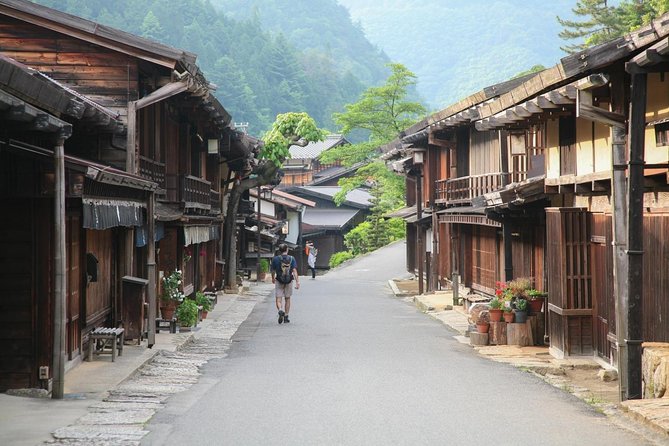
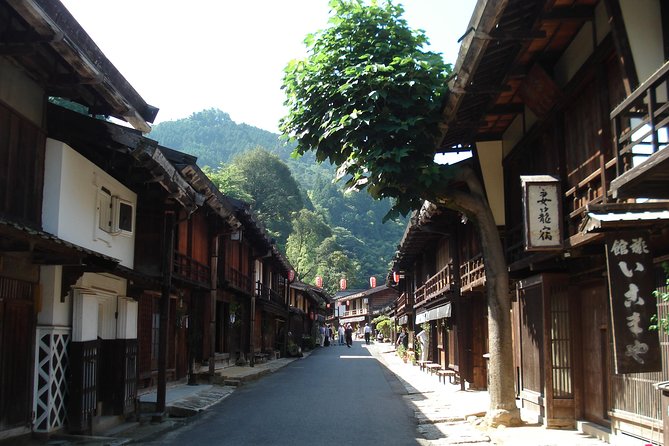
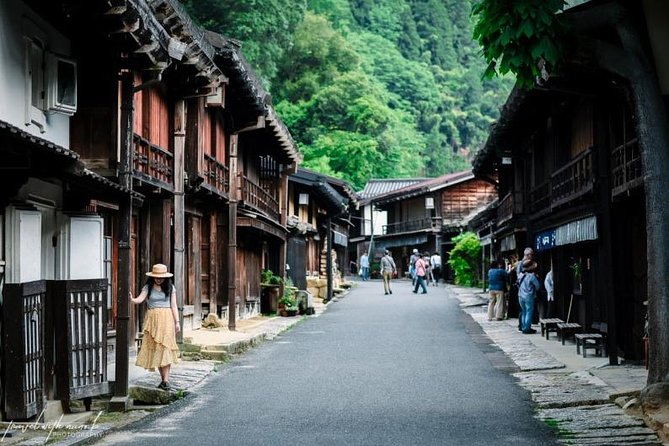
Tsumago feels different from Magome. It is almost flat, with unpaved streets, traditional buildings, and concealed utility cables that help preserve its old appearance. The village was one of Japan’s earliest major preservation projects, and its careful appearance is a key part of the visit.
The town includes several important buildings. The Honjin was the main inn for high-ranking travelers using the Nakasendo. The Wakihonjin served as a secondary inn. You can also see an old notice board once used to post decrees from the shogun, along with a Buddhist temple dating to the 16th century.
Tsumago rewards slow looking. Its charm comes from small details: wooden facades, quiet lanes, old inns, and the lack of modern wires overhead. Compared with Magome, it feels less like a hill town and more like a preserved street scene.
The supplied description suggests that Tsumago is most atmospheric at night, when lanterns are lit and the streets become quiet. The day tour does not promise an evening visit, so you should not book this hike expecting a guaranteed nighttime experience. Still, knowing this may help you plan extra time in the area if your wider itinerary allows it.
The village can also feel more subdued than Magome. If you want shops, food, and views, Magome may hold your attention longer. If you want old buildings and a calm atmosphere, Tsumago is likely to be the stronger finish.
A few more Takayama experiences worth weighing up
- Fushimi Inari Hidden Hiking Tour (Private Option Available)
★ 5.0 · 1,750 reviews - Kyoto: 3-Hour Fushimi Inari Shrine Hidden Hiking Tour
★ 4.9 · 270 reviews - Hiroshima Local guided Hiking Tour&Open-air Tea Ceremony
★ 5.0 · 213 reviews - Hiking the Historic Nakasendo Trail [1 Day Tour from Nagoya]
★ 5.0 · 104 reviews
What the guide adds to the walk
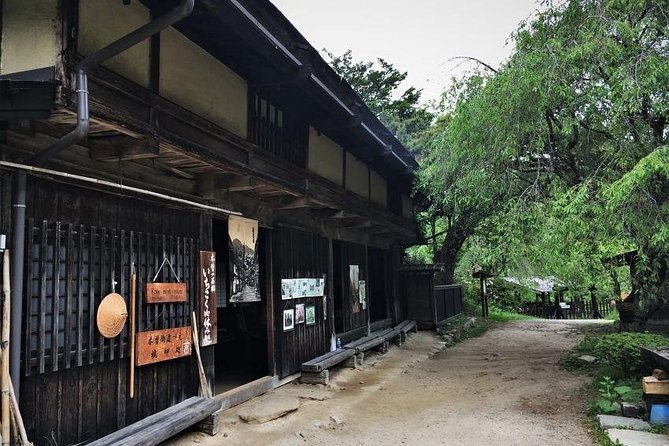
The guide is the main reason to choose this experience instead of walking independently. The route is popular enough that many people manage it on their own, but the old road becomes more meaningful when someone explains what happened here and why the villages were preserved.
Hiroshi received praise for giving a history briefing before the walk and for speaking clear English after living in the United States. He also helped with practical matters during the day. Matt Masatake was praised for his preparation, communication, and willingness to adjust the plan. On one outing, he offered a longer walk instead of taking the bus from Tsumago to Nagiso.
Other guides brought different strengths. Elvis was appreciated for navigating the route and helping with onward travel. Yumi was described as patient and enthusiastic, while Kazue made the hike feel friendly and personal. These individual touches matter on a private tour because you spend much of the day with one person.
A guide can also arrange or suggest food stops, such as soba or a bento eaten at an old public tea house. Again, these are examples of how the day may be customized, not items included in the listed price.
The main thing you should request is a pace that suits everyone in your group. Ask for explanations at each major stop, not only at the front of the group. A private experience should make that conversation easy.
Price, transport, and what you actually receive
At $155.22 per person, this is not the cheapest way to walk the Nakasendo. The price makes more sense if you value a private licensed guide, clear English explanations, help with route-finding, and the chance to adjust the day to your interests.
You are paying for the guide’s time and attention, not a private vehicle or a fully packaged day. Transportation fees are extra, and you need cash for public buses or other public transport. Lunch, admission fees, and personal expenses are also separate.
This is important when you compare the price with a self-guided outing. Walking independently may cost less, but you will need to manage the route, transportation, timing, and interpretation yourself. The private tour is strongest for people who want to understand what they are seeing or who prefer not to worry about getting lost in the Japanese Alps.
The experience allows group discounts, but multiple separate tour groups cannot be combined. Only your own party participates, which keeps the day personal.
Pickup is on foot at a designated meeting point. There is no private vehicle, and the tour does not collect you by car. Confirm the meeting details carefully and allow enough time to reach the starting point by train or other public transport.
Who will enjoy this hike most
I would recommend this outing if you want a moderate walk through rural Japan but have only one day. It suits couples, families, and small groups who prefer a private guide rather than a large coach tour.
It is also a good match for people interested in Japanese history, old roads, architecture, and village preservation. You do not need to be a serious hiker, but you should be comfortable walking about 8 kilometers on uneven stone paths and slopes.
You may want a different arrangement if you need a completely flat route, a vehicle throughout the day, or a winter visit. From December through February, icy conditions mean this hike is not available. A separate full-day private trip is suggested for winter visits, using buses instead of walking.
The tour is less suitable if you want a fast, tightly scheduled sightseeing day. Magome and Tsumago deserve pauses, and the best parts of the experience may come from conversations, food stops, and small historic buildings rather than a checklist of major sights.
Useful planning advice before you book
Wear shoes with a firm grip. The route is easy by hiking standards, but old stone paving can be slippery or tiring, particularly if wet.
Bring cash. You may need it for public transport, food, admission charges, and small purchases in the villages. None of those costs are covered in the base price.
Tell the guide your preferred pace and interests. If you care most about architecture, ask for more detail at the Honjin and Wakihonjin. If you want food, ask about soba, bento, or a tea house. If you prefer photographs, allow time at Magome’s upper village and along the trail.
Check the seasonal conditions before booking. The experience is unavailable in the icy winter period from December through February, and weather can affect viewpoints and trail comfort at other times.
Cancellation is free if you cancel at least 24 hours before the start time. Changes or cancellations made less than 24 hours in advance are not accepted for a refund.
Should you book the Magome and Tsumago hike?
Book it if you want a private, guided introduction to the Nakasendo and can handle a moderate day of walking. The strongest reasons are the licensed English-speaking guide, the chance to ask questions all day, and the combination of two very different post towns.
I would book it especially for a first visit to the Kiso Valley or for anyone who wants context rather than just scenery. The extra cost is reasonable when route-finding, transport advice, village interpretation, and a flexible pace are important to you.
Skip it if you want a fully inclusive package with transport and lunch already paid for, or if an 8-kilometer walk on uneven ground sounds unpleasant. For most people who want an active and meaningful day in rural Japan, though, this is a well-balanced choice. Just carry cash, wear good shoes, and ask your guide to keep explanations paced for everyone in your group.
FAQ
How long does the Magome and Tsumago Nakasendo tour last?
The experience lasts approximately six hours. The walk itself takes around two hours, with the remaining time used for village visits, stops, explanations, and transportation.
How far is the hike?
The hike is approximately 5 miles, or 8 kilometers, between Magome and Tsumago.
Is the hike difficult?
It is described as an easy hike suitable for people who want activity without a demanding trek. You should still expect slopes and uneven stone paths.
Is this a private tour?
Yes. Only your own group participates, and separate tour groups cannot be combined.
Is transportation included?
No. Public transportation fees are extra, and there is no private vehicle. Pickup is on foot at a designated meeting point.
Are lunch and entrance fees included?
No. Lunch, entrance fees, transportation, and other personal expenses are not included. Guide entry fees are covered only for sights specifically listed as included.
Is the tour available in winter?
The hiking tour is not available from December through February because of icy conditions. A separate full-day private trip using buses is suggested for winter visits.
What language does the guide speak?
The experience includes a licensed local English-speaking guide.
Can I cancel for a full refund?
Yes, if you cancel at least 24 hours before the experience start time. Cancellations or changes made less than 24 hours before the start are not refunded.
Just added around Takayama
- Japanese Cooking Class with Local Family in Takayama Old Town★ 5.0 · 40 reviews
- From Takayama: Shinhotaka Ropeway and Kamikochi tour★ 4.8 · 42 reviews
- Shuriken Experience in Takayama★ 5.0 · 46 reviews
- Shirakawa-go UNESCO Half-Day Tour from Takayama★ 4.6 · 47 reviews
- Hida Takayama, Shirakawa-go+Observatory|Day Trip from Nagoya★ 4.3 · 47 reviews
- Takayama Old Town Walking Tour with Local Guide★ 4.5 · 50 reviews
- Private group Local Food Tour in Takayama★ 5.0 · 59 reviews
- Takayama: Authentic Sake Tasting at a Historic Brewery★ 5.0 · 65 reviews
Government-Licensed Guide Tours, compared.

Tokyo 6hr Private Tour with Government-Licensed Guide
Read our review →
Tokyo 4hr Private Tour with Government-Licensed Guide
Read our review →
Kyoto 6hr Private Tour with Government-Licensed Guide
Read our review →
Hiroshima / Miyajima Full-day Private Tour with Government Licensed Guide
Read our review →
Kyoto 4hr Private Tour with Government-Licensed Guide
Read our review →
Hiroshima City 4hr Private Walking Tour with Licensed Guide
Read our review →
Private Kyoto Tour with Licensed Guide & Vehicle (Max 15 persons)
Read our review →Browse the lists this tour appears in