
Reviewed · TEMPLE & SHRINE TOURS
Kyoto: 3-Hour Fushimi Inari Shrine Hidden Hiking Tour
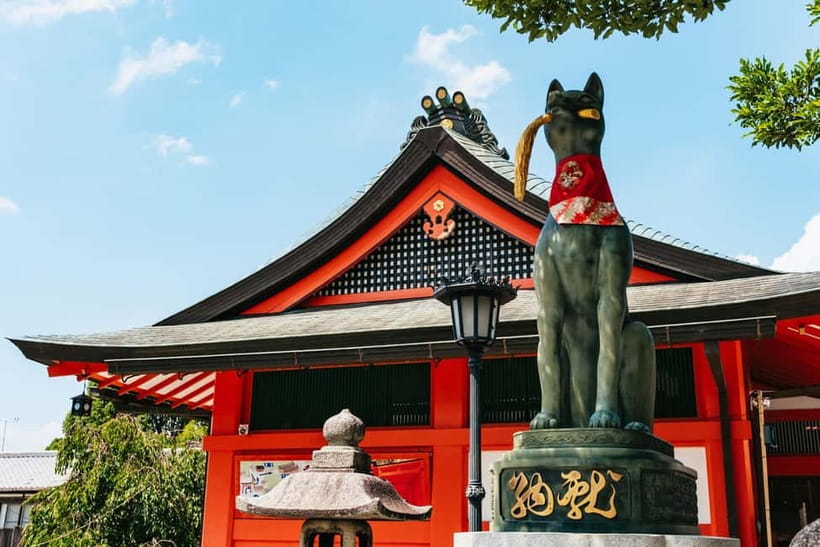
The quiet side of Fushimi Inari is worth the climb. This three-hour hike leads you from Tofukuji Station through quiet lanes, forest paths, bamboo groves, small altars, and the famous red torii gates, often with few people around. I especially like the back-trail route and the chance to reach Fushimi Inari from above rather than joining the usual crowd at the main entrance.
The included photos are another welcome touch, and guides such as Hina, Naru, Shiori, and Yukari have been praised for explaining Shinto customs and helping with respectful shrine visits. The catch is simple: this is a real hike of about 7 kilometers, with stairs, uneven ground, and some steep sections. It is not a gentle stroll, and rain can make the trails muddy or slippery.
In This Review
- Five things to know before you book
- Why this route changes the Fushimi Inari experience
- From Tofukuji Station to Tofukuji Temple
- The first forest trail and its bamboo grove
- Joining the vermilion torii gates
- Reaching Mount Inari and its hillside altars
- The downhill forest path and second bamboo grove
- Arriving at Fushimi Inari’s famous lower shrine
- How much value do you get for $72?
- Who should book this three-hour hike?
- Should you book the Fushimi Inari Hidden Hiking Tour?
- FAQ
- How long is the Fushimi Inari Hidden Hiking Tour?
- Where does the tour meet?
- Which trains can I take to Tofukuji Station?
- Is this tour a simple walk?
- How large is the group?
- What language is the tour offered in?
- What should I wear and bring?
- Is the tour suitable for children?
- What happens if it rains?
Five things to know before you book
- The route begins at Tofukuji Station: You start outside the busiest Fushimi Inari entrance, in a quieter part of southern Kyoto.
- About half the walk uses forest trails: Expect shade, bamboo, evergreens, uneven paths, and fewer people than on the main torii route.
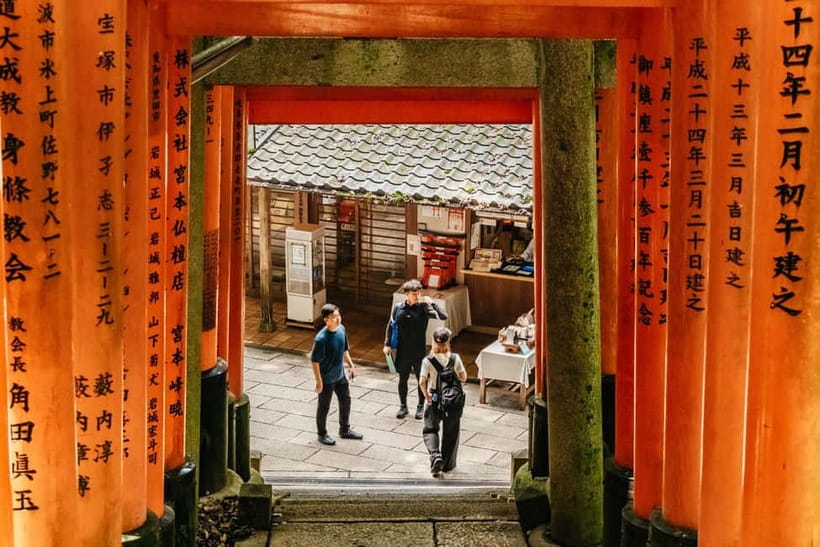
- You still see the famous sights: The hike reaches Mount Inari, its shrine altars, thousands of vermilion torii gates, and the main shrine at the mountain’s base.
- The hike is moderate, not easy: The total distance is about 7 kilometers, with stairs and hills. One participant counted roughly 50 flights of climbing.
- Small groups make a difference: Groups can be limited to nine people, with private options available, and the guide takes photos during the walk.
Why this route changes the Fushimi Inari experience
Fushimi Inari Taisha is one of Kyoto’s most recognizable sights. Its long rows of orange-red torii gates climb Mount Inari, attracting large crowds to the lower paths, especially around the best-known photo spots.
This tour approaches the shrine in a different way. You meet outside FamilyMart Nakai Tofukuji, next to Exit 2 at Tofukuji Station, then walk through a quiet neighborhood toward the mountain. That opening matters. Instead of starting in a crush of visitors, you get time to settle into the area and see smaller shrines before the famous gates appear.
I like this gradual approach. Fushimi Inari can feel like a single postcard scene if you only visit the lower torii tunnels. The back route gives you a better sense of the mountain as a sacred place, with scattered altars, forest, bamboo, and paths that are easy to miss on your own.
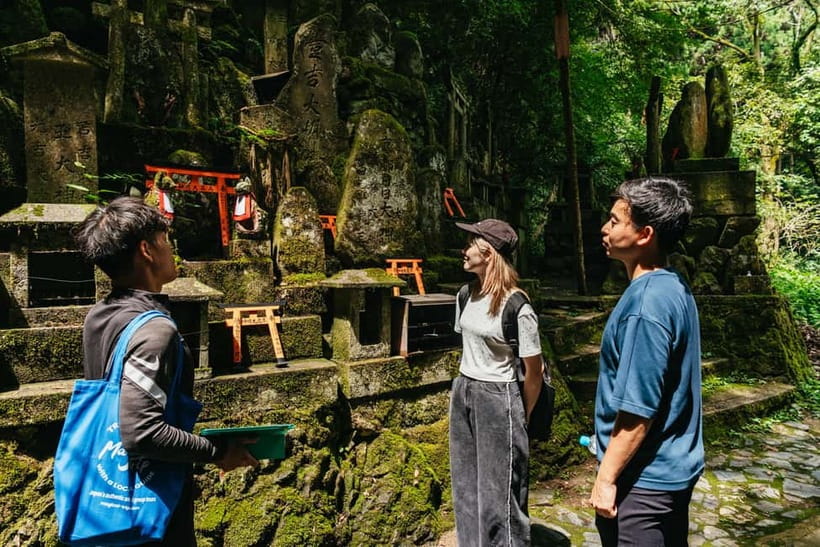
The guide also adds useful context. Several guides, including Jimmy, Hina, Naru, and Matthew, have been praised for explaining shrine customs, Shinto beliefs, offerings, amulets, and how to pass through torii gates respectfully. That turns the walk from a photo stop into a cultural visit.
More Temple & Shrine Tours in Kyoto
- Kyoto: Fushimi Inari, Kinkakuji, Bamboo Grove 1 Day Bus Tour
★ 4.8 · 4,316 reviews - Kyoto: Tea Ceremony in a Traditional Tea House in Kiyomizu
★ 4.9 · 3,519 reviews - Kyoto: Tea Ceremony Ju-An at Jotokuji Temple
★ 4.9 · 3,207 reviews
From Tofukuji Station to Tofukuji Temple
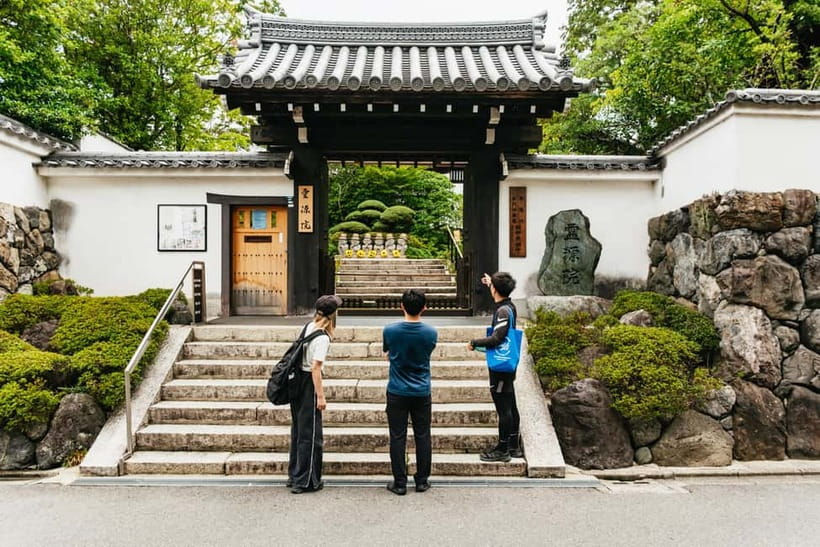
The meeting point is easy to identify: FamilyMart Nakai Tofukuji, outside Tofukuji Station Exit 2. The first stop is Tofukuji Temple, where you spend about 10 minutes.
The temple visit is brief rather than a full temple tour. Think of it as an introduction to the area before the forest walk begins. You pass from the station district into a quieter setting, then continue toward Mount Inari.
For train access, the JR line accepts both local and rapid trains to Tofukuji. On the Keihan line, use a sub-express, semi-express, or local train. Do not take an express train on that line, according to the meeting instructions.
The tour returns to the same FamilyMart meeting point, so you do not need to arrange transport from a remote finish. The description also says the walk ends at the main shrine at the base of the mountain, followed by a return to the starting area. That makes the transport details worth confirming when you book, especially if you plan to continue directly to another Kyoto sight.
The first forest trail and its bamboo grove
After the opening temple stop, the route leaves the ordinary paved approach and reaches a forest trail. This is where the tour earns its keep.
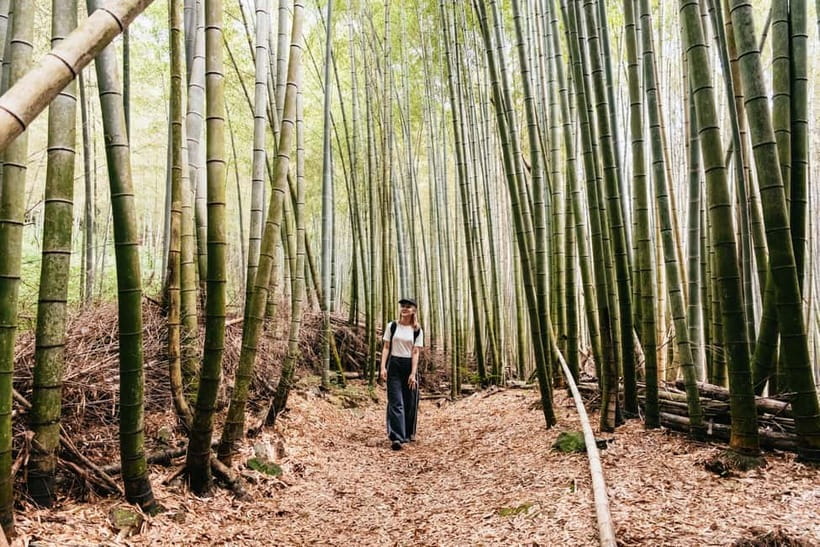
You walk through bamboo and evergreen trees, away from the main stream of people. The quiet is not guaranteed every minute, but the first half is designed to avoid the busiest paths. A small group from one outing reported seeing almost nobody on the early trail, while another described the opening section as quiet until the route reached the popular shrine area.
The bamboo grove is smaller and less famous than Arashiyama’s major grove, but that is part of its appeal. You are not being brought to another packed photo line. Instead, you get a peaceful woodland setting, with the guide pointing out the route and taking pictures at scenic places.
The forest also provides shade. About half of the tour takes place under trees, so you are not in direct sunlight for the entire climb. That helps in warm weather, though it does not remove the need for water and suitable clothing. Mountain insects, including mosquitoes, are possible, so long sleeves and long pants are strongly recommended.
This section can feel more demanding than the word hidden suggests. The paths may be rocky, uneven, or steep, and recent rain can leave them muddy. Wear shoes with a firm grip. The supplied information does not specify a shoe requirement, but the reports of slippery and muddy sections make sturdy footwear sensible.
Joining the vermilion torii gates
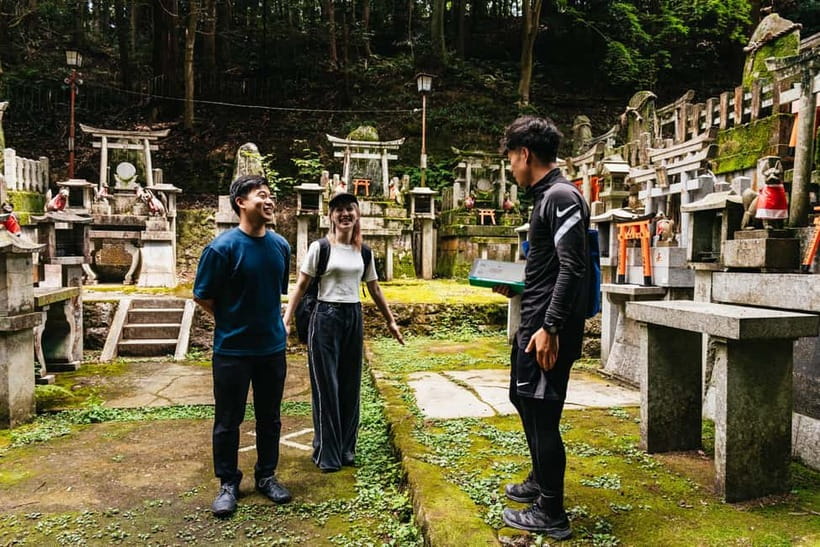
The forest path eventually connects with the main Fushimi Inari route. Here you encounter the sight most people came to see: rows of vermilion torii gates climbing the mountain.
The timing is clever. You reach the famous route after experiencing the quiet side of the shrine, so the busier section feels like a change of pace rather than the whole visit. You still get the classic photographs beneath the gates, while your guide can help you find good angles and take pictures for you.
Crowds increase as you descend toward the lower shrine. That is an important expectation to set. The tour reduces crowd exposure, but it cannot make the most famous part of Fushimi Inari empty. Several accounts describe the path as nearly vacant early on, then progressively busier near the main entrance.
The guide can also explain why torii gates appear throughout the shrine grounds and how visitors should behave at Shinto sites. Those small instructions are useful. You learn where to pause, how to make an offering, and what the different charms or amulets represent, rather than treating the shrine as a film set.
A completely different kind of day out in Kyoto:
- PERFECT KYOTO 1-Day Bus Tour
★ 5.0 · 13,518 reviews - Kyoto Geisha Walking Tour: Gion District & Hidden Gems
★ 4.7 · 3,273 reviews - Kyoto: Gion Magical Night Walking Tour with Geisha Trivia
★ 4.9 · 2,393 reviews - Kyoto: 45-Minute Tea Ceremony Lesson Experience
★ 4.3 · 2,378 reviews
Reaching Mount Inari and its hillside altars
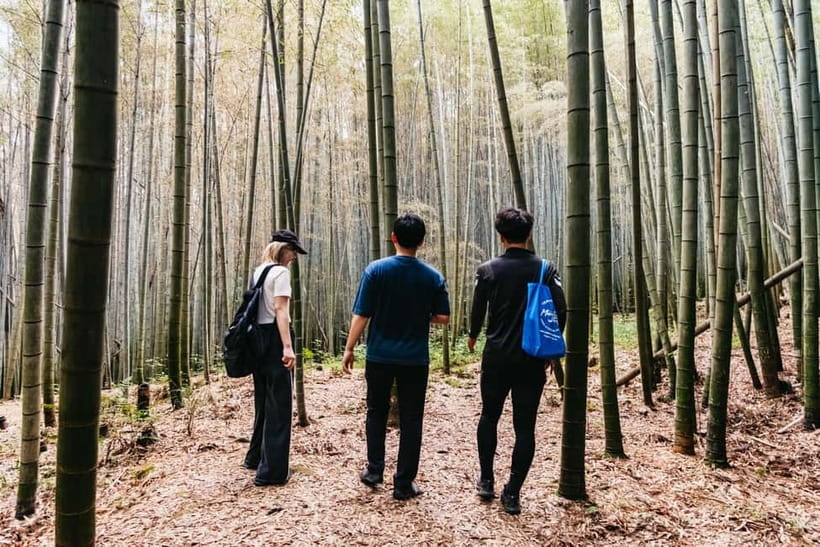
The route continues toward the summit of Mount Inari. The mountain is covered with small shrine altars and religious markers, giving this part a more personal feel than the broad lower approach.
This is also where the physical work becomes clear. The complete route is approximately 7 kilometers, and the tour includes both uphill and downhill sections. One participant described counting around 50 flights of stairs, while others called the outing moderate but challenging.
The guide schedules regular stops, and extra breaks can be requested. That makes the hike manageable for someone in reasonable condition, but you should not book it if you have trouble walking or are not used to sustained hills and stairs.
I would be cautious about describing this as easy. Some people found it fun and satisfying, with enough effort to feel like an achievement. Others emphasized that it was much more of a hike than expected. Your experience will depend on fitness, weather, footwear, and how comfortably you handle uneven mountain paths.
The summit section rewards the effort with a fuller view of Fushimi Inari’s religious setting. Rather than seeing only the famous gates, you pass altars tucked into the mountain and learn how the shrine extends beyond its most photographed corridors.
The downhill forest path and second bamboo grove
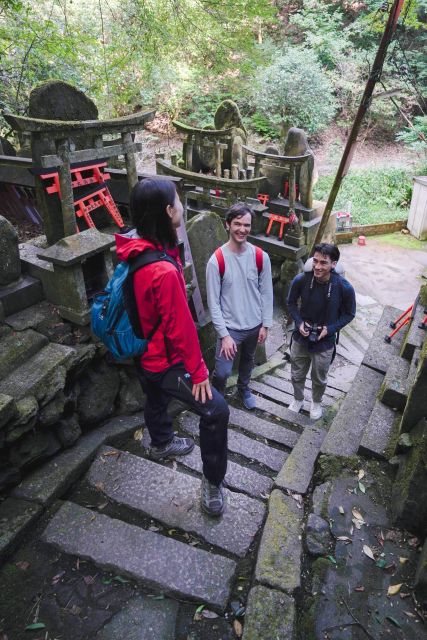
The return journey uses a forested trail rather than simply retracing the main route. You pass more small shrines and eventually reach another bamboo grove.
This downhill section offers a different rhythm. Going down can be less tiring than climbing, but uneven ground and wet stones require attention. Rain does not necessarily ruin the experience, but it can make the route muddy and slippery. The tour may be canceled in extreme weather, and you can cancel because of rain if you are not prepared.
The second bamboo area helps keep the walk varied. You move between trees, torii gates, small religious sites, and open stretches of the mountain route. That variety is one reason this outing feels more substantial than a standard shrine visit.
The guides receive especially strong praise for the human side of the walk. Naru has been noted for taking careful photos and staying enthusiastic on a route he has done many times. Hina has been praised for patience with children and for answering questions. Shiori, Yukari, and Yuto have also been singled out for friendly, attentive guiding.
Guide quality can vary in English. Most of the available comments describe clear cultural explanations, but one person found their guide’s English very limited, with only brief explanations. If detailed conversation is a major reason you are booking, keep that possibility in mind.
Arriving at Fushimi Inari’s famous lower shrine
The final approach brings you to the most recognizable part of Fushimi Inari, near the main shrine at the mountain’s base. This is the place for the classic photos, but it is also where the crowds are most likely to gather.
The contrast is useful. You start with quiet lanes and forest, reach the torii gates from the less-used side, then finish where the shrine feels most public and busy. You get both sides of Fushimi Inari in a single morning or afternoon.
The tour ends with the option to enjoy local street food near the shrine before continuing around Kyoto. Food is not included, so carry money for anything you want to eat or drink. The activity includes the guide and photos, but additional food and beverages are your responsibility.
Do not bring luggage or large bags. A small day bag is the practical choice, though the supplied information specifically warns against large luggage. Keep your load light, especially for the stairs and rougher paths.
How much value do you get for $72?
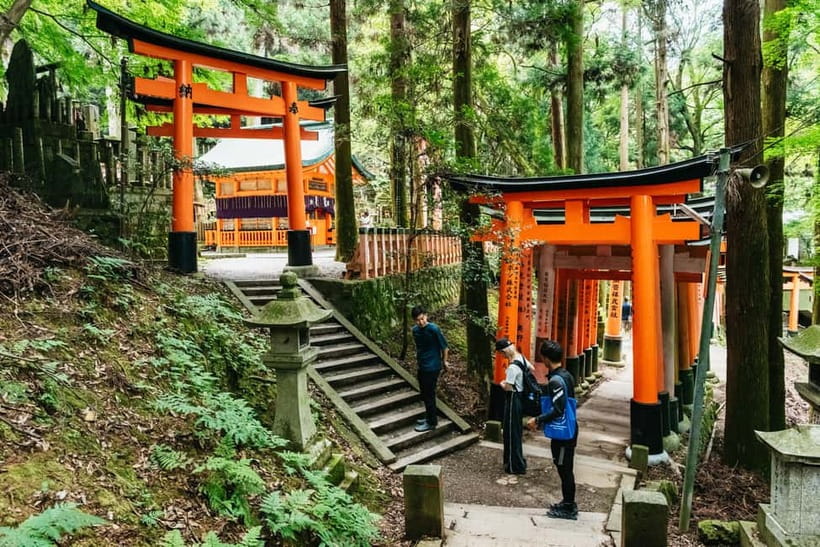
At $72 per person, this is not the cheapest way to see Fushimi Inari. You can visit the shrine without a guide and walk the main route for no tour fee.
The price makes more sense if you value the route and the interpretation. You are paying for three hours with a local English-speaking guide, a small group of up to nine people, access to forest paths that are harder to follow alone, cultural explanations, and photos taken during the walk.
For a first visit to Kyoto, that combination can be worthwhile. The route helps you avoid spending your limited time in the busiest lower section, and the guide gives meaning to customs that are easy to miss. The private or small-group format also allows for questions and extra stops.
The value is weaker if you only want a quick look at the torii gates. In that case, an independent visit will be cheaper and less demanding. This outing earns its price through the hiking experience, not through simple access to the shrine.
Who should book this three-hour hike?
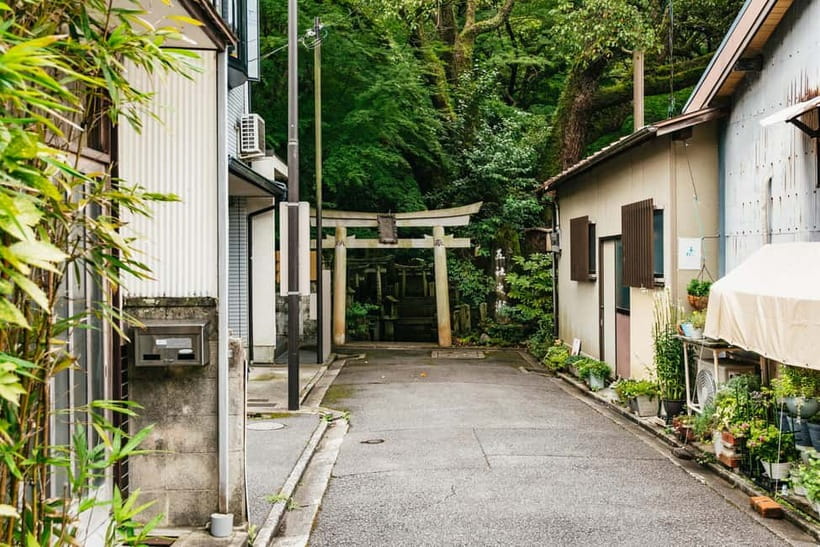
I would choose this tour if you want nature, exercise, and culture in one outing. It suits people who are comfortable walking about 7 kilometers, climbing stairs, and moving over unpaved or rocky paths.
It is also a good fit if you have already seen Kyoto’s major temples and want a less predictable route. Families with older children can enjoy it, and one family with children aged 10 and 13 completed the walk successfully. Children under eight are not suitable, and younger than eight requires parent or guardian permission before booking.
I would skip it if you have limited mobility, walking difficulties, or little tolerance for hills. This is not a relaxing stroll through a bamboo grove. It is a mountain hike with regular pauses.
Dress for the conditions. Long sleeves and long pants help with insects and brush. Bring water, wear shoes suited to uneven ground, and be ready for mud after rain. There is shade for much of the route, but Kyoto’s heat and humidity can still make the climb tiring.
The tour is available in English, with private and small-group options. It lasts three hours, and start times depend on availability. You can cancel or reschedule up to 24 hours before the start time, with a full refund for timely cancellations.
Should you book the Fushimi Inari Hidden Hiking Tour?
Book it if you want Fushimi Inari beyond the postcard. The bamboo groves, forest altars, quiet approach, and summit route provide a fuller visit than the lower torii gates alone.
Skip it if your priority is a short, flat shrine stop or if you are not in reasonable walking condition. For active visitors, the $72 price is fair because it buys a carefully led route, cultural guidance, a small group, and photos in places you might not find easily on your own. The strongest reason to go is simple: you see the famous shrine without letting the crowds define the whole experience.
FAQ
How long is the Fushimi Inari Hidden Hiking Tour?
The tour lasts three hours and covers approximately 7 kilometers.
Where does the tour meet?
It meets outside FamilyMart Nakai Tofukuji, next to Tofukuji Station Exit 2.
Which trains can I take to Tofukuji Station?
On the JR line, both rapid and local trains can be used. On the Keihan line, use sub-express, semi-express, or local trains. Do not use an express train on the Keihan line.
Is this tour a simple walk?
No. It is a moderate mountain hike with stairs, uneven paths, and some steep sections. Regular stops are provided, and you can request additional stops.
How large is the group?
The small-group experience accommodates up to nine people. Private groups are also available.
What language is the tour offered in?
The live tour guide service is offered in English.
What should I wear and bring?
Wear a long-sleeved shirt and long pants because mosquitoes and other bugs may be present. Suitable walking shoes and a light bag are sensible, but large bags and luggage are not allowed.
Is the tour suitable for children?
Children under eight are not suitable for the tour. Children younger than eight require permission from a parent or guardian before booking.
What happens if it rains?
The tour can be canceled during extreme weather. You may also cancel because of rain if you are not prepared. For a full refund, cancel at least 24 hours before the starting time.
More 3-Hour Experiences
- 3-Hour Kyoto Insider Sake Brewery Tour with Tastings & Pairings
★ 5.0 · 917 reviews - Kyoto Imperial Palace & Nijo Castle Guided Walking Tour – 3 Hours
★ 4.5 · 106 reviews - Tokyo Top Highlights 3h Guided E-bike Tour
★ 5.0 · 714 reviews - 3h Tokyo E-Bike Tour: Hidden Gems, and Local Life with guide
★ 5.0 · 670 reviews
More Hiking & Trekking
- Fushimi Inari Hidden Hiking Tour (Private Option Available)
★ 5.0 · 1,750 reviews - Kyoto Hiking Tour: The Nature and Legends of Kurama and Kibune
★ 5.0 · 75 reviews - Kyoto: Hike and Hot Springs in Kurama
★ 5.0 · 49 reviews - Hiroshima Local guided Hiking Tour&Open-air Tea Ceremony
★ 5.0 · 213 reviews
Just added around Kyoto
- Kyoto: Gion Night Walking Tour with Geisha Insight★ 5.0 · 39 reviews
- Kyoto: Private Customizable Day Trip by Car★ 5.0 · 38 reviews
- Kyoto: Full Day Bike Tour★ 4.9 · 39 reviews
- Private Japanese Calligraphy in Kyoto – Learn Shodō with a Master★ 5.0 · 39 reviews
- Kyoto: Gion Evening Walk with Hidden Gems, Geisha & Sake★ 5.0 · 41 reviews
- Experience a tea ceremony in an authentic tearoom, in Kyoto!★ 4.5 · 41 reviews
- Kyoto Private Photo Shoot & Tour by SnapKyoto★ 5.0 · 41 reviews
- The Way of Tea: Kyoto Crafts, Hidden Temples & Wabi-Sabi Walk★ 5.0 · 41 reviews
Temple & Shrine Tours, compared.

Fushimi Inari, Kinkakuji, Bamboo Grove 1 Day Bus Tour
Read our review →
Tea Ceremony in a Traditional Tea House in Kiyomizu
Read our review →

Meiji Shrine, Asakusa, Skytree Bus Tour and Cruise
Read our review →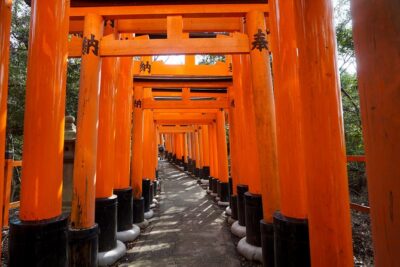
Fushimi Inari Hidden Hiking Tour (Private Option Available)
Read our review →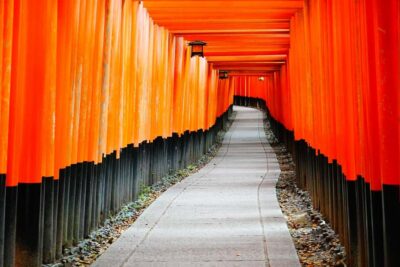
Osaka/Kyoto:Kinkakuji,Arashiyama,FushimiInariShrine,NaraPark
Read our review →
Asakusa Walking Tour with Sensoji Temple Visit
Read our review →
Nikko: Kegon Falls, Lake Chuzenji & Toshogu Temple
Read our review →Browse the lists this tour appears in