
Reviewed · SPA & HOT SPRINGS
Kyoto: Hike and Hot Springs in Kurama
Sacred mountains are closer than you think. This half-day outing carries you from Kyoto’s Demachiyanagi Station into the cedar forests of northern Kyoto, where you’ll visit Kibune Shrine, climb to Kurama Temple, and finish in the village of Kurama. I like the mountain train ride through the gorge and the chance to combine temples, forest, and local legends in one outing. I also like the optional hot spring at the end, especially after the steep climb. The main caution is simple: this is not an easy stroll, and the guide describes it as moderate while several guests found the ascent hard, particularly in summer.
The $80 price covers your guide, temple admission, and transportation during the tour. It does not cover lunch, the hot spring, or your return transportation from Kurama. Guides such as Philippe, Chris, Kevin, and Salome have earned especially warm praise for their local knowledge and friendly manner, though one account raised concerns about guide conduct, so guide quality can vary.
In This Review
- Four details worth knowing before you book
- From Demachiyanagi Station to northern Kyoto
- Kibune Shrine and the start of the trail
- The cedar forest climb to Kurama Temple
- Kurama Temple and the mountain top
- Descending into Kurama village
- Why the Kurama hot spring is worth considering
- Guide quality can shape the whole outing
- Is $80 good value for four hours?
- Who should book this Kurama hike?
- FAQ
- Where does the Kurama hike tour meet?
- How long does the tour last?
- Is transportation included?
- Is lunch included?
- Is the hot spring included in the price?
- Who should not take this tour?
- Should you book the Kurama hike?
Four details worth knowing before you book
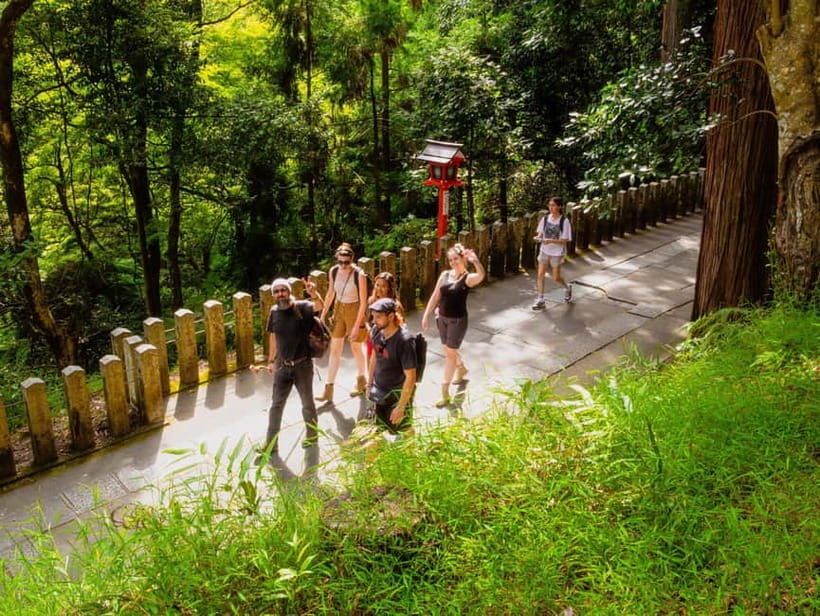
- The climb reaches Kurama Temple in about 30 to 40 minutes, but the many stone steps still require a decent level of fitness.
- The Eizan railway ride is part of the charm, carrying you from Kyoto into a quieter mountain setting.
- Kibune Shrine is linked with prayers for good relationships, giving the outing a personal spiritual touch.
- The Kurama hot spring is optional, costs extra, and is especially appealing after the descent.
- The tour ends in Kurama village, not back at the original meeting point, so you need to plan your return.
- Long pants and sturdy shoes are smart choices, particularly if you want to limit bug bites and handle the forest trail comfortably.
From Demachiyanagi Station to northern Kyoto
Your morning begins at exit 7 of Demachiyanagi Station, in front of the Eizan railway. This is a practical meeting point because the train ride helps turn the outing into a real change of scene, not simply a temple visit reached by city bus.
The Eizan line carries you away from central Kyoto and toward the mountains. The ride through the gorge is one of the pleasant parts of the day, with the city giving way to cedar-covered hills and a more rural setting. It also saves you from arranging the train journey yourself, which adds some value to the $80 cost.
The timing is tight. The whole outing lasts about four hours, and that includes the train ride, the shrine visits, the mountain climb, the temple, and the descent into Kurama. You’ll receive guidance about lunch, bathing, and the train home at the end, but the tour does not include transportation back to Demachiyanagi.
That final detail matters. You can eat in Kurama, stay for the hot spring, stroll around the village, or catch a train back to Kyoto. The flexibility is useful, but you should not expect the guide to escort you back to the original meeting point as part of the four-hour tour.
A few more Kyoto experiences worth weighing up
- Fushimi Inari Hidden Hiking Tour (Private Option Available)
★ 5.0 · 1,750 reviews - Kyoto: 3-Hour Fushimi Inari Shrine Hidden Hiking Tour
★ 4.9 · 270 reviews - Kyoto Hiking Tour: The Nature and Legends of Kurama and Kibune
★ 5.0 · 75 reviews
Kibune Shrine and the start of the trail
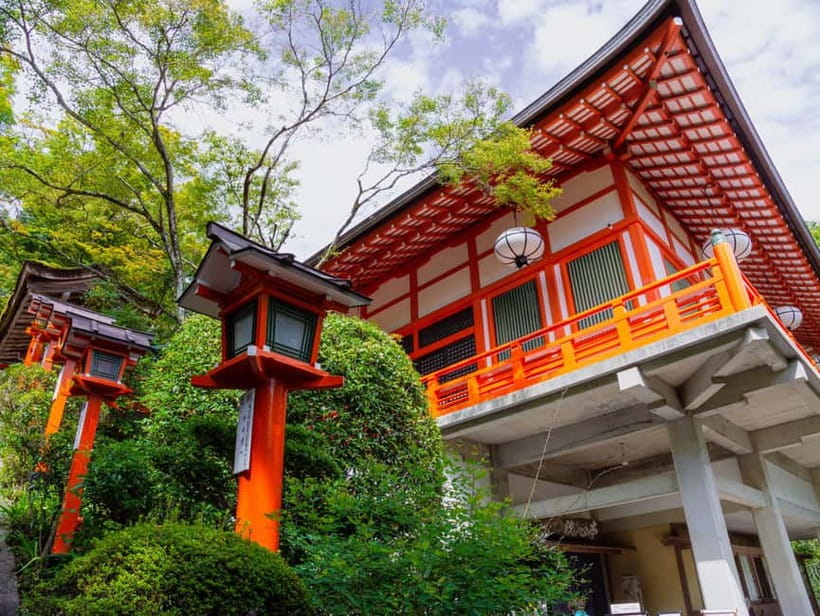
The route begins near a sacred shrine in the mountain area and includes Kibune Shrine, one of the outing’s most appealing cultural stops. The shrine is associated with prayers for good relationships, so you can make a personal prayer before beginning the physical part of the day.
This gives the tour a nice rhythm. You are not simply walking uphill to reach a viewpoint. You first have a quiet shrine visit, then a forest walk, then a temple at the mountain top. The spiritual thread continues through the day without requiring you to share a particular religious belief.
Your guide is an important part of this opening section. The strongest guide reports describe people who explain the deities, customs, stories, and local traditions in a clear, relaxed way. Philippe is repeatedly praised for his warmth and understanding of the area, while Chris and Kevin are also noted for making the cultural details easy to follow.
If you get a guide who enjoys the subject, the shrines become much more than photo stops. You’ll hear about the legends tied to the mountain and gain context for why Kurama is considered a power spot by local people. The quality of that explanation is one reason a small-group or private format can be worthwhile.
The cedar forest climb to Kurama Temple
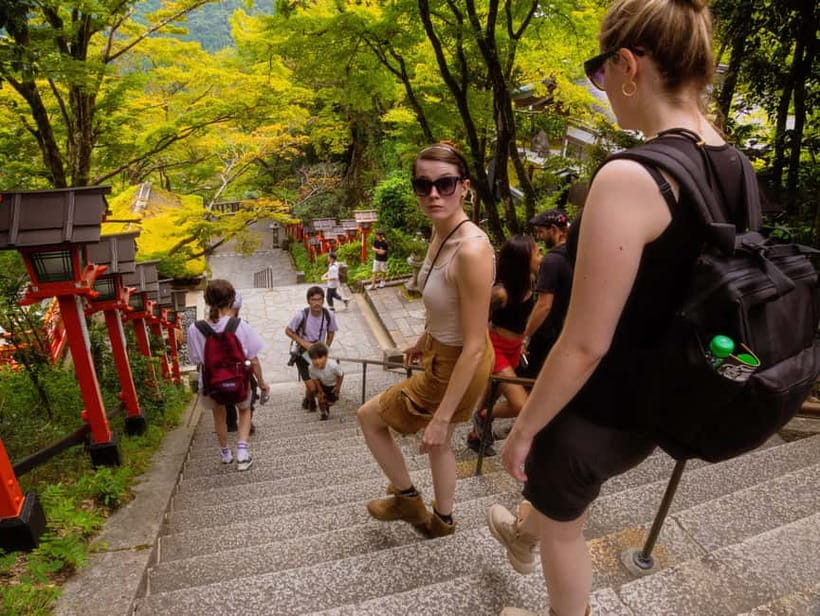
The hike is short enough to fit into a half-day tour, but it is not effortless. The climb to the top usually takes around 30 to 40 minutes, with stone steps and an uphill route through the forest. You need comfortable shoes, water, and enough stamina to climb without rushing.
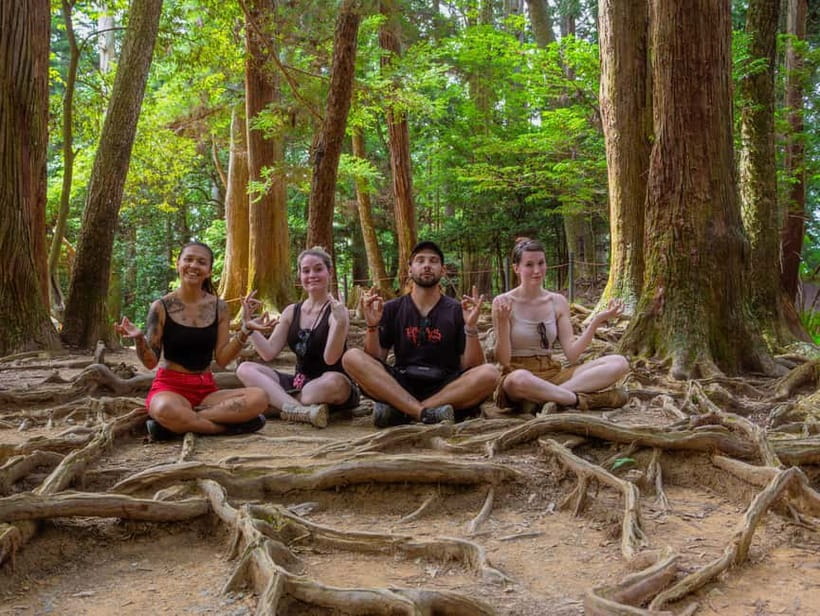
The guide normally allows stops along the way. That is important because the forest itself is part of the attraction. You’ll have time to catch your breath, look at unusual features along the trail, and hear stories connected with the mountain. The crisp air and tall cedars provide a strong contrast to Kyoto’s crowded central sights.
Summer can make the climb feel harder than the distance suggests. One account describes the heat as a major factor, while another says the ascent is better suited to someone with hiking experience. For that reason, I would not book this as a casual family walk or a first attempt at walking in mountain terrain.
Children under 11 are not accepted, and the outing is not suitable for people with mobility impairments or wheelchair users. The description also advises against booking if you have no experience. You do not need to be an athlete, but you should be comfortable with uphill steps and uneven outdoor conditions.
The forest may also bring small insects, so long pants are a sensible choice. Bring water even if the mountain air feels cool at the beginning. A half-day does not mean the physical effort is minor.
Kurama Temple and the mountain top
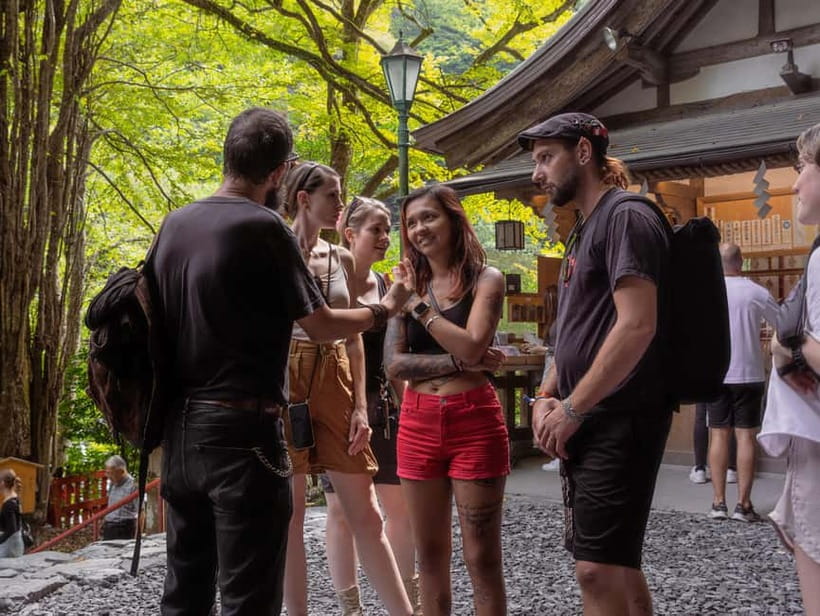
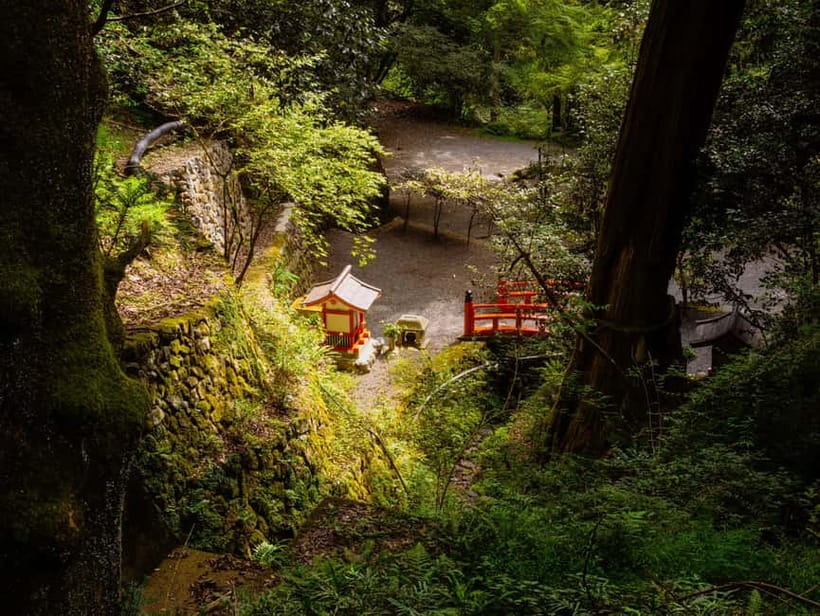
At the top, you’ll visit Kurama Temple and have time to rest after the climb. The temple is treated as a special power spot, and the setting gives the visit a quiet, reflective quality that differs from Kyoto’s large urban temples.
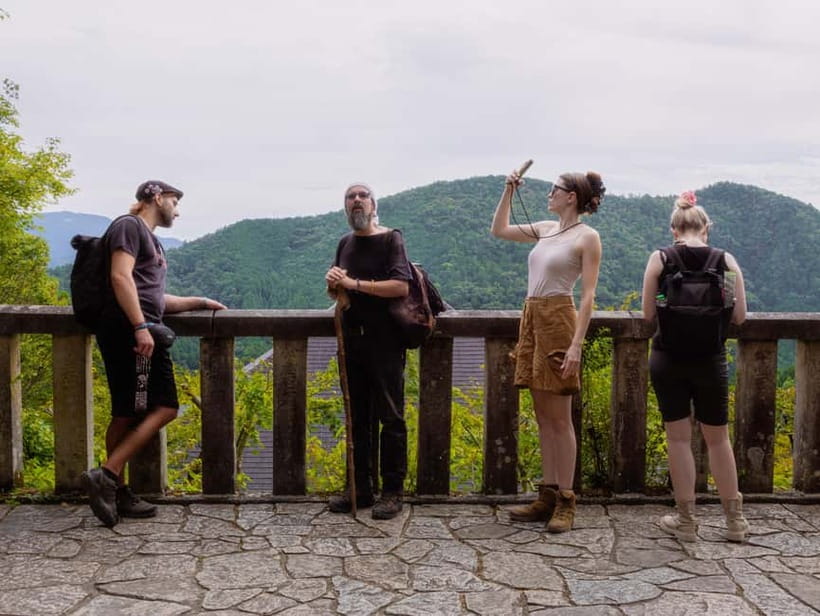
The views down into the valley are a major reward for the ascent. You’ll also have fresh mountain air and a chance to pause before heading back down. Several guides have been praised for finding lesser-known places near the temple, including one unusual visit beneath the temple area and another stop connected with a large bell.
Those details depend on the route and the guide, so you should not treat every extra stop as guaranteed. Still, they show the benefit of going with someone who knows the mountain rather than following a basic route on your own.
Kurama also has an important connection with Reiki, and one guide has been appreciated for pointing out where that practice originated. If you have an interest in Reiki, Japanese spirituality, or sacred mountain traditions, this part of the outing may be especially meaningful.
There is one practical warning. Temple restoration work can sometimes affect what you see. One visit took place while the main temple was covered in scaffolding, though the group could still enter and ring the large bell above the temple. If your main reason for booking is an unobstructed temple photograph, conditions may not cooperate.
More onsen experiences:
- Kyoto: Arashiyama Day Tour with Train, Boat, and Onsen
★ 4.9 · 48 reviews - From Osaka: Himeji Castle, Arima Onsen & Mt. Rokko Day Tour
★ 4.6 · 339 reviews - Osaka: Nara and Uji Day Trip with Deer Park and Hot Spring
★ 4.4 · 302 reviews - From Tokyo: Private Tour to Fuji/Hakone – Onsen, Art, Nature
★ 5.0 · 116 reviews
Descending into Kurama village
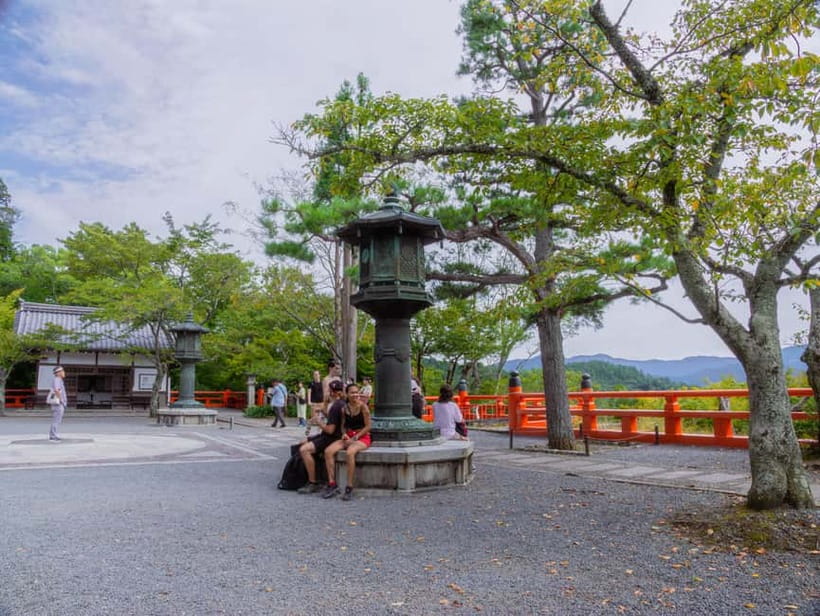
After the temple visit, you’ll follow the steps down toward Kurama village. The descent is easier for many people than the climb, though tired legs can make downhill steps surprisingly demanding. Take your time and use the pauses to enjoy the trees and valley views.
Kurama village gives the tour a pleasant finish. You can stop for a late lunch, wander through the small settlement, return to Kyoto by train, or continue to the hot spring. Lunch is not included, and the guide provides advice rather than a fixed meal.
That arrangement suits people who prefer choice. You can keep the outing within four hours or turn it into a longer mountain day by staying in Kurama. The tradeoff is that your food and onward plans are your responsibility.
The village setting also helps the outing feel less manufactured. You are visiting a rural part of Kyoto where the mountain, shrines, railway, and small restaurants fit together naturally. It is a welcome change from the familiar central route of major temples and shopping streets.
Why the Kurama hot spring is worth considering
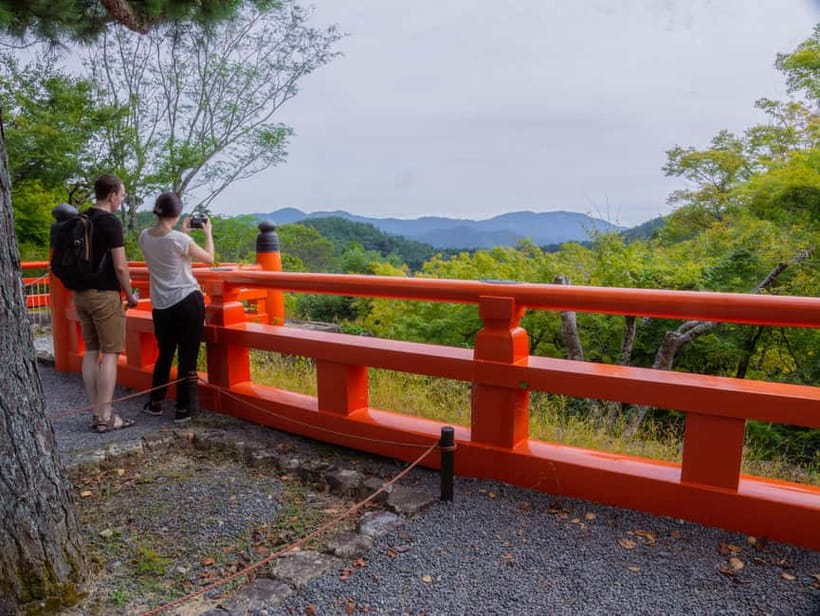
The hot spring is not included in the $80 price, but it may be the best add-on. The bath is known for its outdoor views over the mountains, and soaking after the steps can turn a demanding hike into a genuinely relaxing afternoon.
One person described the onsen as glorious and strongly recommended not skipping it. That enthusiasm makes sense, but remember that the bath is an optional extra and requires additional time. You should also check the current discounted ticket arrangement with the guide rather than assume the discount is automatically included.
The bath is most useful if you have no strict plan immediately after the tour. If you need to return to central Kyoto at a fixed time, eating or bathing in Kurama may make the schedule less convenient. If you have room in your day, the hot spring gives the outing a satisfying finish.
The tour does not state that towels, bathing supplies, or any specific bathing rules are included, so ask the guide what you need before entering. The only firm point is that the hot spring fee is separate.
Guide quality can shape the whole outing
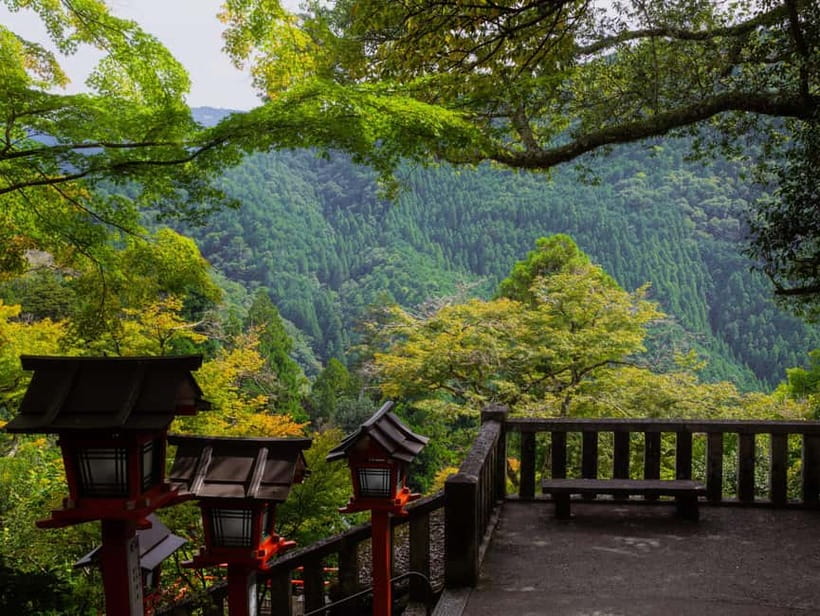
The strongest part of this tour is its guiding. Philippe is praised for explaining temple stories, Japanese culture, local legends, and the mountain route. Several people found him funny, patient, attentive, and easy to spend time with. Chris is also described as a fantastic guide who introduced lesser-known spots, while Kevin received praise for adding historical and cultural context.
This matters because Kurama is not just a sequence of steps and buildings. Without explanation, you may see a forest, a shrine, and a temple without understanding why the mountain matters. A good guide connects those pieces.
The private and small-group choices also allow some flexibility. One private outing was adjusted to give the group more time around Kurama, including extra places near the temple. If you have a strong interest in Reiki, Japanese religious traditions, photography, or the natural setting, tell your guide early.
There is one negative account worth taking seriously. A participant felt the guide walked ahead while smoking and drank beer before the tour ended. That is not consistent with the otherwise strong picture of the guiding, but it shows why guide assignment can affect the day. If considerate pacing and professional conduct are especially important to you, a private booking may give you more control, though it cannot guarantee a particular guide unless the provider confirms one.
Is $80 good value for four hours?
At $80 per person, this is not the cheapest way to visit Kurama. You could arrange the train and temple visit independently, and the bath and lunch still cost extra. The price makes more sense if you value interpretation, a planned route, and not having to work out the mountain transport and cultural stops yourself.
Transportation during the tour and temple admission are included. You are paying mainly for the guide’s time and local understanding, rather than for a long list of included activities. The strongest value comes when the guide adds lesser-known trail stops, explains the sacred sites, and adjusts the pace to your needs.
The tour also saves planning time. You meet at Demachiyanagi, ride into the mountains, complete the route, and receive guidance on the choices in Kurama. For a first visit to northern Kyoto, that structure can be worth more than a modest saving.
It is less attractive if you want a fully packaged day with lunch, bathing, and a return transfer included. In that case, you will need to budget beyond the $80 and organize your way back to the city.
Who should book this Kurama hike?
I would recommend this outing to adults and older teenagers who enjoy walking, temples, local stories, and quieter settings. It is a good fit if you have already seen central Kyoto and want a half-day break from crowded streets.
It also suits people who prefer a guide to explain what they are seeing. The shrine and temple visits gain much more meaning when someone can explain the legends, deities, customs, and connection with the mountain.
You should think twice if you dislike steps, hot weather, or flexible end times. The route is not suitable for wheelchair users or people with mobility limitations, and it is not designed for children under 11. You should also avoid booking if you have no experience with uphill walking.
Wear supportive shoes, carry water, and choose long pants. If you want the onsen, leave enough time after the official tour and bring extra money for the bath and lunch.
FAQ
Where does the Kurama hike tour meet?
The meeting point is exit 7 of Demachiyanagi Station in Kyoto, in front of the Eizan railway.
How long does the tour last?
The tour lasts four hours. The uphill walk to the top of Kurama Mountain takes about 30 to 40 minutes, with stops along the way.
Is transportation included?
Transportation during the tour and the train journey into the mountain area are included. Transportation back to the original meeting point is not included.
Is lunch included?
No. Lunch is not included. At the end of the hike, you can choose to eat in Kurama village.
Is the hot spring included in the price?
No. The Kurama hot spring costs extra. A discounted bath ticket may be available through the tour.
Who should not take this tour?
The hike is not suitable for children under 11, wheelchair users, people with mobility impairments, or people without hiking experience. You should have a decent level of fitness and wear comfortable shoes.
Should you book the Kurama hike?
Book it if you want Kyoto’s mountain side, not another city temple. The train ride, cedar forest, sacred sites, and optional onsen create a varied half-day with a strong sense of place.
The best reason to choose this tour is the guide. With someone like Philippe or Chris, the hike becomes a thoughtful look at Kurama’s legends, customs, and natural setting rather than a simple uphill walk. The main reasons to pass are the steep steps, extra costs after the tour, and the fact that you must arrange your own return.
For fit adults who want a quieter and more physical side of Kyoto, I think the $80 is fair value. Add the hot spring if your schedule allows. After climbing Mount Kurama, a forest-view soak sounds less like a luxury and more like good planning.
Just added around Kyoto
- Kyoto: Gion Night Walking Tour with Geisha Insight★ 5.0 · 39 reviews
- Kyoto: Private Customizable Day Trip by Car★ 5.0 · 38 reviews
- Kyoto: Full Day Bike Tour★ 4.9 · 39 reviews
- Private Japanese Calligraphy in Kyoto – Learn Shodō with a Master★ 5.0 · 39 reviews
- Kyoto: Gion Evening Walk with Hidden Gems, Geisha & Sake★ 5.0 · 41 reviews
- Experience a tea ceremony in an authentic tearoom, in Kyoto!★ 4.5 · 41 reviews
- Kyoto Private Photo Shoot & Tour by SnapKyoto★ 5.0 · 41 reviews
- The Way of Tea: Kyoto Crafts, Hidden Temples & Wabi-Sabi Walk★ 5.0 · 41 reviews
Spa & Hot Springs, compared.
Himeji Castle, Arima Onsen & Mt. Rokko Day Tour
Read our review →
Nara and Uji Day Trip with Deer Park and Hot Spring
Read our review →
Private Tour to Fuji/Hakone – Onsen, Art, Nature
Read our review →
Mt. Fuji, Hakone Private Tour from Tokyo – Onsen, Arts and Nature
Read our review →
Private Nagano 1-Day Tour:Snow Monkeys,Zenko-ji,Obuse,Sake,Onsen
Read our review →
Mt Takao Tour with Ramen and Tattoo-Okay Hot Spring
Read our review →Browse the lists this tour appears in