
Reviewed · COOKING CLASSES
Japanese Cooking Class with Local Family in Takayama Old Town
Step inside Takayama’s past. This three-hour class gives you hands-on Japanese home cooking in a 200-year-old townhouse on the Old Town’s main street. I especially like the personal welcome from Hisa and Bob, plus the chance to see a private family home that was once a local clinic. You do not simply prepare food here. You hear about Takayama, seasonal living, family traditions, and the local shops that supply the kitchen.
The class also earns high marks for its warm, relaxed tone. Hisa and Bob speak English well, explain techniques clearly, and adjust the menu when possible for food preferences or restrictions. The main consideration is the price: at $211.37 per person, this is not a bargain meal. You are paying for private access, personal attention, a full meal, and cultural conversation, so it makes the most sense if you value those things more than a low-cost group class.
In This Review
- Key points to know before booking
- Why this class feels different from a standard cooking lesson
- Tea, wagashi, and an easy welcome
- Cooking in the semi-outdoor kitchen
- The food is the lesson, not just the reward
- Stories of Takayama around the dining table
- How much value do you get for $211.37?
- Timing, meeting point, and practical details
- Who will enjoy this most?
- Should you book the Takayama family cooking class?
- FAQ
- Where does the cooking class begin and end?
- How long does the experience last?
- What is included with the 10:00 AM booking?
- What is included with the 4:30 PM booking?
- Is this a private activity?
- Can food restrictions or menu requests be accommodated?
Key points to know before booking
- A 200-year-old family townhouse: The home sits at 93 Kamisannomachi, right on Takayama’s historic Old Town street, and was once a clinic where many local babies were born.
- A private class with Hisa and Bob: Only your group participates, giving the class a friendly, personal feel rather than the pace of a large cooking school.
- Five seasonal dishes: You help prepare a traditional meal, with ingredients and recipes shaped around the season and your stated preferences when possible.
- Tea, wagashi, and local stories: The class begins with Japanese tea and traditional sweets before moving into cooking and conversation.
- Lunch or dinner included: Choose the 10:00 AM session for lunch or the 4:30 PM session for dinner. Alcohol is not included, though one participant received local sake as a personal extra.
- A strong choice for curious solo visitors and families: The hosts have welcomed solo participants, couples, and groups with children, and they encourage everyone to take part.
Why this class feels different from a standard cooking lesson
Many Japanese cooking classes take place in a modern studio. This one begins at a real family home in the center of Takayama. The address is easy to reach by public transportation, but the experience quickly moves away from the usual sightseeing routine.
Hisa and Bob welcome you into a townhouse that has been in Hisa’s family for generations. The building was once a neighborhood clinic, and its rooms still carry traces of that earlier use. You see the former clinic spaces along with the family’s traditional living quarters.
I like this opening because it gives the food a setting and a story. You are not just learning how to roll sushi or season soup. You are seeing where family meals have been prepared for more than two centuries. The home also has small irregularities and old-fashioned details, which make it feel lived in rather than polished for display.
That said, this is a private residence, not a museum. The appeal is its character, not perfect presentation. If you prefer a sleek kitchen, formal demonstrations, or a tightly timed professional show, you may find the setting a little informal. If you enjoy seeing how people actually live, the house is one of the class’s best features.
More cooking classes:
- Ramen Cooking Class at Ramen Factory in Kyoto
★ 5.0 · 1,937 reviews - Ramen & Gyoza Cooking Class in Tokyo with Local Supermarket Visit
★ 5.0 · 823 reviews - Kyoto: Ramen Cooking Class at a Ramen Factory with Souvenir
★ 4.9 · 532 reviews
Tea, wagashi, and an easy welcome
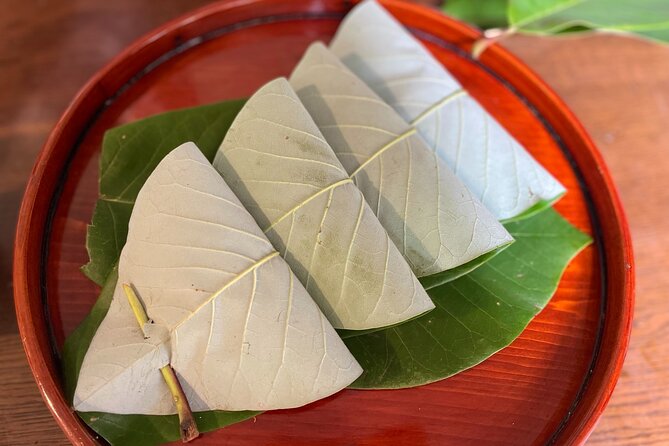
The class starts with Japanese tea and wagashi, the small traditional sweets often served with tea. This gives you time to settle in and meet the family before picking up a knife or apron.
The hosts also introduce the basics of Japanese home cooking. You may learn about dashi, the stock that forms the base of many Japanese dishes, along with soy sauces, bonito, seasonings, and the order in which ingredients are added. One participant was shown how bonito is shaved with a traditional household tool, then got to try it personally.
This early explanation matters. Japanese food can look simple on the plate, but timing and balance do much of the work. Learning why dashi is used, how seasonings build in stages, or how different soy sauces vary gives you something useful to take home.
The pace is conversational rather than academic. If you want a more informative session, you can tell the family in advance. One solo participant requested detailed explanations and received notes about Japanese cuisine and its preparation. If you would rather keep things light and social, the hosts can make the class more casual.
Cooking in the semi-outdoor kitchen
After the introduction, you put on a traditional apron and move into the semi-outdoor kitchen. It is described as a peaceful space, and its smaller size suits shared cooking. You work alongside the family instead of watching from the other side of a counter.
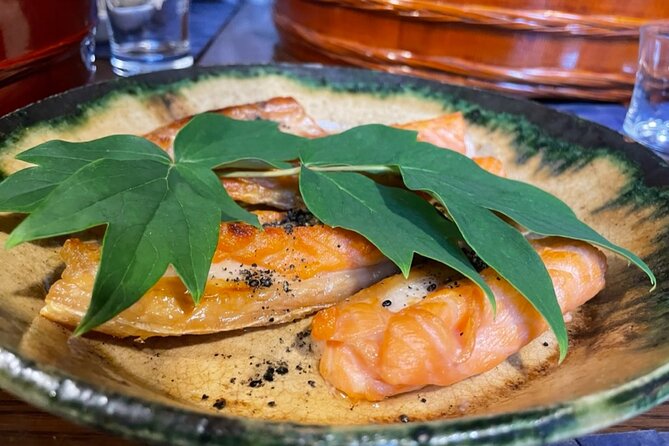
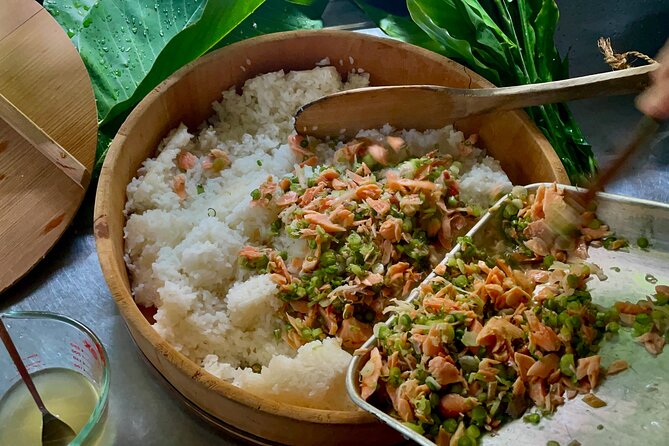
The exact menu can change with the season and your preferences, but the class includes five seasonal dishes. Past meals have included sushi rolls, fresh tofu, sashimi, Hida or Japanese wagyu beef, fish from northern Japan, rice balls, Japanese omelette, gyoza, and tempura. You should not assume every dish will appear during your session. The point is the seasonal meal chosen for that day.
You take part in the preparation rather than simply observing. Hisa and Bob explain each step, demonstrate traditional tools and methods, and encourage you to try. That hands-on format works well for mixed groups because experienced cooks can focus on technique while beginners can follow at a comfortable pace.
The class also leaves room for mistakes. One participant struggled with flipping a Japanese omelette, and the failure became part of the fun. That tells you something useful about the tone. This is not a test, and you do not need restaurant-level skills to enjoy it.
Families with children may find the format especially appealing. One group changed its menu to gyoza and tempura, which became the children’s favorite food experience of the trip. Any menu change depends on what the hosts can arrange, so send food requests and restrictions ahead of time rather than waiting until arrival.
The food is the lesson, not just the reward
The meal is served after the cooking, and lunch or dinner is included depending on your chosen time. A 10:00 AM booking includes lunch, while a 4:30 PM booking includes dinner. Coffee and tea are also included.
The meal sounds substantial rather than token-sized. You may prepare several dishes, sit down together, and eat what you made with the family. That shared table is important. It turns a demonstration into a social experience and lets you ask questions while the food is still fresh.
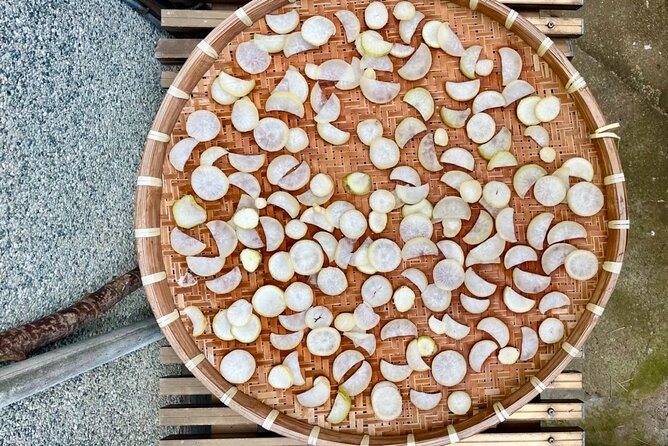
The dishes can also show the difference between Japanese restaurant food and home cooking. You may work with local plants, seasonal produce, fish, tofu, rice, or regional beef. The ingredients are not just there to fill a recipe. Hisa and Bob explain how they are used and where some of them come from.
One particularly nice addition is the hosts’ connection to nearby businesses. Hisa has shown participants the local shops where ingredients for the class are bought. That extra context helps you see Old Town as a living neighborhood, not only a pretty row of historic facades.
Alcoholic drinks are not part of the listed inclusions. Still, one solo participant was offered locally made yuzu sake and umeboshi sake after mentioning a love of yuzu. I would treat that as a personal gesture, not something to count on. If you want alcohol, ask the hosts in advance.
A few more Takayama experiences worth weighing up
- Sushi Making Tokyo Roll and Authentic Japanese Sushi Class
★ 5.0 · 3,971 reviews - Kyoto: 45-Minute Tea Ceremony Lesson Experience
★ 4.3 · 2,378 reviews - Tokyo: Roll and Authentic Sushi Making Class in Asakusa
★ 4.9 · 1,957 reviews - Tokyo Shinjuku Chopsticks Making Class
★ 5.0 · 1,763 reviews
Stories of Takayama around the dining table
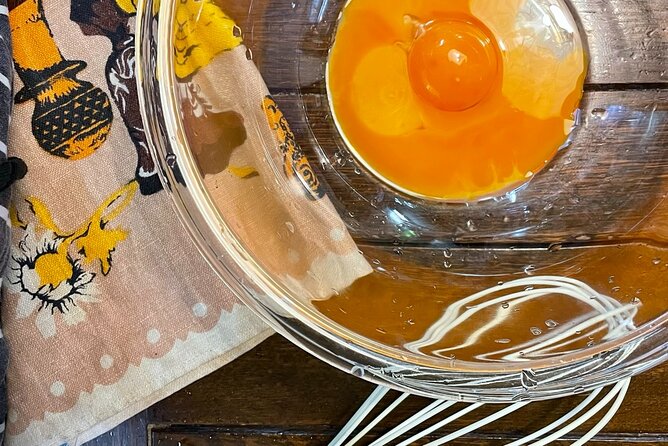
Food gives the class its structure, but conversation supplies much of its warmth. Hisa and Bob talk about daily life in Takayama, family history, local customs, and living with the seasons in the Hida mountains.
The hosts’ English makes a real difference. You can ask about the house, the ingredients, or the town without relying on gestures and guesswork. The discussion can move from cooking technique to the history of the neighborhood in a natural way.
The family’s home also gives you a view of Takayama that a walk through Old Town cannot provide. The main street may be full of visitors during the day, but inside this townhouse the mood is quiet and domestic. You see how the building is arranged and hear how different sections were used over time.
I would book this class if meeting local people is a main reason you came to Japan. It is especially useful for a solo visitor who wants conversation and a stronger connection to the town. One solo participant described the family welcome, home tour, local food connections, and cooking session as the high point of a long Japan trip.
The tradeoff is that the experience depends on personal chemistry. Hisa and Bob are warm hosts, but this is not a scripted theatrical performance. You are sharing several hours with a family in their home. That is exactly why it feels genuine, though it may feel less predictable than a standard attraction.
How much value do you get for $211.37?
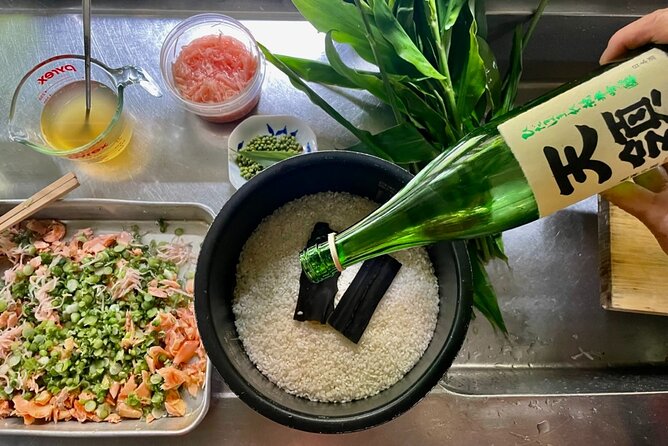
At $211.37 per person, the class costs more than a basic cooking workshop or a restaurant meal. The price becomes easier to justify when you count what is included: about three hours, a private group, tea and wagashi, a guided tour of a historic family home, hands-on preparation of five seasonal dishes, and a full lunch or dinner.
You are also paying for access that is normally unavailable. The townhouse is private and not open to the public as a regular attraction. The family’s stories, kitchen tools, recipes, and personal attention are part of the experience.
For a group of friends or a family, the private format can be a good fit because everyone participates together. Children can help with dishes such as gyoza or tempura when the hosts are able to adjust the menu. For a solo visitor, the price is harder to compare with a shared class, but the individual attention and conversation may be worth it if you are looking for contact with locals.
I would not choose this class solely to save money on lunch or dinner. A less expensive meal elsewhere will feed you just as well. Book it for the setting, the instruction, and the chance to spend time with Hisa and Bob in a home that has served the family for generations.
Timing, meeting point, and practical details
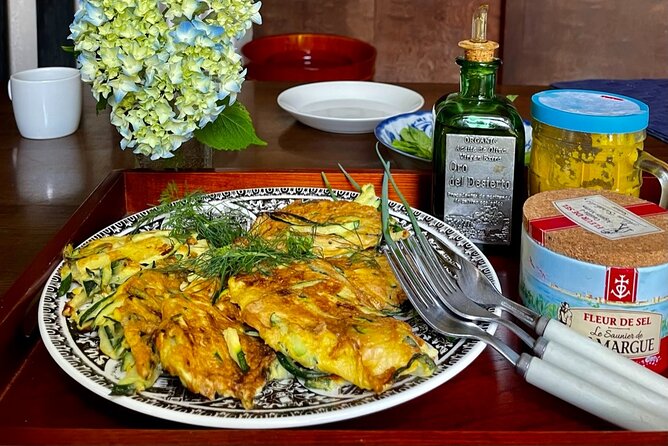
The experience lasts about three hours and begins and ends at 93 Kamisannomachi, Takayama, Gifu 506-0846. This puts you directly in Takayama Old Town, so you can pair it with a walk through the historic district before or after the class.
The 10:00 AM slot includes lunch. The 4:30 PM slot includes dinner. Choose based on your sightseeing plans, but remember that the cooking and meal together take most of the afternoon or morning.
Your booking confirmation arrives within 48 hours, subject to availability. Since the class is private and popular bookings are made well ahead, I would not leave it until the last minute if your Takayama dates are fixed. The average booking lead time is 49 days.
A mobile ticket is provided, and the meeting point is near public transportation. Service animals are allowed. The activity is private, so only your own group takes part.
Food restrictions and requests should be sent before the class. The family is happy to accommodate as much as possible, but the available menu depends on the season and ingredients. Alcohol is not included, and any sake offered should be considered an optional personal courtesy rather than a guaranteed part of the booking.
You can cancel for a full refund up to 24 hours before the local start time. Changes or cancellations inside that 24-hour window are not accepted for a refund.
Who will enjoy this most?
I would recommend this class to you if you like food with a story. It suits home cooks, curious beginners, families, couples, and solo visitors who want a relaxed conversation with local people.
It is also a fine choice if you have already seen Takayama’s streets and want something more personal. The class adds a private house, seasonal cooking, and local family history to the usual sightseeing plan.
You may want to skip it if you dislike eating in private homes, need a fixed menu, or are looking for a low-cost activity. The class is intimate and flexible, which means the menu can change and the experience is shaped by the people in your group.
The strongest praise centers on the hosts. Hisa and Bob are repeatedly described as kind, welcoming, clear in their instructions, and generous with their time. The food receives equal attention, especially the freshness of the ingredients and the pleasure of eating a meal prepared together.
Should you book the Takayama family cooking class?
I would book this if you want more than a recipe lesson. The best parts are the 200-year-old townhouse, the private family welcome, the seasonal menu, and the easy conversation about Takayama life.
The price is high, but the class gives you three hours of personal access, food, history, and participation in one package. Send your menu requests early, choose lunch or dinner carefully, and arrive ready to cook rather than simply watch.
For a first visit to Takayama, this is one of the better ways to get past the sightseeing surface. You leave with cooking ideas, a shared meal, and a clearer sense of the people and traditions behind the town.
FAQ
Where does the cooking class begin and end?
The class begins at 93 Kamisannomachi, Takayama, Gifu 506-0846, Japan, in Takayama Old Town. It ends back at the same meeting point.
How long does the experience last?
The cooking class lasts approximately three hours.
What is included with the 10:00 AM booking?
The 10:00 AM time slot includes lunch, coffee and/or tea, and the cooking experience.
What is included with the 4:30 PM booking?
The 4:30 PM time slot includes dinner, coffee and/or tea, and the cooking experience.
Is this a private activity?
Yes. Only your group participates in the activity.
Can food restrictions or menu requests be accommodated?
The family is happy to accommodate food requests and restrictions as much as possible. You should send your request before the class, since the menu is seasonal and depends on available ingredients.
Just added around Takayama
- Magome & Tsumago Nakasendo Trail Day Hike with Government-Licensed Guide★ 5.0 · 38 reviews
- From Takayama: Shinhotaka Ropeway and Kamikochi tour★ 4.8 · 42 reviews
- Shuriken Experience in Takayama★ 5.0 · 46 reviews
- Shirakawa-go UNESCO Half-Day Tour from Takayama★ 4.6 · 47 reviews
- Hida Takayama, Shirakawa-go+Observatory|Day Trip from Nagoya★ 4.3 · 47 reviews
- Takayama Old Town Walking Tour with Local Guide★ 4.5 · 50 reviews
- Private group Local Food Tour in Takayama★ 5.0 · 59 reviews
- Takayama: Authentic Sake Tasting at a Historic Brewery★ 5.0 · 65 reviews
Cooking Classes, compared.
Ramen Cooking Class at Ramen Factory in Kyoto
Read our review →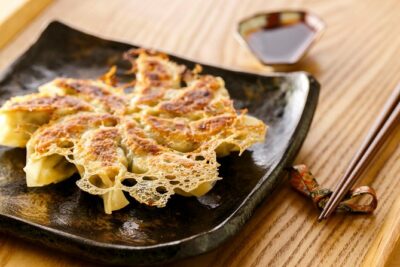
Ramen & Gyoza Cooking Class in Tokyo with Local Supermarket Visit
Read our review →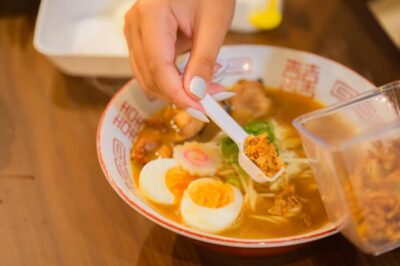
Ramen Cooking Class at a Ramen Factory with Souvenir
Read our review →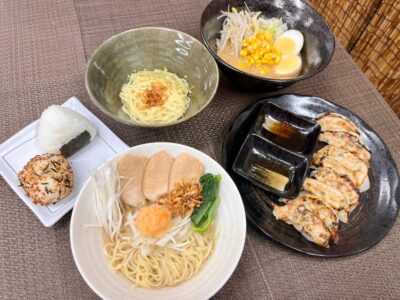
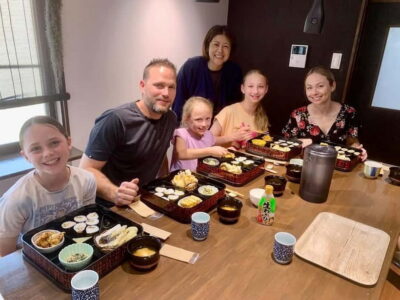
Japanese Washoku Bento Small Group Cooking Class
Read our review →
Easy Ramen Cooking Experience in Kabukicho, Shinjuku
Read our review →
Ramen and Sushi Cooking Class with Sake Pairing Set in Tokyo
Read our review →Browse the lists this tour appears in