
Reviewed · CYCLING TOURS
Kanazawa Half Day E-bike Tour
See Kanazawa farther, without wearing out your feet. This four-hour e-bike tour links the city’s old geisha quarters, Kenrokuen Garden, Kanazawa Castle, and the Nagamachi samurai district in one well-paced outing. I especially like the small groups of up to eight and the chance to ride beyond the main sights into quieter streets.
The other big plus is the tea stop at Gyokusen-an Garden, where matcha and traditional sweets come with a peaceful view. You also get the bicycles until midnight, which adds real value to the $125 price. The main consideration is that this is not four hours of easy pedaling: you will also walk through gardens and historic districts, and cycling can be canceled in bad weather.
The guides are a major part of the appeal. Rina receives repeated praise for her care, humor, history lessons, and useful food suggestions, while Liam, Ti, and Maria are also singled out for clear explanations and warm personalities. If you want a quick, friendly introduction to Kanazawa, this is a strong choice.
In This Review
- Key points to know before booking
- Why an e-bike works so well in Kanazawa
- Meeting the guide beside Kanazawa Station
- Kazuemachi and Higashi Chaya: old Kanazawa by the river
- Kenrokuen Garden: the tour’s longest stop
- Kanazawa Castle and Gyokusen-an’s matcha pause
- Passing the 21st Century Museum
- Nagamachi: finishing among samurai residences
- What the guides add to the ride
- Is $125 a fair price?
- Weather, comfort, and who should book
- FAQ
- Where does the Kanazawa e-bike tour start?
- How long does the tour last?
- Which languages are available?
- How many people are in each group?
- What attractions are included?
- Is matcha included?
- Can I keep using the bicycle after the tour?
- What happens if the weather is bad?
- Should you book the Kanazawa Half Day E-bike Tour?
Key points to know before booking
- Eight-person maximum: The small group makes it easier to ask questions and lets the guide adjust the pace.
- A smart city route: You cover Kazuemachi, Higashi Chaya, Kenrokuen, Kanazawa Castle, Gyokusen-an, and Nagamachi in four hours.
- Matcha in a garden setting: The tea experience is more than a quick drink. It gives the tour a quiet cultural pause.
- E-bikes extend your reach: You can see several districts that would take more effort to connect on foot.
- There is walking involved: Kenrokuen and the historic neighborhoods are explored partly on foot.
- The bikes remain available until midnight: You can continue riding after the guided portion ends.
Why an e-bike works so well in Kanazawa
Kanazawa is compact enough to explore, but its main sights are spread across several historic areas. Walking between the station, eastern tea districts, castle, garden, and samurai quarter takes time. A bus can solve the distance problem, but you lose the simple pleasure of moving through the streets at ground level.
The e-bike gives you a practical middle ground. You see more than you could on foot, yet you still stop often enough to notice wooden facades, narrow lanes, river views, and small details your guide points out. Several people who had never used an e-bike found it easy and comfortable, which is encouraging if you are new to electric bicycles.
I would not treat this as a demanding cycling expedition. It is a sightseeing tour with bicycles, not a race. Still, you should be comfortable riding in a city and listening to directions from the guide. The tour is not suitable for anyone who cannot ride a bike, children under 10, or people over 95.
More bike tours:
- Kanazawa Half Day E-bike Tour
★ 5.0 · 42 reviews - Hidden Kyoto E-Biking tour
★ 5.0 · 1,843 reviews - Tokyo Guided Small-Group Biking Tour
★ 5.0 · 1,250 reviews
Meeting the guide beside Kanazawa Station
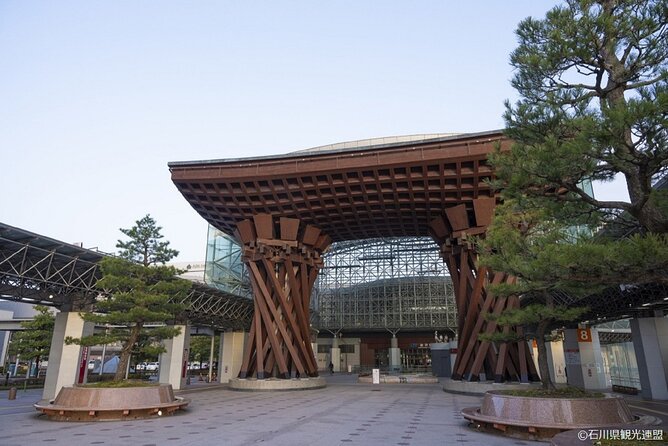
The meeting point is beside Kanazawa Station, under the train overpass. Look for the Machi-Nori bike rental location, number 19, where you will see many green electric bicycles. Your guide carries a blue flag marked with the company name, New Japan Tourist.
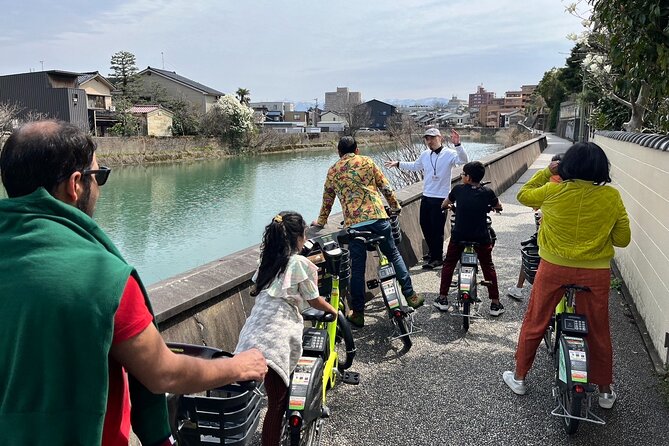
This setup is useful after arriving by train. You do not need to search through a hotel lobby or walk across town. The guide handles the bike tickets and gives you an introduction to the bicycle before setting off. That first briefing matters, especially if you have never used an e-bike or are unfamiliar with the local rental system.
The tour begins near one of Kanazawa’s most modern landmarks, then quickly shifts into older parts of town. That contrast gives you an immediate sense of how Kanazawa combines contemporary transport and architecture with carefully preserved neighborhoods.
Kazuemachi and Higashi Chaya: old Kanazawa by the river
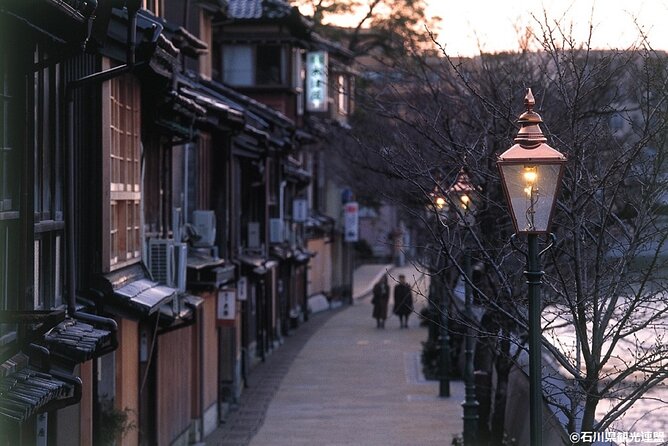
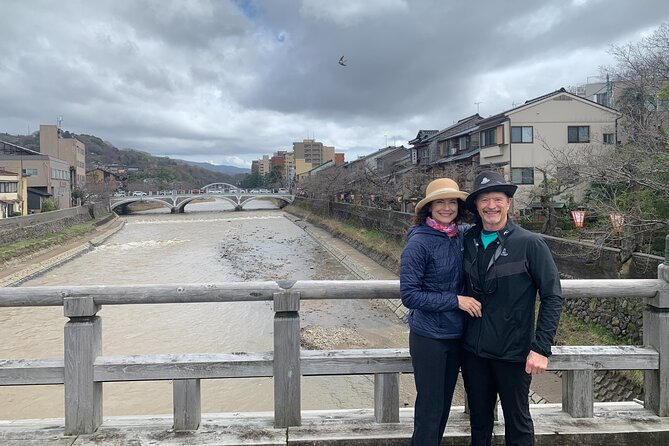
The first historic stop is Kazuemachi Chaya District, a short visit of about five minutes. This small quarter runs beside the Asano River, with traditional buildings packed along quiet lanes. The river setting gives the area a gentler mood than some of Kanazawa’s busier attractions.
You will make a photo stop and hear about the district before continuing by bike. The stop is brief, so do not expect a long, independent exploration. Its value is in getting an early look at the city’s traditional architecture and understanding how the older entertainment quarters were arranged.
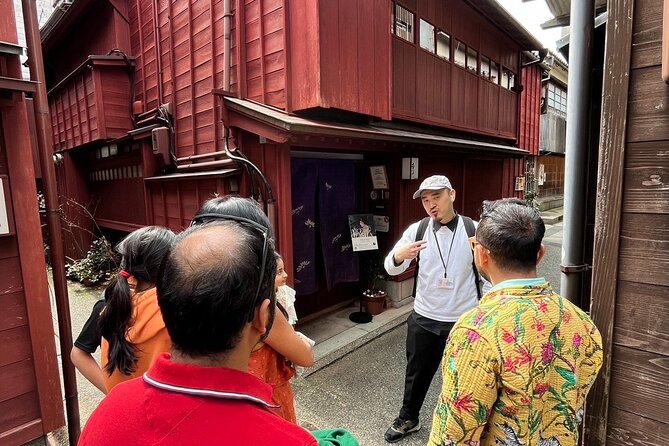
Next comes Higashi Chaya District, one of Kanazawa’s best-known geisha areas. The preserved wooden teahouses create a strong visual impression, especially when viewed from a bicycle before you walk through part of the neighborhood. The guide adds context about the district and its role in Kanazawa’s culture.
This is one of the places where a guide helps. You can admire the dark timber buildings on your own, but explanations make the streets more meaningful. The tour also takes you through nearby lanes that are easy to miss if you simply follow the main sightseeing route.
Keep in mind that these are active historic neighborhoods, not museum sets. You should ride carefully, keep your voice low, and avoid blocking narrow streets while taking photographs.
Kenrokuen Garden: the tour’s longest stop
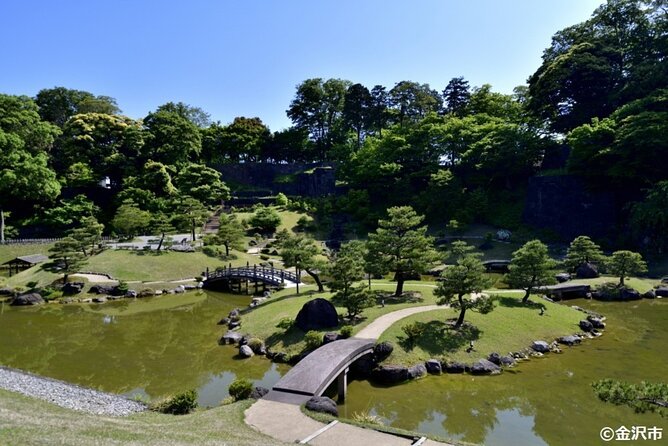
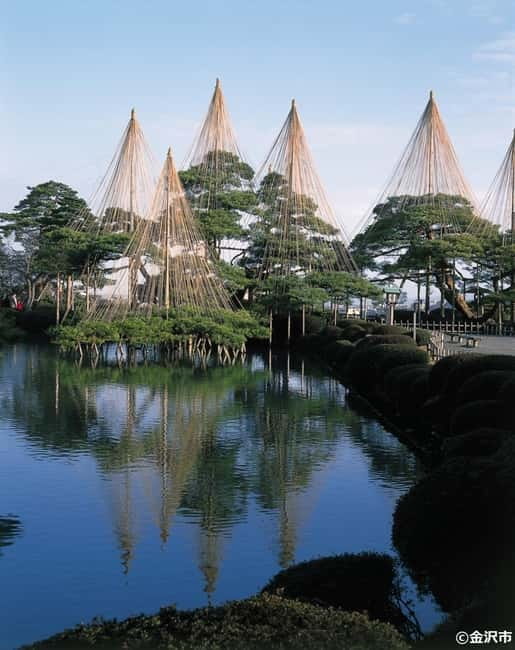
Kenrokuen receives about an hour, making it the centerpiece of the outing. It is known as one of Japan’s three celebrated gardens, and the visit gives you time to see its ponds, bridges, carefully trimmed trees, and changing views.
The garden is designed around a balance of features rather than one single monument. Water, stone, plants, paths, and small structures work together to create different scenes as you move. Your guide can help you notice the planning behind what might otherwise look like a series of attractive views.
You will leave the bicycles and walk here, so wear shoes that are comfortable for uneven paths. This is also where the tour can feel less physically effortless than its e-bike label suggests. The cycling reduces distance between districts, but Kenrokuen itself is a walking experience.
The hour is enough for a guided overview, photographs, and a measured look around. It is not enough for every corner of the grounds at a slow museum-like pace. If Kenrokuen is your top priority, plan to return independently for a longer visit. The benefit of seeing it on this tour is that you combine it with several other major sites in the same morning or afternoon.
Hot weather deserves attention. One guide, Rina, was praised for allowing recovery time, encouraging hydration, and adjusting the pace during a very warm day. That kind of care is valuable because garden paths can feel tiring even when the bike ride itself is easy.
More e-bike tours:
- Tokyo Top Highlights 3h Guided E-bike Tour
★ 5.0 · 714 reviews - 3h Tokyo E-Bike Tour: Hidden Gems, and Local Life with guide
★ 5.0 · 670 reviews - 5 Top Highlights of Kyoto Full Day Bike Tour (E-bike option)
★ 5.0 · 511 reviews - Tokyo: 3-Hour Bike or E-Bike City Highlights Tour
★ 4.8 · 435 reviews
Kanazawa Castle and Gyokusen-an’s matcha pause
After Kenrokuen, the group visits Kanazawa Castle for about 15 minutes. The castle was once connected with the powerful Maeda clan, whose rule shaped much of Kanazawa’s development. The stop focuses on the architecture, the site’s past, and views across the city.
Fifteen minutes is enough for an introduction and photographs, but not a full examination of the castle grounds. Think of this as a focused stop that gives you the setting and the main story. If you want to inspect every restored building, gate, and wall, you will need extra time later.
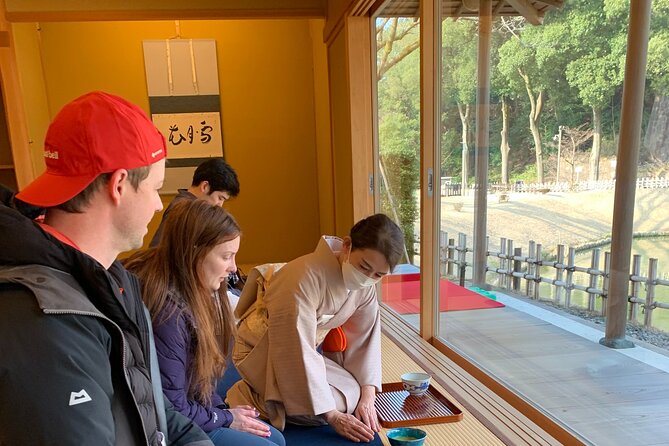
The most restful part of the tour comes at Gyokusen-an Garden, within the castle grounds. You spend about 30 minutes here with matcha and traditional Japanese sweets. Rather than rushing from one attraction to another, the tour gives you a chance to sit, look across the garden, and take in a quieter side of Kanazawa.
This tea experience is repeatedly described as a highlight, and I can see why. It is not presented as an elaborate formal ceremony that takes over the afternoon. Instead, it offers a manageable introduction to matcha, tea preparation, and the calm attention associated with Japanese tea culture.
The setting matters as much as the drink. After cycling and walking, sitting beside a serene garden changes the rhythm of the tour. The snack and matcha are included, while additional food and drinks are not, so bring money if you want something more substantial during or after the tour.
Passing the 21st Century Museum
The route passes the 21st Century Museum of Contemporary Art, Kanazawa. You will see its distinctive modern design from outside, but the tour does not include a full museum visit.
This is a sensible choice for a four-hour route. A proper museum visit could easily take much of the remaining time and would change the experience from a city tour into an art outing. If the museum interests you, note its location and return later on your own.
The pass-by also adds another useful contrast. Within a short ride, you move from geisha architecture and castle grounds to a modern art building. Kanazawa is at its best when these different eras are viewed together rather than treated as separate attractions.
Nagamachi: finishing among samurai residences
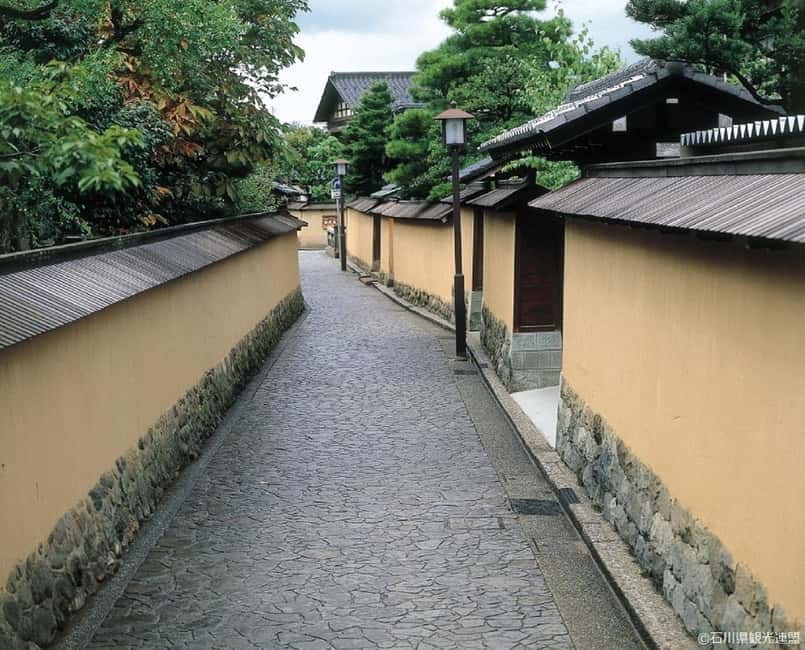
The final district is Nagamachi, where preserved samurai residences and narrow lanes recall the city’s warrior past. The guided portion here lasts about 20 minutes and includes both cycling and sightseeing on foot.
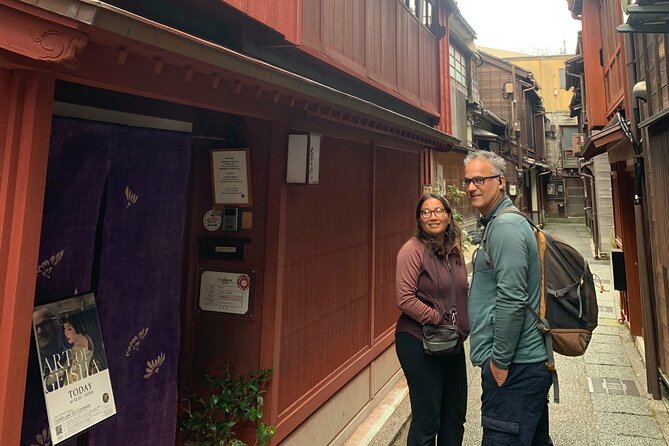
Nagamachi is a good ending because it feels different from the eastern tea districts. The buildings, walls, and street plan suggest a residential quarter shaped by rank and military service, while the earlier geisha districts had a more commercial and entertainment-focused character.
The stop is short, so you will get an introduction rather than a full tour of every residence. The experience finishes here instead of returning to the station. That is useful if you want to continue exploring Nagamachi, eat nearby, or make your own way to another Kanazawa sight.
The tour’s end point also gives you flexibility. You receive access to the bikes for the rest of the day until midnight, allowing you to continue riding after the guide departs. Confirm the exact process for keeping or returning the bicycles at the start, since the guided experience itself concludes in Nagamachi.
What the guides add to the ride
The best feedback centers on the guides rather than the machinery. Rina is praised for being funny, patient, careful with safety, and generous with restaurant and coffee recommendations. She also adjusted the pace for different ages and preferences, including people over 60 and families with teenagers.
Liam receives similar praise for clear English, useful history, and an easy manner. Ti is remembered for combining cultural information with humor and for making the route feel like an outing with a local friend. Maria is noted for her enthusiasm and strong explanations of Kanazawa’s past.
Guide assignments can vary, and the experience is offered in English and Chinese. The important point is that the guide does more than lead a line of bicycles. You get help with the bikes, explanations at each district, safety reminders, and practical suggestions for the rest of your stay.
The small group limit of eight supports that personal feel. A guide can answer questions, offer to take photographs, and make small adjustments when the group needs water, a restroom, or a slower pace. That is harder to do in a large coach tour.
Is $125 a fair price?
At $125 per person, this is not the cheapest way to see Kanazawa. You are paying for a four-hour guided experience, the electric bicycle, entrance fees, matcha, traditional snacks, and a small group rather than simply renting a bike and following a map.
I think the price is fair if you have limited time in Kanazawa or want a strong first orientation. The route connects several districts efficiently, and the guide provides the cultural context that self-guided cycling cannot easily match. The extra bike access until midnight improves the value, especially if you use it after the tour.
The price is less compelling if you already plan to spend several days visiting each attraction slowly. In that case, you may prefer separate entries and longer visits at Kenrokuen, the castle, the museum, and Nagamachi. You also need to remember that food beyond the included snack and matcha is your own expense.
Weather, comfort, and who should book
Cycling is weather-dependent. Rain, snow, strong winds, or unsafe road conditions can lead to cancellation. You can cancel up to 24 hours in advance for a full refund, and the reserve-now, pay-later option helps if your schedule is still changing.
Wear comfortable clothing and shoes that work for both riding and walking. The tour takes place in changing outdoor conditions, and you may spend an hour on foot in Kenrokuen. On hot days, plan to carry water and take advantage of the guide’s planned breaks.
I would recommend this tour to:
- First-time visitors who want a broad look at Kanazawa
- Couples, families with children aged 10 and up, and small groups of friends
- People with only one or two days in the city
- Anyone who enjoys local stories along with major sights
- Visitors who like active sightseeing but do not want a strenuous ride
I would hesitate if you dislike bicycles, have difficulty walking through gardens, or want long unhurried visits inside museums and historic buildings. The route is active and efficient, not slow and deeply detailed at every stop.
FAQ
Where does the Kanazawa e-bike tour start?
It starts at Machi-Nori bike rental number 19, next to Kanazawa Station under the train overpass. Look for the green electric bicycles and a guide holding a blue New Japan Tourist flag.
How long does the tour last?
The guided tour lasts four hours. Starting times vary, so you should check availability when booking.
Which languages are available?
The tour is offered with live guides speaking English or Chinese.
How many people are in each group?
The tour is limited to eight participants.
What attractions are included?
The route includes Kazuemachi Chaya District, Higashi Chaya District, Kenrokuen Garden, Kanazawa Castle, Gyokusen-an Garden, and Nagamachi Samurai District. You pass by the 21st Century Museum without making a full visit.
Is matcha included?
Yes. Traditional Japanese snacks and matcha are included during the stop at Gyokusen-an Garden.
Can I keep using the bicycle after the tour?
Yes. You have access to the bikes for the rest of the day until midnight.
What happens if the weather is bad?
The tour may be canceled for rain, snow, strong winds, or unsafe road conditions. You can cancel up to 24 hours ahead for a full refund.
Should you book the Kanazawa Half Day E-bike Tour?
Book it if you want to see Kanazawa’s main historic districts in one well-organized stretch, with a friendly guide filling in the stories between stops. The combination of e-bike access, Kenrokuen, castle grounds, geisha quarters, samurai streets, and matcha makes the $125 fee reasonable for a short stay.
Skip it if you want to spend half a day inside the 21st Century Museum or explore Kenrokuen at a very slow pace. For most first-time visitors, though, the tour offers a useful overview, a manageable amount of exercise, and a pleasant introduction to the city that leaves you with the bikes for more exploring afterward.
Just added around Kanazawa
- Kanazawa private half day/Photoshoot by professional photographer★ 5.0 · 38 reviews
- Photoshoot session by professional photographer in Kanazawa★ 5.0 · 42 reviews
- Kanazawa: City Highlights & Hidden Gems Private Walking Tour★ 4.8 · 42 reviews
- Kanazawa Half Day E-bike Tour★ 5.0 · 42 reviews
- Kanazawa Private Tour: Highlights of an Old Samurai Town★ 5.0 · 46 reviews
- [Day trip bus tour from Kanazawa Station] Weekend only! World Heritage Shirakawago Day Bus Tour★ 5.0 · 46 reviews
- Kanazawa Gourmet Experience Omicho Market Tour★ 5.0 · 50 reviews
- Private Tour of Shirakawago and Gokayama from Kanazawa★ 5.0 · 50 reviews
Cycling Tours, compared.

3h Tokyo E-Bike Tour: Hidden Gems, and Local Life with guide
Read our review →
Arashiyama Bamboo Forest & Hidden Gems Bike Tour (Early Bird)
Read our review →
Hiroshima in a Nutshell: Morning Bike Adventure
Read our review →Browse the lists this tour appears in