Reviewed · TOKYO TOURS
Tokyo’s Scariest Shitamachi Ghost Tour
Tokyo has a darker side. This evening walk links grim legends, old places of worship, and overlooked corners of the Shitamachi district, the traditional low-town area around Asakusa. I like the tour for its small-group setting and the way it connects frightening stories with Japanese customs, local history, and the practice of calming troubled spirits. I also like that guides such as Joris, Maik, Frank, Melissa, and Haruka have earned praise for their humor, warmth, and personal attention.
The main caution is simple: this is not always a pure ghost tour. Some of the tales concern death, tragedy, and folklore rather than clear supernatural events. You may walk 8,000 steps or more, and some outings run beyond three hours, so comfortable shoes are essential. If you want constant scares, the pace may disappoint. If you enjoy eerie stories with a strong cultural side, it can be a memorable night.
In This Review
- Key points before you book
- Why this Tokyo night tour feels different
- Otemachi begins with a vengeful spirit
- Minamisenju brings tragedy and uneasy worship
- Asakusa offers the longest and fullest stretch
- The ghost stories are not always the scary part
- Guides shape the evening
- Food, transport, and what to wear
- Who will enjoy this experience most
- Should you book Tokyo’s Shitamachi ghost walk?
- FAQ
- How long is Tokyo’s Scariest Shitamachi Ghost Tour?
- What time does the tour start?
- Where does the tour begin?
- Where does the tour end?
- How large is the group?
- Is public transportation included?
- Is food included?
- Is this a walking tour?
- Can the tour be made family-friendly?
- Is the tour refundable if I cancel?
Key points before you book
- Three neighborhoods after dark: The route begins near Tokyo Station, moves through Otemachi and Minamisenju, then finishes around Asakusa.
- Small groups of up to eight: A limited group makes it easier to ask questions and speak with your guide.
- More history and tragedy than nonstop ghosts: Expect folklore, shrines, temples, cemeteries, and grim tales rather than a scare at every stop.
- About 400 yen in transport costs: Public transportation is used during the tour and is not included in the price.
- One local snack is provided: It helps, but it is not a full dinner.
- Asakusa is the finish: Your guide can leave you near a metro entrance or help you find a restaurant or bar in the neighborhood.
Why this Tokyo night tour feels different
At $114.95 per person, this is not a cheap way to spend an evening in Tokyo. You are paying for a guided experience across several districts, not just a short walk around one temple. The value depends on what you want from a ghost tour.
I would not book this simply for jump scares. The stronger reason to go is the chance to see places you could easily miss while learning how Japanese culture treats death, bad luck, and restless spirits. The tour visits sites connected with disturbing events, but the tone is often respectful rather than theatrical.
That difference matters. In Japan, frightening spirits are often treated as forces that must be appeased. Shrines, prayers, offerings, and rituals become part of the story. You are not only hearing about a ghost. You are also learning why a place of worship exists, how people respond to grief, and how older beliefs still shape the city.
The group limit of eight is another plus. A large crowd would make a quiet shrine or cemetery feel noisy and awkward. With fewer people, you can hear the guide, ask questions, and adjust the conversation to your interests. Several highly rated outings praised guides for being funny, friendly, and happy to recommend other places in Tokyo after the walk.
Still, the price asks a lot. Public transport costs about 400 yen extra per person, and the included snack should not replace dinner. Eat before the 6:00 p.m. start, especially since one of the tour’s weaker points is the lack of a proper meal break.
A few more Tokyo experiences worth weighing up
- Mt Fuji and Hakone 1-Day Bus Tour Return by Bullet Train
★ 5.0 · 26,383 reviews - 1-Day Tokyo Bus Tour
★ 5.0 · 14,250 reviews - Tokyo: TOKYO SKYTREE® Admission ticket
★ 4.5 · 11,192 reviews
Otemachi begins with a vengeful spirit
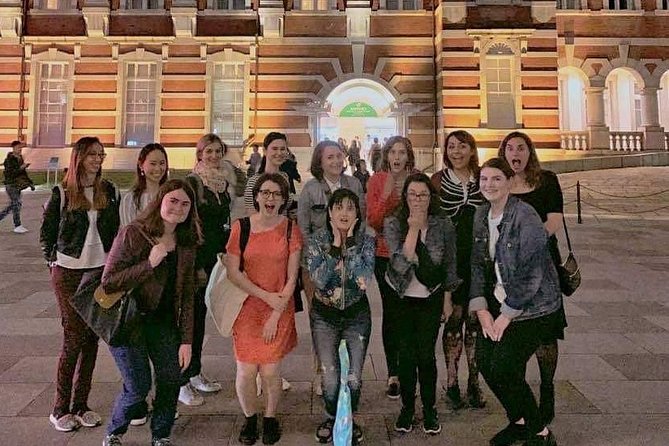
The meeting point is at the Yamato Transport baggage service counter by the Marunouchi North Exit of Tokyo Station. This is a practical location, but Tokyo Station is huge. Give yourself extra time to find the correct exit and dome area rather than arriving at 5:59 p.m. and hoping the station feels cooperative.
The first stop is in Otemachi, among office buildings and corporate streets. Your guide takes you to a shrine tied to a vengeful spirit. The story includes a local belief that people working in nearby offices still avoid turning their backs toward the shrine’s location.
This opening gives you a quick sense of the tour’s method. A normal-looking piece of central Tokyo becomes unsettling once you know the story attached to it. Otemachi is not presented as a haunted attraction. The fear comes from the contrast between modern offices and an older belief that remains powerful enough to affect behavior.
The stop lasts about 20 minutes and has no admission charge. It is a good introduction because it shows how Tokyo’s past survives beneath its polished business districts. Based on the range of feedback, this first section may be the strongest supernatural part of the evening for some people. If you want the tour to keep delivering the same level of ghost content at every stop, adjust your expectations early.
Minamisenju brings tragedy and uneasy worship
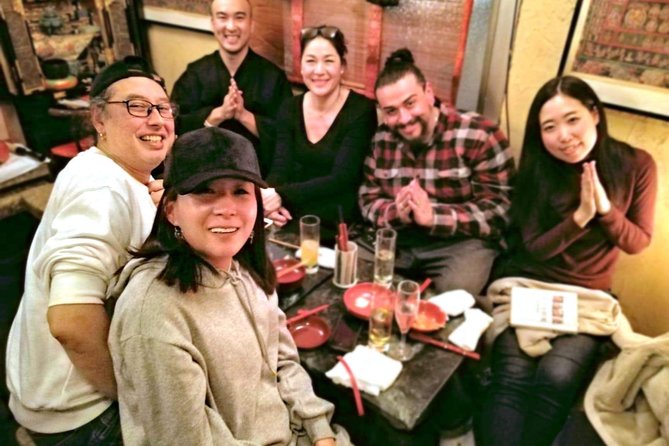
From Otemachi, the tour uses public transportation to reach Minamisenju. Bring cash or another way to pay the roughly 400 yen total transport cost. That extra movement is part of the evening, but it also means this is not a continuous stroll through one compact area.
The Minamisenju portion lasts about 40 minutes and visits several places of interest, including two separate sites of worship with tragic backgrounds and reports of paranormal activity. You also visit a location tied to another disturbing story. The supplied details do not identify every site by name, so the exact emphasis may depend on your guide and the evening’s route.
This section is where the tour’s cultural value becomes clearer. A shrine or temple can look peaceful, even beautiful, but the story behind it may involve violence, loss, or a death that people believed left a spiritual mark. Your guide explains the connection between the site and the beliefs that grew around it.
I would pay close attention to how the guide explains local customs. One especially worthwhile part of the experience is learning how to pray and show respect at a sacred shrine. That turns the tour into more than a parade of spooky stops. You are being shown how to behave in a religious place, which is useful knowledge for the rest of your time in Japan.
The drawback is pace. You may spend more time walking and riding than listening to stories. A few people found that the number of supernatural tales felt low for a tour with ghost in its title. The guide’s storytelling skills make a major difference here. Joris, Maik, and other named guides received strong praise for keeping the conversation interesting, but the balance between history and horror can vary.
Asakusa offers the longest and fullest stretch
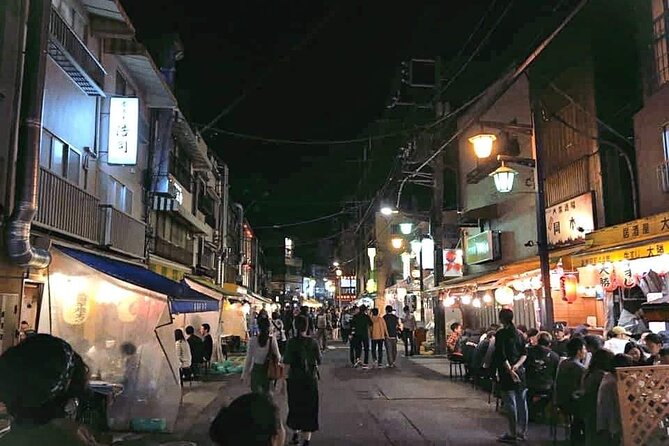
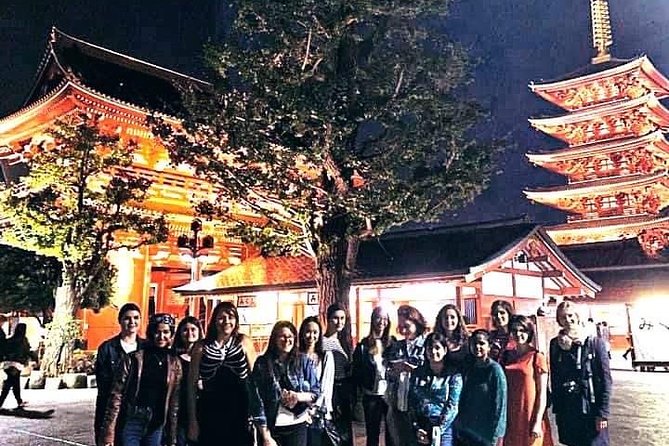
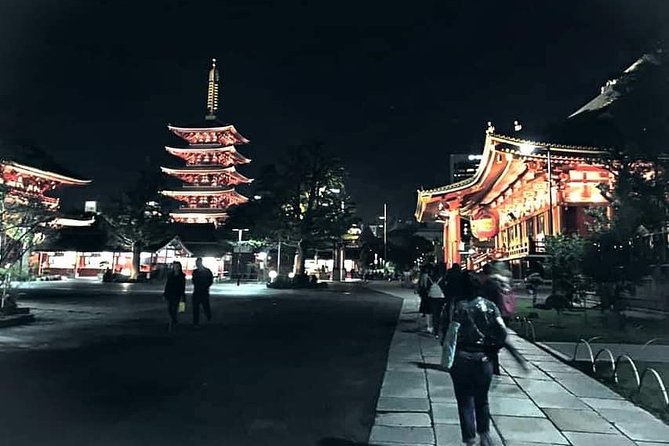
The final section takes place in Asakusa and lasts about one hour and 20 minutes. It includes a viewpoint, Sensoji Temple, the streets around the temple, Old Hag’s Pond, and Kappabashi.
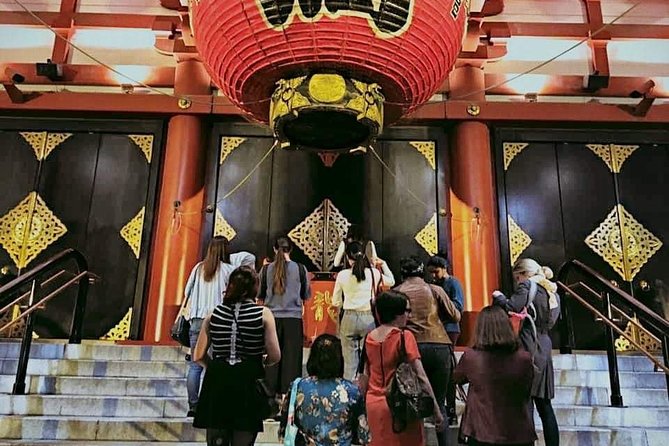
Sensoji is one of Tokyo’s best-known sights, but the experience here is not a standard daytime temple visit. After dark, familiar streets feel different, and the guide adds stories connected to the area’s older fears and folklore. You may already have Sensoji on your sightseeing list, yet this tour gives you another way to understand the temple and its surroundings.
The viewpoint adds a change of pace, though the supplied information does not specify the exact view. You might find that it helps connect the separate neighborhoods you have crossed during the evening. Old Hag’s Pond brings a more unsettling mood, while Kappabashi adds an unexpected urban setting to the route.
Several highly rated experiences praised the chance to visit places that do not appear on ordinary sightseeing plans. That is one of the tour’s best features. You are not simply repeating the usual Tokyo checklist. You are walking through ordinary streets and stopping at locations whose meaning is easy to miss without a guide.
The Asakusa section is also where the walking can catch up with you. The full outing is advertised at about three hours, but some accounts describe three-plus hours or even four hours. One person estimated roughly 8,000 steps. Treat the time as approximate and wear supportive sneakers.
The end point is near 1-chome-2-35 Asakusa. Your guide can leave you by a metro entrance or drop you near a restaurant or bar in the neighborhood. That is handy because Asakusa gives you a good place to continue the evening, but dinner is not built into the tour.
A completely different kind of day out in Tokyo:
- Tokyo: teamLab Planets TOKYO Digital Art Museum Entry Ticket
★ 4.6 · 9,779 reviews - Mt Fuji & Hakone Cruise, Drum Show Bullet Train 1 Day from Tokyo
★ 4.0 · 7,413 reviews - Tokyo: Sumo Show Experience with Chicken Hot Pot and a Photo
★ 4.8 · 6,678 reviews - Tokyo: Shinjuku Food Tour (13 Dishes at 4 Local Eateries)
★ 5.0 · 6,603 reviews
The ghost stories are not always the scary part
The title sets a high bar. The experience does include creepy locations, reports of spirits, and grim folklore. Some outings have felt genuinely eerie, with stories told at the places connected to them. Other outings have felt closer to a dark history walk with a few supernatural details.
That split appears to be the most important booking issue. Some people loved the mix of scary tales, Japanese culture, and older history. Others counted only a handful of ghost stories and felt the title promised more than the tour delivered.
I would describe it as a spooky Tokyo history walk, with ghost stories included. That is not a criticism unless you are expecting a horror show. The darker material can concern death, murder, tragic lives, and old legends. One guide’s stories may be suitable for adults but too grim for younger children.
The tour can be made family-friendly, which is useful if you are traveling with older children. Ask for that adjustment when booking or communicating with the operator. Family-friendly does not mean lighthearted, though. The subject matter still includes disturbing events, so you should decide what your group is comfortable hearing.
Respect also matters. Some locations are sacred sites or places linked to suffering. The tour is strongest when it treats them as places of memory rather than props for a cheap fright. One person chose not to photograph certain sites out of respect. That is a sensible approach, especially around shrines, temples, and cemeteries.
Guides shape the evening
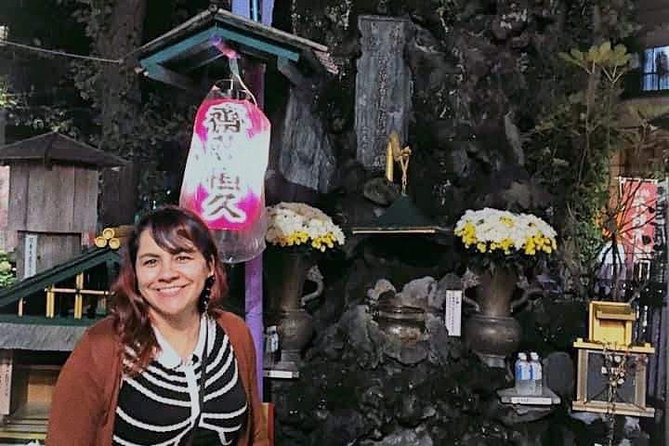
A small group helps, but the guide is the real variable. Joris received praise for his city knowledge, conversation, and thoughtful help with meeting arrangements. Maik was praised for mixing history, scary tales, and Japanese culture. Frank was appreciated for answering questions and chatting easily.
Melissa was described as personable and well informed, while Haruka was praised for asking about personal interests and sending follow-up recommendations for places to visit. These details suggest that the guides do more than recite a fixed script. They can add context and respond to your questions.
That personal touch is important because the tour includes long stretches of walking and transport. A stiff presentation would make the route feel longer. A warm, funny guide can turn the travel between stops into part of the evening.
The experience provider is Tokiotours, and the maximum group size is eight. The small size should make it easier to hear the guide in busy parts of Tokyo and easier to discuss sensitive topics without shouting across a crowd.
Food, transport, and what to wear
The tour begins at 6:00 p.m., around dinner time. One local snack is included, but you should eat a proper meal beforehand. There is no scheduled dinner stop, and the snack is meant as a small refreshment rather than a full meal.
Plan for about 400 yen per person for public transportation during the tour. This is a modest extra cost, but it should not surprise you when the group enters a station. Carry cash, since the tour information specifically advises it.
Wear shoes you can comfortably use for several hours. The route covers multiple neighborhoods, includes station transfers, and may reach 8,000 steps or more. There may not be much time to sit, so this is a poor choice for anyone hoping for a relaxed, low-effort evening.
Most people can participate, and service animals are allowed. The tour is near public transportation, but the walking demands remain the main physical consideration.
The cancellation policy is strict. The experience is non-refundable and cannot be changed for any reason, so confirm your schedule, meeting point, and ability to walk before paying.
Who will enjoy this experience most
I would recommend the tour to you if you enjoy:
- Japanese folklore and stories about spirits
- Religious customs and the meaning of shrines
- Tokyo neighborhoods beyond the usual daytime route
- Walking tours with plenty of conversation
- Grim history mixed with a little supernatural suspense
- Small groups and personal attention from a guide
I would hesitate if you want a tightly timed attraction with frequent scares. I would also think twice if you dislike long walks, need regular rest stops, or want dinner included.
The tour works especially well for a return visit to Tokyo. First-time visitors can enjoy it too, but you should not expect a standard introduction to the city. The route is unusual, and its value comes from seeing familiar-looking places through a darker lens.
Should you book Tokyo’s Shitamachi ghost walk?
Book it if you want an unusual evening in Tokyo and can accept that the history may be more frightening than the ghosts. The best parts are the small group, the guides’ friendly storytelling, the shrine customs, and the chance to reach places you might never find alone.
Skip it if the $114.95 price feels high for a walking tour with a single snack and extra transport costs. Also skip it if the word ghost makes you expect a constant stream of supernatural tales.
My practical verdict: this is a good choice for curious adults who like folklore, tragedy, and local culture with an eerie edge. Put on good shoes, eat first, carry cash, and treat the title as a promise of mood rather than a guarantee of nonstop scares.
FAQ
How long is Tokyo’s Scariest Shitamachi Ghost Tour?
The advertised duration is approximately three hours. Some accounts describe outings lasting more than three hours, so allow extra time.
What time does the tour start?
The tour starts at 6:00 p.m.
Where does the tour begin?
It begins at the Yamato Transport Tokyo Station Marunouchi North Exit Baggage Service Counter near the Marunouchi North Exit dome area of Tokyo Station.
Where does the tour end?
The tour ends in Asakusa at 1-chome-2-35 Asakusa, Taito City. The guide can leave you at a metro entrance or near a restaurant or bar.
How large is the group?
The maximum group size is eight people.
Is public transportation included?
No. Public transportation costs about 400 yen per person during the tour and must be paid separately.
Is food included?
One local snack is included because the tour takes place around dinner time. A full dinner is not provided.
Is this a walking tour?
Yes. The route involves substantial walking between stops and through several Tokyo neighborhoods. Comfortable shoes are strongly recommended.
Can the tour be made family-friendly?
Yes. The tour can be adjusted to be family-friendly, but the subject matter still includes tragic and frightening stories.
Is the tour refundable if I cancel?
No. The experience is non-refundable and cannot be changed after booking for any reason.
Just added around Tokyo
- Tokyo Shibuya Walking tour With A Guide★ 4.4 · 22 reviews
- Tokyo’s Authentic and Finest Taiko Drumming Workshop★ 5.0 · 22 reviews
- Private Tokyo Local Food and Drink Tour with a Bar Hopping Master★ 5.0 · 22 reviews
- Tokyo: Visit Sumo Morning Practice with English Guide★ 4.5 · 22 reviews
- Nikko Toshogu, Kegon waterfall, Lake Chuzenji One Day Pvt. Tour★ 5.0 · 22 reviews
- Private Departure Transfer : Central Tokyo City to Haneda Airport★ 4.5 · 22 reviews
- Mt. Fuji and Hakone Private Tour with English Speaking Driver★ 5.0 · 22 reviews
- Private Tour with a Local Guide – Learn about daily life in Japan★ 5.0 · 22 reviews
Tokyo Tours, compared.
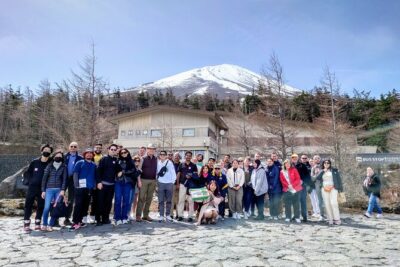
Mt Fuji and Hakone 1-Day Bus Tour Return by Bullet Train
Read our review →
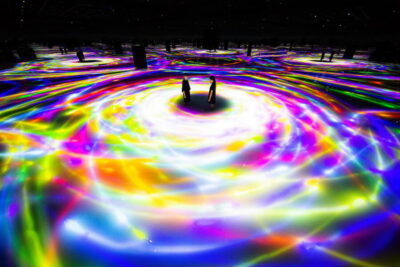
teamLab Planets TOKYO Digital Art Museum Entry Ticket
Read our review →
Mt Fuji & Hakone Cruise, Drum Show Bullet Train 1 Day from Tokyo
Read our review →
Shinjuku Food Tour (13 Dishes at 4 Local Eateries)
Read our review →
Tokyo Mt Fuji 5th St & Hakone Cruise Bus Tour w/Bullet Train
Read our review →