
Reviewed · WORKSHOPS
Tokyo’s Authentic and Finest Taiko Drumming Workshop
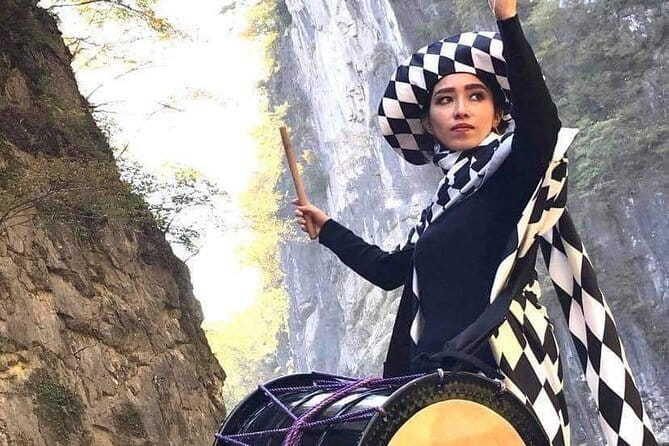
Feel the rhythm of Japan in your whole body. This 90-minute workshop with professional drummer Eva Kestner offers a lively way to learn taiko, the powerful Japanese drum tradition, rather than simply watch a cultural performance. I like the small-group format, which allows Eva to give careful guidance, and I like that you receive a personalized video of your own drumming afterward.
The class also has a useful location in Tokyo’s Daikanyama area, so you can continue exploring after the session. The main consideration is physical effort: taiko involves concentration, leg movement, strong posture, and repeated striking, and the room can get loud. Bring water, wear breathable clothes, and consider carrying Band-Aids if your hands are not used to drumsticks.
In This Review
- Key Points to Know Before You Book
- Why Taiko Makes a Fine Tokyo Activity
- Meeting Eva Kestner, Your Taiko Instructor
- What Happens During the 90-Minute Class
- First, You Get Set Up With Your Drum
- Next Comes Foundation and Rhythm Training
- Then Eva Performs for the Class
- Finally, You Play a Traditional or Contemporary Piece
- The Personalized Video Is More Than a Souvenir
- How Physical Is the Workshop?
- Is the Class Good for Families and Teenagers?
- Finding the Studio in Daikanyama
- What Does $120 Represent?
- Accessibility and Support
- Who Will Enjoy This Most?
- Should You Book the Taiko Workshop?
- FAQ
- How long does the taiko drumming workshop last?
- Where does the workshop take place?
- What does the workshop cost?
- Is equipment included?
- Is the class taught in English?
- Do I need previous drumming experience?
- How many people can join the class?
- Will I receive a recording of my performance?
- What is the cancellation policy?
Key Points to Know Before You Book
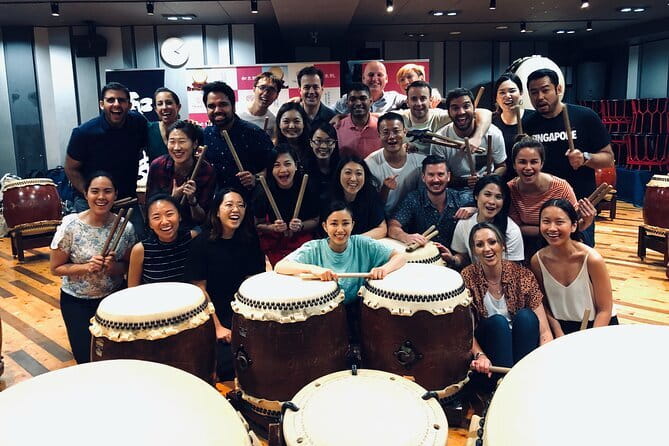
- Eva Kestner leads the class in English: She is a professional taiko drummer, instructor, composer, and former founder of Cornell University’s taiko group.
- You learn by playing quickly: The workshop covers basic technique and rhythm before moving into traditional or contemporary pieces.
- A drum and sticks are provided: You only need to bring yourself, comfortable clothing, and water.
- The experience is active, not passive: Expect a workout for your legs and arms, plus plenty of mental focus.
- You receive a personalized performance video: It gives you a lasting record of the class and your progress.
- The maximum group size is 15: This keeps the class personal, though the exact group size can affect how much individual attention you receive.
Why Taiko Makes a Fine Tokyo Activity
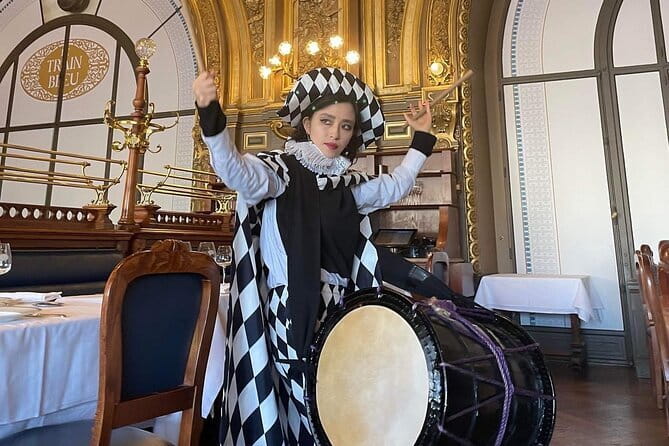
Tokyo offers endless chances to eat, shop, and admire temples. Taiko gives you something different: a chance to take part in a Japanese musical tradition with your own hands.
The drums are loud, physical, and visual. You do not simply tap out a beat while seated. The basic stance, arm movement, timing, and group coordination all matter. That makes the class feel more like a short performance workshop than a casual music lesson.
I especially like the balance between tradition and present-day performance. You receive a brief explanation of taiko’s background, then move into practical training and a piece of music. The experience does not ask you to become an expert in Japanese music. It gives you enough context to understand what you are doing, then lets you make some noise.
That approach works well for first-time players. Several class participants have been complete beginners, while others had some percussion experience. Eva’s teaching is designed for novice to intermediate rhythms, so you are not expected to arrive with musical training.
A few more Tokyo experiences worth weighing up
- Sushi Making Tokyo Roll and Authentic Japanese Sushi Class
★ 5.0 · 3,971 reviews - Tokyo: Roll and Authentic Sushi Making Class in Asakusa
★ 4.9 · 1,957 reviews - Tokyo Shinjuku Chopsticks Making Class
★ 5.0 · 1,763 reviews
Meeting Eva Kestner, Your Taiko Instructor
Eva Kestner is not simply a host showing visitors how to hit a drum. She is a professional performer and instructor with an impressive musical background.
She founded and served as the first musical director of Cornell University’s taiko drumming group. She also received an excellence award from the Tokyo University of the Arts New Artists Competition. Her original music has been published by Harper Collins and Cambridge International Curriculum.
Those details matter because the class depends heavily on the instructor. Taiko technique can look easy from the outside. In practice, the rhythm, body position, and group timing require close attention. A strong teacher can break the movements into manageable parts, keep the mood light, and correct mistakes without making beginners feel awkward.
Eva teaches in English and offers Japanese support. Her approach is described as patient, energetic, and welcoming, with the ability to work with children, teenagers, adults, and mixed-ability groups. That makes this a good choice for a family or a couple where one person has musical experience and the other has none.
What Happens During the 90-Minute Class
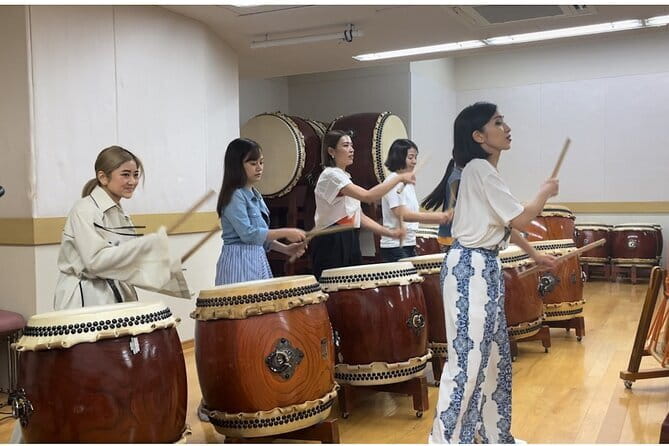
The session takes place at Eva Kestner International Taiko Drum Academy in Tokyo’s Shibuya area. The meeting address is in Uguisudanicho, at Taiyo Residence Daikanyama, near public transportation.
The exact sequence can vary slightly, but you can expect the class to move through several clear stages.
First, You Get Set Up With Your Drum
All taiko drums and sticks are provided. You do not need to rent equipment or bring anything special.
The class begins in an intimate studio setting, with each participant positioned to play. In one class of eight, every person had an individual drum. That setup matters. You are not waiting for a turn or trying to share one instrument with a partner.
Taiko is physical from the first minutes. You learn how to hold the sticks, position your body, and strike with control. Proper movement helps you produce a better sound and avoid tiring your arms too quickly.
A completely different kind of day out in Tokyo:
- Mt Fuji and Hakone 1-Day Bus Tour Return by Bullet Train
★ 5.0 · 26,383 reviews - 1-Day Tokyo Bus Tour
★ 5.0 · 14,250 reviews - Tokyo: TOKYO SKYTREE® Admission ticket
★ 4.5 · 11,192 reviews - Tokyo: teamLab Planets TOKYO Digital Art Museum Entry Ticket
★ 4.6 · 9,779 reviews
Next Comes Foundation and Rhythm Training
Eva introduces the basic technique and rhythm patterns before the group works on a full piece. The early exercises help you understand how the drum responds and how your movement fits with the rest of the group.
This is where the class demands more focus than you might expect. You may be able to copy a simple beat, but keeping that beat while watching for changes takes concentration. Choreographed movements can also be part of the lesson.
The physical work is not limited to your arms. Several people found the class particularly demanding on the legs, since taiko performance uses a strong stance and repeated body movement. Comfortable, breathable clothing will make a noticeable difference.
Then Eva Performs for the Class
A demonstration performance is included, along with a short explanation of taiko’s history. This is one of the most useful moments because you can see how the basic movements become a polished performance.
Eva’s demonstration also gives you a clearer idea of the skill involved. Taiko is not just about volume. Timing, posture, gestures, and the spaces between strikes all shape the music.
The demonstration helps put your own beginner performance in context. You are not expected to match a professional. You are learning the building blocks that make the performance possible.
Finally, You Play a Traditional or Contemporary Piece
After practicing the beats, the group works on a traditional or contemporary taiko number. Some sessions use one practice performance followed by a second recorded performance.
The progression is satisfying. You start with individual actions, then combine them into a shared rhythm. By the end, you have something recognizable to perform as a group.
This is also where the small-group setup helps. A maximum of 15 participants keeps the session manageable, although a smaller class will naturally allow more direct attention. Eva’s role is to keep the rhythm moving while helping each person follow the structure.
The Personalized Video Is More Than a Souvenir
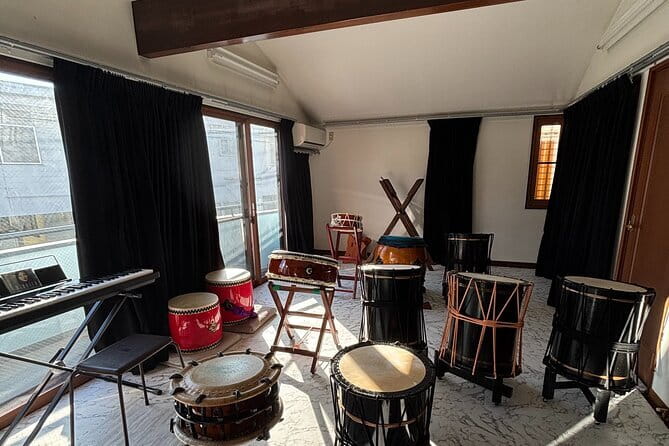
You receive a personalized video of yourself playing taiko. That adds real value to the session because you leave with more than a memory and a few photographs.
The video lets you see the experience from the outside. You can notice your stance, timing, and movements in a way that is difficult to judge while you are concentrating on the drum. It also gives families and couples something to share after returning home.
If you are comparing this workshop with a short cultural demonstration, the video is an important difference. You are paying for instruction, participation, and a personal record of your performance, not just admission to a show.
How Physical Is the Workshop?
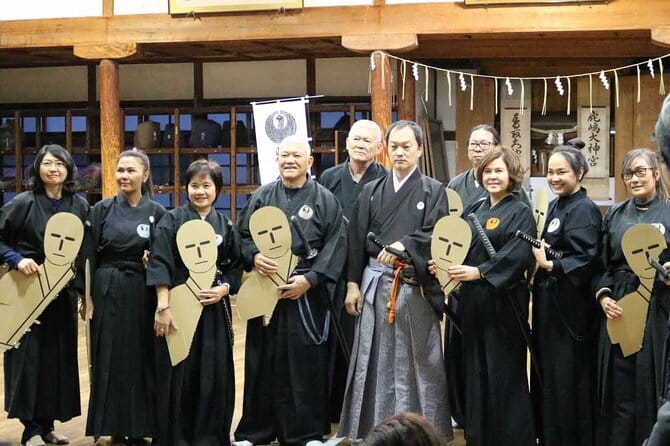
You should treat this as a moderate physical activity. The class is suitable for beginners, but it is not a quiet craft session.
Expect repeated arm movements, leg work, standing, and sustained concentration. The drumming can become loud, which is part of the appeal but may not suit everyone. If you are sensitive to noise, ask about the accessibility support available before booking.
Bring water. Comfortable clothing is wise, especially something breathable that allows easy movement. One young participant developed blisters, so Band-Aids may be useful if you have delicate hands or are not accustomed to gripping drumsticks.
The activity requests a moderate fitness level. That does not mean you need athletic training. It means you should be comfortable standing and moving for much of the 90 minutes.
Is the Class Good for Families and Teenagers?
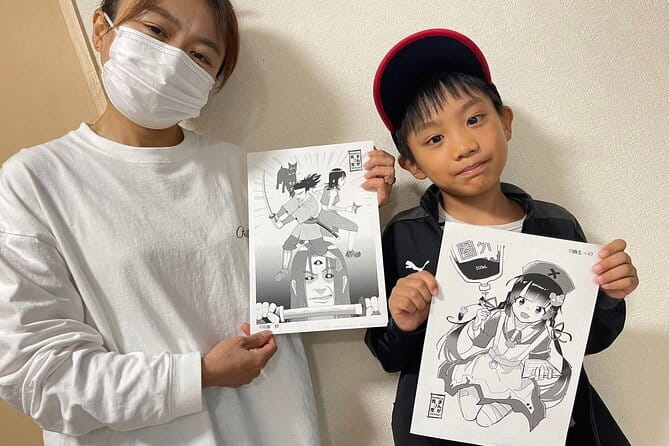
This workshop suits families particularly well. Teenagers and younger participants can burn off energy while learning something connected to Japanese culture. The session has worked well for families with teenagers aged 15 and 17, as well as a tween.
The activity also gives families a shared task. Instead of splitting up while one person shops and another takes photographs, everyone contributes to the same rhythm. That can be especially helpful during a long Tokyo trip when younger family members need something active.
Adults without musical experience should feel equally comfortable. The instruction starts with fundamentals, and Eva is patient with beginners. A percussionist may find the early material familiar, but the performance style and body movement still offer a fresh challenge.
Finding the Studio in Daikanyama
The meeting point is in the Daikanyama area of Shibuya at Japan, 150-0032 Tokyo, Shibuya, Uguisudanicho, 111, Taiyo Residence Daikanyama.
The studio is near public transportation and the central location makes it easy to continue sightseeing afterward. Daikanyama is a useful base for exploring nearby parts of western central Tokyo, although the class itself ends back at the meeting point.
Allow enough time to find the building. The location can be a little difficult to identify using the address supplied by the booking platform, while Google Maps provides a clearer result. I would check the map before leaving your hotel and keep the academy name, Eva Kestner International Taiko Drum Academy, ready to show if needed.
For groups larger than 20 people, a separate large-group booking is required. That session takes place about 20 minutes from Shibuya, so large parties should not assume they will use the same Daikanyama location.
What Does $120 Represent?
At $120 per person, this is not a bargain-priced activity. The value depends on what you want from a cultural experience.
You receive 90 minutes of instruction, use of a taiko drum and sticks, English and Japanese support, a professional demonstration, cultural background, group performance practice, and a personalized video. The class also has a maximum of 15 participants, with a boutique-style setting intended to provide personal attention.
That package is more valuable if you want to actively learn rather than simply watch. It is less appealing if you only want a quick photo opportunity or a short performance.
The instructor’s professional background strengthens the value. You are learning from an accomplished taiko drummer who can explain both the practical mechanics and the character of the music. For a special occasion, a family activity, or a traveler who has already seen the major sights, the price can make sense.
Booking patterns suggest planning ahead. This experience is booked about 31 days in advance on average, so I would not leave it until the final day or two of a Tokyo visit.
Accessibility and Support
Accessibility support is available for visual, audio, mobility, and neurodivergent needs. That is a useful feature, especially for a physical and sound-based activity.
Because the class includes loud drumming and movement, contact the provider before booking if you need specific adjustments. The available support is broad, but the supplied details do not explain the exact arrangements for each participant.
The activity ends at the meeting point, and confirmation is provided at booking. Free cancellation is available when you cancel at least 24 hours before the local start time. Changes or cancellations inside that window are not accepted for a refund.
Who Will Enjoy This Most?
I would recommend this workshop to you if you want:
- A hands-on cultural activity in Tokyo
- An introduction to taiko without prior musical experience
- A family activity that works for teenagers
- A lively class led in English
- A personal video to take home
- A break from temples, shopping, and sightseeing on foot
You may want to think twice if you dislike loud sounds, standing activity, or structured group participation. You should also avoid packing the class into a day when you need to stay perfectly rested for a formal dinner or long evening outing.
The workshop is short enough to fit into a busy Tokyo schedule, but active enough that you may want a quiet break afterward.
Should You Book the Taiko Workshop?
Yes, if you want to take part in Japanese culture instead of simply looking at it.
Eva Kestner’s strong musical background, patient teaching style, English instruction, and small-group format make this a solid choice for first-time drummers. The personalized video gives the $120 price more weight, while the central Daikanyama location makes the activity easy to combine with other Tokyo plans.
Go prepared for noise, movement, and a real workout. Wear comfortable clothes, bring water, protect your hands if needed, and use Google Maps to find the studio. If that sounds appealing, this is one of the more memorable ways to spend 90 minutes in Tokyo.
FAQ
How long does the taiko drumming workshop last?
The workshop lasts approximately 1 hour and 30 minutes.
Where does the workshop take place?
It takes place at Eva Kestner International Taiko Drum Academy in Tokyo’s Shibuya area, at Taiyo Residence Daikanyama in Uguisudanicho, Tokyo 150-0032.
What does the workshop cost?
The listed price is $120 per person.
Is equipment included?
Yes. Taiko drums and taiko drumming sticks are provided, so you only need to bring yourself.
Is the class taught in English?
Yes. The workshop is taught in English, with English and Japanese support available.
Do I need previous drumming experience?
No. The workshop teaches foundation training, basic rhythms, and a traditional or contemporary piece. It is designed for beginners and can also suit participants with some percussion experience.
How many people can join the class?
The activity has a maximum capacity of 15 participants.
Will I receive a recording of my performance?
Yes. You receive a personalized video of yourself playing taiko drums.
What is the cancellation policy?
You can cancel at least 24 hours before the local start time for a full refund. Cancellations or changes made less than 24 hours before the start time are not accepted for a refund.
Just added around Tokyo
- Tokyo Shibuya Walking tour With A Guide★ 4.4 · 22 reviews
- Private Tokyo Local Food and Drink Tour with a Bar Hopping Master★ 5.0 · 22 reviews
- Tokyo: Visit Sumo Morning Practice with English Guide★ 4.5 · 22 reviews
- Nikko Toshogu, Kegon waterfall, Lake Chuzenji One Day Pvt. Tour★ 5.0 · 22 reviews
- Private Departure Transfer : Central Tokyo City to Haneda Airport★ 4.5 · 22 reviews
- Mt. Fuji and Hakone Private Tour with English Speaking Driver★ 5.0 · 22 reviews
- Private Tokyo Early Morning Tour with English-Speaking Guide★ 5.0 · 22 reviews
- Private Tour with a Local Guide – Learn about daily life in Japan★ 5.0 · 22 reviews
Workshops, compared.
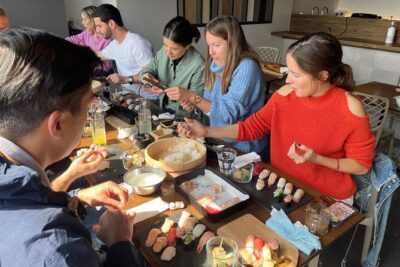
Sushi Making Tokyo Roll and Authentic Japanese Sushi Class
Read our review →

Roll and Authentic Sushi Making Class in Asakusa
Read our review →
Ramen Cooking Class at Ramen Factory in Kyoto
Read our review →
Sushi Making Class in a Happi Coat near a Famous Spot
Read our review →
Sushi Making Osaka Roll and Authentic Japanese Sushi Class
Read our review →Browse the lists this tour appears in