
Reviewed · MEET THE LOCALS EXPERIENCES
Highlights & Hidden Gems With Locals: Best of Kyoto Private Tour
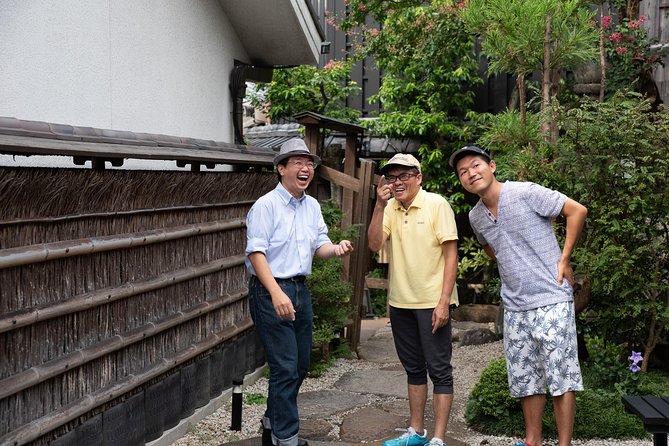
Kyoto rewards slow walking. I like this tour for its private format and its mix of famous sights with quieter lanes around Gion. I also like the flexible start time, which lets you fit the outing around jet lag, meals, or another temple visit. The main concern is guide quality: some guides have earned high praise for their stories and local insight, while others have not matched the promise of a true local perspective.
At $167.92 per person, the price makes the most sense for a small group that values personal attention and wants help finding its way through eastern Kyoto. The three-hour plan covers a lot of ground, but the schedule is brisk. You should also confirm what is included at the start, since a few bookings have involved confusion about drinks or temple admission.
In This Review
- Key points before you book
- Why this private Kyoto walk can work so well
- Kyoto Municipal Zoo and the old streets nearby
- Yasaka Shrine and Hokanji Temple connections
- Kongoji Temple and the monkey-linked folk belief
- Kiyomizu-dera, Kyoto’s essential hillside temple
- A second Yasaka Shrine stop and the included refreshment
- Gion beyond the postcard streets
- Kamogawa River, Kyoto’s everyday meeting place
- Nishiki Market and the small tasting opportunity
- What the guides add, and where the risk lies
- Is $167.92 per person good value?
- Who should book this Kyoto experience?
- The final call
- FAQ
- How long is the Kyoto private tour?
- Is this a private tour?
- What places does the tour visit?
- Is admission to Kiyomizu-dera included?
- Is a drink or food tasting included?
- Does the tour include hotel pickup and drop-off?
- Can I cancel for a full refund?
Key points before you book
- Private walking experience: Only your party and one guide participate, so you can ask questions, adjust the pace, and shape the route around your interests.
- A strong eastern Kyoto route: Kiyomizu-dera, Yasaka Shrine, Gion, the Kamo River, and Nishiki Market give you a useful first look at the city.
- Quiet Gion lanes: The route aims to move beyond the busiest streets and show traditional wooden buildings, pottery shops, tea houses, and narrow lanes.
- Guide quality matters: David, Guia, Ted, and Shohei have received especially warm praise for energy, history, family care, and route changes.
- One tasting included: A local drink or tasting is part of the package, but make sure it happens during your outing.
- Good for first-time visitors: The tour covers major landmarks while helping you connect them on foot instead of navigating alone.
Why this private Kyoto walk can work so well
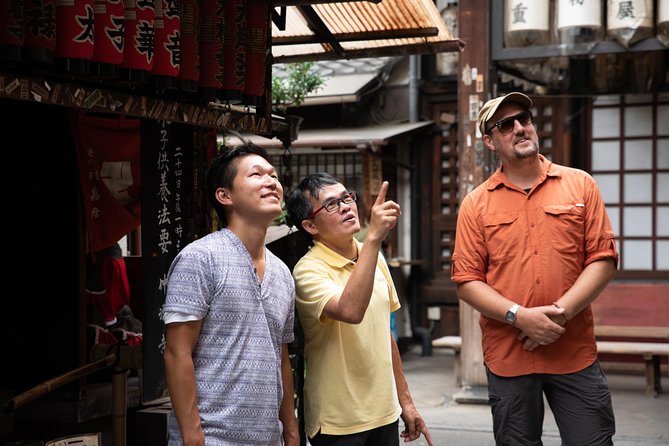
Kyoto is easy to admire and surprisingly easy to misunderstand. You can walk past a shrine, temple, tea house, or alley without knowing why it matters. A private guide can add the missing pieces: what a place is used for, how a folk belief developed, and how modern Kyoto fits around old wooden neighborhoods.
I especially like the private setup. You are not waiting for a large group at every crossing, and you can ask for more time at a temple or less time at a market. Families benefit from this flexibility. One highly praised guide, Guia, adjusted the day well for children, while Ted was singled out for keeping teenagers interested with stories and a lively approach.
The experience is listed at about three hours, with stops generally lasting 20 to 30 minutes. That is enough for an introduction, not a full study of Kyoto. Some people have described outings lasting much longer, so confirm your actual duration and route before you begin.
The starting point is 198 Nakanocho in Higashiyama Ward. The activity ends back at the same meeting point, and hotel transportation is not included. You will need to reach the start yourself, though the meeting area is near public transportation.
More Hidden Gem Tours in Kyoto
- Kyoto Geisha Walking Tour: Gion District & Hidden Gems
★ 4.7 · 3,273 reviews - Private Kyoto Tour with a Local, Highlights & Hidden Gems, Personalised
★ 5.0 · 1,543 reviews - Arashiyama Bamboo Forest & Hidden Gems Bike Tour (Early Bird)
★ 5.0 · 613 reviews
Kyoto Municipal Zoo and the old streets nearby
The first stop is a pass by Kyoto Municipal Zoo, with attention to the surrounding neighborhood. The real draw here is not the zoo itself. It is the transition into a part of Kyoto where narrow lanes, wood-built houses, pottery shops, and tea houses preserve an older town feel.
This is a useful opening because it introduces the contrast that defines Kyoto. Modern city life is close by, but the streets can still feel shaped by an earlier era. Your guide may point out details you would otherwise walk past, such as the scale of the houses, the shopfronts, or the way the neighborhood is arranged.
The 30-minute allocation suggests a gentle orientation rather than a major stop. If you want time inside the zoo, this is not that sort of visit. The value lies in getting your bearings and learning how to read the streets.
Yasaka Shrine and Hokanji Temple connections
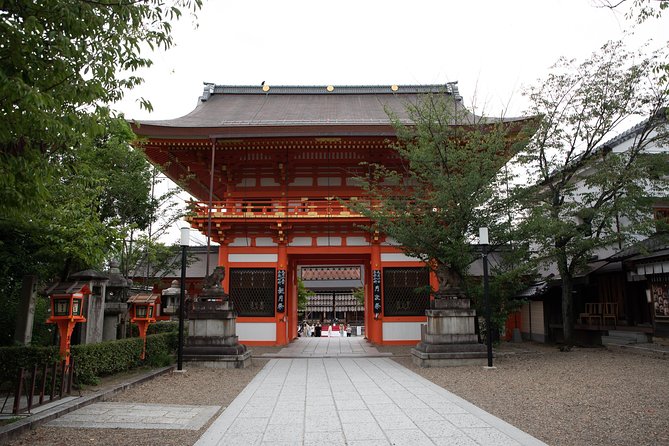
The route includes Yasaka Shrine, one of Kyoto’s best-known religious sites, founded more than 1,350 years ago. It is an important stop for understanding the city’s long relationship with Shinto practice, festivals, and daily worship.
The itinerary also refers to Hokanji Temple, associated with the Asuka period from 538 to 710. The wording makes the exact relationship between this reference and the stop a little unclear, so I would ask your guide to explain which buildings you are seeing and how they connect to the route.
You get about 20 minutes here. That is enough to see the main approach and receive an introduction, but not enough for a detailed architectural study. The private format helps because you can ask about customs, shrine etiquette, or the difference between a shrine and a temple without worrying about holding up a group.
Kongoji Temple and the monkey-linked folk belief
Kongoji Temple brings a more unusual religious idea into the day. The folk faith connected with this place says that to have one wish granted, you must sacrifice one desire. That idea gives the stop a human quality. It is not just about dates, construction, or famous names. It raises questions about self-discipline, hope, and the bargains people make with themselves.
This is one of the stops where your guide’s storytelling ability matters most. A short explanation can make the belief memorable. A rushed fact or two will leave you wondering why the place was included.
The planned visit lasts 20 minutes. You should treat it as a compact cultural stop, not a long temple visit. If this belief is one of the reasons you book the tour, bring it up early and ask for a fuller explanation.
More meet the locals experiences:
- Japanese Speaking Experience Meet the locals Friend Cafe Shibuya
★ 5.0 · 518 reviews - All We Can Drink and Make Friend Can Come Alone Party in Shinjuku
★ 5.0 · 359 reviews - Shibuya Local “Solo Going” Int’l Party Unlimited Drink Ex. Sunday
★ 5.0 · 216 reviews - Tokyo Local Friends Solo attend Party All We Can Drink in Shibuya
★ 5.0 · 213 reviews
Kiyomizu-dera, Kyoto’s essential hillside temple
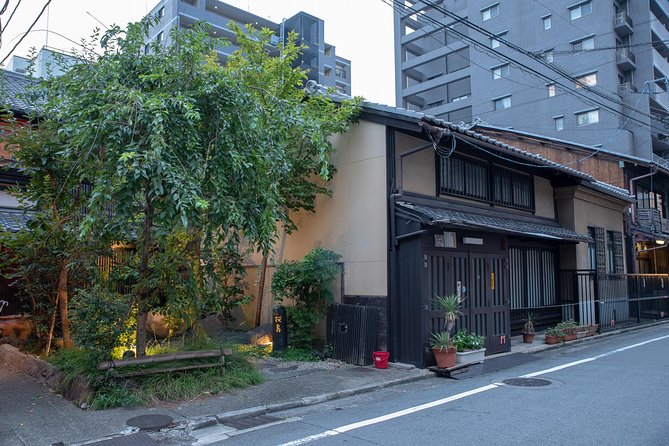
Kiyomizu-dera is the centerpiece of the route. Founded more than 1,200 years ago, the temple sits partway up Mount Otowa in Kyoto’s Higashiyama range. Its elevated position helps explain why this area feels so closely tied to hills, wooded slopes, old lanes, and temple approaches.
The admission ticket is listed as included, which is a useful saving and removes one small transaction from the day. Still, because some past participants were asked to pay cash for temple admission, I would clarify this with your guide before entering. The package also includes one local drink or tasting, and that should be confirmed early as well.
You have about 30 minutes here. That is enough to enter, see the principal areas included in the visit, and hear the basic story of the temple. It is not enough to explore every corner at a leisurely pace. If Kiyomizu-dera is a priority, ask whether you can spend less time at another stop.
The approach can be busy, and the temple is one of Kyoto’s major sights. This is where the private format earns its keep. Your guide can help you move efficiently and explain what deserves your attention. You will still encounter crowds, but you are less likely to lose time waiting for a large group.
A second Yasaka Shrine stop and the included refreshment
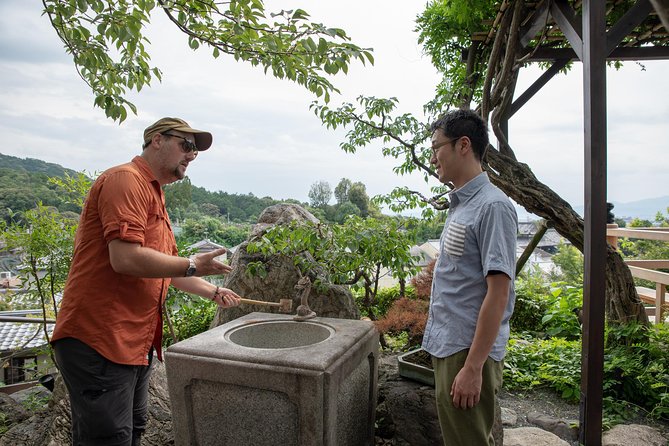
Yasaka Shrine appears again later in the route, with time set aside for coffee before seeing another section or returning to the shrine area. This repeated listing may reflect a refreshment break and a second look at the same neighborhood rather than a wholly separate attraction.
That pause is welcome on a walking tour. Kyoto sightseeing involves more pavement and slopes than many first-time visitors expect, particularly around Higashiyama. A coffee or local drink gives you a chance to sit, ask questions, and reset before Gion and the river.
The inclusion is modest, but it adds value when it is delivered properly. Guia was praised for providing refreshments and treats during the outing. At the same time, another experience ended without the promised drink. If the tasting matters to you, mention it at the beginning instead of waiting until the end.
Gion beyond the postcard streets
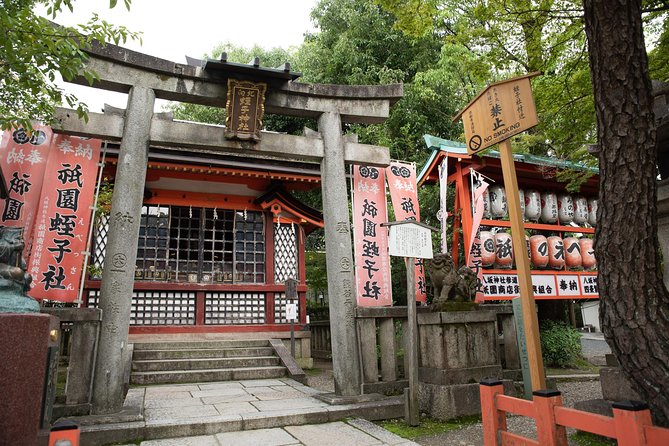
Gion is Kyoto’s most famous geisha district, and it can be one of the most rewarding and delicate parts of the walk. The traditional wooden facades, narrow lanes, tea houses, and careful quiet give the district its character. It is also an active neighborhood, not a stage set built for sightseeing.
This is where the tour’s promise of less familiar streets matters. David was praised for taking a group through quieter parts of Gion that they would not have found alone. That kind of route choice can make the difference between a generic walk and a personal introduction to Kyoto.
You have about 20 minutes here, so the visit will be an overview. Do not expect guaranteed geisha encounters. The useful focus is the district itself, its architecture, customs, and the need to behave respectfully. Follow your guide’s instructions about photography and avoid blocking lanes or approaching people who are working.
The strongest guides make Gion more than a pretty backdrop. Ted was praised for adding religion, culture, and historical context, while Shohei was valued for answering questions with humor and energy. Those qualities are especially helpful in Gion, where a quick explanation can turn an attractive street into a meaningful place.
Kamogawa River, Kyoto’s everyday meeting place
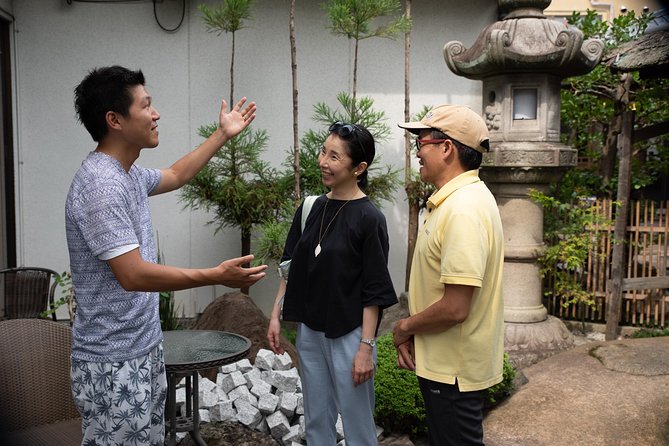
The Kamo River offers a change of pace. After temples and narrow streets, you get open space and a clearer sense of how Kyoto’s residents use the city. The river is one of Kyoto’s best-known public places and a popular stop for both sightseeing and ordinary local life.
The planned visit lasts 20 minutes. That is enough for a short walk, a view, and an explanation of the river’s role in the city. It also gives you a break from the concentrated temple route.
I like including the river because it prevents the tour from becoming a string of religious sites. Kyoto is not only its famous monuments. The river helps you see the city as a place where people move, meet, pause, and live.
Nishiki Market and the small tasting opportunity
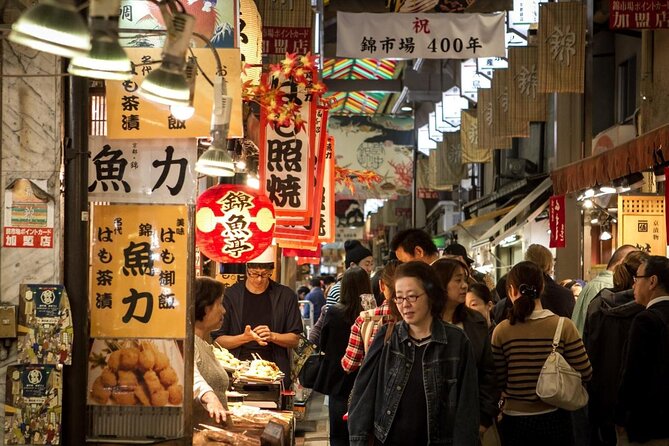
Nishiki Market is about 400 years old and is the tour’s main food and shopping stop. You can sample local Japanese foods and browse for souvenirs, though the short 20-minute allocation means you should keep your expectations realistic.
A private guide can make a market visit more useful by explaining what you are looking at and helping you choose something unfamiliar. This is also where the included local tasting fits naturally. If you enjoy food, tell your guide at the start so the market receives enough attention.
You will not have time for a long meal here. Food and drinks beyond the listed tasting are not included, so bring money if you want to sample several items or buy gifts. The market is best treated as a quick introduction, followed by a return visit on your own if something catches your eye.
What the guides add, and where the risk lies
The best part of this experience is not a particular shrine. It is the person walking beside you. David has been praised for finding quieter Gion streets. Guia has been praised for patience with children, local treats, and adapting the outing to family needs. Ted has received especially strong comments for history, culture, storytelling, and food suggestions. Shohei has been praised for energy, humor, and customizing the route.
Those examples show the tour at its best: a flexible walk shaped around your questions rather than a memorized speech. One family even found Ted useful for discovering food beyond the obvious choices.
But you should not assume every guide delivers the same level of local expertise. Two disappointing experiences involved guides who were not Japanese, did not speak Japanese, or had spent only a relatively short time in the country. One person found the information limited to dates and basic facts, with little explanation of why the places mattered.
That criticism is important because the product is sold around a local perspective. An expatriate guide can still offer a valuable view of Kyoto, but it is different from being guided by someone raised in Japan or fluent in Japanese. If that distinction matters to you, contact the provider before booking and ask about the guide assigned to your date.
Is $167.92 per person good value?
The price is high for a three-hour walk if you are paying for only a quick list of sights. It becomes easier to justify when your group wants a private guide, a flexible route, included Kiyomizu-dera admission, and help with food or neighborhood choices.
Group size changes the calculation. A couple paying the full per-person amount may find it expensive, especially if the guide provides only brief facts. A family or small group can gain more from the private format because the cost buys control over pace, questions, and interests.
The tour also saves planning time. You do not need to connect Gion, Kiyomizu-dera, Nishiki Market, and the Kamo River yourself. That convenience has real value on a short Kyoto visit, particularly if you want a gentle introduction before exploring independently.
The carbon emissions are offset, which is a positive extra, though it should not be the main reason to choose the tour. The deciding factor is the guide.
Who should book this Kyoto experience?
I would recommend it most strongly to first-time visitors who want orientation without joining a large group. Families, couples, and friends who prefer a private pace should also benefit, especially if they have different sightseeing interests.
It is a good match if you want:
- Major Kyoto sights linked by a human guide
- A short introduction before independent exploring
- Help with Gion, temple etiquette, and local food
- A route adjusted around children or personal interests
- A walking experience without hotel pickup
I would be more cautious if you want a formal academic tour, a guaranteed Japanese-speaking guide, or long visits inside each temple. The itinerary moves quickly, and the experience can be disappointing if the guide relies on isolated facts rather than explanation.
Book at least a few weeks ahead if your schedule is fixed. The experience is often reserved around 19 days in advance, and the private format may have limited availability. Free cancellation is available until 24 hours before the start time, which gives you some protection if your plans change.
The final call
This private Kyoto tour can be an excellent first afternoon in the city, especially with a guide such as Ted, Guia, Shohei, or David. The route is sensible, the private format is genuinely useful, and the combination of Kiyomizu-dera, Gion, Nishiki Market, and the Kamo River gives you more than a temple checklist.
I would book it if you value personal attention and can confirm who will guide you. I would skip it if the assigned guide cannot explain their Kyoto background, the included tasting, and the Kiyomizu-dera admission clearly. At this price, the guide must provide stories, context, and thoughtful route choices, not just directions between famous places.
FAQ
How long is the Kyoto private tour?
The advertised duration is approximately three hours. Some past outings have been described as lasting longer, so confirm the exact schedule before starting.
Is this a private tour?
Yes. Only your group and the local guide participate, with no larger tour group added.
What places does the tour visit?
The route includes the Kyoto Municipal Zoo area, Yasaka Shrine, Kongoji Temple, Kiyomizu-dera, Gion, the Kamo River, and Nishiki Market.
Is admission to Kiyomizu-dera included?
Yes, admission to Kiyomizu-dera is listed as included. Because some participants were asked to pay cash for temple admission, confirm the arrangement with your guide.
Is a drink or food tasting included?
One local drink or tasting is included. Additional food and beverages are not included.
Does the tour include hotel pickup and drop-off?
No. You must reach the meeting point at 198 Nakanocho in Kyoto, and the tour ends back at that meeting point.
Can I cancel for a full refund?
Yes, if you cancel at least 24 hours before the experience start time. Cancellations or changes made less than 24 hours in advance are not eligible for a refund.
Just added around Kyoto
- Kyoto: Gion Night Walking Tour with Geisha Insight★ 5.0 · 39 reviews
- Kyoto: Private Customizable Day Trip by Car★ 5.0 · 38 reviews
- Kyoto: Full Day Bike Tour★ 4.9 · 39 reviews
- Private Japanese Calligraphy in Kyoto – Learn Shodō with a Master★ 5.0 · 39 reviews
- Kyoto: Gion Evening Walk with Hidden Gems, Geisha & Sake★ 5.0 · 41 reviews
- Experience a tea ceremony in an authentic tearoom, in Kyoto!★ 4.5 · 41 reviews
- Kyoto Private Photo Shoot & Tour by SnapKyoto★ 5.0 · 41 reviews
- The Way of Tea: Kyoto Crafts, Hidden Temples & Wabi-Sabi Walk★ 5.0 · 41 reviews
Meet the Locals Experiences, compared.
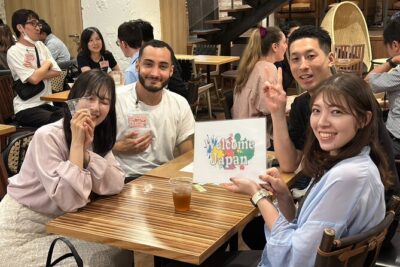
Japanese Speaking Experience Meet the locals Friend Cafe Shibuya
Read our review →
All We Can Drink and Make Friend Can Come Alone Party in Shinjuku
Read our review →
Shibuya Local “Solo Going” Int’l Party Unlimited Drink Ex. Sunday
Read our review →
Tokyo Local Friends Solo attend Party All We Can Drink in Shibuya
Read our review →
Meet Osaka local Friend & Fun Chat All We Can Drink Party Ticket
Read our review →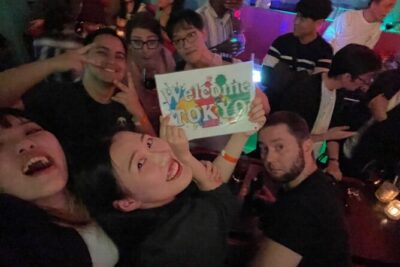
Shinjuku Locals &Traveller Meet&Drink Experience Solo going Party
Read our review →
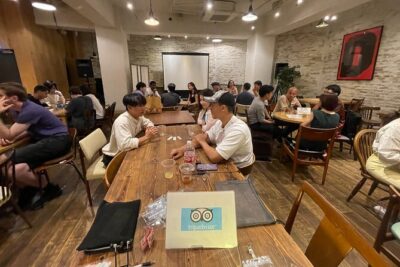
Easy Japanese Speaking Experience and Meet Locals in Shibuya
Read our review →Browse the lists this tour appears in