Reviewed · TOKYO TOURS
Japan Classic 10 Day – One Life Adventures
Japan rewards a fast start. One Life Adventures packs Tokyo, Hakone, Takayama, Kyoto, and Osaka into about ten days, mixing famous sights with food classes, sake, a mountain stay, martial arts, and plenty of public transport. I like the excellent range of experiences and the way the route moves beyond the usual big cities. I also like the chance to meet a group of up to 22 people while a guide handles the complicated train days.
The catch is simple: this is a fast-paced backpacking tour with lots of walking. You will change hotels, catch several trains, climb hills and temple paths, and keep moving from morning into the evening. The price is listed at $6,629, so you should expect a high level of included activity to justify the cost, and you should arrive ready for a busy schedule rather than a restful holiday.
In This Review
- Key details to know before you book
- Tokyo begins with temples, neon, and a useful orientation
- Tokyo’s food day covers markets, sushi, and famous city views
- Hakone adds hot-spring country and a chance at Mount Fuji
- Takayama brings mountain rail travel and Hida food
- Kyoto combines geisha districts with major temple visits
- Arashiyama and Osaka finish with monkeys, boats, food, and karaoke
- What $6,629 gets you, and what it does not
- Who will enjoy this Japan tour most?
- FAQ
- Where does the Japan Classic 10 Day tour start and finish?
- Is airport transportation included?
- How many people can join the tour?
- What meals are included?
- Does the tour include international flights and travel insurance?
- What level of fitness is required?
- Should you book Japan Classic 10 Day?
Key details to know before you book
- Tokyo to Osaka in 10 days: You begin in Tokyo and finish at your Osaka accommodation, with Japan’s main highlights connected by rail.
- Food is part of the trip: A sushi-making class, teriyaki cooking, Hida beef, sake tasting, nabe, yakitori, and an Osaka food tour give the trip plenty of flavor.
- A rare mountain overnight: Hakone brings ropeway views, Lake Ashi, a pirate ship, and a traditional guesthouse dinner.
- Traditional Japan gets real time: Kyoto includes Fushimi Inari, Kiyomizu-dera, Kinkakuji, Daitoku-ji, a kendo class, and Gion.
- The group size is capped at 22: That is large enough for a social atmosphere, but still manageable for a guide on trains and city walks.
- You need moderate fitness: Expect stairs, long walks, busy stations, and several travel days with little downtime.
Tokyo begins with temples, neon, and a useful orientation
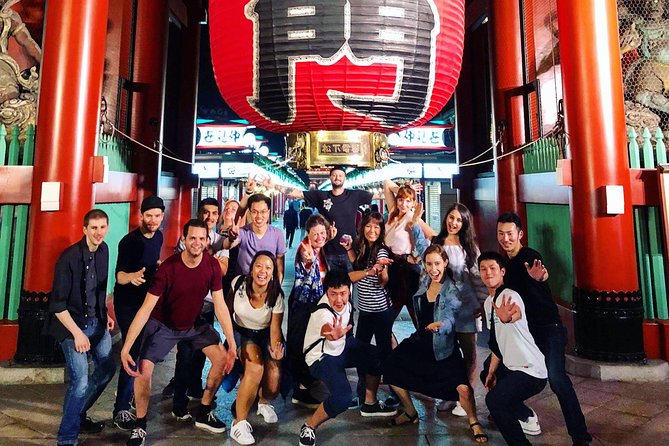
Your first evening starts gently enough with a Japanese meal and a walk to Senso-ji, Tokyo’s major Buddhist temple in Asakusa. The bright red gate and temple buildings give you an immediate introduction to old Tokyo, especially after the flight and the sensory overload of arriving in Japan.
Senso-ji is also a smart first stop because it gives the group a shared meeting point and an easy cultural introduction. You get only about an hour there, so this is more of an orientation visit than a detailed temple study. That suits the tour’s style: see the important place, understand its role, then keep moving.
Day two opens with a class on basic Japanese customs and phrases. This is one of the more useful inclusions. Even a few simple expressions and an explanation of local manners can make train stations, restaurants, and temple visits feel less daunting. With the rest of the trip relying heavily on public transportation, this early briefing has practical value.
Harajuku brings a different side of Tokyo. You will see the area associated with Japanese youth culture and modern fashion before walking through Yoyogi Park to Meiji Jingu Shrine. The contrast is the point: a short distance takes you from colorful street style to a quiet Shinto setting surrounded by trees.
The day ends in Akihabara, Tokyo’s electric district. Allow three hours here, because the area is more than a quick neon photo. You might find game stores, anime shops, electronics, and strange little pockets of city life. The downside is that the day moves from class to Harajuku to shrine to Akihabara, so jet-lagged visitors may feel they are operating on low battery.
A few more Tokyo experiences worth weighing up
- Mt Fuji and Hakone 1-Day Bus Tour Return by Bullet Train
★ 5.0 · 26,383 reviews - 1-Day Tokyo Bus Tour
★ 5.0 · 14,250 reviews - Tokyo: TOKYO SKYTREE® Admission ticket
★ 4.5 · 11,192 reviews
Tokyo’s food day covers markets, sushi, and famous city views
Day three is one of the tour’s strongest city days. Tsukiji Fish Market offers a look at Tokyo’s seafood culture, followed by a sushi-making class where you learn to roll sushi and prepare teriyaki. The cooking activity gives you something to do with your hands, not just another stop where you take photographs.
The market visit is listed at about one hour, while the class lasts two hours. That balance works well. You get a taste of the market without spending half the day wandering among food stalls, then sit down for a practical lunch. Breakfast, four mornings in total, plus one lunch and three dinners are included across the trip, but you should budget for many additional meals.
After a short return to the hostel, you head to the Tokyo Metropolitan Government Building observation decks. This is a good value stop because admission is free and the view gives you a sense of Tokyo’s immense scale. Clear weather makes the visit better, but the city itself remains impressive even when distant views fade.
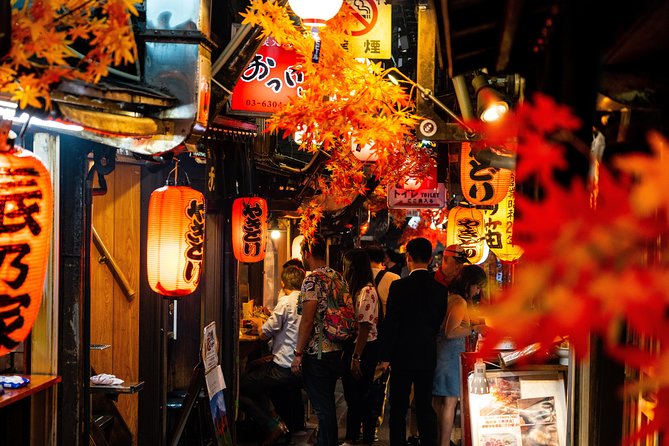
Dinner comes in Omoide Yokocho, a narrow alley known for yakitori and beer. The old nickname for the lane is Piss Alley, a blunt piece of Tokyo trivia that tells you something about its informal character. This is a compact place, so expect close tables and a lively evening rather than a long, quiet meal.
The final stop is Shibuya Crossing. It is a brief visit, but seeing the crossing from the edge of the crowd gives you one of Tokyo’s classic scenes. If you want more time in Shibuya, this schedule may feel short. The upside is that the tour gives you several very different Tokyo neighborhoods in just two days.
Hakone adds hot-spring country and a chance at Mount Fuji
On day four, you leave Tokyo on the Romance Car for Hakone. The change is welcome. After two dense city days, the mountain setting brings cooler air, wider views, and a slower visual rhythm, even though the schedule remains active.
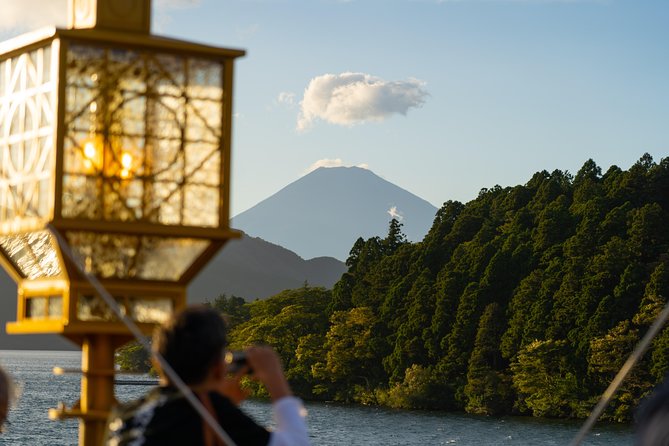
The Hakone Ropeway is included, and it is one of the trip’s most scenic rides. You then cross Lake Ashi on a pirate ship. On a clear day, Mount Fuji may appear across the water. That word matters: Fuji views depend on weather, and no tour can promise a clear sightline.
Your overnight stay is in a traditional mountain guesthouse, followed by a Japanese nabe dinner. Nabe is a communal hot-pot meal, which fits a group tour nicely. It is warm, social, and different from the quick city meals you have had earlier.
This night also gives you a taste of accommodation variety. The tour uses hostels and hotels in different settings, with past departures including pod-style and traditional accommodation. If you need polished, consistent hotel rooms every night, this style may frustrate you. If you enjoy seeing how accommodation changes with the place, it adds character.
Takayama brings mountain rail travel and Hida food
Day five is a major transport day. You take a bullet train to Nagoya, then continue by scenic train toward Takayama through mountain country. Japan’s rail system is one of the pleasures of this route, and having a guide coordinate the changes can remove much of the stress.
Takayama is known for its old-town atmosphere and local food traditions. A sake tasting at Harada Sake Brewery gives you a direct connection to the area’s drink culture, while Hida beef offers a local specialty for anyone willing to spend extra. The sake tasting is included, but the Hida beef is described as an optional treat, so plan for that separately.
The schedule is rewarding but tiring. A long rail day followed by a tasting and a traditional overnight means you will want comfortable shoes and a small day bag. Your main luggage is less useful when you are changing trains and moving through older streets.
On day six, a guide-led walk takes you through Takayama’s old town and the Miyagawa River morning market. The two-hour visit gives you a better look at the town than a quick stop between trains would. The market is also a good place to see local produce and small food items before returning to the main rail route.
A completely different kind of day out in Tokyo:
- Tokyo: teamLab Planets TOKYO Digital Art Museum Entry Ticket
★ 4.6 · 9,779 reviews - Mt Fuji & Hakone Cruise, Drum Show Bullet Train 1 Day from Tokyo
★ 4.0 · 7,413 reviews - Tokyo: Sumo Show Experience with Chicken Hot Pot and a Photo
★ 4.8 · 6,678 reviews - Tokyo: Shinjuku Food Tour (13 Dishes at 4 Local Eateries)
★ 5.0 · 6,603 reviews
Kyoto combines geisha districts with major temple visits
The train journey returns you to Nagoya, followed by a bullet train to Kyoto. This is another busy transfer day, but the reward is Japan’s cultural center, where small lanes, wooden buildings, shrines, and temples replace Tokyo’s towers and signs.
The first Kyoto evening is spent in Gion. The stone lanes and traditional architecture make this one of the most atmospheric walks on the trip. You may see geisha or maiko moving between appointments, but treat the area as a living neighborhood, not a stage. Keep your distance, avoid blocking lanes, and let the setting speak for itself.
Day seven begins early at Fushimi Inari-taisha. The early start is a smart move because the shrine’s famous red torii gates become much harder to enjoy once the paths fill. You climb through corridors of gates up the mountain, and the walk becomes quieter as you go higher.
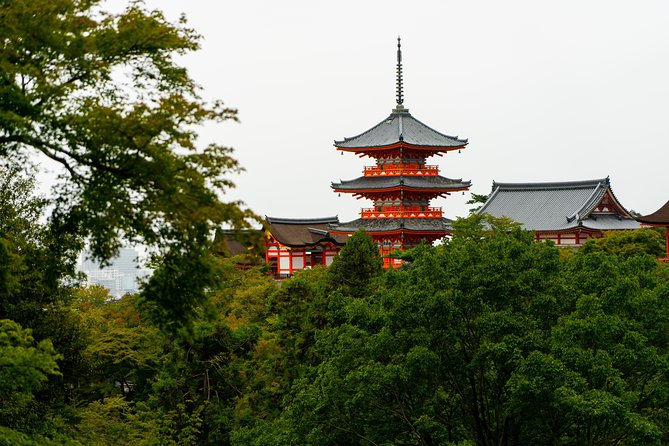
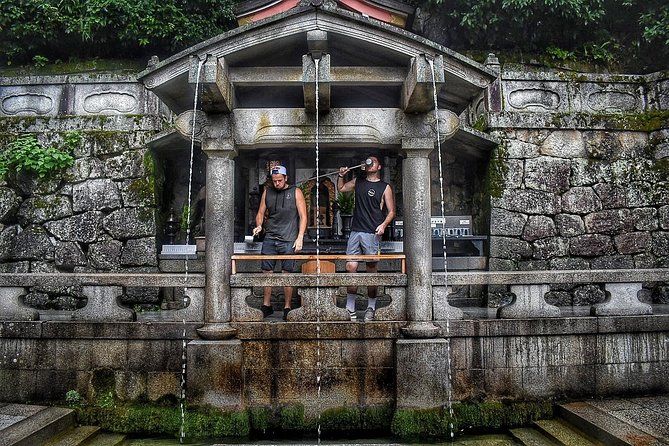
Kiyomizu-dera follows, with its wooden structure high on the hillside. The complex offers fine city views and a strong sense of place, but the paths and slopes require steady legs. The schedule includes about two hours here, enough for the main areas but not every corner.
Day eight begins at Kinkakuji, the Golden Pavilion. The gold-covered building reflected in the pond is a quick visual hit, and the surrounding paths make it easy to understand why this is one of Kyoto’s most visited sights. It can feel crowded, so the value is in arriving, seeing the setting, and moving on before the stop becomes repetitive.
Daitoku-ji provides a quieter counterpoint. Its Zen garden and smaller temple setting give you room to think about the restrained side of Japanese design. The visit is only about an hour, but the contrast with Kinkakuji makes the pairing effective.
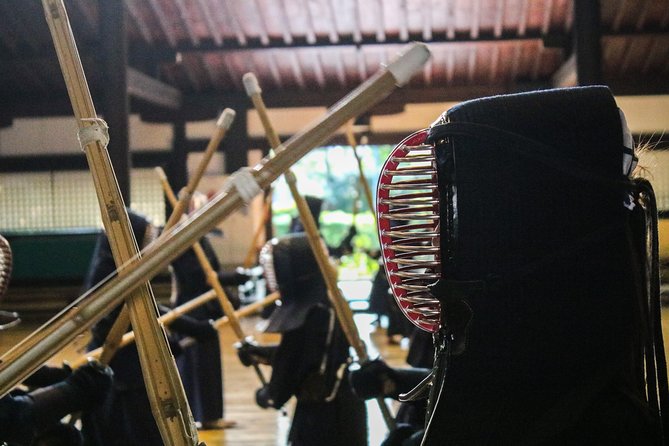
The afternoon kendo class is among the most unusual activities on the trip. You practice a traditional martial art in a dojo connected with its early history, under an instructor described as a descendant of a samurai warrior. This is not just another sightseeing stop. It gives you a structured look at discipline, posture, and respect, though the three-hour session adds to an already demanding day.
Arashiyama and Osaka finish with monkeys, boats, food, and karaoke
Day nine starts early again, this time in Arashiyama. The Bamboo Forest Street is one of Kyoto’s most photographed spots, and arriving early improves your chances of seeing the paths before they become packed. The bamboo is beautiful, but the walk is short, so keep your expectations realistic. This is a focused visit, not a full morning expedition.
Next comes Monkey Park Iwatayama. Reaching the Japanese macaques involves climbing steps, and the effort is part of the experience. You should not treat this as an easy animal stop. The uphill walk and the rest of the day make good footwear important.
After returning downhill, you board a private rowboat for about 30 minutes through the Arashiyama valleys. That short ride changes the pace again. It is a pleasant way to see the area from the river, although anyone hoping for a long boating excursion will find it brief.
The final move is to Osaka and Dotonbori. Known as the kitchen of Japan, the district brings bright signs, dense food choices, color, and noise. A food tour helps you sample the area without having to make every decision yourself, which is useful after nine days of constant movement.
The last group activity is karaoke. It is not a quiet cultural finale, but it fits the social nature of the tour. You have spent the week sharing trains, meals, rooms, and long walks, so a relaxed final night can help the group finish on a high note.
Day ten is a goodbye day in Osaka. The tour ends at the accommodation, not at the airport. Detailed airport directions are provided, and bullet trains back to Tokyo can be arranged for an additional cost. Do not book a tight same-day international departure without allowing plenty of time for the Osaka airport journey.
What $6,629 gets you, and what it does not
At $6,629, this is not a budget tour. Its value depends on how much you want handled for you. The price combines a guide, group coordination, rail movement between several cities, admissions for many listed activities, accommodation, four breakfasts, one lunch, and three dinners.
The included experiences are a major part of the calculation. A sushi class, Hakone ropeway and lake cruise, sake tasting, kendo class, private rowboat, monkey park, and Osaka food tour would take planning and separate payments if arranged alone. The tour also saves you from working out complicated connections between Tokyo, Hakone, Takayama, Kyoto, and Osaka.
Still, the inclusions are not unlimited. International flights, airport transfers, pre and post-tour accommodation, travel insurance, tips, and many meals are extra. The description does not provide a full accommodation breakdown or a complete list of train costs, so I would ask for that detail before paying, especially at this price.
The maximum group size of 22 is worth noting. That is not a tiny group, but it is practical for a fast rail-based trip. It also means you should expect some waiting at stations and some compromise over meal choices and free time.
Who will enjoy this Japan tour most?
I would choose this trip if you are visiting Japan for the first time and want the major sights plus a few experiences that are difficult to arrange alone. Solo visitors can benefit from the built-in social structure, and the group meals, karaoke, cooking class, and shared transport make it easier to form friendships quickly.
It suits people who enjoy early starts, public transport, walking, hostels or mixed accommodation, and full days. The trip is also a good fit if you want a guide to explain customs and keep the route moving.
I would hesitate if you prefer slow mornings, long restaurant meals, high-end hotels, or several free afternoons in each city. You may also find the pace tiring if stairs and extended walks are difficult. The tour clearly asks for moderate fitness, and the packed schedule is not a minor detail.
Past departures have singled out guides such as Ashleigh for energy, humor, organization, and cultural help. Guide assignments can change, so treat that as a hopeful sign rather than a promise. The best guide in Japan can make a fast tour feel friendly, but no guide can create extra hours in the day.
FAQ
Where does the Japan Classic 10 Day tour start and finish?
It starts in Tokyo, Japan, and ends at the accommodation in Osaka.
Is airport transportation included?
No. Arrival and departure transfers are not included. Detailed instructions for reaching the airport are provided, and a bullet train back to Tokyo can be arranged for an additional cost.
How many people can join the tour?
The maximum group size is 22 travelers.
What meals are included?
The tour includes four breakfasts, one lunch, and three dinners. Other meals are not listed as included.
Does the tour include international flights and travel insurance?
No. International flights and travel insurance are not included.
What level of fitness is required?
A moderate level of physical fitness is recommended. The trip includes a lot of walking, stairs, train transfers, temple paths, and an uphill walk to Monkey Park Iwatayama.
Should you book Japan Classic 10 Day?
Book it if you want Japan’s headline sights delivered at a quick pace, with food, transport, and unusual cultural activities built into the week. The Tokyo to Osaka route is well chosen, and the combination of neon districts, mountain scenery, old towns, temples, martial arts, and local meals gives you a broad first look at Japan.
Skip it if you want a slow, polished holiday or need firm control over every meal and hotel. At $6,629, you should confirm exactly what accommodation and rail travel are covered before committing. For an active first visit, though, this tour offers a lot in ten days, provided you are happy to trade free time for momentum.
Just added around Tokyo
- Tokyo 6hr Instagram Highlights Private Tour with Licensed Guide★ 5.0 · 38 reviews
- Tokyo Small Group Tour with Guide★ 4.5 · 38 reviews
- Tokyo Sumo Experience with Live Show & Audience Challenge★ 5.0 · 38 reviews
- Japanese Food Cooking Class in Asakusa, Tokyo★ 5.0 · 39 reviews
- Very popular in Harajuku♡Animal petting zoo★ 4.6 · 39 reviews
- Ramen Making from Scratch with Tokyo Mom(Vegan Option Available)★ 5.0 · 39 reviews
- Tokyo JDM Night: 600hp C63s AMG Edition 1 (Private)★ 4.9 · 39 reviews
- Tokyo: Kimono Rental inside Shinjuku Gyoen National Garden★ 4.9 · 39 reviews
Tokyo Tours, compared.
Mt Fuji and Hakone 1-Day Bus Tour Return by Bullet Train
Read our review →

teamLab Planets TOKYO Digital Art Museum Entry Ticket
Read our review →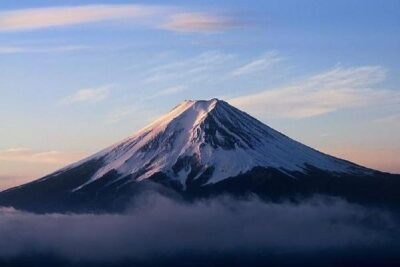
Mt Fuji & Hakone Cruise, Drum Show Bullet Train 1 Day from Tokyo
Read our review →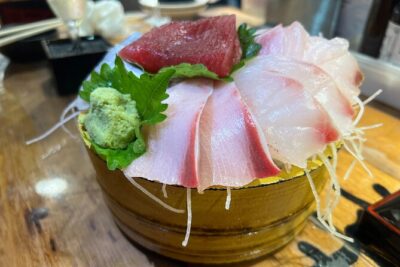
Shinjuku Food Tour (13 Dishes at 4 Local Eateries)
Read our review →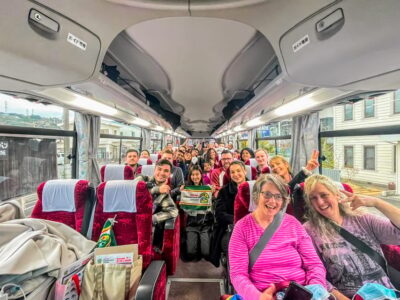
Tokyo Mt Fuji 5th St & Hakone Cruise Bus Tour w/Bullet Train
Read our review →