
Reviewed · PRIVATE CAR WITH DRIVER
Private Car Tour to see Highlights of Kamakura, Enoshima, Yokohama from Tokyo
Ancient temples meet seaside city life. This private 10-hour car tour links Kamakura’s samurai-era sights with Enoshima and Yokohama, giving you a comfortable way to cover a wide stretch of coastal Japan from Tokyo. I especially like the flexible itinerary and the chance to travel with a local guide rather than follow a fixed bus route.
I also like that the tour can include quiet temples, gardens, food stops, and modern Yokohama views in one day. The main catch is simple: you cannot realistically visit every stop listed, so you should choose four to six priorities before setting out.
In This Review
- Quick points to know
- Why a private car helps on the Tokyo coast
- Starting with Kamakura’s Great Buddha
- Bamboo, matcha, and temple quiet at Hokokuji
- Hasedera, flowers, and the Kannon statue
- Samurai tradition at Tsurugaoka Hachimangu
- Komachi Street for lunch and souvenirs
- Choosing among Kamakura’s Zen temples
- The Enoshima photo stop and island option
- Yokohama’s waterfront and traditional gardens
- Landmark Tower, Chinatown, and food choices
- How the guides shape the day
- Price, extra fees, and who gets good value
- Timing, weather, and practical planning
- Should you book this Kamakura and Yokohama tour?
- FAQ
- How long is the private car tour?
- How many people can join the private tour?
- Is pickup from Tokyo available?
- Which places can I visit?
- Do I need to visit every stop listed?
- Are entrance fees included?
- Is lunch included?
- What is included in the tour price?
- What happens if the weather is poor?
Quick points to know
- Kamakura is the heart of the day: The Great Buddha, Hasedera, Tsurugaoka Hachimangu, bamboo at Hokokuji, and classic Zen temples offer the strongest cultural focus.
- Your group gets a private vehicle: Pickup, fuel, parking, and highway tolls are included, which matters when traffic and crowded trains could eat into your day.
- The itinerary is genuinely flexible: You can request Enoshima, Yokohama, Chinatown, Cup Noodles Museum, gardens, ramen, or quieter temple stops.
- Guides are a major strength: Past visitors singled out Yoshi, Yoshimi, Masae, Ken, Taiji, Sumiko, and others for warmth, English ability, patience, and local knowledge.
- The price favors larger groups: At $1,183.65 for up to eight people, the cost is about $148 per person before entrance fees and lunch if you fill the vehicle.
- Do not try to see everything: The long list is a menu, not a promise that all stops fit into 10 hours.
Why a private car helps on the Tokyo coast
Kamakura and Yokohama are roughly one to one and a half hours from Tokyo, depending on traffic and your pickup point. Public transport can get you there, but a private van removes transfers, station walks, and the need to keep checking train times.
That convenience is the core value here. You can leave your hotel, spend the day moving between temples and waterfront districts, then return to Tokyo without piecing together a complicated route. Parking and highway tolls are covered, along with bottled water and an air-conditioned vehicle.
The tour is for your group only, with a maximum of eight people. That makes it a useful choice for a family, a multigenerational group, or friends who want to stay together. A private vehicle also helps if someone needs a slower pace, a quick photo stop, or a change in plan.
The tradeoff is cost. A solo visitor or couple will pay a lot more per person than they would on local trains. The value improves sharply with six to eight people, especially when you count the time saved and the convenience of door-to-door transport.
A few more Tokyo experiences worth weighing up
- Tokyo Private Sightseeing Tour by Car- English speaking chauffeur
★ 5.0 · 1,004 reviews - Tokyo Private Tour by Vehicle with English-Speaking Chauffeur
★ 5.0 · 504 reviews - Mt FUJI Day Tour with Private Car and English Speaking Guide
★ 5.0 · 433 reviews
Starting with Kamakura’s Great Buddha
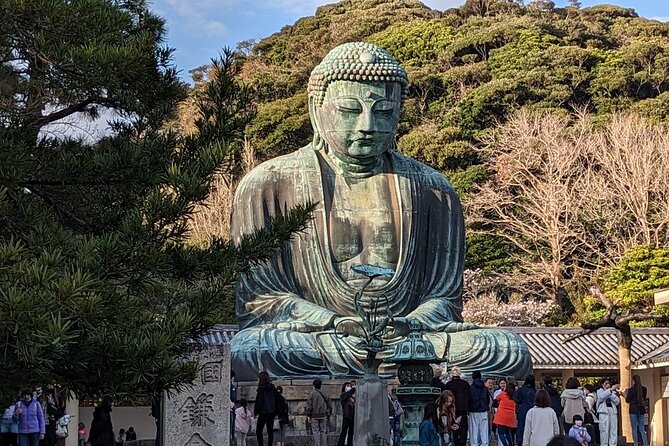
Kotoku-in Temple is usually the clearest first taste of Kamakura. Its bronze Amida Buddha is 13.5 meters tall and sits outdoors, an unusual feature that gives the statue a powerful sense of space. It is also Kamakura’s only national treasure.
You get about 30 minutes here, enough to see the statue, take photographs, and enter the interior if you wish. The admission fee is 200 yen per person, and entering the Buddha costs an additional 20 yen.
This is a short stop, not a full temple visit. If you want time to study the grounds or linger quietly, ask your guide to allow more time here and trim another stop. The Great Buddha is one of the day’s essential sights, but it can feel rushed if you are trying to cover too many temples afterward.
Bamboo, matcha, and temple quiet at Hokokuji
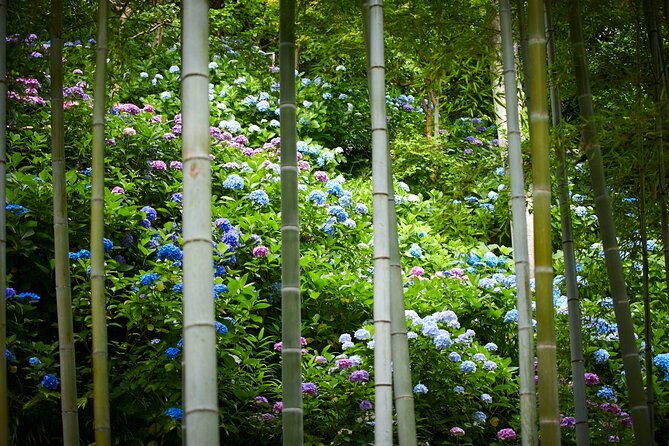
Hokokuji is one of the most appealing stops for travelers who want a peaceful setting rather than another large religious complex. Its bamboo grove is compact, but the tall green stalks create a cool, sheltered walk that feels far removed from Kamakura’s shopping streets.
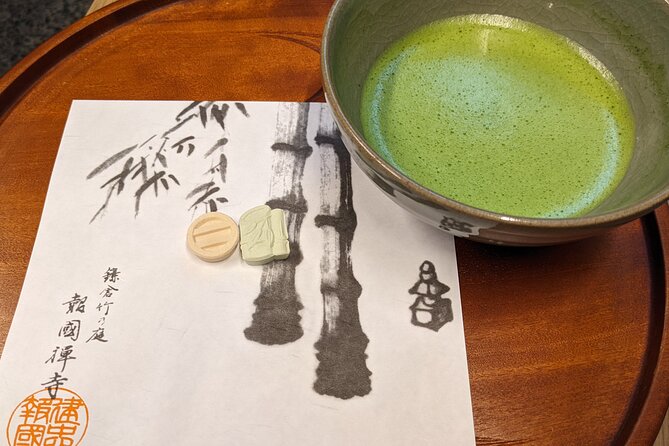
The temple is known for its Michelin travel guide rating, and the teahouse adds a pleasant Japanese touch. For 600 yen, you receive matcha and a sweet while looking toward the bamboo grove.
The listed visit time ranges from 20 to 60 minutes, but the standard plan allows about 30 minutes. That is enough for a quick walk and tea, though you may want longer if this is one of your main reasons for booking. The fee is not included.
Hasedera, flowers, and the Kannon statue
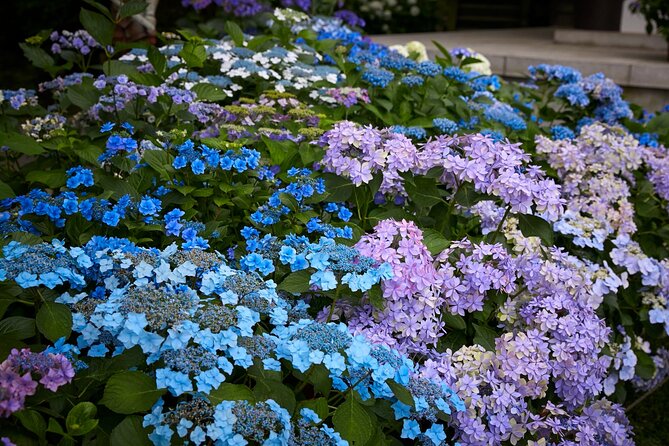
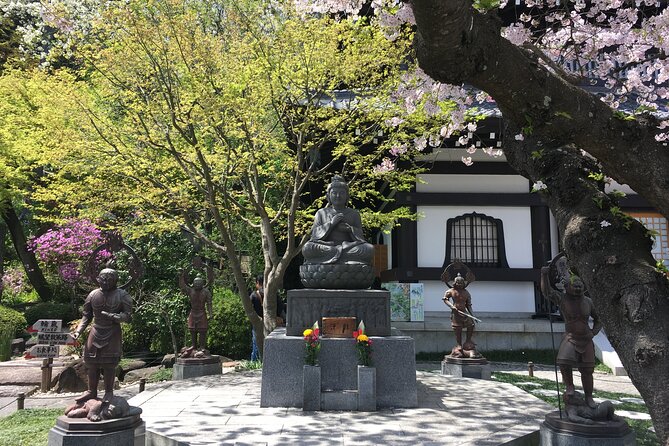
Hasedera is one of Kamakura’s most rewarding temple visits because it combines religious art, gardens, seasonal flowers, and a small grotto. The temple is known as a place of flowers, with cherry blossoms in spring, hydrangeas from late May through late June, and maple color in autumn.
Inside the temple is a 9.18-meter gilded wooden statue of Kannon, the eleven-headed goddess of mercy. The grounds also include a cave associated with Buddhist imagery. One guide described the grotto as a symbolic return to the womb, an unusual detail that can make the visit more memorable when explained well.
Admission is 400 yen per person. Allow at least 30 minutes, but up to an hour is better if flowers are in season. Hasedera can become crowded during hydrangea season, so ask your guide about timing before locking in the rest of the route.
A completely different kind of day out in Tokyo:
- Mt Fuji and Hakone 1-Day Bus Tour Return by Bullet Train
★ 5.0 · 26,383 reviews - 1-Day Tokyo Bus Tour
★ 5.0 · 14,250 reviews - Tokyo: TOKYO SKYTREE® Admission ticket
★ 4.5 · 11,192 reviews - Tokyo: teamLab Planets TOKYO Digital Art Museum Entry Ticket
★ 4.6 · 9,779 reviews
Samurai tradition at Tsurugaoka Hachimangu
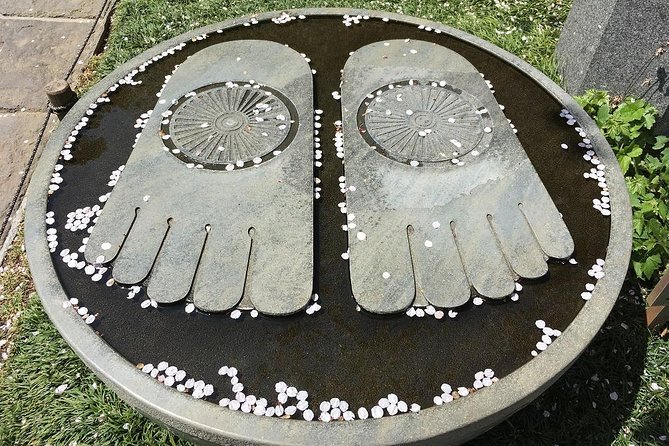
Tsurugaoka Hachimangu is Kamakura’s major Shinto shrine and one of the best places to connect the city with the rise of samurai government. The shrine is dedicated to Hachiman, associated with war and the samurai class.
Its broad approach and grand stairway give the visit a different feel from the smaller Zen temples. It is also used for weddings and looks especially appealing during cherry blossom and azalea season.
There is no admission fee. A 30-minute stop gives you the main shrine experience, while a longer visit lets you move more slowly through the grounds. I would keep this stop even if you reduce the number of temples, since it provides useful historical balance after the Buddhist sites.
Komachi Street for lunch and souvenirs
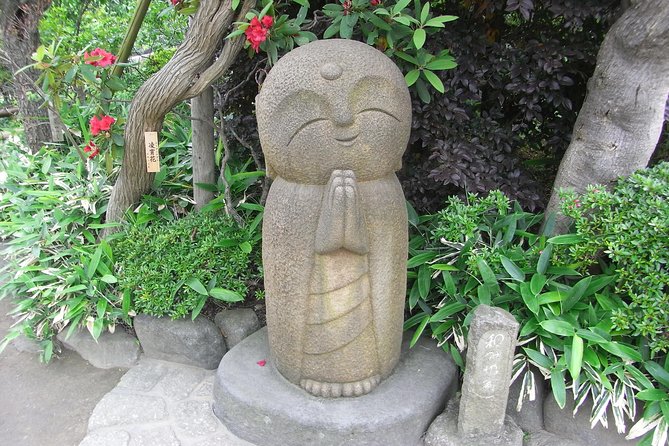
Komachidori runs near Tsurugaoka Hachimangu and is Kamakura’s main shopping street. You will find cafes, restaurants, sweets, and shops selling local souvenirs.
Useful items to look for include Kamakura-bori carved lacquerware, Toshimaya Hato sable pigeon-shaped cookies, and bean snacks from Kamakura Mameya. This is also a sensible place to eat, although lunch is not included in the tour price.
The stop may last from 20 to 80 minutes. That range matters. A quick snack and souvenir purchase can fit into a short visit, but browsing and lunch will consume much more of the day. Tell your guide whether you want a proper meal or simply time to look around.
Vegetarian food can be arranged if you state your dietary needs when booking. The tour materials do not promise a particular restaurant, so treat lunch as a flexible part of the plan rather than a fixed culinary event.
Choosing among Kamakura’s Zen temples
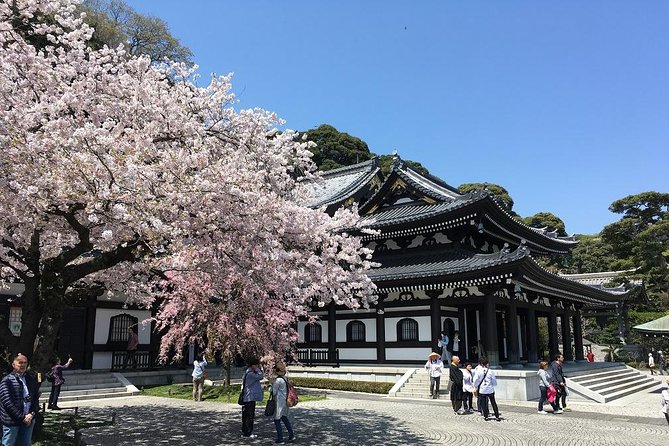
The tour offers several temple choices north of the main center. Each has a different character, but visiting all of them would leave little time for Enoshima or Yokohama.
Kenchoji is the oldest and highest-ranking Zen temple in Kamakura. It offers meditation practice on certain dates and sells Zen-themed T-shirts. Admission is 500 yen, with around 30 minutes suggested.
Engakuji is the second major Zen temple and is known for its large gate and bell. The grounds include the grave of film director Yasujiro Ozu and a cafe offering lunch, Japanese sweets, matcha, and other drinks on certain dates. Admission is 300 yen.
Meigetsuin is often called the Hydrangea Temple because of its blue flowers from late May through late June. Its circular window frames the garden behind the main hall, creating one of Kamakura’s most photographed views. Admission is 500 yen, and queues can form for that window during busy periods.
Tokeiji offers a quieter, more reflective visit. It once served as a refuge for women seeking divorce at a time when only men could initiate it. Its gardens show flowers across the year, including early spring plum blossoms, June iris, and climbing hydrangeas. Admission is 200 yen.
Zeniarai Benten is free to enter and is associated with the custom of washing money in sacred water in hopes of increasing income. It adds folklore and local ritual to a day otherwise heavy on major temples.
My practical advice is to select one or two of these. Choose Kenchoji or Engakuji for Zen architecture, Meigetsuin for hydrangeas, Tokeiji for a calm garden, and Zeniarai Benten for a brief cultural stop.
The Enoshima photo stop and island option
Enoshima changes the mood completely. This small island combines shrines, an aquarium, a botanical garden, an observation tower, and caves. On a clear day, you may also see Mount Fuji from several points.
The suggested time varies widely, from 30 minutes to two and a half hours. That tells you how flexible the stop can be. A short visit provides a taste of the island and perhaps a photo, while a longer visit allows time for the shrine area, views, food, or another attraction.
There is also a brief photo stop at a railroad crossing associated with the opening sequence of the anime Slam Dunk. The blue sea behind the crossing makes it popular with fans and photographers. It is a quick add-on, not a full attraction, and traffic or timing may affect whether it fits.
Enoshima works best if you want coastal scenery and a relaxed seaside feel. If your priority is temples, you may prefer to spend the afternoon in Kamakura instead.
Yokohama’s waterfront and traditional gardens
Yokohama offers a sharp contrast to Kamakura. Minato Mirai 21 is a modern seaside district with Landmark Tower, Cosmo World, and the Red Brick Warehouses. It is a good place for wide bay views, shopping, and a change from temple paths.
Sankeien Gardens provide the opposite experience. A wealthy businessman created this traditional Japanese garden, arranging 17 historic buildings transferred from Kyoto and other places. Admission is 700 yen, and the visit can take 30 to 90 minutes.
Yamashita Park is a simple waterfront walk where you can have coffee and watch local life. Street performers appear on weekends, and a short photo stop can be requested. Osanbashi International Passenger Terminal offers another view across the Minato Mirai area.
Minato-no-mieru Oka Park gives you a high viewpoint over Yokohama Bay and includes an English garden. It is beside the former foreign residential district that developed when Yokohama opened as an international port near the end of the Tokugawa period.
These stops are best treated as a selection, not a checklist. A private car can move you between them, but traffic and parking still take time.
Landmark Tower, Chinatown, and food choices
The Sky Garden at Yokohama Landmark Tower sits 273 meters above the city. Admission is 1,000 yen per person. On clear days, you can see Yokohama Bay, Tokyo Bay, and possibly Mount Fuji.
The view is weather dependent, so I would not build the entire day around it. The tour is not cancelled or refunded if weather limits visibility, and the schedule can change because of traffic or weather.
Yokohama Chinatown is Japan’s largest Chinatown and can be requested as a lunch stop. It is a practical choice if you want Chinese food while in Japan or simply want a different atmosphere. Since lunch is not included, confirm your food plans with the guide early.
The Cup Noodles Museum costs 500 yen and usually needs 45 to 90 minutes. You can learn how instant noodles developed, create an original cup with your own toppings, sample noodle styles from around the world, and buy museum-only souvenirs.
The Shinyokohama Ramen Museum costs 310 yen and is aimed at ramen fans. It offers eight types of ramen in one place and usually takes about an hour. I would choose one food attraction, not both, unless food is your main reason for visiting Yokohama.
How the guides shape the day
The strongest part of this experience is the human element. Guides such as Yoshi, Yoshimi, Masae, Ken, Taiji, Sumiko, and others have been praised for clear English, energy, patience, and a willingness to adjust the day around family interests.
That flexibility is more valuable than it may first sound. A good guide can explain why a shrine matters, suggest which temple fits your interests, help with a vegetarian meal, or trim a stop when crowds make it less enjoyable.
Guide quality can vary. One unhappy customer found the explanations weak and felt the guide spent too much time filling gaps. The provider acknowledged that limited preparation, facility reservation limits, and a changed lunch venue contributed to the problem.
You can reduce that risk by sending your priorities before the tour. Say clearly if you want samurai history, gardens, anime sites, food, shopping, flowers, or photography. The more specific you are, the easier it is for the guide to build a coherent day.
Price, extra fees, and who gets good value
The group price is $1,183.65 for up to eight people. With eight participants, that works out to roughly $148 per person. With four people, it is about $296 per person, and for two people it becomes an expensive private outing.
The fee includes the van, driver, guide service, fuel, highway tolls, parking, air conditioning, private transportation, and bottled water. Entrance fees, lunch, and gratuities are extra. A suggested gratuity range of 5 to 20 percent is provided.
If you visit many paid sites, entrance costs can add up quickly. A day including the Great Buddha, Hokokuji, Hasedera, Kenchoji, Engakuji, Meigetsuin, Tokeiji, Sankeien, Landmark Tower, and one food museum would require substantial additional admission money.
I see the best value for families and groups of friends who would otherwise need several taxis or a carefully timed mix of trains and buses. For a couple, compare the private comfort with a self-guided train day before booking.
Timing, weather, and practical planning
The tour lasts about 10 hours, but the actual time at each stop depends on traffic, crowds, lunch, and your chosen route. The provider advises selecting around four to six sites from the long menu.
That advice is important. A satisfying day might include the Great Buddha, Hasedera, Tsurugaoka Hachimangu, Hokokuji, Enoshima, and one Yokohama stop. Another good plan could focus on Kamakura temples and finish at Yokohama Landmark Tower or Chinatown.
Weather can affect visibility at Enoshima and Landmark Tower, as well as the appeal of flower gardens and outdoor temple grounds. The tour may change or be cancelled because of weather or traffic, but poor visibility alone does not guarantee a refund.
Free cancellation is available if you cancel at least 24 hours before the start time. Changes made within 24 hours are not accepted, and late cancellations are not refunded. Service animals are allowed, and most people can participate.
Should you book this Kamakura and Yokohama tour?
Book it if you are a group of four to eight, want a private vehicle, and prefer a guide-led day over managing several train routes. It is particularly well suited to families, first-time visitors to Kamakura, and anyone who wants to combine temples, seaside views, gardens, and food in one outing.
Before paying, decide what matters most. Do not expect to see every temple, island attraction, and Yokohama landmark in 10 hours. Send a short priority list and ask the guide to protect time for your top four to six choices.
For a small group on a tight budget, public transport will cost less. For a larger group that values comfort, personal attention, and a flexible route, this private day can earn its price. Its best moments come when the guide adapts the schedule to you rather than simply driving through a long list of stops.
FAQ
How long is the private car tour?
The tour lasts approximately 10 hours.
How many people can join the private tour?
The private vehicle can accommodate up to eight people in your group.
Is pickup from Tokyo available?
Yes, pickup is offered, and the tour includes private transportation in an air-conditioned vehicle.
Which places can I visit?
Possible stops include Kamakura’s Great Buddha, Hokokuji, Hasedera, Tsurugaoka Hachimangu, Komachidori, Kenchoji, Engakuji, Meigetsuin, Zeniarai Benten, and Tokeiji. You can also request Enoshima and several Yokohama sights.
Do I need to visit every stop listed?
No. The itinerary is a list of options, and you should select around four to six sites for the day.
Are entrance fees included?
No. Entrance fees are separate. The listed fees include 200 yen for the Great Buddha, 600 yen for Hokokuji with matcha and a sweet, 400 yen for Hasedera, 500 yen for Kenchoji, 300 yen for Engakuji, 500 yen for Meigetsuin, 200 yen for Tokeiji, 700 yen for Sankeien, 1,000 yen for Landmark Tower Sky Garden, 500 yen for the Cup Noodles Museum, and 310 yen for the Ramen Museum.
Is lunch included?
No. Lunch is not included, but vegetarian options can be requested when booking. Chinatown, Komachidori, Enoshima, and selected temple cafes may fit into the day depending on your route.
What is included in the tour price?
The price includes the van, private transportation, highway tolls, parking, gasoline, fuel surcharge, air conditioning, and bottled water.
What happens if the weather is poor?
The schedule may change or be cancelled because of weather or traffic. The tour is not cancelled or refunded simply because some views or spots are not fully visible in poor weather.
Just added around Tokyo
- Tokyo 6hr Instagram Highlights Private Tour with Licensed Guide★ 5.0 · 38 reviews
- Tokyo Small Group Tour with Guide★ 4.5 · 38 reviews
- Tokyo Sumo Experience with Live Show & Audience Challenge★ 5.0 · 38 reviews
- Japanese Food Cooking Class in Asakusa, Tokyo★ 5.0 · 39 reviews
- Very popular in Harajuku♡Animal petting zoo★ 4.6 · 39 reviews
- Ramen Making from Scratch with Tokyo Mom(Vegan Option Available)★ 5.0 · 39 reviews
- Tokyo JDM Night: 600hp C63s AMG Edition 1 (Private)★ 4.9 · 39 reviews
- Tokyo: Kimono Rental inside Shinjuku Gyoen National Garden★ 4.9 · 39 reviews
Private Car with Driver, compared.
Tokyo Private Sightseeing Tour by Car- English speaking chauffeur
Read our review →
Tokyo Private Tour by Vehicle with English-Speaking Chauffeur
Read our review →Mt FUJI Day Tour with Private Car and English Speaking Guide
Read our review →
Kyoto Private Car Tour – Full Day with Local Guide & Nara Option
Read our review →
Tokyo Private Customizable Tour with English Speaking Chauffeur
Read our review →Browse the lists this tour appears in