
Reviewed · MOUNT FUJI TOURS
Mt FUJI Day Tour with Private Car and English Speaking Guide
Fuji is never just one view. This private day tour gives you a comfortable way to see the mountain from Chureito Pagoda, Lake Kawaguchiko, Oshino Hakkai, shrines, parks, and other nearby sights. I like the hotel pickup and the freedom to travel with only your own group, especially when you are visiting with family or friends.
I also like that the driver can adjust the route. Guides such as Amir, Shah, Sikii, Zubi, and Asif are repeatedly praised for being polite, flexible, helpful with photos, and good at choosing viewpoints. The main catch is that you cannot visit every listed stop in one nine to ten-hour day, and Mt. Fuji views depend heavily on weather and traffic.
The tour costs $440 per group of up to three people. That is not cheap, but it includes a private air-conditioned car, fuel, parking, and highway tolls. For three people, the cost is easier to justify than for one or two, particularly if you value door-to-door service and do not want to work out several train and bus connections.
In This Review
- Key Points Before You Book
- Why the Private Car Matters From Tokyo
- Chureito Pagoda and the Classic Fuji View
- Two Different Sides of Fuji at the Shrines
- Oshino Hakkai and Its Clear Spring Pools
- Mt. Fuji 5th Station: Close, High, and Weather Dependent
- Lake Kawaguchiko and Oishi Park
- Ropeway, Museum, Ice Cave, and Lake Yamanaka
- Why the Full Stop List Is Not Realistic
- Weather, Guides, and the Human Factor
- What the $440 Price Really Buys
- Who Should Book This Fuji Day Trip?
- Should You Book It?
- FAQ
- How long does the Mt. Fuji private tour last?
- How many people can join the private tour?
- Is hotel pickup available in Tokyo?
- Is transportation included in the price?
- Is lunch included?
- Can the tour visit every listed attraction?
- Can a private car reach Mt. Fuji 5th Station?
- Are attraction admission fees included?
- What happens if the weather is poor?
- Can I request a baby seat?
Key Points Before You Book
- Chureito Pagoda gives you the classic Fuji photograph: Expect a stair climb to the five-story pagoda at Arakura Sengen Shrine, with one of the area’s best-known views when the mountain is clear.
- The private car is the real advantage: Your group avoids public transport changes and can carry on to shrines, villages, lakes, and parks without hailing another ride.
- You choose roughly five or six stops: The full list is far too long for one day, so decide your priorities before pickup.
- The 5th Station is not always reached by private car: During hiking season, you must use a shuttle bus, costing ¥2,500 per person.
- Weather can change the entire day: Clouds and rain may hide Fuji, although guides can still take you to shrines, villages, lakes, and other sights.
- Extra costs add up: Lunch and several admission fees are separate, including the listed Fuji entrance charge of ¥2,800 per group.
Why the Private Car Matters From Tokyo
A day around Mt. Fuji involves a long drive from Tokyo, and traffic can be severe on weekends. The tour lasts about nine to ten hours, but a good part of that time is spent traveling between Tokyo and the Fuji Five Lakes area.
That makes the private vehicle more than a luxury. You can leave your hotel in Tokyo, settle into an air-conditioned car, and let the driver handle parking, fuel, tolls, and local roads. You are not changing trains, waiting for buses, or trying to match a crowded public timetable to a mountain view.
Pickup is offered from Tokyo hotels, and the route is private for your group. The vehicles are described as modern, clean, and comfortable. One review specifically praised the large minivan, which matters if three people are carrying day bags, jackets, or shopping.
I would leave as early as you can, especially on Saturday or Sunday. The operator specifically advises an early start to avoid traffic. An 8 a.m. pickup may be offered, but that does not necessarily give you the smoothest day. If Fuji is your priority, ask about the earliest practical departure when you book.
The English-speaking guide is also the driver, so expectations matter. This is not always a formal guided walk at every stop. At some places, you may be shown where to go and told when to return to the car. The best guides add local context, suggest good stops, and help with photos. Others may function more like a private driver with basic commentary.
More ways to see Mount Fuji:
- Mt Fuji and Hakone 1-Day Bus Tour Return by Bullet Train
★ 5.0 · 26,383 reviews - Mt Fuji & Hakone Cruise, Drum Show Bullet Train 1 Day from Tokyo
★ 4.0 · 7,413 reviews - Tokyo Mt Fuji 5th St & Hakone Cruise Bus Tour w/Bullet Train
★ 4.4 · 5,024 reviews
Chureito Pagoda and the Classic Fuji View
Chureito Pagoda is the most recognizable photo stop on this route. It sits within Arakura Sengen Shrine in Fujiyoshida City, and you reach it by climbing a series of steps.
The view is powerful when the weather cooperates: red pagoda in the foreground, Fuji behind it, and the city spread below. It is the image many people have in mind when they picture Mt. Fuji sightseeing.
The drawback is the climb. The stop is scheduled for about an hour, and that includes walking and time for photographs. If you have mobility limits, ask your guide how much of the stop makes sense for you. One guide, Zubi, was praised for helping a passenger judge which places were worth the effort and where to save energy.
Crowds are another concern. This is a famous photo point, and one account specifically found some stops crowded. Your guide may help with timing, but no private car can remove the popularity of Chureito Pagoda.
Two Different Sides of Fuji at the Shrines
Kitaguchi Hongu Fuji Sengen Jinja offers a quieter cultural counterpoint to the photo stop. This Shinto shrine lies at the northern foot of Mt. Fuji and marks the traditional entrance to the Yoshida Trail, one of the historic climbing routes.
You get about 40 minutes here. Look for the shrine setting, the ceremonial approach, and the connection between Fuji worship and mountain climbing. This is a better stop for slowing down and noticing Japanese religious customs than for collecting another mountain photograph.
Several guides are praised for explaining shrine background and local culture. Shah, in particular, helped make the religious sites more meaningful by explaining their importance rather than treating them as quick photo stops.
The route may also include another historic temple or shrine if you choose it instead of one of the listed attractions. Since the day allows only five or six places, tell the guide if cultural sites matter more to you than shopping, the ropeway, or the ice cave.
Oshino Hakkai and Its Clear Spring Pools
Oshino Hakkai is a small village known for spring water that comes from snowmelt and underground water associated with Mt. Fuji. Its clear pools and traditional village setting make it one of the most appealing stops for a first visit.
Plan on about an hour here. You can look at the water, walk through the village, browse local food and shops, and take photographs with Fuji if the sky is open.
This stop gives you something different from a distant mountain viewpoint. You see how the area around Fuji is lived in, visited, and shaped by water from the mountain. It can also be busy, so do not expect complete peace and quiet.
A private guide is useful here because the driver can help you decide how long to stay. If you are more interested in the village than in the ropeway, for example, you can spend your limited time where it matters most.
A few more Tokyo experiences worth weighing up
- Tokyo Private Sightseeing Tour by Car- English speaking chauffeur
★ 5.0 · 1,004 reviews - Tokyo Private Tour by Vehicle with English-Speaking Chauffeur
★ 5.0 · 504 reviews - Private Car Tour to Mt. Fuji Lake Kawaguchiko or Hakone
★ 5.0 · 360 reviews - Mt Fuji Exclusive Tour with Private Car English Guide
★ 5.0 · 116 reviews
Mt. Fuji 5th Station: Close, High, and Weather Dependent
The 5th Station sits at roughly 2,300 meters and is the most common starting point for climbers heading toward the summit. The stop lasts about an hour and offers a chance to experience the mountain at high altitude without attempting a full climb.
This is the closest planned access to Fuji itself, but it comes with two important limits. During hiking season, private vehicles cannot drive all the way to the 5th Station. You must take a shuttle bus, with the listed fare at ¥2,500 per person.
There is also a separate Mt. Fuji entrance charge of ¥2,800 per group listed among the exclusions. Confirm exactly how these charges apply to your chosen date and route before setting your budget.
Clouds can make the 5th Station frustrating, but conditions vary. One group reached the station above the clouds on a foggy day and had a clear view of the mountain from there. Another group could not reach or properly see Fuji because of rain.
Do not book this tour on the assumption that the 5th Station guarantees a view. It improves your chance of getting close to the mountain, but weather remains in charge.
Lake Kawaguchiko and Oishi Park
Lake Kawaguchiko is one of the strongest parts of the route. The lake sits at the foot of Fuji and gives you a broad setting for photographs, food, and a slower break from the car.
The stop lasts about an hour. Lunch is not included, so you pay for your own meal. The area has restaurants serving Japanese dishes and seafood, though the exact choice depends on where your guide takes you and what is open.
One highly praised day included a recommended Japanese restaurant, while another included a boat ride on the lake. A boat trip can add another view of Fuji, but it is an optional extra and may be expensive. Ask about the cost before agreeing, especially since the base price already reaches $440.
Oishi Park, on the lake shore, is a shorter 30-minute stop. It is known for flower gardens, Fuji views, and soft-serve ice cream. This is a good choice if you want an easy walk and a pleasant snack rather than another long cultural visit.
The park works best in clear weather. If clouds cover Fuji, the gardens and lake still give you something to see, but the main reason to stop is reduced.
Ropeway, Museum, Ice Cave, and Lake Yamanaka
The Mt. Fuji Panoramic Ropeway takes about an hour and offers views of Fuji, the lakes, and the city below. Admission is not included. It can be a good replacement for another viewpoint, but it may not be the right choice if your group already has several lake stops.
The Itchiku Kubota Art Museum is a more distinctive option. It is devoted to textile artist Itchiku Kubota, who revived the lost Tsujigahana silk-dyeing technique. The museum is near Lake Kawaguchiko and has views toward Fuji. Admission is listed at ¥1,500 per person.
I would choose the museum if you want art and Japanese craft rather than a quick photo. It gives the day more cultural depth, though you should not select it if your main goal is to see as many outdoor viewpoints as possible.
Narusawa Ice Cave was formed by old lava flows from Mt. Fuji. Natural ice remains inside year-round, creating a cool underground stop even in summer. The visit lasts about 40 minutes, and admission is listed at ¥400 per person.
The cave is not ideal for everyone. Ask your guide about the walking conditions if stairs or uneven ground are a concern. It is also a poor substitute for Fuji itself, but a useful choice when clouds make mountain views uncertain.
Lake Yamanaka is the largest of the Fuji Five Lakes. It offers a quieter lake setting with boating, fishing, cycling, and broad views of the mountain. The planned visit lasts about an hour, so it competes directly with Lake Kawaguchiko for your time.
Why the Full Stop List Is Not Realistic
The route description includes ten possible stops, from Chureito Pagoda to Lake Yamanaka. You should treat this as a menu, not a promise.
In one day, you might reasonably combine Chureito Pagoda, Kitaguchi Hongu Fuji Sengen Jinja, Oshino Hakkai, the 5th Station, Lake Kawaguchiko, and Oishi Park. That is already a full day once Tokyo traffic, parking, walking, meals, and the return drive are counted.
Adding the ropeway, museum, ice cave, and Lake Yamanaka would make the schedule rushed. One unhappy experience came from expecting more of the advertised stops and ending up with only three main visits. That criticism is fair. The tour needs clear planning before the car arrives.
Write down your top five choices. Tell the guide which stops are essential and which are optional. If Fuji views are your priority, place Chureito, the 5th Station, and one lake near the top. If you prefer culture, select the shrine, Oshino Hakkai, and the Itchiku Kubota Art Museum.
Weather, Guides, and the Human Factor
Mt. Fuji is famous for disappearing behind clouds. Rain can last all day, and even a clear morning can turn cloudy later. The operator does not accept negative ratings based only on bad weather, but you should still understand the risk before paying for a mountain day.
A strong guide makes a major difference when conditions turn poor. Amir is repeatedly praised for adapting routes, recommending lunch, driving carefully, and communicating well in English. Shah is praised for patience, photography help, and thoughtful route choices. Sikii is described as kind and considerate, including when helping an older family member. Zubi is noted for flexibility with mobility limits and for helping avoid crowds.
These comments point to the tour’s best feature: a good driver can turn a disappointing Fuji forecast into a worthwhile day of shrines, villages, lakes, and food. But the service can vary. Some people felt they received mainly transportation, with limited explanations at each stop.
If you want long guided walks and detailed interpretation at every attraction, confirm what the English-speaking guide provides. If you mainly want private transportation, flexibility, and help finding places, this format may suit you very well.
What the $440 Price Really Buys
At $440 per group of up to three, the price works out to about $147 per person for three people. For two people, it is $220 each. The cost includes private transportation, an air-conditioned vehicle, parking fees, petrol, gas, highway tolls, and clean modern vehicles.
That package is valuable because the route covers a wide area and requires a long return journey to Tokyo. You are paying for time, convenience, and control, not only for admission to attractions.
Still, the extras matter. You pay for lunch, the listed Mt. Fuji entrance charge, the 5th Station shuttle during hiking season, the ropeway, the museum, and the ice cave. Extra time can also bring an additional charge. Ask about the planned hours and add-on costs before the day begins.
The tour is best value for three people who want a private car and a flexible route. Solo visitors may find the cost harder to defend unless private service is a high priority.
Who Should Book This Fuji Day Trip?
I would recommend it to families, small groups of friends, and anyone who wants to see several Fuji-area sights without managing public transport. It is also useful for people who prefer hotel pickup, need help with route planning, or want a vehicle between stops.
It suits you if you are happy to choose five or six highlights and accept that Fuji may be hidden. It is less suitable if you expect all ten stops, a guaranteed mountain view, or a fully guided walking tour at each attraction.
Ask for an early departure, prepare a short priority list, and keep some flexibility for clouds and traffic. Bring money for food and admissions, and request a baby seat in the booking notes if needed.
Should You Book It?
Book this tour if convenience and flexibility matter more than the lowest price. The private car removes much of the strain from a long Tokyo day, and the better guides, including Amir, Shah, Sikii, Zubi, and Asif, can make the route feel personal and relaxed.
Skip it if you want a fixed schedule with every attraction guaranteed or if your budget is tight. The honest way to view this experience is as a private driver-led day around Mt. Fuji, with the chance to add cultural sights, lakes, and viewpoints. Pick your priorities in advance, start early, and you have a strong chance of getting excellent value, even when the mountain hides.
FAQ
How long does the Mt. Fuji private tour last?
The experience lasts approximately nine to ten hours. Some of that time is used for transportation between Tokyo and the Mt. Fuji area.
How many people can join the private tour?
The listed price of $440 covers a group of up to three people. Only your own group participates.
Is hotel pickup available in Tokyo?
Yes. Round-trip pickup and transfers from Tokyo hotels are offered.
Is transportation included in the price?
Yes. The package includes private transportation, an air-conditioned vehicle, parking fees, petrol and gas, highway tolls, and modern clean vehicles.
Is lunch included?
No. Lunch is not included, so you pay for your own meal near Lake Kawaguchiko or elsewhere on the route.
Can the tour visit every listed attraction?
No. You are asked to choose your favorite five to six places because the full list cannot reasonably fit into one day.
Can a private car reach Mt. Fuji 5th Station?
During hiking season, private cars are not allowed to drive to the 5th Station. You must use a shuttle bus, listed at ¥2,500 per person.
Are attraction admission fees included?
Some stops are free, including Chureito Pagoda, Kitaguchi Hongu Fuji Sengen Jinja Shrine, Oshino Hakkai, Lake Kawaguchiko, Oishi Park, and Lake Yamanaka. Other costs are separate, including the ropeway, Itchiku Kubota Art Museum, Narusawa Ice Cave, and certain Mt. Fuji access charges.
What happens if the weather is poor?
This experience requires good weather. If the operator cancels because of poor weather, you are offered a different date or a full refund. Bad weather can also hide Mt. Fuji while the tour is operating.
Can I request a baby seat?
Yes. If you need a baby seat, include the request in the special requirements when booking.
Just added around Tokyo
- Tokyo 6hr Instagram Highlights Private Tour with Licensed Guide★ 5.0 · 38 reviews
- Tokyo Small Group Tour with Guide★ 4.5 · 38 reviews
- Tokyo Sumo Experience with Live Show & Audience Challenge★ 5.0 · 38 reviews
- Japanese Food Cooking Class in Asakusa, Tokyo★ 5.0 · 39 reviews
- Very popular in Harajuku♡Animal petting zoo★ 4.6 · 39 reviews
- Ramen Making from Scratch with Tokyo Mom(Vegan Option Available)★ 5.0 · 39 reviews
- Tokyo JDM Night: 600hp C63s AMG Edition 1 (Private)★ 4.9 · 39 reviews
- Tokyo: Kimono Rental inside Shinjuku Gyoen National Garden★ 4.9 · 39 reviews
Mount Fuji Tours, compared.
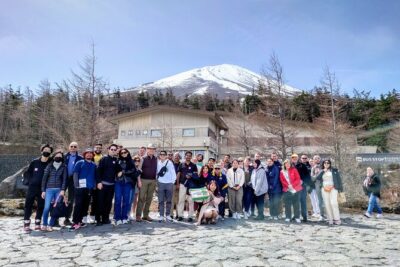
Mt Fuji and Hakone 1-Day Bus Tour Return by Bullet Train
Read our review →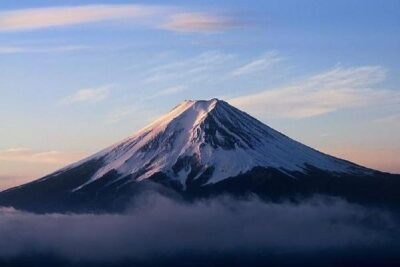
Mt Fuji & Hakone Cruise, Drum Show Bullet Train 1 Day from Tokyo
Read our review →
Tokyo Mt Fuji 5th St & Hakone Cruise Bus Tour w/Bullet Train
Read our review →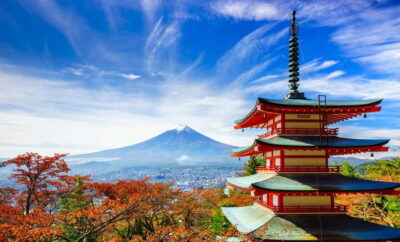
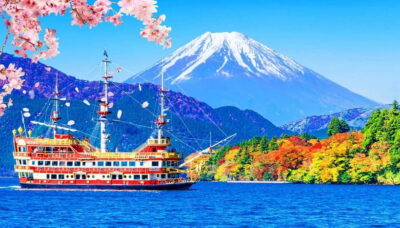
Mt. Fuji Tour, Hakone Ropeway, Owakudani, Lake Ashi
Read our review →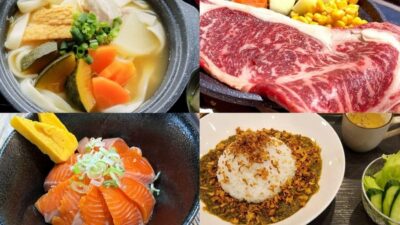
Mt.Fuji,Kawaguchiko Oishi Park,Arakurayama Sengen Park
Read our review →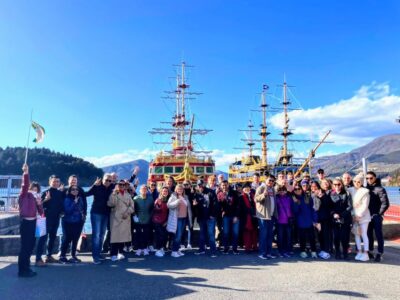
Mt. Fuji 5th Station & Hakone Cruise 1-Day Bus Tour
Read our review →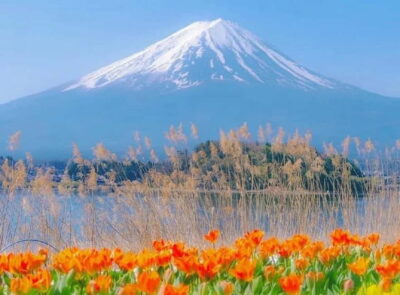
Mt Fuji Top 5 Spots Day Tour: Arakurayama Park,Oshino Hakkai
Read our review →Browse the lists this tour appears in