
Reviewed · MOUNT FUJI TOURS
Tokyo: Mt. Fuji Tour, Hakone Ropeway, Owakudani, Lake Ashi
Fuji rewards patience and clear skies. This full-day outing packs Hakone Shrine, Lake Ashi, Owakudani, Lake Yamanaka, and Oshino Hakkai into one $54 day trip, with bus transport and the Hakone Ropeway included. I like the mix of famous sights and smaller photo stops, and I especially like that you see both the Hakone side of Fuji and the Fuji Five Lakes side.
The guides also earn strong praise for keeping a big, multilingual group moving. Names such as Jack, Kousei, Sato, Tom, and Wanting come up often for clear explanations, helpful photos, and careful timekeeping. The tradeoff is simple: this is a long, tightly scheduled day, and the optional pirate ship costs about 1,700 yen extra. Lunch is also on your own, and the first meal stop can come late.
In This Review
- Key points to know before booking
- Why this $54 Fuji day trip makes sense
- Meeting in Tokyo and the long road south
- Hakone Shrine and the red Torii on Lake Ashi
- The optional pirate ship across Lake Ashi
- Hakone Ropeway and Owakudani’s volcanic ground
- Swan Lake Shore and the Fuji Five Lakes view
- Oshino Hakkai and the final Fuji photographs
- Food, timing, and what to carry
- Guides, languages, and group rhythm
- Fuji visibility and the limits of the schedule
- Who should book this day trip?
- Should you book the Mt. Fuji and Hakone tour?
- FAQ
- How long does the tour last?
- Where does the tour start?
- Is the Hakone Ropeway included?
- Is the pirate ship cruise included?
- Is lunch included?
- Can I eat on the bus?
- Will I definitely see Mt. Fuji?
- What languages are available?
- Is the tour suitable for people with mobility or respiratory issues?
Key points to know before booking
- Two-hour ride each way: You spend a large part of the day on the bus, but that is the price of reaching several distant Fuji viewpoints without arranging trains, buses, and ropeway tickets yourself.
- Hakone Ropeway is included: The 30-minute cable-car ride is one of the tour’s best-value inclusions, with views toward Mt. Fuji, Lake Ashi, and Owakudani.
- The Lake Ashi cruise costs extra: The pirate ship is optional and self-paid, at roughly 1,700 yen. You can instead go by vehicle to the ropeway station.
- Lunch is not included: Bring breakfast, snacks, and water. Food is not allowed on the bus, so eat before departure and plan for a later meal stop.
- Fuji is never guaranteed: Clouds can hide the mountain, and bad weather may close the ropeway or change the route.
- Expect a full day: The normal duration is about 10 hours, with morning pickup and evening return to Tokyo.
Why this $54 Fuji day trip makes sense
For a first visit to Tokyo, this tour solves a real problem. Mt. Fuji and Hakone are not next door, and combining the lake, shrine, volcanic valley, ropeway, and Oshino Hakkai by yourself requires careful planning. Here, the air-conditioned coach, driver, parking, guide, and ropeway fare are bundled together.
At $54, the price is attractive if you want broad coverage rather than a slow, private visit. The bus takes about two hours from Tokyo to the Hakone area and about two hours back, so you are paying for access as much as sightseeing. The day includes a lot, but each stop receives limited time.
I would think of this as a well-packed introduction to the Mt. Fuji region. You will see the signature places, learn the basic story of the area, and get plenty of chances for photographs. You will not have the freedom to linger at a shrine, sit by the lake for an hour, or wait all afternoon for the perfect Fuji view.
The 4.7 rating from more than 4,000 reviews reflects the tour’s strongest feature: organization. Guides are repeatedly praised for explaining meeting times, helping with photographs, and keeping people from getting lost. That matters when you are moving between buses, boats, ropeways, and crowded viewpoints.
More ways to see Mount Fuji:
- Mt Fuji and Hakone 1-Day Bus Tour Return by Bullet Train
★ 5.0 · 26,383 reviews - Mt Fuji & Hakone Cruise, Drum Show Bullet Train 1 Day from Tokyo
★ 4.0 · 7,413 reviews - Tokyo Mt Fuji 5th St & Hakone Cruise Bus Tour w/Bullet Train
★ 4.4 · 5,024 reviews
Meeting in Tokyo and the long road south
You can start at Tokyo Station or Shinjuku Station, depending on the option you book. The meeting point may be near STAND T or Tokyo Mode Gakuen, so check the final instructions carefully rather than relying only on a map pin.
Arrive at least 15 minutes early. Staff wear yellow vests, and the pickup area can feel confusing because several tour groups may gather nearby. The guide and driver details are sent the evening before, including instructions that may land in your spam folder.
The bus ride takes around two hours. It is a useful time to rest, but the vehicle is shared and comfort can vary. One solo passenger reported an uncomfortable seating situation, so if personal space matters to you, arrive early and speak up politely if a seat arrangement causes trouble.
There is no eating on the vehicle. Have breakfast before pickup, and carry a snack and water for the day. This advice matters because the first stop may not come until around 10:30 a.m., while lunch can be scheduled as late as mid-afternoon.
Hakone Shrine and the red Torii on Lake Ashi
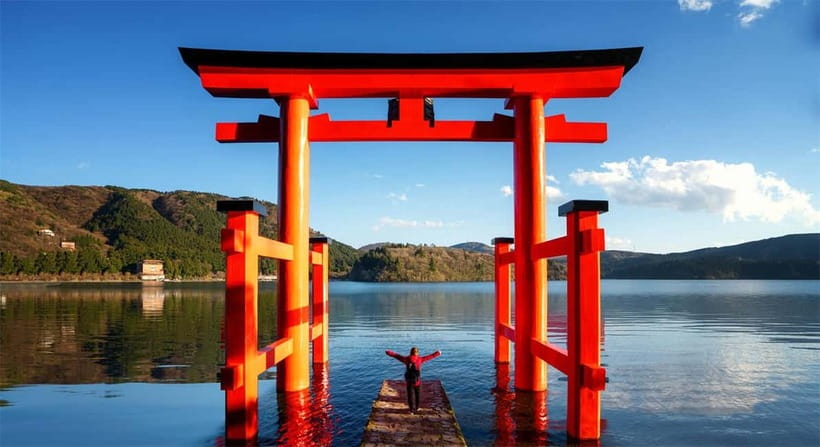
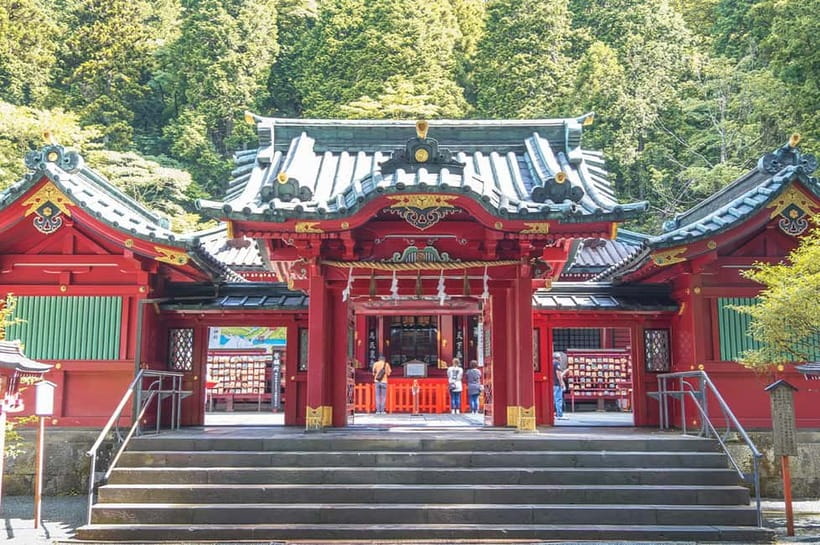
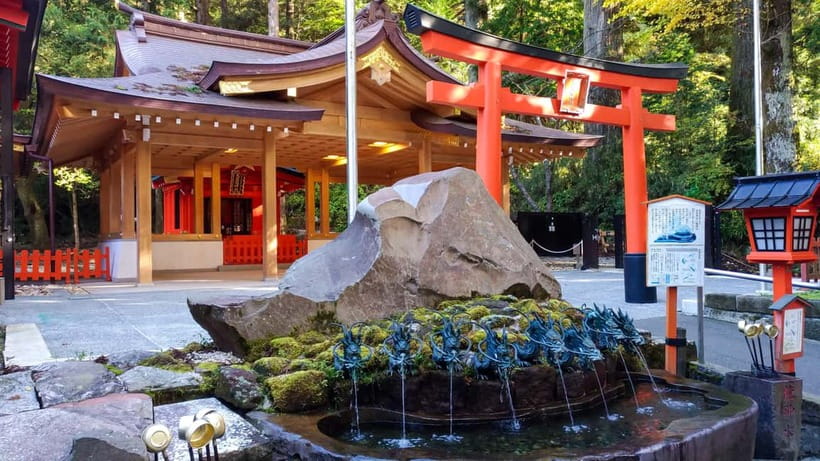
The first major stop is the Hakone Shrine, founded in 757. It sits in a wooded setting beside Lake Ashi, and the famous red Torii gate appears to rise from the water.
The gate is the classic photograph, but it comes with a wait. You may need to queue for a clear front-facing picture. A useful trick is to take a position near the gate among the trees while the line moves, where you can still frame a good image without spending all your free time in one spot.
The shrine itself gives the stop more substance than a simple photo call. You can spend about 20 minutes looking around and taking in the quiet setting. That is not long, especially if the Torii queue is lengthy, so decide early if the shrine or the gate matters more to you.
There is one important seasonal restriction. The Torii gate is scheduled to be closed from December 28 through February 10, 2026. If your visit falls in that period, confirm what access remains before booking with the expectation of getting the standard gate photograph.
The optional pirate ship across Lake Ashi
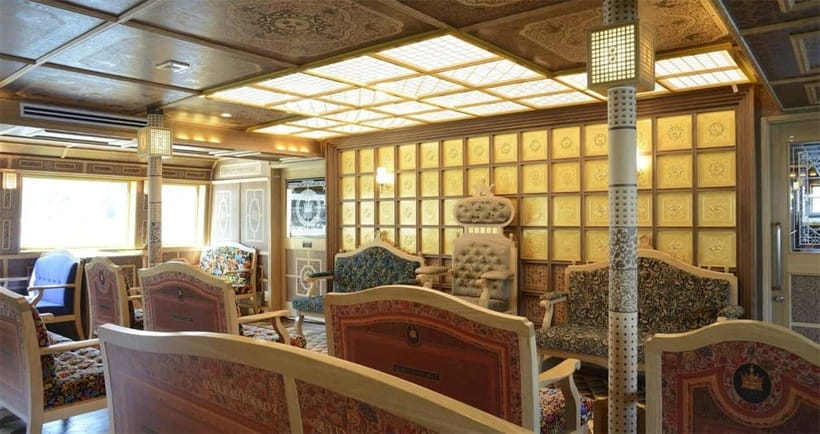
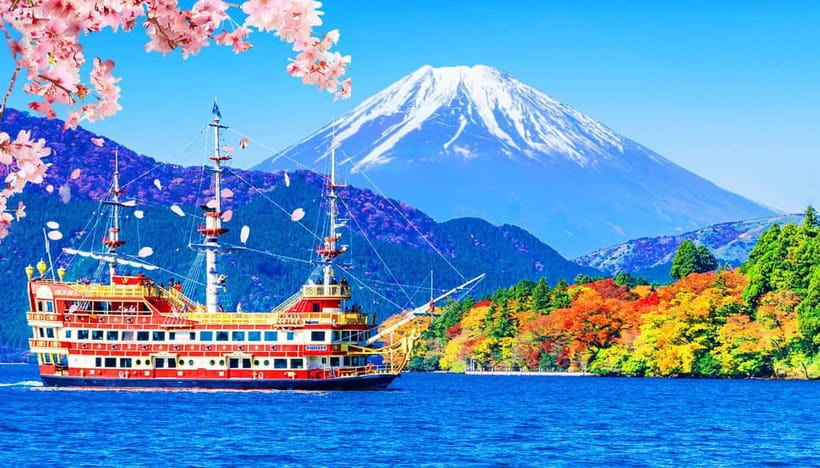
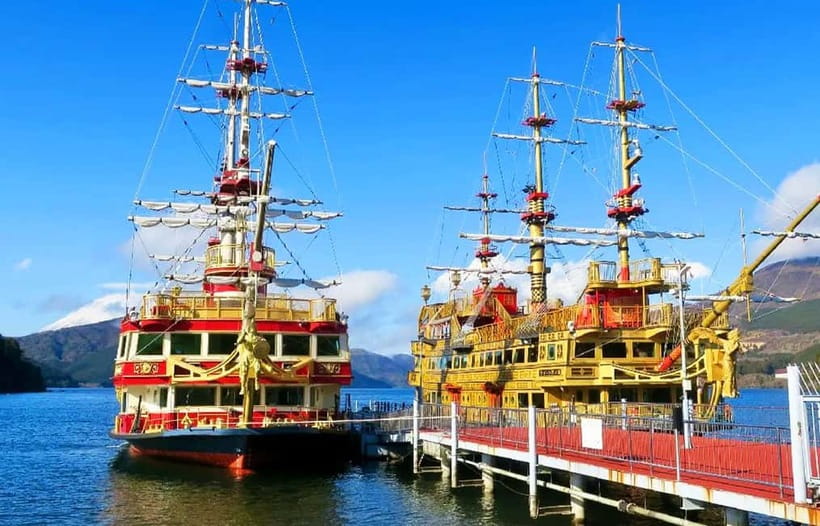
From the shrine area, you may take the Hakone Sightseeing Cruise, usually for about 25 minutes. The ships have a playful pirate design, with three named vessels: Royal II, Victory, and Queen Ashinoko.
The cruise offers broad views of Lake Ashi, the Torii gate, and, when the air is clear, Mt. Fuji. It also gives you a break from the bus and a different angle on the lake. I consider it worthwhile if the weather is good and you enjoy being on the water.
The important catch is cost. The fare is not included and runs around 1,700 yen per person. It is optional, so you may travel by vehicle to Togendai Ropeway Station instead. On a cloudy or rainy day, the boat may offer little beyond gray water, and one poor-weather experience raised the fair concern that the cruise should have been skipped.
Ask the guide how the timing works on your departure day. Queues for the cruise can be heavy, especially during peak periods, and the boat schedule has to fit the rest of the route.
A few more Tokyo experiences worth weighing up
- 1-Day Tokyo Bus Tour
★ 5.0 · 14,250 reviews - Tokyo: TOKYO SKYTREE® Admission ticket
★ 4.5 · 11,192 reviews - Tokyo: teamLab Planets TOKYO Digital Art Museum Entry Ticket
★ 4.6 · 9,779 reviews - Tokyo: Sumo Show Experience with Chicken Hot Pot and a Photo
★ 4.8 · 6,678 reviews
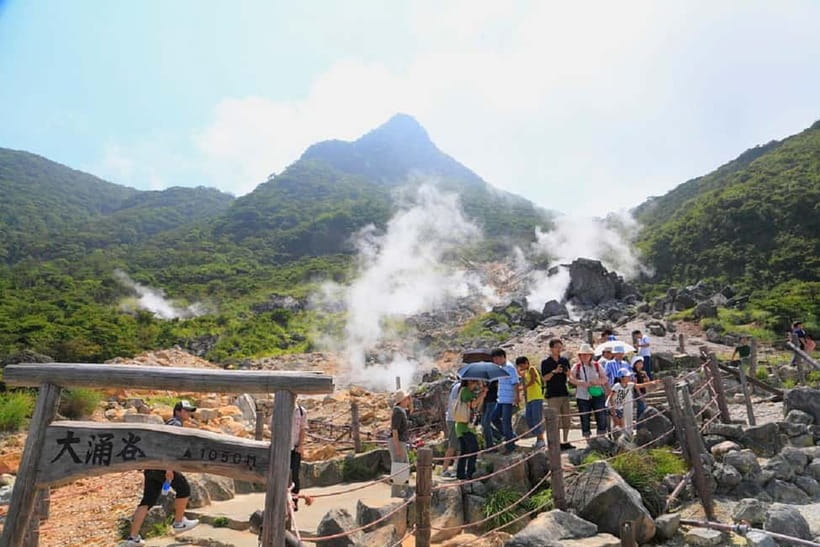
Hakone Ropeway and Owakudani’s volcanic ground
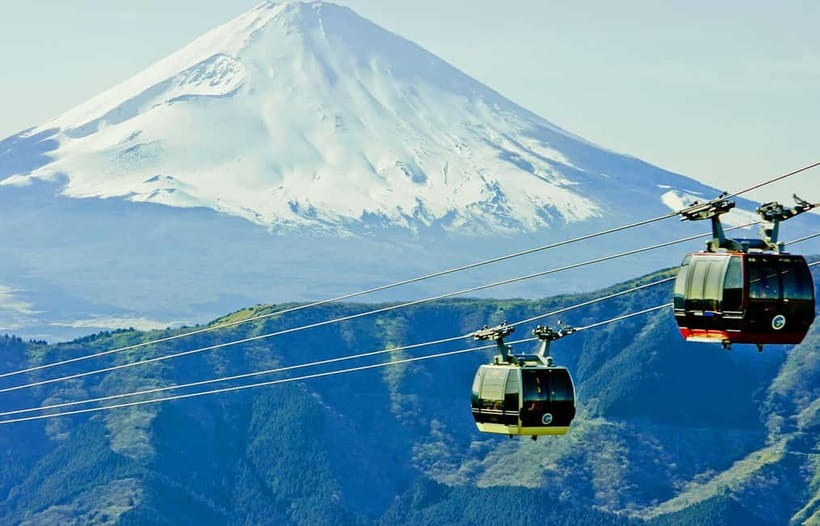
The included Hakone Ropeway takes roughly 30 minutes. This is one of the clearest value points in the package because the fare is covered and the ride connects the Hakone area with Owakudani.
As the cabins move above the volcanic valley, you get wide views toward Lake Ashi and, if the clouds cooperate, Mt. Fuji. The ride is short enough to feel easy, but long enough to give you several angles for photographs.
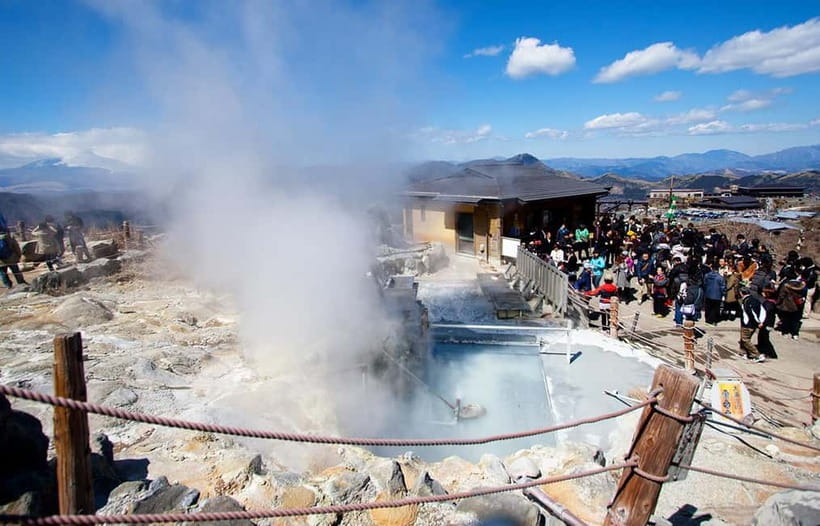
Owakudani was formed by a massive eruption of Mt. Hakone about 4,000 years ago. Today, the area is known for steam vents, sulfurous air, and geothermal activity. It feels very different from the calm shrine and lake, which is why this tour works well as a combination of contrasting stops.
Try the local black eggs, boiled in volcanic spring water. They are one of Owakudani’s recognizable treats and an easy snack when you are hungry. Food purchases are extra, as is all lunch and drink spending.
Weather can affect this part of the tour. The ropeway may close for bad weather or maintenance. If it does, the operator states that you can request a 1,000 yen per person ticket refund by email. The route may also be altered, so do not treat the ropeway as guaranteed even though its fare is included.
People with respiratory problems should think carefully about Owakudani. The volcanic conditions may not suit you, and the tour is not recommended for people with respiratory issues or mobility impairments.
Swan Lake Shore and the Fuji Five Lakes view
After Hakone, the route shifts to Lake Yamanaka, one of the Fuji Five Lakes. At Swan Lake Shore, you get a photo stop of about 20 minutes, with swans and Mt. Fuji as the intended subjects.
This is a pleasant change of pace after the crowded shrine, boat, and ropeway. The swans add a distinctive touch to the usual Fuji photograph, though their presence and activity can vary. If the schedule is slipping, this is also one of the stops most likely to be shortened.
That timing issue is worth understanding. Guides work against traffic, queues, weather, and a legal limit of 10 working hours for Japanese drivers. Some departures have had only a few minutes at the final stop because other passengers ran late, while one group skipped swan feeding to recover time.
Your guide will try to keep the day moving, but this is a shared tour. Return times can change, and I would not schedule a theater ticket, dinner reservation, or airport transfer immediately after the stated drop-off.
Oshino Hakkai and the final Fuji photographs
Oshino Hakkai is the last major sightseeing stop. It is known for eight clear ponds fed by snowmelt from Mt. Fuji. The water reflects the mountain and gives you a calmer, more traditional-looking setting after the large-scale views around Hakone.
You have about 40 minutes here. That is enough for photographs and a short walk, but not enough to explore every corner at a leisurely pace. If Fuji is visible, this can be one of the day’s best photo stops because the ponds provide foreground detail instead of another open lake view.
Oshino Hakkai also gives the tour a useful second look at Fuji’s water. At Lake Ashi, you see the mountain beside a large highland lake. Here, you see small spring-fed ponds linked to snowmelt. The connection is easy to appreciate even on a cloudy day, though the mountain itself may disappear.
Food, timing, and what to carry
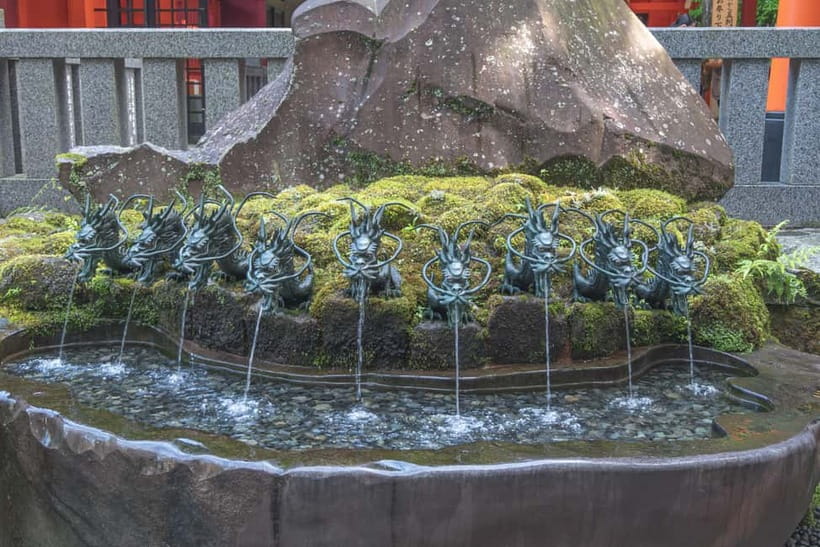
Lunch is not part of the $54 price. The schedule includes a restaurant break of about 40 minutes, but the exact timing can move. Some departures have reached lunch after 2:00 p.m., which is late if you began the day early.
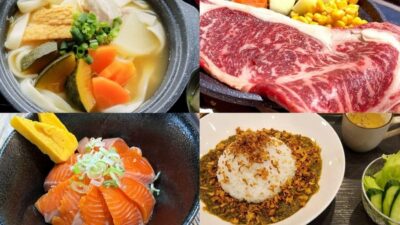
I would eat a proper breakfast before meeting the bus. Pack a sandwich, fruit, or snack for the gaps between stops, but remember that eating is not permitted in the vehicle. You can buy food at attractions or follow the guide to a suggested restaurant. Some people particularly enjoy the local dishes and wagyu option, but neither is part of the base fare.
Wear comfortable shoes. You will be getting on and off the coach, walking around shrine grounds, standing in queues, and moving through sightseeing facilities. Bring weather-appropriate clothing, water, and a camera. Fuji weather can change the entire mood of the day, so layers are sensible.
Guides, languages, and group rhythm
The guide can make or break a route this busy. Jack is often praised for clear English, useful local advice, and keeping everyone informed. Kousei receives repeated praise for patience, energy, photography, and helping people find good picture spots. Sato, Tom, Wanting, Andrew, and Leonard are also noted for friendly service and clear explanations.
The tour is shared and multilingual. Chinese, English, and Japanese are listed, while the included information also mentions Korean. Check the language attached to your specific booking, since the guide arrangement may change from day to day.
Good guides explain not only where to go, but when to return. That is vital here. If one person misses the bus, a short photo stop can become shorter still for everyone. Keep your watch visible, listen for the meeting point, and return a few minutes early.
The high transport score, with 87 percent of ratings giving it a perfect mark, fits the practical strengths of the tour. You get a driver, parking, air conditioning, and a guide who handles the complicated handoffs. The cost is less appealing if you skip the cruise, buy a full lunch, and find that traffic cuts several stops short, but it remains competitive for a day that covers this much ground.
Fuji visibility and the limits of the schedule
Mt. Fuji is the star, but nobody can promise you a clear view. Clouds, rain, haze, and winter weather can hide it from Lake Ashi, Lake Yamanaka, the ropeway, and Oshino Hakkai.
Several departures had perfect blue-sky views, but that was good fortune, not a tour feature that can be guaranteed. You should book this for the range of places, not only for one mountain photograph.
Peak periods bring queues at the boat and ropeway. Traffic between Tokyo, Hakone, and the Fuji lakes can also be heavy. The operator may change or cancel stops, and the 10-hour estimate can stretch. That is normal for this route, but it makes the tour a poor fit if you need a fixed evening appointment.
Who should book this day trip?
I would choose this tour if you are visiting Tokyo for the first time, want to see Mt. Fuji without arranging regional transport, and prefer a guide to handle the route. It suits people who like variety: shrine, lake, boat, cable car, volcano, swans, ponds, and mountain views in one day.
It is also good for families and groups who value convenience, provided everyone can manage the walking and long coach ride. The optional cruise gives you flexibility, and the ropeway is already included.
I would look elsewhere if you want a quiet, slow Hakone visit, have mobility or respiratory concerns, dislike early starts, or need a guaranteed Fuji view. Independent visitors with several days to spare may prefer to stay overnight in the region rather than spend four hours on a return bus journey.
Should you book the Mt. Fuji and Hakone tour?
Book it if your goal is to see the major Fuji-area sights efficiently for a modest price. The included ropeway, air-conditioned transport, parking, and active guides make the package a sensible choice, especially when your Tokyo schedule is short.
Go in with realistic expectations. Bring breakfast and snacks, budget extra for the pirate ship and lunch, wear good shoes, and leave your evening open. If you accept the long day and changing weather, this is a well-organized introduction to Hakone and Mt. Fuji, with enough variety to keep the bus ride worthwhile.
FAQ
How long does the tour last?
The normal duration is about 10 hours, from the morning meeting time in Tokyo to the evening drop-off. Traffic, weather, queues, and other conditions can make the day longer or shorter.
Where does the tour start?
There are two possible starting areas, Tokyo Station and Shinjuku Station. The exact meeting point depends on the option booked and may be near STAND T or Tokyo Mode Gakuen.
Is the Hakone Ropeway included?
Yes. The Hakone Ropeway fare is included in the tour price. The ride takes about 30 minutes, but it may close because of bad weather or maintenance.
Is the pirate ship cruise included?
No. The Lake Ashi pirate ship cruise is optional and self-paid. The stated fare is around 1,700 yen per person.
Is lunch included?
No. Food and drinks are not included. You can bring snacks, buy food at the attractions, or eat at a restaurant suggested by the guide.
Can I eat on the bus?
No. Food is not allowed in the vehicle. It is best to eat breakfast before pickup and carry water and snacks for stops during the day.
Will I definitely see Mt. Fuji?
No. Mt. Fuji visibility depends on the weather and is not guaranteed. Clouds or poor conditions may also affect the boat cruise and ropeway.
What languages are available?
The tour is multilingual. Chinese, English, and Japanese are listed, and the included information also mentions Korean. Check the language for your selected booking.
Is the tour suitable for people with mobility or respiratory issues?
The tour is not suitable for people with mobility impairments or respiratory issues. You should also expect walking, queues, transfers, and a long day on a shared coach.
Just added around Tokyo
- Tokyo 6hr Instagram Highlights Private Tour with Licensed Guide★ 5.0 · 38 reviews
- Tokyo Small Group Tour with Guide★ 4.5 · 38 reviews
- Tokyo Sumo Experience with Live Show & Audience Challenge★ 5.0 · 38 reviews
- Japanese Food Cooking Class in Asakusa, Tokyo★ 5.0 · 39 reviews
- Very popular in Harajuku♡Animal petting zoo★ 4.6 · 39 reviews
- Ramen Making from Scratch with Tokyo Mom(Vegan Option Available)★ 5.0 · 39 reviews
- Tokyo JDM Night: 600hp C63s AMG Edition 1 (Private)★ 4.9 · 39 reviews
- Tokyo: Kimono Rental inside Shinjuku Gyoen National Garden★ 4.9 · 39 reviews
Mount Fuji Tours, compared.
Mt Fuji and Hakone 1-Day Bus Tour Return by Bullet Train
Read our review →
Mt Fuji & Hakone Cruise, Drum Show Bullet Train 1 Day from Tokyo
Read our review →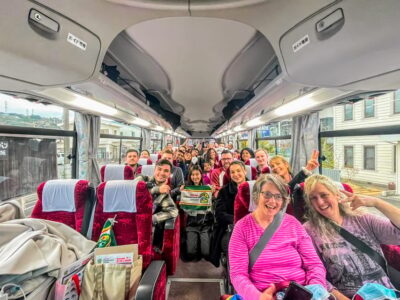
Tokyo Mt Fuji 5th St & Hakone Cruise Bus Tour w/Bullet Train
Read our review →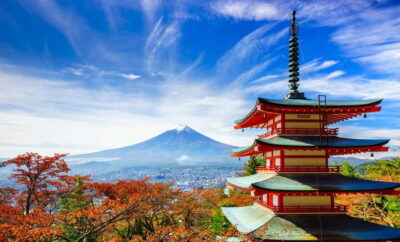
Mt.Fuji,Kawaguchiko Oishi Park,Arakurayama Sengen Park
Read our review →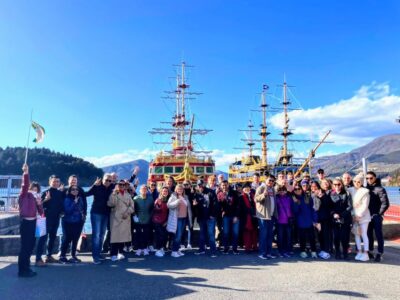
Mt. Fuji 5th Station & Hakone Cruise 1-Day Bus Tour
Read our review →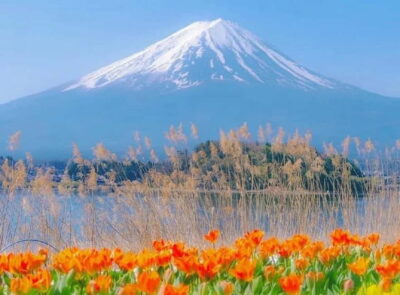
Mt Fuji Top 5 Spots Day Tour: Arakurayama Park,Oshino Hakkai
Read our review →
Private Tour to Mt. Fuji and Hakone (Fully Licenced Operator)
Read our review →Browse the lists this tour appears in