
Reviewed · MOUNT FUJI TOURS
Tokyo:Mt.Fuji,Kawaguchiko Oishi Park,Arakurayama Sengen Park
Mt. Fuji rewards clear weather. This $54 day trip from Tokyo packs several of Japan’s best Fuji viewpoints into one long outing, including the famous Chureito Pagoda, Lake Kawaguchi, Oishi Park, and a restored thatched-roof village. I like the range of scenery, and I like having air-conditioned transport between places that are awkward to connect by public transit. The main tradeoff is simple: ten hours is a long day, and traffic or crowds can cut into time at each stop.
I also like that the tour gives you more than one Fuji photo. You see the mountain above a pagoda, across a lake, behind flowers, and beside old Japanese-style houses. Guides including Omar, Koji, Eric, George, and Jorge have earned praise for clear directions, humor, and friendly care. Just remember that Mt. Fuji is weather-dependent, so even a well-run trip cannot promise the famous peak will appear.
In This Review
- Key points to know before booking
- Why this Mt. Fuji tour works as a day trip from Tokyo
- Arakurayama Sengen Park and Chureito Pagoda
- Hikawa Clock Shop and Arakura Fuji Sengen Shrine
- Lake Kawaguchi, Maple Corridor, and local lunch
- Oishi Park and its 350-meter Flower Road
- Saiko Iyashi-no-Sato Nenba, a village of thatched roofs
- Guides, transport, and the pace of the day
- How much value do you get for $54?
- The weather question: can you count on seeing Mt. Fuji?
- Should you book this Mt. Fuji day trip?
- FAQ
- How long does the Mt. Fuji tour last?
- How much does the experience cost?
- What languages are available?
- Where does the tour begin?
- Where does the tour finish?
- Is lunch included?
- How many steps lead to the Chureito Pagoda viewpoint?
- Can I cancel the booking?
Key points to know before booking
- 398 steps lead to Japan’s classic Fuji view: Arakurayama Sengen Park pairs the mountain, Chureito Pagoda, and seasonal cherry blossoms.
- Four very different Fuji settings: You move from city streets and shrine grounds to a lake, flower gardens, and a traditional village.
- A full 10-hour day for $54: The price is strong value if you want transport, a guide, and several sights without arranging regional buses yourself.
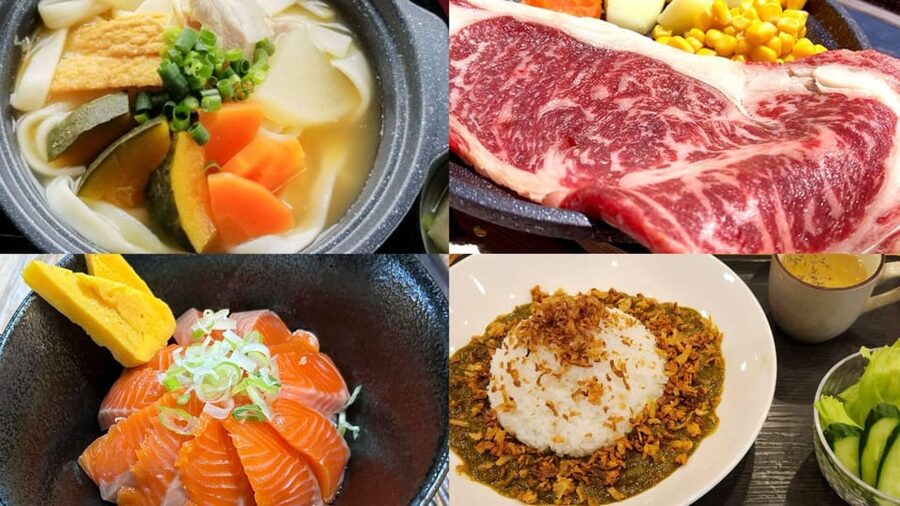
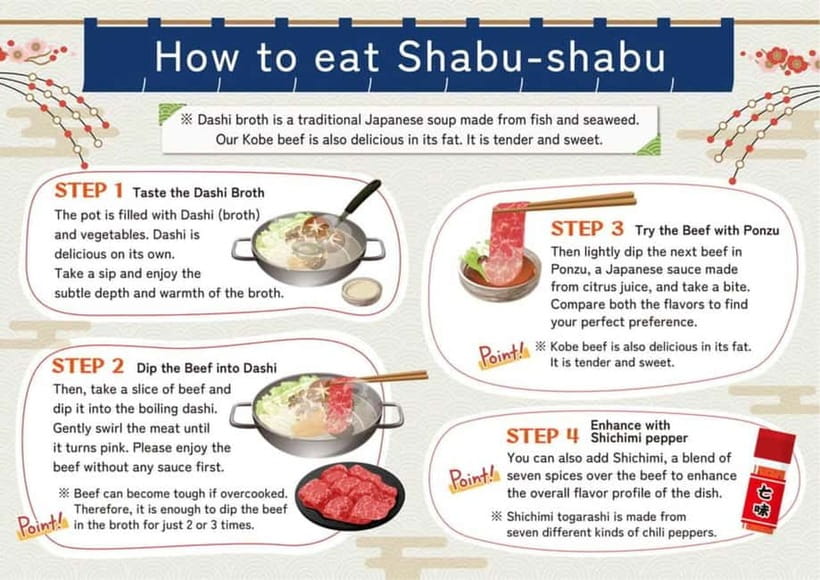
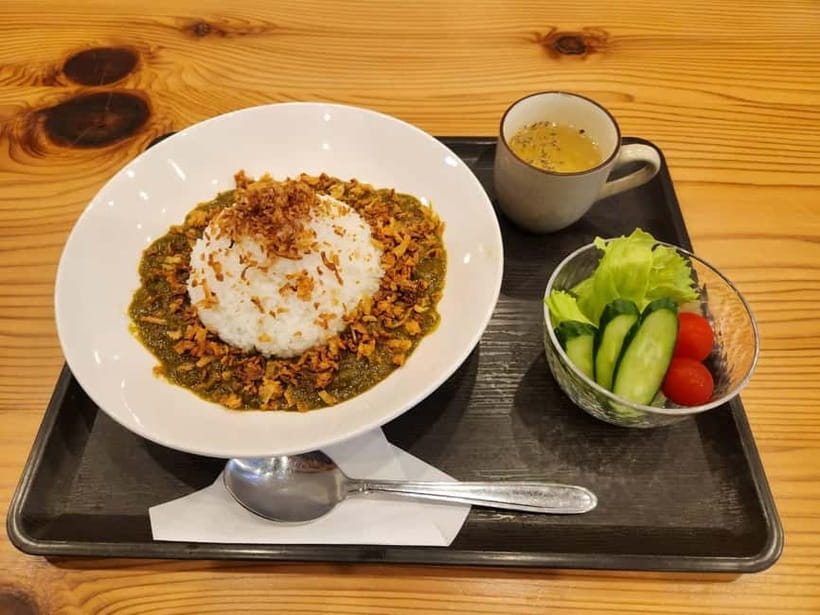
- Lunch has a Japanese focus: Choose from Kobe beef shabu-shabu, Koshu wine beef steak, or local Houtou noodles when selecting the meal option.
- The itinerary changes with the season: Cherry blossoms peak around late March to mid-April, lavender arrives from late June to mid-July, and autumn color comes later in the year.
- Expect walking and a firm schedule: The first major viewpoint involves stairs, and traffic can force the guide to adjust stop times.
Why this Mt. Fuji tour works as a day trip from Tokyo
Mt. Fuji is close enough to tempt you into a quick side trip, but the viewing areas around the mountain are spread across Yamanashi Prefecture. That is where this tour earns its keep. An air-conditioned vehicle links several locations in one day, while the guide handles the route, timing, and meeting instructions.
The tour begins at one of two possible Tokyo meeting points, including the LOVE sculpture near the Robert Indiana artwork or the KOKUYO Tokyo Shinagawa office. Your exact meeting point depends on the option you book, so check it carefully and arrive ten minutes early. The day ends at Shinjuku Station.
The schedule is busy, but not empty. You get guided information during the journey and free time at the stops. That balance suits me: you hear the cultural background, then get to wander, take photographs, buy food, or simply look at the mountain without someone narrating every second.
The bus has air conditioning, numbered seats, and clear speakers according to the supplied experience details and guest feedback. Those small comforts matter on a ten-hour outing. Traffic on the return to Tokyo is a real possibility, especially when many people are heading back at the same time.
More ways to see Mount Fuji:
- Mt Fuji and Hakone 1-Day Bus Tour Return by Bullet Train
★ 5.0 · 26,383 reviews - Mt Fuji & Hakone Cruise, Drum Show Bullet Train 1 Day from Tokyo
★ 4.0 · 7,413 reviews - Tokyo Mt Fuji 5th St & Hakone Cruise Bus Tour w/Bullet Train
★ 4.4 · 5,024 reviews
Arakurayama Sengen Park and Chureito Pagoda
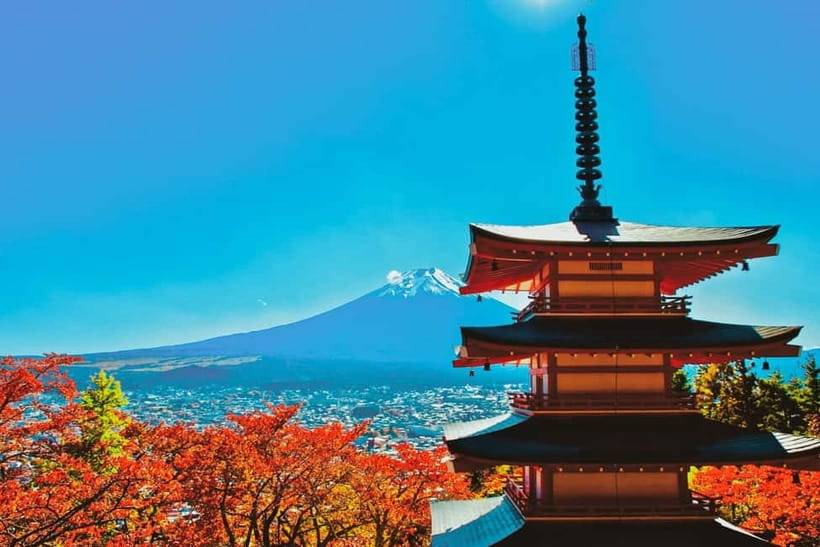
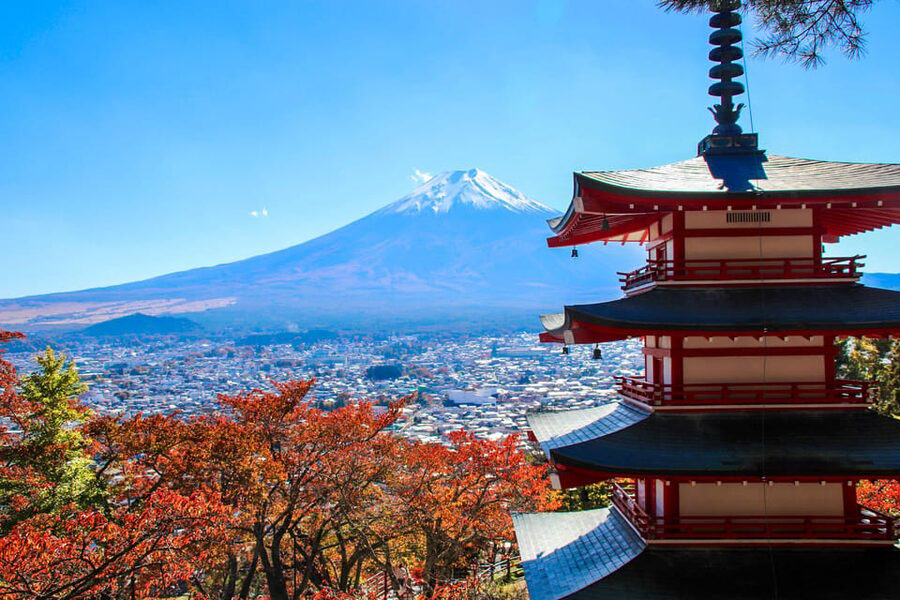
This is the tour’s signature stop. Arakurayama Sengen Park gives you the composition many people picture when they think of Mt. Fuji: the snow-capped cone, the red five-story Chureito Pagoda, and Japanese trees framing the view.
Reaching the observation deck means climbing 398 stone steps from the park entrance. It is a proper climb, not a quick stroll. The effort pays off when the weather is clear, but you should wear shoes with a good grip and keep some energy in reserve for the rest of the day.
A slope option is available for people who find the stairs difficult, though it may take longer. The park visit is scheduled for about 70 minutes, so stop for photographs but keep an eye on the time. At busy periods, the observation deck can feel crowded, and taking the perfect picture may require patience.
The park is especially attractive from late March through mid-April, when about 650 cherry trees flower. The annual Cherry Blossom Festival brings extra crowds, but it also adds a wonderful layer of pink around the pagoda and mountain. In autumn, red and gold leaves replace the spring blossoms, creating a strong contrast with the vermilion structure.
The guide may first explain the area and then let you explore independently. That is useful here because the best photo may not be the same for everyone. Some people want the full pagoda view, while others prefer to photograph the stairs, shrine buildings, or Fuji alone.
Hikawa Clock Shop and Arakura Fuji Sengen Shrine
The short visit around Hikawa Clock Shop gives you a different kind of Fuji photograph. Here, the mountain appears at the end of a street, with Japanese buildings and utility lines creating a distinctly local foreground.
This is not a grand viewpoint with railings and signs. It feels more like a town photo stop, and that is precisely its appeal. You can see how ordinary streets around Fujiyoshida become scenic simply because Mt. Fuji rises behind them.
The area requires care. Follow the guide’s instructions and avoid blocking homes, shops, or traffic. The stop is mainly for photographs and a short walk, so do not expect a long shopping visit.
Arakura Fuji Sengen Shrine adds the spiritual side of the region. The shrine is connected to the same area as the pagoda and gives you a chance to notice the traditional architecture and religious setting behind the famous image. The sequence of shrine, pagoda, and street view helps you understand that the Fuji photograph is not one isolated attraction. It is part of a wider town and shrine area.
Lake Kawaguchi, Maple Corridor, and local lunch
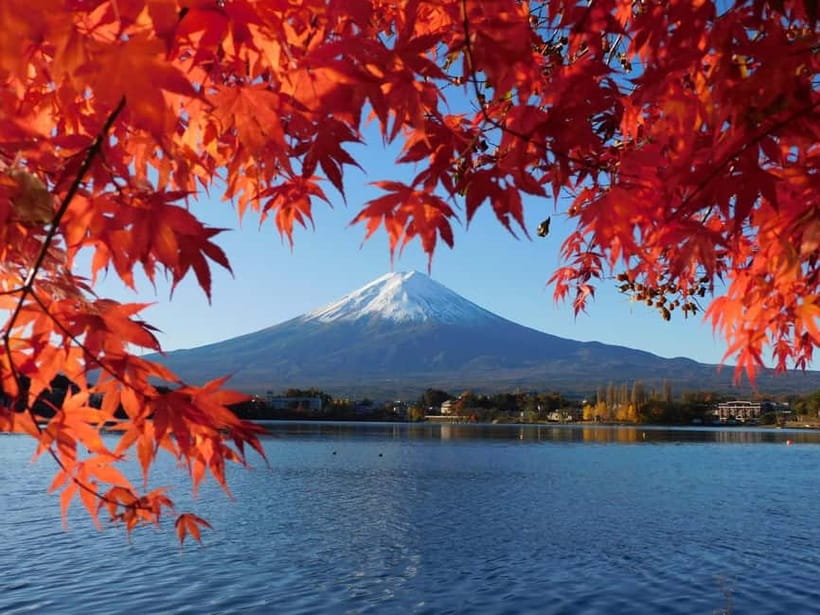
Lake Kawaguchi is the tour’s slower middle section, with about two hours in the area. The lake gives you one of the most dependable ways to appreciate Fuji. Instead of looking upward from a crowded platform, you see the mountain spread across the water, and on a calm day its reflection can be striking.
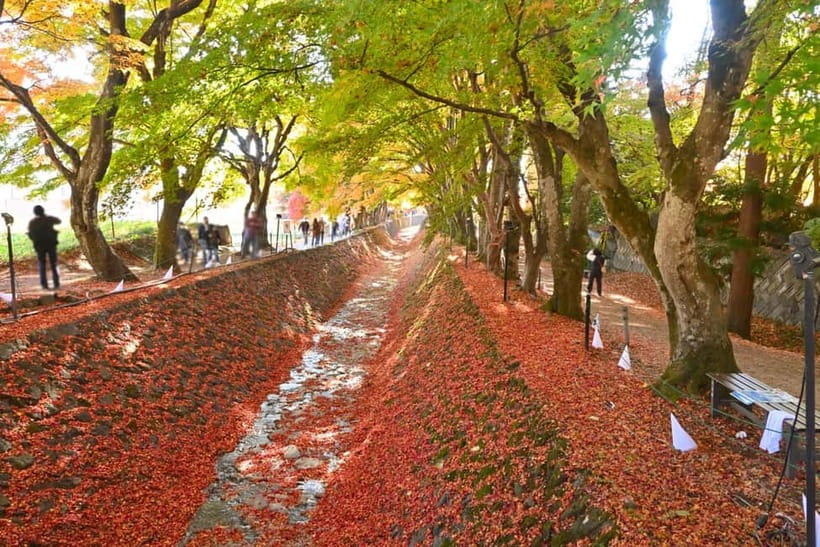
A few minutes on foot from Kawaguchiko Craft Park brings you to the lakeside. Spring adds cherry blossoms along the paths. Autumn brings the nearby Maple Corridor, a popular place for red and gold leaves. The exact appearance depends on the season, but the lake remains worthwhile even when Fuji hides behind cloud.
The Maple Corridor is included as a photo and sightseeing stop. It may be most rewarding during the autumn color period, while spring visitors should give more attention to the cherry-lined lakeside.
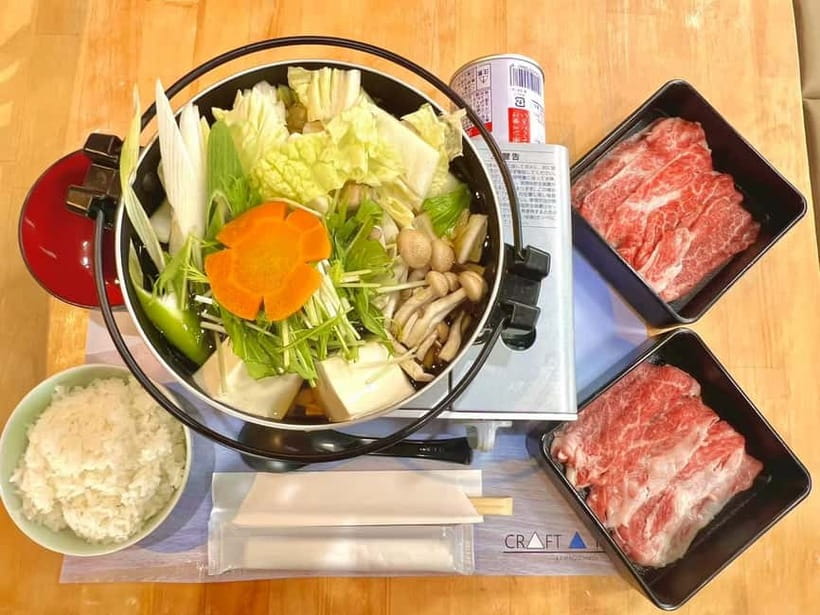
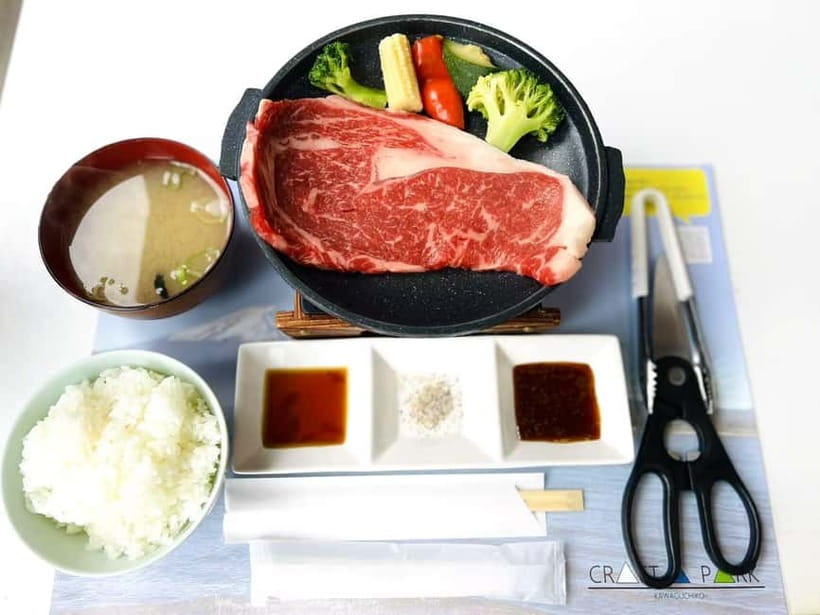
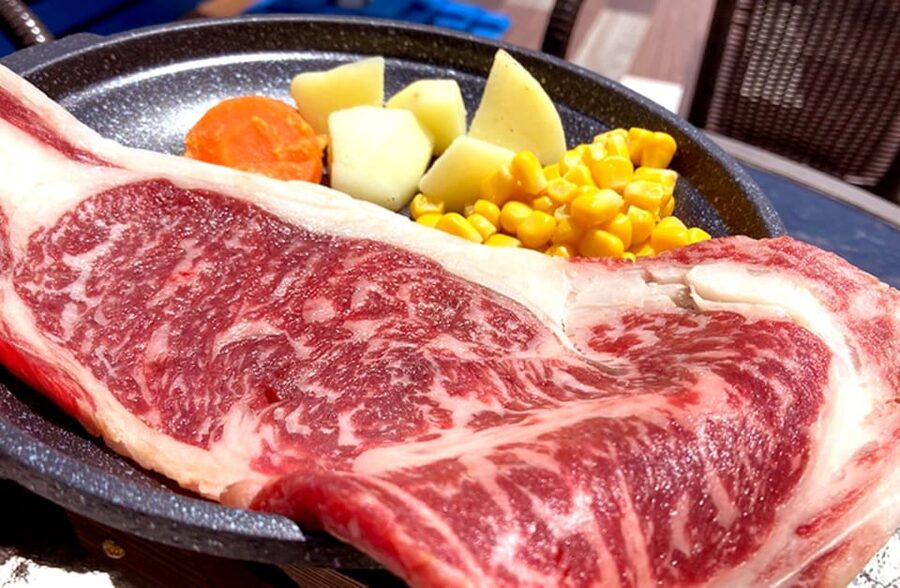
Lunch can be arranged at Kawaguchiko Craft Park if you select the lunch option. The choices make this more than a generic bus meal:
- Kobe beef shabu-shabu made with A5-grade Japanese black Wagyu
- Koshu wine beef steak, using Yamanashi-raised Wagyu associated with grape production
- Houtou noodles, a local specialty served in miso broth with vegetables and chicken
Houtou is the most regional choice. It is hearty and well suited to a cool day, though it may feel heavy if you are already tired from walking. A vegan lunch option has also been praised, while gluten-free arrangements may need special attention. Communication about dietary needs has not always been smooth, so ask the tour provider before departure rather than relying on a last-minute request.
Kawaguchiko Craft Park also has open-air seating, restaurants, workshops, and a souvenir area. You can look for local specialties and limited-edition goods, then walk toward the lake for a view. One practical point: the schedule lists the Craft Park as a stop without a fixed duration, so your usable time there depends on the day’s timing and lunch arrangement.
A few more Tokyo experiences worth weighing up
- 1-Day Tokyo Bus Tour
★ 5.0 · 14,250 reviews - Tokyo: TOKYO SKYTREE® Admission ticket
★ 4.5 · 11,192 reviews - Tokyo: teamLab Planets TOKYO Digital Art Museum Entry Ticket
★ 4.6 · 9,779 reviews - Tokyo: Sumo Show Experience with Chicken Hot Pot and a Photo
★ 4.8 · 6,678 reviews
Oishi Park and its 350-meter Flower Road
Oishi Park is one of the easiest places on the route for a broad Fuji view. It sits beside Lake Kawaguchi and has a 350-meter Flower Road lined with seasonal plantings.
The flowers change through the year:
- Tulips in spring
- Lavender in summer
- Kochia, or broom grass, in autumn
The Kawaguchiko Herb Festival runs from late June to mid-July, when purple lavender fields create one of the area’s most recognizable summer scenes. The flowers frame the mountain rather than compete with it, making this a strong spot for wide photographs.
The stop is scheduled for about 30 minutes. That is enough for a walk, a few pictures, and a quick look around, but not enough for a slow garden visit. If Oishi Park is your main reason for booking, you may prefer a private visit with more time. On this group tour, it works best as one attractive chapter in a much larger day.
Clouds are common around Fuji, and Oishi Park is not a guaranteed backup if the mountain disappears. Still, the flowers, lake, and open views give you something pleasant to see even on a gray day.
Saiko Iyashi-no-Sato Nenba, a village of thatched roofs
The final major sight is Saiko Iyashi-no-Sato Nenba, beside Lake Saiko. This restored village contains about 20 thatched-roof houses modeled after the traditional style associated with Shirakawa-go.
The houses now hold craft studios, small shops, and places to eat. That makes the village more interactive than a simple outdoor museum. You can browse local goods, see craft work, and photograph the roofs with Mt. Fuji in the distance when conditions cooperate.
One of the most enjoyable options is dressing in a kimono or ninja outfit for photographs. It is a playful activity, but it also gives you a direct connection with the visual style of the village. Spring may bring cherry blossoms and carp streamers. Summer is green, autumn brings colored leaves, and winter can cover the roofs in snow.
The entry ticket is included, and the scheduled visit lasts about 50 minutes. That is enough to see the main area, but it can feel short if you want to shop, try a costume, eat, and take photographs. Several people have wished for more time here, and I understand why. If you are drawn to traditional architecture or hands-on cultural stops, this may be the place you most want to linger.
Guides, transport, and the pace of the day
The strongest part of the operation is the human touch. Omar is repeatedly described as funny, friendly, and helpful. Koji has been praised for clear instructions, good humor, and an ability to keep the day moving. Eric, George, Jorge, and other guides have also been noted for useful explanations and calm handling of delays.
You should not expect a private guide devoted only to your group. This is a shared bus tour, and people booking different language options may sometimes ride together. English and Chinese guiding are available, but the exact arrangement can vary on the day.
Guides generally explain the myths, spiritual meaning, and local culture during the drive or at each stop. Then they give you a meeting time and let you explore. That format works well for independent people who want structure without constant supervision.
The pace is the main weakness. You cover a lot of ground in ten hours, and some stops will feel like photo visits rather than full explorations. Traffic can reduce time at later sights, and returning late passengers can put pressure on the schedule. The provider may adjust stop lengths when roads are slow.
The good news is that the bus itself is reported to be comfortable, cleanly organized, and easy to use. Drivers have also received praise for careful driving and calm behavior during delays. Bring water, snacks, sun protection, and shoes suitable for stairs and uneven walking areas. One person became faint from not eating enough, which is a useful warning for such an active day.
How much value do you get for $54?
At $54 per person, this is a strong-value outing if you want many Fuji-area sights in one day. The price includes air-conditioned transportation, a live guide, and entry to Saiko Iyashi-no-Sato Nenba. Lunch is included only when you select the appropriate option.
Arranging the same route alone would mean working out connections between Tokyo, Fujiyoshida, Lake Kawaguchi, Lake Saiko, and the surrounding parks. You would also need to monitor bus times and decide how to reach the photo stops. The tour removes that work, which is especially valuable for a first visit to Japan.
The price does not buy a relaxed schedule. You are paying for coverage and convenience, not long stays at every sight. If your priority is one perfect Fuji photograph or a quiet afternoon by the lake, a slower independent visit could suit you better.
If you want pagodas, shrines, lake views, flowers, food, and a traditional village in one day, the value is hard to dispute. Clear weather makes the deal feel exceptional, but even cloudy conditions leave you with several worthwhile stops.
The weather question: can you count on seeing Mt. Fuji?
No. Mt. Fuji often hides behind cloud, rain, or haze, even when the forecast looks promising. Several people had enjoyable days without seeing the mountain clearly, while others got perfect views from every stop.
For the best chance of a clear summit, many visitors prefer colder months, but the supplied experiences show that visibility can be excellent in spring, summer, or autumn too. Snow cover also changes. A September visit may reveal the mountain without its famous white cap.
The tour wisely uses several viewpoints. If Fuji vanishes at Arakurayama, it may appear later above Lake Kawaguchi. That is not a guarantee, but it gives you more chances than a single-observation-deck outing.
Should you book this Mt. Fuji day trip?
Book it if you want an efficient first look at the Fuji region, prefer having transport arranged, and enjoy a full day with varied stops. It is particularly good for people who want both iconic photographs and a little local culture, rather than spending the entire day at one lake or lookout.
I would also recommend it to solo visitors and small groups who want clear meeting instructions, an English or Chinese guide, and a practical route from Tokyo. The guides receive consistently warm praise, and the price includes enough transport and sightseeing to make the day worthwhile.
Skip it if stairs are a serious problem, you dislike fixed schedules, or you want deep time at each place. The slope at Arakurayama helps, but the day still involves considerable walking. If you accept the long hours and weather risk, this is a sensible, well-priced way to see several sides of Mt. Fuji.
FAQ
How long does the Mt. Fuji tour last?
The tour lasts about 10 hours, beginning at a designated Tokyo meeting point and finishing at Shinjuku Station.
How much does the experience cost?
The listed price is $54 per person. Lunch is included only if you choose the lunch option.
What languages are available?
Live guiding is available in English and Chinese. Depending on the day, people who booked different language options may share the same vehicle.
Where does the tour begin?
There are two possible starting locations, including the LOVE sculpture near the Robert Indiana artwork and the KOKUYO Tokyo Shinagawa office. The meeting point depends on the option booked.
Where does the tour finish?
The tour finishes at Shinjuku Station.
Is lunch included?
Lunch is included only with the selected lunch option. Choices include Kobe beef shabu-shabu, Koshu wine beef steak, and Houtou noodles. A vegan option has also been available.
How many steps lead to the Chureito Pagoda viewpoint?
The observation deck at Arakurayama Sengen Park requires climbing 398 stone steps from the park entrance. A slope option is available for people who have difficulty with the stairs.
Can I cancel the booking?
You can cancel up to 24 hours before departure for a full refund. A reserve-now, pay-later option is also available.
Just added around Tokyo
- Tokyo 6hr Instagram Highlights Private Tour with Licensed Guide★ 5.0 · 38 reviews
- Tokyo Small Group Tour with Guide★ 4.5 · 38 reviews
- Tokyo Sumo Experience with Live Show & Audience Challenge★ 5.0 · 38 reviews
- Japanese Food Cooking Class in Asakusa, Tokyo★ 5.0 · 39 reviews
- Very popular in Harajuku♡Animal petting zoo★ 4.6 · 39 reviews
- Ramen Making from Scratch with Tokyo Mom(Vegan Option Available)★ 5.0 · 39 reviews
- Tokyo JDM Night: 600hp C63s AMG Edition 1 (Private)★ 4.9 · 39 reviews
- Tokyo: Kimono Rental inside Shinjuku Gyoen National Garden★ 4.9 · 39 reviews
Mount Fuji Tours, compared.
Mt Fuji and Hakone 1-Day Bus Tour Return by Bullet Train
Read our review →
Mt Fuji & Hakone Cruise, Drum Show Bullet Train 1 Day from Tokyo
Read our review →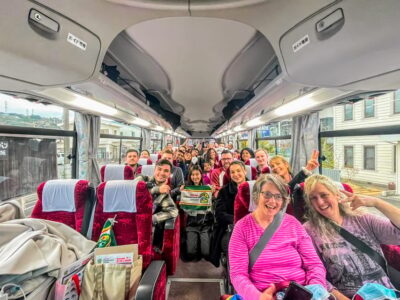
Tokyo Mt Fuji 5th St & Hakone Cruise Bus Tour w/Bullet Train
Read our review →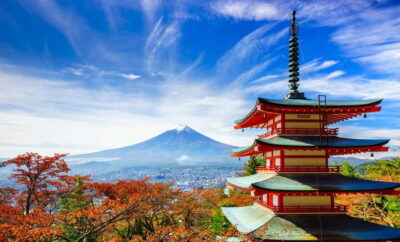
Mt. Fuji Tour, Hakone Ropeway, Owakudani, Lake Ashi
Read our review →
Mt. Fuji 5th Station & Hakone Cruise 1-Day Bus Tour
Read our review →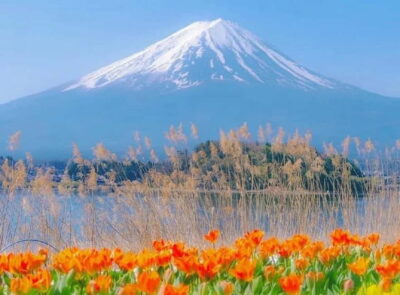
Mt Fuji Top 5 Spots Day Tour: Arakurayama Park,Oshino Hakkai
Read our review →
Private Tour to Mt. Fuji and Hakone (Fully Licenced Operator)
Read our review →Browse the lists this tour appears in