
Reviewed · MOUNT FUJI TOURS
Private Car Tour to Mt. Fuji Lake Kawaguchiko or Hakone
Fuji rewards flexible planning. This private day trip from Tokyo gives you a comfortable minivan, a local Japanese guide, and the freedom to shape 10 to 11 hours around the sights you care about most. You can focus on Lake Kawaguchiko and the Fuji Five Lakes, switch to Hakone, or build a day with both nature and cultural stops.
I especially like the hotel pickup and private transport, which spare you the rail changes, packed buses, and timetable juggling that can make the Fuji area tiring. I also like the guide-led flexibility: guides such as Ken, Tomomi, Hiroko, Bob, Taiji, and Reiko have adjusted routes around weather, family needs, food preferences, and changing mountain views. The main drawback is the price, $1,286.89 per group of up to eight, plus meals, admissions, and possible tolls. It makes the most sense with a full group.
In This Review
- Key points at a glance
- Why a private car helps from Tokyo
- The classic Fuji opening: Arakura Sengen Shrine and Chureito Pagoda
- Learning the mountain at the World Heritage Center
- Lake Kawaguchiko, Oishi Park, and seasonal color
- Shrines, villages, and local traditions
- Caves beneath the Aokigahara forest
- The Fifth Station: impressive, but seasonal and extra
- Scenic add-ons around the Five Lakes
- Hakone by ropeway, lake, and shrine
- Hakone museums and Odawara options
- Guides, drivers, and the human side of the day
- Timing, food, and extra costs
- Who should book this private Fuji tour?
- Final verdict: a high-priced but flexible Fuji day
- FAQ
- How long does the private Mt. Fuji or Hakone tour last?
- How many people can join the private tour?
- Does the tour include hotel pickup and drop-off?
- How many sightseeing stops should I choose?
- Is the Mt. Fuji Fifth Station included?
- Are admission fees and lunch included?
- What happens if bad weather hides Mt. Fuji?
Key points at a glance
- A private day for up to eight people: Your group rides together in an air-conditioned minivan with hotel pickup and drop-off from Tokyo.
- Choose four to six stops: The long list of possible sights is a menu, not a promise that you will see everything in one day.
- The best Fuji views depend on weather: Your guide can change the order, but no tour can guarantee a clear summit.
- Kawaguchiko offers the classic Fuji day: Chureito Pagoda, Oishi Park, Oshino Hakkai, shrines, caves, museums, and lake views are all possible.
- Hakone makes a different kind of outing: The ropeway, Owakudani, Lake Ashi, Hakone Shrine, and the Open-Air Museum create a varied cultural and volcanic day.
- The Fifth Station costs extra: Access requires a 2,100 yen toll paid locally, and the road closes during the main climbing season and winter.
Why a private car helps from Tokyo
Mt. Fuji is close enough to tempt you into a quick day trip, but the distances between sights can be awkward. Kawaguchiko, Oshino, the Aokigahara forest, and the Fuji viewpoints are spread across a wide area. Hakone has its own ropeway, lake cruise, mountain roads, and museums.
With this tour, you do not need to return to one bus stop every hour or worry about missing the final train. Your driver handles the long stretches, while your guide can explain the shrines, mountain traditions, local food, and scenery. That matters most for families, older relatives, and groups who want to stop for photographs without watching the clock.
The vehicle is also useful during poor weather. Several people had limited views of Fuji because of cloud, rain, or hail, but guides changed the order or found other worthwhile stops. Ken, for example, made an effort to show the mountain early before clouds closed in. That kind of judgment is the real value of a private day.
The trade-off is cost. At the full capacity of eight, the price works out to about $161 per person before admissions and food. For two people, it is a major splurge. For a family or group that would otherwise pay for several train tickets, taxis, buses, and separate activities, the price becomes easier to defend.
More ways to see Mount Fuji:
- Mt Fuji and Hakone 1-Day Bus Tour Return by Bullet Train
★ 5.0 · 26,383 reviews - Mt Fuji & Hakone Cruise, Drum Show Bullet Train 1 Day from Tokyo
★ 4.0 · 7,413 reviews - Tokyo Mt Fuji 5th St & Hakone Cruise Bus Tour w/Bullet Train
★ 4.4 · 5,024 reviews
The classic Fuji opening: Arakura Sengen Shrine and Chureito Pagoda
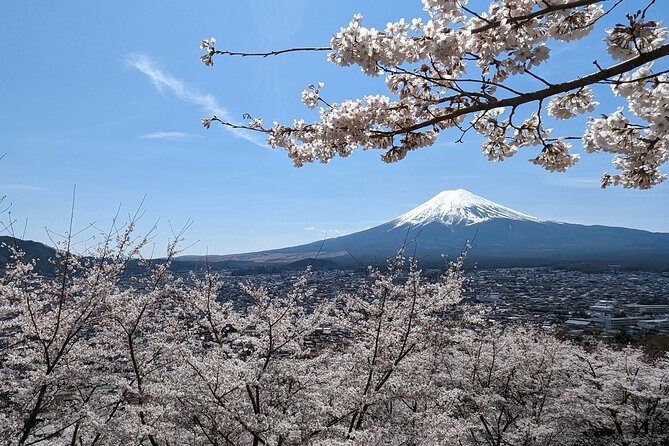
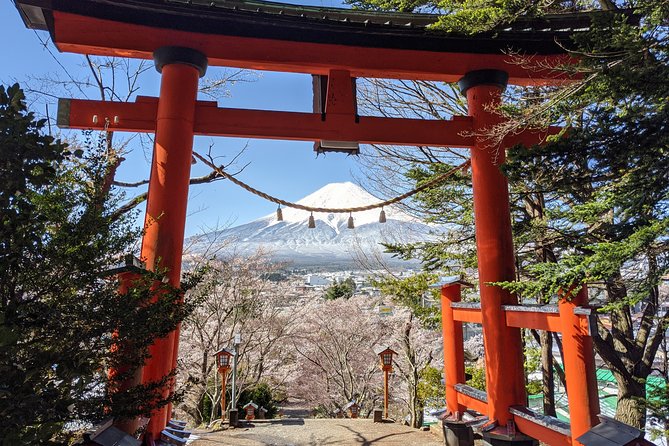
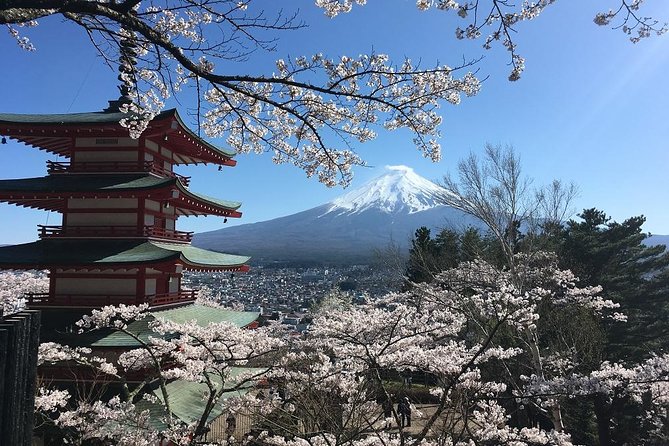
Many Fuji days begin at Arakura Fuji Sengen Shrine and nearby Arakurayama Sengen Park. The famous view pairs Mt. Fuji with the red five-story Chureito Pagoda, creating the image most associated with the area.
The shrine adds meaning to the photograph. It is dedicated to a fire goddess and forms part of the religious tradition surrounding Fuji. The pagoda and mountain are not just a scenic pairing, but a meeting of Japanese architecture, belief, and nature.
Allow 30 to 60 minutes if you want time at the shrine and park. The pagoda viewpoint requires a climb, so this is not a simple roadside photo stop. You may find stairs, crowds, or cloud blocking the peak. Your guide can help with timing, but the view is never guaranteed.
This is one of the strongest choices for first-time visitors. If Fuji is clear, it gives you the classic photograph early in the day. If the mountain is hidden, the pagoda, shrine, and surrounding hills still make the stop worthwhile.
Learning the mountain at the World Heritage Center
The Mt. Fuji World Heritage Center in Fujiyoshida provides a visual introduction to the mountain and the rituals connected with it. A video and regional displays help explain why Fuji matters beyond its shape and height.
I would choose this stop if you want context, not just photographs. It also gives you an indoor break if the weather turns wet or cold. The suggested visit can take 20 to 60 minutes, so it fits neatly into a flexible route.
The center is best paired with a shrine or the Fifth Station. On its own, it may feel less memorable than a lake view, especially if your group has limited time.
Lake Kawaguchiko, Oishi Park, and seasonal color
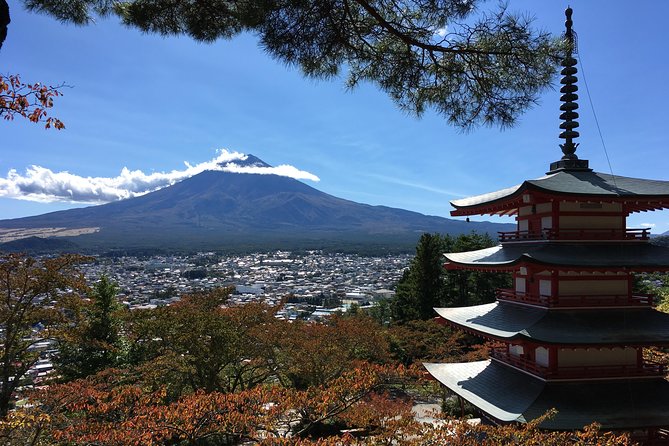
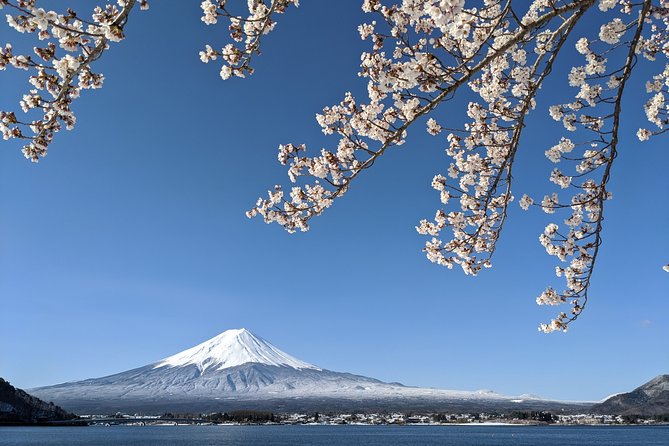
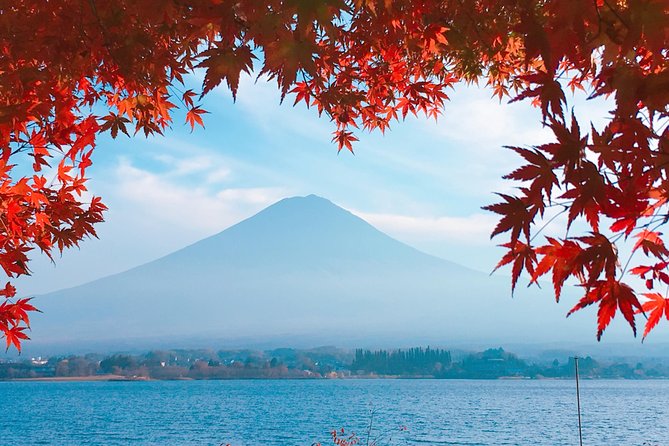
Lake Kawaguchiko is the most visited of the Fuji Five Lakes and often becomes the heart of the day. The shoreline offers changing views of Fuji, with the best location depending on season, clouds, and light.
At Oishi Park, you can see more than 90 types of flowers across the year. Lavender is the signature display, but seasonal planting keeps the park attractive beyond summer. Fuji Oishi Hana Terrace adds regional crafts, souvenirs, fruit ice cream, and sorbets.
These stops are easy to enjoy because you can keep them short or linger. Oishi Park may take 20 to 90 minutes, while the terrace works well for a snack and a little shopping. The spaces are gentler than the pagoda climb and suit mixed-age groups.
Do not plan your whole day around one exact Fuji viewpoint. Cloud can roll across the summit quickly. A guide who watches the weather and shifts the route gives you a better chance than a rigid schedule.
A few more Tokyo experiences worth weighing up
- Tokyo Private Sightseeing Tour by Car- English speaking chauffeur
★ 5.0 · 1,004 reviews - Tokyo Private Tour by Vehicle with English-Speaking Chauffeur
★ 5.0 · 504 reviews - Mt FUJI Day Tour with Private Car and English Speaking Guide
★ 5.0 · 433 reviews - Mt Fuji Exclusive Tour with Private Car English Guide
★ 5.0 · 116 reviews
Shrines, villages, and local traditions
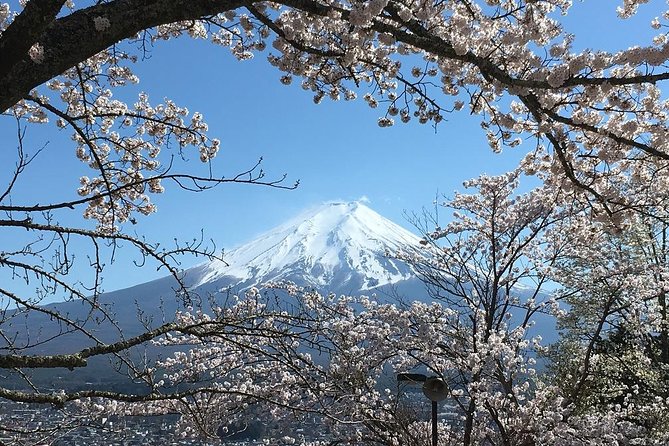
Kitaguchi Hongu Fuji Sengen Shrine is one of the important shrines on the northern side of Fuji. It is linked to the traditional route used by people ascending the mountain and forms part of the Fujisan Cultural Site.
The shrine is a good choice if you want a quieter, more spiritual side of the region. It can also balance the crowds at the pagoda and lake. Plan roughly 20 to 60 minutes.
Saiko Iyashi no Sato Nenba offers a more staged but still appealing look at rural Japan. Traditional thatched-roof houses line the site, with local crafts, artists, and optional kimono or samurai armor rentals. Admission is not included, and reservations are needed for the costume rentals.
Oshino Hakkai is another popular cultural stop. Eight ponds are fed by snowmelt from Fuji, and the area forms part of the World Heritage site. Small shops and food stands make this an easy place to sample Japanese snacks, though it can feel commercial compared with the shrine grounds.
For families, Oshino Shinobi no Sato adds ninja performances and costume rentals. It is more playful than historical, and admission is extra, but children may prefer it to a museum.
Caves beneath the Aokigahara forest
The Aokigahara forest grew over lava from Fuji’s eruptions, and the area contains several caves. Narusawa Ice Cave, Fugaku Wind Cave, and Saiko Bat Cave offer short underground visits ranging from about 15 to 45 minutes.
These are not passive sightseeing stops. Expect uneven ground and a more physical experience than a lakeside promenade. Admission is not included, and you should choose caves based on your group’s comfort and interest.
I like the caves as a backup when Fuji disappears behind cloud. They show the mountain’s force from below, not just its postcard profile. The forest itself can also support a short walk, but the tour description gives only about 30 minutes for that option, so do not expect a long hike.
The Fifth Station: impressive, but seasonal and extra
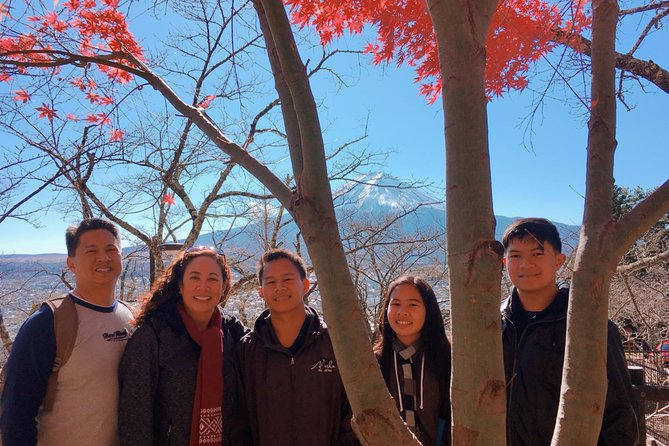
The Fifth Station reaches about 2,300 meters, the highest point on Fuji accessible by car. It is the closest most day visitors can get to the upper mountain without climbing.
The extra toll is 2,100 yen, paid on the spot. Road access usually closes from July to mid-September during the climbing season, and it also closes in winter. Even when open, clouds may hide the summit and the surrounding view.
This stop can be very rewarding on a clear day, as one family discovered when a brief break in the clouds revealed Fuji before the mountain vanished again. But I would not treat it as the sole reason to book the tour. The guides have no control over cloud, and the tour is not refunded simply because Fuji is partly or fully hidden.
Scenic add-ons around the Five Lakes
The Fuji area offers more than temples and viewpoints. The Kawaguchiko Music Forest Museum has old automatic musical instruments, European-style gardens, and seasonal flowers. It suits anyone who enjoys music, decorative settings, or a slower indoor visit.
The Mt. Fuji Panoramic Ropeway climbs to 1,075 meters in about three minutes. From above, you can look across Lake Kawaguchi, Fuji Yoshida, and, on a clear day, Mt. Fuji. Queues can stretch the visit, so the suggested time ranges from 30 to 90 minutes.
The Itchiku Kubota Art Museum displays rare kimono works in distinctive architecture. It is a strong choice for art lovers and for anyone interested in textile design. The museum shop also carries original souvenirs.
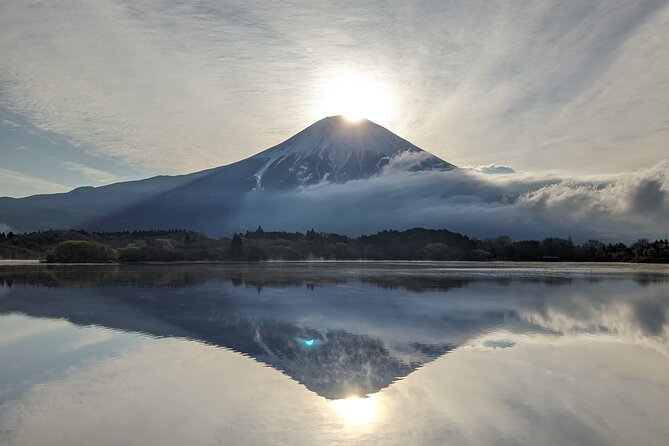
At Lake Yamanaka, the KABA amphibious bus spends about 30 to 45 minutes traveling by road and water. Yamanakako Hananomiyako Park covers 30 hectares of seasonal flowers, while winter can bring the chance to see Diamond Fuji, the sun setting over the mountain’s summit.
The Yamanashi Gem Museum and Ide Sake Brewery offer different local angles. The museum focuses on stone cutting and collections from around the world. Ide Brewery uses Fuji snowmelt water and offers tasting or a longer guided visit from 3 p.m., with advance reservation and a 1,500 yen tasting fee.
You can also request fruit picking, strawberry eating, wine visits, cycling, skiing, or the spring Shibazakura display at Fuji Motosu Resort. These choices make the tour unusually flexible, but they also reinforce the need to select carefully. You cannot fit every attraction into one day.
Hakone by ropeway, lake, and shrine
Hakone is not simply a second Fuji viewpoint. It is a separate mountain destination with volcanic activity, hot springs, art, and Lake Ashi.
The Hakone Ropeway reaches about 1,350 meters and can provide one of the area’s best aerial views of Fuji. Owakudani Valley adds steaming volcanic ground and the famous black eggs, which are said to add seven years to your life. The view can be excellent on a clear day, but volcanic conditions and weather can affect access.
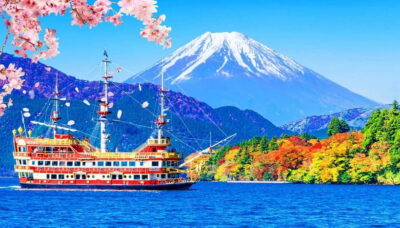
At Lake Ashi, the Hakone Sightseeing Cruise offers either the famous pirate-style vessel or a regular cruise. The pirate boat is fun for photographs, while the regular cruise may suit you if you want to avoid a heavier crowd. The lake formed after a major eruption inside a caldera, and local stories connect it with a nine-headed dragon.
Hakone Shrine is famous for its torii gate near the water. The shrine dates back about 1,260 years and has ties to Japan’s shogun-era rulers. Onshi Hakone Park, once an imperial garden, offers carefully maintained grounds and possible cherry blossoms in spring or red maple leaves in autumn.
For a strong cultural day, add the Hakone Sekisho checkpoint and museum. It explains travel control and samurai duties during the Tokugawa period. The stop is short, from 10 to 45 minutes, making it easy to pair with the lake cruise.
Hakone museums and Odawara options
The Hakone Open-Air Museum is one of the best choices for families and art lovers. Sculptures are spread through an outdoor setting, and photography is allowed. Plan 45 to 90 minutes, though art fans could happily spend longer.
Other available museum choices include glass art, Japanese and Oriental art, samurai weapons, and a museum beside Lake Ashi with a cafe view toward Fuji. The tour can also reach the MOA Museum of Art in Atami, about 30 minutes from Hakone, for a major collection of Japanese works.
Odawara Castle adds a samurai and ninja focus. Its museum displays armor and swords, and the castle is described as the closest castle to Tokyo. Admission is extra, and 30 to 90 minutes is a practical visit.
Mishima Skywalk offers a different kind of view from Japan’s longest pedestrian suspension bridge. Fuji is visible on a clear day, but the attraction costs extra and may take up to 90 minutes depending on added activities.
Guides, drivers, and the human side of the day
The most praised part of this experience is the staff. Ken is often singled out for clear communication before the tour, strong local knowledge, and careful attention to families. Tomomi is described as fluent in English and well informed about Fuji. Hiroko, Bob, Taiji, Reiko, and others are also noted for warmth, humor, and professional service.
The guide and driver work as a team. Toshi and Tak are repeatedly praised for punctuality, safe driving, and calm handling of traffic. One return journey took almost four hours because of Tokyo congestion, a useful warning for anyone planning an evening reservation after the tour.
The personal touches matter. Guides have helped choose restaurants, made reservations, offered snacks to children, and adapted activities for older parents. One guide stayed beside a slower cyclist on a 14-kilometer Lake Yamanaka route and encouraged her through the ride.
English, French, Spanish, Chinese, and Korean professional guides are available. Ask about language needs when booking.
Timing, food, and extra costs
The tour lasts about 10 to 11 hours, but the actual pace depends on your four to six chosen stops. A route with the pagoda, lake, Oshino Hakkai, and Owakudani is realistic. A route that adds caves, museums, ropeways, a cruise, the Fifth Station, and a winery will be rushed or impossible.
Lunch is not included. You can share dietary requirements in advance, and vegetarian food is available. Food and drinks, entrance fees, ropeways, cruises, museums, hot springs, costume rentals, the Fifth Station toll, and gratuity are additional.
The advertised price stays the same with or without the vehicle, according to the tour details. Since the main benefit is private transportation, I would confirm exactly how your booking is structured before paying.
Hot springs require care. Men’s and women’s baths are separate, bathing suits and towels are not permitted in the tubs, and tattoos or body paint are prohibited at the hot spring facility.
Who should book this private Fuji tour?
I would recommend it most strongly to families, groups of friends, cruise passengers, and visitors who value comfort over the lowest possible price. It is especially useful when older relatives or children would struggle with several train and bus connections.
It also suits you if your interests are specific. You can request cycling, sake, crafts, flowers, caves, art, shrines, or local food rather than accepting a fixed sightseeing loop.
I would hesitate if you are a solo visitor or couple on a tight budget. Public transport can cost far less, and the price is difficult to justify when split between only one or two people. I would also avoid booking this as your only chance to see Fuji if your plans are inflexible, since weather and traffic can change the day.
The experience has a 99 percent recommendation rate and a five-star rating from 360 reviews, but the practical lessons are more useful than the numbers: communicate early, choose only four to six stops, and accept that Fuji may hide.
Final verdict: a high-priced but flexible Fuji day
Book this tour if you want a private, comfortable day and the freedom to adjust plans around weather, energy, and personal interests. The strongest value comes with six to eight people, when the group price is shared and the minivan replaces a maze of local transport.
For a classic Fuji day, choose Arakura Sengen Shrine, Lake Kawaguchiko, Oishi Park, Oshino Hakkai, and one cultural or nature stop. For Hakone, combine the ropeway, Owakudani, Lake Ashi, Hakone Shrine, and either the Open-Air Museum or Odawara Castle.
You pay a premium, but you also buy time, comfort, local guidance, and a better chance of making sensible changes when Japan’s weather and traffic refuse to cooperate.
FAQ
How long does the private Mt. Fuji or Hakone tour last?
The experience lasts approximately 10 to 11 hours.
How many people can join the private tour?
The private vehicle and activity are available for groups of up to eight people.
Does the tour include hotel pickup and drop-off?
Yes. Hotel pickup and drop-off are included, along with round-trip private transportation in an air-conditioned minivan.
How many sightseeing stops should I choose?
The listed places are options. You should select around four to six sites for a practical day, with advice from the guide after booking.
Is the Mt. Fuji Fifth Station included?
No. The Fifth Station requires a separate 2,100 yen toll paid locally. Access is closed from July to mid-September and during the winter season.
Are admission fees and lunch included?
No. Entrance fees, food, drinks, and lunch are not included. Ropeways, cruises, museums, caves, hot springs, and other paid activities also cost extra.
What happens if bad weather hides Mt. Fuji?
The schedule may change or be canceled because of weather or traffic. If the activity is canceled for poor weather, you can receive a different date or a full refund. The tour is not canceled or refunded simply because some views are limited by weather.
Just added around Tokyo
- Tokyo 6hr Instagram Highlights Private Tour with Licensed Guide★ 5.0 · 38 reviews
- Tokyo Small Group Tour with Guide★ 4.5 · 38 reviews
- Tokyo Sumo Experience with Live Show & Audience Challenge★ 5.0 · 38 reviews
- Japanese Food Cooking Class in Asakusa, Tokyo★ 5.0 · 39 reviews
- Very popular in Harajuku♡Animal petting zoo★ 4.6 · 39 reviews
- Ramen Making from Scratch with Tokyo Mom(Vegan Option Available)★ 5.0 · 39 reviews
- Tokyo JDM Night: 600hp C63s AMG Edition 1 (Private)★ 4.9 · 39 reviews
- Tokyo: Kimono Rental inside Shinjuku Gyoen National Garden★ 4.9 · 39 reviews
Mount Fuji Tours, compared.
Mt Fuji and Hakone 1-Day Bus Tour Return by Bullet Train
Read our review →
Mt Fuji & Hakone Cruise, Drum Show Bullet Train 1 Day from Tokyo
Read our review →
Tokyo Mt Fuji 5th St & Hakone Cruise Bus Tour w/Bullet Train
Read our review →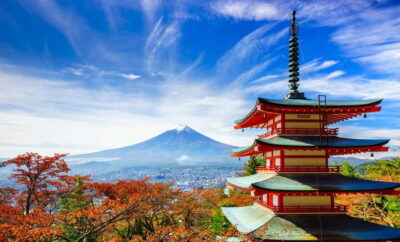
Mt. Fuji Tour, Hakone Ropeway, Owakudani, Lake Ashi
Read our review →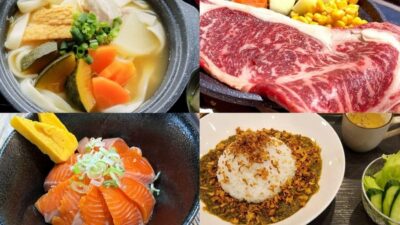
Mt.Fuji,Kawaguchiko Oishi Park,Arakurayama Sengen Park
Read our review →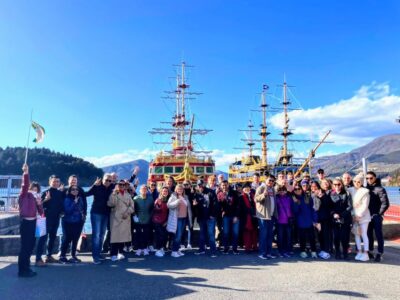
Mt. Fuji 5th Station & Hakone Cruise 1-Day Bus Tour
Read our review →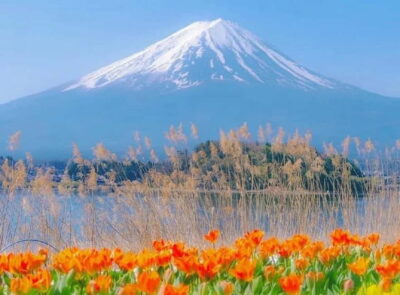
Mt Fuji Top 5 Spots Day Tour: Arakurayama Park,Oshino Hakkai
Read our review →Browse the lists this tour appears in