Reviewed · TOKYO TOURS
Tokio A: Tour de la ciudad en Español – Spanish
Tokyo reveals itself in contrasts. This eight-hour tour links Senso-ji, Ueno, Shinjuku, and Kabukicho in a single Spanish-speaking day, so you get temples, park paths, a market, city views, and neon nightlife without having to plan every train ride yourself. I love the friendly style and the way the guides add practical advice for the rest of your Japan trip. I also like the route’s clear shift from old Tokyo to modern Tokyo.
The main consideration is the pace. You will spend much of the day walking, using public transport, and moving between very different districts. Lunch, drinks, and the roughly 400 yen transport cost are extra, and the planned Shinjuku viewpoint may be replaced by Ebisu if it is closed.
In This Review
- Five details that shape the day
- Starting at Asakusa and Senso-ji Temple
- The short subway ride to Ueno
- Ueno Park, followed by time to eat
- Ameyoko, Tokyo’s less polished market side
- Shinjuku and the planned viewpoint
- Kabukicho and the neon finale
- What the Spanish guides add
- Is $96 a fair price?
- Who will enjoy this route most?
- My booking advice
- FAQ
- Is the tour conducted in Spanish?
- How long does the tour last?
- Where does the tour meet?
- Is hotel pickup available?
- What places are included?
- Is transportation included in the price?
- Are food and drinks included?
- What happens if the Shinjuku viewpoint is closed?
- Can I book a private group?
- Is the tour wheelchair accessible?
Five details that shape the day
- Spanish from start to finish: The tour is built for Spanish-speaking visitors, with guides such as Nikita, Camila, and Emi praised for warmth, clear explanations, and helpful tips.
- A strong old-to-new Tokyo route: You begin at the Senso-ji Temple area and finish among Kabukicho’s neon signs, karaoke bars, restaurants, and gaming stores.
- A real market stop: Ameyoko offers a less polished, more everyday side of Tokyo after your time in Ueno.
- Public transport is part of the experience: The route uses subway and train connections, with transport costing about 400 yen.
- Private or group options: You can choose a private group, and hotel pickup is possible if selected or added for an extra charge.
- Flexible booking terms: Cancellation is free up to 24 hours before the tour, and you can reserve now and pay later.
Starting at Asakusa and Senso-ji Temple
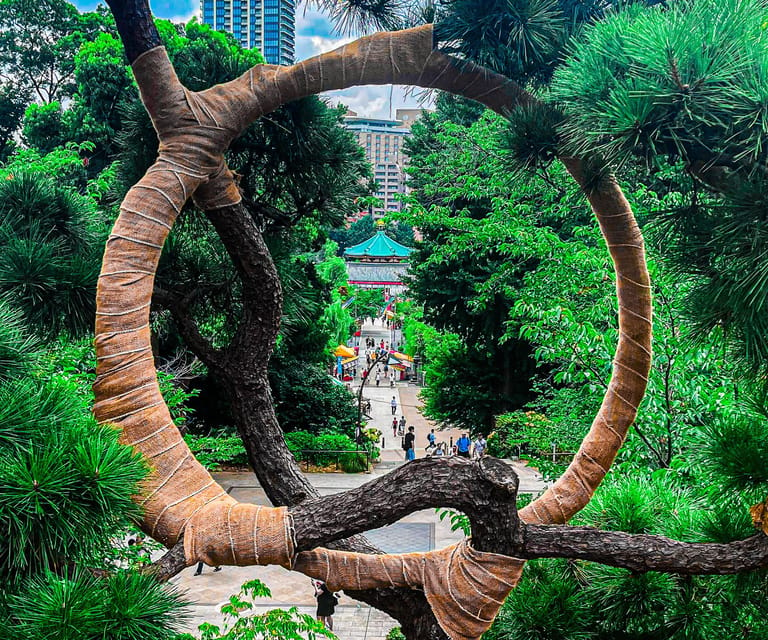
The meeting point is easy to identify: in front of the Asakusa Tourist and Cultural Information Center. Look for the guide wearing an identification badge marked NIPONEANDO. If you choose hotel pickup, remember that the pickup is by public transport, not by a private vehicle.
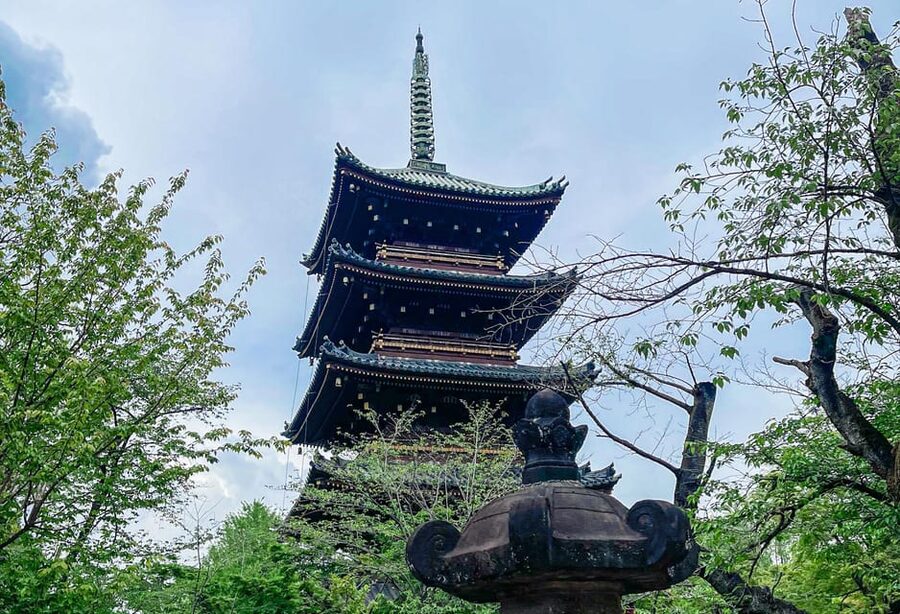
Asakusa is a smart place to begin because it gives you an immediate introduction to traditional Tokyo. The main stop is Senso-ji, one of Japan’s best-known temples. You have about two hours here with the guide, enough time for an unrushed explanation rather than a quick photograph and exit.
I like this opening because the temple provides context for the rest of the day. You start with religious architecture, old neighborhood character, and a slower rhythm before heading into the city’s larger commercial districts. A Spanish explanation also matters here. Temple customs and details can be easy to miss when you are trying to read signs, watch the crowd, and take pictures at the same time.
The two-hour allocation is generous, but it also tells you something about the tour’s style. This is not a checklist that races through ten stops. The guide has time to answer questions, explain what you are seeing, and help you get oriented.
You should still wear comfortable shoes. Senso-ji is only the first substantial walking section, and the day keeps going for several more hours.
A few more Tokyo experiences worth weighing up
- Mt Fuji and Hakone 1-Day Bus Tour Return by Bullet Train
★ 5.0 · 26,383 reviews - 1-Day Tokyo Bus Tour
★ 5.0 · 14,250 reviews - Tokyo: TOKYO SKYTREE® Admission ticket
★ 4.5 · 11,192 reviews
The short subway ride to Ueno
After Asakusa, you take the subway for about ten minutes to Ueno. The transport is not included, so plan on roughly 400 yen for the public transportation used during the day. That is a small extra cost, but it is worth knowing before you leave the hotel.
Using the subway makes the tour more useful than a simple sightseeing circuit. You see how Tokyo’s districts connect, and your guide can help you handle the practical side of moving around the city. For a first visit, that confidence can be as useful as the sightseeing itself.
The route is not built around a private coach. Group and private hotel pickups also use public transport. If you prefer a seated ride with no station changes, this format may feel less comfortable. If you want to learn how to move around Tokyo, it is a sensible choice.
Ueno Park, followed by time to eat
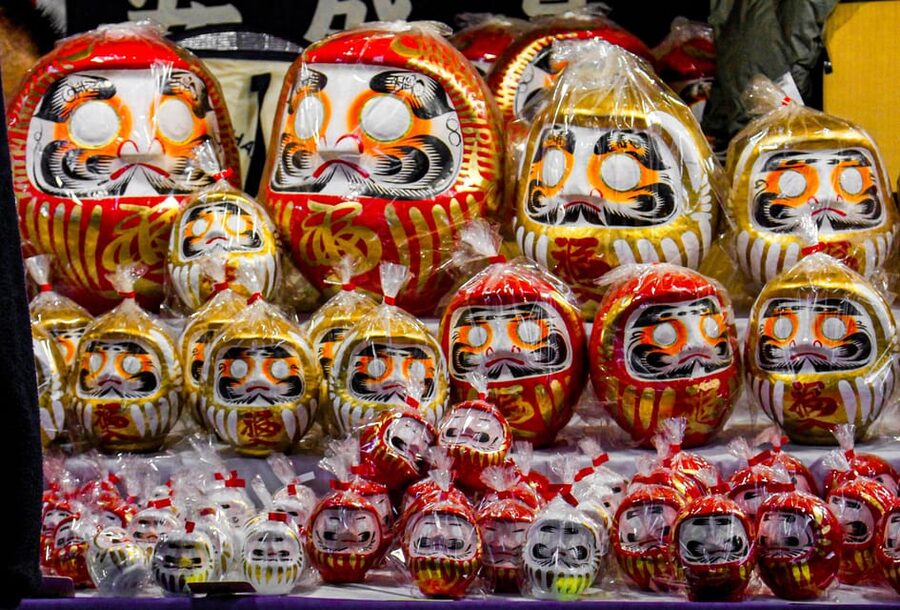
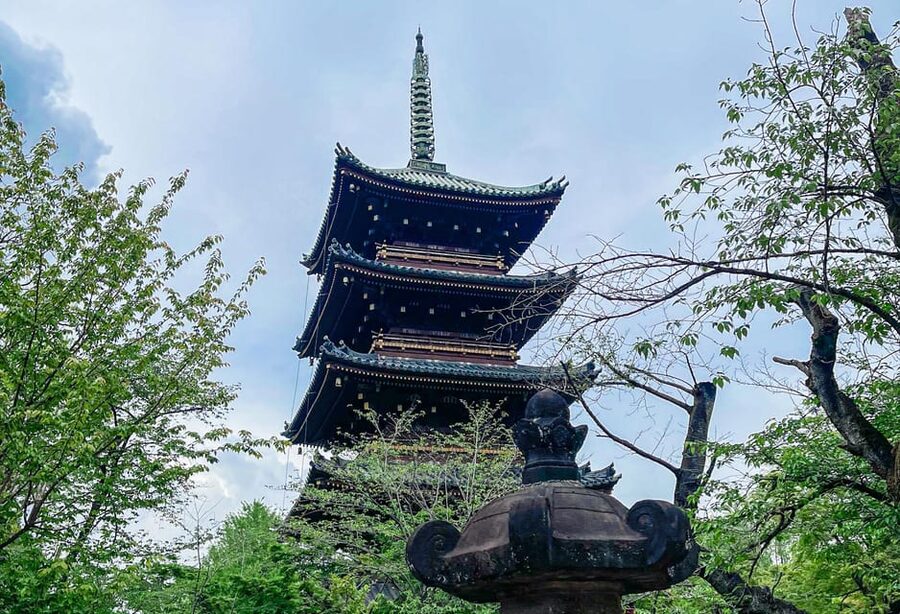
Ueno Park receives about an hour and a half of guided attention. It is one of Tokyo’s most popular parks, and it creates another change of pace after the temple and subway ride.
The value here is contrast. Senso-ji is a major religious site in an old neighborhood, while Ueno gives you open public space inside one of the world’s largest cities. Your guide can connect the park to the broader feel of Tokyo, where quiet paths and busy urban life often sit close together.
The tour then allows about 80 minutes for lunch in Ueno. Food and drinks are not included, so you pay directly for what you choose. That arrangement gives you some freedom, though the fixed time means you should avoid a meal that takes too long.
I would use this break for something practical as well as tasty. Ask your guide for recommendations, especially if you want help choosing Japanese food or planning later meals. One of the tour’s strongest features is the advice offered beyond the formal stops. Camila was praised for giving useful tips, and Emi was noted for planning a flexible route and explaining places clearly.
The lunch stop also helps break up the day. Eight hours is a long tour, and a proper pause matters. Still, you should not expect a leisurely two-hour restaurant experience. The schedule gives you enough time to eat, but the group needs to continue.
Ameyoko, Tokyo’s less polished market side
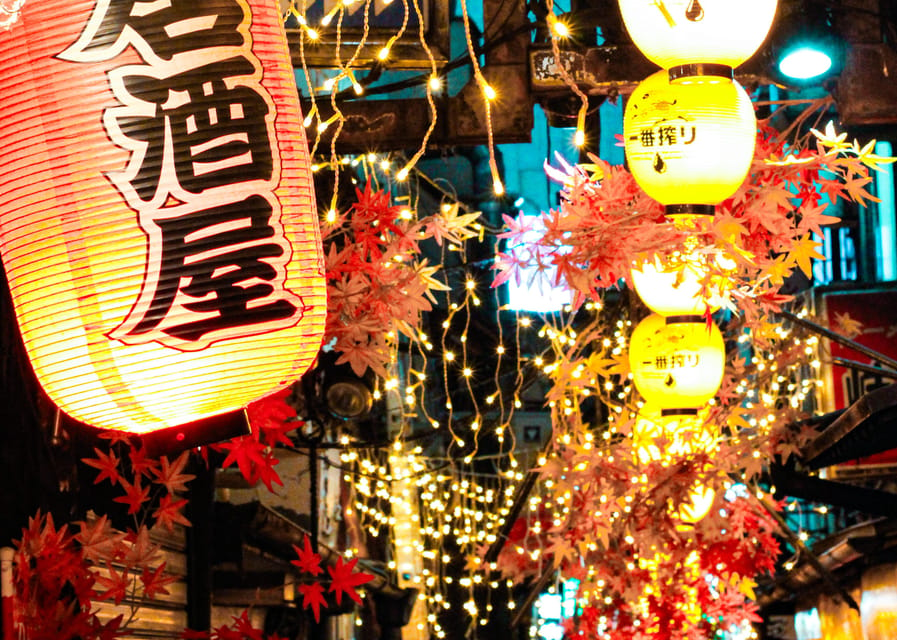
After Ueno, the route includes Ameyoko, described as an atypical market. This is one of the more interesting choices in the day because it shifts attention away from grand landmarks and toward ordinary urban commerce.
Ameyoko has a different feel from the temple district and the park. You might find food, shops, and street-level activity packed into a setting that feels more direct and informal. It is a good place to see Tokyo as a working city, not only as a collection of postcard views.
The market is particularly useful after lunch because you can browse without needing another long formal explanation. Your guide can point out what makes the area unusual and help you understand what you are seeing. If you enjoy shopping, food stalls, and local streets more than polished attractions, this may be one of your favorite parts.
There is a practical limit, though. The day includes several stops, so Ameyoko is not a dedicated shopping tour. If you want to buy gifts or spend serious time browsing, ask the guide how much free time is realistic before you start making purchases.
A completely different kind of day out in Tokyo:
- Tokyo: teamLab Planets TOKYO Digital Art Museum Entry Ticket
★ 4.6 · 9,779 reviews - Mt Fuji & Hakone Cruise, Drum Show Bullet Train 1 Day from Tokyo
★ 4.0 · 7,413 reviews - Tokyo: Sumo Show Experience with Chicken Hot Pot and a Photo
★ 4.8 · 6,678 reviews - Tokyo: Shinjuku Food Tour (13 Dishes at 4 Local Eateries)
★ 5.0 · 6,603 reviews
Shinjuku and the planned viewpoint
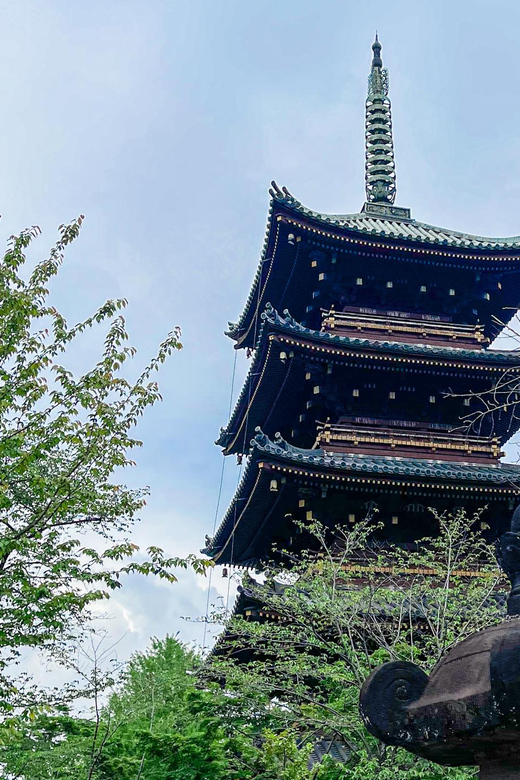
A train ride of about 25 minutes takes you toward Shinjuku. This is the longest listed transport connection, and it marks another clear change in the character of the day.
Shinjuku is one of Tokyo’s major modern districts. Here you spend about an hour and a half with the guide, including a visit to one of the city’s best viewpoints. A high view helps you understand Tokyo’s scale in a way that street-level sightseeing cannot. You can look out across the city and then return to the busy streets with a better sense of how the districts fit together.
The exact viewpoint is not guaranteed. If the planned Shinjuku observation point is closed for reasons outside the operator’s control, the visit may move to a viewpoint in Ebisu instead. That is an important detail if the view is your main reason for booking. Ebisu is an alternative, not a promise that the original location will remain available.
The timing is also worth noting. The viewpoint is part of a larger guided visit, not a separate sunset or photography outing. Check the available starting time when booking, since the tour lasts eight hours and the day’s light will depend on the season and departure.
Kabukicho and the neon finale
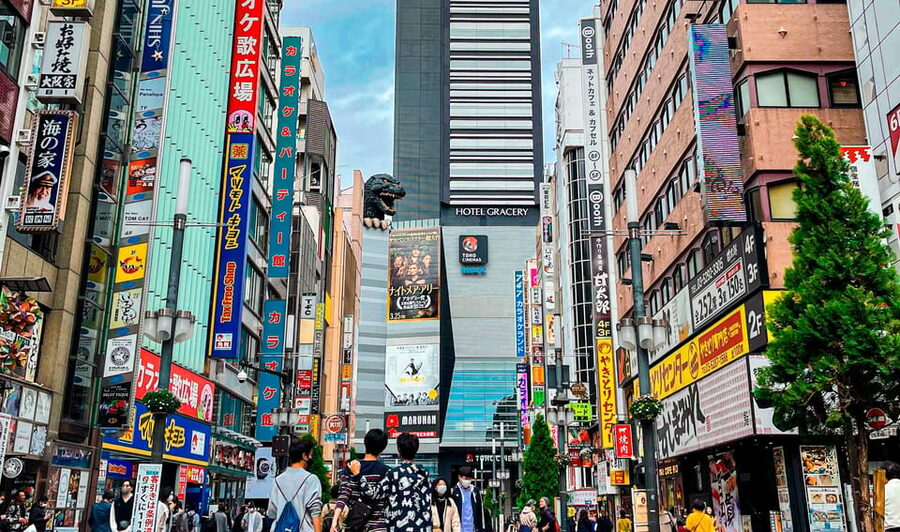
The final walk takes about ten minutes, leading into Kabukicho. The guided visit lasts roughly 50 minutes and ends at Kabukicho Theater.
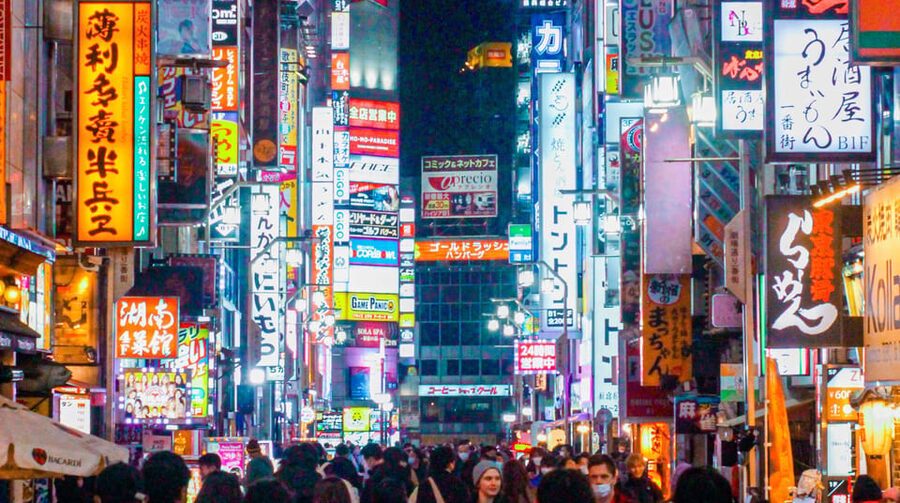
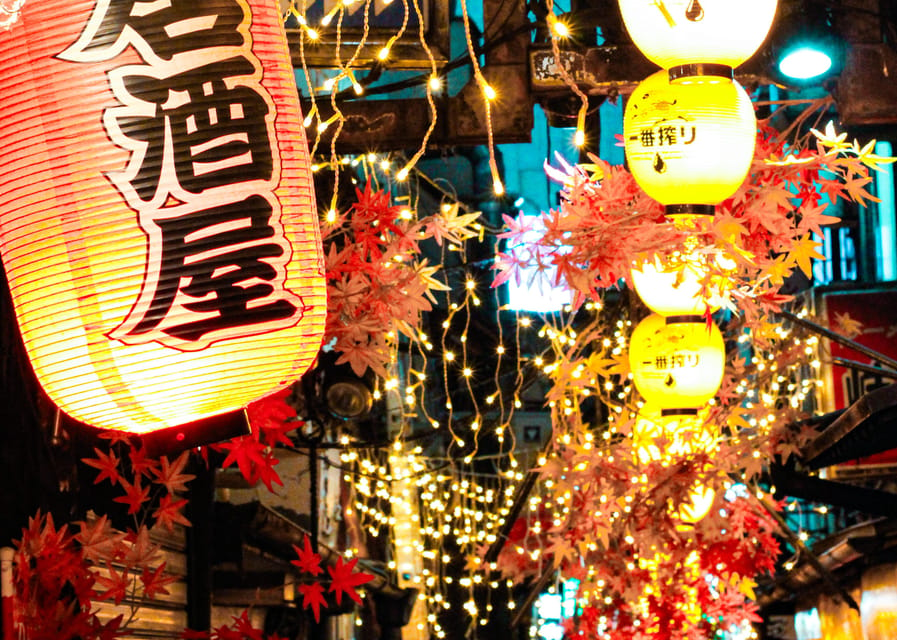
Kabukicho is known as Tokyo’s red-light district, but it is also a major nightlife area filled with karaoke bars, restaurants, gaming stores, and bright signs. Golden Gai, with its small bars and tightly packed nightlife streets, is part of the character associated with this end of the route.
This closing stop works because it brings the old-to-new theme into sharp focus. In the morning, you are considering temple customs. By evening, you are looking at neon facades and entertainment streets. The contrast is not forced. It is one of the most memorable facts about Tokyo: tradition and high-energy city life can be separated by a short train ride.
You will receive a guided introduction, but the tour ends at Kabukicho Theater. If you want to continue into the nightlife afterward, you will need to make your own plans. The guide’s recommendations may help, and this is a good moment to ask about restaurants, karaoke, or bars before saying goodbye.
Some people may find Kabukicho uncomfortable, especially if they prefer quiet neighborhoods or family-focused sightseeing. The tour presents the area as part of Tokyo’s nightlife, but you should choose this experience with an open mind and stay aware of your surroundings.
What the Spanish guides add
The tour’s strongest personal element is its guide service. The available feedback names Nikita, Camila, and Emi, with praise focused on kindness, communication, flexibility, and practical help.
Nikita was described as attentive, polite, and willing to help throughout the day. Camila was praised for giving many useful tips and for covering temples, parks, markets, and other characteristic parts of Japan. Emi received particular credit for hotel pickup, clear explanations, and adapting the route to suit the group.
That pattern matters more than a simple language label. A Spanish-speaking guide can translate, but a good guide also helps you read the day. You can ask why a place matters, what to do next, how to use the metro, and where to go after the tour ends.
The score is 4.9 from 64 ratings, which points to very strong satisfaction. The written feedback is especially consistent about guide attitude and communication. That does not remove the tour’s practical limits, but it suggests that the human side is a major reason to book.
Is $96 a fair price?
At $96 per person, this is not the cheapest way to see Tokyo. You still pay for food, drinks, and about 400 yen in transport. The price makes more sense if you value eight hours of Spanish guidance, route planning, cultural explanation, and personal recommendations.
On your own, you could visit Senso-ji, Ueno, Ameyoko, Shinjuku, and Kabukicho for less money. You would then need to research the route, manage the trains, choose where to eat, understand the sights, and keep the day moving. The tour fee pays for convenience and interpretation, not simply admission.
There is also no admission fee listed for the main stops, so the cost is mainly for the guide’s time and the organized day. I would consider it good value for a first full day in Tokyo if you want orientation in Spanish. It is less attractive if you already know Tokyo’s transport system or prefer exploring one neighborhood slowly.
A private option can improve flexibility, especially for families or small parties that want more control over timing. The private format may include hotel pickup when selected. For private tours, adding a 9:00 a.m. start means finishing at 5:00 p.m., one hour earlier than the standard timing.
Who will enjoy this route most?
I would recommend it to Spanish-speaking visitors making their first Tokyo trip, especially if they want a broad overview in one day. It suits people who value explanations, personal attention, and advice they can use during the rest of their holiday.
It also fits independent travelers who want help at the beginning, then plan to explore alone afterward. The guide can give you a working sense of Tokyo’s neighborhoods and public transport while showing you several major areas.
The route may not suit you if you dislike public transport, cannot walk for much of an eight-hour day, or want long periods for shopping and photography. It is also not suitable for unaccompanied minors or people with hearing impairments, according to the stated restrictions. The tour is wheelchair accessible, but you should confirm the practical details of your preferred option before booking.
Large bags and luggage are not allowed. Leave them at your accommodation or use an appropriate storage option before meeting the guide.
My booking advice
Book this tour if you want Spanish explanations, a full Tokyo introduction, and practical local help in one day. The sequence is well chosen: Senso-ji supplies tradition, Ueno and Ameyoko show everyday city life, Shinjuku provides the high view, and Kabukicho finishes with neon and nightlife.
I would skip it if your priority is a slow, self-directed day or if you want to spend hours inside one museum, market, or shopping district. Also check the start time, prepare for public transport, bring comfortable shoes, and keep the viewpoint change to Ebisu in mind.
For many Spanish-speaking visitors, the $96 is justified by the guide’s communication and the amount of ground covered. The route gives you a useful first map of Tokyo, then leaves you at Kabukicho with plenty of ideas for the next part of your trip.
FAQ
Is the tour conducted in Spanish?
Yes. The live tour guide speaks Spanish, and the experience is specifically designed as a Spanish-language Tokyo tour.
How long does the tour last?
The tour lasts eight hours. Starting times depend on availability when you book.
Where does the tour meet?
The meeting point is in front of the entrance to the Asakusa Tourist and Cultural Information Center. Look for the NIPONEANDO identification badge worn by the guide.
Is hotel pickup available?
Yes, hotel pickup is available if you select the private tour option or add the pickup supplement. Pickup is done using public transport.
What places are included?
The route includes Senso-ji Temple in Asakusa, Ueno Park, the Ameyoko market, Shinjuku, a city viewpoint, and Kabukicho. The tour ends at Kabukicho Theater.
Is transportation included in the price?
No. Transportation costs about 400 yen and is paid separately.
Are food and drinks included?
No. Lunch, drinks, and other food are not included. The tour provides about 80 minutes for lunch in Ueno.
What happens if the Shinjuku viewpoint is closed?
The viewpoint may be changed to the Ebisu viewpoint if the planned Shinjuku viewpoint is closed.
Can I book a private group?
Yes. A private group option is available. For the private tour, adding a 9:00 a.m. start means the tour ends at 5:00 p.m.
Is the tour wheelchair accessible?
Yes, the activity is listed as wheelchair accessible. It is not suitable for people with hearing impairments, unaccompanied minors, or anyone bringing luggage or large bags.
Just added around Tokyo
- Tokyo 6hr Instagram Highlights Private Tour with Licensed Guide★ 5.0 · 38 reviews
- Tokyo Small Group Tour with Guide★ 4.5 · 38 reviews
- Tokyo Sumo Experience with Live Show & Audience Challenge★ 5.0 · 38 reviews
- Very popular in Harajuku♡Animal petting zoo★ 4.6 · 39 reviews
- Japanese Food Cooking Class in Asakusa, Tokyo★ 5.0 · 39 reviews
- Ramen Making from Scratch with Tokyo Mom(Vegan Option Available)★ 5.0 · 39 reviews
- Tokyo: Kimono Rental inside Shinjuku Gyoen National Garden★ 4.9 · 39 reviews
- Tokyo JDM Night: 600hp C63s AMG Edition 1 (Private)★ 4.9 · 39 reviews
Tokyo Tours, compared.
Mt Fuji and Hakone 1-Day Bus Tour Return by Bullet Train
Read our review →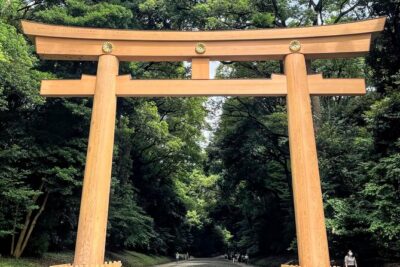
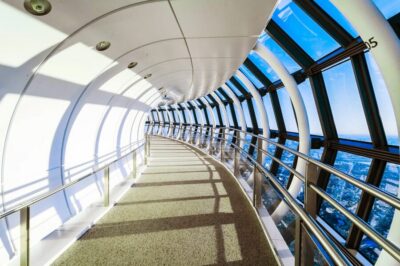

teamLab Planets TOKYO Digital Art Museum Entry Ticket
Read our review →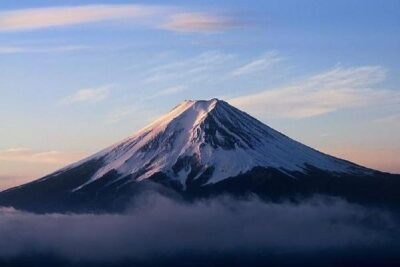
Mt Fuji & Hakone Cruise, Drum Show Bullet Train 1 Day from Tokyo
Read our review →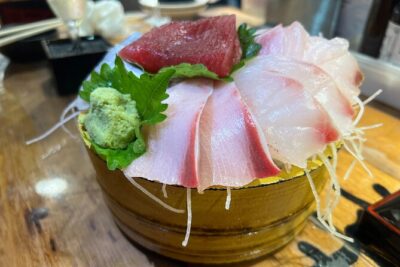
Shinjuku Food Tour (13 Dishes at 4 Local Eateries)
Read our review →
Tokyo Mt Fuji 5th St & Hakone Cruise Bus Tour w/Bullet Train
Read our review →