Reviewed · TOKYO TOURS
Tokyo Imperial Palace with Kagurazaka Alley Tour
Tokyo reveals itself one alley at a time. This 3.5-hour walk links grand Tokyo Station and the Imperial Palace with the quieter streets of Kagurazaka. I like the small maximum group of eight, which gives you a better chance to ask questions, and I like the route’s mix of national landmarks, shrine traditions, and old neighborhood lanes. The main drawback is simple: you spend much of the morning on foot, and the palace itself is not open to the public.
The $52.84 price feels fair if you want context rather than just photographs. Guides such as Sho and Aya have earned praise for bringing palace history, plants, architecture, and Japanese customs to life. Still, you can walk through the same public areas without a guide, so the value rests on how much you enjoy asking questions and seeing details you might otherwise pass.
In This Review
- Key points at a glance
- Why this Tokyo walk is different
- Tokyo Station in five quick minutes
- The Imperial Palace and the remains of Edo Castle
- Nippon Budokan and Kitanomaru Park
- Tokyo Daijingu and everyday Shinto practice
- Kagurazaka’s cobblestone lanes
- Ushigome Mitsuke and the Tokugawa connection
- How much the $52.84 price buys you
- The guides and the personal touch
- Timing, meeting point, and practical planning
- Who should book this walk
- Should you book the Tokyo Imperial Palace with Kagurazaka walk?
- FAQ
- How long is the Tokyo Imperial Palace with Kagurazaka tour?
- What time does the tour start?
- Where does the tour begin?
- Where does the tour end?
- What is the maximum group size?
- Is admission to the Imperial Palace included?
- How long is the Imperial Palace stop?
- How long is the Tokyo Daijingu Shrine stop?
- Does the tour visit Kagurazaka’s old alleys?
- Can I cancel for a full refund?
Key points at a glance
- Tokyo Station sets the scene: Begin beside one of Japan’s busiest rail hubs, in the Marunouchi district.
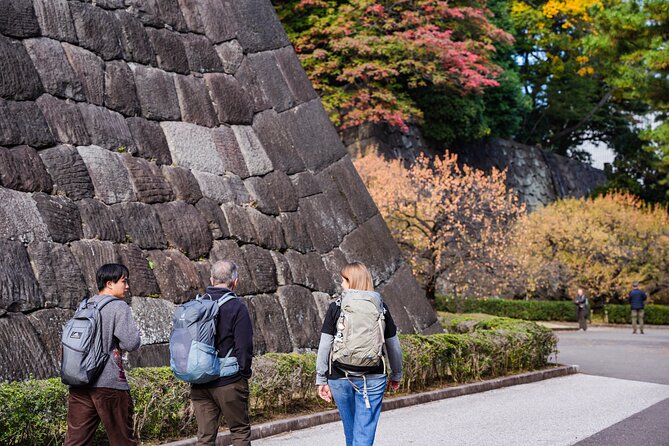
- The Imperial Palace gets the longest stop: Allow about 55 minutes for views of moats, gardens, parkland, and the palace grounds.
- Kagurazaka changes the mood: Cobblestone lanes, small restaurants, cafés, and former geisha streets offer a quieter side of Tokyo.
- Edo-era clues appear along the route: Ushigome Mitsuke and the old castle defenses connect present-day streets with the Tokugawa period.
- A small group matters: With no more than eight people, the walk should feel more personal than a large sightseeing circuit.
- The price buys interpretation, not admission: Entry is free at the listed stops, so you are paying mainly for the guide and the route.
Why this Tokyo walk is different
Many first visits to Tokyo focus on neon streets, department stores, and famous crossings. This tour takes a more measured route. You begin in the polished Marunouchi district, pass through the ceremonial center of the city, then finish in Kagurazaka, where narrow lanes and low-key eateries give Tokyo a more intimate feel.
I like that progression. It helps you see how Tokyo can hold imperial ceremony, modern rail travel, Shinto worship, and old entertainment districts within a fairly compact morning. The walk does not rely on one spectacular sight. Its appeal comes from the connections between places.
The group limit of eight is important. A guide can explain a roof ornament or a shrine custom more easily when everyone is close enough to hear. You can also ask about Japanese history, architecture, food, or daily life without holding up a crowd of several dozen people.
The tour begins at 9:00 a.m. near the Shin-Marunouchi Building, at 1-chōme-5-1 Marunouchi. That location is practical because it is close to Tokyo Station and public transportation. Give yourself time to find the exact meeting point inside or around the building area, since Tokyo Station is large and its exits can be confusing.
A few more Tokyo experiences worth weighing up
- Mt Fuji and Hakone 1-Day Bus Tour Return by Bullet Train
★ 5.0 · 26,383 reviews - 1-Day Tokyo Bus Tour
★ 5.0 · 14,250 reviews - Tokyo: TOKYO SKYTREE® Admission ticket
★ 4.5 · 11,192 reviews
Tokyo Station in five quick minutes
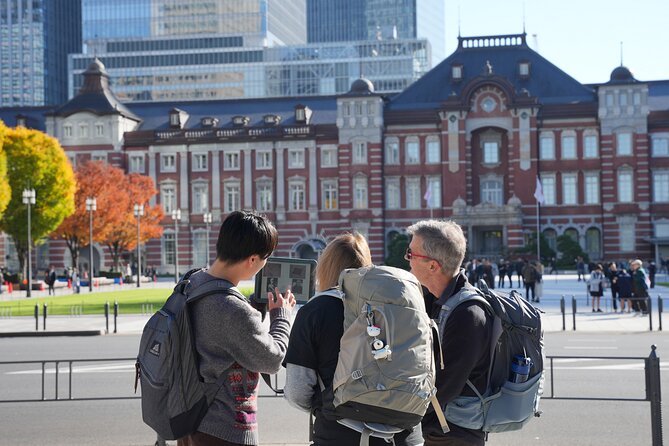
Tokyo Station is listed as a short opening stop of about five minutes. That sounds brief, and it is. You should not expect a full architectural tour or time to explore the station’s shopping arcades.
Instead, this stop works as an orientation point. Tokyo Station is a major rail center for local and long-distance trains, and its location in Marunouchi places you at the edge of Tokyo’s business and governmental core. Your guide can use the station to explain how modern Tokyo developed around rail travel and central institutions.
If you arrive early, do not wander too far. The station complex is busy, and you need to be at the meeting point on time. The short stop also means you should take photographs quickly and keep your attention on the group.
The Imperial Palace and the remains of Edo Castle
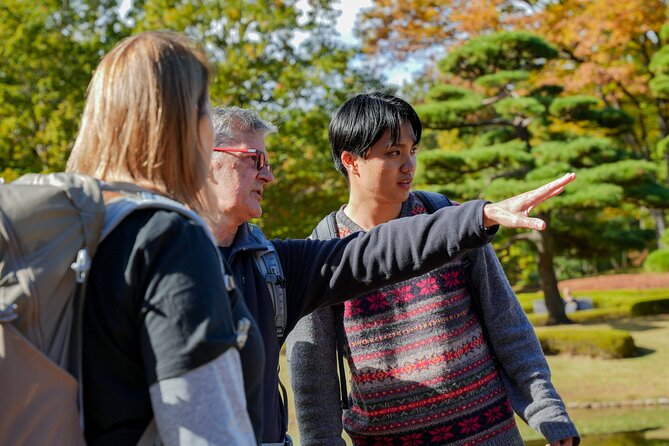
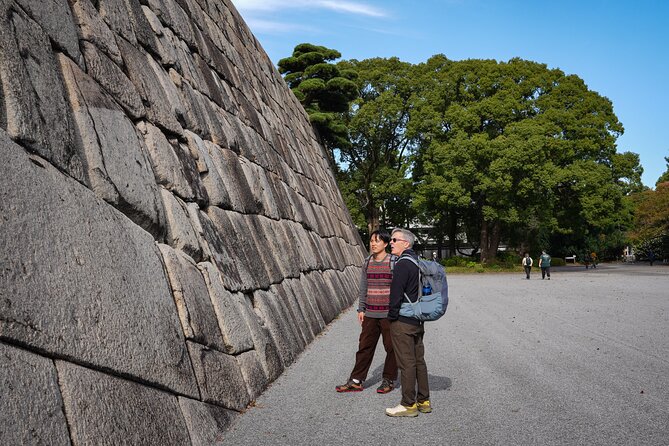
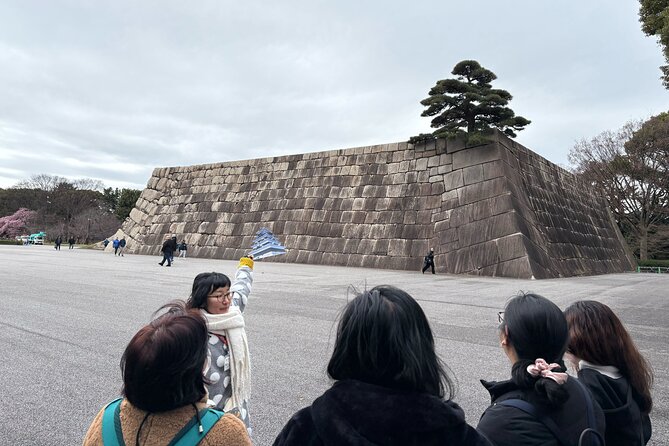
The Imperial Palace receives about 55 minutes, making it the heart of the morning. The palace is the official residence of Japan’s emperor and sits behind moats, gardens, and broad park areas in central Tokyo.
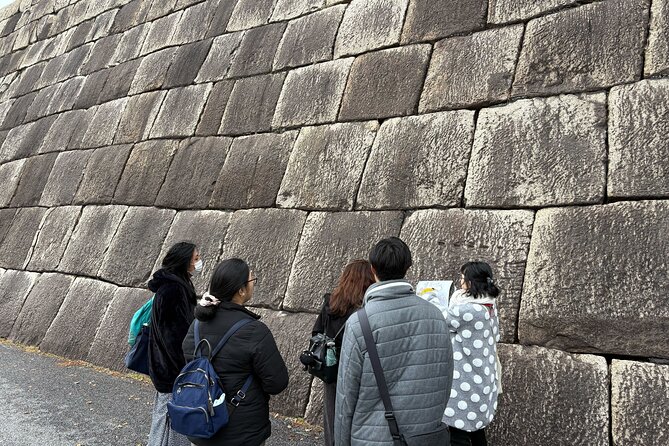
You will not tour the palace interior. That limitation matters. The experience is about the public surroundings, the scale of the grounds, and the history your guide adds to what you see. Without explanation, a moat may look like a moat. With context, it becomes part of the defensive planning of Edo Castle and a clue to the power once held by the Tokugawa shogunate.
I especially like this part for visitors who want history without spending half a day in a museum. The guide can connect stone walls, gates, water, and garden design to the city’s past. One particularly useful detail from the guide feedback is the discussion of fish-shaped roof ornaments and what they mean. Small symbols like this can give you a better way to read Japanese buildings during the rest of your trip.
The gardens and plants also add another layer. One guide received praise for explaining plants and linking Buddhist tradition with architecture. That is the kind of detail a casual walk rarely provides. Seasonal timing can affect the mood, too. One account describes abundant blossoms and a pleasant visit during a good time of year, though the tour runs in all seasons and the weather will shape your experience.
Wear shoes you can walk in and bring protection from the weather. The tour is outdoors for much of its length, and one particularly positive account came from a chilly morning. The guide’s enthusiasm helped, but warm clothing would have helped too.
Nippon Budokan and Kitanomaru Park
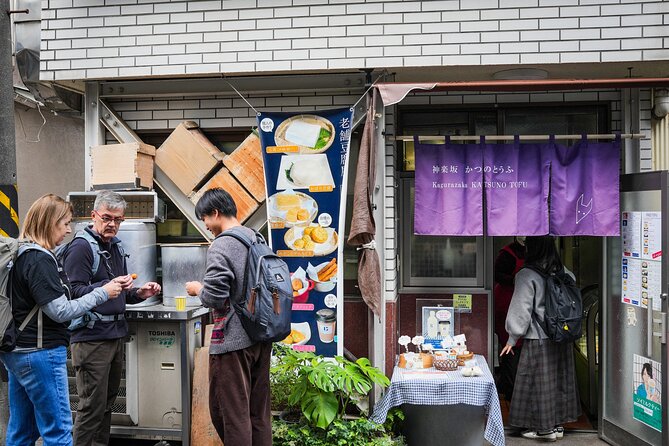
The route includes the Nippon Budokan in Kitanomaru Park. The building was created for martial arts events during the 1964 Tokyo Olympics and is now used for many kinds of events, including concerts.
The Budokan gives the tour a useful change of subject. The palace section looks backward toward imperial and shogunal power, while the Budokan points to postwar Japan and the country’s modern sporting and cultural life. You may not enter the arena, and no admission time is specified, so think of this as an exterior and neighborhood point of interest.
This stop may appeal most if you care about the way Tokyo reuses important sites. It is not the main reason to book the walk, but it prevents the morning from becoming a single long lesson about the palace.
A completely different kind of day out in Tokyo:
- Tokyo: teamLab Planets TOKYO Digital Art Museum Entry Ticket
★ 4.6 · 9,779 reviews - Mt Fuji & Hakone Cruise, Drum Show Bullet Train 1 Day from Tokyo
★ 4.0 · 7,413 reviews - Tokyo: Sumo Show Experience with Chicken Hot Pot and a Photo
★ 4.8 · 6,678 reviews - Tokyo: Shinjuku Food Tour (13 Dishes at 4 Local Eateries)
★ 5.0 · 6,603 reviews
Tokyo Daijingu and everyday Shinto practice
Tokyo Daijingu receives about 15 minutes. The shrine was established in 1880 and is dedicated to Amaterasu, the sun goddess, along with spirits connected to Japan’s imperial family.
A short shrine visit can be more rewarding when a guide explains what you are seeing. You may learn how the shrine relates to Japanese belief and how it fits into the city around it. This is not a long ceremony or a private religious experience. It is a brief public visit, so you should approach it with quiet respect and follow the guide’s instructions.
The stop also gives you a chance to compare the formal scale of the Imperial Palace with a place used for personal devotion. The two settings are connected to Japan’s imperial tradition, but they feel very different. One is a vast public area in central Tokyo. The other is a shrine where daily religious practice is easier to sense.
Kagurazaka’s cobblestone lanes
Kagurazaka is where the tour becomes less formal. Once associated with geisha culture, the neighborhood now mixes traditional restaurants, stylish cafés, and small shops. Its narrow lanes make a sharp contrast with Tokyo Station’s wide streets and the open palace grounds.
The listed Kagurazaka stop lasts about 30 minutes, but the route includes several smaller points within the neighborhood. You should expect a guided walk rather than free time for a long meal or serious shopping. If you want to return for dinner, note the restaurants and alleys that interest you during the morning.
The Geisha Alley offers a look at the district’s former entertainment life. Traditional teahouses and tight lanes preserve a nostalgic feel, though the area is not presented as a museum. It remains part of a living neighborhood, so be respectful when photographing streets, entrances, and people.
Hyogo Yokocho has an old-fashioned character, with small eateries and traditional shops. Kakurenbo Yokocho is quieter still, with compact bars and restaurants. These lanes are valuable because they show how Tokyo’s past survives through scale and atmosphere, not just through preserved monuments.
I like this part of the tour most for visitors who have already seen Tokyo’s headline sights. You get a better sense of the city’s smaller spaces and the way food, nightlife, and older street patterns fit together. The tradeoff is that the lanes are narrow, and the tour does not promise tastings or restaurant reservations. You are seeing the setting, not buying a meal as part of the experience.
Ushigome Mitsuke and the Tokugawa connection
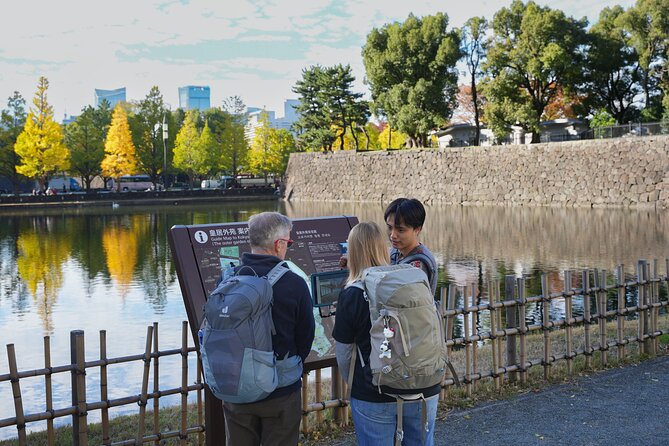
Ushigome Mitsuke was one of the gates of Edo Castle. The gate itself no longer survives, but its former role helps explain why the route through Kagurazaka is more than a pleasant stroll.
The Edo period and the Tokugawa shogunate shaped much of Tokyo’s old structure. A former castle gate, an entertainment district, and narrow backstreets can look unrelated until someone explains the larger pattern. This is where a guide earns the fee.
Do not expect a reconstructed fortress or a grand monument. Ushigome Mitsuke is about traces and location. If you prefer intact buildings and dramatic interiors, this point may feel modest. If you enjoy reading a city through what remains, it adds real value.
How much the $52.84 price buys you
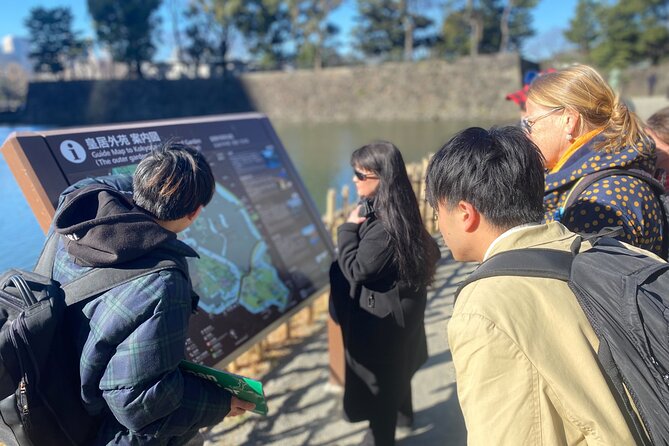
At $52.84 per person, this tour costs more than walking between the public sites on your own. Admission tickets are free at the listed stops, so the fee is not paying for palace entry, a Budokan event, or a shrine ticket.
You are paying for four things:
- A planned route that links places with different periods of Tokyo’s story
- A guide who can explain customs, architecture, plants, and history
- A small group capped at eight people
- Local orientation in Kagurazaka, including lanes that are easy to miss
That can be good value if you are new to Tokyo or want a guided introduction early in your visit. The 9:00 a.m. start also leaves the rest of your day open. Afterward, you can eat in Kagurazaka, return to the palace area, or use the train network from central Tokyo.
The value is weaker if you dislike guided walking or prefer to set your own pace. The route is available to explore independently, and the free public sites do not require this tour for entry. I would book it for the explanations and the efficient combination of neighborhoods, not for exclusive access.
The guides and the personal touch
Guide quality matters more here than fancy equipment. Sho has been praised for keeping up enthusiasm on a cold morning while explaining both the palace and Japanese history. Aya has been praised for her experience, her explanations of the castle and gardens, and her willingness to take group photographs.
Another guide received praise for explaining plants and connecting Buddhist tradition with architecture. Those details suggest that the best part of the walk is not a memorized list of dates. It is the chance to ask why a roof has a certain ornament, how a garden feature fits a belief system, or what a former castle gate tells you about the neighborhood.
The possibility of a very small group makes that exchange more likely. If only a few people book that day, the walk may feel almost private. That is a pleasant bonus, but it should not be treated as guaranteed. The stated maximum is eight, not a promise of a private tour.
Timing, meeting point, and practical planning
The tour lasts about three hours and 30 minutes. The listed stops do not account for every minute, since time is also needed for walking between them and for the guide’s explanations.
The start point is the Shin-Marunouchi Building near Tokyo Station. The end is at 3-chōme-2-202 Kagurazaka, near the main street and close to a FamilyMart convenience store. Ending in Kagurazaka is convenient because you can continue exploring, find food, or connect with nearby transportation rather than retracing the route to the palace.
A mobile ticket is provided, and booking confirmation arrives at the time of booking. The tour is near public transportation, and most people can participate. The data does not give a detailed accessibility assessment, so if you need specific support, ask the provider before reserving.
Free cancellation is available until 24 hours before the 9:00 a.m. start. After that point, the amount paid is not refunded, and changes are not accepted. Tokyo weather can shift, so check the forecast before the cancellation deadline.
Who should book this walk
I would recommend it to a first-time Tokyo visitor who wants a calm introduction to central Tokyo. It also suits anyone who enjoys history, gardens, religious sites, and small food streets more than shopping districts or nightlife.
It is a good fit if you want to ask questions. The small group and guide-led format make that easier than a self-guided route. It is also useful for travelers who want to understand Kagurazaka before returning there for a meal.
I would hesitate to recommend it to anyone with very limited walking ability unless the provider confirms the route works for them. I would also skip it if your main goal is to enter the Imperial Palace, since the palace itself is not open to the tour.
Should you book the Tokyo Imperial Palace with Kagurazaka walk?
Book it if you want context, a small group, and a less familiar side of Tokyo. The strongest parts are the palace grounds, the guide’s explanations, and the shift into Kagurazaka’s old lanes. Sho and Aya are especially good examples of the personal attention you may receive.
Skip it if you only want famous sights, free time, or palace admission. At $52.84, the tour makes sense as a guided history and neighborhood walk, not as a ticketed attraction. For the right person, it is a well-paced way to connect Tokyo’s imperial center with the city’s quieter Edo-era traces.
FAQ
How long is the Tokyo Imperial Palace with Kagurazaka tour?
The tour lasts approximately three hours and 30 minutes.
What time does the tour start?
The tour starts at 9:00 a.m.
Where does the tour begin?
It begins at the Shin-Marunouchi Building, 1-chōme-5-1 Marunouchi, Chiyoda City, Tokyo 100-6590, Japan.
Where does the tour end?
It ends at 3-chōme-2-202 Kagurazaka, Shinjuku City, Tokyo 162-0825, near Kagurazaka’s main street and a FamilyMart convenience store.
What is the maximum group size?
The tour allows a maximum of eight travelers.
Is admission to the Imperial Palace included?
The palace stop has no admission charge, but the palace itself is not open to the public on this tour. The experience focuses on the surrounding grounds, gardens, moats, and historical setting.
How long is the Imperial Palace stop?
The Imperial Palace portion lasts about 55 minutes.
How long is the Tokyo Daijingu Shrine stop?
The shrine visit lasts about 15 minutes.
Does the tour visit Kagurazaka’s old alleys?
Yes. The route includes Kagurazaka, the Geisha Alley, Hyogo Yokocho, and Kakurenbo Yokocho.
Can I cancel for a full refund?
Yes, if you cancel at least 24 hours before the experience start time. Cancellations made less than 24 hours in advance are not refunded, and changes within that period are not accepted.
Just added around Tokyo
- Tokyo 6hr Instagram Highlights Private Tour with Licensed Guide★ 5.0 · 38 reviews
- Tokyo Small Group Tour with Guide★ 4.5 · 38 reviews
- Tokyo Sumo Experience with Live Show & Audience Challenge★ 5.0 · 38 reviews
- Very popular in Harajuku♡Animal petting zoo★ 4.6 · 39 reviews
- Japanese Food Cooking Class in Asakusa, Tokyo★ 5.0 · 39 reviews
- Ramen Making from Scratch with Tokyo Mom(Vegan Option Available)★ 5.0 · 39 reviews
- Tokyo: Kimono Rental inside Shinjuku Gyoen National Garden★ 4.9 · 39 reviews
- Tokyo JDM Night: 600hp C63s AMG Edition 1 (Private)★ 4.9 · 39 reviews
Tokyo Tours, compared.

Mt Fuji and Hakone 1-Day Bus Tour Return by Bullet Train
Read our review →

teamLab Planets TOKYO Digital Art Museum Entry Ticket
Read our review →
Mt Fuji & Hakone Cruise, Drum Show Bullet Train 1 Day from Tokyo
Read our review →
Shinjuku Food Tour (13 Dishes at 4 Local Eateries)
Read our review →
Tokyo Mt Fuji 5th St & Hakone Cruise Bus Tour w/Bullet Train
Read our review →