Reviewed · TOKYO TOURS
Tokyo: KABUKI, BUNRAKU, etc. presented by National Theatre
The curtain rises on old Japan. This National Theatre Japan presentation gives you a direct look at Kabuki, Bunraku, or Hogaku, performed by artists who carry centuries-old traditions forward. I like the live sound without loud speakers and the chance to see serious Japanese theater rather than a shortened tourist imitation. I also like the English audio guide for Kabuki and Bunraku, which gives you the story and stage action without replacing the performers’ voices.
The main catch is time and pace. Some programs last up to three hours, and the English guide explains the broad action rather than translating every line. If you have only a few days in Tokyo, this is a major block of sightseeing time. Also, the Bunraku performance described here takes place in Yokohama, not at the National Theatre in Tokyo.
In This Review
- Key points to know before booking
- What this National Theatre presentation really offers
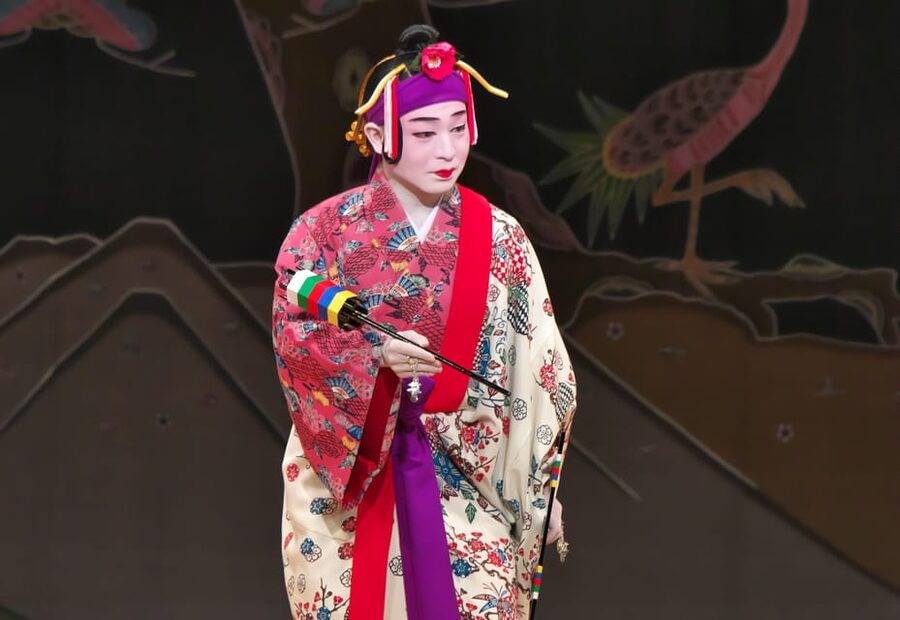
- Kabuki: drama, music, dance, and deliberate style
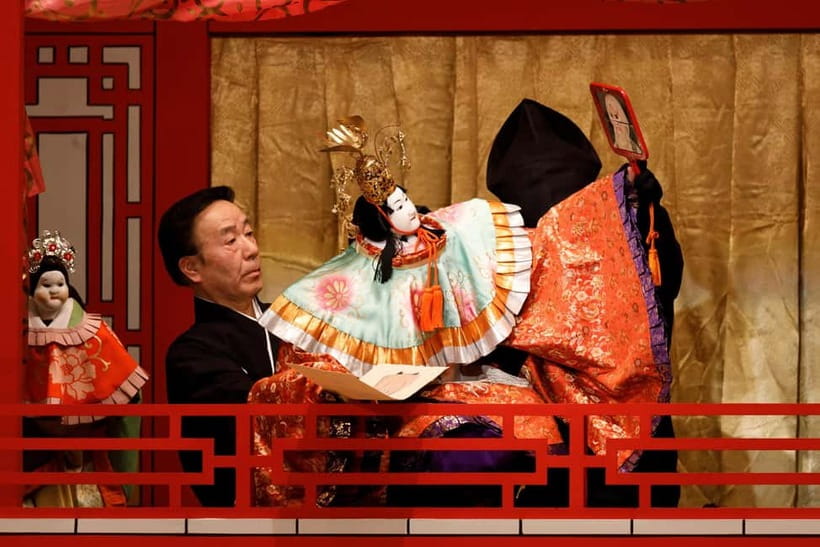
- Bunraku: three art forms working at once
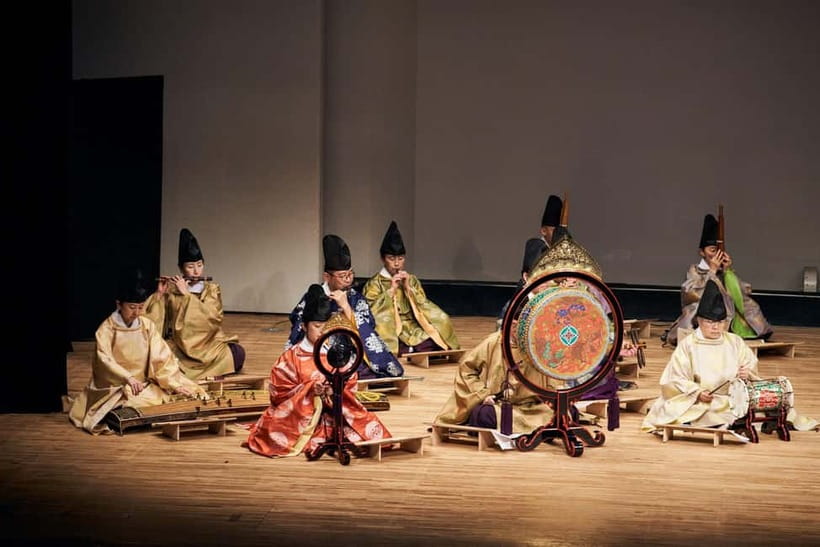
- Hogaku: a shorter route into traditional Japanese music
- English support helps, but it does not remove every barrier
- The Yokohama theatre plan, from station to seat
- Timing, breaks, and theatre manners
- Is $37 a fair price?
- Who will enjoy this most?
- Should you book this performance?
- FAQ
- Where is the Bunraku performance held?
- How do I reach KAAT Kanagawa Arts Theatre?
- Is an English audio guide included?
- Does Hogaku include an English audio guide?
- Can I choose my seat?
- Can I take photographs or record the performance?
- Is the performance wheelchair accessible?
Key points to know before booking
- Bunraku in Yokohama: The listed Bunraku performance is held at KAAT Kanagawa Arts Theatre, about five to eight minutes from Minatomirai Line stations.
- English help is practical, not literal: The audio guide summarizes the plot and important moments, so you can follow the performance without hearing a word-for-word translation.
- Three different art forms: Kabuki combines drama, music, and dance; Bunraku joins narration, shamisen, and puppetry; Hogaku presents traditional Japanese music.
- Seat assignment is handled for you: You cannot choose your exact seat, but the ticket includes admission to the theatre.
- Plan for a quiet room: Photography, video, audio recording, food, drinks, smoking, and unnecessary noise are not allowed inside.
- A good value for culture lovers: At $37 per person, the price is modest for a professional performance, though the value depends on how much time you have.
What this National Theatre presentation really offers
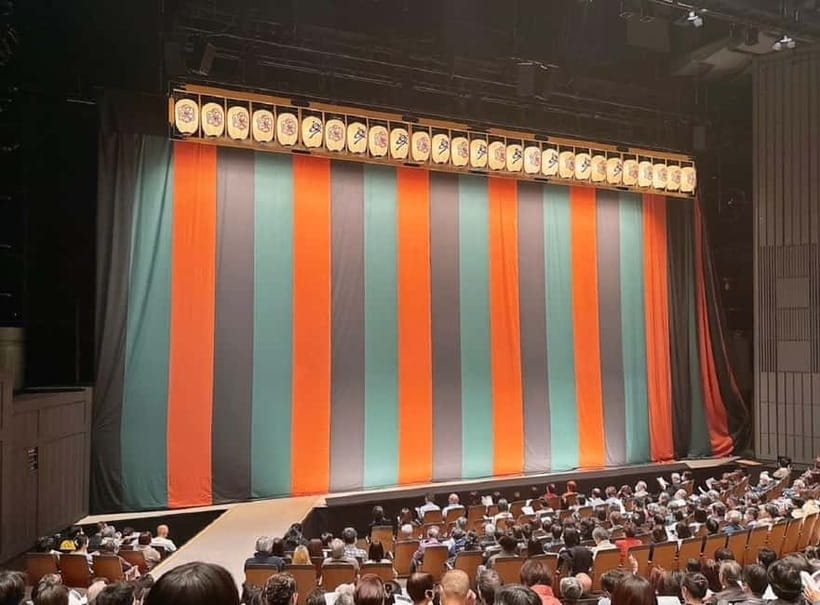
This is not a sightseeing show built around a few easy Japanese symbols. It is a chance to see classical performing arts presented through the National Theatre Japan, an institution that has supported these forms since opening in 1965.
That distinction matters. Kabuki and Bunraku can look strange at first if you expect Western stage theater. The movements may seem formal, the stories may begin in the middle, and the music may take a larger role than you expect. After a little adjustment, the details begin to make sense: a costume signals status, a gesture carries emotional weight, and a change in musical rhythm can alter the whole mood.
I would not book this simply because you have an empty evening. I would book it because you want to see how Japanese performance works on its own terms.
The exact content depends on the date and option you select. One booking may feature Kabuki, another Bunraku, and another Hogaku. Read the option title carefully before paying. The photographs used to promote the experience come from past performances, so they should not be treated as a guarantee of the show you will see.
A few more Tokyo experiences worth weighing up
- Mt Fuji and Hakone 1-Day Bus Tour Return by Bullet Train
★ 5.0 · 26,383 reviews - 1-Day Tokyo Bus Tour
★ 5.0 · 14,250 reviews - Tokyo: TOKYO SKYTREE® Admission ticket
★ 4.5 · 11,192 reviews
Kabuki: drama, music, dance, and deliberate style
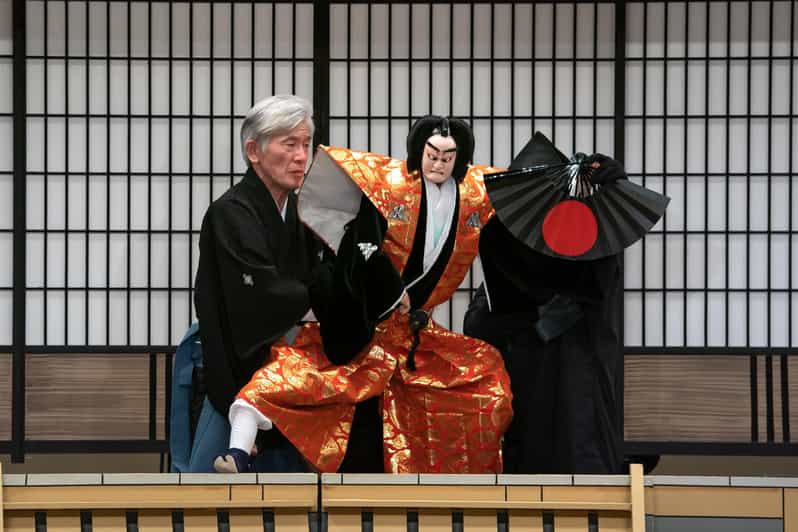
Kabuki is the most immediately recognizable of the choices. It combines acting, music, and dance in stories shaped over hundreds of years. The form has changed with each era, so it is not a frozen museum piece. It remains a working theater tradition with strong visual style and highly trained performers.
You might notice that Kabuki does not always move like a modern film or a fast Western play. Poses can last. Entrances can be carefully drawn out. Music may tell you how to read a scene before the action becomes clear.
The English audio guide is especially useful here. It gives you the main story points and explains important action, but it does not translate every spoken line. That choice keeps the performers’ voices audible and prevents you from spending the entire performance reading.
I like that balance, but you should know what you are getting. If you want every line of dialogue, the guide will leave gaps. If you want enough context to understand who is doing what and why, it works well.
Several practical details improve the experience. Arrive early enough to hear the preliminary explanation, which can cover differences between Kabuki and Western theater. Once the show begins, you will need to adjust to listening to the actors while also hearing the English explanation. Some people find this easy after a few minutes. Others find the two sound sources distracting.
The visual side often carries the strongest first impression. Costumes, movements, staging, and the controlled rhythm of the actors can draw you in before the plot does. I would read a short introduction to Kabuki before attending, especially if you want to understand why a particular pose or costume matters.
Bunraku: three art forms working at once
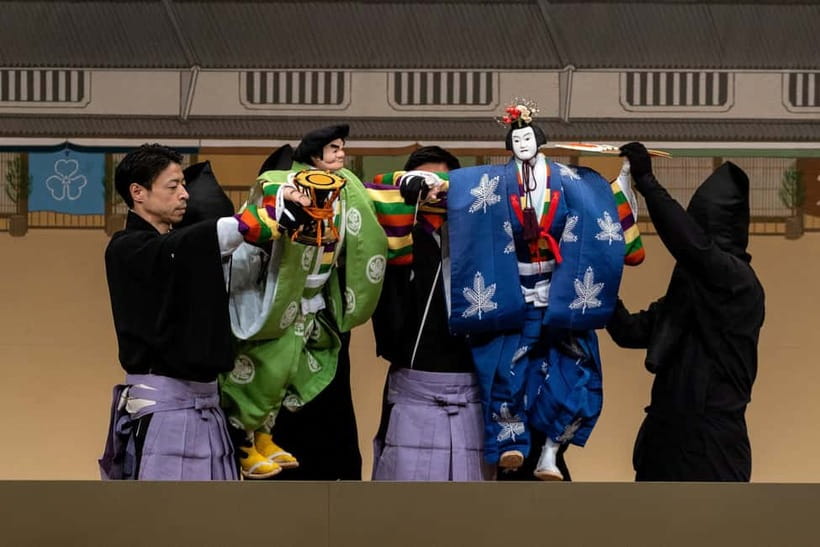
Bunraku is the most unusual option for many first-time visitors. It is a traditional puppet theater for adults, recognized by UNESCO as an element of the Representative List of the Intangible Cultural Heritage of Humanity.
The performance depends on close cooperation between three parts:
- The narrator delivers the story with great force and vocal range.
- The shamisen player supplies the musical drive and emotional color.
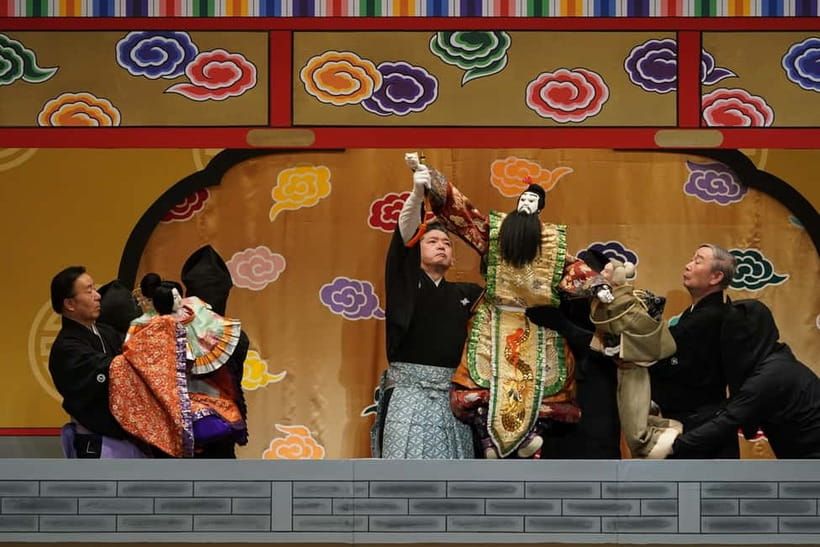
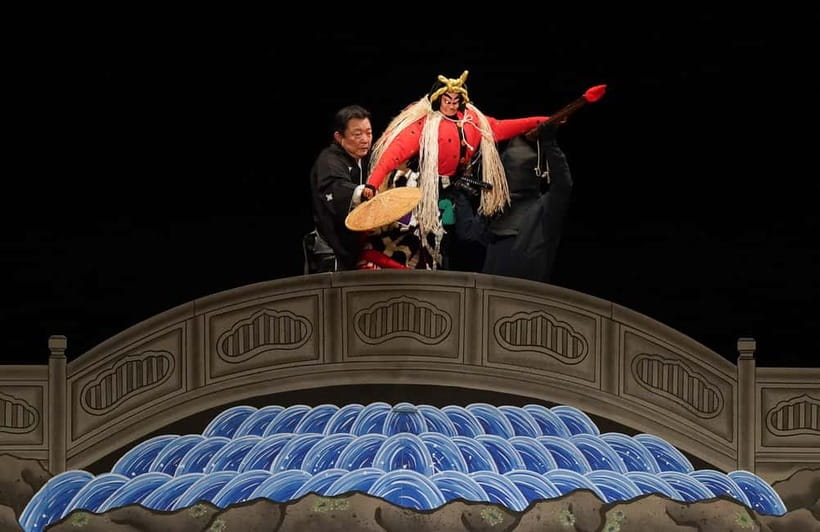
- The puppeteers control the figures with precise, coordinated movements.
You are not watching a simple puppet show. Bunraku asks you to pay attention to the relationship between the narrator’s voice, the shamisen, and the puppet’s gesture. A small movement can carry a large emotional meaning. The music may repeat or build while the narrator shapes the scene in a way that feels closer to musical theater than to a children’s performance.
The English audio guide provides an overview of the plot and key actions. It is a major help for anyone who cannot understand Japanese, particularly when the story involves family duty, romance, sacrifice, or a difficult moral choice.
Still, translation has limits. You may understand the basic action while missing wordplay, poetic language, or the exact emotional force of the original narration. That is not a flaw unique to this presentation. It is part of seeing a highly verbal art form in another language.
The subject matter also deserves attention. One program included a story about a love suicide, a serious theme that may not suit young children. The show can be moving, but it is not designed as a light family attraction. I would check the program details if you are bringing children.
The Bunraku ticket described here is for KAAT Kanagawa Arts Theatre in Yokohama. That makes this a Yokohama cultural outing, not a central Tokyo theater visit. The venue is near Nihon-ōdōri Station, about five minutes from Exit 3 or 4, or Motomachi-Chukagai Station, about eight minutes from Exit 1. From Shibuya, the Minatomirai Line connects through the Tokyu Toyoko Line and Tokyo Metro Fukutoshin Line, with a journey of about 45 minutes to Motomachi-Chukagai.
Do not go to the National Theatre at Hanzomon by mistake. Check the meeting information for your date.
Hogaku: a shorter route into traditional Japanese music
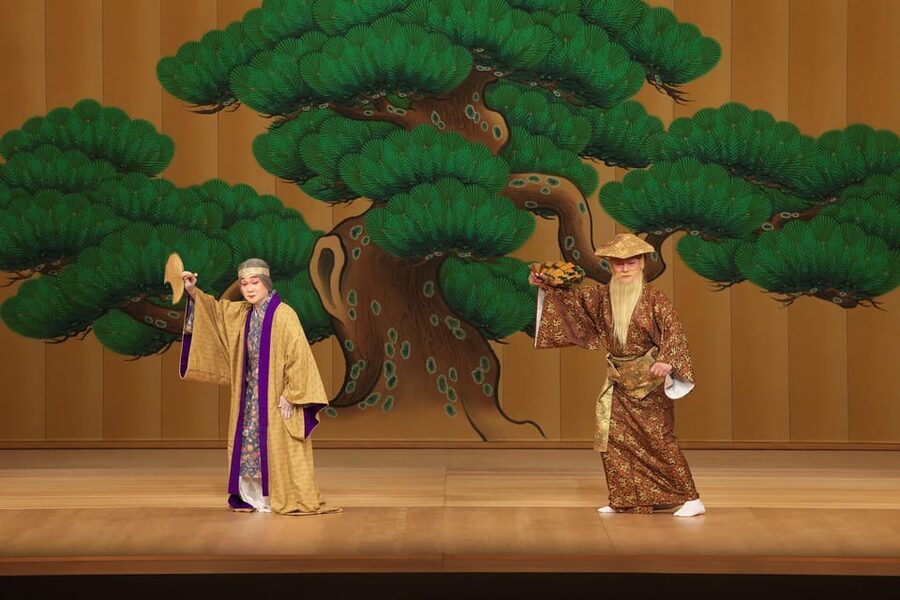
Hogaku is the music-focused option. The program described here centers on the melody Yuki no Aikata, a long shamisen interlude in the jiuta piece Yuki, or Snow.
This melody has become associated with falling snow and appears in different songs that accompany snowy scenes. The program asks you to listen for how that musical idea changes from one piece to another.
Unlike Kabuki and Bunraku, Hogaku includes a free English explanation sheet rather than an English audio guide. That means you should read the background before the music begins and then listen without an English voice in your ear.
For some people, this will be the calmest and most direct option. For others, it may feel less accessible because music has no plot to carry you along. I would choose Hogaku if you already enjoy traditional music, instrumental performance, or careful listening. If you want a clear story with visual action, Kabuki or Bunraku may be a better first choice.
The description does not give one fixed running time for every program. The full experience can last from 75 minutes to three hours, so check the date and performance option before making evening plans.
A completely different kind of day out in Tokyo:
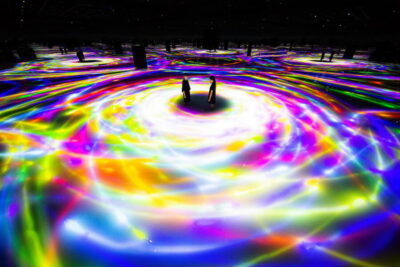
- Tokyo: teamLab Planets TOKYO Digital Art Museum Entry Ticket
★ 4.6 · 9,779 reviews - Mt Fuji & Hakone Cruise, Drum Show Bullet Train 1 Day from Tokyo
★ 4.0 · 7,413 reviews - Tokyo: Sumo Show Experience with Chicken Hot Pot and a Photo
★ 4.8 · 6,678 reviews - Tokyo: Shinjuku Food Tour (13 Dishes at 4 Local Eateries)
★ 5.0 · 6,603 reviews
English support helps, but it does not remove every barrier
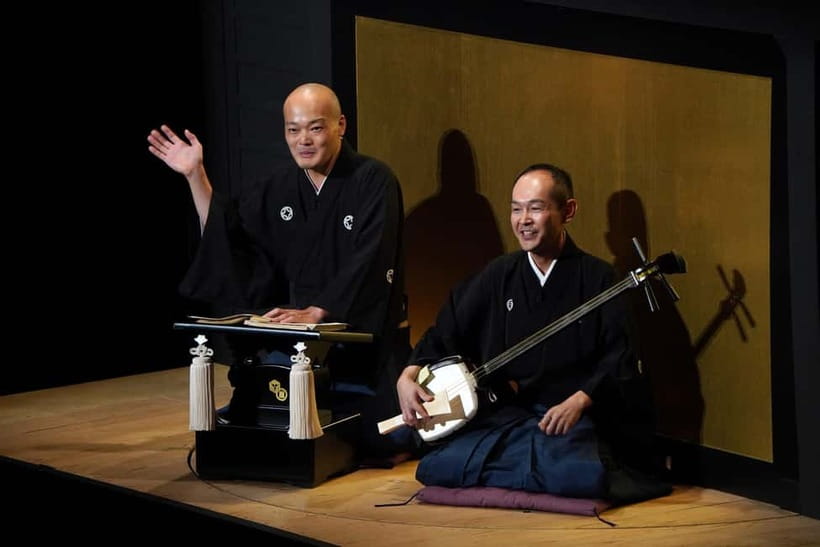
The English assistance is one of the strongest reasons to book this experience as an international visitor. Without it, you could still appreciate the costumes, sounds, and movement, but the story might remain out of reach.
For Kabuki and Bunraku, the guide focuses on the main points. It is not a transcript. This is helpful because you can still hear the live voices and instruments, but it also means you will miss some details.
I suggest using the guide as a safety rail, not as your entire attention. Listen to the explanation when you need orientation, then look back at the stage. The point is not to read your way through the show.
The guide may take a few minutes to get used to. You are hearing Japanese performance on stage while processing English information at the same time. Once your ears settle into the arrangement, it becomes much easier.
If you are attending Kabuki or Bunraku, arrive early for any introduction offered before the performance. That short explanation can help you understand why the theater looks and sounds so different from a modern English-language production.
The Yokohama theatre plan, from station to seat
For the Bunraku performance specified here, make KAAT Kanagawa Arts Theatre your destination. The nearest station is Nihon-ōdōri on the Minatomirai Line, roughly five minutes away using Exit 3 or 4. Motomachi-Chukagai is another option, around eight minutes from Exit 1.
The Minatomirai Line is convenient from Shibuya because it runs directly through the Tokyu Toyoko Line and Tokyo Metro Fukutoshin Line. The stated journey is about 45 minutes from Shibuya to Motomachi-Chukagai.
At the theatre entrance, exchange the GetYourGuide voucher for the theatre ticket. Staff will ask for the name used for the reservation. Keep the process simple by having your booking details ready and arriving with enough time to find the entrance.
Your exact seat is assigned by the theater. You cannot select a particular row or section, so do not buy this if choosing a precise seat is important to you. If you use a wheelchair, contact the operator as soon as possible so accessible seating can be arranged.
The venue for other dates may differ. The National Theatre Japan presents the program, but the performance is not necessarily held at the National Theatre in Hanzomon. Always check the meeting location attached to your chosen performance.
Timing, breaks, and theatre manners
A program lasting three hours can feel long if you have no preparation. One performance had two breaks, giving people time to go outside or get food. Use those pauses wisely, especially if you are combining the show with a full day of sightseeing.
Food and drinks are not allowed in the theatre. One useful practical point concerns hot coffee during the interval: if you buy one, it may still be too hot to finish before you must return to your seat. The simple solution is to ask for ice if that is available.
Silence matters here. Smoking, alcohol, drugs, pets other than assistance dogs, photography, video recording, and audio recording are not allowed. Avoid casual conversation and phone noise. Japanese theater audiences take quiet seriously, and a small disturbance can be far more noticeable than you expect.
Children can attend if they can handle the subject and length. The pacing may be slow for very young children, and noise is likely to be unwelcome. I would choose this for older children with an interest in theater or Japanese culture, not as a general family entertainment stop.
Is $37 a fair price?
At $37 per person, the ticket offers good value if you already want a professional Japanese performance. You are paying for admission, and Kabuki and Bunraku also include the English audio guide. Hogaku includes the English explanation sheet.
The price is less attractive if you are treating the event as a casual filler. A three-hour show can consume a large part of a sightseeing day, especially when the Bunraku venue is in Yokohama. Visitors with five or more days can fit it in more easily than someone making a short first visit to Tokyo.
The best value comes from choosing the right program. Bunraku gives you an unusual combination of puppetry, narration, and shamisen. Kabuki offers a more theatrical mix of story, dance, music, costumes, and stylized movement. Hogaku is a focused music program built around traditional melodies.
The program may not give you one tidy beginning-to-end story. Some performances include separate acts or stories, and an individual segment may not end with the kind of conclusion you expect from a modern play. Go for the form, the performers, and the way the art communicates, not only for a neat plot.
Who will enjoy this most?
I would recommend this to you if you enjoy theater, music, puppetry, or cultural traditions that require a little patience. It is also a strong choice if you want to see Japanese culture through a serious local art form rather than a staged demonstration.
You will get the most from it if you read a little about Kabuki or Bunraku first. Even a basic understanding of the form makes costumes, gestures, narration, and musical changes easier to recognize.
I would hesitate if your schedule is tight, you dislike slow performances, or you need complete English translation. The audio guide helps greatly, but it cannot carry every nuance across languages.
For many people, the first few minutes are the hardest. The stage language feels unfamiliar, then the sound, movement, and story begin to connect. Give it that adjustment period before deciding it is not for you.
Should you book this performance?
Book it if you want an authentic, carefully presented look at Japanese classical performing arts and can give the show your full attention. The English guide makes Kabuki and Bunraku approachable, the performers are drawn from a respected professional tradition, and $37 is reasonable for a live cultural event of this quality.
Choose the option with care. If you book Bunraku, plan for KAAT Kanagawa Arts Theatre in Yokohama and allow time for the journey. If you prefer a shorter introduction, look for the 75-minute option. If you like music more than narrative, consider Hogaku.
Skip it if you have only a very short Tokyo visit and would resent giving up several hours of sightseeing. But if the idea of hearing a shamisen, watching a narrator command a room, or seeing Kabuki turn a single gesture into drama appeals to you, this is one of the better ways to encounter Japan’s traditional stage.
FAQ
Where is the Bunraku performance held?
The Bunraku performance described here is held at KAAT Kanagawa Arts Theatre in Yokohama, not at the National Theatre in Hanzomon, Tokyo.
How do I reach KAAT Kanagawa Arts Theatre?
The closest stations are Nihon-ōdōri Station and Motomachi-Chukagai Station on the Minatomirai Line. KAAT is about five minutes from Nihon-ōdōri Exit 3 or 4, and about eight minutes from Motomachi-Chukagai Exit 1.
Is an English audio guide included?
Yes, an English audio guide is included with Kabuki and Bunraku performances. The guide explains the main points and story action rather than translating every line.
Does Hogaku include an English audio guide?
No. The Hogaku concert includes a free English explanation sheet instead.
Can I choose my seat?
No. Seating positions are assigned by the theater.
Can I take photographs or record the performance?
No. Photography, video recording, and audio recording are not allowed inside the theatre.
Is the performance wheelchair accessible?
Yes, the activity is wheelchair accessible. If you need accessible seating, contact the operator as soon as possible so arrangements can be made.
Just added around Tokyo
- Tokyo 6hr Instagram Highlights Private Tour with Licensed Guide★ 5.0 · 38 reviews
- Tokyo Small Group Tour with Guide★ 4.5 · 38 reviews
- Tokyo Sumo Experience with Live Show & Audience Challenge★ 5.0 · 38 reviews
- Japanese Food Cooking Class in Asakusa, Tokyo★ 5.0 · 39 reviews
- Very popular in Harajuku♡Animal petting zoo★ 4.6 · 39 reviews
- Ramen Making from Scratch with Tokyo Mom(Vegan Option Available)★ 5.0 · 39 reviews
- Tokyo JDM Night: 600hp C63s AMG Edition 1 (Private)★ 4.9 · 39 reviews
- Tokyo: Kimono Rental inside Shinjuku Gyoen National Garden★ 4.9 · 39 reviews
Tokyo Tours, compared.

Mt Fuji and Hakone 1-Day Bus Tour Return by Bullet Train
Read our review →
teamLab Planets TOKYO Digital Art Museum Entry Ticket
Read our review →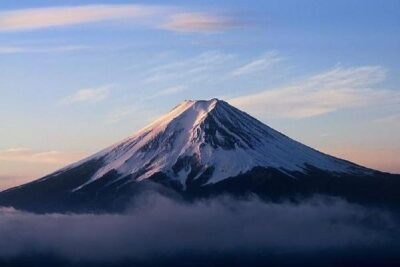
Mt Fuji & Hakone Cruise, Drum Show Bullet Train 1 Day from Tokyo
Read our review →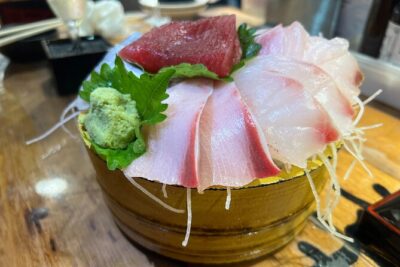
Shinjuku Food Tour (13 Dishes at 4 Local Eateries)
Read our review →
Tokyo Mt Fuji 5th St & Hakone Cruise Bus Tour w/Bullet Train
Read our review →