
Reviewed · MOUNT FUJI TOURS
Tokyo: Mt. Fuji and Hakone Tour with Cable Car and Cruise
Fuji days depend on the clouds. This 11-hour trip packs Japan’s most famous mountain, the Hakone Ropeway, and a Lake Ashi cruise into one long outing from Tokyo. I like the way the 5th Station brings you close to Fuji without requiring a mountain climb, and I like the easy combination of volcano views and a boat ride. The catch is time: traffic can turn this into a rushed day, with long hours on the bus and only brief stops.
The English-speaking guides can add real warmth and context. Mary is remembered for friendly commentary and sing-alongs, while Yoko, also called Yoyo, has been praised for her humor and clear explanations. Still, you need to treat Fuji as a bonus, not a promise. Fog can hide the mountain, and the schedule may change when roads, weather, or crowds interfere.
In This Review
- Key points to know before booking
- What this Tokyo to Fuji and Hakone day is really like
- Leaving Shinjuku for the Fuji region
- Fuji’s 5th Station at 2,300 meters
- Lunch, hot pot, and the half buffet
- The Hakone Ropeway over Owakudani
- Cruising Lake Ashi
- The long return to Tokyo
- Weather, substitutions, and schedule changes
- Who will get the most from this tour?
- How to make the day work better
- Should you book the Mt. Fuji and Hakone tour?
- FAQ
- How long does the Tokyo Mt. Fuji and Hakone tour last?
- Where does the tour depart from?
- Does the tour reach the summit of Mt. Fuji?
- Is lunch included?
- Is Mt. Fuji guaranteed to be visible?
- What happens if the Ropeway or another activity is closed?
- Can I finish the tour in Hakone or Odawara?
- Can wheelchair users join the tour?
Key points to know before booking
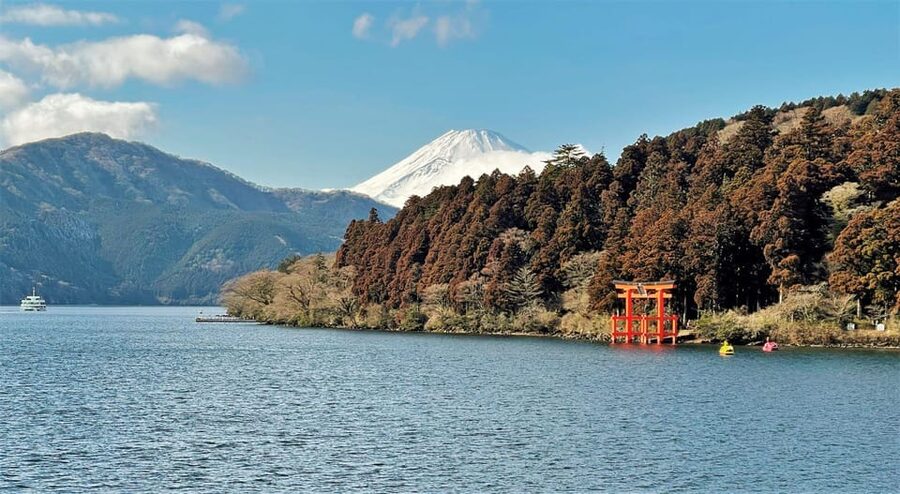
- The 5th Station sits at about 2,300 meters: This is the highest point on Fuji reached by the standard road route, not the summit.
- The day can involve about five hours on the bus: Traffic on the Chūō Expressway and Subaru Road may cut into sightseeing time.
- The Ropeway passes over Owakudani’s volcanic zone: You can see steam vents and buy sulfur-boiled black eggs, but respiratory problems may make this stop unsuitable.
- Lake Ashi is best on a clear day: The cruise offers broad views, including Fuji when the clouds cooperate.
- The lunch option matters: It includes a local meal with hot pot and a half buffet, while the basic plan does not provide lunch.
- Return choices affect your evening: You can usually return to Tokyo by bus, or choose drop-off at Hakone-Yumoto or Odawara Station.
What this Tokyo to Fuji and Hakone day is really like
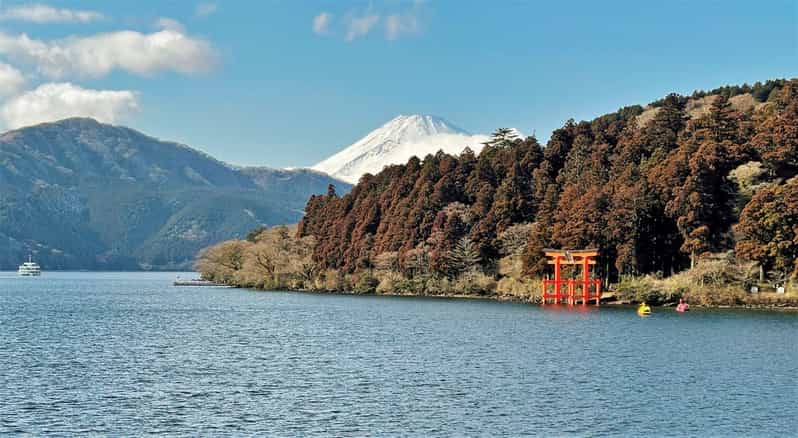
This is a big sightseeing circuit rather than a relaxed mountain escape. You leave central Tokyo in the morning, ride toward the Fuji area, continue through Hakone, and return after roughly 11 hours.
I would book it if you want to see several headline sights in one day and do not want to work out the train, bus, Ropeway, and cruise connections yourself. I would hesitate if you prefer long walks, slow meals, or plenty of free time at each stop.
The $92 price is fair for the transport and included attractions. The Hakone Ropeway and Lake Ashi cruise tickets are covered, as is a guide and air-conditioned bus. Pick the lunch option if you want the day to run smoothly, since there may not be a convenient place to buy food at the meal stop.
The tradeoff is the fixed schedule. You are paying for access and coordination, not a leisurely private tour.
More Boat Tours in Tokyo
- Mt Fuji & Hakone Cruise, Drum Show Bullet Train 1 Day from Tokyo
★ 4.0 · 7,413 reviews - Tokyo Mt Fuji 5th St & Hakone Cruise Bus Tour w/Bullet Train
★ 4.4 · 5,024 reviews - Tokyo: Meiji Shrine, Asakusa, Skytree Bus Tour and Cruise
★ 4.7 · 1,986 reviews
Leaving Shinjuku for the Fuji region
The meeting point is at the Shinjuku Love Object, unless your selected option gives a different location. Hotel pickup is not included, so you need to reach the meeting point on time. Late arrivals cannot join the group midway.
The first drive to the Fuji area takes about two and a half hours in typical conditions. That sounds long, and it is. Traffic can be heavy, especially on popular sightseeing days, so bring water, a small snack, and something to occupy you during the ride.
The bus does let you cover ground that would be awkward by public transport in one day. You pass along the Chūō Expressway and the Subaru Road, seeing the city give way to smaller communities, forested slopes, and high mountain roads. The journey itself is part of the contrast, but it also explains why every stop cannot be generous.
Guides such as Mary, Yoko, and Yoyo have been especially well received for making the bus time more pleasant. A friendly guide matters here because much of the day is spent moving between places rather than standing at them.
Fuji’s 5th Station at 2,300 meters
The Subaru Line leads up to Mt. Fuji’s 5th Station, at roughly 2,300 meters above sea level. This is the highest point normally reached by road on the tour, and it gives you a close view of the upper mountain when the clouds part.
You can visit Komitake Shrine, browse for souvenirs, and take photographs. My practical advice is simple: take your Fuji pictures immediately. Do not assume you will get another chance later on the tour. The mountain can appear for five minutes, vanish behind cloud, and stay hidden for the rest of the day.
Several factors can limit this stop. Bad weather or a road accident may prevent the bus from reaching the 5th Station, in which case the group visits the highest accessible point instead. Even when the road is open, traffic may leave you only a short time here.
That makes the order of your priorities important. If Fuji is visible, stay outside and look first. The souvenir shop can wait. One visitor specifically advised skipping the shop because the natural view is more valuable when time is tight.
You should also conserve water in the restrooms at the 5th Station. Water is limited at this altitude.
Do not confuse this stop with climbing Fuji. You are near the summit, but you are not hiking to it. The appeal is the altitude, the view, the shrine, and the chance to see Japan’s iconic peak from a road-accessible point.
Lunch, hot pot, and the half buffet
The lunch option allows roughly 45 to 60 minutes for a local meal. It includes a hot pot and a half buffet at a local restaurant, with drinks extra.
The meal can be useful because it gives you a set place to eat during a tightly timed day. You do not need to search for food while watching the clock, and the hot pot suits the cooler mountain setting.
The buffet should not be treated as an unlimited feast. Supplies may be limited, and dishes may not be replaced quickly. If you select lunch, go early rather than assuming everything will remain available throughout the sitting.
If you have food restrictions, tell the operator when booking. That gives the restaurant a chance to prepare. If you choose the no-lunch plan, plan ahead because there may be no food stop in the isolated area described by the schedule.
This is also where expectations matter. The stop is for eating, not for wandering around a charming mountain village. The restaurant setting may feel functional, especially if traffic has already shortened the day.
More ways to see Mount Fuji:
- Mt Fuji and Hakone 1-Day Bus Tour Return by Bullet Train
★ 5.0 · 26,383 reviews - From Tokyo: Mount Fuji Full-Day Sightseeing Trip
★ 4.5 · 4,970 reviews - Tokyo: Mt. Fuji Tour, Hakone Ropeway, Owakudani, Lake Ashi
★ 4.7 · 4,002 reviews - Tokyo:Mt.Fuji,Kawaguchiko Oishi Park,Arakurayama Sengen Park
★ 4.4 · 2,682 reviews
The Hakone Ropeway over Owakudani
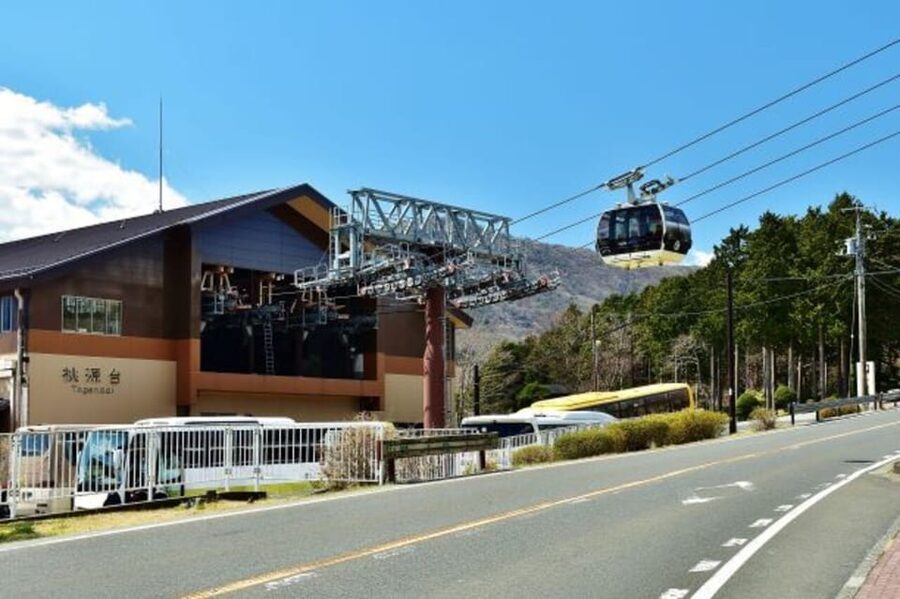
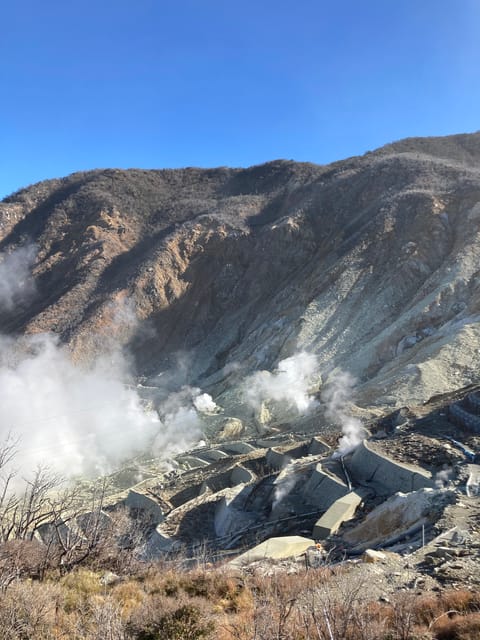
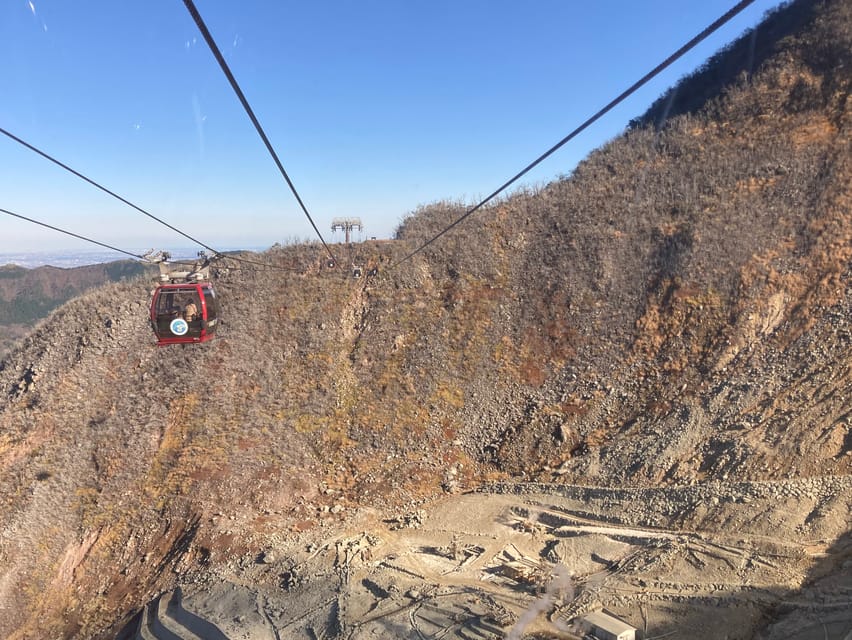
The Hakone Ropeway is the most unusual transport section of the outing. The gondola descends through the Owakudani volcanic area, where you can see fumaroles and solfataras releasing steam from the active volcanic zone.
The changing elevation gives you a sense of Hakone’s terrain in a way a bus cannot. From the gondola, you may see the volcanic ground below and, in good conditions, wide views across the surrounding area.
Owakudani is also known for black eggs cooked in sulfur-heated water. You can buy them at your own expense. They make a memorable snack and souvenir, though the schedule may not allow much time for browsing or exploring.
Take the health warning seriously. Fumaroles release volcanic gases, and the information for this tour advises people with respiratory problems to check whether the stop is suitable. Weather and operating conditions can also force a change.
Possible substitute stops include a Lake Kawaguchi cruise, the Mt. Fuji Panoramic Ropeway, Mishima Skywalk, Odawara Castle, Hakone-en Aquarium, Narukawa Art Museum, Hakone Checkpoint, or Hakone Shrine. These are not guaranteed additions. They are alternatives if a planned activity cannot operate.
One weakness of this portion is the lack of free time. Heavy traffic can leave you with only a quick look at the volcanic area, sometimes mostly from the gondola. If you want a long walk through Owakudani, this is not the right format.
Cruising Lake Ashi
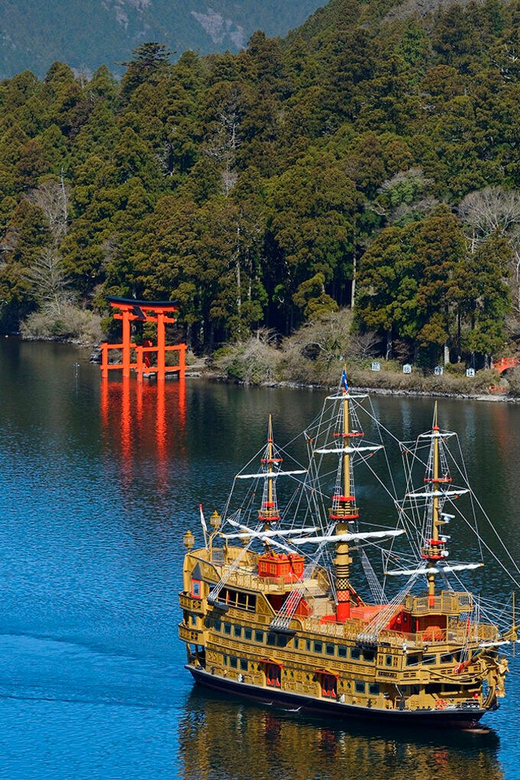
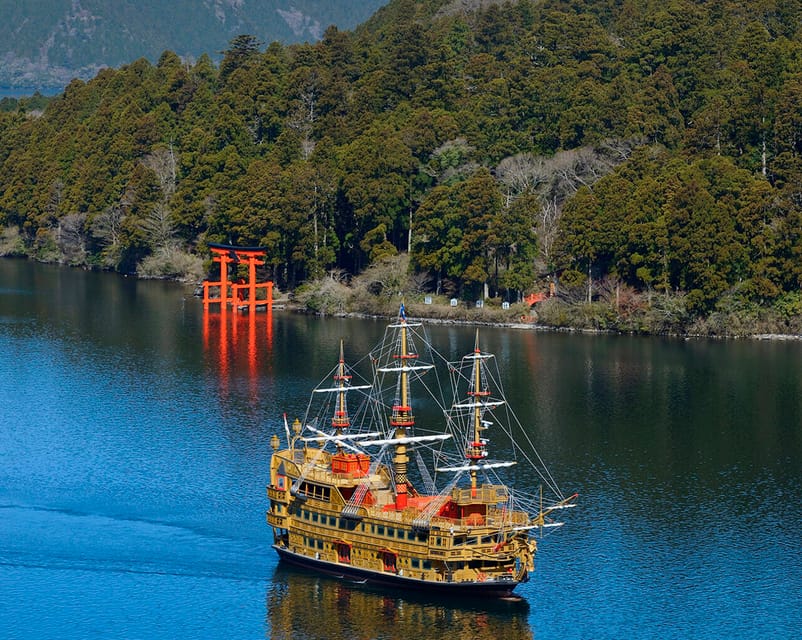
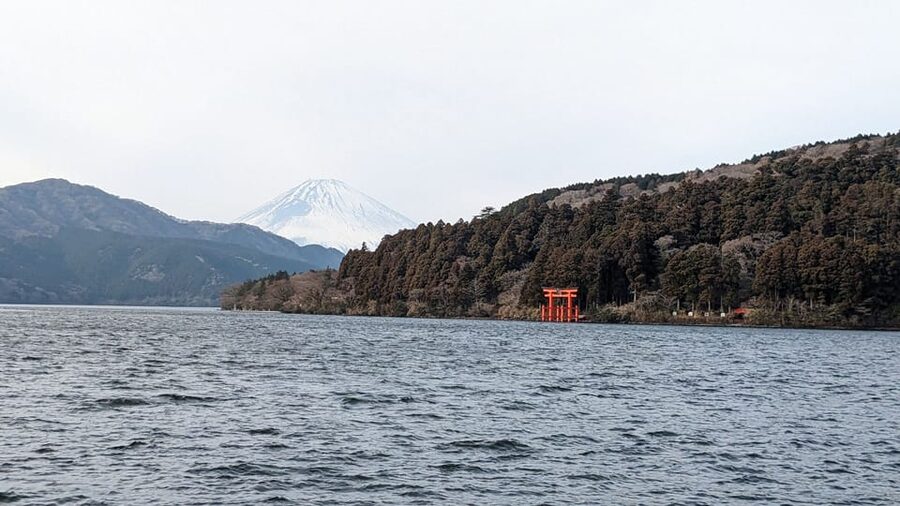
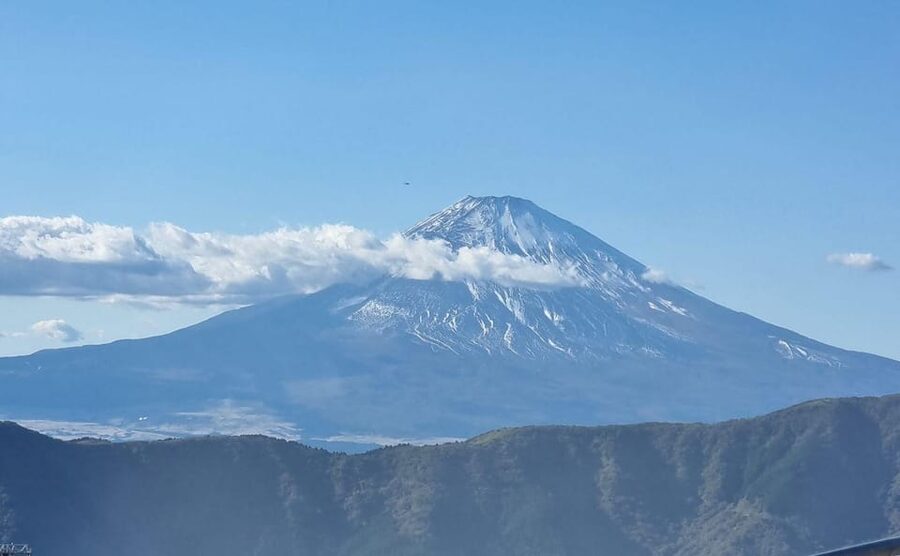
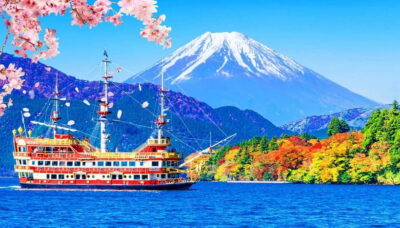
The Lake Ashi cruise offers a welcome change from the road. You board a sightseeing ship and enjoy the lake from the deck, with views of the surrounding mountains and, when the air is clear, Mt. Fuji.
This is one of the tour’s strongest pairings. Fuji gives you the high mountain view, while Hakone gives you water, volcanic activity, and a slower ride. The cruise also gives your legs a break after the bus and Ropeway.
Keep your expectations tied to the weather. Fuji visibility is never guaranteed, and high humidity, rain, and fog can erase the famous view. You will still have the lake and mountain scenery, but you should not book this trip only for a perfect Fuji photograph.
The schedule may allow little time around Hakone after the boat ride. Some departures move directly onward, leaving no spare half hour to browse, sit in a café, or explore nearby sights. If free time is essential to you, this limitation deserves serious thought.
The long return to Tokyo
The typical bus return to Tokyo takes about two hours, though traffic can make it longer. The full day may therefore include around five hours of road travel, especially with the initial drive to Fuji.
That is the central practical issue. A traffic jam can shorten the time at the 5th Station and Owakudani, and it can also change the order or timing of the stops. On the other hand, driving is what allows you to connect Fuji and Hakone in a single day without changing trains and buses.
Some departures offer a return to Hakone-Yumoto, useful if you have booked accommodation in Hakone. Another option is Odawara Station, which suits people with a JR Pass or a separate onward ticket. If you need a Shinkansen ticket, this particular tour does not include one, so you need a different booking option.
Check your selected return plan carefully. Bus schedules may vary by day, and a plan that appears to return to Tokyo may not operate in every circumstance. Confirming this before departure can prevent a very unwelcome surprise at the end of a long day.
Weather, substitutions, and schedule changes
Fuji is famously shy. The mountain may be visible at the 5th Station but disappear by the lake, or remain hidden all day. Heavy rain, fog, humidity, road accidents, and activity closures can all affect the route.
The operator does not promise a refund because of weather or a schedule change made by the guide or staff. That policy makes the decision simple: choose this tour for the combination of Fuji area, Hakone, Ropeway, and cruise, not for one guaranteed view.
When a stop cannot operate, an alternative may be used. The possible replacements cover a wide range, from another ropeway or cruise to Odawara Castle, Hakone Shrine, an aquarium, or an art museum. This protects the day from becoming a complete loss, but the replacement may not match what you originally wanted.
A well-organized guide can make these changes easier to accept. Confusing announcements, on the other hand, can make a weather problem feel worse. I would listen carefully to the morning explanation and ask about the order of stops before the bus leaves.
Who will get the most from this tour?
I think this tour suits first-time visitors who want a broad look at the Fuji and Hakone area without arranging several transport legs. It also works well for people with only one free day from Tokyo.
You will likely appreciate it if you:
- Want Fuji, Hakone, a Ropeway, and a cruise in one day
- Prefer an English-speaking guide and organized transport
- Are comfortable with a long day and a fixed schedule
- Want included attraction tickets rather than paying at each stop
- May need drop-off at Hakone-Yumoto or Odawara Station
I would choose another plan if you want to hike, linger at the 5th Station, spend an afternoon in Hakone, or guarantee a particular Fuji viewpoint. A private or slower itinerary would give you more control, though it would likely cost more.
Families should note that children up to age three may join free, but they do not receive a bus seat or lunch under that arrangement. If you want either for your child, book the child rate.
Wheelchair users can take part at the sightseeing stops, which are described as wheelchair-accessible. The standard buses do not have lifts or ramps, folding wheelchairs can generally go in the luggage compartment, and large or heavy electric wheelchairs may not fit. Tell the operator at booking so arrangements can be checked.
How to make the day work better
Arrive early at the meeting point. This is not a tour where you can catch up with the group at the next stop.
Wear shoes suited to standing and walking, and bring layers. The 5th Station is high above Tokyo, and conditions can change quickly. Keep your camera ready before the bus reaches the viewpoint.
At the 5th Station, look first and shop second. On the cruise, head outside if the weather is clear. At Owakudani, follow the guide’s instructions and pay attention to any health notices.
If you are deciding between lunch plans, I would pay for lunch unless you have a strong reason not to. It removes one logistical problem from an already packed schedule. Food and drinks are not included in the basic plan, and drinks are not included with the lunch option either.
Finally, allow flexibility after the tour. The stated return time is typical, not a promise. Traffic can affect the arrival in Tokyo, and a late return could matter if you have dinner reservations, a show, or a train to catch.
Should you book the Mt. Fuji and Hakone tour?
Book it if you want maximum coverage in one day and accept that the day will move quickly. For $92, the bus, guide, Ropeway, cruise, and optional lunch offer solid value, especially when independent connections would take planning.
Skip it if you need long stops or if seeing Fuji clearly is your main goal. The mountain may hide, traffic may cut the schedule, and some visits can feel more like quick photo opportunities than full explorations.
My best advice is to choose the lunch option, confirm your return arrangement, and treat every clear view of Fuji as a gift. With that mindset, this is an efficient and often rewarding introduction to two of Japan’s most scenic areas.
FAQ
How long does the Tokyo Mt. Fuji and Hakone tour last?
The experience lasts about 11 hours, or one full day. The initial drive to the Fuji area usually takes about two and a half hours, and the return to Tokyo typically takes about two hours.
Where does the tour depart from?
The departure point is the Shinjuku Love Object unless the option you book specifies another meeting point. Hotel pickup and drop-off are not included.
Does the tour reach the summit of Mt. Fuji?
No. The bus goes to the 5th Station on the Subaru Line, at about 2,300 meters above sea level. This is the highest road-accessible point included in the tour, not the mountain summit.
Is lunch included?
Lunch is included only when you select the lunch option. That option provides a local meal with hot pot and a half buffet. Drinks are not included.
Is Mt. Fuji guaranteed to be visible?
No. High humidity, rain, fog, and other weather conditions may hide the mountain. The tour does not provide refunds for weather-related visibility problems.
What happens if the Ropeway or another activity is closed?
The schedule may use an alternative destination or activity. Options can include a Lake Kawaguchi cruise, Mt. Fuji Panoramic Ropeway, Mishima Skywalk, Odawara Castle, Hakone-en Aquarium, Narukawa Art Museum, Hakone Checkpoint, or Hakone Shrine.
Can I finish the tour in Hakone or Odawara?
Some options allow drop-off at Hakone-Yumoto or Odawara Station instead of returning to Tokyo. Check the specific plan before booking, since the meeting and return points may vary.
Can wheelchair users join the tour?
The sightseeing locations are wheelchair-accessible, but the standard buses do not have wheelchair lifts or ramps. Folding wheelchairs can generally be stored in the luggage compartment, while large or heavy electric wheelchairs may not be accommodated. Contact the operator when booking.
Just added around Tokyo
- Tokyo 6hr Instagram Highlights Private Tour with Licensed Guide★ 5.0 · 38 reviews
- Tokyo Small Group Tour with Guide★ 4.5 · 38 reviews
- Tokyo Sumo Experience with Live Show & Audience Challenge★ 5.0 · 38 reviews
- Japanese Food Cooking Class in Asakusa, Tokyo★ 5.0 · 39 reviews
- Very popular in Harajuku♡Animal petting zoo★ 4.6 · 39 reviews
- Ramen Making from Scratch with Tokyo Mom(Vegan Option Available)★ 5.0 · 39 reviews
- Tokyo JDM Night: 600hp C63s AMG Edition 1 (Private)★ 4.9 · 39 reviews
- Tokyo: Kimono Rental inside Shinjuku Gyoen National Garden★ 4.9 · 39 reviews
Mount Fuji Tours, compared.
Mt Fuji and Hakone 1-Day Bus Tour Return by Bullet Train
Read our review →
Mt Fuji & Hakone Cruise, Drum Show Bullet Train 1 Day from Tokyo
Read our review →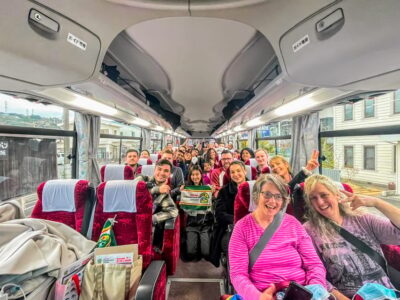
Tokyo Mt Fuji 5th St & Hakone Cruise Bus Tour w/Bullet Train
Read our review →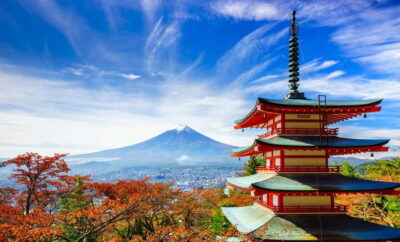
Mt. Fuji Tour, Hakone Ropeway, Owakudani, Lake Ashi
Read our review →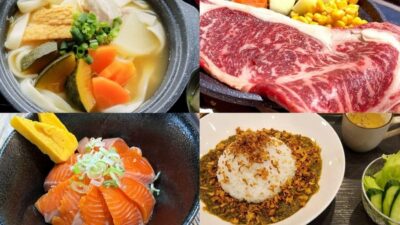
Mt.Fuji,Kawaguchiko Oishi Park,Arakurayama Sengen Park
Read our review →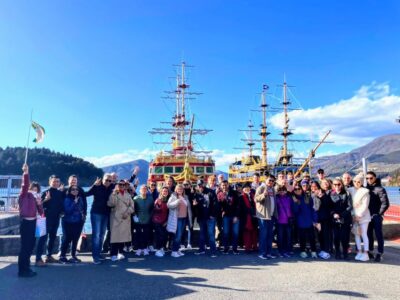
Mt. Fuji 5th Station & Hakone Cruise 1-Day Bus Tour
Read our review →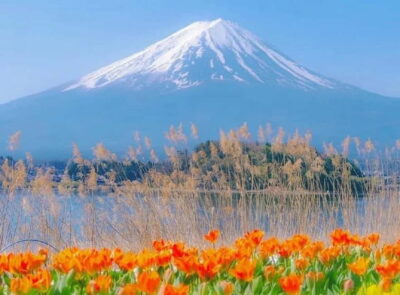
Mt Fuji Top 5 Spots Day Tour: Arakurayama Park,Oshino Hakkai
Read our review →Browse the lists this tour appears in