
Reviewed · FOOD & DRINK
Asakusa, Tokyo’s #1 Family Food Tour
Come hungry, leave knowing Asakusa better. This three-hour food walk combines five tasting stops with a guided look at Tokyo’s old downtown district, including melon pan, regional snacks, matcha, and a sit-down lunch from southern Japan. I especially like the small group limit of 10 and the way the tour uses side streets, not just Asakusa’s famous temple approach.
I also like that the food changes with the season, so you may try Japanese plums, pickles, rice crackers, tea, ice cream, and other regional tastes rather than one fixed menu. The main consideration is price: at $221 per person, this is not a cheap snack crawl. You are paying for lunch, several tastings, a local English-speaking guide, and help making sense of a district that can feel crowded and confusing.
In This Review
- Key Points Before You Book
- Why Asakusa Works So Well for a Food Walk
- Starting at the Asakusa Culture Tourist Information Center
- Eating Your Way Through Five Stops
- Melon Pan: A Simple Treat Worth Trying
- Seasonal Samples From Across Japan
- Lunch From Southern Japan
- Kaminarimon and Hōzōmon With Local Context
- Senso-ji, Asakusa Shrine, and Nakamise Street
- Is $221 a Fair Price?
- Who Will Enjoy This Tour Most?
- Timing, Weather, and Practical Advice
- Should You Book the Asakusa Food Tour?
- FAQ
- Where does the Asakusa food tour start?
- What time does the tour begin?
- How long does the experience last?
- Where does the tour finish?
- How many food stops are included?
- Is lunch included in the price?
- What foods might I taste?
- Is the tour suitable for vegetarians?
- What is the maximum group size?
- Can I cancel for a refund?
Key Points Before You Book
- Five food stops include lunch: The price covers street food, regional samples, dessert, one drink, and a southern Japanese meal.
- A small group of up to 10: This gives you a better chance to ask questions and stay close to your guide in busy Asakusa.
- Meet at 11:00 am: The tour begins at the Asakusa Culture Tourist Information Center and finishes near Senso-ji.
- Seasonal tasting lineup: Japanese plums, pickles, rice crackers, tea, ice cream, and melon bread may appear, but the exact choices can change.
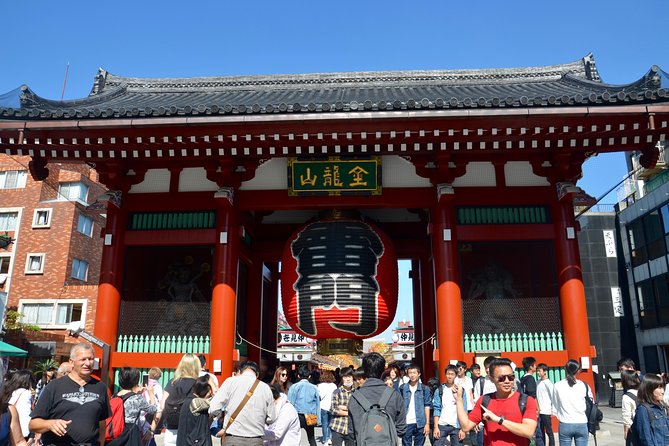
- A local view of famous sights: You see Kaminarimon, Hōzōmon, Senso-ji, Asakusa Shrine, and Nakamise Street while learning about everyday food and customs.
- Family-friendly, but active: Children are welcome with an adult, yet the tour requires a strong physical fitness level and includes walking through streets and alleys.
Why Asakusa Works So Well for a Food Walk
Asakusa gives you a compact introduction to traditional Tokyo. The district is famous for Senso-ji and its huge red Kaminarimon gate, but the food culture gives you another way to understand the neighborhood.
A guide can point out how snacks, sweets, tea, pickles, and rice products fit into daily Japanese life. That is more useful than simply walking past a shop and guessing what is inside.
This tour begins close to the Asakusa Culture Tourist Information Center at 11:00 am. Starting there is practical because you get a quick orientation before moving into the district. The center is near the Kaminarimon area and public transportation, so you do not need hotel pickup or a private taxi.
The food is not limited to one style of Japanese cooking. You taste small regional items from different parts of Japan, then sit down for a lunch featuring cuisine from southern Japan. That contrast matters. You get snacks you can sample while walking, followed by a more substantial meal.
The exact food lineup can change because of season, restaurant schedules, public holidays, weather, and other local conditions. I consider that a strength as long as you do not book expecting one rigid menu. The tour is built around Japanese food culture, not a promise of one particular pastry or dish.
More Food Tours in Tokyo
- Tokyo: Shinjuku Food Tour (13 Dishes at 4 Local Eateries)
★ 5.0 · 6,603 reviews - Tokyo Tsukiji Fish Market Food and Culture Walking Tour
★ 5.0 · 3,184 reviews - Tokyo: Shinjuku Food Tour (15 Dishes and 4 Eateries)
★ 4.9 · 2,033 reviews
Starting at the Asakusa Culture Tourist Information Center
The first stop lasts only about five minutes, but it has a useful purpose. Your guide gives you an overview of Asakusa before the tasting begins, helping you understand where the temples, shopping streets, food stops, and side lanes fit together.
Your meeting point is 2-chōme-18-9 Kaminarimon, Taito City. Plan to arrive early, since the tour starts at 11:00 am and the group is limited in size. A mobile ticket makes entry and meeting arrangements simple, but you still need to watch the local time and find the correct entrance area.
The guide is an important part of the value here. Arigato Japan KK provides a local English-speaking guide, and the experience is designed around explanations as much as eating. You are not just handed food and sent along. You learn why certain foods are popular and how they connect to Japanese customs.
A past booking specifically praised guides Michie and Wesley for being personable and patient. On a very hot day, with temperatures around 35 degrees Celsius and 70 percent humidity, they even shared their own cooling products. That detail suggests the guides pay attention to comfort, although you should still bring water, wear light clothing, and prepare for Tokyo heat.
Eating Your Way Through Five Stops
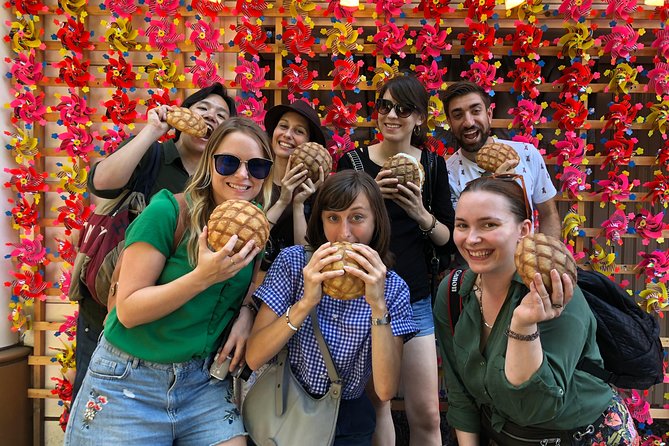
The food portion includes five stops, with lunch counted as one of them. The experience may include Japanese plums, pickles, rice crackers, tea, ice cream, melon bread, and other street or regional foods.
Small tastings are useful for families because you can try unfamiliar foods without committing to a full serving. If one flavor is not for you, another stop is coming soon. The guide can also explain what you are eating, which makes a salty pickle or unfamiliar plum more interesting than it would be on its own.
The tour includes one drink, dessert, and regional food tastings. Additional food and drinks cost extra, so do not assume every item you see along the route is covered. The included portions are intended to form a lunch, but anyone with a large appetite may want to budget for an extra purchase.
Diet matters here. The experience is described as vegetarian and pescetarian friendly, which is helpful, but you should communicate dietary needs when booking or before the tour begins. No full allergy policy or fixed menu is provided, so people with serious allergies should ask for clarification before paying.
Melon Pan: A Simple Treat Worth Trying
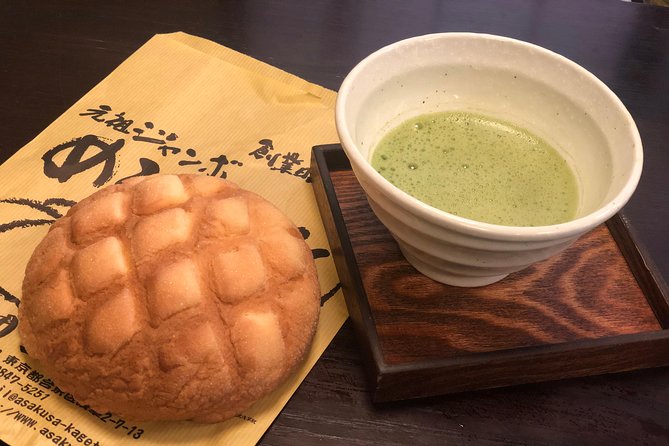
Melon pan is one of the tour’s featured tastes. Despite its name, it is not presented as a melon-filled pastry. It is known for its sweet, crisp outer layer and soft bread inside, making it an easy introduction to Japanese bakery culture.
The tour treats melon pan as a local dessert and a food many visitors might miss without guidance. That is exactly the kind of stop I like on a food walk: familiar enough to enjoy, but different enough to give you a new reference point.
Because food availability can change, melon pan is a featured possibility rather than an absolute guarantee for every date. Ask your guide about the day’s selection if this is the item you most want to try.
A completely different kind of day out in Tokyo:
- Mt Fuji and Hakone 1-Day Bus Tour Return by Bullet Train
★ 5.0 · 26,383 reviews - 1-Day Tokyo Bus Tour
★ 5.0 · 14,250 reviews - Tokyo: TOKYO SKYTREE® Admission ticket
★ 4.5 · 11,192 reviews - Tokyo: teamLab Planets TOKYO Digital Art Museum Entry Ticket
★ 4.6 · 9,779 reviews
Seasonal Samples From Across Japan
Japanese plums, pickles, rice crackers, and tea show how much variety can fit into a small tasting. These foods are not flashy, but they reveal regional preferences and the importance of preservation, texture, and balance in Japanese eating.
The guide also explains why some foods are more popular in Japan than others. That context helps you notice details you might otherwise overlook, such as the difference between a snack meant for walking, a sweet served with tea, and a side item that accompanies a meal.
The selection changes with the season. This can be a slight drawback if you want a guaranteed checklist of dishes, but it also keeps the experience tied to what is available locally at the time of your visit.
Lunch From Southern Japan
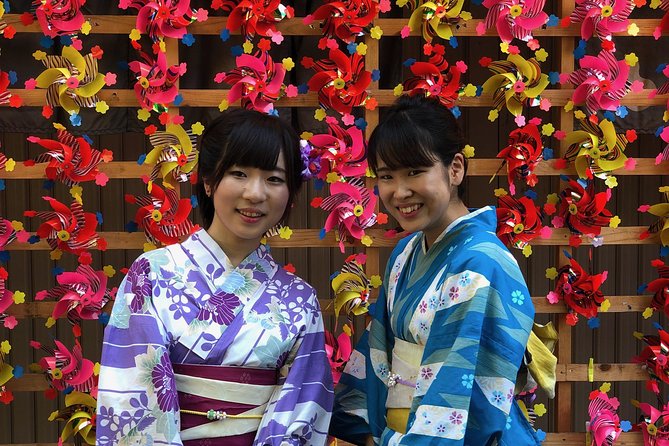
The central meal is a traditional Japanese lunch featuring food from southern Japan. The supplied details do not name the exact restaurant or dishes, so you should not expect a fixed menu description before arrival.
That uncertainty is normal for a small food tour, but it is worth noting at this price. The lunch is what helps turn the experience from a few bites into a three-hour meal-and-neighborhood visit. It also gives your guide a chance to explain a regional cooking style rather than presenting only famous Tokyo snacks.
The lunch should appeal to you if you want to taste beyond standard sushi, ramen, and tempura. It may be less suitable if you need total control over ingredients or prefer choosing every dish yourself.
One drink is included, along with dessert. Matcha tea or ice cream may close the tour, depending on the day. Additional drinks are not included, so coffee, bottled drinks, or a second dessert would be extra.
Kaminarimon and Hōzōmon With Local Context
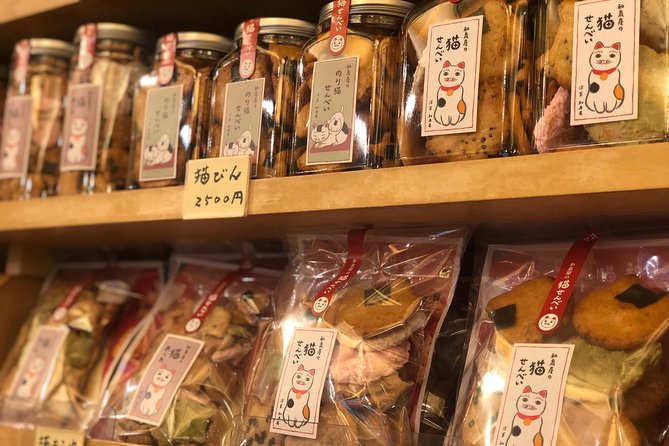
The food route also passes two of Asakusa’s major gates. Kaminarimon is the dramatic entrance to the Senso-ji area, while Hōzōmon leads farther into the temple grounds.
The formal sightseeing stops are short. Kaminarimon is listed as a one-minute stop, and the same is true for Senso-ji in the formal schedule. Do not read those times as your total time in the area. The tour spends roughly three hours moving through Asakusa, eating, and hearing explanations, with the major landmarks used as reference points along the way.
That structure suits you if you want food and sightseeing blended together. It is not designed as a detailed temple tour with long periods for photography or quiet reflection.
Asakusa can be busy, especially around the temple approach. A guide who knows the alleys can help you move efficiently between stops and avoid wasting time figuring out directions. The tradeoff is that you may not linger wherever you want. If you want a slow solo visit to every shop and gate, schedule extra time after the tour.
Senso-ji, Asakusa Shrine, and Nakamise Street
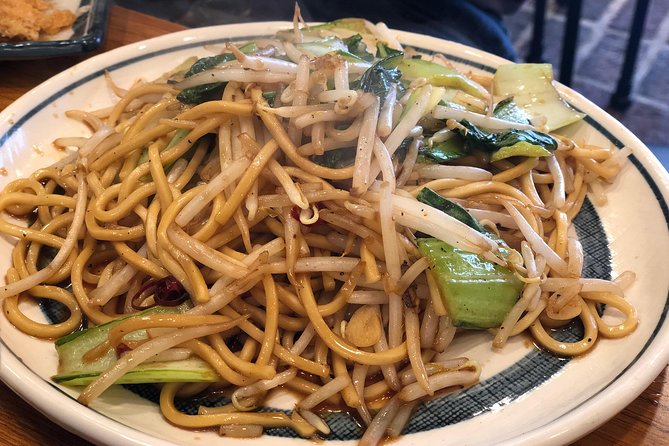
Senso-ji is the main cultural anchor of the afternoon. Your guide shares lesser-known details about the temple and the surrounding shitamachi, or traditional downtown neighborhood.
The value is not just seeing the famous temple. It is learning how the temple area relates to local life, food, shopping, and neighborhood identity. The guide also helps you make sense of the district from a local point of view rather than treating it as a quick photo stop.
The route includes Asakusa Shrine, another important sight near Senso-ji. You then finish near the main gate of Senso-ji, in the Asakusa area, with the day’s remaining time free for your own plans.
The ending is convenient. You can continue along Nakamise Street, revisit a shop, return to the temple, or make your way to another part of Tokyo. Since hotel drop-off is not included, you should plan your own route afterward. The finish near Senso-ji is central, but the tour does not provide transportation.
Is $221 a Fair Price?
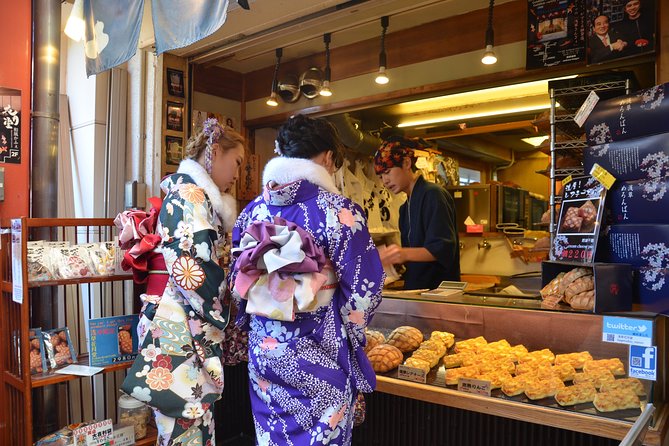
At $221 per person, this tour sits firmly in the premium category for a three-hour food walk. The value depends on what you want included.
The price covers five food stops, lunch, dessert, one drink, regional tastings, and an English-speaking local guide. You also receive a planned route through Asakusa, explanations at major sights, and a group capped at 10 people. If you would otherwise pay separately for lunch, snacks, and a guided neighborhood visit, the total begins to make more sense.
Still, this is not the best choice for a budget-minded eater. You could explore Nakamise Street and nearby food shops independently for much less, though you would lose the guide’s explanations, preselected stops, and route through less obvious streets.
The small group is a major part of the price. Ten people is still a group, but it is far more manageable than a large coach-style outing. You have a better chance to hear the guide, ask questions, and stay together when streets are crowded.
The experience is often booked about 54 days in advance, which suggests that popular dates can fill early. Same-day booking is available, but I would not rely on it during a short Tokyo visit. Booking ahead is especially sensible if you need a vegetarian or pescetarian-friendly arrangement.
Who Will Enjoy This Tour Most?
Families are the clearest match. Children must be accompanied by an adult, and the format offers frequent food changes, a manageable three-hour length, and famous sights along the route. Younger children may still tire in heat or crowded streets, so a stroller or mobility plan should be considered carefully, since a strong fitness level is required.
This also suits first-time Tokyo visitors who want an introduction to Asakusa without spending half a day planning every stop. You get food, temple landmarks, neighborhood stories, and a central finish in one booking.
Food-focused visitors will appreciate the range of regional flavors. The experience is less ideal if you want a specialist tour devoted only to sushi, wagyu, sake, or a particular cuisine. The appeal here is variety and local context.
You should also enjoy walking and trying foods you may not recognize. Vegetarians and pescetarians have a reasonable starting point because the tour is described as friendly to both, but people with strict dietary restrictions should confirm details before booking.
Timing, Weather, and Practical Advice
The tour begins at 11:00 am and lasts about three hours. That timing works well for a late breakfast followed by a guided lunch, but I would not eat a large meal beforehand. Bring comfortable shoes, since you will move through side streets, temple grounds, and shopping areas.
Tokyo summers can be harsh. The guide’s response to one especially hot outing was thoughtful, but you remain responsible for sun protection and hydration. The tour requires good weather and may be changed or canceled if conditions are poor.
Plans can also change because restaurants close, holidays affect schedules, or certain foods are unavailable. Substitutions may be made. I would treat that flexibility as part of the experience, not a flaw, provided you are comfortable with a changing menu.
Free cancellation is available if you cancel at least 24 hours before the start time. Late cancellations and late changes are not accepted for a refund. If the minimum number of people is not met, or poor weather forces cancellation, you are offered another date, another experience, or a full refund.
Children aged 10 and above require a copy of passport information, according to the additional booking details. Keep that requirement in mind when arranging a family reservation.
Should You Book the Asakusa Food Tour?
Book it if you want a guided introduction to Asakusa that you can eat your way through. The best reasons are the limited group size, five included food stops, southern Japanese lunch, seasonal variety, and the guide’s ability to connect everyday snacks with temple culture and neighborhood life.
Skip it if $221 feels too high for three hours, or if you prefer independent eating and long stops at each landmark. You will need to pay for transportation and extra food separately, and the menu is not fully fixed.
For families, first-time visitors, and curious eaters, the experience offers a practical way to get your bearings in Asakusa while sampling foods you may not find on your own. With a 4.7 rating from 55 reviews and 91 percent recommendation, it has a strong record, but the price and walking requirement still deserve an honest look before you book.
FAQ
Where does the Asakusa food tour start?
It starts at the Asakusa Culture Tourist Information Center, located at 2-chōme-18-9 Kaminarimon, Taito City, Tokyo 111-0034, Japan.
What time does the tour begin?
The tour starts at 11:00 am.
How long does the experience last?
The tour lasts approximately three hours.
Where does the tour finish?
It finishes at the main gate of Senso-ji Temple in the Asakusa area, near Nakamise Street.
How many food stops are included?
Five food stops are included, and one of those stops includes lunch.
Is lunch included in the price?
Yes. The tour includes a traditional lunch featuring cuisine from southern Japan.
What foods might I taste?
Possible tastings include Japanese plums, pickles, rice crackers, tea, ice cream, melon bread, and other regional or seasonal foods.
Is the tour suitable for vegetarians?
The tour is described as vegetarian and pescetarian friendly. The exact food selection may change by season and availability.
What is the maximum group size?
The tour allows a maximum of 10 participants.
Can I cancel for a refund?
You can cancel at least 24 hours before the start time for a full refund. Cancellations or changes made less than 24 hours before the tour are not accepted for a refund.
Just added around Tokyo
- Tokyo 6hr Instagram Highlights Private Tour with Licensed Guide★ 5.0 · 38 reviews
- Tokyo Small Group Tour with Guide★ 4.5 · 38 reviews
- Tokyo Sumo Experience with Live Show & Audience Challenge★ 5.0 · 38 reviews
- Japanese Food Cooking Class in Asakusa, Tokyo★ 5.0 · 39 reviews
- Very popular in Harajuku♡Animal petting zoo★ 4.6 · 39 reviews
- Ramen Making from Scratch with Tokyo Mom(Vegan Option Available)★ 5.0 · 39 reviews
- Tokyo JDM Night: 600hp C63s AMG Edition 1 (Private)★ 4.9 · 39 reviews
- Tokyo: Kimono Rental inside Shinjuku Gyoen National Garden★ 4.9 · 39 reviews
Food & Drink, compared.
Shinjuku Food Tour (13 Dishes at 4 Local Eateries)
Read our review →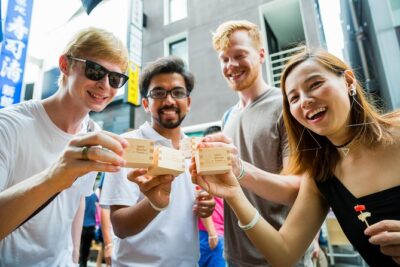
Tokyo Tsukiji Fish Market Food and Culture Walking Tour
Read our review →
Shinsekai Food Tour with 13-15 Dishes at 5 Eateries
Read our review →
Osaka Food Tour: 13 Dishes at 5 Local Eateries
Read our review →
Shinjuku Food Tour (15 Dishes and 4 Eateries)
Read our review →
Best of Shinjuku: Izakaya Food Tour (4 Stops, 14+ Tastings)
Read our review →
Kyoto Night Foodie Tour in Gion (9+ dishes + 6 Sake tastings)
Read our review →
Hungry Osaka Street Food Tour:15 Tastings & 3 Drinks with a Local
Read our review →Browse the lists this tour appears in