
Reviewed · CYCLING TOURS
Early Bird E-biking through East Kyoto
Kyoto rewards two wheels. I like the early start, which helps you reach Fushimi Inari before the day’s heaviest crowds, and I like the small group of no more than eight. You also cover far more ground than you could on foot, moving from southern Kyoto to the eastern temple district, Gion, and central Kyoto in one long day. The main catch is that this is still a serious six-to-seven-hour ride, with busy streets, some hills, uneven surfaces, and plenty of time in the saddle.
I also like that lunch and a cafe stop are built into the day, so you are not constantly checking the clock for food. Guides such as Indra, Jay, Juan, Paul, Sean, Jaime, and Mayco have been praised for their warmth, humor, route knowledge, and ability to adjust the pace. Still, guide quality matters here. One unhappy family found the storytelling too thin and had trouble with bike sizing, so you should confirm that the bikes fit well before setting off.
In This Review
- Key points at a glance
- Why an e-bike works so well in Kyoto
- Starting at 8 a.m. near Kyoto Station
- Fushimi Inari and Tofuku-ji before the crowds
- Cruising beside the Kamo River
- Ginkaku-ji, lunch, and the Philosopher’s Path
- Nanzen-ji and Heian Shrine
- Gion’s backstreets by bicycle
- Higashi Hongan-ji and the final coffee stop
- What $138.74 means in practical value
- Who will enjoy this ride most
- Guide quality can shape the whole day
- Should you book Early Bird E-biking through East Kyoto?
- FAQ
- Where does the e-bike tour start?
- What time does the tour begin?
- Where does the tour end?
- How long does the experience last?
- How many people can join the group?
- Is lunch included?
- Are the bicycle and helmet provided?
- What is the minimum age and height?
- Can dietary requirements be accommodated?
Key points at a glance
- Fushimi Inari before the crowds: Ride beside the river, then explore the famous shrine on foot.
- Nine Kyoto highlights in one day: The route links Fushimi Inari, Tofuku-ji, Ginkaku-ji, Nanzen-ji, Heian Shrine, Gion, Higashi Hongan-ji, the Kamo River, and the Philosopher’s Path.
- A real e-bike advantage: Electric assistance makes a long sightseeing route manageable, but you still need solid bike skills.
- Lunch and coffee included: Food breaks add welcome pauses and can save you the trouble of finding a meal mid-route.
- Small group attention: With a maximum of eight people, the guide can usually keep the group together and respond to individual needs.
- A broad look at Kyoto: You see major religious sites, river corridors, quiet lanes, and an entertainment district rather than only temple entrances.
Why an e-bike works so well in Kyoto
Kyoto’s main sights are spread across the city. Fushimi Inari lies south of the central area, while Ginkaku-ji and Nanzen-ji sit in the east, and Gion and Higashi Hongan-ji pull the route back toward the center.
Walking between these places would take much of your day. Public transport can help, but buses and trains do not always leave you close to every entrance, river path, or backstreet. An e-bike gives you more freedom and lets you reach parts of Kyoto that you might otherwise skip.
The electric motor is helpful on gradual climbs and after several hours of riding. It does not turn the activity into a passive sightseeing bus, though. You still steer, brake, watch traffic, and pedal. The route uses busy areas and some uphill sections, so I would choose this only if you are comfortable riding in an urban setting.
The bikes and helmets are supplied, which removes one of the annoying parts of planning a cycling day. Minimum age is 13, and the minimum height is 145 centimeters. If you are tall or traveling with teenagers, pay close attention to the bike fit. One family reported receiving bikes that were too small at first and had to request replacements.
More Bike Tours in Kyoto
- Hidden Kyoto E-Biking tour
★ 5.0 · 1,843 reviews - Bike Tour Exploring North Kyoto plus Lunch
★ 5.0 · 1,087 reviews - Arashiyama Bamboo Forest & Hidden Gems Bike Tour (Early Bird)
★ 5.0 · 613 reviews
Starting at 8 a.m. near Kyoto Station
The meeting point is Cycle Kyoto at Higashikujō Nishisannōchō in Minami Ward. The tour starts at 8 a.m. and returns to the same location, which makes the day easy to fit into a Kyoto stay.
An early start matters most at Fushimi Inari, one of Japan’s best-known shrines. Later, it helps you reach the eastern temples before the day becomes even busier. The route is ambitious, so punctuality is important. A late arrival could put pressure on every later stop.
The group limit of eight is a strong feature. A cycling group can become awkward when it is large, especially on narrow paths or at intersections. A smaller group is easier to keep together, and it gives you a better chance to ask about a shrine, neighborhood, food, or Japanese customs without holding up a crowd.
The experience is offered with a mobile ticket. Confirmation arrives at booking, and the meeting point is near public transportation. Give yourself extra time to find the shop, since one person found the location a little tricky to locate.
Fushimi Inari and Tofuku-ji before the crowds
The first ride takes about 25 minutes along the river to Fushimi Inari-taisha Shrine. You then leave the bikes and spend about 30 minutes exploring on foot.
Fushimi Inari is famous for its long rows of orange torii gates, but the shrine is more than a quick photo stop. It is dedicated to Inari, a Shinto deity associated with rice, commerce, and prosperity. The lower shrine grounds provide the main experience for this tour, while the full mountain route takes much longer.
Arriving early is a smart choice. The shrine is one of Kyoto’s most popular sights, and quiet moments become harder to find as the morning advances. Thirty minutes is enough for an introduction and some walking, but not enough to hike the entire torii-gate trail. If exploring all the way up the mountain is a priority, you would need a separate visit.
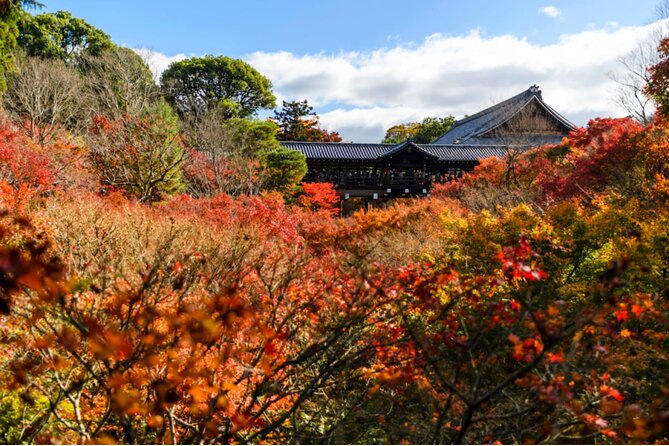
From Fushimi Inari, you ride about 15 minutes to Tofuku-ji Temple. The stop lasts around 30 minutes and includes time on a picturesque bridge.
Tofuku-ji is a Zen temple known for its spacious grounds and seasonal scenery. This visit is brief, so think of it as a carefully chosen glimpse rather than a full temple study. The bridge gives you a pleasing view and a natural pause after the first two rides. If you want detailed time inside every building, the schedule may feel brisk.
Cruising beside the Kamo River
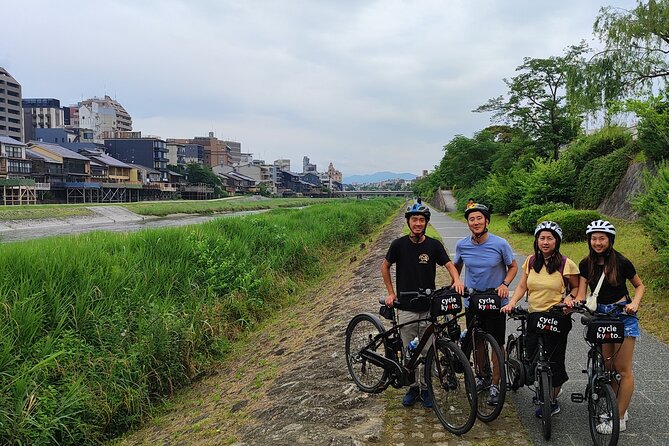
The route then opens up with an extended ride along the Kamo River, lasting about 30 minutes. This is one of the day’s best changes of pace.
Kyoto’s temples can feel formal and enclosed. The river ride gives you room to breathe and lets you see how the city functions beyond its famous gates. You pass through a more everyday side of Kyoto, with water, bridges, paths, and city views replacing temple courtyards.
River riding can also be easier on the mind than negotiating traffic, although you still need to follow the guide and watch the path. The route is not only about checking off landmarks. These connecting rides are part of the experience, and they help you understand the shape of the city.
More E-Bike Tours in Kyoto
- 5 Top Highlights of Kyoto Full Day Bike Tour (E-bike option)
★ 5.0 · 511 reviews - E-Bike Tours of the highlights of Kyoto!!!
★ 5.0 · 291 reviews - Kyoto: City Secrets eBike Tour
★ 4.9 · 196 reviews - Pedal Adventure Kyoto’s iconic landmarks on an e-bike tour
★ 5.0 · 189 reviews
Ginkaku-ji, lunch, and the Philosopher’s Path
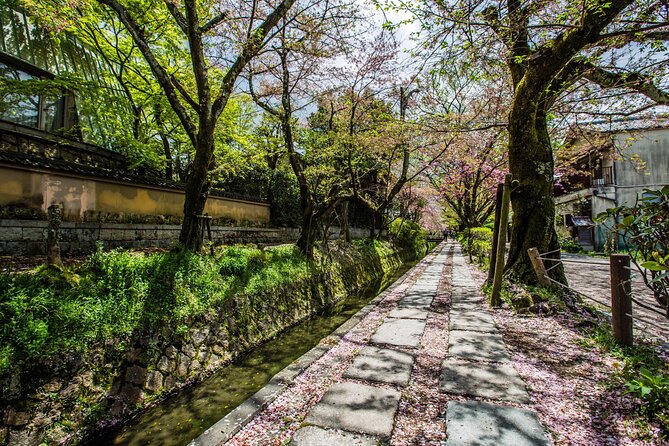
Ginkaku-ji, the Silver Pavilion, is one of Kyoto’s most refined temple visits. The grounds are known for carefully arranged gardens, moss, stones, water, and clipped plantings. The name can mislead you, since the pavilion itself was never covered in silver. The beauty is in the setting and the restraint.
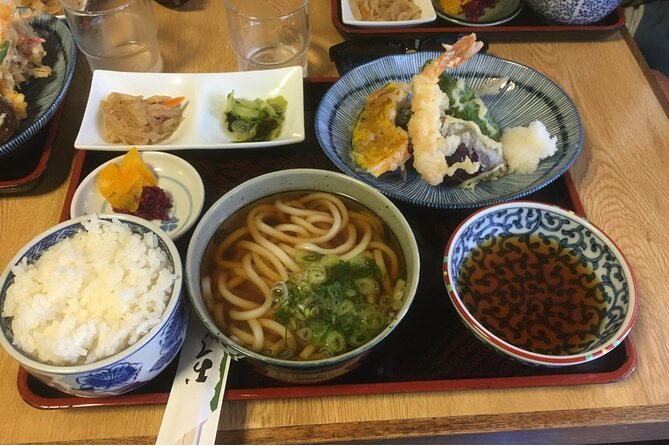
The tour allows about 45 minutes here, including lunch at a nearby restaurant. Admission to the temple grounds is included. Having lunch built into the schedule is useful, since you do not have to leave the group to find food or guess how long a meal will take.
The meal is one area where expectations should stay flexible. Some guides have taken groups to local ramen or udon restaurants, while one disappointed family found the lunch near the Silver Pavilion too ordinary and too close to a busy street. Peak periods, especially cherry blossom season, can limit restaurant choices. Dietary requirements need to be shared ahead of time.
After lunch, you cycle the Philosopher’s Path for about 45 minutes. The path follows a canal and is especially attractive during cherry blossom season. It is a lovely place for a slower ride and photographs, but it can become crowded during peak bloom.
This portion also calls for patience and courtesy. You may need to share the path with people walking, stopping for pictures, or admiring the trees. One group felt the guide moved too quickly during full bloom and had to request extra photo time. If seasonal scenery matters greatly to you, say so early in the day.
Nanzen-ji and Heian Shrine
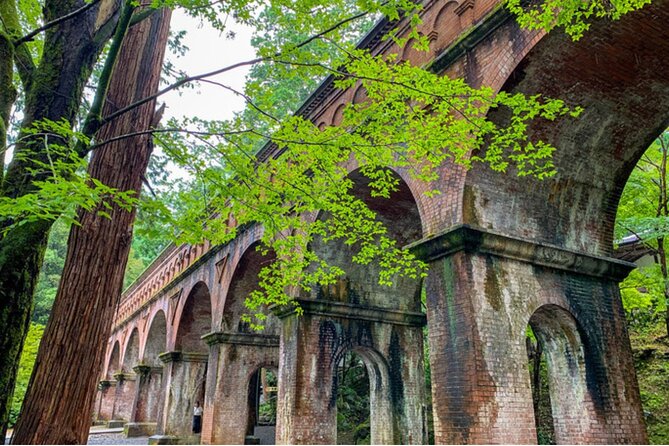
Nanzen-ji follows with about 45 minutes on foot. This is one of Kyoto’s most rewarding temple complexes, with broad grounds, impressive gates, and a famous brick aqueduct nearby.
The stop gives you a chance to get off the bike and look around properly. After several rides, a walking visit feels welcome. The guide can add useful context about Zen practice, temple design, and the role of the complex in Kyoto’s religious life, though the depth of that explanation depends on your individual guide.
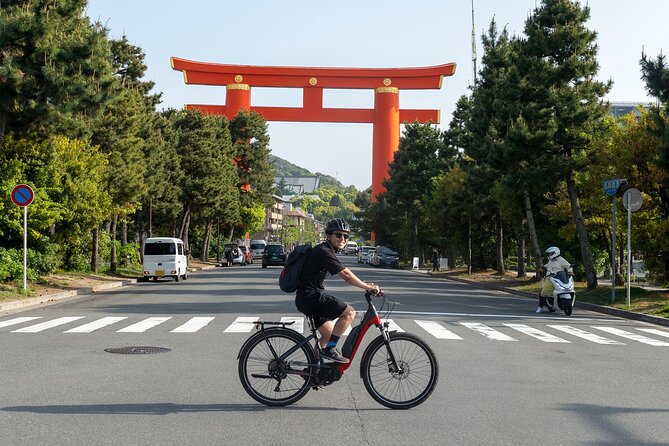
A short ride brings you to Heian Shrine, where you spend about 35 minutes strolling through the courtyard. The shrine is easy to recognize by its large vermilion torii and bold architectural style. Its spacious courtyard feels different from the older, more intimate temple grounds earlier in the day.
Heian Shrine is a good contrast stop. You are not simply seeing the same kind of religious site repeatedly. The route moves between Shinto shrines, Zen temples, gardens, rivers, and city streets.
Gion’s backstreets by bicycle
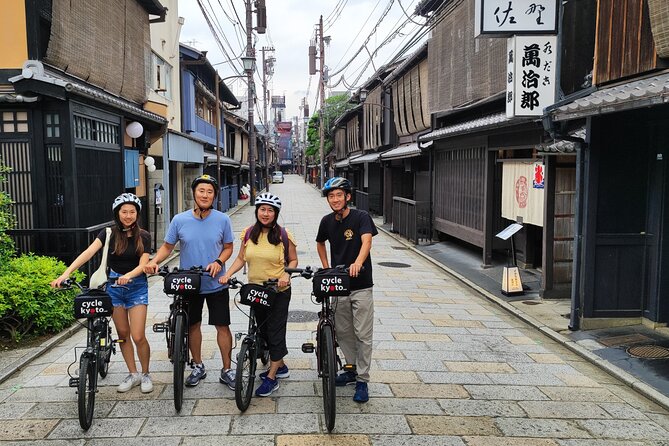
The tour then rides through Gion for about 45 minutes. The focus is on the backstreets of Kyoto’s historic entertainment district, not just the best-known main lanes.
Gion is associated with teahouses, traditional arts, and geiko and maiko culture. You might catch a glimpse of one, but that should not be treated as a promise or a photo opportunity. The respectful approach is to keep moving, avoid blocking lanes, and remember that this is a working neighborhood as well as a sightseeing area.
The bicycle gives you access to streets that are easy to miss from a bus. It also means you need to pay attention. Gion can be busy, and cycling through narrow areas requires awareness of pedestrians, cars, and fellow riders. The guide’s role is especially valuable here, since a local route can help you see more without wandering into areas where cycling is awkward.
Several guides have been praised for mixing cultural background with humor. Juan, in particular, has been described as an especially personable guide who tailored the day to a smaller group and shared favorite food and coffee stops. That personal touch can turn Gion from a quick pass-through into a more meaningful part of the day.
Higashi Hongan-ji and the final coffee stop
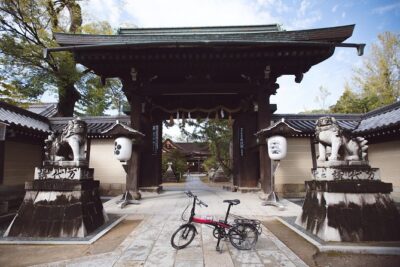
The last listed stop is Higashi Hongan-ji Temple, with about 15 minutes to walk through its large wooden prayer halls. The temple is near central Kyoto and is an impressive final look at Buddhist architecture.
Fifteen minutes is short, but it gives you a useful introduction without stretching the day even further. The wooden halls are vast and atmospheric, and they provide a strong contrast to the open river routes and colorful shrine courtyards.
The listed time also includes a stop at a favorite Kyoto cafe. This small detail has received plenty of praise because it adds a personal note to a long sightseeing day. Coffee gives you one final chance to rest, ask questions, and compare the different parts of Kyoto you have seen.
The tour then returns to the original Cycle Kyoto meeting point. At six to seven hours, it is a full day rather than a quick morning outing. You should plan a quiet evening afterward.
What $138.74 means in practical value
At $138.74 per person, this is not a budget way to rent a bicycle. You are paying for the bike, helmet, guide, route planning, temple access at Ginkaku-ji, lunch, a cafe stop, and the ability to link nine major areas without arranging the transport yourself.
The value is strongest if you want orientation early in your Kyoto stay. A single day introduces you to the city’s southern and eastern sights, gives you a sense of distances, and shows you which neighborhoods deserve a slower return visit.
It is also good value for visitors who would otherwise pay for several separate taxi rides or spend hours changing buses. The small group and guide-led route add value that a basic bike rental cannot provide.
The calculation is less favorable if you already know Kyoto well, prefer lingering at each temple, or want a slow food-focused day. The schedule keeps moving, and some stops are short. One family felt they could have followed the route alone for less money because the guide provided too little explanation. That is a fair warning: book this for the structure, navigation, local context, and convenience, not simply for access to a bicycle.
Who will enjoy this ride most
This tour suits you if you:
- Are comfortable riding for much of a day
- Want to see several major sights in one outing
- Prefer a small group over a large bus tour
- Like a guide who adds history, food tips, and local observations
- Are visiting Kyoto for the first time
- Want to combine famous sites with river routes and backstreets
- Can manage busy streets, gradual hills, and uneven sections
It is less suitable if you have limited cycling experience, dislike urban traffic, need long periods at each temple, or want complete control over meal and photo timing.
The e-bike helps, but it does not remove the physical demands. You need a moderate fitness level, and you should be honest about your comfort on a bicycle before booking. Ask for the correct bike size at the start, especially for shorter riders or teenagers.
Guide quality can shape the whole day
The strongest guide feedback centers on clear English, good pacing, safety, humor, and personal recommendations. Indra, Paul, Jay, Juan, Sean, Jaime, and Mayco have each been praised for different combinations of those qualities.
Jay has been described as friendly, funny, flexible, and especially good at showing quieter spots alongside the major temples. Juan has been praised for historical and food knowledge, as well as a warm, personal style. Paul received credit for smooth communication and a well-planned route, while Sean was praised for enthusiasm and care.
There is also an important counterpoint. One guide was described as kind but unable to provide enough explanation about the monuments, sometimes checking information on a phone. That means the experience is not only about the route. If you want serious background on religion, architecture, and Kyoto’s past, tell your guide that at the beginning.
The overall rating is 5 out of 5 from 114 ratings, with 99 percent recommending it. That is a strong record, but the one low rating highlights real issues: bike fit, limited storytelling, little flexibility during cherry blossom viewing, and a lunch that did not feel special. Those are not reasons to dismiss the tour, but they are reasons to set clear expectations.
Should you book Early Bird E-biking through East Kyoto?
I would book this if I had a first visit to Kyoto and wanted a lively orientation day with plenty of sightseeing. The combination of Fushimi Inari, Tofuku-ji, the Kamo River, Ginkaku-ji, the Philosopher’s Path, Nanzen-ji, Heian Shrine, Gion, and Higashi Hongan-ji covers an impressive slice of the city.
I would not book it simply because you want a relaxed temple day. The route is long, the schedule can feel tight, and busy paths require focus. The best approach is to treat the bike rides as part of the sightseeing, not as empty time between attractions.
Book at least 24 hours ahead if your plans may change, since cancellations made within 24 hours are not refunded. The tour can also be moved or refunded if poor weather or insufficient numbers force cancellation. With the right bike fit, a moderate fitness level, and a guide who enjoys explaining Kyoto, this can be one of the most efficient and enjoyable ways to get your bearings in the city.
FAQ
Where does the e-bike tour start?
It starts at Cycle Kyoto, Higashikujō Nishisannōchō, Minami Ward, Kyoto, 601-8003, Japan.
What time does the tour begin?
The tour starts at 8 a.m.
Where does the tour end?
The activity ends back at the Cycle Kyoto meeting point.
How long does the experience last?
The tour lasts approximately six to seven hours.
How many people can join the group?
The maximum group size is eight people.
Is lunch included?
Yes. Lunch at a nearby restaurant is included in the time scheduled for the Ginkaku-ji visit.
Are the bicycle and helmet provided?
Yes. An e-bike and helmet are provided.
What is the minimum age and height?
The minimum age is 13 years old, and the minimum height is 145 centimeters.
Can dietary requirements be accommodated?
Dietary requirements must be provided ahead of time. You should notify the operator before the tour.
Just added around Kyoto
- Kyoto: Gion Night Walking Tour with Geisha Insight★ 5.0 · 39 reviews
- Kyoto: Private Customizable Day Trip by Car★ 5.0 · 38 reviews
- Kyoto: Full Day Bike Tour★ 4.9 · 39 reviews
- Private Japanese Calligraphy in Kyoto – Learn Shodō with a Master★ 5.0 · 39 reviews
- Kyoto: Gion Evening Walk with Hidden Gems, Geisha & Sake★ 5.0 · 41 reviews
- Experience a tea ceremony in an authentic tearoom, in Kyoto!★ 4.5 · 41 reviews
- Kyoto Private Photo Shoot & Tour by SnapKyoto★ 5.0 · 41 reviews
- The Way of Tea: Kyoto Crafts, Hidden Temples & Wabi-Sabi Walk★ 5.0 · 41 reviews
Cycling Tours, compared.
3h Tokyo E-Bike Tour: Hidden Gems, and Local Life with guide
Read our review →
Arashiyama Bamboo Forest & Hidden Gems Bike Tour (Early Bird)
Read our review →
Hiroshima in a Nutshell: Morning Bike Adventure
Read our review →Browse the lists this tour appears in