
Reviewed · FOOD & DRINK
Flavours of Tokyo: A Journey Through Time – Small Group Food Tour
Tokyo tells its story through snacks. This five-and-a-half-hour food tour links Nihonbashi, Ginza, Tokyo Station, and Akihabara, using dishes to explain how Japan moved from Edo-era traditions to modern food culture. I like the thoughtful past, present, and future theme, and I like the small maximum of nine people, which gives guides such as Yasu, Keiko, and Miko room to talk with everyone. The main consideration is time: you walk about 6.5 kilometers, use two subway rides, and spend much of the day learning as well as eating.
The food is varied, from dashi and katsuobushi to yakitori, tempura soba, tamagoyaki, fruit sandwiches, and Pokemon taiyaki. I also appreciate that the route takes you to ordinary city places, including railway-side eateries and department-store food counters, rather than keeping you in one tourist district. Still, some portions are tastings or shared items, so anyone expecting a large restaurant lunch may want to adjust expectations.
In This Review
- Six things to know before booking
- Nihonbashi begins with the building blocks of Japanese food
- Fukutoku Shrine adds a short cultural pause
- Ginza and Yurakucho explain the food of working Tokyo
- The walk to Tokyo Station brings in postwar convenience
- Akihabara looks toward the future of Japanese food
- What you actually eat during the five and a half hours
- The guides are a major part of the value
- Is $176 a fair price?
- Walking, trains, and timing need honest attention
- Who will enjoy this Tokyo food tour?
- Should you book it?
- FAQ
- How long does the Tokyo food tour last?
- What time does the tour start?
- Where does the tour begin?
- Where does the tour finish?
- How many people can join the tour?
- Are subway fares included?
- How much walking is involved?
- What happens if the tour is canceled because of weather?
Six things to know before booking
- Four Tokyo districts in one route: The tour begins in Nihonbashi, passes through Ginza and Yurakucho, visits Tokyo Station, and finishes in Akihabara.
- The past, present, and future shape the day: Edo-period ingredients, postwar salaryman culture, and modern Japanese food trends all have a place.
- Fourteen foods and drinks are included: The selection covers snacks, lunch dishes, sweets, green tea, and a lemon sour.
- The group is capped at nine: Guides can answer questions and help with subway navigation, food choices, and small mishaps.
- Two short subway rides cost extra: Bring a usable transit card or budget separately for the fares.
- The route is not a light stroll: Expect about four miles of walking plus many subway-station stairs.
Nihonbashi begins with the building blocks of Japanese food
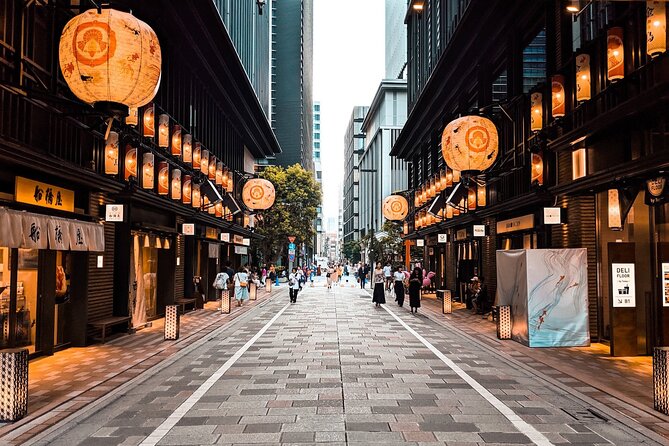
The tour starts at the Nihonbashi 1-chome Mitsui Building at 11:30 a.m. Finding the exact meeting point may take a little care. The address is clear, but one person found the subway information more useful than the street address, so checking the Nihonbashi Station exit, commonly identified as B12 for this meeting area, is a wise move before you set out.
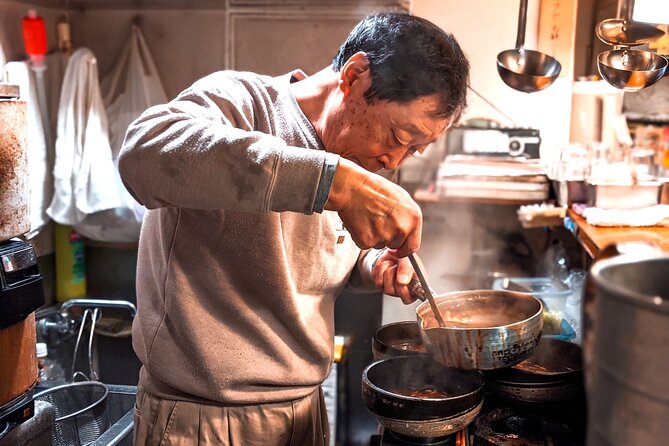
Nihonbashi is a fitting first chapter. This old commercial area lets the guide explain the ingredients that support much of Japanese cooking. The key lesson is dashi, the savory stock used in many soups, sauces, and simmered dishes.
You sample katsuobushi, dried bonito flakes, and kombu, or kelp, while learning how these ingredients create flavor without relying on heavy seasoning. That small tasting has real value. Instead of simply being told that Japanese food is subtle, you get to notice the ingredients that create that subtlety.
The first section lasts about 90 minutes and includes several traditional foods. Satsuma-age, a fried fish cake, amazake, a sweet fermented rice drink, imo kenpi, candied sweet potato, and daifuku or dorayaki help show the range of Japanese snack culture.
This is also where the tour feels most like a lesson in old Tokyo. You are not just stopping for random bites. The food is tied to customs, ingredients, and earlier periods of Japanese life. Guides Yasu and Keiko have been praised for making these explanations friendly and easy to follow, while Miko has used a presentation booklet with ingredient notes and historical photographs.
More Food Tours in Tokyo
- Tokyo: Shinjuku Food Tour (13 Dishes at 4 Local Eateries)
★ 5.0 · 6,603 reviews - Tokyo Tsukiji Fish Market Food and Culture Walking Tour
★ 5.0 · 3,184 reviews - Tokyo: Shinjuku Food Tour (15 Dishes and 4 Eateries)
★ 4.9 · 2,033 reviews
Fukutoku Shrine adds a short cultural pause
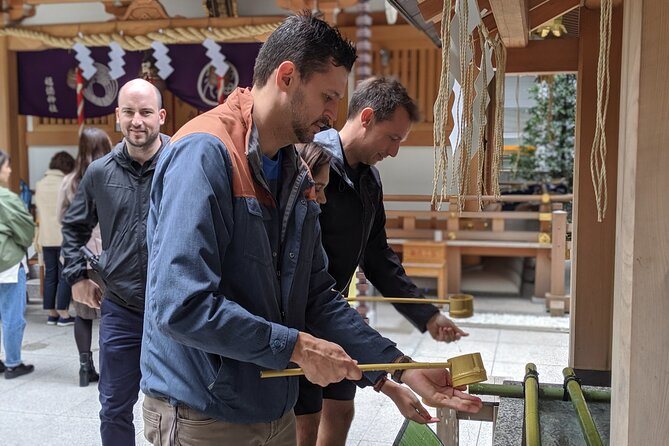
Fukutoku Shrine is a brief ten-minute stop, but it breaks up the food tasting in a useful way. Your guide explains the difference between Shinto shrines and Buddhist temples, then shows you how to cleanse yourself and pray at a shrine.
Do not expect a long sightseeing visit here. The value is practical: you learn the basic behavior needed at one of Japan’s many shrines, and the stop gives the day some cultural balance. It also reinforces the idea that food in Japan does not exist apart from ritual, place, and daily life.
The tour is not designed as a major religious-sites tour, so this stop will suit you best if you enjoy short introductions rather than extended visits. If you want to spend hours examining architecture or devotional art, the schedule will not provide that.
Ginza and Yurakucho explain the food of working Tokyo
From Nihonbashi, the route heads toward Ginza and Yurakucho. Here the subject changes from older ingredients to Japan’s postwar industrial growth.
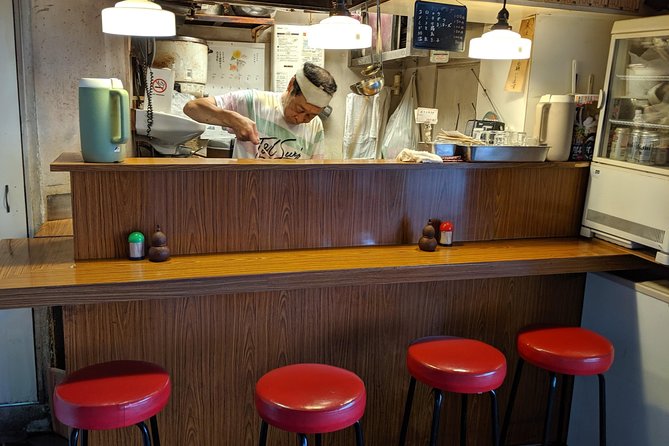
Your guide explains the rise of the salaryman and the small restaurants and bars built beneath the railway tracks, often called gado shita. These narrow, informal places developed around the routines of office workers who wanted a drink or a quick meal after work.
This is one of the route’s best ideas. You see how transport, work, and eating habits shaped a neighborhood. The railway is not just something you pass on the way to dinner. It becomes part of the story of modern Tokyo.
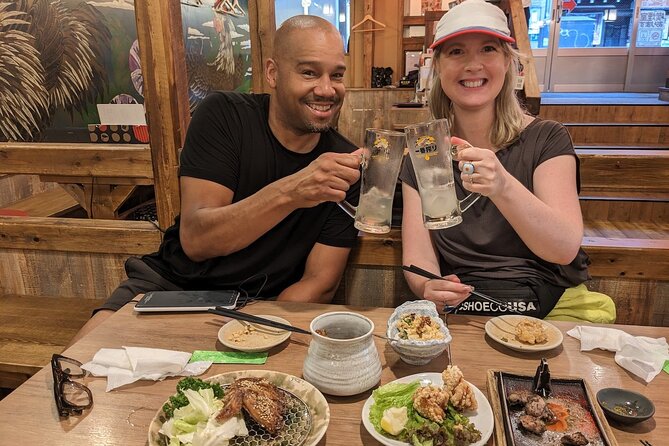
The Ginza and Yurakucho segment lasts about 70 minutes. Food here includes yakitori, the familiar grilled chicken skewers, and a lemon sour, a Japanese alcoholic drink. The atmosphere is more local and workaday than the polished image of Ginza might suggest.
The lemon sour is worth noting for practical reasons. The operator changed the format after feedback, moving from a shared serving to a full bottle for each person. If you do not drink alcohol, check with the guide about your options at the stop, since the supplied details identify the lemon sour as part of the included drinks but do not specify a nonalcoholic replacement.
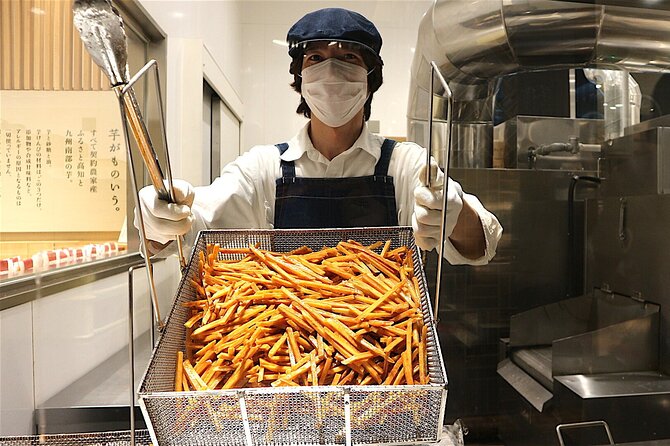
Some shared food is normal in Japanese dining, but it may surprise you if you expect every item to arrive as a personal serving. Most foods are individual portions, while certain items, such as a pot of pickles or a bag of candied potato, are shared because eating a whole portion alone would be excessive.
The walk to Tokyo Station brings in postwar convenience
The route leaves the railway tracks and passes the Tokyo International Forum, an impressive modern building that receives about 15 minutes of attention. You then continue toward the Kitte Marunouchi building, with another short ten-minute stop.
These pauses are not major meal stops, but they prevent the tour from becoming a series of restaurant entrances. You get a sense of how Tokyo combines older commercial quarters, railway infrastructure, large office buildings, and polished public spaces within a short distance.
At Tokyo Station, the food theme turns to what people might eat on the way home. At the station area and Daimaru Tokyo, you try tamagoyaki, a Japanese omelette, and a fruit sando, made with soft Japanese milk bread, fresh fruit, and whipped cream.
The contrast is fun. Tamagoyaki represents a familiar savory staple, while the fruit sandwich is sweet, soft, and distinctly modern in presentation. Both are easy to miss if you only eat at famous sit-down restaurants.
The Tokyo Station food section takes about 20 minutes at each listed stop. It is not a formal restaurant lunch. You should think of it as a guided look at department-store and commuter food culture, with small portions selected for tasting.
A completely different kind of day out in Tokyo:
- Mt Fuji and Hakone 1-Day Bus Tour Return by Bullet Train
★ 5.0 · 26,383 reviews - 1-Day Tokyo Bus Tour
★ 5.0 · 14,250 reviews - Tokyo: TOKYO SKYTREE® Admission ticket
★ 4.5 · 11,192 reviews - Tokyo: teamLab Planets TOKYO Digital Art Museum Entry Ticket
★ 4.6 · 9,779 reviews
Akihabara looks toward the future of Japanese food
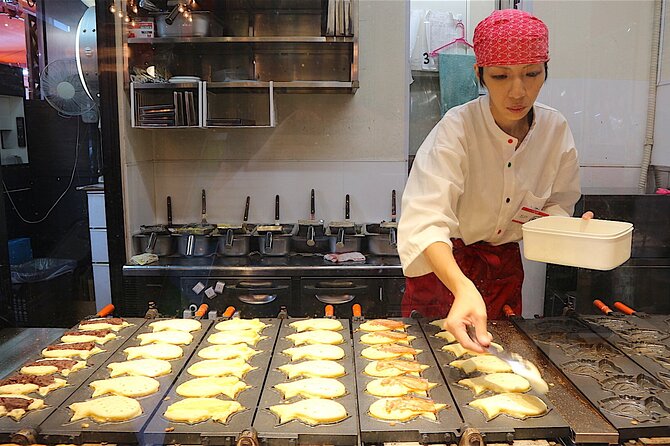
The final district is Akihabara, known for electronics shops, anime culture, and maid cafes. Here the guide asks what Japanese food might look like as old tastes meet new formats.
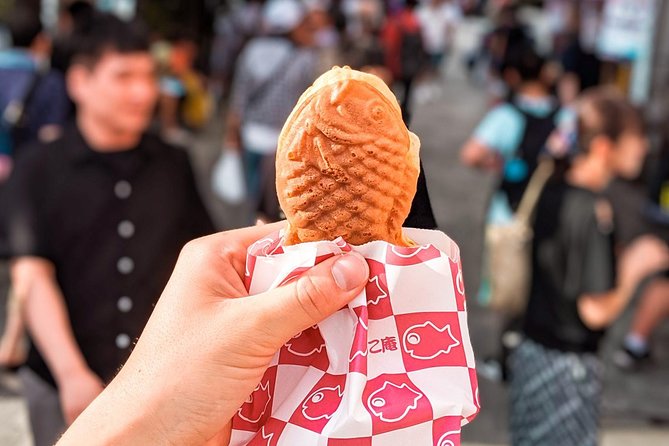
The dessert selection includes Pokemon taiyaki, a fish-shaped cake linked to contemporary pop culture, along with daifuku or dorayaki, matcha bubble tea or matcha ice cream, and other sweets that combine traditional flavors with newer presentation.
This last section lasts about 45 minutes. It is a cheerful finish, but it also completes the tour’s main idea. You have moved from kombu and dried bonito to railway-side food, station snacks, and pop-culture desserts.
If you are interested only in classic sushi, ramen, or high-end dining, this section may feel less important. If you want to understand why Japanese food keeps changing while holding onto familiar ingredients, Akihabara makes a sensible ending.
What you actually eat during the five and a half hours
The included food is generous in variety. The listed selection includes:
- Dashi, katsuobushi, and kombu
- Satsuma-age
- Amazake
- Imo kenpi
- Daifuku or dorayaki
- Yakitori
- Tempura soba
- Tamagoyaki
- Fruit sando
- Lemon sour
- Pokemon taiyaki
- Matcha bubble tea or matcha ice cream
The experience is described as 14 dishes and drinks, though the exact combination can vary because some choices are presented as alternatives, such as daifuku or dorayaki and matcha bubble tea or ice cream.
You should also note the difference between many tastes and a large meal. One person felt the tour left them hungry because several items were meant to be tried or shared. The operator’s response indicates that most groups found the amount of food filling, and some could not finish the final stop. The safest advice is simple: arrive ready to eat, but do not assume you will receive a full individual plate at every venue.
The food is strongest when you enjoy context. A candied sweet potato is not just a sweet bite. A fruit sandwich is not just a novelty. Each item helps explain what Japanese people buy, share, carry home, or eat between work and the train.
The guides are a major part of the value
The food matters, but the guide can make or break a long walking tour. Yasu receives especially warm praise for his historical explanations, good pacing, and calm handling of small problems, including a forgotten Suica card and trouble exiting a station.
Keiko is described as warm, friendly, and especially good at explaining culture. Miko has prepared printed material about ingredients and dishes, introduced the group to the owner of a Japanese sweets shop, taken group photographs, and followed up with a list of the foods sampled. Paiva, also spelled Pavia in one account, has been praised for showing interesting places and explaining local culture, while Sidney is noted for patience and practical help.
Guide quality can vary by date, but the repeated pattern is clear: the experience depends on a person who can connect food with Japanese life, not just point out what is on the plate. The maximum of nine people helps. A group of six, for example, leaves room for conversation without losing the guide in a crowd.
Is $176 a fair price?
At $176 per person, this is not a cheap way to grab lunch. You are paying for food, guiding, neighborhood interpretation, cultural stops, and the work involved in moving a small group across central Tokyo.
The value is strongest if you would otherwise book a separate food tour, neighborhood walk, and basic introduction to shrine etiquette. You cover several districts and sample foods that are not limited to one famous specialty. You also finish in Akihabara, which makes it easy to continue exploring that district afterward.
The value is weaker if your only goal is to eat as much as possible. Some foods are small tastes, and two subway fares are extra. A shorter tour focused entirely on restaurant portions may suit a person with limited time or a large appetite better.
The small-group format matters here. With a cap of nine, the price buys a more personal day than a large coach-style food outing. It also gives the guide a chance to help with ordering, explain unfamiliar ingredients, and keep the group together through busy stations.
Walking, trains, and timing need honest attention
The tour begins at 11:30 a.m. and lasts about 5.5 hours, ending at Akihabara Station. You should expect to walk roughly 6.5 kilometers, or four miles, at a reasonable group pace.
The distance is manageable for someone with moderate fitness, but the stairs may be more tiring than the mileage. The route includes a large number of subway-station stairs, and two short subway rides are not included in the price. Bring a transit card with enough balance, or be prepared to pay the fares yourself.
Wear comfortable shoes and avoid arriving late. There are no refunds for missing the tour or joining after it has started, and the group cannot easily wait while someone searches for the meeting building.
The tour’s pace is intentionally unhurried enough for stories, food stops, and neighborhood observation. One person wanted it to move much faster, while the operator said the original five-hour version felt rushed and was extended to 5.5 hours. That tells you exactly what kind of experience this is: a full half-day, not a quick tasting circuit.
Who will enjoy this Tokyo food tour?
I would recommend it most strongly to you if this is your first visit to Tokyo and you want food to explain the city. It is also a good match if you like trying unfamiliar snacks, asking questions, and learning why ordinary foods matter.
The tour should suit couples, solo visitors, and small groups who enjoy meeting other people. The intimate size encourages conversation, and several guides have helped create a friendly group mood.
You may want another option if you have mobility limits, dislike stairs, need a fast schedule, or want a single substantial lunch. It is also less suited to strict dietary needs unless you confirm arrangements before booking, since the supplied information does not list vegetarian, vegan, allergy, or religious-diet substitutions.
Cancellation terms deserve one careful check. The supplied booking details describe a full refund, minus booking and administration charges, for cancellations more than one week ahead and a 50 percent refund for cancellations between seven and two days ahead. Another notice says the experience is non-refundable, so confirm the exact policy shown at payment. Poor weather or failure to meet the minimum group size can lead to a new date, another experience, or a full refund.
Should you book it?
Book this tour if you want a thoughtful introduction to Tokyo through food, neighborhoods, and social change. The best parts are the dashi lesson in Nihonbashi, the railway-side story in Yurakucho, the commuter snacks at Tokyo Station, and the traditional-meets-pop-culture finish in Akihabara.
Skip it if you need a fast, food-heavy outing or have only a few hours before another fixed appointment. For the right person, $176 buys far more than 14 bites. It buys a guided way to understand why Tokyo eats the way it does.
FAQ
How long does the Tokyo food tour last?
The tour lasts approximately 5 hours and 30 minutes.
What time does the tour start?
It starts at 11:30 a.m.
Where does the tour begin?
The meeting point is the Nihonbashi 1-chome Mitsui Building at 1-chome-4-1 Nihonbashi, Chuo City, Tokyo 103-0027.
Where does the tour finish?
The tour ends at Akihabara Station, at 1 Chome Sotokanda, Chiyoda City, Tokyo 101-0028.
How many people can join the tour?
The maximum group size is nine people.
Are subway fares included?
No. You take two short subway rides, and you pay those transport costs yourself.
How much walking is involved?
You should expect to walk about 6.5 kilometers, or four miles, and use many stairs at subway stations.
What happens if the tour is canceled because of weather?
You will be offered a different date or a full refund if poor weather causes the cancellation.
Just added around Tokyo
- Tokyo 6hr Instagram Highlights Private Tour with Licensed Guide★ 5.0 · 38 reviews
- Tokyo Small Group Tour with Guide★ 4.5 · 38 reviews
- Tokyo Sumo Experience with Live Show & Audience Challenge★ 5.0 · 38 reviews
- Japanese Food Cooking Class in Asakusa, Tokyo★ 5.0 · 39 reviews
- Very popular in Harajuku♡Animal petting zoo★ 4.6 · 39 reviews
- Ramen Making from Scratch with Tokyo Mom(Vegan Option Available)★ 5.0 · 39 reviews
- Tokyo JDM Night: 600hp C63s AMG Edition 1 (Private)★ 4.9 · 39 reviews
- Tokyo: Kimono Rental inside Shinjuku Gyoen National Garden★ 4.9 · 39 reviews
Food & Drink, compared.
Shinjuku Food Tour (13 Dishes at 4 Local Eateries)
Read our review →
Tokyo Tsukiji Fish Market Food and Culture Walking Tour
Read our review →
Shinsekai Food Tour with 13-15 Dishes at 5 Eateries
Read our review →
Osaka Food Tour: 13 Dishes at 5 Local Eateries
Read our review →
Shinjuku Food Tour (15 Dishes and 4 Eateries)
Read our review →
Best of Shinjuku: Izakaya Food Tour (4 Stops, 14+ Tastings)
Read our review →
Kyoto Night Foodie Tour in Gion (9+ dishes + 6 Sake tastings)
Read our review →
Hungry Osaka Street Food Tour:15 Tastings & 3 Drinks with a Local
Read our review →Browse the lists this tour appears in