
Reviewed · TEMPLE & SHRINE TOURS
From Tokyo: Nikko Toshogu Shrine and Kegon Waterfall Tour
Nikko makes Tokyo feel far away. This 11-hour day trip links the ornate Toshogu Shrine, mountain roads, Lake Chuzenji, and Kegon Falls without making you work out several trains and buses. I like the way it combines culture and scenery, and I like that the Toshogu entrance fee, air-conditioned transport, Wi-Fi, and a small Nikko souvenir are included.
The main catch is time. You cover a lot of ground in one day, but Toshogu Shrine can feel rushed, especially if you want to reach the mausoleum and study its many carvings. Mountain traffic and a large group can also affect the schedule, so this suits you best if you prefer broad coverage over a slow, private visit.
Guides such as Sheila, Zoe, Tina, Vicky, Jeff, Annie Wei, and Jackson have been praised for clear explanations, patience, humor, and practical help. Still, the quality of the day depends heavily on the guide, the traffic, and your ability to follow meeting instructions closely.
In This Review
- Key points to know before booking
- Why Nikko makes a strong day trip from Tokyo
- Starting the day in Tokyo
- Toshogu Shrine: allow every minute of the 90-minute visit
- Iroha-zaka: a scenic climb into Oku-Nikko
- Lake Chuzenji: mountain air and a short lakeside pause
- Kegon Falls: the day’s biggest natural spectacle
- Shinkyō Bridge: a quick final look
- What the guides and coach add
- The practical drawbacks you should weigh
- Who should book this Nikko day trip?
- Final verdict: good value, with a strict clock
- FAQ
- How long does the Nikko tour last?
- What places are included?
- Is admission to Toshogu Shrine included?
- Is the Shinkyō Bridge entrance fee included?
- Is lunch included?
- Is Wi-Fi available on the vehicle?
- How many people can join the tour?
- How physically demanding is the tour?
- Can I cancel for a full refund?
- What happens if bad weather cancels the tour?
Key points to know before booking
- See Nikko’s famous Three Wise Monkeys and Sleeping Cat: Toshogu Shrine is the cultural heart of the day, with intricate wood carvings and the tomb of Tokugawa Ieyasu.
- Ride the winding Iroha-zaka roads: The coach handles the steep climb from Nikko town toward Oku-Nikko, where driving yourself can be tiring.
- Reach Kegon Falls without arranging local buses: The nearly 100-meter waterfall is one of Japan’s most impressive natural sights.
- Spend time beside Lake Chuzenji: You get a short break for photos, a lakeside walk, or a cafe stop.
- Expect a full day and a firm schedule: The plan includes several stops, but shrine time is limited for anyone who likes to explore slowly.
- Bring cash and arrive early: Some shops and food outlets may not accept cards, and the pickup point can be confusing.
Why Nikko makes a strong day trip from Tokyo
Nikko is a useful change of pace from Tokyo. The city is tied to Japan’s shogun era, while the surrounding mountains offer cool air, steep roads, a volcanic lake, and a dramatic waterfall. You get both sides in one outing: carefully decorated religious buildings and open mountain scenery.
Doing this by public transport is possible, but it takes more planning. Toshogu Shrine is in the historic part of Nikko, while Lake Chuzenji and Kegon Falls sit higher in the mountains. The tour vehicle links these places for you, which is the main reason to consider paying for an organized trip.
At $77.75 per person, the price is reasonable if you value convenience. The package includes the Toshogu admission fee, transport, Wi-Fi, GST, and a souvenir. You still pay for lunch and the optional entrance to Shinkyo Bridge, but the costly and awkward part of the day, reaching the mountain sights, is handled for you.
The tradeoff is control. You cannot decide to spend three hours at the shrine and skip the lake. The group follows a set route, and the day can stretch to about 11 hours once traffic is included.
More Temple & Shrine Tours in Tokyo
- Tokyo: Meiji Shrine, Asakusa, Skytree Bus Tour and Cruise
★ 4.7 · 1,986 reviews - Tokyo: Asakusa Walking Tour with Sensoji Temple Visit
★ 4.8 · 1,583 reviews - Nikko: Kegon Falls, Lake Chuzenji & Toshogu Temple
★ 4.6 · 1,577 reviews
Starting the day in Tokyo
The pickup is near public transportation, but you should not treat that as permission to arrive at the last second. One pickup complaint centered on confusion at the meeting point, while another account described the location as near the bank by Starbucks. The exact instructions supplied after booking matter, so read them carefully and arrive at least 15 minutes early, preferably with extra time.
A final group check may happen before departure. If you are not visible when the coach leaves, catching up can be expensive and stressful. One person had to take a taxi between stops after missing the bus, so keep the guide’s phone number handy and confirm exactly where the coach will wait.
The vehicle is air-conditioned, and some departures use a newer, comfortable coach with USB charging. Wi-Fi is listed as included, though the connection can become unstable on the mountain roads. It is useful for checking messages and passing time, but I would not rely on it for important work.
The group can reach up to 30 people. That is not enormous, but it is large enough for meeting points and return times to matter. The best guides, including Sheila, Zoe, Tina, and Vicky, have been praised for clear instructions and good English. Your day will be easier if you listen closely before leaving each stop.
Toshogu Shrine: allow every minute of the 90-minute visit
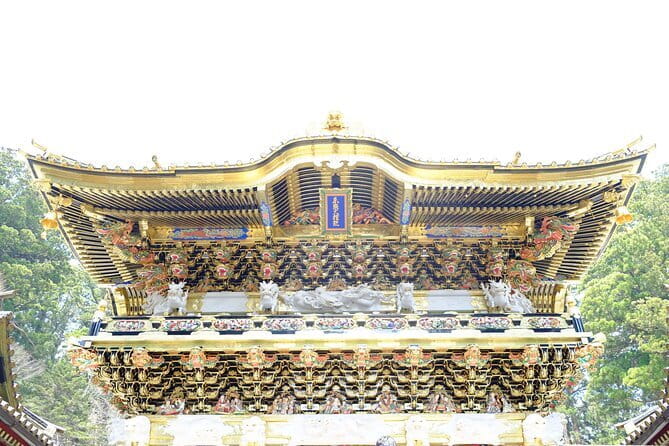
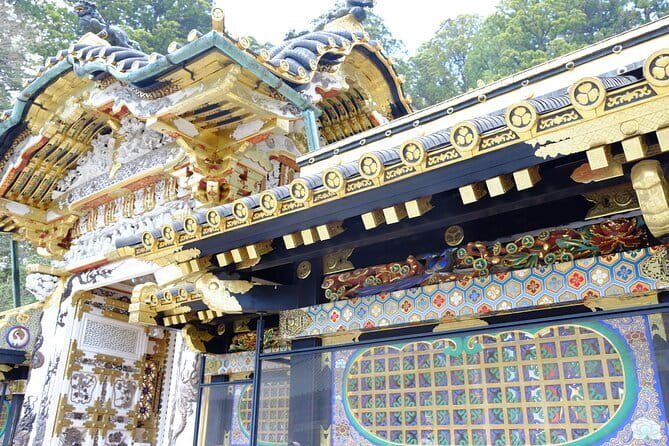
Toshogu Shrine is the reason many people choose Nikko. It is dedicated to Tokugawa Ieyasu, the founder of the shogunate that shaped Japan for centuries. The shrine complex is known for its dense decoration, vivid details, and forest setting.
You will have about 1 hour and 30 minutes, with admission included. That sounds generous until you enter. There are gates, halls, carvings, steps, religious details, and several areas that compete for your attention.
Look for the Three Wise Monkeys, whose carvings show the familiar principle of seeing, hearing, and speaking no evil. The Sleeping Cat is another famous detail. You will also find the Imagined Elephants, carved by an artist who had never seen a real elephant. These small pieces are easy to miss if you simply follow the crowd, so listen when your guide points them out.
The shrine’s visual effect comes from abundance. This is not a quiet, bare temple where one garden carries the whole visit. It is a place of layered carvings and symbols, with something to inspect on nearly every gate and building.
I recommend deciding in advance what matters most. If you want the main gates and famous carvings, stay near the central route. If you want to reach the mausoleum, move efficiently and do not linger at every structure. Some people felt the allotted time was too short, particularly because reaching the tomb takes a fair walk and includes steps.
That limitation is worth taking seriously. Toshogu is the stop most likely to leave you wishing for more time. The guide’s explanation adds value, but you will still spend much of the visit exploring independently, so keep an eye on the clock.
Iroha-zaka: a scenic climb into Oku-Nikko
After the shrine, the coach takes the Iroha-zaka roads toward the higher mountain area. These roads cross a 440-meter difference in elevation and are split into two one-way routes, one for ascent and one for descent.
The road itself is part of the Nikko experience. You move from the historic town into mountain country, with curves and changing views along the way. Having a professional driver handle this section is a real benefit, especially if you would rather look outside than concentrate on navigation.
The curves may not suit everyone. If you are prone to motion sickness, sit where you can see ahead, keep water nearby, and avoid reading during the climb. One particularly positive account praised the driver for handling the mountain roads carefully, but no coach ride on a winding route is guaranteed to feel easy for every passenger.
Traffic can also reshape the timetable. Toilet stops, congestion, and slow movement on the mountain road may reduce time at the main sights. This is one reason the tour feels efficient on a good day but hurried on a busy one.
A completely different kind of day out in Tokyo:
- Mt Fuji and Hakone 1-Day Bus Tour Return by Bullet Train
★ 5.0 · 26,383 reviews - 1-Day Tokyo Bus Tour
★ 5.0 · 14,250 reviews - Tokyo: TOKYO SKYTREE® Admission ticket
★ 4.5 · 11,192 reviews - Tokyo: teamLab Planets TOKYO Digital Art Museum Entry Ticket
★ 4.6 · 9,779 reviews
Lake Chuzenji: mountain air and a short lakeside pause
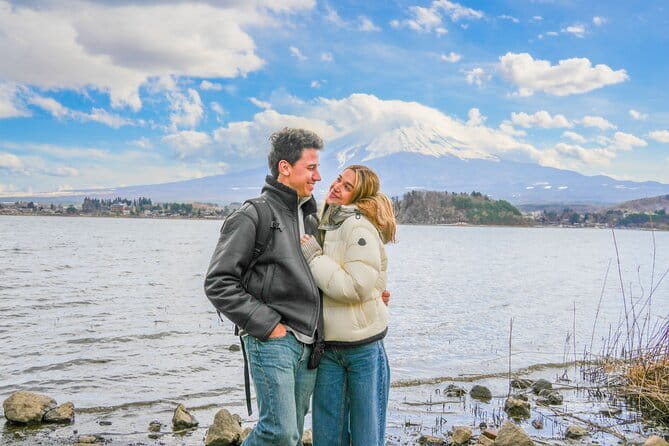
Lake Chuzenji sits at the foot of Mount Nantai, a sacred volcano whose eruption blocked the valley and formed the lake. At roughly 50 minutes, this is a brief stop, but it gives the day a different mood after the crowded shrine and winding road.
You can use the time for photographs, a short walk, or a cafe visit. One useful suggestion is to look for a local cafe with a view of the water if you decide not to join an optional hot spring activity. The lake is especially good for simply slowing down for a few minutes.
The weakness is that 50 minutes does not allow much wandering. If you want a long lakeside walk, a meal, and a proper look around, you may find the stop too short. Some people would gladly trade part of the waterfall or lake time for another half hour at Toshogu.
Lunch is not included. That gives you freedom, but it also means you need a plan. Cash is a sensible precaution because some food outlets and souvenir shops may not take credit cards. Vegetarian options are available in the area, but the tour does not promise a specific restaurant or meal.
Kegon Falls: the day’s biggest natural spectacle
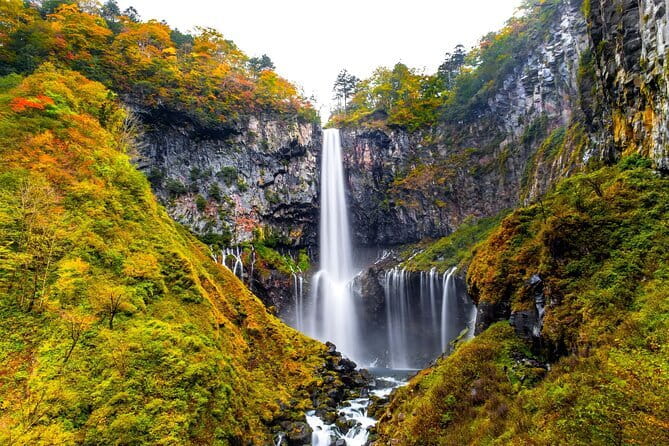
Kegon Falls drops almost 100 meters and is often counted among Japan’s three finest waterfalls. It is the most dramatic outdoor stop on this route, and I understand why it earns strong praise.
You get about 1 hour and 10 minutes. The upper viewpoint gives you the broad scene, while the lower viewing area offers a closer look. Several people specifically recommended taking the elevator or escalator down to the best view, so check the exact arrangement and any local fee before setting off.
The waterfall changes with weather and season. Mist, snow, rain, or strong sunlight can alter the mood, which is part of its appeal. In colder months, the mountain air may feel sharp, and one November visit included snow higher in the hills.
Do not assume the full 70 minutes is free time. The guide must explain the return point, and the group needs to leave together. Set aside enough time to reach the lower viewpoint, take photographs, and return to the coach without a sprint.
This stop can feel long if waterfalls are not your priority. Some people returned to the bus early and preferred more time at the shrine. If your main aim is Japanese art, religion, and history, you may see the outdoor stops as a pleasant bonus rather than the main event.
Shinkyō Bridge: a quick final look

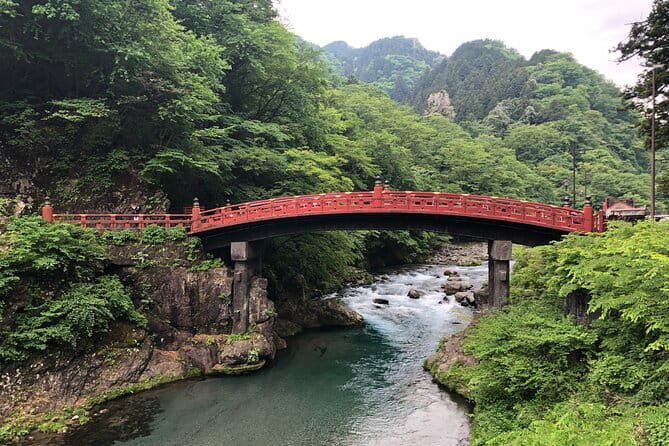
The final stop is Shinkyō Bridge, one of Japan’s three celebrated bridges, alongside Kintaikyo in Iwakuni and Saruhashi in Yamanashi Prefecture. Its red form crossing the river makes a fine closing image for the day.
You have about 20 minutes. That is enough to see the bridge, take photographs, and get a sense of its setting, but not enough for a long visit. The entrance fee is not included, so decide on the spot if you want to pay for access.
The short stop is also vulnerable to traffic delays. If the schedule has slipped, the bridge may feel more like a photo break than a full attraction. Still, it is a worthwhile addition because it connects the mountain portion of the day back to Nikko’s historic center.
What the guides and coach add
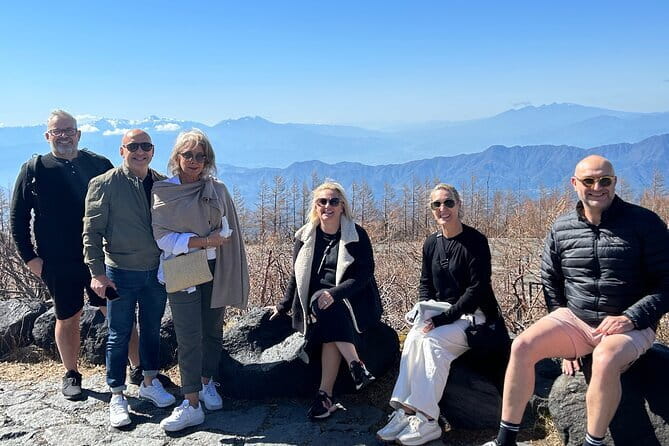
The strongest part of the human side of the tour is the guide’s ability to make the stops easier to understand. Sheila is repeatedly praised for warmth, clear English, practical tips, and enthusiasm. Zoe is described as patient and reassuring, while Tina is credited with explaining Nikko’s cultural importance in a helpful way.
Names and guide assignments can change, so you should not book on the promise of one particular person. The common theme is that a good guide gives you useful context, tells you where to meet, and keeps the day moving.
The driver matters too. The route includes city traffic and sharp mountain curves before the long return to Tokyo. A comfortable coach, air conditioning, charging ports, and Wi-Fi make the hours on the road easier, but vehicle size can vary. One account found a 20-seat bus short on legroom, so tall passengers should keep that possibility in mind.
A small souvenir is included at the end. It is not a major financial benefit, but it is a pleasant touch and gives the day a simple keepsake.
The practical drawbacks you should weigh
This is not a relaxed, stay-as-long-as-you-like outing. The schedule is fixed, and the most common concern is the balance between Toshogu and the mountain sights. If you want to study every building, reach the mausoleum, and take photographs without rushing, a self-guided visit may suit you better.
The meeting arrangements also demand care. Confusing parking areas, unclear bus locations, or missed calls can turn a good day into a costly one. Save the operator details, arrive early, and ask the guide to point out the precise return location before you start exploring.
You should also expect a moderate level of physical activity. Toshogu includes walking and steps, and the waterfall viewing area may involve moving between upper and lower viewpoints. Comfortable shoes are a must.
The tour requires good weather. If poor conditions cause cancellation, you are offered another date or a full refund. Otherwise, cancellations made at least 24 hours before the start time qualify for a full refund, while later changes are not accepted.
Who should book this Nikko day trip?
I would choose this outing if you have one free day in Tokyo and want to see Nikko’s main sights without arranging several legs of transport. It is a good fit for first-time visitors, solo visitors who want a structured day, and anyone who values a guide’s explanations.
It also suits you if you want a balance of culture and scenery. Toshogu gives you ornate architecture and shogun-era history, while Lake Chuzenji and Kegon Falls provide fresh air and mountain views.
I would hesitate if your top priority is slow shrine exploration. You may prefer the Tobu train and local transport if you want to set your own pace, spend longer at Toshogu, or skip the waterfall and lake.
Final verdict: good value, with a strict clock
At $77.75, this is a practical way to cover a difficult route in one day. The included shrine admission, vehicle, Wi-Fi, GST, and souvenir help justify the price, especially when you factor in the time and planning saved.
I would book it for broad Nikko coverage, not for deep exploration of one site. Arrive early, bring cash, wear comfortable shoes, protect your time at Toshogu, and confirm every meeting point. If you accept the firm schedule, this is a rewarding escape from Tokyo. If you want a quiet, unhurried shrine day, choose independent transport instead.
FAQ
How long does the Nikko tour last?
The tour lasts approximately 11 hours, including transportation between Tokyo, Nikko, the mountain sights, and the return journey.
What places are included?
The route includes Nikko Toshogu Shrine, Lake Chuzenji, Kegon Falls, and Shinkyō Bridge. It also travels along the Iroha-zaka mountain roads.
Is admission to Toshogu Shrine included?
Yes. The entrance fee for Nikko Toshogu is included in the tour price.
Is the Shinkyō Bridge entrance fee included?
No. The entrance fee for Shinkyō Bridge is not included.
Is lunch included?
No. Lunch is not included, so you should budget separately for food.
Is Wi-Fi available on the vehicle?
Wi-Fi is included, although the connection may not always be stable during the journey, particularly on mountain roads.
How many people can join the tour?
The maximum group size is 30 people.
How physically demanding is the tour?
A moderate level of physical fitness is recommended. You should expect walking and some steps at Toshogu Shrine and around the waterfall viewing areas.
Can I cancel for a full refund?
You can receive a full refund if you cancel at least 24 hours before the experience start time. Cancellations or changes made less than 24 hours before departure are not accepted for a refund.
What happens if bad weather cancels the tour?
If poor weather causes cancellation, you will be offered a different date or a full refund.
Just added around Tokyo
- Tokyo 6hr Instagram Highlights Private Tour with Licensed Guide★ 5.0 · 38 reviews
- Tokyo Small Group Tour with Guide★ 4.5 · 38 reviews
- Tokyo Sumo Experience with Live Show & Audience Challenge★ 5.0 · 38 reviews
- Japanese Food Cooking Class in Asakusa, Tokyo★ 5.0 · 39 reviews
- Very popular in Harajuku♡Animal petting zoo★ 4.6 · 39 reviews
- Ramen Making from Scratch with Tokyo Mom(Vegan Option Available)★ 5.0 · 39 reviews
- Tokyo JDM Night: 600hp C63s AMG Edition 1 (Private)★ 4.9 · 39 reviews
- Tokyo: Kimono Rental inside Shinjuku Gyoen National Garden★ 4.9 · 39 reviews
Temple & Shrine Tours, compared.
Fushimi Inari, Kinkakuji, Bamboo Grove 1 Day Bus Tour
Read our review →
Tea Ceremony in a Traditional Tea House in Kiyomizu
Read our review →
Meiji Shrine, Asakusa, Skytree Bus Tour and Cruise
Read our review →
Fushimi Inari Hidden Hiking Tour (Private Option Available)
Read our review →
Osaka/Kyoto:Kinkakuji,Arashiyama,FushimiInariShrine,NaraPark
Read our review →
Asakusa Walking Tour with Sensoji Temple Visit
Read our review →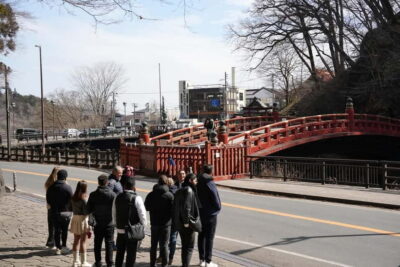
Nikko: Kegon Falls, Lake Chuzenji & Toshogu Temple
Read our review →Browse the lists this tour appears in