Reviewed · TOURS
Fukushima Daiichi Nuclear Power Plant visit 2 day tour
This is travel with a purpose. This two-day Fukushima tour gives you a carefully guided look at the March 11, 2011 earthquake, tsunami, nuclear accident, and the region’s continuing recovery. I like the chance to hear directly from local residents, and I like that the program includes access to the Fukushima Daiichi Nuclear Power Plant with a Geiger counter. The main drawback is that the tour is emotionally heavy and requires careful preparation, including full-length clothing, closed shoes, and government-approved photo ID.
You begin at Koriyama Station at 10:00 a.m. and return there after two full days. I also like the balanced range of stops, from schools and community projects to local businesses, activists, and the plant itself. The price is $579.82 per person, before transport from Tokyo and back, so you need to value the education and access rather than treat this as a cheap sightseeing trip.
In This Review
- Key Points Before You Book
- Why This Fukushima Tour Is Different
- Starting at Koriyama Station at 10:00
- Following the Fukushima Coast and March 11
- Meeting People Who Lived Through the Disaster
- Entering Fukushima Daiichi Nuclear Power Plant
- Clothing Rules and Practical Preparation
- The Overnight Stay and Two-Day Rhythm
- Is the $579.82 Price Fair?
- How to Handle the Sensitive Side of the Visit
- Who Should Book This Two-Day Experience?
- Cancellation and Booking Details
- FAQ
- Where does the Fukushima Daiichi tour begin?
- Does the tour include transportation from Tokyo?
- Is entry to Fukushima Daiichi Nuclear Power Plant guaranteed on a specific day?
- What ID do I need for the plant visit?
- What should I wear to Fukushima Daiichi?
- Is lunch included?
- Should You Book It?
Key Points Before You Book
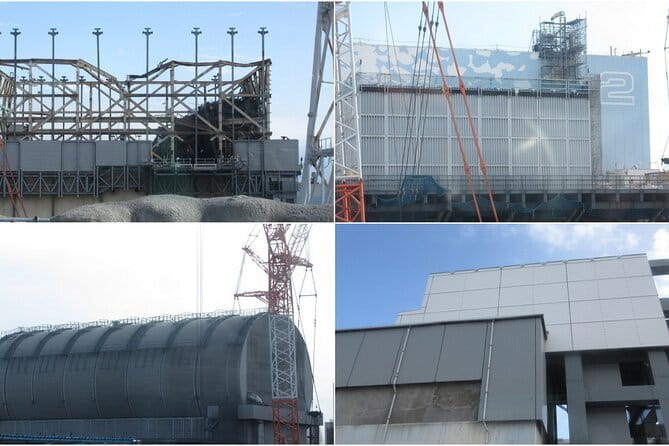
- Inside Fukushima Daiichi: You may enter part of the nuclear plant site with a Geiger counter and an estimated exposure of about 0.02 mSv during this portion.
- Local voices matter: Meetings with residents who lived through the disaster add personal detail that museums alone cannot provide.
- The schedule can change: The plant visit may take place on Day 1 or Day 2, depending on facility availability.
- Come properly dressed: Long sleeves, long pants, ankle-covering socks, and flat shoes are required for the plant visit.
- Tokyo transport is separate: You must arrange and pay for your own journey to Koriyama Station.
- Small-group conditions apply: The tour can be canceled if fewer than six people book, and the maximum group size is 20.
Why This Fukushima Tour Is Different
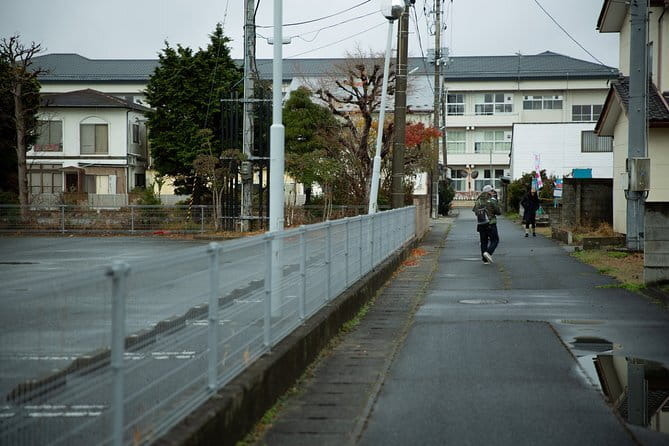
Many day trips show you a memorial, a museum, or a rebuilt town. This one tries to connect the whole story. You learn about the earthquake and tsunami, see places affected by the disaster, hear from people who remained connected to the region, and visit Fukushima Daiichi itself.
That combination gives the tour its value. You are not simply looking at abandoned buildings or taking photographs. You are asked to listen, think, and treat the area with care. The guide helps explain what happened in 2011 and what has happened since, including recovery work, changes to local communities, and the continuing presence of the plant.
The strongest part for me is the human element. Local meetings can turn a large national event into something personal and understandable. Stories from residents help you grasp what evacuation, loss, and return have meant in daily life.
The experience also takes a balanced approach. You may hear about TEPCO’s role, local activism, recovery projects, and the effects on communities. The tone is not simply a disaster story. It also looks at rebuilding and the region’s attempt to move forward.
Other Japan experiences people book alongside this one:
- Mt Fuji and Hakone 1-Day Bus Tour Return by Bullet Train
★ 5.0 · 26,383 reviews - 1-Day Tokyo Bus Tour
★ 5.0 · 14,250 reviews - PERFECT KYOTO 1-Day Bus Tour
★ 5.0 · 13,518 reviews
Starting at Koriyama Station at 10:00
The meeting point is Koriyama Station in Fukushima Prefecture, at the east exit plaza. This is important if you are coming from Tokyo, because the tour price does not include your transportation to or from Koriyama.
Allow plenty of time to reach the station. The published start time is 10:00 a.m., and the tour begins there rather than in central Tokyo. Your guide will meet you at the station, then the group will travel around the Fukushima coast area in an air-conditioned vehicle.
The station start makes practical sense. Koriyama is a useful transport point for the prefecture, but you still need to plan your train journey carefully. Check the return schedule too, since the activity ends back at Koriyama Station after Day 2.
The vehicle is a real benefit. The sites are spread out, and a private tour vehicle saves you from trying to connect distant coastal locations by local public transportation. The group can include up to 20 people, although the experience may feel smaller if bookings remain limited.
Following the Fukushima Coast and March 11
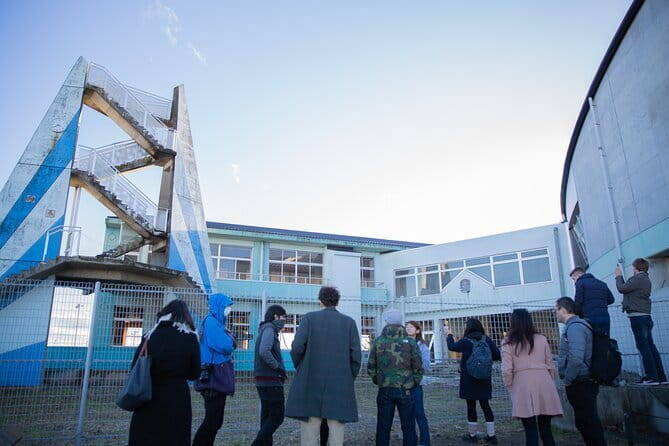
The coastal portion gives the tour its wider setting. The 2011 disaster was not one single event. The earthquake, tsunami, and nuclear accident affected communities in different ways, and the two-day format gives the guide time to explain those differences.
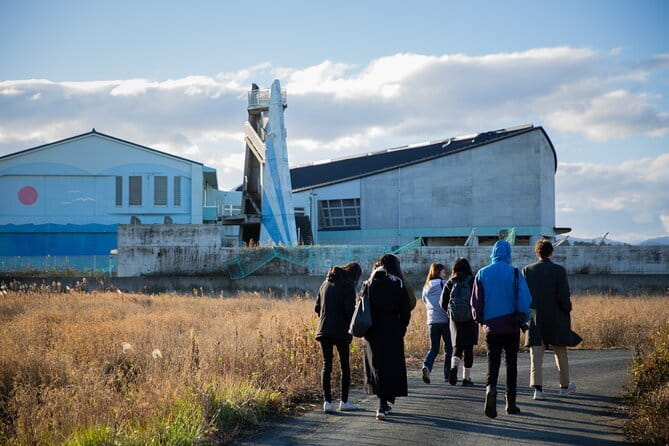
You will visit several sites around the coast, with the exact route depending on access and facility schedules. Examples described for this program include Ukedo Elementary School, the Great East Japan Earthquake and Nuclear Disaster Memorial Museum, Ranch of Hope, and the Namie Town Flower Project.
Ukedo Elementary School is especially meaningful. It has been described as a highlight because it helps make the tsunami’s force and the school community’s experience easier to understand. A school is a familiar place, which can make the effects of the disaster feel immediate rather than distant.
The memorial museum adds broader context. It can help you place the local sites within the larger story of evacuation, nuclear policy, disaster response, and recovery. I would give yourself time to listen closely here. This is not the sort of tour where you get the most from rushing from one photo stop to the next.
The Namie Town Flower Project offers a different view. Community projects like this show how residents and supporters are trying to create a future, not simply preserve memories of the past. Ranch of Hope and other coastal stops add more local texture. The route may include people working to rebuild communities, protect local identity, or explain what has changed.
Meeting People Who Lived Through the Disaster
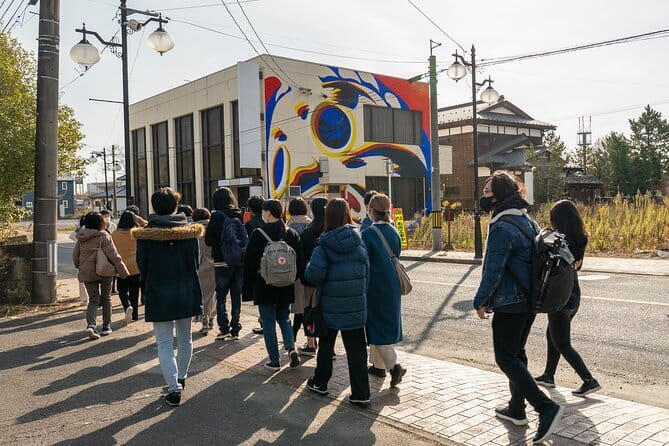
The local conversations may be the most valuable part of the trip. You can hear directly from people who experienced the earthquake, tsunami, evacuation, and years that followed.
This is where the tour asks something of you. You should not treat personal stories as entertainment. Ask thoughtful questions, listen carefully, and avoid pushing anyone to discuss painful subjects beyond what they choose to share.
The operator gives clear guidance on privacy. Do not photograph or film residents or private property without permission. Be sensitive when discussing the disaster, and support local businesses, products, and services when you can.
Those instructions are not just formal rules. They improve the experience. You are more likely to have a sincere conversation when you behave like a respectful visitor rather than someone collecting dramatic images.
Several guides have been praised for making these discussions accessible. Yoko has been described as clear and responsive, while Noriko brought a balanced approach that included both the disaster’s effects and recovery work. Fumie was noted for knowledge, humor, and enthusiasm, and Fumi was praised for careful organization and strong explanations.
Guide quality matters here because the subject is complex. A good guide can answer questions without turning the trip into a lecture, explain difficult technical matters in plain language, and help you understand why two people in the same town may have experienced 2011 very differently.
A few more Japan experiences worth weighing up
- Aomori Full-Day Private Trip with Government-Licensed Guide
★ 5.0 · 33 reviews - Sendai Private Izakaya and Bar Tour
★ 5.0 · 25 reviews - Sendai / Matsushima Half-Day Private Tour with Government-Licensed Guide
★ 5.0 · 20 reviews
Entering Fukushima Daiichi Nuclear Power Plant
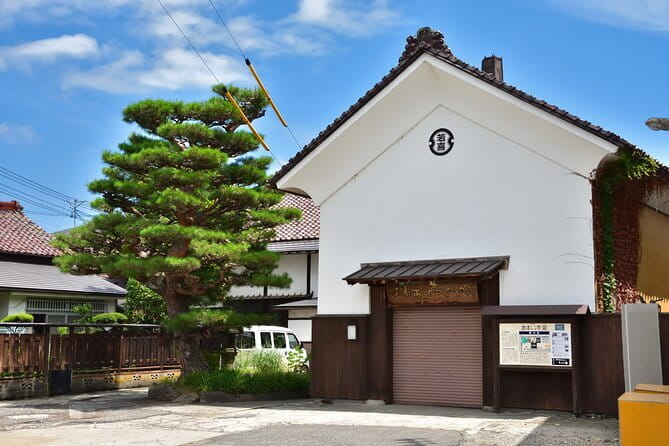
The plant visit is the rare feature that sets this tour apart. You may enter the Fukushima Daiichi Nuclear Power Plant as part of the scheduled program, accompanied by the guide and equipped with a Geiger counter to measure radiation dose.
The timing is not fixed. The plant visit may happen on Day 1 or Day 2, depending on the schedule of the facility and other places on the route. You should remain flexible and avoid booking tight connections around one particular activity.
The operator estimates exposure at about 0.02 mSv for this part of the trip. You will also need to show an accepted original ID at entry. Accepted documents include a passport, driver’s license, photo My Number card, photo Basic Resident Registration Card, Residence Card, or Special Permanent Resident Certificate.
After booking, you are asked to send a copy of your ID as well. Bring the actual document with you. A photocopy is not enough for entry.
Filming around the plant and in restricted areas is prohibited. You also do not receive permission to enter other restricted areas beyond the Fukushima Daiichi visit included in the tour. Follow the guide’s instructions closely. Anyone who refuses to do so may be asked to leave the group.
Clothing Rules and Practical Preparation
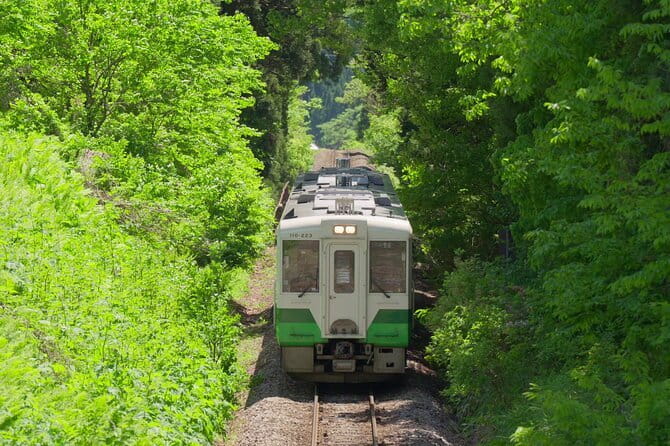
The plant visit has strict clothing requirements. You need:
- A long-sleeved top, such as a shirt, jacket, or coat
- Long pants that cover your skin
- Socks that cover your ankles
- Flat shoes, such as sneakers
Sandals and high heels are not allowed. These rules are easy to follow, but they can catch you out if you are planning the tour as part of a summer trip around Japan. Pack suitable clothing before leaving Tokyo.
You should also bring normal personal items for an overnight trip, including cash and anything you need for the accommodation. Breakfast and dinner are included, but lunch is not. Plan to buy lunch during the day, though the exact food arrangements are not specified.
The vehicle is air-conditioned, which helps during long transfers. Still, the days are busy. You will spend time riding between sites, listening to explanations, visiting facilities, and speaking with local people. This is not a relaxed resort-style overnight trip.
The Overnight Stay and Two-Day Rhythm
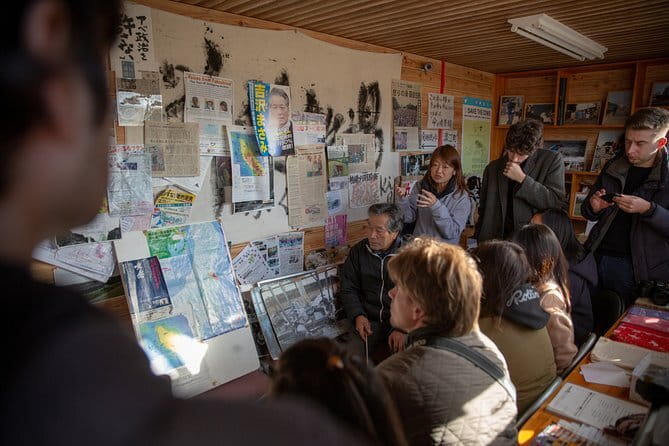
Accommodation is included, as are breakfast and dinner. One recent account described staying at J-Village, a facility with its own connection to the region’s recovery, though the exact accommodation can depend on the tour arrangements.
The overnight stay makes the program much more useful than a quick excursion from Tokyo. You do not have to compress the coastal sites, community visits, plant access, and local conversations into one exhausting day.
Day 1 begins in Koriyama and moves into the coastal area. Depending on scheduling, the plant visit may take place on this first day. Day 2 continues the coastal program and returns you to Koriyama Station.
Because the order can change, I would avoid thinking of the itinerary as a fixed checklist. The important elements are the coast, local voices, memorial and recovery sites, and Fukushima Daiichi access. The guide and operator will arrange the order around availability.
Is the $579.82 Price Fair?
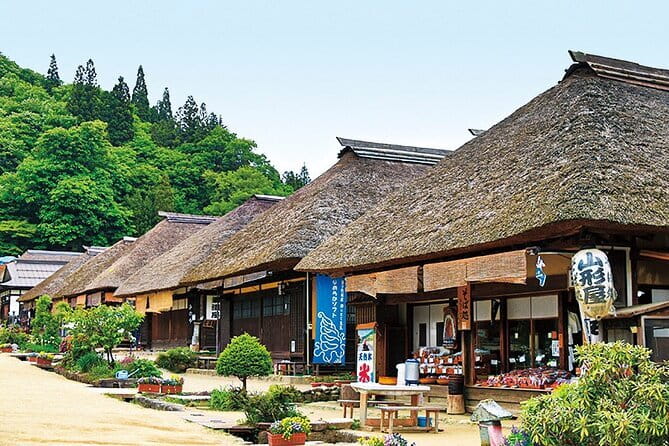
At $579.82 per person, this is expensive compared with ordinary sightseeing tours. The price does not include your train or other transportation from Tokyo to Koriyama, and lunch is also separate.
Still, the value is easier to see when you break down what is included. You receive two days of guided transport, accommodation, breakfast, dinner, an English and Japanese-speaking guide, access to Fukushima Daiichi as scheduled, and the use of a Geiger counter. You also gain access to local conversations and places that would be difficult to arrange independently.
The plant visit is the key value. Public access to a site of this kind is unusual, and the entry process requires identification and advance coordination. Add the coastal route and local meetings, and the cost becomes more understandable.
I would not book this tour if you only want dramatic photographs or a low-cost day trip. I would consider it worthwhile if you want serious context, direct access, and a guided explanation of the region’s recovery.
The minimum booking rule also matters. If fewer than six people book, the operator may cancel the trip and should notify you at least two weeks before the date. The maximum group size is 20, so the experience may range from a very small group to a fairly full minibus.
How to Handle the Sensitive Side of the Visit
Fukushima is not a theme park, and the tour works best when you remember that people still live with the consequences of 2011. Some properties remain private. Some stories are painful. Some communities are still rebuilding their social and economic life.
I would keep your camera away unless photography is clearly permitted. Ask before taking pictures of people, homes, businesses, or memorial spaces. Listen more than you speak during local meetings.
The tour’s balance is useful here. You are not asked to view Fukushima only as a place of tragedy. You also see flowers being planted, businesses operating, local projects continuing, and people explaining their hopes for the future.
That mix makes the program more honest. It recognizes the damage without reducing the region to the accident.
Who Should Book This Two-Day Experience?
I would recommend it to adults with a serious interest in modern Japanese history, disaster response, nuclear power, environmental issues, or community recovery. It also suits people who prefer guided learning to independent sightseeing.
You must be at least 20 years old. Most people can participate, but you should be comfortable with a full two-day schedule, vehicle transfers, facility rules, and emotionally difficult subject matter.
This is less suitable if you want a carefree weekend, flexible free time, or a standard sightseeing route. It is also a poor fit if you dislike strict instructions or cannot bring the required ID and clothing.
The guides are a major part of the experience. Yoko, Noriko, Fumi, and Fumie have each been praised for clear explanations, organization, warmth, humor, and balance. Since the guide leads the plant visit and local conversations, the quality of that relationship will shape your two days.
Cancellation and Booking Details
You can receive a full refund if you cancel at least six full days before the local start time. Canceling two to six full days before the tour may result in a 50 percent refund. Cancellations less than two full days before the start time are not refunded.
Confirmation is sent within 48 hours, subject to availability. If the minimum group size is not reached, the operator may offer another date or experience, or provide a full refund.
FAQ
Where does the Fukushima Daiichi tour begin?
It begins at Koriyama Station East Exit Plaza in Fukushima Prefecture at 10:00 a.m.
Does the tour include transportation from Tokyo?
No. Transportation from Tokyo to Koriyama and back is not included in the price.
Is entry to Fukushima Daiichi Nuclear Power Plant guaranteed on a specific day?
The plant visit is part of the program, but it may take place on Day 1 or Day 2 depending on facility availability and scheduling.
What ID do I need for the plant visit?
You must bring an original accepted ID, such as a passport, driver’s license, photo My Number card, photo Basic Resident Registration Card, Residence Card, or Special Permanent Resident Certificate.
What should I wear to Fukushima Daiichi?
Wear a long-sleeved top, long pants, socks covering your ankles, and flat shoes such as sneakers. Sandals and high heels are prohibited.
Is lunch included?
No. Breakfast and dinner are included, but lunch is not.
Should You Book It?
Book this tour if you want to understand Fukushima through places, evidence, and personal stories rather than a quick stop at a memorial. The strongest parts are the local meetings, the careful explanations from guides such as Yoko, Noriko, Fumi, and Fumie, and the unusual chance to enter Fukushima Daiichi with radiation monitoring equipment.
Skip it if you want light sightseeing or if the cost, separate Tokyo transport, strict clothing rules, and serious subject matter feel like too much. For the right person, though, the two-day format gives Fukushima the time and respect it deserves.
Just added around Japan
- Kanazawa private half day/Photoshoot by professional photographer★ 5.0 · 38 reviews
- Osaka Food Tour with 10 Classic Japanese Tastings & Drinks★ 5.0 · 38 reviews
- Osaka: Highlights & Hidden Gems Private Walking Tour★ 4.7 · 38 reviews
- Tokyo Small Group Tour with Guide★ 4.5 · 38 reviews
- Tokyo 6hr Instagram Highlights Private Tour with Licensed Guide★ 5.0 · 38 reviews
- From Tokyo: Kamakura Private Customize Tour by Luxury Van★ 4.6 · 38 reviews
- Tokyo Sumo Experience with Live Show & Audience Challenge★ 5.0 · 38 reviews
- Magome & Tsumago Nakasendo Trail Day Hike with Government-Licensed Guide★ 5.0 · 38 reviews
Tours, compared.
Mt Fuji and Hakone 1-Day Bus Tour Return by Bullet Train
Read our review →
Shinjuku Food Tour (13 Dishes at 4 Local Eateries)
Read our review →
Peaceful Hiroshima & Miyajima UNESCO 1 Day Bus Tour
Read our review →
Tokyo Mt Fuji 5th St & Hakone Cruise Bus Tour w/Bullet Train
Read our review →
Flagship 2-Hours Official Street Go-Kart Tour – Tokyo Bay Shop
Read our review →