
Reviewed · MOUNT FUJI TOURS
Full Day Tour to Mount Fuji in Spanish
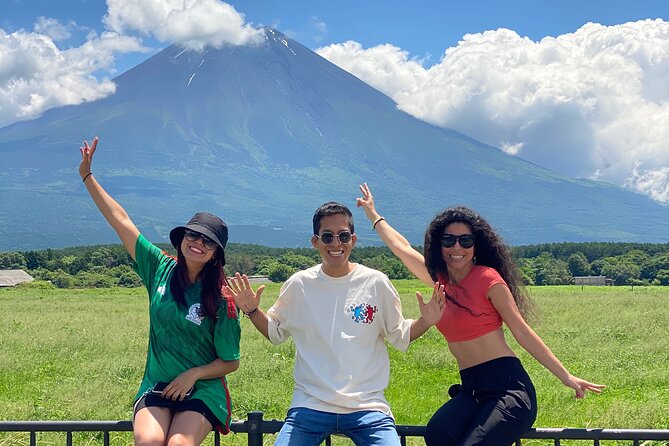
Fuji reveals itself in many ways. This 10 to 11-hour outing links waterfalls, volcanic caves, lakes, shrines, villages, and lookout points around Shizuoka and Yamanashi, all with Spanish-language guidance. I especially like the small maximum of nine people, which should make questions and conversation easier, and the way the guides adjust the route when weather and daylight change. The main drawback is the long day: eleven stops can feel rushed, and Mount Fuji itself is never guaranteed to appear through the clouds.
I also like that this is not simply a photo stop at one famous viewpoint. Guides including Dario, Tito, Riomy, and Min bring Japanese and Peruvian-Japanese perspectives to explanations of local culture, religion, and daily life. At $96.17 per person, with snacks, drinks, entrance fees, and transport between stops included, the price is fair for a packed private-style day, though lunch costs extra and the schedule leaves little free time.
In This Review
- Key points before you book
- Starting at Mishima at 8:00 a.m.
- Shiraito Falls and the first Fuji views
- Motosuko and Saiko, two lakes with different moods
- A reconstructed village at Saiko Iyashi no Sato Nemba
- Kawaguchiko and the tour’s less obvious viewpoints
- Oshino Hakkai and traditional Japanese food
- Aokigahara Forest, with a serious note
- Chureito Pagoda and the classic Japan photograph
- Kitaguchi Hongu Fuji Sengen Jinja and Fuji climbing tradition
- Yamanakako, swans, koi, and open water
- Fugaku Wind Cave and Fuji’s volcanic past
- How much value do you get for $96.17?
- The guides and the Spanish-language experience
- Weather, cancellations, and who should book
- FAQ
- Where does the Mount Fuji tour begin?
- What time does the tour start?
- How long does the experience last?
- Where does the tour end?
- Is lunch included?
- Are entrance fees included?
- How many people can join the tour?
- What happens if bad weather cancels the tour?
- Should you book this Spanish Mount Fuji tour?
Key points before you book
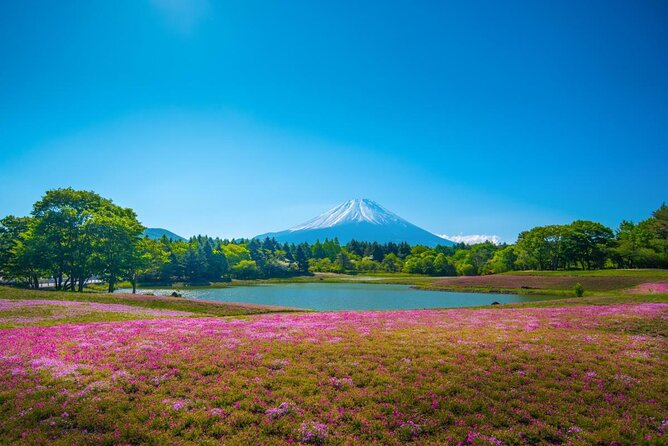
- Spanish guidance with a personal touch: Dario is especially praised for his cultural explanations, photography help, and ability to adapt the day.
- Eleven Fuji-area stops in one day: You visit lakes, waterfalls, a shrine, a reconstructed village, a forest, a pagoda, and a lava cave.
- Weather affects the plan: The route may change to give you a better chance of seeing Mount Fuji.
- Small-group format: The maximum is nine people, a useful size for questions and a less impersonal outing.
- Good value at $96.17: Snacks, drinks, taxes, and admission to Saiko Iyashi no Sato Nemba and Fugaku Wind Cave are included.
- A very early finish is unlikely: The tour begins at 8:00 a.m. and lasts about 10 to 11 hours.
Starting at Mishima at 8:00 a.m.
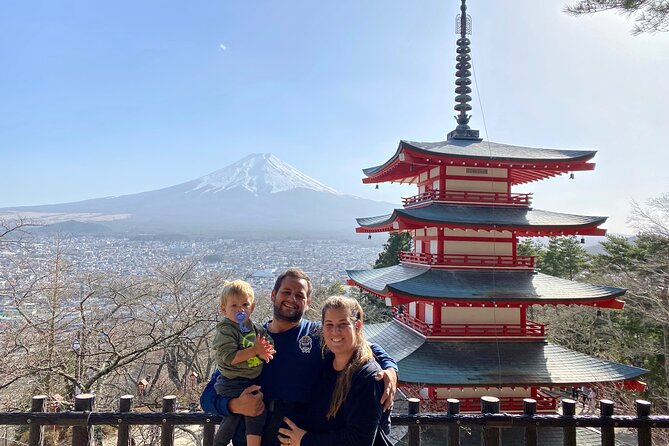
Your day begins at the Tokai Bus Mishima Information Office, 17-1 Ichibanchō, Mishima, Shizuoka 411-0036. The experience ends back at this same meeting point, so plan your evening around a return to Mishima rather than a drop-off in another city.
The start is early, but that is useful here. Mount Fuji weather can shift quickly, and a full circuit of the surrounding area requires a lot of road time. The tour uses buses, and the small group limit of nine people helps keep the experience more social than a large coach excursion.
I would arrive with breakfast already sorted. Lunch is not included, and the schedule gives you many short visits rather than a long midday break. Snacks and drinks are included, which helps, but you should still budget for lunch and bring comfortable shoes.
The tour is near public transportation, and confirmation is provided at booking. Most people can participate, but this is still a full day with frequent boarding, walking, and outdoor stops. The exact rhythm may change with weather, daylight, and road conditions.
More ways to see Mount Fuji:
- Mt Fuji and Hakone 1-Day Bus Tour Return by Bullet Train
★ 5.0 · 26,383 reviews - Mt Fuji & Hakone Cruise, Drum Show Bullet Train 1 Day from Tokyo
★ 4.0 · 7,413 reviews - Tokyo Mt Fuji 5th St & Hakone Cruise Bus Tour w/Bullet Train
★ 4.4 · 5,024 reviews
Shiraito Falls and the first Fuji views
The first stop is Shiraito Falls, a 30-minute visit with no separate admission charge. The falls were formed by past eruptions of Mount Fuji, and clear water flows from Fuji and the surrounding mountains.
This is a strong opening because it introduces the area through geology rather than a standard postcard view. You are not only looking at the mountain. You are seeing how volcanic activity shaped the water and terrain around it.
Thirty minutes is enough for photographs and a quick look, but not enough for a long walk or a slow visit. If you like waterfalls, you may wish this stop were longer. Still, the brief timing makes sense when you consider how many other places are ahead.
Motosuko and Saiko, two lakes with different moods
Lake Motosu receives another 30-minute stop. Its view is famous in Japan because it appears on the back of the ¥1,000 banknote. That detail gives the photo a cultural connection beyond simply pointing a camera at water and mountains.
The tour then reaches Saiko Lake for another 30 minutes. Saiko is beside Aokigahara Forest and has also been used as a setting for films. The experience here is about contrast: Motosu is known for an iconic national image, while Saiko connects water, forest, and popular culture.
These short visits work well for anyone who wants to see several sides of the Fuji Five Lakes area. They are less suited to you if you prefer sitting quietly by one lake for an hour or more. You will get snapshots and context, not a leisurely lakeside afternoon.
A reconstructed village at Saiko Iyashi no Sato Nemba
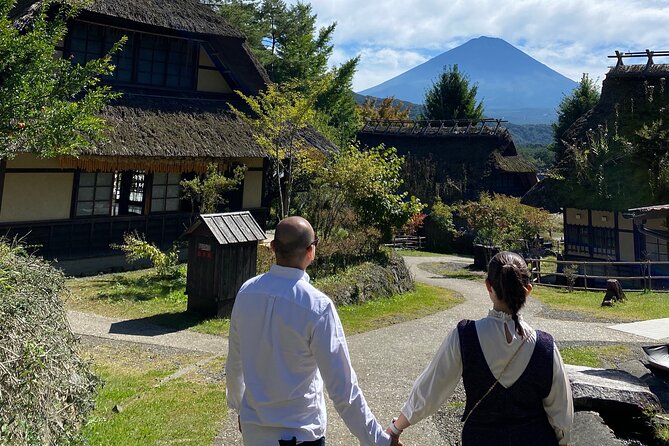
At Saiko Iyashi no Sato Nemba, you have about one hour and admission is included. This ancestral village was destroyed and rebuilt decades later between the mountains.
That reconstruction gives the stop more weight than a simple rural photo opportunity. You can consider how a community preserves its identity after destruction, and how traditional buildings and village life are presented to modern visitors. The guide’s explanation matters here, since the place is easier to appreciate when you understand why it was rebuilt.
An hour is one of the more generous stops on the day. It gives you time to look around without immediately feeling rushed. I would use it for photographs, a closer look at the buildings, and questions about local customs.
A few more Japan experiences worth weighing up
- From Tokyo: Mount Fuji Full-Day Sightseeing Trip
★ 4.5 · 4,970 reviews - Mount Fuji Full-Day Private Tour from Tokyo (Customizable)
★ 4.9 · 1,470 reviews - Hiroshima / Miyajima Full-day Private Tour with Government Licensed Guide
★ 5.0 · 1,298 reviews - Tokyo Private Full-Day Tour by Car or Van
★ 5.0 · 684 reviews
Kawaguchiko and the tour’s less obvious viewpoints
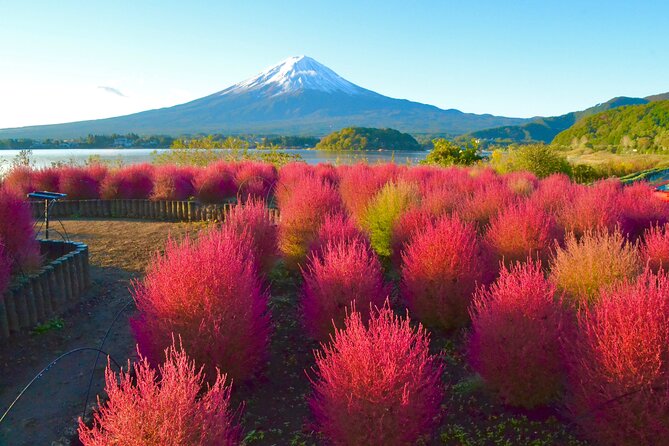
The Lake Kawaguchiko portion lasts about 50 minutes. The tour includes two lesser-known scenic spots around the lake that the guide developed and later shared with participants.
That is one of the more appealing details for repeat visitors or anyone who does not want the entire day to follow the most familiar tourist route. The exact locations are not specified, so you should not book this expecting a named secret viewpoint or a guaranteed unobstructed Fuji photograph. The value is in having a guide choose according to conditions.
The guides are said to adjust locations based on the weather. If clouds cover the mountain at one point, they may change the order or select another place. That flexibility is important because the tour is best understood as a search for good Fuji views, not a promise that every famous angle will be clear.
One practical point: cloudy conditions can still leave you with beautiful lakes, villages, and cultural sites, but the main mountain may remain hidden. The tour’s other stops help protect the day from becoming a single all-or-nothing photo hunt.
Oshino Hakkai and traditional Japanese food
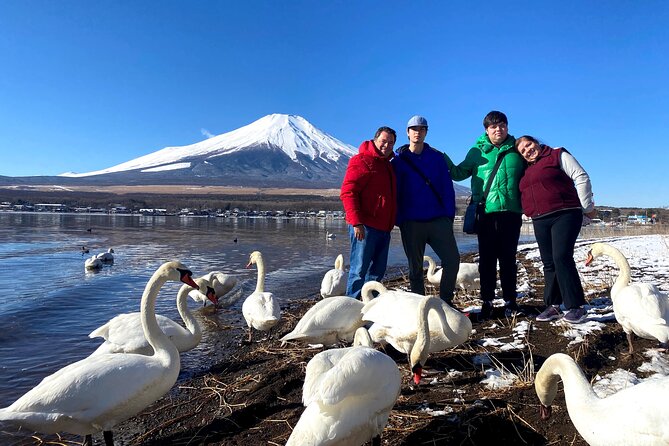
Oshino Hakkai is a 45-minute stop in an ancestral village known for a variety of traditional Japanese food. There is no separate admission charge listed for this visit.
This is a useful pause from scenic lookouts. You get a more everyday connection to food and village culture, rather than moving from one view to another. If you enjoy trying local specialties, this is a good place to use some of your own lunch or snack budget.
Because lunch is not included, do not confuse included drinks and snacks with a full meal. Forty-five minutes may be enough for a taste and a quick walk, but your choices will depend on what is available and how the group keeps to schedule.
Aokigahara Forest, with a serious note
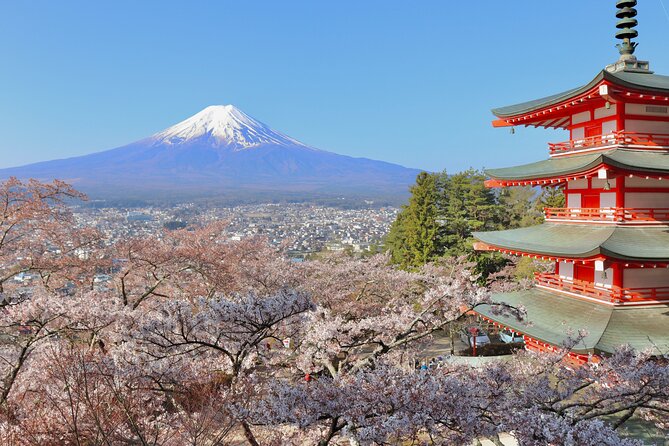
The tour spends 45 minutes in Aokigahara Forest, a place associated with many sad stories and suicides. The description also makes an important point: it remains a forest, not a theatrical attraction.
That distinction matters. You should approach this stop with respect and avoid treating the subject as entertainment. The forest has a difficult reputation, but the visit is presented as part of the area’s real geography and stories, not as a sensational sideshow.
The 45-minute visit gives you time to experience the setting and hear context from the guide. If the subject may be upsetting for you, consider this carefully before booking. The tour does not present the stop as light sightseeing.
Chureito Pagoda and the classic Japan photograph
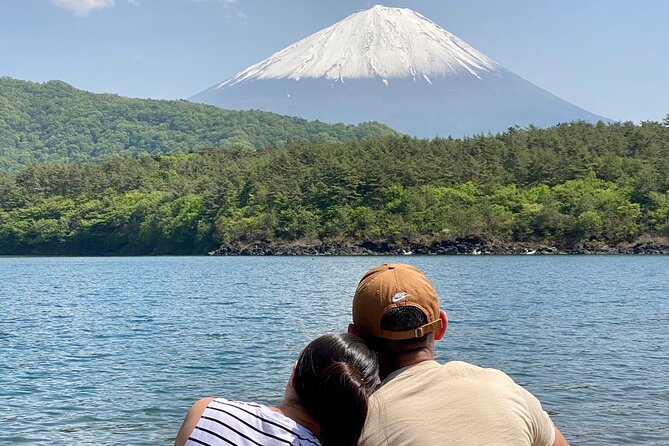
Chureito Pagoda receives 45 minutes. It is one of the most recognizable views associated with Japan and a symbol of Fujiyoshida.
This is likely to be one of the day’s most photographed locations. The pagoda, Fuji, and the surrounding area create the familiar image seen in many travel guides. The guide can also place the view in the context of Fujiyoshida, rather than treating it as only a background for selfies.
You should keep the timing in mind. Forty-five minutes may require a steady pace, particularly if reaching the best viewpoint involves steps or an uphill walk. The supplied information does not specify the exact walking distance or accessibility conditions, so ask the operator if you have mobility concerns.
Kitaguchi Hongu Fuji Sengen Jinja and Fuji climbing tradition
The Kitaguchi Hongu Fuji Sengen Jinja Shrine is a 30-minute stop dedicated to Mount Fuji and its climbers. It is also described as a starting point for the climb toward Fuji.
This is one of the places where the tour moves beyond scenery. Shrines connected with the mountain help explain why Fuji has religious meaning as well as visual power. A short visit can still be worthwhile if the guide explains the role of the shrine and the traditions of people who set out toward the mountain.
Thirty minutes will not allow a slow, detailed shrine visit, but it should give you time to see the grounds and ask focused questions. I would listen closely here, since a good explanation can turn a quick stop into one of the day’s more memorable cultural moments.
Yamanakako, swans, koi, and open water
Yamanakako-mura is the largest of the five lakes surrounding Mount Fuji. The 30-minute stop focuses on the water, swans, koi, and other birds, which you may be able to feed.
This is a lighter break after the serious subject of Aokigahara and the formal setting of the shrine. Families and anyone who enjoys animals may appreciate it, though the short visit limits how long you can watch or feed them.
The description does not specify whether food for the animals is supplied, so do not count on it being included. Drinks and snacks are part of the tour, but animal feed is not listed.
Fugaku Wind Cave and Fuji’s volcanic past
The final listed stop is Fugaku Wind Cave, visited for about 30 minutes with admission included. It is a natural underground formation created by eruptions of Mount Fuji and still contains remains of volcanic lava.
This is another place where the day’s theme comes together. The waterfalls, lakes, caves, and forest are all connected to the mountain’s volcanic past. The cave gives you a physical look at that process rather than only a distant view of Fuji.
Caves can feel cool, dark, or uneven, but the supplied details do not describe specific conditions or accessibility. If that matters to you, confirm before booking. The included admission keeps the added cost simple, and the half-hour visit fits the fast-moving style of the tour.
How much value do you get for $96.17?
At $96.17, this is not the cheapest way to see one Fuji viewpoint, but it offers much more than a single lookout. You get a full day of transport between eleven locations, a Spanish-speaking guide, snacks, drinks, taxes, and admission to two paid sites.
The strongest value comes from the range. In one day, you cover natural features, religious sites, rural culture, photography locations, and volcanic formations. Doing that independently would require careful planning and multiple transport connections, though independent visitors would have more freedom at each stop.
The trade-off is pace. Most stops last 30 to 45 minutes, with only Saiko Iyashi no Sato Nemba and Kawaguchiko receiving close to an hour. You are paying for reach and interpretation, not long periods of quiet time.
The group limit of nine also helps the price feel reasonable. It is not a private tour, but it is small enough to avoid the scale of a major sightseeing bus. The tour has a 4.9 rating from 279 ratings and is recommended by 98 percent of bookers, which supports the idea that the guide quality and organization are central strengths.
The guides and the Spanish-language experience
The strongest praise centers on the guides’ attention, timing, and cultural explanations. Dario is repeatedly singled out for his deep familiarity with the route, his ability to adjust the day to the weather, and his help finding good photo spots. Tito, Riomy, and Min are also associated with attentive guiding and clear explanations.
One especially useful feature is the Japanese and Peruvian-Japanese perspective described by a Spanish-speaking participant. You are not simply receiving translated place names. The experience can connect Japanese culture and religion to explanations that feel natural for Spanish-speaking visitors.
The style appears friendly and conversational, with time for laughter and questions. That makes it a good fit if you want a social excursion rather than a formal lecture. It may be less appealing if you prefer silence, independent wandering, or a fixed schedule that never changes.
Weather, cancellations, and who should book
Mount Fuji is famously dependent on conditions, and this experience requires good weather. If poor weather forces cancellation, you are offered another date or a full refund. The minimum number of participants also matters, and a cancellation for that reason brings the same choice of another date or a refund.
You can cancel for a full refund up to 24 hours before the 8:00 a.m. start time. Cancellations or changes made within 24 hours are not refunded or accepted, so check the local cut-off time carefully.
I would recommend this tour if you are staying in the Mishima area, want Spanish-language guidance, and prefer to see many parts of the Fuji region in one organized day. It is especially useful for first-time visitors who want cultural context as well as photographs.
I would think twice if you want a slow visit at one lake, a guaranteed clear view of Mount Fuji, or a tour built around a long lunch. The route is ambitious, and weather can change the plan.
FAQ
Where does the Mount Fuji tour begin?
The tour begins at the Tokai Bus Mishima Information Office at 17-1 Ichibanchō, Mishima, Shizuoka 411-0036, Japan.
What time does the tour start?
The start time is 8:00 a.m.
How long does the experience last?
The tour lasts approximately 10 to 11 hours.
Where does the tour end?
The activity ends back at the original meeting point, the Tokai Bus Mishima Information Office.
Is lunch included?
No. Lunch is not included, although snacks and drinks are included.
Are entrance fees included?
All fees and taxes are included. Admission is specifically included for Saiko Iyashi no Sato Nemba and Fugaku Wind Cave.
How many people can join the tour?
The tour has a maximum of nine participants.
What happens if bad weather cancels the tour?
If poor weather causes cancellation, you are offered a different date or a full refund. A minimum-participant cancellation also offers a different date or experience, or a full refund.
Should you book this Spanish Mount Fuji tour?
Book it if you want breadth, Spanish explanations, and flexible sightseeing in a small group. The mix of lakes, waterfalls, shrine culture, village life, volcanic geology, and classic viewpoints gives you a far fuller day than a simple Mount Fuji photo transfer.
Just arrive ready for a long, active schedule and uncertain mountain views. If Dario or the other guides can adjust the route as described, cloudy weather need not spoil the outing. You may not get the perfect Fuji photograph, but you will still come away with a better understanding of the mountain and the communities around it.
Just added around Japan
- Kanazawa private half day/Photoshoot by professional photographer★ 5.0 · 38 reviews
- Osaka Food Tour with 10 Classic Japanese Tastings & Drinks★ 5.0 · 38 reviews
- Tokyo 6hr Instagram Highlights Private Tour with Licensed Guide★ 5.0 · 38 reviews
- Osaka: Highlights & Hidden Gems Private Walking Tour★ 4.7 · 38 reviews
- Tokyo Small Group Tour with Guide★ 4.5 · 38 reviews
- From Tokyo: Kamakura Private Customize Tour by Luxury Van★ 4.6 · 38 reviews
- Tokyo Sumo Experience with Live Show & Audience Challenge★ 5.0 · 38 reviews
- Kyoto: Private Customizable Day Trip by Car★ 5.0 · 38 reviews
Mount Fuji Tours, compared.
Mt Fuji and Hakone 1-Day Bus Tour Return by Bullet Train
Read our review →
Mt Fuji & Hakone Cruise, Drum Show Bullet Train 1 Day from Tokyo
Read our review →
Tokyo Mt Fuji 5th St & Hakone Cruise Bus Tour w/Bullet Train
Read our review →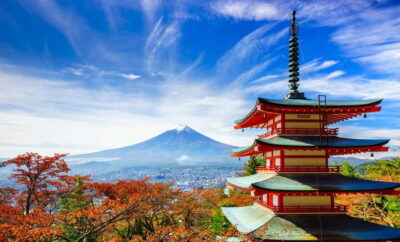
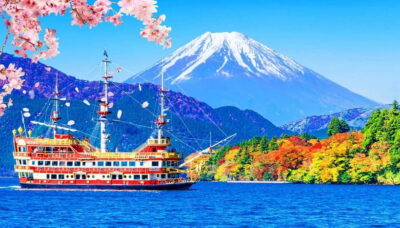
Mt. Fuji Tour, Hakone Ropeway, Owakudani, Lake Ashi
Read our review →
Mt.Fuji,Kawaguchiko Oishi Park,Arakurayama Sengen Park
Read our review →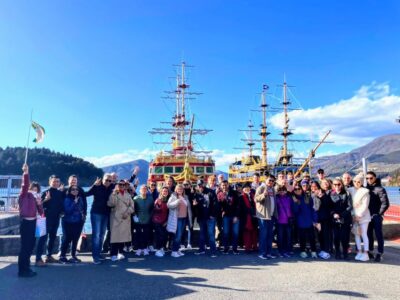
Mt. Fuji 5th Station & Hakone Cruise 1-Day Bus Tour
Read our review →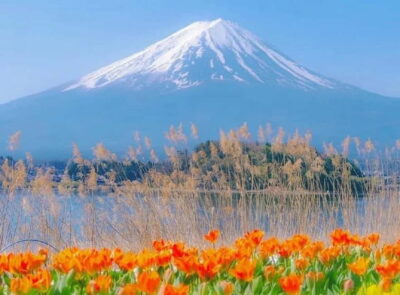
Mt Fuji Top 5 Spots Day Tour: Arakurayama Park,Oshino Hakkai
Read our review →Browse the lists this tour appears in