
Reviewed · HAKONE TOURS
Hike Hakone Hachiri
Walk through Japan’s past. This nine-hour Hakone Hachiri hike follows part of the ancient Tokaido Highway, the route that once linked Edo, now Tokyo, with Kyoto and Osaka. I especially like the stop at Amazake Chaya, a traditional teahouse run by the Yamamoto family for 13 generations, and the chance to walk beneath 400-year-old cedar trees on the preserved Hakone Old Road. The main consideration is fitness: this is a real hike over stone paths, not a gentle sightseeing stroll.
Guide Tony receives especially strong praise for his personal attention, Japanese translation, and command of local history. I also like that this is a private activity, so only your group takes part. Still, the day depends on good weather, lunch and drinks cost extra, and the $231.18 price makes the most sense if you value a private guide and close cultural access.
In This Review
- Key points about the Hakone Hachiri hike
- Why the old Tokaido matters
- Amazake Chaya and the Yamamoto family
- Lunch beside Lake Ashi
- Four centuries under the cedar trees
- Hakone Sekisho and the shogun’s checkpoint
- Yamanaka Castle Ruins and the Mt Fuji gamble
- The five-hour Old Tokaido walk
- Mishima and the Genbegawa waterway
- Tony’s guiding style
- Weather, fitness, and what to bring
- Who should book this hike?
- Should you book Hakone Hachiri?
- FAQ
- Where does the Hakone Hachiri hike start?
- Where does the tour end?
- What time does the experience begin?
- How long does the tour last?
- How far is the main walking route?
- Is this a private tour?
- Is lunch included?
- Are coffee and tea included?
- Is a guide included?
- What happens if bad weather cancels the tour?
Key points about the Hakone Hachiri hike
- A 12-kilometer historic route: Walk the old Tokaido foot highway between Odawara and Mishima through a Japan Heritage Area.
- A living teahouse tradition: Meet the Yamamoto family connection at Amazake Chaya, managed by the 13th generation.
- Towering cedar avenue: Walk beneath Japanese cedars planted about four centuries ago by order of Tokugawa Hidetada.
- Mt Fuji views from castle ruins: Yamanaka Castle Ruins offer memorable views when the weather cooperates.
- A private day with guide Tony: Tony is praised for his history knowledge, Japanese translation, humor, and care for each member of a group.
- A proper moderate hike: Expect stones, forest paths, and a long walking section. Comfortable, sturdy shoes are essential.
Why the old Tokaido matters
The Tokaido was one of Japan’s great historic roads. It connected Edo, the shogun’s capital, with Kyoto and Osaka, and carried officials, merchants, pilgrims, and other people across the country. The Hakone section was especially important because the mountains created a natural barrier near Edo.
Today, Hakone Hachiri has Japan Heritage Area status. That label matters here because the experience is not built around a single temple or viewpoint. The value comes from seeing how road engineering, government control, village life, forests, castles, and food traditions fit together along one route.
I like this kind of walking tour because the history stays attached to physical places. You do not just hear about the old highway. You walk on it, pass the trees planted to shade it, visit a checkpoint built to control movement, and reach a castle site designed to guard the western edge of the Hojo domain.
The tour lasts about nine hours and includes roughly a 12-kilometer section of the Old Tokaido Foot Highway. One review describes the walk as about seven miles, which is close to that distance. The day also includes shorter visits and time for lunch, so plan for a full, active outing.
A few more Japan experiences worth weighing up
- Fushimi Inari Hidden Hiking Tour (Private Option Available)
★ 5.0 · 1,750 reviews - Kyoto: 3-Hour Fushimi Inari Shrine Hidden Hiking Tour
★ 4.9 · 270 reviews - Hiroshima Local guided Hiking Tour&Open-air Tea Ceremony
★ 5.0 · 213 reviews
Amazake Chaya and the Yamamoto family
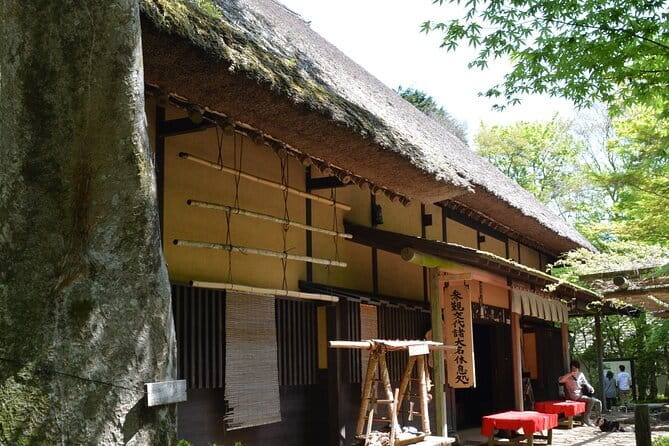
Amazake Chaya is one of the most appealing stops because it connects the route to ordinary life on the old highway. Hundreds of teahouses once served people moving along the Tokaido. Only a small number remain, making this stop more than a quick refreshment break.
The teahouse is managed by Mr. Yamamoto, the 13th generation of his family to run the establishment. His son and daughter may represent the next generation. That family continuity gives the visit a human scale. You are not simply looking at an old building or hearing a prepared history lesson. You are encountering a business that has carried on through generations.
The scheduled visit lasts about an hour, and admission is included. Coffee and tea are not included, so budget separately for anything you order. The listing specifically mentions amazake, but it does not state exactly which food or drink is included in the tour price, so ask Tony what you will be ordering before you settle in.
Tony’s Japanese translation adds real value here. The special appeal of this stop depends partly on the exchange with the family, and language can otherwise create a barrier. His ability to help with that conversation was one of the details that made this stop feel personal rather than staged.
Lunch beside Lake Ashi
Lake Ashi, also called Lake Ashinoko, is a crater lake with a depth of about 700 meters. Lunch is planned beside the water, with the famous red torii gates rising from the lake nearby.
Lunch is not included, so you will pay for your own meal. That gives you some choice, but it also means the $231.18 tour price does not cover every cost during the day. Bring enough money for food and drinks, and ask about timing if you need to manage dietary requirements.
The lake stop lasts about an hour. That is enough time to eat and take in the setting, but it is not an open-ended lake excursion. The focus remains the route and the hike, not a long cruise or a full afternoon at the water.
Weather matters at Lake Ashi, as it does throughout Hakone. On a clear day, the lake and surrounding mountains can provide some of the day’s best scenery. In rain or low cloud, the view may be much less rewarding. The tour requires good weather, and poor conditions can lead to a different date or a full refund.
Four centuries under the cedar trees
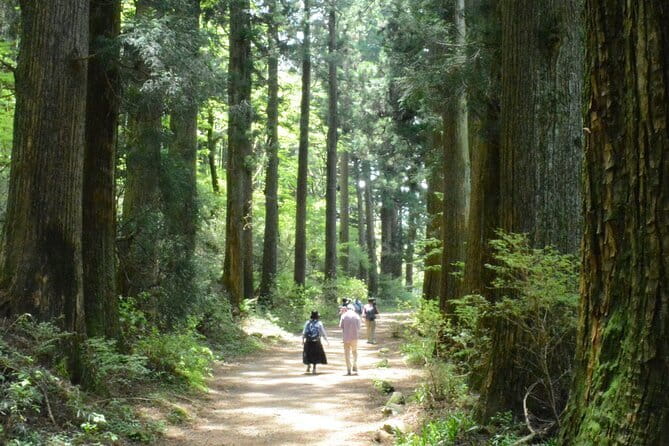
The Cedar Avenue on the Hakone Old Road is one of the strongest sections for anyone interested in Japan’s historic infrastructure. About four centuries ago, Tokugawa Hidetada, the second shogun of the Edo Period, ordered Japanese cedar, or sugi, planted along both sides of the Tokaido.
The trees were intended to shade people using the road. Today, their height and age give the route a solemn, enclosed feel. You walk between living markers of the road’s political past, with the trees still performing something close to their original practical role.
The scheduled visit here is 30 minutes, but the cedar avenue also forms part of the broader walking experience. I would not treat it as a separate photo stop only. Pay attention to the road under your feet and the way the trees define the route. This is where the old highway becomes easiest to picture.
The path can be uneven. A five-star account describes the hike as moderate over stones, while another calls it rigorous and challenging. Those descriptions are not contradictory. A person used to regular walking may find it manageable, but the length, stone surfaces, and changing conditions will make the day tiring.
A completely different kind of day out in Japan:
- Mt Fuji and Hakone 1-Day Bus Tour Return by Bullet Train
★ 5.0 · 26,383 reviews - 1-Day Tokyo Bus Tour
★ 5.0 · 14,250 reviews - PERFECT KYOTO 1-Day Bus Tour
★ 5.0 · 13,518 reviews - Tokyo: TOKYO SKYTREE® Admission ticket
★ 4.5 · 11,192 reviews
Hakone Sekisho and the shogun’s checkpoint
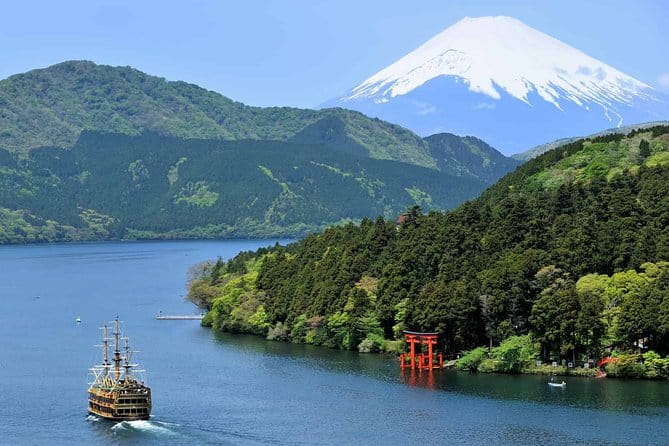
Hakone Sekisho was a checkpoint on the Tokaido. These stations checked people moving along the road and helped protect the shogun in Edo. Because Hakone was close to the capital, its checkpoint was heavily policed.
The 30-minute stop includes Hakone Sekisho and the Hakone Sekisho Museum. This is a useful pause in the middle of the day because it explains the government side of the road. Amazake Chaya shows how people were served along the route. The checkpoint shows how those same people were watched and controlled.
Do not expect a large museum visit. The scheduled time is short, so the stop works best as a compact history lesson. Tony’s explanations are especially useful here because the significance is not always obvious from the surviving structures alone.
Yamanaka Castle Ruins and the Mt Fuji gamble
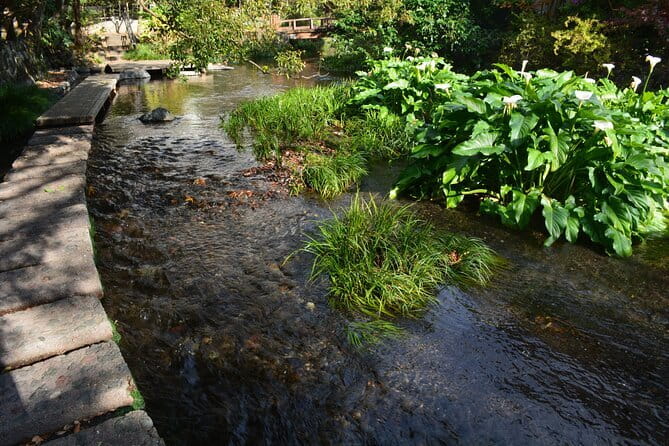
Yamanaka Castle was built in 1590 to guard the western boundary of the Hojo domain. Its name means castle in the middle of the mountain, a fitting description for a site reached through the uplands.
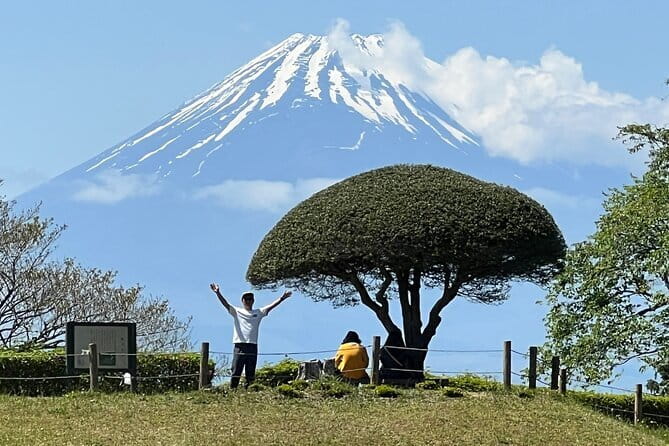
The ruins are known for impressive earthworks and for views toward Mt Fuji when conditions are right. The mountain view is weather permitting, not guaranteed. That distinction matters in Hakone, where clouds can appear quickly and obscure Fuji even on an otherwise pleasant day.
I would treat Mt Fuji as a bonus, not the reason to book the hike. The castle site remains worthwhile for its position and defenses, even if the summit is hidden. If clear weather arrives, though, the combination of old earthworks and Fuji makes this one of the day’s most memorable moments.
The stop lasts about 30 minutes. That is enough to understand the site and look out across the surrounding area, but not enough for a leisurely, unstructured exploration.
The five-hour Old Tokaido walk

The main event is the five-hour hike along the Old Tokaido Foot Highway. The route covers the preserved section between Odawara and Mishima, with the full experience described as a 12-kilometer stretch.
This is where you should judge the tour honestly. The route is not a short forest walk added to a sightseeing day. Walking takes up the largest part of the schedule, and the surface includes stones. Good physical fitness is required, and the experience is best for people who already feel comfortable spending several hours on foot.
At the same time, the route offers a better connection to Hakone than simply moving between scenic stops by vehicle. You notice the forest, the age of the road, and the changes in elevation at walking speed. A guide can point out why the route mattered, rather than leaving you to see only a series of attractive views.
The guide can also adjust the day when conditions change. During one rainy outing, Tony communicated clearly and changed parts of the plan to account for poor weather. That flexibility is useful, but rain still makes stone paths more slippery and the walk less comfortable. Bring sturdy, comfortable footwear. This is the most practical advice from the entire experience.
Mishima and the Genbegawa waterway
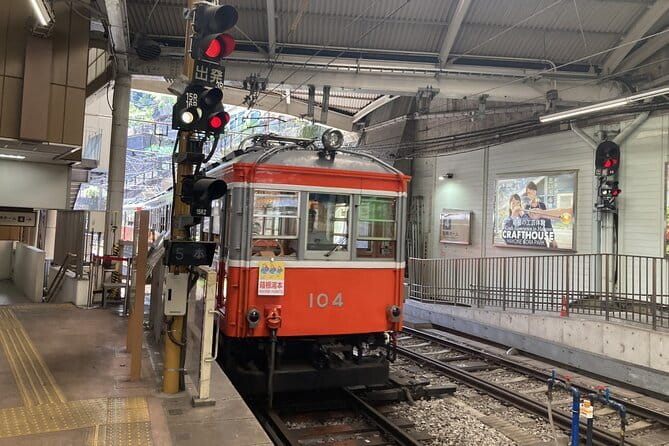
The day begins and ends at Mishima Station, at 16-1 Ichibanchō. The route includes a 30-minute walk along the Genbegawa World Water Heritage Area in Mishima.
This final section gives the day a different mood. After the forest roads, cedar avenue, checkpoint, and castle ruins, the waterway brings you back into the modern town. It also links the route to Mishima itself rather than treating the station as just a pickup point.
Because the tour starts at 8:30 a.m. and returns to the same station, you should allow the entire day for the activity. The experience does not include an air-conditioned vehicle, and the guide fee is the listed inclusion. Since the schedule moves among several locations, confirm the exact transport arrangements with Walk Hakone Hachiri before booking, especially if you are expecting a vehicle between walking sections.
Tony’s guiding style
Tony is a major part of the tour’s appeal. His strengths are not limited to reciting dates. He is praised for attention to each person in the group, clear communication in bad weather, humor, strong local history, and fluent Japanese translation.
That combination matters on this route. The old Tokaido has plenty of layers, from shogunal policy to tea-house customs and castle defenses. A guide who can explain the context and help you communicate at Amazake Chaya gives the day more depth than a self-guided walk.
The private format also helps. Only your group participates, so the pace can be more personal than on a large coach excursion. If one person needs a short pause or the weather requires a modest change, the guide has more room to respond.
The tradeoff is price. At $231.18 per person, this is not a low-cost way to walk the trail. The fee covers the guide, not lunch, coffee, tea, or an air-conditioned vehicle. I see the value if you want expert interpretation, a private group, Japanese translation, and a day built around the full historic route. If you only want a short cedar-forest walk, the price will feel high.
Group discounts may improve the cost for larger parties. Since the activity is private, families or friends who can share the experience may get more value than a solo participant.
Weather, fitness, and what to bring
The operator requires good weather for the experience. If bad weather cancels the tour, you are offered another date or a full refund. Otherwise, the booking is non-refundable and cannot be changed for any reason, so check your plans carefully before paying.
The physical rating is moderate, but the day can feel demanding. You should expect:
- Several hours of walking
- Stone sections on the old road
- A total route of about 12 kilometers
- Forest and mountain terrain
- Possible rain and reduced views
- A full nine-hour schedule
Wear sturdy, comfortable shoes rather than casual sneakers with thin soles. Bring money for lunch and drinks, and prepare for weather that may affect the Mt Fuji views. A mobile ticket is available, and confirmation is provided when you book.
Who should book this hike?
I would recommend Hakone Hachiri to you if you enjoy history best when you can walk through it. It suits active adults, families with older children who can manage a long hike, and anyone who wants a quieter alternative to Hakone’s busiest sightseeing stops.
It is also a strong choice if you care about cultural access. The 13th-generation teahouse connection and Tony’s Japanese translation create an experience that feels rooted in local life rather than limited to photographs.
I would hesitate if you dislike uneven paths, need a relaxed sightseeing pace, or want all meals and transport included. The weather policy also deserves attention because the booking normally cannot be changed or refunded. Poor weather may trigger a refund or alternate date, but you should not book this casually if your schedule is rigid.
Should you book Hakone Hachiri?
Book it if you want a serious, story-filled walk through one of Japan’s historic routes, and if you are willing to pay for a private guide. The strongest reasons are the old Tokaido itself, Amazake Chaya, the cedar avenue, Yamanaka Castle Ruins, and Tony’s personal guiding style.
Skip it if you are looking for a quick Hakone outing or an easy trail. At $231.18 per person, the value depends on using the full day: walking the route, asking questions, meeting the tea-house family, and letting the guide connect the sites. For hikers who want history under their feet, this is a memorable way to see Hakone beyond the usual viewpoints.
FAQ
Where does the Hakone Hachiri hike start?
The tour starts at Mishima Station, at 16-1 Ichibanchō, Mishima, Shizuoka.
Where does the tour end?
The tour ends at Mishima Station, the same location as the meeting point.
What time does the experience begin?
The scheduled start time is 8:30 a.m.
How long does the tour last?
The experience lasts approximately nine hours.
How far is the main walking route?
The hike covers a 12-kilometer stretch of the Old Tokaido Foot Highway between Odawara and Mishima.
Is this a private tour?
Yes. Only your group participates in the activity.
Is lunch included?
No. Lunch is not included, so you should budget separately for your meal.
Are coffee and tea included?
No. Coffee and tea are not included in the tour price.
Is a guide included?
Yes. The guide fee is included. Tony is the guide named in the available tour information.
What happens if bad weather cancels the tour?
If poor weather causes cancellation, you are offered a different date or a full refund.
Just added around Japan
- Osaka Food Tour with 10 Classic Japanese Tastings & Drinks★ 5.0 · 38 reviews
- Kanazawa private half day/Photoshoot by professional photographer★ 5.0 · 38 reviews
- Osaka: Highlights & Hidden Gems Private Walking Tour★ 4.7 · 38 reviews
- Tokyo Small Group Tour with Guide★ 4.5 · 38 reviews
- Tokyo 6hr Instagram Highlights Private Tour with Licensed Guide★ 5.0 · 38 reviews
- From Tokyo: Kamakura Private Customize Tour by Luxury Van★ 4.6 · 38 reviews
- Tokyo Sumo Experience with Live Show & Audience Challenge★ 5.0 · 38 reviews
- Kyoto: Private Customizable Day Trip by Car★ 5.0 · 38 reviews
Hakone Tours, compared.
Hakone 6 hour Private Tour with Government-Licensed Guide
Read our review →
Custom Private Tour in Hakone with a Certified Local Guide
Read our review →
Hakone 8 hour Private Tour with Government-Licensed Guide
Read our review →
Private Tour – Hakone Day Trip! A Tour to Explore All Must-Sees!
Read our review →
Private Hakone Half-day Car Tour with Hotel Pickup – Local Guide
Read our review →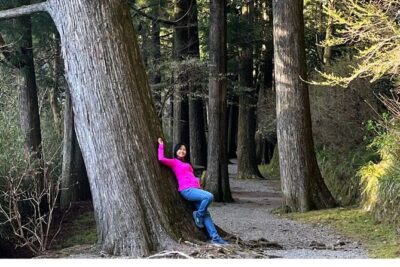
Hike Japan Heritage Hakone Hachiri with certified mountain guide
Read our review →Browse the lists this tour appears in