
Reviewed · GOVERNMENT-LICENSED GUIDE TOURS
Hakone 6 hour Private Tour with Government-Licensed Guide
Hakone rewards a flexible plan. This six-hour private tour lets you choose three or four sights with a government-licensed English-speaking guide, rather than follow a fixed group schedule. That matters in Hakone, where volcanic valleys, mountain transport, museums, shrines, and lake views are spread across a surprisingly large area.
I like the freedom to shape the day around your interests, and I like having a guide who can handle the area’s buses, ropeway, boat connections, and busy transfer points. Guides such as Hiro, Yumi, Kumiko, Kate, Hide, and Yoshii have received especially warm praise for clear explanations and smart route planning. The main drawback is cost: at $175.76 per person, transportation, meals, and most admission fees are extra, and you will be walking and using public transport rather than riding in a private car.
In This Review
- Key things to know before booking
- Why a private Hakone day can be worth it
- Choosing three or four places from a long menu
- Lake Ashi and Hakone Shrine
- Ropeway and Owakudani: Hakone’s most dramatic ride
- Art in the mountains: the Open-Air Museum and beyond
- Smaller cultural stops with more personality
- What the guides do best
- Walking, transport, and the true cost
- Who should book this Hakone tour?
- Should you book it?
- FAQ
- How long is the Hakone private tour?
- How many places can I visit?
- Is transportation included?
- Are entrance fees included?
- Where does pickup take place?
- Is the tour private?
- What happens if bad weather closes the ropeway or boat?
Key things to know before booking
- Choose only three or four sights: The long menu includes Lake Ashi, Hakone Shrine, Owakudani, museums, gardens, and temples, but six hours is not enough for everything.
- Your guide is the main value: The best part is help with timing, transfers, weather changes, and cultural context.
- Transportation is not included: Expect to pay separately for buses, trains, boats, and the ropeway, and do not expect a private vehicle.
- Weather can change the plan: High winds have closed both the ropeway and lake boat, so flexibility is important.
- The tour is genuinely private: Only your group participates, allowing a slower pace, more questions, and last-minute adjustments.
- A strong record, with one caution: The experience is rated 4.9 out of 5 from 218 reviews, with 97 percent recommending it, but one account raised concerns about a late meeting and weak local planning.
Why a private Hakone day can be worth it
Hakone is easy to misunderstand from a map. A lake shrine may look close to an art museum, yet getting between them can involve a bus, a mountain railway, a cable car, a ropeway, or a boat. Add queues and changing weather, and a plan that looks simple at breakfast can become a full-time navigation exercise.
This tour gives you a local point person for that puzzle. Guides have helped with luggage shipping, explained how to use local transit cards, and found alternatives when strong winds closed the ropeway. Hide, for example, was praised for helping with a Suica or Pasmo card and for keeping a weather-disrupted day moving.
The private format also changes the feel of the day. You can ask more questions at a shrine, spend longer at the Open-Air Museum, or skip a museum that does not interest you. You are not waiting for a busload of strangers to finish shopping.
Still, this is not a chauffeur tour. Pickup means meeting your guide on foot within the designated Hakone area. The price pays for the guide’s time and planning, not a car or an all-inclusive transport pass. If you want door-to-door sightseeing, you need a different product.
More licensed guide tours in Japan:
- Tokyo 6hr Private Tour with Government-Licensed Guide
★ 5.0 · 3,902 reviews - Tokyo 4hr Private Tour with Government-Licensed Guide
★ 5.0 · 1,394 reviews - Kyoto 6hr Private Tour with Government-Licensed Guide
★ 5.0 · 1,369 reviews
Choosing three or four places from a long menu
The tour offers 16 possible stops, which is generous but also slightly misleading. You should treat the list as a menu, not a promise that you can see all of Hakone in one morning and afternoon.
A good plan usually combines sights in the same part of the area. For example, Lake Ashi, Hakone Shrine, and the ropeway can form a nature and transport-focused day. The Open-Air Museum, Gora Park, and one nearby art museum create a better art-centered route. Owakudani, Sengokuhara, and Choanji Temple suit a day focused on scenery, volcanic activity, and quiet religious sites.
Your guide should help turn your interests into a workable schedule. Give clear priorities before the tour, but do not feel you must design every minute yourself. One less favorable experience came from a guest who felt that too much pre-tour research and planning had been pushed back onto them. That is a fair warning: tell the agency what you like, then expect the guide to make the final route practical.
The listed stop times range from 10 to 40 minutes. Those times are useful for comparing options, but they do not include every transfer, queue, or meal. A six-hour tour can cover a lot, but it cannot comfortably include every major museum, the ropeway, a boat ride, and a long lunch.
Lake Ashi and Hakone Shrine
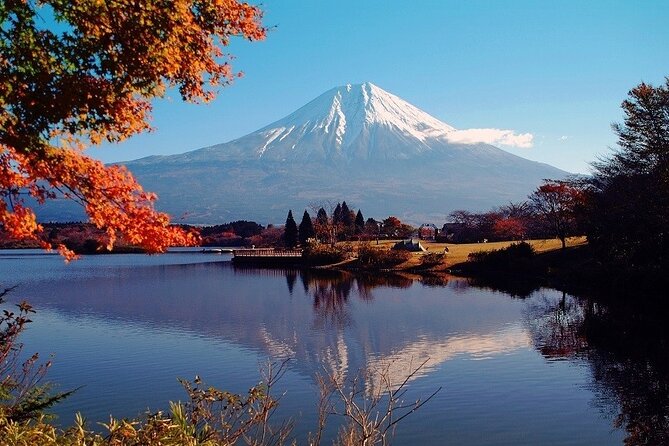
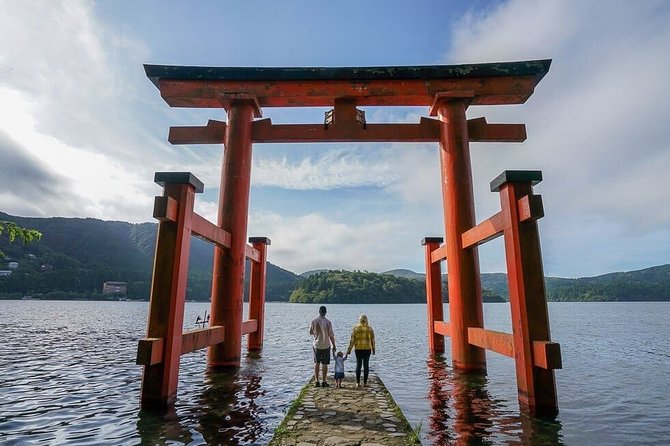
Lake Ashi, also called Ashinoko, occupies the old volcanic caldera of Mount Hakone. It formed after the volcano’s last eruption about 3,000 years ago, and its water, mountains, and possible Mount Fuji views make it the classic image of Hakone.
The planned visit is about 30 minutes and admission is free. That is enough for a quick look, photographs, and an explanation of the area, but not necessarily enough for a relaxed boat ride unless your guide builds one into the schedule and you pay separately for it.
Nearby Hakone Shrine offers a different mood. Its roots reach back more than 12 centuries, and its buildings have been destroyed by fire and rebuilt several times. The wooded setting gives the shrine a calm, shaded atmosphere, even when the lake area is busy.
The shrine visit is listed at about 20 minutes and is free. I would choose this pair if you want Hakone’s most recognizable scenery and a dose of Japanese religious culture without spending much on admissions. The catch is timing: lake transport and shrine access can become crowded, and mist or cloud may hide Mount Fuji.
Ropeway and Owakudani: Hakone’s most dramatic ride
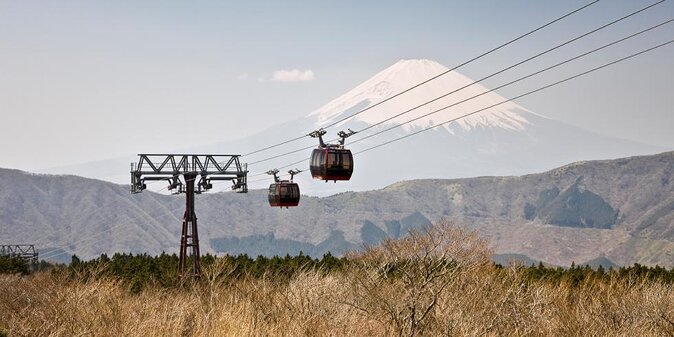
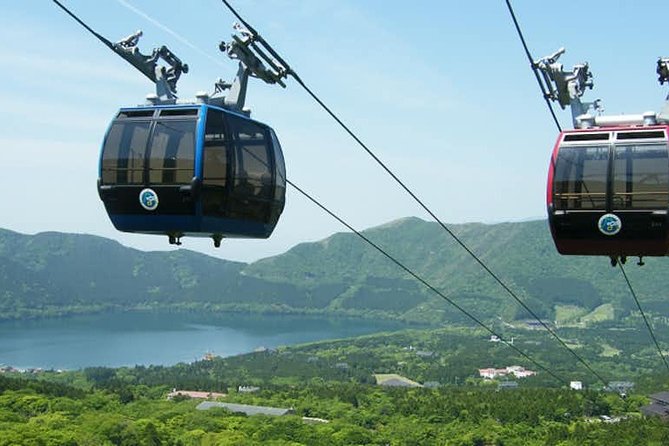
The Hakone Ropeway links Sounzan with Togendai as part of the famous Hakone Round Course. The ride gives you a high view over the volcanic area, and it is one of the most memorable ways to understand Hakone’s steep terrain.
The attraction is also weather-sensitive. High winds have stopped ropeway operations, forcing guides to rearrange the day and move people by bus. On one difficult day, a guide named Hide made sure the group took the ropeway back before closure and caught an early bus down, avoiding a much longer wait.
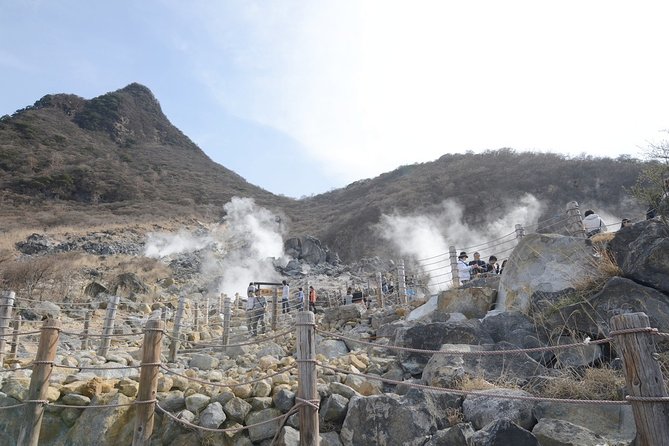
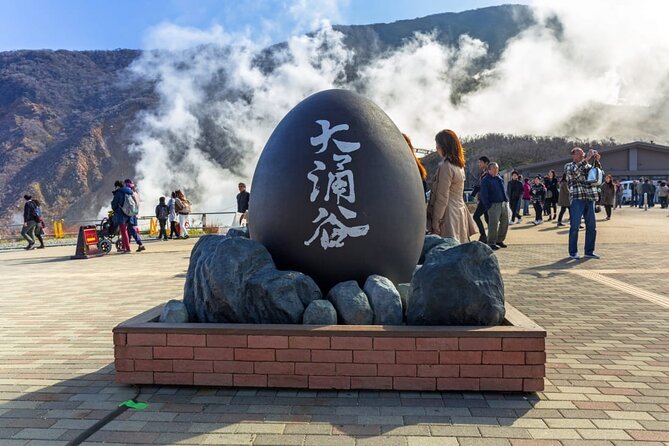
Owakudani is an active volcanic valley whose heat supports Hakone’s hot springs. From the ropeway and observation areas, you can see the signs of geothermal activity and try the famous black boiled eggs. The planned stop is about 20 minutes, though the actual time depends on queues, transport, and how much you want to see.
Admission and ropeway fares are not included. The Owakudani Nature Research Trail is a separate option. It leads through an active volcanic area and requires advance reservation plus an 800 yen entrance fee, with about 40 minutes set aside. If this trail interests you, say so early, since it places tighter limits on the rest of the day.
A few more Japan experiences worth weighing up
- Custom Private Tour in Hakone with a Certified Local Guide
★ 5.0 · 91 reviews - Hakone 8 hour Private Tour with Government-Licensed Guide
★ 5.0 · 63 reviews - Private Tour – Hakone Day Trip! A Tour to Explore All Must-Sees!
★ 5.0 · 58 reviews - Private Hakone Half-day Car Tour with Hotel Pickup – Local Guide
★ 5.0 · 48 reviews
Art in the mountains: the Open-Air Museum and beyond
The Hakone Open-Air Museum is one of the strongest choices on the entire menu. It was Japan’s first open-air art museum and spreads works through roughly 70,000 square meters of gardens and mountain scenery. The point is not just to look at sculptures indoors. You move through outdoor spaces where art and nature share the same setting.
The suggested visit is only 20 minutes, which feels short for a museum of this size. You can still see a portion of it, but art lovers may want to make this the main focus of the tour rather than a quick stop between several attractions. One highly praised day began here and included the Picasso collection.
The POLA Museum of Art opened in 2002 to display the private collection of the late founder of the POLA beauty company. The museum is a good choice if you prefer a formal indoor collection and contemporary museum presentation.
The Okada Museum of Art opened in 2013 and presents art from antiquity through the modern era. It works well for people who want a broad collection rather than only outdoor sculpture.
The Hakone Museum of Art, founded in 1952, is in Gora and offers another established art stop. Gora Park, a Western-style garden on the slope above Gora Station, is a lighter option if you want scenery and a place to unwind rather than another full museum.
All of these paid attractions charge admission separately. The 20-minute listing for the museums should be treated as a brief introduction. If you are serious about art, pick one museum and give it room.
Smaller cultural stops with more personality
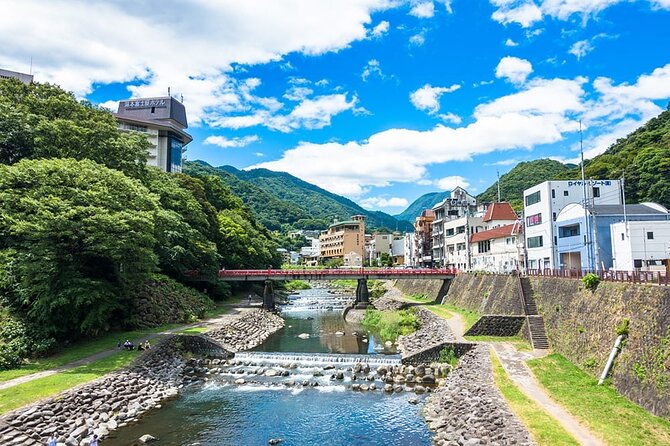
Sengokuhara is known for its pampas grass slope, especially in autumn. A 20-minute visit is enough to take in the seasonal view, but this is a weather and season-dependent choice. It will not offer the same appeal outside the period when the grasses are at their best.
Choanji Temple, a Soto Zen temple in Sengokuhara, dates to 1356. Its quiet setting at the base of a hill gives it a more subdued feel than the famous shrine. The planned 30-minute visit is free, making it a good addition if you want a peaceful temple without another admission fee.
The Hakone Botanical Garden of Wetlands, known as Hakone Shisseikaen, preserves wetland plants in the highlands of Fuji Hakone Izu National Park. It was founded in 1976, and the suggested visit is only 10 minutes. That makes it difficult to recommend as a main stop unless plants are a priority or you are already nearby.
The Hakone Venetian Glass Museum has Italian-style buildings, indoor displays, shops, and a strolling garden beside a canal-like pond. It is more themed and decorative than the traditional shrine and temple stops. Allow more than a rushed 20 minutes if you want to see both the museum and garden.
The Dollhouse Museum is a compact, unusual choice. It displays dollhouses from around the world, including some more than 200 years old, with exhibitions changing through the year. The suggested 30 minutes makes sense for a small specialist museum, but you should check what is on display if this is your reason for choosing it.
Narukawa Art Museum focuses on nihonga, or Japanese-style painting. It is located near the Lake Ashi area and offers a cultural counterpoint to the larger museums. A 30-minute visit gives you a taste, though art fans may want to stay longer.
What the guides do best
The strongest part of this experience is not simply getting from one attraction to another. It is having someone explain why the place matters and make sensible choices when Hakone refuses to cooperate.
Hiro has been praised for stories about Japanese culture, history, and kanji, as well as finding good positions on the pirate ship and gondola. He also introduced one group to a yosegi-zaiku craftsman, connecting sightseeing with Hakone’s traditional woodwork.
Kumiko, also called Kate, has received praise for careful scheduling, warmth, and adapting to last-minute requests during peak cherry blossom season. Yumi has been praised for detailed explanations and for finding alternatives during bad weather. Yoshii has a reputation for building a schedule around stated preferences without making the group feel rushed.
Other guides named in the feedback include Taka, Toshi, Hideaki, Sho, Shovon, Atsushi, Harry, Shinji, Ryuta, and Yoshihiro. The experience can clearly be excellent with the right guide, but the individual guide matters. One less successful account involved a late arrival and poor timing, and the agency said it would reassess that guide and meeting procedures.
Ask for an early, clear meeting plan and share your priorities. If you need a slower pace, say so. One guest found the tour fast and tiring, with heavy use of crowded public transport. That is not a small issue in Hakone.
Walking, transport, and the true cost
The listed price is $175.76 per person. For a couple, that is a substantial outlay before you add fares, museum tickets, lunch, and any boat or ropeway ride.
I think the value is strongest for first-time visitors, families, and anyone who dislikes managing several transport systems in one day. A guide can save time, explain what you are seeing, and prevent one canceled service from wrecking the whole plan. For a larger group, group discounts may improve the per-person value.
The value is weaker if you already understand Hakone’s transport and mainly want a simple walk around one neighborhood. In that case, you may prefer to buy a local pass and visit fewer places independently.
Transportation fees are excluded, and the Hakone Freepass is not included. The tour also does not include lunch, entrance fees, or a private vehicle. Service animals are allowed, most people can participate, and the activity is near public transportation, but remember that the pickup itself is on foot.
The cancellation terms are reasonable: cancel at least 24 hours before the start for a full refund. Changes or cancellations inside that window are not accepted for a refund.
Who should book this Hakone tour?
I would choose this tour if you have one day in Hakone and want to combine scenery, culture, and volcanic sights without spending hours sorting out connections. It also suits families and small groups that want to ask questions freely or adjust the pace.
It is a particularly good fit for people who want:
- A custom mix of museums, shrines, nature, and food
- Help with Hakone’s complicated public transport
- A guide who can react to wind, rain, crowds, or service closures
- An informative day without joining a large group
- Local suggestions beyond the most obvious stops
I would hesitate if you expect a private car, an all-inclusive price, or a slow museum day. The six-hour limit encourages movement, and the best schedule may include crowded buses or long walks.
Should you book it?
This is a strong choice for a first Hakone visit, especially if you want Lake Ashi, Hakone Shrine, Owakudani, and one art museum in a single day. The 4.9 rating from 218 reviews and 97 percent recommendation rate reflect a consistently positive experience, with guide quality and route planning receiving the most praise.
Before booking, decide on your top two priorities and ask the operator to build around them. Keep one backup plan for bad weather, budget extra for transport and admissions, and wear shoes suited to hills and walking. If your guide is as capable as Hiro, Yumi, Kumiko, Hide, or Yoshii, the price can buy far more than sightseeing: it can buy a calmer, better-organized day in a complicated mountain resort.
FAQ
How long is the Hakone private tour?
The tour lasts approximately six hours.
How many places can I visit?
You can choose three to four places from the available list, based on your interests and a workable route.
Is transportation included?
No. Transportation fees are not included, and the tour does not provide a private vehicle or the Hakone Freepass.
Are entrance fees included?
Most entrance fees are not included. The tour information also notes that guide entry fees are covered only for sights listed under the included visit options.
Where does pickup take place?
You meet the licensed guide on foot within the designated area of Hakone. This is not hotel pickup by private car.
Is the tour private?
Yes. Only your group participates, and you do not combine multiple tour groups.
What happens if bad weather closes the ropeway or boat?
Your guide can adjust the plan, but specific alternatives depend on conditions and availability. Strong winds have previously led to changes involving buses, other sights, lunch, and tea houses.
Just added around Japan
- Kanazawa private half day/Photoshoot by professional photographer★ 5.0 · 38 reviews
- Osaka Food Tour with 10 Classic Japanese Tastings & Drinks★ 5.0 · 38 reviews
- Osaka: Highlights & Hidden Gems Private Walking Tour★ 4.7 · 38 reviews
- Tokyo Small Group Tour with Guide★ 4.5 · 38 reviews
- Tokyo 6hr Instagram Highlights Private Tour with Licensed Guide★ 5.0 · 38 reviews
- From Tokyo: Kamakura Private Customize Tour by Luxury Van★ 4.6 · 38 reviews
- Tokyo Sumo Experience with Live Show & Audience Challenge★ 5.0 · 38 reviews
- Magome & Tsumago Nakasendo Trail Day Hike with Government-Licensed Guide★ 5.0 · 38 reviews
Government-Licensed Guide Tours, compared.
Tokyo 6hr Private Tour with Government-Licensed Guide
Read our review →
Tokyo 4hr Private Tour with Government-Licensed Guide
Read our review →
Kyoto 6hr Private Tour with Government-Licensed Guide
Read our review →
Hiroshima / Miyajima Full-day Private Tour with Government Licensed Guide
Read our review →
Kyoto 4hr Private Tour with Government-Licensed Guide
Read our review →
Hiroshima City 4hr Private Walking Tour with Licensed Guide
Read our review →
Private Kyoto Tour with Licensed Guide & Vehicle (Max 15 persons)
Read our review →Browse the lists this tour appears in