
Reviewed · HISTORICAL TOURS
Hike Japan Heritage Hakone Hachiri with certified mountain guide
Walk an Edo highway through mountain country. This seven-hour Hakone Hachiri hike links Lake Ashi, cedar avenues, and old stone paths with the Yamanaka Castle Ruins and Mishima. I like the route because it gives you more than a scenic walk: you see how people once crossed Hakone between Edo and Kyoto, with a guide who explains the old road as you go. I also like the small group size, capped at six.
The main drawback is that this is not a gentle sightseeing stroll. You cover about 8 kilometers on foot, use buses and a shared taxi between sections, and need moderate fitness. Mt Fuji is weather-dependent, and the tour requires good conditions, so cloudy or rainy days can change the experience.
In This Review
- Key points to know before booking
- Why Hakone Hachiri is more than a mountain walk
- Starting at Hakone-Yumoto and climbing toward Amazake Tea House
- Lake Ashi, Heiwa no Torii, and the cedar avenue
- Hakone Checkpoint and lunch near Hakone-machi
- Bus transfer and the Shizuoka side of Hachiri
- Yamanaka Castle Ruins and wide mountain views
- Arriving in Mishima through shrine and river scenery
- The guide, group size, and the human side of the day
- Weather, fitness, and extra costs
- Who should book this Hakone hike?
- Should you book it?
- FAQ
- Where does the Hakone Hachiri tour begin?
- Where does the tour end?
- How long is the experience?
- How far will I walk?
- Is lunch included?
- Can I see Mt Fuji?
- How many people can join the tour?
Key points to know before booking
- Walk an authentic section of the Old Tokaido Highway: The Hakone Hachiri path follows the steep mountain route used during the Edo period.
- See several sides of Hakone in one day: The route combines forest trails, Lake Ashi, the Hakone Checkpoint, castle ruins, and Mishima.
- Guide Aki adds real value: Also identified as Akihiro, he is praised for his history and nature knowledge, calm manner, and help with local buses and trails.
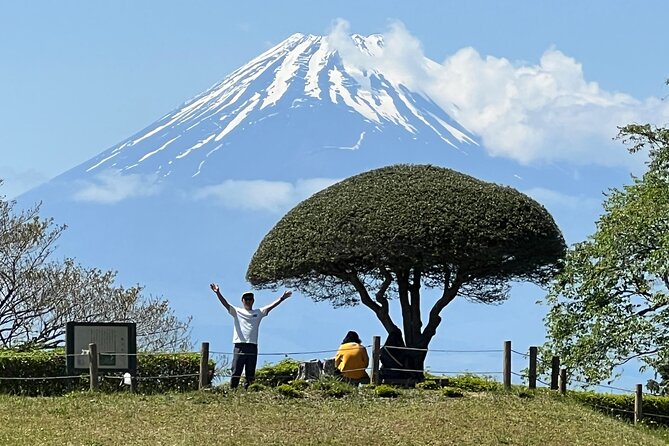
- Mt Fuji views depend on the sky: You may see the mountain from Lake Ashi and Yamanaka Castle, but no view is guaranteed.
- Expect extra costs: Lunch is about 2,000 yen, local transport about 2,000 yen, and the optional Shinkansen from Mishima to Odawara about 2,500 yen.
- A practical one-way route: You begin at Hakone-Yumoto Station and finish at Mishima Station, making this useful for continuing toward Odawara, Tokyo, or Izu.
Why Hakone Hachiri is more than a mountain walk
Hakone is often reduced to hot springs, lake cruises, and the familiar red torii gate. Those sights are worthwhile, but this route gives you the older, harder-working Hakone. You follow the mountain crossing that once tested people, horses, merchants, officials, and samurai moving along the Old Tokaido Highway.
The name Hachiri refers to the historic stretch between Odawara and Mishima, roughly eight ri in old Japanese measurement. The complete old route is longer than this experience, but the tour connects key sections by foot and local transport. That is a smart choice. You get the best walking segments without spending the whole day on steep roads or closed sections.
I especially like the mix of quiet forest, public transport, and major sights. The day does not feel like a single repetitive hike. One hour you are on an old stone path beneath cedar trees. Later, you are looking across Lake Ashi, then examining defensive earthworks at Yamanaka Castle.
The experience costs $158.52 per person. That is not a bargain-priced walk, but the fee includes a national certified professional guide with wilderness first aid certification. The small maximum of six also matters. A guide can keep the pace flexible, explain details that would be easy to miss, and manage the buses and route changes more easily than a large group.
A few more Japan experiences worth weighing up
- Fushimi Inari Hidden Hiking Tour (Private Option Available)
★ 5.0 · 1,750 reviews - Kyoto: 3-Hour Fushimi Inari Shrine Hidden Hiking Tour
★ 4.9 · 270 reviews - Hiroshima Local guided Hiking Tour&Open-air Tea Ceremony
★ 5.0 · 213 reviews
Starting at Hakone-Yumoto and climbing toward Amazake Tea House
Meet at Hakone-Yumoto Station at 9 a.m. From there, a shared taxi takes you to the trailhead. This transfer is not included, and the total transport cost for the day is estimated at about 2,000 yen, including buses and the shared taxi.
The first walking section lasts about an hour and leads toward the Hakone Amazake Tea House. Along the way, you reach a woodcraft village where you can see local artisans working with wood. That gives the morning a useful connection to Hakone’s traditional crafts before the route turns more fully toward the old highway.
The tea house is one of those stops that helps you understand the pace of older travel. You can buy amazake and snacks along the way, but they are not included in the tour price. If you like trying small local foods, bring some yen and consider treating yourself, especially since lunch comes later.
Do not arrive expecting a technical mountain climb. The route is a historic hike, but it still involves uneven surfaces, slopes, and sustained walking. Wear shoes with good grip and bring clothing suited to changing mountain weather. The supplied details call for moderate physical fitness, which is a fair description.
Lake Ashi, Heiwa no Torii, and the cedar avenue
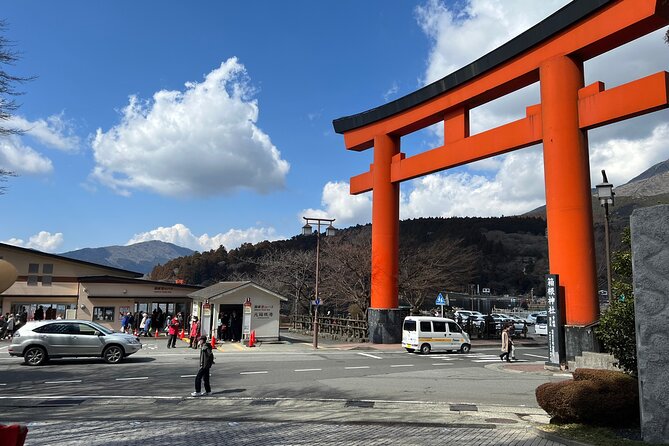
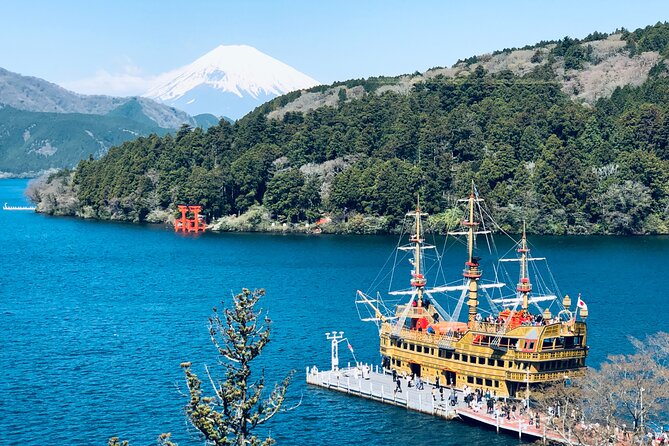
After the first walking section and local transport, the route reaches Lake Ashi. You walk along the shore near Motohakone and see Heiwa no Torii, the large red gate associated with Hakone Shrine. When the weather cooperates, Mt Fuji appears behind the lake and gate, creating one of the day’s most recognizable views.
This portion lasts about an hour and a half. It is less about covering ground quickly and more about seeing how the lake, shrine gate, and old road fit together. The guide can also help you understand the contrast between the lake as a scenic destination today and the difficult mountain crossing it once supported.
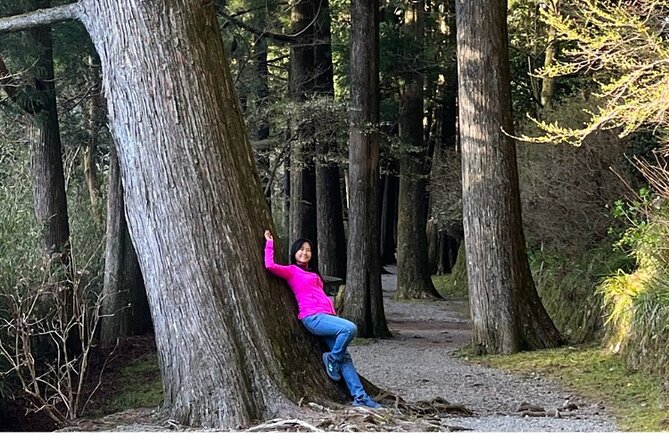
The famous cedar avenue follows. The huge cedar trees line the Old Road and create a cool, shaded stretch with a strong sense of age. Here, the road itself is the attraction. You are not simply walking through woodland. You are following a route shaped by centuries of movement through Hakone.
Mt Fuji is the great variable. You might see it from several angles during the day, including Lake Ashi and Yamanaka Castle, but clouds can cover it. One useful way to judge this experience is to treat Fuji as a bonus rather than the main reason to book. The cedar road, lake, historic route, and guide’s explanations remain worthwhile in gray weather.
Hakone Checkpoint and lunch near Hakone-machi
The cedar avenue leads to the Hakone Checkpoint. During the Edo period, this controlled crossing functioned much like an immigration checkpoint today. The guide explains why it mattered and how it fit into movement along the Old Tokaido.
This is a short stop of about 30 minutes, but it gives the route political context. The mountain crossing was not just a scenic road. It was part of a system that monitored people and goods moving through Japan.
Lunch follows near Hakone-machi at a local Japanese restaurant. Lunch is not included, and you should budget about 2,000 yen for your meal. The details do not specify a fixed menu, so plan for a normal restaurant meal rather than a prepaid tasting experience.
A practical point: this is a full-day route with several changes in scenery and transport, so lunch is your main chance to pause. Bring enough water and snacks too. Amazake and other food along the way cost extra, and the walking sections are spread across the day.
More history tours in Japan:
- World Heritage Shirakawa-go and Experience Tours from Kanazawa
★ 5.0 · 4,049 reviews - Tokyo: Imperial Palace and Shogun Historical Walking Tour
★ 5.0 · 2,251 reviews - World Heritage Kyoto & Nara Uji Authentic Matcha Experience
★ 5.0 · 1,573 reviews - Kyoto Gion: 2-Hour Geisha Culture & History Walking Tour
★ 5.0 · 1,186 reviews
Bus transfer and the Shizuoka side of Hachiri
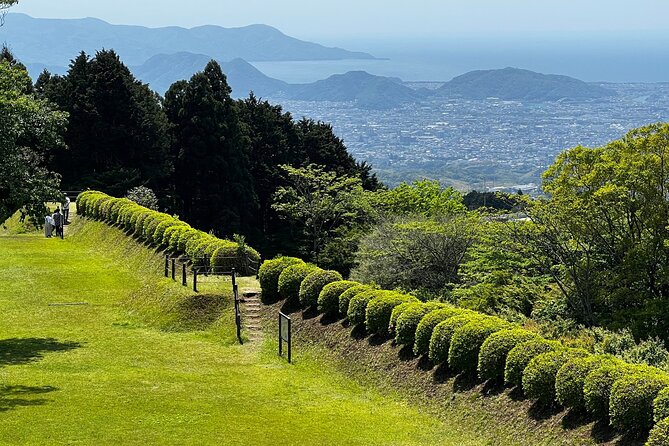
After lunch, you take a bus toward the trailhead on the Shizuoka side of Hachiri. A temporarily closed portion of the route is skipped by bus, then the walk resumes. This is important to understand before you book. The experience follows the historic route, but it does not mean every single part is walked continuously.
Some hikers may prefer an uninterrupted trail. For most people, though, the bus transfer is a sensible compromise. You avoid a closed section and preserve time for the most meaningful walking areas. It also shows how the modern route works alongside the old one. You are not pretending to travel exactly as an Edo-period pilgrim would. You are using today’s transport to reach the surviving historic sections.
The bus rides also break up the physical effort. Still, keep your expectations realistic. This is an active day, not a sightseeing loop with occasional short walks. You need to be comfortable walking on old roads and uneven mountain paths for a total of roughly 8 kilometers.
Yamanaka Castle Ruins and wide mountain views
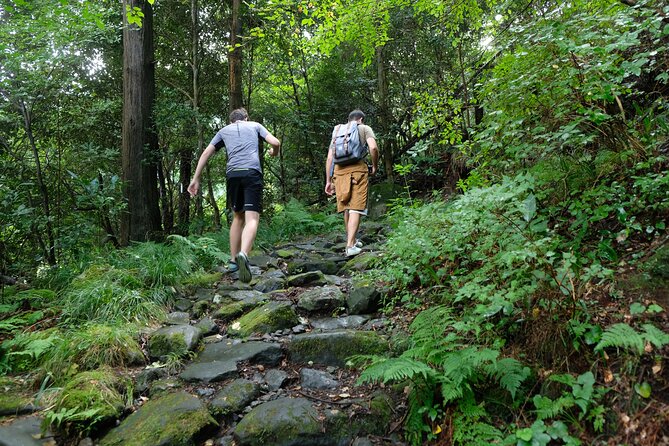
The Yamanaka Castle Ruins provide one of the most distinctive stops. You walk along the Hachiri Heritage path to reach the remains, with about an hour set aside for this part of the tour.
The ruins are valuable because they add a military layer to the day. After seeing the road as a trade and travel route, you encounter a site built around defense. The shape of the old castle grounds helps show how important the Hakone crossing was.
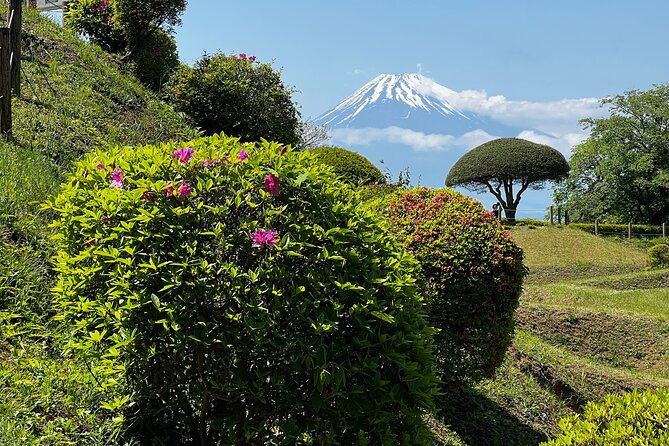
From here, Mt Fuji may be visible if the weather is clear. The setting offers a different angle from the lake, so you have another chance to see the mountain without relying on a single viewpoint. Again, clouds can remove the Fuji view. The castle remains and the walk itself are the dependable parts.
This section may suit you especially well if you enjoy places that require explanation. Ruins rarely explain themselves. Without a guide, you might see grassy mounds and old earthworks without understanding their purpose. A certified mountain guide with strong knowledge of local history and nature can turn those fragments into a readable place.
Arriving in Mishima through shrine and river scenery
The final section brings you to Mishima, where you visit Mishima Taisha and the Genbe River before ending at Mishima Station. The scheduled time for this part is about one hour.
Mishima Taisha is described as the city’s biggest shrine, giving the day a strong closing point after the forest and ruins. Genbe River adds a different kind of scenery, with water and urban surroundings replacing the mountain road. That change helps make the route feel like a journey from one region to another, rather than a hike that simply turns around.
Finishing at Mishima Station is useful for onward travel. Shinkansen trains can take you back to Odawara in about 15 minutes for around 2,500 yen, or to Tokyo in about 45 minutes for roughly 4,400 yen. Buses also serve Hakone and other areas of Izu. The Shinkansen fare is not included, so factor it into your budget if you need to return toward Tokyo or Odawara.
The guide, group size, and the human side of the day
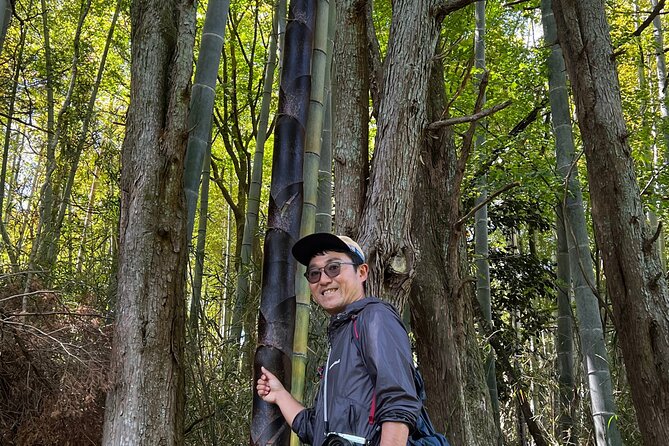
Guide Aki, also referred to as Akihiro, is a major part of the experience. The strongest praise centers on his history and nature knowledge, kind manner, calm presence, and ability to move between buses and trails. He is also known for taking photos for families, a small service that can be especially welcome on a route where you may not have many chances for group pictures.
The group limit of six makes this more personal than a standard coach excursion. You can ask questions without holding up dozens of people, and the guide can give clearer advice about pace, footing, and route changes. It also means the atmosphere may depend on the other people in your small group, since there is less anonymity than on a large tour.
The included guide has national certification and wilderness first aid training. That does not remove the need for sensible preparation, but it is reassuring on a mountain route that uses several trail sections. The tour also allows service animals and operates near public transport.
Weather, fitness, and extra costs
The tour requires good weather and may be canceled for poor conditions. If that happens, you are offered another date or a full refund. However, if you cancel or request a change for your own reasons, the booking is non-refundable and cannot be amended. That policy makes travel insurance or careful scheduling worth considering.
Your likely extra costs are straightforward:
- About 2,000 yen for lunch
- About 2,000 yen for the shared taxi and local buses
- About 2,500 yen for a Shinkansen from Mishima to Odawara, if needed
- Additional money for amazake and snacks
That puts the real day’s cost above the advertised tour price. Even so, the guide, small group, route planning, and one-way transport arrangement give the fee a reasonable case. You are paying for access to several connected sites that would take more planning to combine alone.
Who should book this Hakone hike?
I would choose this experience if you want Hakone’s older roads and local context, not just the standard lake viewpoint. It suits people who enjoy walking, Japanese history, forest paths, and a full day that keeps changing pace.
It is also a good fit if you are staying in Hakone but want to finish somewhere different. Ending at Mishima lets you continue toward Tokyo, Odawara, or Izu without retracing the entire route.
I would hesitate if your priority is guaranteed Mt Fuji photography, a slow day, or minimal walking. The mountain, weather, and trail conditions cannot be controlled. You should also be comfortable with a shared taxi, local buses, and a route that is partly walked and partly connected by transport.
The small group and guide make this a stronger choice for families and curious hikers than for people seeking a completely independent trek. Aki’s calm style and willingness to take photos are useful bonuses, especially when children or older family members need a little more support.
Should you book it?
Book this tour if you want to understand Hakone as a historic crossing rather than just a resort area. The best parts are the old stone road, cedar avenue, Lake Ashi, Hakone Checkpoint, and Yamanaka Castle Ruins, all tied together by a guide who can explain what you are seeing.
Skip it if you need a guaranteed Fuji view or dislike a full day of walking and transfers. For the right hiker, though, the route offers a thoughtful mix of nature, history, and practical local travel, with Mishima as a convenient finish.
FAQ
Where does the Hakone Hachiri tour begin?
The tour begins at Hakone-Yumoto Station in Hakone, Kanagawa. The meeting time is 9 a.m.
Where does the tour end?
The tour ends at Mishima Station in Shizuoka after visiting Mishima Taisha and the Genbe River.
How long is the experience?
The tour lasts approximately seven hours.
How far will I walk?
You will hike around 8 kilometers in total, with some sections connected by shared taxi or local bus.
Is lunch included?
No. Lunch is not included. The estimated cost for lunch at a local Japanese restaurant is around 2,000 yen.
Can I see Mt Fuji?
You may see Mt Fuji from Lake Ashi and the Yamanaka Castle Ruins if the weather is clear. The view is not guaranteed.
How many people can join the tour?
The tour has a maximum of six travelers.
Just added around Japan
- Kanazawa private half day/Photoshoot by professional photographer★ 5.0 · 38 reviews
- Osaka Food Tour with 10 Classic Japanese Tastings & Drinks★ 5.0 · 38 reviews
- Osaka: Highlights & Hidden Gems Private Walking Tour★ 4.7 · 38 reviews
- Tokyo Small Group Tour with Guide★ 4.5 · 38 reviews
- Tokyo 6hr Instagram Highlights Private Tour with Licensed Guide★ 5.0 · 38 reviews
- From Tokyo: Kamakura Private Customize Tour by Luxury Van★ 4.6 · 38 reviews
- Tokyo Sumo Experience with Live Show & Audience Challenge★ 5.0 · 38 reviews
- Kyoto: Private Customizable Day Trip by Car★ 5.0 · 38 reviews
Historical Tours, compared.
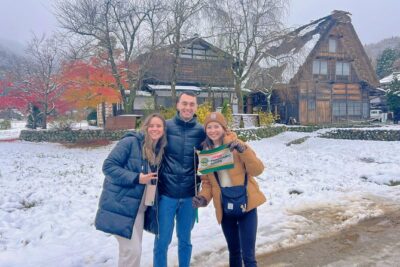
World Heritage Shirakawa-go and Experience Tours from Kanazawa
Read our review →
Imperial Palace and Shogun Historical Walking Tour
Read our review →
World Heritage Kyoto & Nara Uji Authentic Matcha Experience
Read our review →
Kyoto Gion: 2-Hour Geisha Culture & History Walking Tour
Read our review →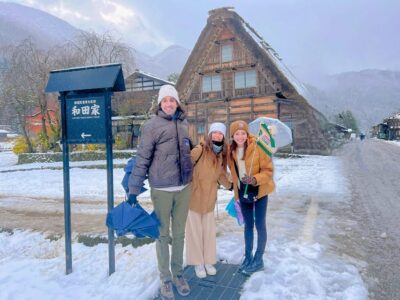
World Heritage Shirakawa-go Morning Guided Tour
Read our review →
Hiroshima Historical Walking Tour – Why A-Bomb was Dropped
Read our review →
Hiroshima Peace (Heiwa) Walking Tour at World Heritage Sites
Read our review →Browse the lists this tour appears in