
Reviewed · FOOD & DRINK
Japanese Food Experience Night Tour in Ueno
Ueno tastes better after dark. This 3.5-hour evening tour takes you beyond Tokyo’s famous tourist districts and into ordinary neighborhood restaurants, where you can sample ramen, sashimi, yakitori, sake, and other Japanese favorites with an English-speaking local guide. I like the small group of no more than 10 people, and I like that dinner is spread across three or four stops instead of being served at one table.
The roughly nine dishes and five drinks make the $105.68 price easier to justify, especially in an expensive city like Tokyo. You also receive a welcome drink and small souvenir. The main drawback is food flexibility: kitchens are independent, so allergy-free meals and dietary substitutions cannot be guaranteed.
In This Review
- Five things to know before booking
- Why Ueno makes a good food-tour base
- Meeting your guide near Ameyoko
- First plates at an izakaya
- Drinks, sake, and the rhythm of the evening
- Ramen brings the food tour to a close
- What the $105.68 price really covers
- The guide can make or break the night
- Food restrictions are the main concern
- Who will enjoy this Ueno evening?
- Should you book this Ueno food tour?
- FAQ
- Where does the Japanese Food Experience Night Tour begin?
- Where does the tour end?
- How long does the experience last?
- How many restaurants does the tour visit?
- What food is included?
- Are drinks included?
- Is alcohol included for participants under 20?
- What is the maximum group size?
- Can people with food allergies or dietary restrictions join?
- Can I cancel for a full refund?
Five things to know before booking
- Four local food stops: Expect a mix of an izakaya, a bar, and a ramen shop around Ueno.
- About nine dishes included: The meal covers several Japanese staples rather than one large restaurant dinner.
- Around five drinks: Alcohol is included, along with a welcome drink, but only participants aged 20 or older may drink.
- Maximum of 10 people: The small group should make it easier to ask questions and keep up while moving between restaurants.
- Meeting point in Ueno: The tour starts and ends at hotel MONday Premium Ueno Okachimachi.
- Dietary restrictions need careful thought: The operator will try to compensate at other stops, but substitutions are not assured.
Why Ueno makes a good food-tour base
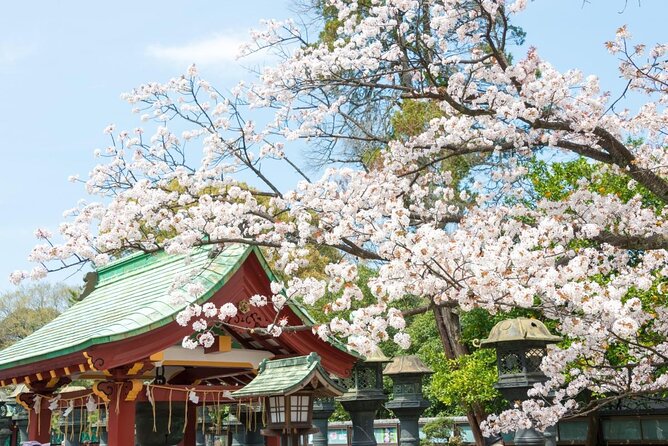
Tokyo often pushes first-time visitors toward Shibuya, Shinjuku, and Ginza. Ueno offers a different evening. The area around Ameyoko Shopping Street has long been a place for shopping, eating, and drinking, with a more everyday feel than Tokyo’s polished central districts.
That matters because food tours work best when they show you how a city eats, not just what it displays for visitors. Ueno’s small restaurants and drinking spots give you a chance to try familiar Japanese dishes in the setting where locals commonly enjoy them.
I also like the practical geography. The tour stays within the Ueno district, so you are not spending the evening crossing Tokyo by train. You walk from stop to stop, eat a little at each place, and keep moving.
The meeting point is hotel MONday Premium Ueno Okachimachi, at 3-chōme-41-7 Taitō, Taito City. The activity returns there at the end, which is useful if you want a clear finish point and do not want to guess where the evening will end.
More Food Tours in Tokyo
- Tokyo: Shinjuku Food Tour (13 Dishes at 4 Local Eateries)
★ 5.0 · 6,603 reviews - Tokyo Tsukiji Fish Market Food and Culture Walking Tour
★ 5.0 · 3,184 reviews - Tokyo: Shinjuku Food Tour (15 Dishes and 4 Eateries)
★ 4.9 · 2,033 reviews
Meeting your guide near Ameyoko
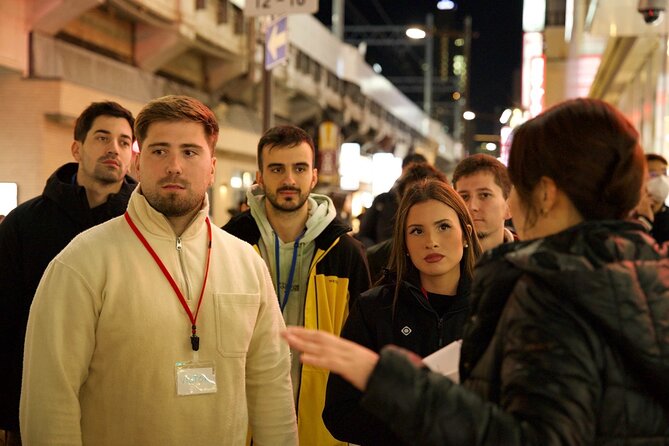
The evening begins in Ueno with your English-speaking guide and the rest of the group. A welcome drink and small souvenir are included, giving the opening a little more shape than simply meeting outside a restaurant.
The group limit is 10 people. That is large enough to have some social energy, but small enough that a guide can usually speak with everyone. If you are new to Japanese food, this is a good setting for asking simple questions about ingredients, ordering customs, or how to approach an unfamiliar dish.
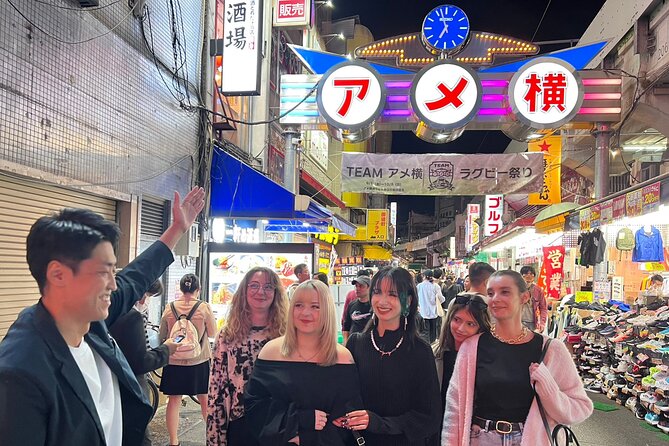
The route includes Ameyoko Shopping Street and the wider Ueno district. Ameyoko is a useful first look at the area’s food culture because it combines shops, casual places to eat, and local evening activity. The tour description does not promise a market tasting session, so think of this part as orientation and walking between restaurants rather than a separate food stop.
Wear comfortable shoes. Three and a half hours is not a long city walk, but the experience depends on moving between several venues. You will enjoy it more if you are ready to walk, pause, eat, and move on instead of treating it like a single sit-down dinner.
First plates at an izakaya
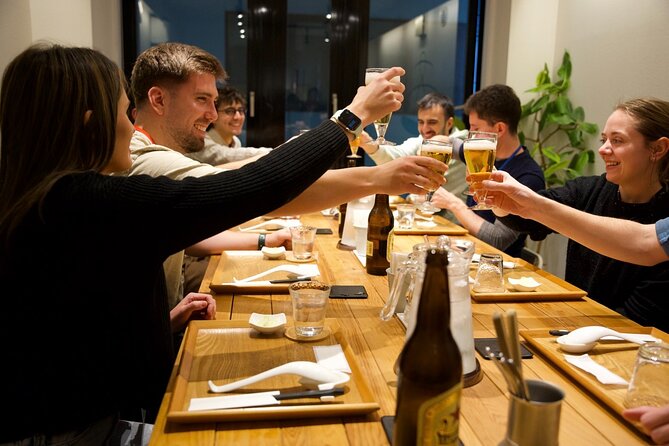
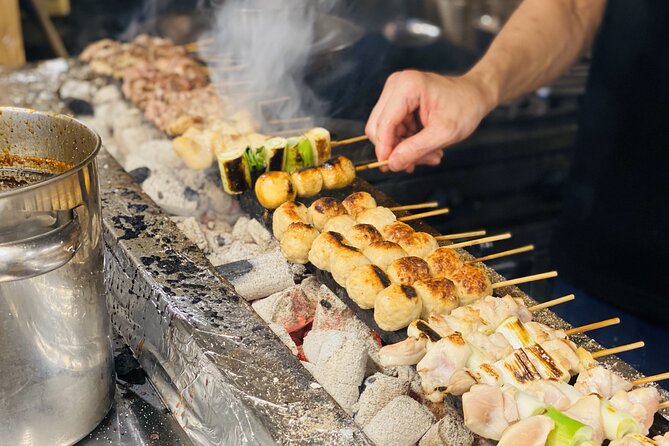
One of the planned stops is an izakaya, the classic Japanese drinking-and-eating place. Izakaya meals are usually built around several shared dishes, which fits this tour well. You are not committed to one main course. Instead, you get small portions and a chance to compare different flavors.
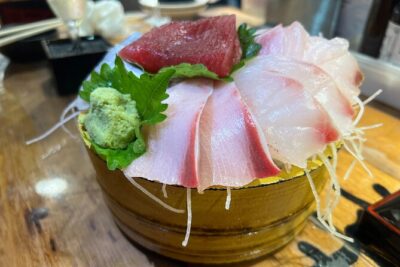
Sashimi and yakitori are among the foods included in the wider dinner. Sashimi gives you a direct taste of Japanese seafood preparation, while yakitori offers a more familiar grilled option served in small pieces. The exact menu can vary, so you should not expect a fixed list of every dish on every date.
This is also where the guide’s role matters most. Japanese menus can be difficult to interpret, especially when dishes are listed only in Japanese or when an item is unfamiliar. A local English-speaking guide can explain what you are eating and add cultural context that you would likely miss by pointing at a menu and choosing at random.
The amount of food is worth noting. The dinner includes around nine dishes across three or four restaurants, so you should arrive hungry but not assume that every serving will be large. The strength of the format is variety.
Drinks, sake, and the rhythm of the evening
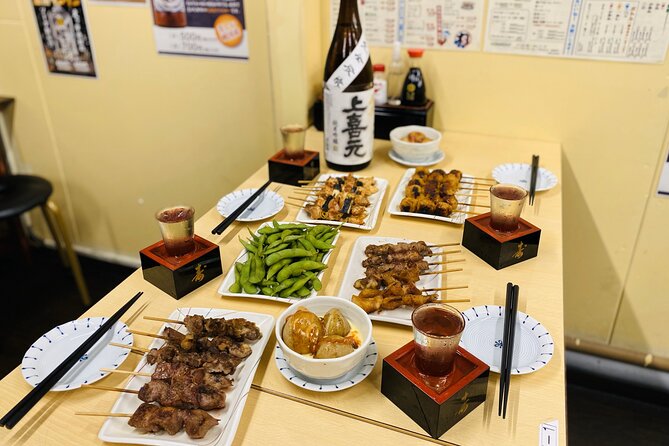
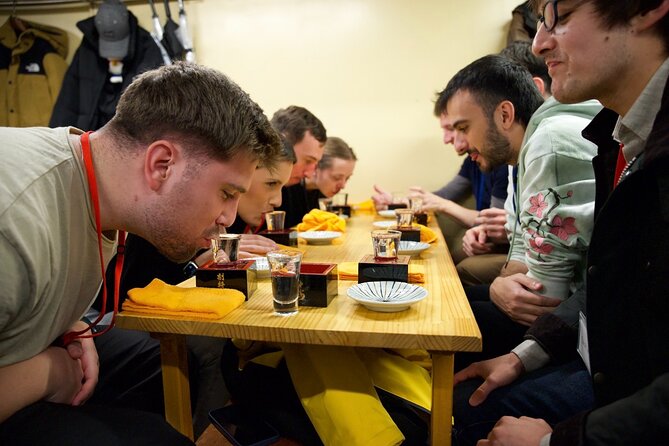
Around five drinks are included, along with the welcome drink. The package may include alcoholic beverages such as Japanese sake, but the supplied details do not specify every drink or guarantee a particular brand or style.
Sake is best approached as part of the meal rather than as a separate tasting lecture. The tour gives you a chance to try it alongside Japanese food and ask your guide how it fits into the evening. If you do not drink alcohol, the food restrictions and drink alternatives are not clearly described, so you should confirm your options before booking.
The alcohol rule is firm. The minimum age for the tour is 15, but only people aged 20 or older may drink alcohol. Children must be accompanied by an adult. This makes the activity suitable for older teenagers who can join the food experience, but families should not assume that everyone in the group can take part in the drinks.
The five-drink allowance also means pacing matters. You do not need to rush. With several stops and a meal spread over the evening, the best approach is to take small sips, eat steadily, and let the guide set the pace.
A few more Tokyo experiences worth weighing up
- Tokyo Bar Hopping Tour in Shinjuku (All-You-Can-Drink + Dinner)
★ 5.0 · 3,587 reviews - Tokyo: Sumo Show and Dining Experience
★ 4.8 · 2,742 reviews - Tokyo: Samurai Restaurant Show Ticket with 2 Drinks
★ 4.5 · 1,307 reviews - Sumida River: Japanese Traditional Yakatabune Dinner Cruise
★ 4.6 · 779 reviews
Ramen brings the food tour to a close
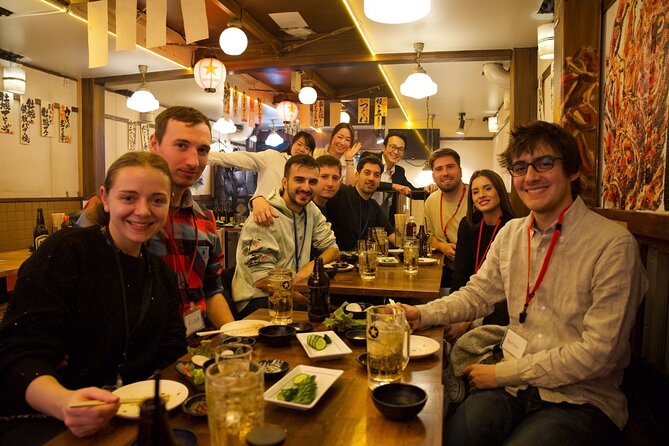
Ramen is specifically included, and the route visits a ramen shop. This gives the night a filling finish after the smaller dishes at the earlier restaurants.
Ramen is also a practical choice for a group food tour. It is recognizable, satisfying, and easy to appreciate even if you are less comfortable with seafood or unfamiliar small plates. At the same time, the tour does not suggest that you will choose from a full ramen menu or customize every part of the bowl.
The exact order of the stops is not provided, so you should treat the itinerary as a food route rather than a strict schedule. The listed locations include Tokyo, Ameyoko Shopping Street, the Ueno district, Ueno, and Tokyo Prefecture. In practical terms, the evening centers on Ueno and its nearby restaurants.
A three-and-a-half-hour duration gives enough time for several stops without turning dinner into an all-night commitment. You can finish at the original meeting point and make your own plans afterward.
What the $105.68 price really covers
At $105.68 per person, this is not a cheap dinner. It is also more than a simple restaurant meal because the cost includes food, drinks, guiding, restaurant coordination, a welcome drink, and a souvenir.
The strongest value comes from the range. You receive around nine dishes at three or four places, plus about five drinks. If you tried to recreate that evening on your own, you would need to choose several restaurants, understand their menus, order suitable portions, manage the bill, and keep the route moving.
The guide adds another useful layer. The purpose is not merely to feed you. It is to explain Japanese food and culture while taking you to places you might pass without noticing. That help has real value on a first visit, especially if you are uncertain about izakaya manners or Japanese drinking customs.
The price is less attractive if you already know Ueno well, speak Japanese, and prefer choosing your own restaurants. It is also less useful if you want one carefully planned fine-dining meal. This is a casual tasting night, not a formal culinary event.
The 4.9 out of 5 rating from 47 published ratings, with 100 percent recommending it, suggests strong satisfaction. The most praised feature is the route through places participants would not have found on their own. One person enjoyed the food and drinks so much that they returned to one of the restaurants a few days later.
The guide can make or break the night
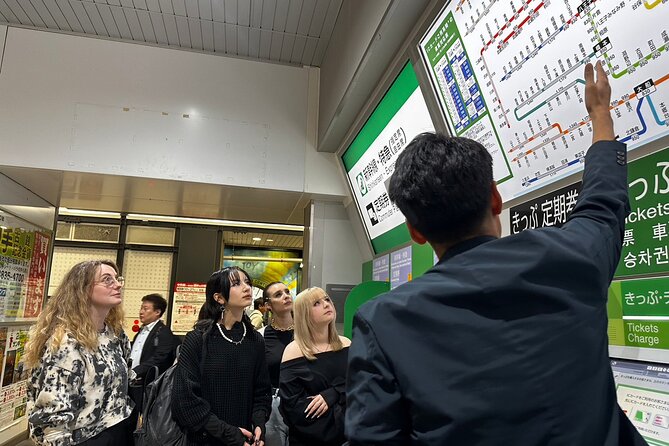
The tour names Lyu and Kazuki as guides praised for warm leadership and for introducing lesser-known local stops. A good guide is especially valuable here because the experience relies on several small restaurants rather than a famous landmark.
You should expect the guide to explain the dishes, help the group move between venues, and provide local context. The tour is designed for personalized attention, but it remains a group activity. With as many as 10 people, you may not receive a long private conversation at every stop.
The strongest feedback focuses on the guides’ enthusiasm and the feeling of being led to places that would be difficult to locate alone. That is a useful clue about the tour’s real purpose. The food matters, but the route and human guidance are just as important.
Food restrictions are the main concern
This tour is not a safe choice if you require strict control over ingredients. The food is prepared in kitchens that do not belong to the meeting hotel, and allergy-free meals cannot be guaranteed.
Substitutions may not be possible at some stops. The operator says it will make every effort to compensate at other restaurants, but that is not the same as promising a complete alternative meal.
You should contact the provider before booking if you have a serious allergy, need vegetarian or vegan food, avoid pork or seafood, or follow a religious diet. The available details do not confirm that any of these needs can be fully accommodated.
The same caution applies to picky eaters. The tour includes a broad mix of Japanese dishes, and the appeal is trying several kinds of food. If you prefer familiar food only, the ramen and yakitori may suit you, but the full evening could still include items you would rather skip.
Who will enjoy this Ueno evening?
I would recommend this tour to you if you:
- Want a guided introduction to Japanese food beyond sushi
- Prefer several casual stops to one formal dinner
- Are curious about izakaya culture and Japanese drinks
- Enjoy meeting a small group of other people
- Want help reading menus and choosing unfamiliar dishes
- Have an evening free in Ueno and want a structured plan
It is especially useful early in a Tokyo visit. The guide can give you ideas for the rest of your trip, and the evening may help you feel more comfortable entering similar restaurants on your own later.
I would be more cautious if you need extensive dietary substitutions, dislike alcohol-centered settings, or want complete control over the menu. The minimum age is 15, but the drinking portion is limited to those aged 20 and older.
The tour is booked an average of 51 days ahead, so popular dates may fill early. Free cancellation is available if you cancel at least 24 hours before the start time. Changes or cancellations inside that window are not accepted for a refund.
Should you book this Ueno food tour?
Book it if you want a generous, social food evening and do not want to spend your first night in Ueno guessing which small restaurants to enter. The combination of about nine dishes, five drinks, three or four local stops, and a guide makes the price reasonable for a visitor who values convenience and context.
Skip it if you need guaranteed allergy accommodations or want a carefully controlled tasting menu. For everyone else, this is a useful way to meet Ueno through its everyday food culture, with ramen, yakitori, sashimi, and sake providing a broad first taste of Tokyo dining.
FAQ
Where does the Japanese Food Experience Night Tour begin?
It begins at hotel MONday Premium Ueno Okachimachi, 3-chōme-41-7 Taitō, Taito City, Tokyo 110-0016, Japan.
Where does the tour end?
The activity ends back at the original meeting point at hotel MONday Premium Ueno Okachimachi.
How long does the experience last?
The tour lasts approximately 3 hours and 30 minutes.
How many restaurants does the tour visit?
You will visit three to four local restaurants and drinking spots.
What food is included?
The full dinner includes around nine dishes, with foods such as ramen, sashimi, and yakitori included in the experience.
Are drinks included?
Yes. Around five drinks are included, as well as a welcome drink.
Is alcohol included for participants under 20?
No. The minimum age for the tour is 15, but only people aged 20 or older may drink alcohol.
What is the maximum group size?
The tour can have a maximum of 10 participants.
Can people with food allergies or dietary restrictions join?
The operator cannot guarantee allergy-free meals or accommodate every dietary restriction. Substitutions may not be possible at some stops, though the operator will try to compensate at other restaurants.
Can I cancel for a full refund?
Yes. You can cancel at least 24 hours before the experience start time for a full refund. Cancellations or changes made less than 24 hours beforehand are not accepted for a refund.
Just added around Tokyo
- Tokyo 6hr Instagram Highlights Private Tour with Licensed Guide★ 5.0 · 38 reviews
- Tokyo Small Group Tour with Guide★ 4.5 · 38 reviews
- Tokyo Sumo Experience with Live Show & Audience Challenge★ 5.0 · 38 reviews
- Japanese Food Cooking Class in Asakusa, Tokyo★ 5.0 · 39 reviews
- Very popular in Harajuku♡Animal petting zoo★ 4.6 · 39 reviews
- Ramen Making from Scratch with Tokyo Mom(Vegan Option Available)★ 5.0 · 39 reviews
- Tokyo JDM Night: 600hp C63s AMG Edition 1 (Private)★ 4.9 · 39 reviews
- Tokyo: Kimono Rental inside Shinjuku Gyoen National Garden★ 4.9 · 39 reviews
Food & Drink, compared.
Shinjuku Food Tour (13 Dishes at 4 Local Eateries)
Read our review →
Tokyo Tsukiji Fish Market Food and Culture Walking Tour
Read our review →
Shinsekai Food Tour with 13-15 Dishes at 5 Eateries
Read our review →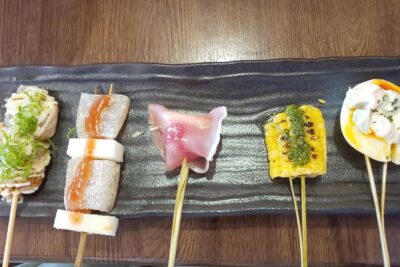
Osaka Food Tour: 13 Dishes at 5 Local Eateries
Read our review →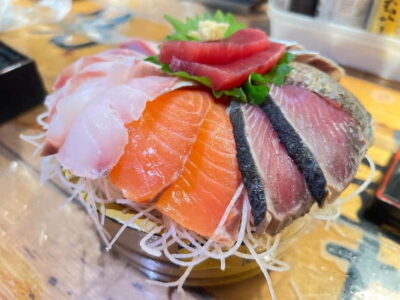
Shinjuku Food Tour (15 Dishes and 4 Eateries)
Read our review →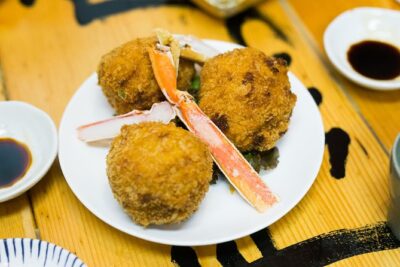
Best of Shinjuku: Izakaya Food Tour (4 Stops, 14+ Tastings)
Read our review →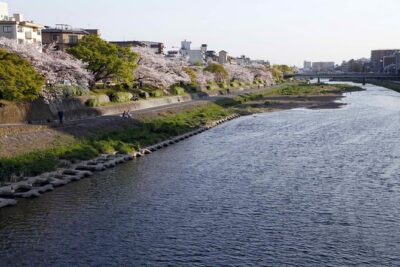
Kyoto Night Foodie Tour in Gion (9+ dishes + 6 Sake tastings)
Read our review →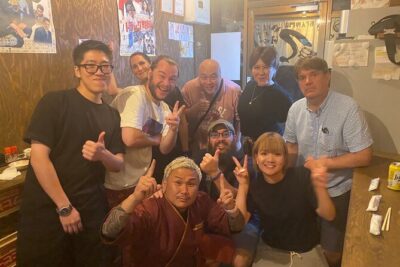
Hungry Osaka Street Food Tour:15 Tastings & 3 Drinks with a Local
Read our review →Browse the lists this tour appears in