
Reviewed · KOBE TOURS
Kobe Highlights & Hidden Gems: Private & Custom Tour with a Guide
Kobe rewards a curious pace. This private tour lets you shape the day around what you care about, and I like its one-to-one format and the chance to mix famous sights with quieter local places. I also like that guides can help with food, history, shopping, or culture instead of forcing every group through the same route. The main catch is that the $123.91 price is per person, and transportation, meals, and attraction tickets cost extra.
You can book from three to eight hours, which makes this a useful choice for a short port call or a full day in town. Guides such as Anjelica, Rio, Ryan, Hiromi, Kyoko, Taiga, Marwan, and Silva have earned praise for warmth, flexibility, English skills, and local insight. Still, the experience depends heavily on the guide you receive, and one poor account described too little background and too much quiet time.
In This Review
- Key points to know before booking
- Why a custom Kobe walk can work so well
- Starting near Sannomiya and finding Kobe’s rhythm
- Ikuta Shrine and a quieter side of central Kobe
- Motomachi Shopping Street and old-school Kobe
- Chinatown for food, color, and local guidance
- Kobe Harborland and the city’s waterfront
- Harbor Park and a calm finish by the water
- Hills, foreign residences, gardens, and special interests
- What the guide quality means for your day
- Price, timing, and the real value
- Is this private Kobe tour right for you?
- FAQ
- How long does the Kobe private tour last?
- Is transportation included?
- Where does the tour start?
- Where does the tour end?
- Are food and attraction tickets included?
- Is this a private group experience?
- Can I cancel for a full refund?
Key points to know before booking
- Your itinerary is built around your interests: Ask for food, shrines, shopping, Kobe beef, gardens, foreign residences, or harbor sights.
- It is mainly a walking tour: Public transit or taxis may be used, but you pay those costs separately.
- The three-to-eight-hour range matters: A short booking works for central Kobe, while a longer tour gives you room for hills, gardens, or outlying stops.
- The guide is the heart of the experience: Strong hosts have been praised for humor, English, flexibility, and local stories.
- The meeting point is central: Start at the Kobe Information Center near Sannomiya Station, with central accommodation pickup on foot sometimes available.
- The price offers better value for a small group: It can cost less per person when shared by several people, but food and admissions are not included.
Why a custom Kobe walk can work so well
Kobe is easy to underestimate. The center has shopping arcades, Chinatown, shrines, foreign residences, waterfront promenades, cafés, and broad harbor views. The city also reaches toward wooded hills, where a ropeway and herb garden can change the feel of the day entirely.
A fixed sightseeing route may show you the main sights, but it cannot know if you would rather eat than shop, visit a synagogue than a museum, or spend an hour in a garden instead of rushing between monuments. This experience begins with a short questionnaire after booking. You share your interests and must-sees, then communicate directly with your host to shape the plan.
That preparation is important. I would be specific. Tell the host if you are arriving from a cruise ship, traveling with children, hoping to eat Kobe beef, interested in religious sites, or trying to avoid steep hills. The more useful information you provide, the more useful the final route should be.
You can also let the host suggest the plan. That is often the better choice if this is your first visit. A local guide can connect the well-known parts of Kobe into a sensible walk and add smaller stops you might miss on your own.
The private format gives you room to adjust the day. If a market stall catches your eye, you can pause. If the weather turns wet, you can discuss public transit rather than simply pushing ahead. One account praised a guide for adapting well to a family with children, while another raised the opposite concern: too much walking in the rain when a metro ride would have been more comfortable. Speak up early. Flexibility only helps if you use it.
More hidden gem tours in Japan:
- Kyoto Geisha Walking Tour: Gion District & Hidden Gems
★ 4.7 · 3,273 reviews - Private Kyoto Tour with a Local, Highlights & Hidden Gems, Personalised
★ 5.0 · 1,543 reviews - Osaka Kickstart: Hotspots & Hidden Gems Tour
★ 5.0 · 1,306 reviews
Starting near Sannomiya and finding Kobe’s rhythm
The published meeting point is the Kobe Information Center at 8 Chome-1 Kumoidori in Chuo Ward. This places you near the Sannomiya area, a practical starting point for central Kobe. If you are staying in a central hotel, pickup on foot may be possible.
The opening portion is designed to help you see Kobe as a lived-in city rather than a checklist. Your host can explain how the commercial center, older neighborhoods, religious buildings, and port fit together. That context is one reason to choose a private guide instead of simply following a map.
The exact opening stop can vary. Your host might begin with a shrine, shopping street, or another place that matches your interests. If you want a firm start, agree on it before the day begins. Guide changes and meeting-point confusion caused trouble for at least one booking, even though the eventual guide, Ryan, was described as flexible and personable. Confirm the guide’s name, meeting time, and location before you leave your hotel or ship.
Ikuta Shrine and a quieter side of central Kobe

One possible early stop is Ikuta Shrine, one of Japan’s oldest Shinto shrines. Its central location makes it an easy addition to a city walk, yet the shrine grounds can feel removed from the traffic and shops nearby.
A guide can explain the shrine’s founding and point out paths and sacred spaces that are easy to pass without noticing. This is where a good host adds real value. You are not just looking at a gate or wooden structure. You are learning how the site functions, what visitors do there, and why it matters locally.
The shrine is also a sensible place to begin if you want cultural context before lunch and shopping. Keep in mind that a shrine visit is not a long attraction in itself. Its value comes from the explanation, the atmosphere, and how it connects with the rest of the route. If your guide gives only a few basic facts, the stop may feel brief. Ask questions and request stories rather than accepting a silent walk.
Motomachi Shopping Street and old-school Kobe
The covered arcade around Motomachi offers a different side of Kobe. Shops, snack stalls, and retro storefronts give you a chance to see the city’s everyday shopping culture, not just its postcard sights.
This is a good section for a flexible itinerary. You might browse for small goods, stop for a snack, or ask your host to point out family-run shops and local favorites. The arcade also provides shelter in poor weather, which can be a practical advantage on a walking day.
I would not treat this as a formal shopping tour unless you say so. The experience is more useful when your host knows what you want. If you are looking for food, tell the guide. If you want gifts, vintage stores, or a quick stroll, say that instead. Without direction, the walk may amount to a general pass through the area.
The shorter three-hour option could pair this street with Ikuta Shrine and Chinatown. That would give you a good central overview without trying to reach every corner of Kobe.
A few more Japan experiences worth weighing up
- KOBE Sake Tasting Tour at Breweries (tasting fee included)
★ 5.0 · 154 reviews - Kobe 4hr Private Tour with Government-Licensed Guide
★ 5.0 · 59 reviews - Kobe: Guided Sake Breweries Tour with Tastings
★ 5.0 · 55 reviews - Nijigen No Mori:Naruto & Boruto Theme Park Entry Ticket
★ 4.5 · 53 reviews
Chinatown for food, color, and local guidance
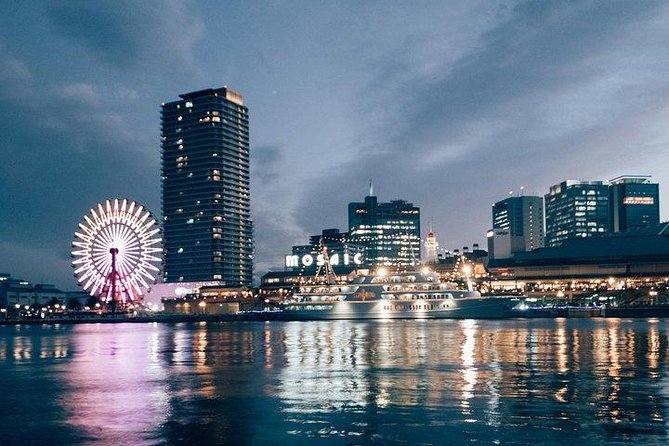
Kobe’s Chinatown, known as Nankinmachi, is compact but full of visual and culinary interest. Colorful streets and food aromas make it one of the easiest places to add energy to a central walking route.
Your host can help you look beyond the most obvious stalls, explain regional dishes, and lead you through nearby alleys. Food is not included, so budget separately for snacks or a meal. That is not a flaw, but it affects the final cost. You may prefer to choose a few small bites, or you may want to end with a proper lunch elsewhere.
One family booking finished with Kobe beef after seeing Kobe Harborland, Chinatown, and the new aquarium. Another half-day route included a beef lunch and a Nihon-shu tasting. These examples show how much the experience can change when you tell the host what matters most.
Food-focused planning needs clear expectations. A guide can suggest places and help you navigate, but the tour price does not cover what you eat. Ask beforehand if you have dietary restrictions or a firm restaurant preference, although the supplied details do not promise that every request can be met.
Kobe Harborland and the city’s waterfront
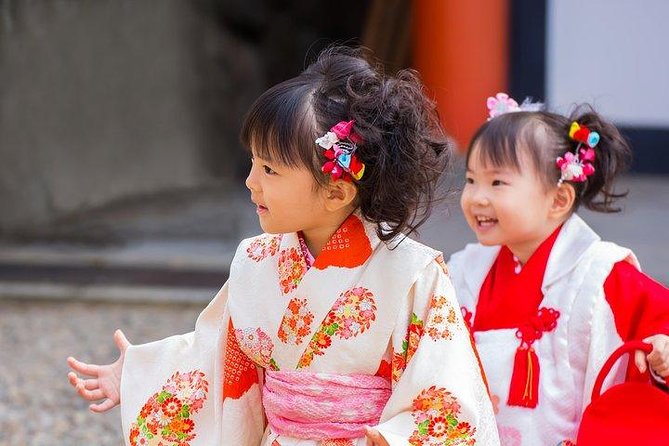
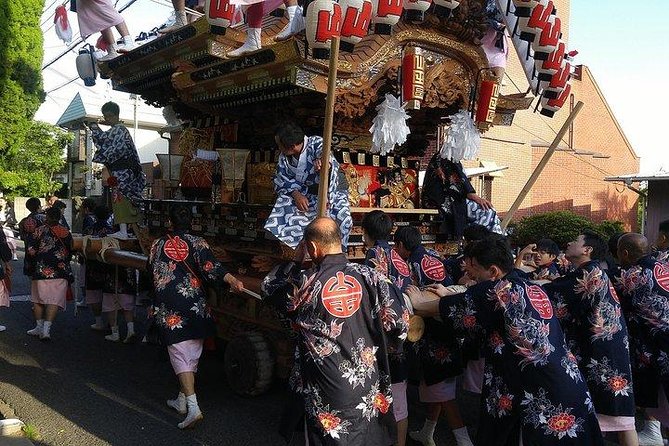
Kobe Harborland brings the route toward the bay, with cafés, public art, shops, and open views. It is a pleasant contrast to the tighter streets of Chinatown and Motomachi.
A host can explain how the waterfront has changed and identify places where locals relax or spend time. The area works well near the end of a short city tour because it gives you a broad sense of Kobe’s connection to the port.
It is also a useful family stop. One guide took a family to Harborland and the aquarium, while another cruise-stop group used a short taxi ride to reach the city center before walking through the main sights. If you are arriving by ship, ask about the transfer plan. A vehicle is not included, and public transit or taxis add to your expense.
The waterfront itself is easy to enjoy at your own speed. You can stop for coffee, browse shops, or simply look across the bay. Do not expect admission to attractions to be included. The tour price covers the private guiding service, not food, drinks, or tickets.
Harbor Park and a calm finish by the water

The planned walk can finish at an open-air harbor park with sculptures, green space, and views across the water. It is a quieter ending than a final shopping stop and gives you time to pause after several hours on foot.
This closing stop also provides a natural moment to ask final questions. Your host can suggest where to eat next, how to reach your hotel or ship, or which parts of Kobe deserve more time. The official end point is back at the meeting point, so do not assume the tour finishes at the park unless you confirm the route with your host.
The park is best understood as a pleasant conclusion, not a major sightseeing attraction. Its value is in the open space, the harbor views, and the chance to end without rushing. If you are more interested in gardens, hills, or food, you may want to trade this stop for something else.
Hills, foreign residences, gardens, and special interests
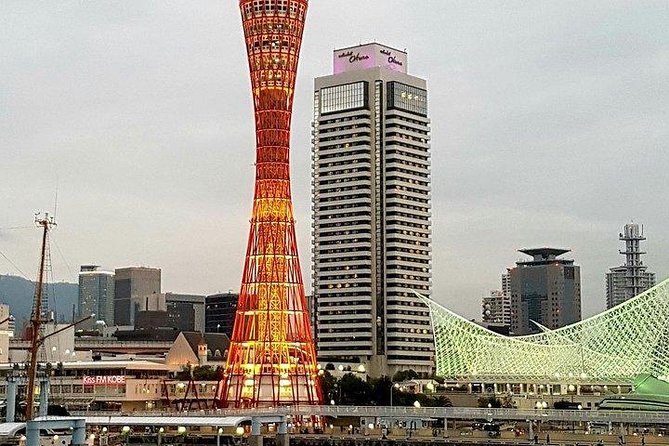
The custom format is not limited to the central walk. Longer bookings can make room for Kobe’s hillside areas and the former foreign residences. One winter route combined a shrine, older foreign homes, a Kobe beef lunch, and Nihon-shu tasting.
Another especially memorable plan included the ropeway to the Kobe Nunobiki Herb Gardens. The ride and flower-filled paths gave the visitor views over the city and a change from the urban streets. A three-hour tour may not leave enough time for this kind of detour, especially if you need public transit or a taxi. Choose six to eight hours if you want to combine central Kobe with the hills.
A synagogue visit was another highly personal request. Rio helped a group reach the site by local transportation after meeting them at the port. This shows the strength of the private format: a standard city walk would rarely be built around such a specific interest.
The key is to request unusual stops before the tour. The host can then judge time, opening hours, transport, and whether the plan is realistic. Do not assume every attraction or private site can be entered simply because it appears in a conversation with the host.
What the guide quality means for your day
The strongest part of this experience is the human connection. Anjelica was praised for excellent English, cultural knowledge, and humor. Hiromi earned praise for being punctual, helpful, and well informed. Taiga was described as warm, fun, and able to discuss many subjects. Silva was valued for explaining places from a local point of view, and Marou helped a guest learn more than they would have by simply looking around alone.
These are meaningful strengths. A good guide can turn a shrine into a story, a shopping street into a neighborhood, and a meal into a window on local life. The private setting also makes it easier to ask basic questions without feeling awkward.
There is a real limitation. One six-hour booking felt that the guide showed the main sights but offered too little background. Another account described plain content, long silences, and an uncomfortable walk in the rain. The overall score of 4.7 from 70 ratings and a 93 percent recommendation rate suggest strong performance, but not a uniform experience.
You can improve your odds by stating what kind of guide you want. Ask for someone strong on history, food, family activities, architecture, or conversation. Also say how much walking you can manage. If you want facts and anecdotes throughout, make that clear in the questionnaire and in your direct messages.
Price, timing, and the real value
At $123.91 per person, this is not the cheapest way to see Kobe. The value depends on the length of the tour and the size of your group. A three-hour private walk gives you personal attention and route control, but a larger group may find the per-person price harder to justify. For a family or group of friends sharing the experience, the private format becomes more attractive.
The price does not include meals, drinks, attraction tickets, or transport. Public transit and local taxis may be used at an additional cost. A longer tour can also lead to more spending because you have more time for lunch, snacks, ropeway admission, or other paid stops.
I see the best value here for three types of visitors:
- People on a first visit who want help choosing what matters.
- Cruise passengers who need an organized central route within a limited port call.
- Small groups with specific interests that do not fit a standard sightseeing tour.
The three-hour option suits a compact central plan. Choose four to six hours for a relaxed mix of shrines, shopping, Chinatown, and the waterfront. Pick the full eight hours only if you have a strong list of places or want to include the hills, garden, special religious sites, and a proper meal.
The tour is free to cancel up to 24 hours before the start time for a full refund. Changes or cancellations inside that window are not accepted for a refund. Confirmation arrives at booking, and service animals are allowed.
Is this private Kobe tour right for you?
Book it if you want a flexible day built around your own interests, especially if you are traveling with family, visiting from a cruise ship, or hoping to combine central sights with food, gardens, or a special cultural stop. The best hosts have made this experience personal, warm, and much more useful than a simple walk between landmarks.
Think twice if you want a fixed, fact-heavy tour with guaranteed stops, included admission, and no extra transport costs. The guide can make the day excellent, but the experience is not identical for every booking. Confirm the meeting details, name your guide preferences, set a comfortable walking pace, and ask for plenty of context.
For most first-time visitors, I would choose four to six hours and request Ikuta Shrine, Motomachi, Chinatown, Harborland, and one personal interest. That gives you Kobe’s main flavors without turning the day into a race.
FAQ
How long does the Kobe private tour last?
You can choose a duration of approximately three to eight hours when booking.
Is transportation included?
No. This is mainly a walking experience. Public transportation or local taxis may be used, but those costs are additional. A private vehicle is not included.
Where does the tour start?
The listed starting point is the Kobe Information Center at 8 Chome-1 Kumoidori, Chuo Ward, Kobe. Pickup on foot may be available from centrally located accommodation.
Where does the tour end?
The activity is scheduled to end back at the meeting point. Confirm the exact route and final stop with your host, especially if you plan to continue elsewhere.
Are food and attraction tickets included?
No. Food, drinks, and tickets to attractions are not included in the tour price.
Is this a private group experience?
Yes. Only your group participates in the private activity.
Can I cancel for a full refund?
Yes, if you cancel at least 24 hours before the experience start time. Cancellations or changes made less than 24 hours before the start time are not eligible for a refund.
Just added around Japan
- Kanazawa private half day/Photoshoot by professional photographer★ 5.0 · 38 reviews
- Osaka Food Tour with 10 Classic Japanese Tastings & Drinks★ 5.0 · 38 reviews
- Osaka: Highlights & Hidden Gems Private Walking Tour★ 4.7 · 38 reviews
- Tokyo Small Group Tour with Guide★ 4.5 · 38 reviews
- Tokyo 6hr Instagram Highlights Private Tour with Licensed Guide★ 5.0 · 38 reviews
- From Tokyo: Kamakura Private Customize Tour by Luxury Van★ 4.6 · 38 reviews
- Tokyo Sumo Experience with Live Show & Audience Challenge★ 5.0 · 38 reviews
- Kyoto: Private Customizable Day Trip by Car★ 5.0 · 38 reviews
Kobe Tours, compared.
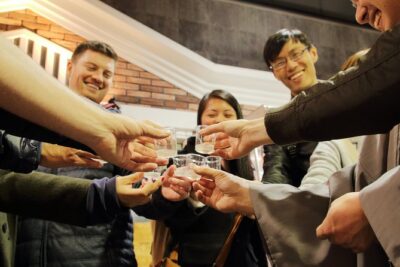
KOBE Sake Tasting Tour at Breweries (tasting fee included)
Read our review →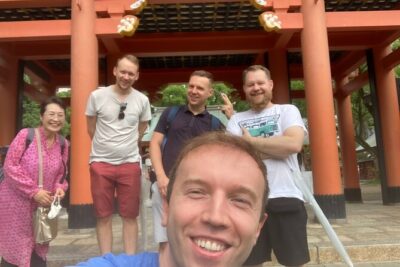
Kobe 4hr Private Tour with Government-Licensed Guide
Read our review →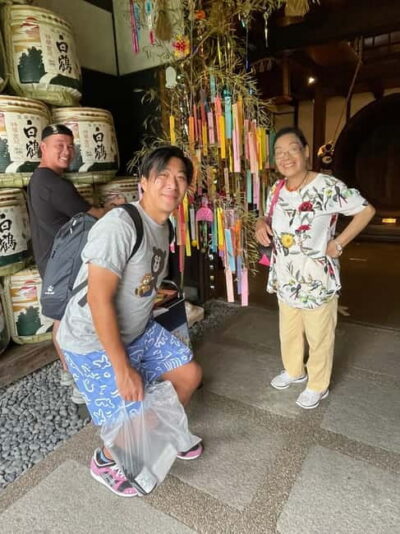
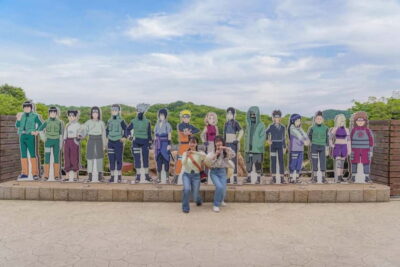
Nijigen No Mori:Naruto & Boruto Theme Park Entry Ticket
Read our review →

Private Home-Style Cooking Class in Osaka with Local Mom Yoshiko
Read our review →
Sake Brewery and Japanese Life Experience Tour in Kobe
Read our review →
Browse the lists this tour appears in