
Reviewed · COOKING CLASSES
Private Home-Style Cooking Class in Osaka with Local Mom Yoshiko
Good food opens doors fast. This private class takes you beyond restaurant dining and into Yoshiko’s home, where you help prepare four or five Japanese dishes, learn why dashi matters, and sit down for a meal together. I especially like the small, personal setting and the chance to learn everyday cooking rather than polished restaurant fare.
The other strong point is practical: Yoshiko provides printed recipes, so the experience does not end when you leave Japan. You can make the dishes again at home. The main drawback is location. This is not central Osaka, and reaching the meeting station can take about an hour from Osaka Station, followed by a 10-minute drive to Yoshiko’s house.
The class costs $86 per person and lasts about three hours. That price covers the private cooking lesson, your meal, station pickup, and plum wine, or local beer if requested ahead of time. It is a good choice for couples, families, and small groups who value time with a person over a quick sightseeing stop.
In This Review
- Key Points Before You Book
- Why This Osaka Cooking Class Feels Personal
- Getting From Kawanishiikeda Station to Yoshiko’s Kitchen
- The First Lesson: Dashi and the Taste of Umami
- Four or Five Home-Style Dishes From Scratch
- Sitting Down to Eat What You Prepared
- Recipes You Can Use After Japan
- What the $86 Price Really Covers
- Lunch or Dinner: Choosing the Better Time
- Who Will Enjoy This Experience Most
- Booking Tips for a Smoother Visit
- Should You Book Yoshiko’s Home Cooking Class?
- FAQ
- Where does the cooking class meet?
- How long does the experience last?
- What is included in the price?
- Can I choose the menu?
- What happens if my group has more than four people?
- How do I return after the class?
- Can I cancel for a full refund?
Key Points Before You Book
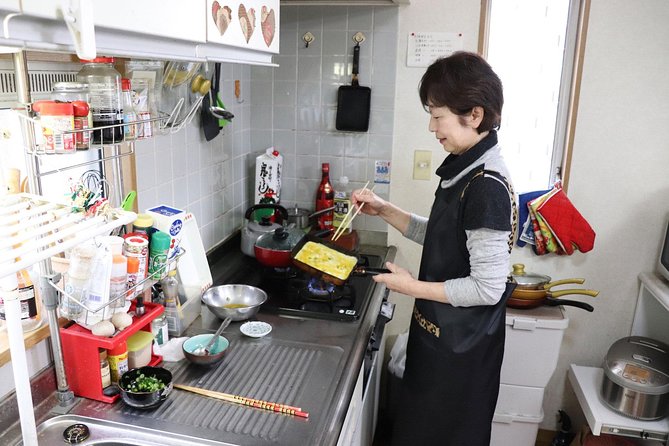
- Learn the secret of dashi: Yoshiko begins with the stock that gives many Japanese dishes their savory umami taste.
- Cook in a real home: You spend time in Yoshiko’s kitchen, not in a formal cooking school.
- Expect four or five dishes: The meal is built from Japanese home-style recipes, with options available if you notify Yoshiko at least three days ahead.
- Okonomiyaki may be the star: This Osaka favorite has been a popular part of the class, along with assembling bento boxes.
- Plan your return: Yoshiko picks you up at Kawanishiikeda Station, but the activity ends at her home, and you arrange your own ride back.
- Private means personal: Only your group takes part, and larger groups receive special transport instructions.
Why This Osaka Cooking Class Feels Personal
Many food classes take place in a studio with several groups working at separate counters. This one has a different rhythm. Yoshiko welcomes you into her own home, drives you from Kawanishiikeda Station, and spends the afternoon or evening cooking and talking with your group.
That setting matters. You see how Japanese food fits into ordinary home life. The focus is not on rare ingredients or restaurant tricks. It is on the seasonings, methods, and kitchen habits that help turn simple food into a satisfying meal.
I like that the class is private. You do not need to keep pace with strangers, and Yoshiko can adjust the conversation and instruction to your group. Couples can treat it as a relaxed cultural outing. Families can make it a shared activity. A group of friends can enjoy the food while learning together.
The tone is warm and informal. Yoshiko has been praised for her kindness, patience, and clear instructions. That combination helps if you are not confident in the kitchen. You do not need to arrive as an experienced cook to take part.
Still, you should set your expectations correctly. At least one participant found the class closer to a demonstration than a fully hands-on lesson. The exact balance may depend on the dish, the size of your group, and Yoshiko’s teaching style that day. If you want to chop, stir, and cook every part yourself, tell her in advance and ask what level of participation to expect.
More cooking classes in Japan:
- Ramen Cooking Class at Ramen Factory in Kyoto
★ 5.0 · 1,937 reviews - Ramen & Gyoza Cooking Class in Tokyo with Local Supermarket Visit
★ 5.0 · 823 reviews - Kyoto: Ramen Cooking Class at a Ramen Factory with Souvenir
★ 4.9 · 532 reviews
Getting From Kawanishiikeda Station to Yoshiko’s Kitchen
Your meeting point is Kawanishiikeda Station on the JR Takarazuka Line. Yoshiko collects you there in her car and drives for about 10 minutes to her home.
The station pickup removes much of the stress of finding a private residence in an unfamiliar suburb. You do not need to navigate a series of small local roads or guess which house is correct. Just be sure you arrive at the stated station meeting point at the arranged time.
The larger issue is getting to Kawanishiikeda. The home is outside the main Osaka sightseeing area, and the trip from Osaka Station may take about an hour. That makes this a poor choice for a tightly packed day that includes Osaka Castle, Dotonbori, and several other appointments.
I would schedule the class as the main event for the day. Treat the train ride as part of the experience, not as an annoying gap between attractions. You are leaving the central city and heading into a more residential part of the region, where the class can feel less staged.
Groups of more than four have an extra transport detail. Yoshiko asks the additional members to take a taxi and follow her car to the house. That taxi cost is separate from the tour.
The First Lesson: Dashi and the Taste of Umami
Yoshiko begins with dashi, the stock used as a base for many Japanese dishes. This is one of the most useful parts of the class because it teaches a principle, not just a recipe.
Dashi is often treated as a background ingredient, but it can change the character of a dish. Yoshiko shows you how to use it instead of plain water, allowing the stock to add savory depth while the other ingredients cook.
I like this approach because it gives you a better understanding of Japanese food. Instead of simply copying a list of steps, you learn why the food tastes the way it does. Once you understand the role of dashi, you can apply the idea to soups, sauces, and other home-style dishes.
The lesson should also help you read Japanese menus with more confidence. Japanese cooking often depends on a few basic building blocks, including stock and seasonings. Yoshiko’s class gives you a look at those foundations in a practical kitchen setting.
This is not presented as a long culinary lecture. The cooking section lasts about an hour, so the teaching is focused. You will likely spend less time on restaurant-style technique and more time learning the key steps that make the meal work.
Four or Five Home-Style Dishes From Scratch
After the dashi lesson, you prepare four or five Japanese home-style dishes. The exact menu can change with the season, which is a good thing for a home cooking experience. It also means you should not book this expecting one fixed menu every time.
Yoshiko offers four meal choices. You need to give her your preference at least three days ahead so she can shop for the needed ingredients. If she does not receive a choice, she prepares option one, called the Mother’s taste menu.
The menu information does not list all four choices, so I would not promise a particular set of dishes unless Yoshiko confirms it. Okonomiyaki has been a memorable part of the class for several people, and it is a natural fit for an Osaka food experience. Another highlight has been assembling personal bento boxes.
Okonomiyaki is especially appealing if you want to learn a dish strongly linked with Osaka. It is filling, social, and easy to enjoy around a table. Bento assembly adds another useful skill because it shows how several small dishes can be arranged into one complete meal.
The phrase from scratch should be understood in a sensible way. Yoshiko teaches the preparation process and the role of the ingredients, but the class is only about three hours long. You are not signing up for a full-day chef training course.
If you have dietary needs, list them in the special requirements section when booking. The information does not promise that every restriction can be accommodated, so early notice is important. The same applies to a strong preference for lunch or dinner, since the class offers both options.
A few more Japan experiences worth weighing up
- Sushi Making Tokyo Roll and Authentic Japanese Sushi Class
★ 5.0 · 3,971 reviews - Kyoto: 45-Minute Tea Ceremony Lesson Experience
★ 4.3 · 2,378 reviews - Tokyo: Roll and Authentic Sushi Making Class in Asakusa
★ 4.9 · 1,957 reviews - Tokyo Shinjuku Chopsticks Making Class
★ 5.0 · 1,763 reviews
Sitting Down to Eat What You Prepared
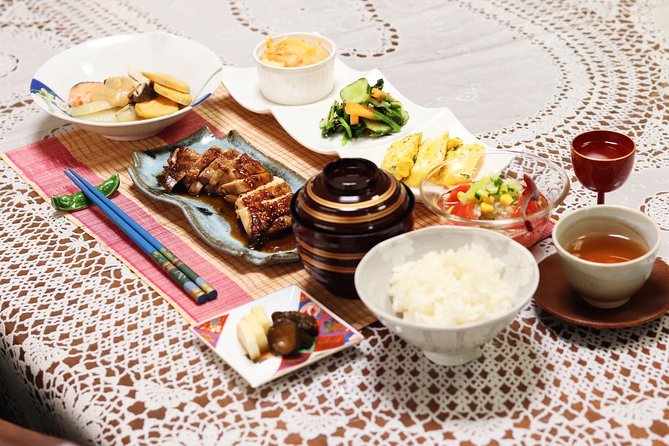
After about an hour of cooking, you sit down to eat the meal. This is where the class shifts from instruction to conversation.
The shared meal gives you time to slow down and talk with Yoshiko. You are not simply handed a finished plate and sent on your way. You have seen the ingredients, helped with the preparation, and can recognize the techniques in the food in front of you.
That personal exchange is a major reason to choose this class. You get a glimpse of daily Japanese life through one person’s home and cooking habits. It is a small window, not a complete picture of Japan, but it can be more memorable than another meal eaten alone in a restaurant.
The meal includes plum wine. Local beer is available if you request it ahead of time, and you may also bring your own alcohol to enjoy with the food. Drink responsibly, especially since you still need to arrange your own return from the house.
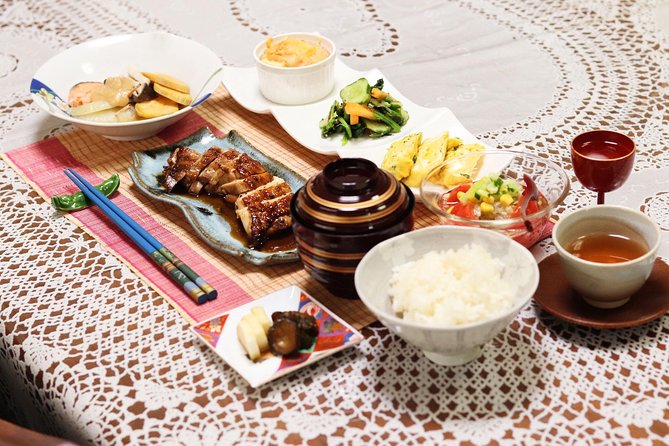
The food has earned strong praise for being delicious, authentic-tasting, and suitable for a satisfying lunch or dinner. One especially useful detail is that the finished meal can feel more elaborate than the cooking time suggests. Several dishes assembled together create the sense of a complete Japanese home meal rather than one isolated recipe.
Recipes You Can Use After Japan
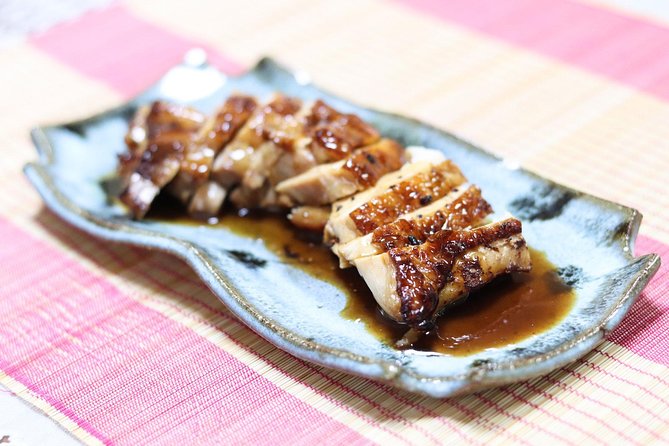
Printed recipe cards are included. This is one of the best value points because many cooking activities give you a pleasant memory but little help recreating the food later.
The recipes let you repeat the meal at home, though ingredient availability will depend on where you live. Dashi may also require a trip to an Asian grocery or a specialist food shop. Even if you cannot find every ingredient, the cards should help you understand the structure of the dishes and the seasonings involved.
I would take notes during the class, especially if Yoshiko explains how she judges texture, timing, or the strength of the stock. A printed recipe can list quantities, but a host’s small tips are often what make the dish easier to repeat.
The recipes also make this experience work well as a gift. Coworkers have booked it for a birthday present, and the private format gives the occasion a personal touch. It is more distinctive than giving someone another generic food tour.
What the $86 Price Really Covers
At $86 per person, this is not the cheapest way to eat lunch in Osaka. You can find a much less expensive meal in the city. The value here comes from combining food, instruction, transport from the station, and personal time with Yoshiko.
You receive a private class rather than a large group demonstration. The meal is included, as are printed recipes and plum wine. Yoshiko also handles the short drive from Kawanishiikeda Station to her home.
For a couple, the price buys a three-hour cultural experience with a meal at the end. For a group, discounts may be available, which can make the cost more attractive. The class is less compelling if you only want to taste Osaka specialties and have no interest in cooking.
Remember to budget for the return trip. The activity ends at Yoshiko’s home, not at the station. Yoshiko can help arrange a taxi to the nearest station, at an estimated cost of about ¥2,000 paid directly to the driver.
That return detail is easy to miss and worth planning around. If you are staying in central Osaka, you will need time and money for the trip back. Ask Yoshiko about the best local transport plan before you leave her home.
Lunch or Dinner: Choosing the Better Time
The class is available as either lunch or dinner. Your choice should depend on how you want to use the rest of the day.
Lunch works well if you want a relaxed meal before returning to Osaka or continuing nearby. It also leaves your evening open for city dining and nightlife, though you may not feel hungry enough for a large dinner afterward.
Dinner creates a more complete evening. You travel out, cook with Yoshiko, eat together, and then make your way back to your accommodation. I like this option for couples and small groups who want the cooking class to be the main evening activity.
Since the meal time affects Yoshiko’s shopping, give your preference when booking. If you want the local beer option, request that ahead of time as well.
Who Will Enjoy This Experience Most
I would recommend this class to you if you want direct contact with a local resident and prefer a calm, personal activity over a packed sightseeing schedule.
It is particularly suitable for:
- Couples looking for a shared food experience
- Families who can work together in a kitchen
- Small groups interested in Japanese cooking
- First-time visitors who want help understanding basic ingredients
- People who enjoy bringing recipes home and trying them again
- Anyone who wants to try okonomiyaki in a home setting
It may not suit you if your Osaka schedule is already crowded. The out-of-center location takes planning, and the return from Yoshiko’s home is your responsibility.
You should also think about how much hands-on work you want. The class includes cooking, but it can feel partly like a demonstration. If active participation is essential, contact Yoshiko before booking and make your preference clear.
Booking Tips for a Smoother Visit
This experience is often booked well ahead, with an average booking lead time of about 88 days. That does not mean you must reserve three months in advance, but it does suggest that popular dates can disappear early.
You receive confirmation within 48 hours, subject to availability. Choose your meal option at least three days before the class, and include all dietary requirements when you book.
Check the station name carefully. Kawanishiikeda Station is on the JR Takarazuka Line, and it is not the same as a central Osaka meeting point. Arrive ready for a short car ride after Yoshiko collects you.
For groups larger than four, plan the taxi-following arrangement before the class begins. Since only your group participates, you do not need to worry about merging with another party, but your group still needs to coordinate its own arrival.
Cancellation is flexible up to two full days before the local start time. Canceling later, or requesting changes within that window, does not qualify for a refund.
Should You Book Yoshiko’s Home Cooking Class?
Book it if you want a personal Japanese food experience with a real host, a shared meal, and recipes you can use again. Yoshiko’s kindness, patience, and clear teaching make the class appealing even if you are not a confident cook.
Skip it if you want a central Osaka activity, a fast tasting tour, or guaranteed full hands-on cooking from start to finish. The suburban location and return transport require extra planning, and the class may include more demonstration than you expect.
For the right visitor, the trip is worth it. You leave with more than a full stomach. You gain a better sense of how dashi, seasonings, and several modest dishes come together in a Japanese home kitchen.
FAQ
Where does the cooking class meet?
The meeting point is Kawanishiikeda Station, at 2 Chome-7 Sakane, Kawanishi, Hyogo 666-0021, Japan. Yoshiko picks you up there on the JR Takarazuka Line.
How long does the experience last?
The experience lasts approximately three hours. The cooking portion takes about one hour, followed by the meal and time to talk with Yoshiko.
What is included in the price?
The price includes the private cooking class, the meal prepared with Yoshiko, pickup from Kawanishiikeda Station, and plum wine. Local beer can be requested in advance.
Can I choose the menu?
Yes. Yoshiko offers four meal choices. You need to tell her your preference at least three days in advance. If you do not choose, she prepares the Mother’s taste menu, listed as option one.
What happens if my group has more than four people?
Yoshiko asks additional members of groups larger than four to take a taxi and follow her car to the house. The taxi is separate from the tour price.
How do I return after the class?
The activity ends at Yoshiko’s home, so you arrange your own return to a station. Yoshiko can help arrange a taxi, which costs approximately ¥2,000 paid directly to the driver.
Can I cancel for a full refund?
You can receive a full refund if you cancel at least two full days before the experience start time. Cancellations or changes made less than two full days ahead are not accepted for a refund.
Just added around Japan
- Osaka Food Tour with 10 Classic Japanese Tastings & Drinks★ 5.0 · 38 reviews
- Kanazawa private half day/Photoshoot by professional photographer★ 5.0 · 38 reviews
- Osaka: Highlights & Hidden Gems Private Walking Tour★ 4.7 · 38 reviews
- Tokyo Small Group Tour with Guide★ 4.5 · 38 reviews
- Tokyo 6hr Instagram Highlights Private Tour with Licensed Guide★ 5.0 · 38 reviews
- From Tokyo: Kamakura Private Customize Tour by Luxury Van★ 4.6 · 38 reviews
- Tokyo Sumo Experience with Live Show & Audience Challenge★ 5.0 · 38 reviews
- Kyoto: Private Customizable Day Trip by Car★ 5.0 · 38 reviews
Cooking Classes, compared.
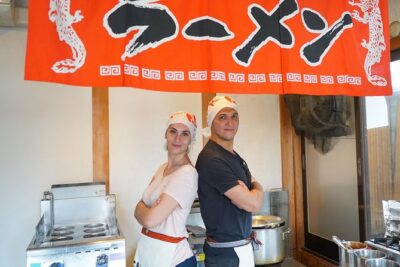
Ramen Cooking Class at Ramen Factory in Kyoto
Read our review →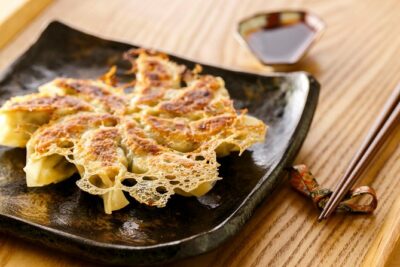
Ramen & Gyoza Cooking Class in Tokyo with Local Supermarket Visit
Read our review →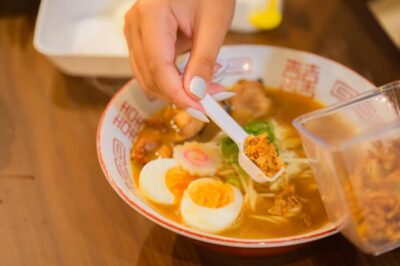
Ramen Cooking Class at a Ramen Factory with Souvenir
Read our review →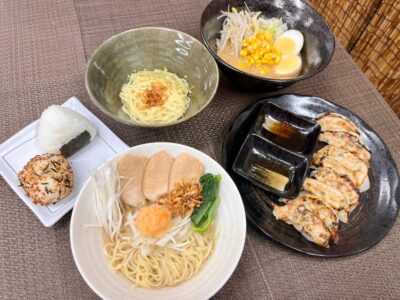
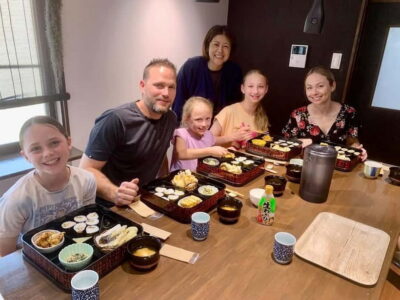
Japanese Washoku Bento Small Group Cooking Class
Read our review →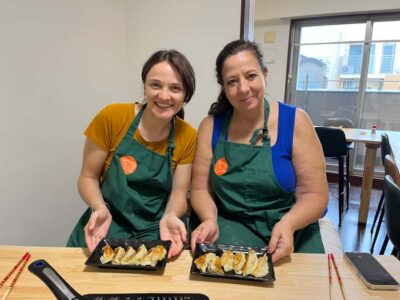
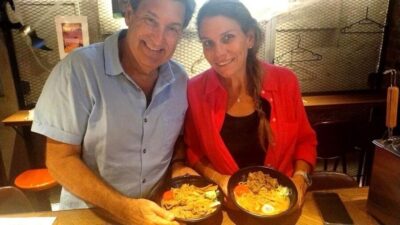
Easy Ramen Cooking Experience in Kabukicho, Shinjuku
Read our review →
Ramen and Sushi Cooking Class with Sake Pairing Set in Tokyo
Read our review →Browse the lists this tour appears in