
Reviewed · NAGOYA TOURS
Magome-juku, Tsumago-juku & Ena-kyo 1d Bus Tour from Nagoya
Old roads reward slow walking. This 9-hour day tour from Nagoya links four very different sights: the gardens of Kokeizan Eihoji Temple, the broad view from Enakyo Observatory, and the preserved post towns of Magome-juku and Tsumago-juku. I especially like the easy transport to places that are awkward to reach in one day by public transit, along with the generous free time in the two old towns.
The main trade-off is the fixed schedule. You must reach the VIPLINER Nagoya Bus Stop by 8:20 a.m. for an 8:30 departure, and the bus will not wait. The day also includes a fair amount of walking, and English and Chinese speakers may share the same vehicle, so the commentary may switch between languages.
In This Review
- Four details that shape the day
- Why this Nagoya day trip works
- Meeting the bus near Nagoya Station
- Kokeizan Eihoji Temple: one quiet hour
- Enakyo Observatory and the thirty-minute view
- Magome-juku: two hours for lunch and old Nakasendo streets
- Tsumago-juku: seventy minutes with a quieter feel
- How much walking should you expect?
- Bilingual guidance and bus-group realities
- Is $61 good value?
- Who should book this bus tour?
- Should you book it?
- FAQ
- Where does the tour start?
- What time should I arrive?
- What happens if I arrive late?
- How long is the tour?
- What languages are available?
- Is lunch included?
- How much walking is involved?
- Does the tour run in bad weather?
- Is the tour wheelchair accessible?
- Can I cancel the booking?
Four details that shape the day
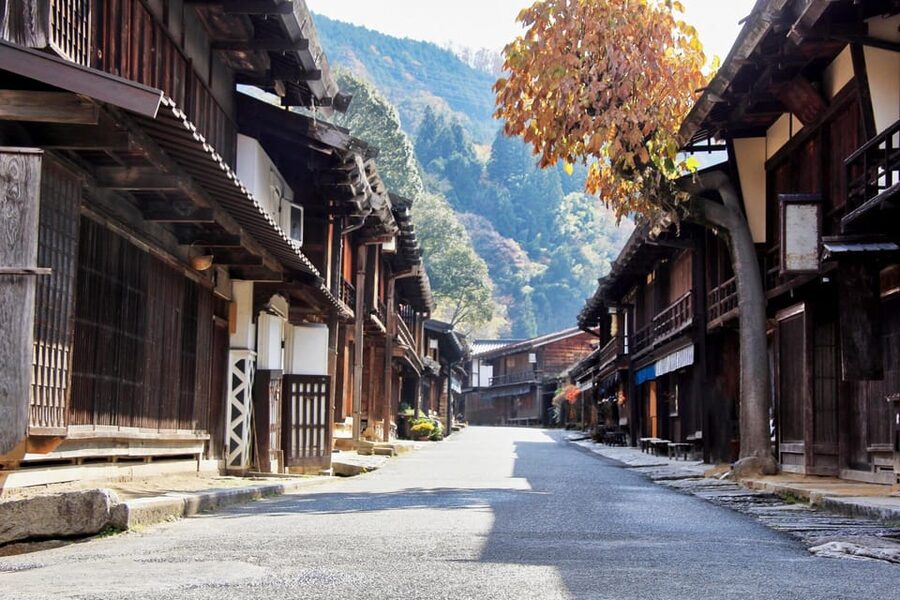
- Two Nakasendo post towns: Magome and Tsumago preserve wooden buildings, stone lanes, and the feel of Japan’s Edo-period highway towns.
- A useful Nagoya departure: The meeting point is a three-minute walk from Nagoya Station’s Taiko-dori side, saving you the trouble of arranging several rural train and bus connections.
- A calm start at Eihoji: You get one hour to explore temple buildings and gardens at your own pace.
- A quick gorge stop: Enakyo Observatory gives you 30 minutes for broad views and photographs of the Ena Gorge.
- A practical price: At $61 per person, transport and a bilingual conductor make this good value if you want several rural sights in one day.
- A walking-focused outing: Comfortable shoes matter, especially on the stone streets and sloped sections around Magome and Tsumago.
Why this Nagoya day trip works
Central Japan is full of worthwhile places that do not fit neatly into a city itinerary. Magome-juku and Tsumago-juku sit along the old Nakasendo route, far from Nagoya’s main sightseeing areas. You can reach them independently, but doing so requires careful connections and leaves less room for error.
This tour solves that problem with an air-conditioned bus and a single return point. You board near Nagoya Station, see several sights in the Gifu countryside, and return to the same area at the end of the day. For $61, that is a useful deal, particularly if you value time more than total independence.
The schedule is also nicely varied. You are not spending nine hours looking at one type of attraction. Eihoji offers quiet temple grounds, Enakyo adds a nature view, and the two post towns provide the main cultural focus. The result feels more like a country sampler than a single-site excursion.
The rating is listed at 4.6 from 75 reviews, and the strongest praise centers on organization, comfortable transport, clear communication, and a relaxed pace. One bilingual conductor was specifically praised for moving between English and Chinese while still explaining the sights and offering food and photo suggestions. That matters on a mixed-language bus, where poor timing or vague instructions can quickly spoil a short rural visit.
More bus tours in Japan:
- Mt Fuji and Hakone 1-Day Bus Tour Return by Bullet Train
★ 5.0 · 26,383 reviews - 1-Day Tokyo Bus Tour
★ 5.0 · 14,250 reviews - PERFECT KYOTO 1-Day Bus Tour
★ 5.0 · 13,518 reviews
Meeting the bus near Nagoya Station
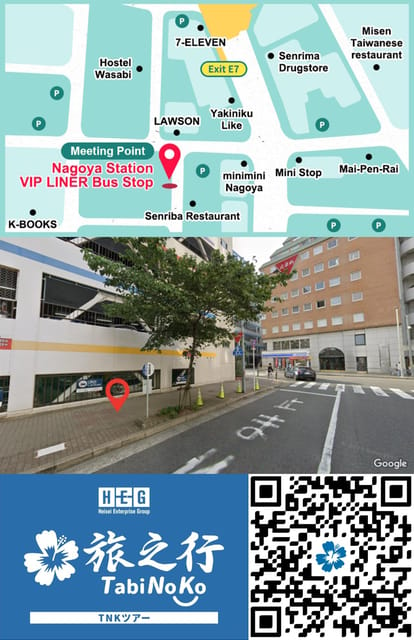
Your starting point is the VIPLINER Nagoya Bus Stop, about a three-minute walk from Nagoya Station’s Taiko-dori side, also called the Taiko-dori Exit. Check-in is at 8:20 a.m., with departure at 8:30.
This is the part of the day where precision matters most. The instructions require you to arrive 10 minutes before departure, check your name on the conductor’s list, and use the correct meeting point. A photo reference and a Google Maps location are provided, which is helpful because large stations can have several exits and bus areas.
I would arrive around 8:10, especially if you are carrying luggage or navigating Nagoya Station for the first time. The bus leaves on time, with no exception for late arrivals. Even contacting the operator before departure does not guarantee a refund if you are at the wrong location or miss the bus.
Once aboard, the air-conditioned vehicle gives you a comfortable base for the long rural transfers. Exact driving times depend on traffic, and holiday congestion or bad weather can affect the plan. The tour operates in ordinary poor weather unless the local operator tells you otherwise, so bring practical clothing rather than expecting a perfectly sunny day.
Kokeizan Eihoji Temple: one quiet hour
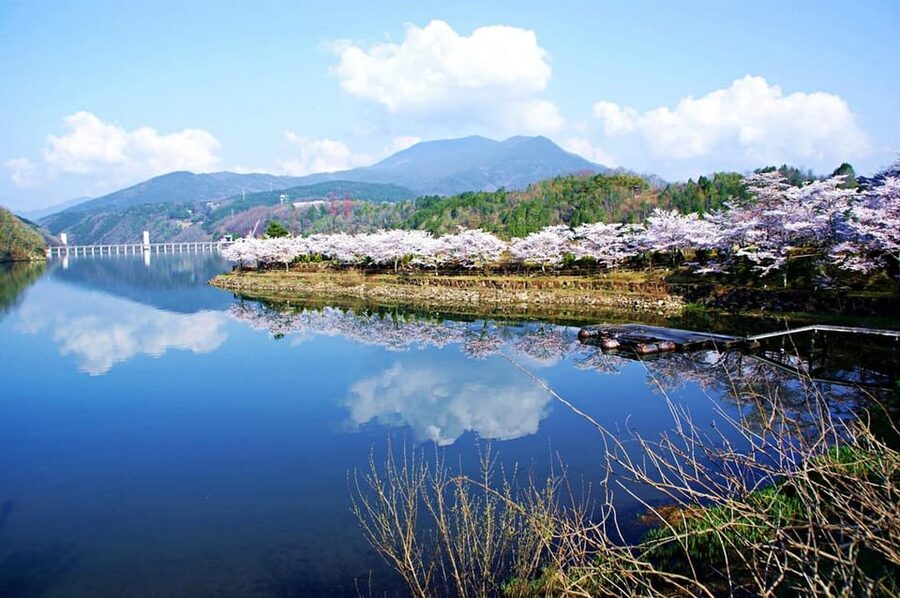
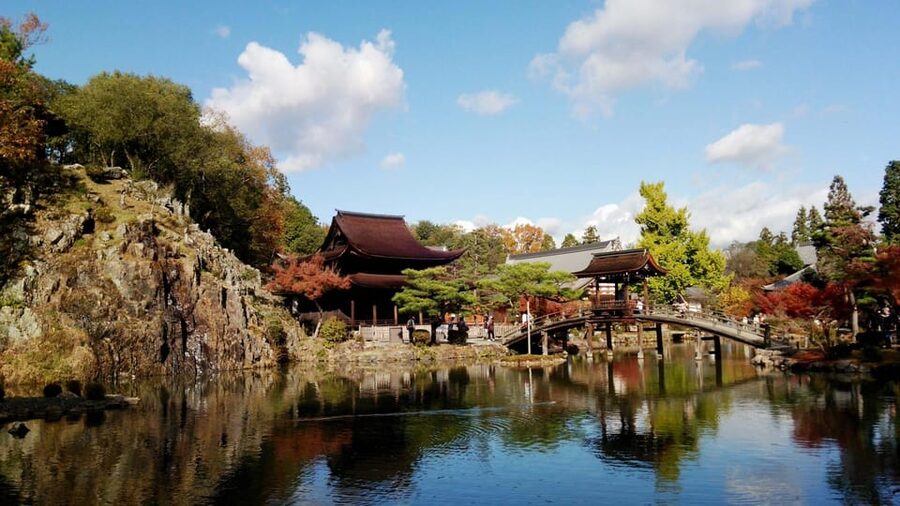
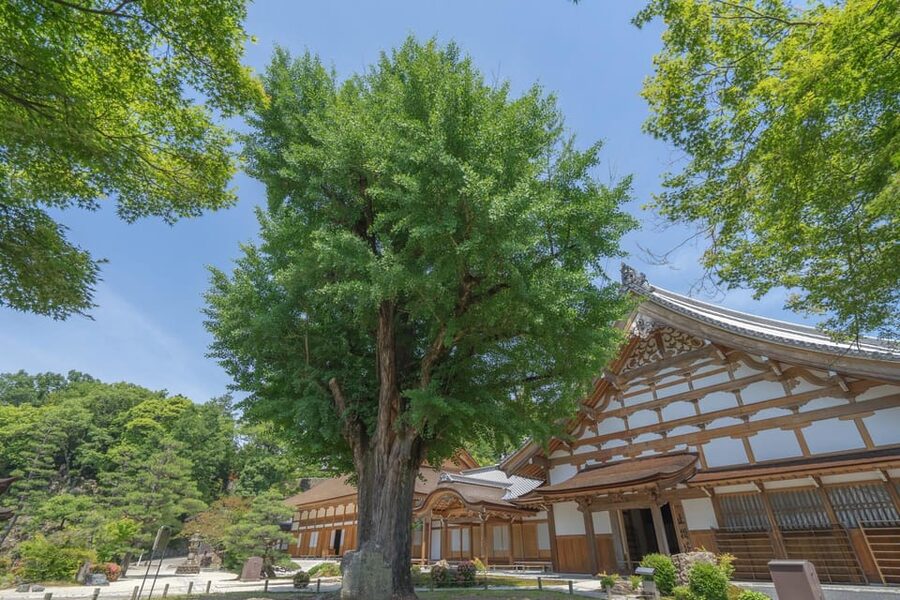
The first stop is Kokeizan Eihoji Temple, where you have about one hour for a self-guided visit. The grounds include old structures and carefully tended gardens, making this a gentle opening to the day.
This stop is valuable because it gives you room to slow down before the bus reaches the more famous post towns. The temple setting is about quiet paths, planted grounds, and a less commercial side of central Japan. You are not rushed through a short photo stop here. One hour gives you time to look around without turning the visit into a race back to the bus.
There is no scheduled guided walk at the temple, so you should expect to explore independently. The conductor can provide general information and time reminders, but the actual visit is yours to shape. If you like architecture and gardens, use this stop for close observation. If your priority is Magome and Tsumago, you can take a shorter walk and save energy for the old streets.
The moderate walking level begins here. Comfortable shoes are not just a polite suggestion. You will spend much of the day on foot, and the old-town sections include stone surfaces and inclines.
Enakyo Observatory and the thirty-minute view
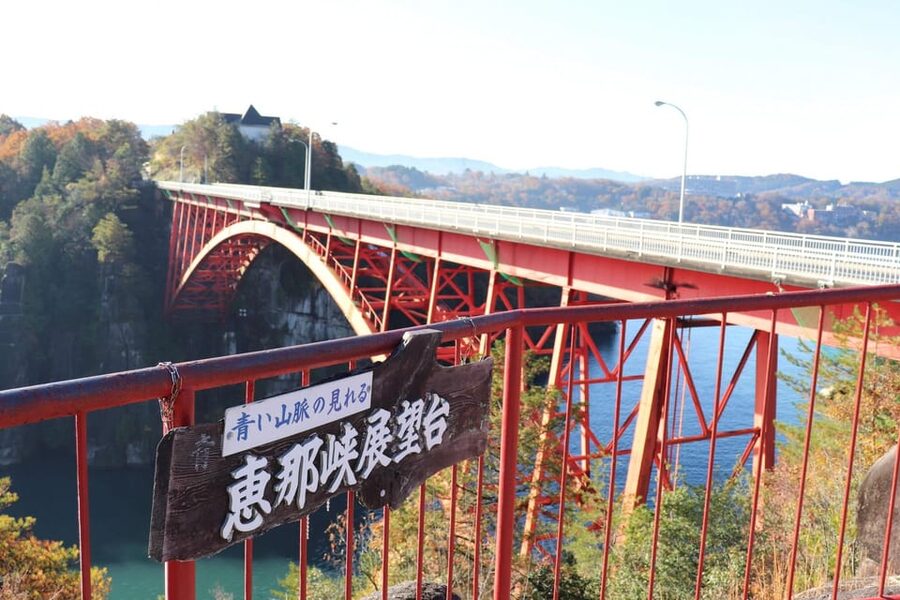
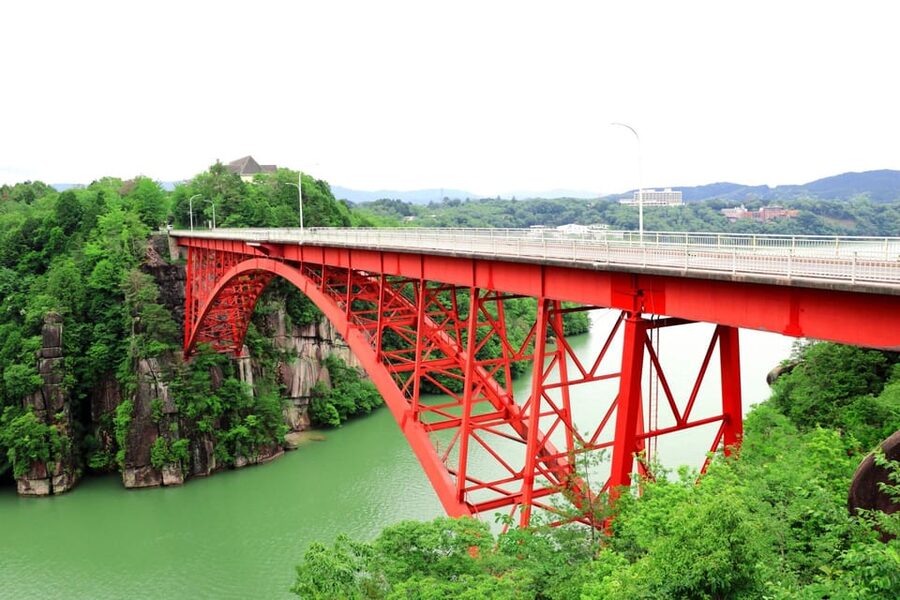
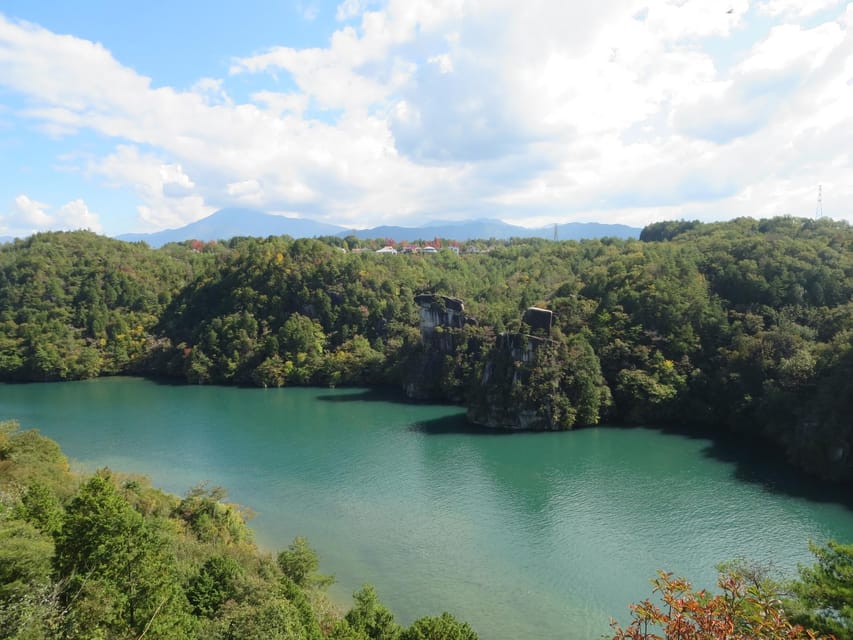
The next stop is Enakyo Observatory, with roughly 30 minutes for sightseeing and photographs. From the lookout, you can see the Ena Gorge, its winding river, and the surrounding mountains.
Half an hour is enough for a focused visit, but not for a long walk around the wider area. Think of this as a scenic pause rather than a full nature outing. It breaks up the cultural stops and gives you a chance to photograph one of the day’s broadest views.
The timing also means you should be ready to leave when asked. At a lookout, it is easy to spend too long finding the best angle, especially if weather creates changing light. Take your photographs early, then use the remaining minutes to simply look out across the gorge.
Weather will affect this stop more than the temple or post towns. On a clear day, the gorge and mountains should provide the strongest distant views. In poor weather, visibility may be reduced, but the tour still generally runs unless conditions are severe or the operator changes the plan.
A few more Japan experiences worth weighing up
- Mt Fuji & Hakone Cruise, Drum Show Bullet Train 1 Day from Tokyo
★ 4.0 · 7,413 reviews - Peaceful Hiroshima & Miyajima UNESCO 1 Day Bus Tour
★ 5.0 · 5,309 reviews - Kyoto: Fushimi Inari, Kinkakuji, Bamboo Grove 1 Day Bus Tour
★ 4.8 · 4,316 reviews - Tokyo: DisneySea 1-Day Passport
★ 4.5 · 2,726 reviews
Magome-juku: two hours for lunch and old Nakasendo streets
Magome-juku is the longest stop, with about two hours for lunch and free time. That length is sensible because Magome has both a historic main street and enough shops, food stops, and details to reward a slower visit.
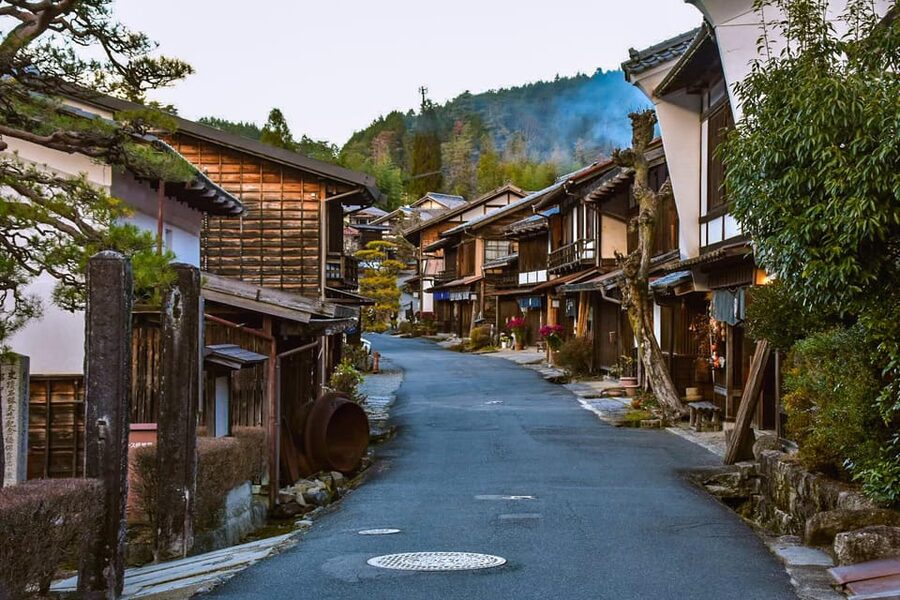
Magome was a post town on the Nakasendo, the old inland route connecting Edo, now Tokyo, with Kyoto. Today, its preserved wooden buildings line a carefully maintained stone street. The setting gives you a clear sense of how a traveler on the old highway would have encountered lodging, food, and small services along the route.
You can stroll without a guide, browse local shops, and choose lunch on your own. Lunch is not included in the tour price, so budget separately and keep an eye on the departure time. This arrangement is a benefit if you prefer choosing what and when to eat, though it gives you less certainty than a prepaid meal.
Two hours should feel comfortable for a first visit. You can walk the main street, stop for food, look at craft goods, and take photographs without sprinting from one end to the other. One person felt this stop was a little too long, so the timing may feel generous if you are mainly interested in taking a few pictures. I see that as a minor issue because extra time also protects you from a rushed lunch or a slow start.
Magome is often the busier and more commercial-feeling of the two post towns, simply because it offers plenty to browse along its main route. That does not make it inauthentic. It means you should balance the shopfronts with attention to the street itself: wooden façades, tiled roofs, stone paving, and the way the town follows the old road.
If you want to make the most of Magome, do not spend the entire stop inside shops. Walk at a steady pace, pause for details, and leave enough time to return to the bus without confusion.
Tsumago-juku: seventy minutes with a quieter feel
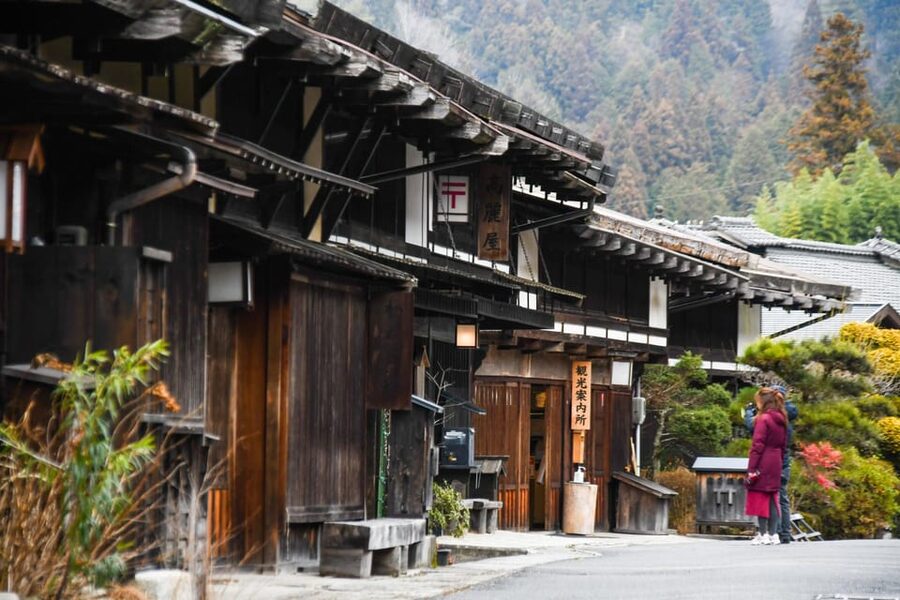
Tsumago-juku receives about 70 minutes. That is less time than Magome, but it is still enough for a focused walk through the preserved town.
Tsumago is another Nakasendo post town, known for its traditional wooden streets and carefully protected appearance. The atmosphere feels more restrained than a typical shopping district. You can concentrate on the buildings, lane layout, and old highway character rather than treating the stop as a standard retail visit.
Several strong impressions from the trip point to Tsumago as the more charming of the two towns. That judgment is personal, but it makes sense as advice: save some energy and attention for this final major stop. After the longer visit to Magome, Tsumago’s shorter period can feel pleasantly concentrated.
Seventy minutes does require basic time management. You will not have the freedom to wander indefinitely, so begin with the main street and the most important views. If you stop for food or shopping, keep the return time in mind. The conductor provides instructions for when to meet the bus, and clear return times are an important part of keeping this kind of group tour on schedule.
Together, Magome and Tsumago give you a useful comparison. Magome offers more time and more room for browsing. Tsumago gives you a shorter, quieter look at the same old-route tradition. Seeing both is much more satisfying than choosing only one if your schedule allows it.
How much walking should you expect?
The tour information describes a moderate amount of walking, and that is the right way to plan. You will walk around temple grounds, reach an observation area, and spend extended periods on stone streets in two preserved towns.
Wear shoes that are comfortable for uneven surfaces. Comfortable clothes are also recommended, especially because the day moves between bus travel, outdoor viewing, temple grounds, and open streets. This is not a suitable choice for wheelchair users, according to the activity information.
You do not need to be an avid hiker to enjoy the tour. The main challenge is the accumulated time on your feet, not a long wilderness trek. If stairs, slopes, or stone paving are difficult for you, consider the walking conditions carefully before booking.
Bilingual guidance and bus-group realities
The tour offers English and Chinese guidance. Depending on the number of participants, both language groups may share one bus. That means announcements and explanations can take longer than on a single-language outing.
The upside is that the conductor can still provide useful information in both languages. A particularly strong account described a conductor who switched between English and Chinese clearly, shared historical details, and offered practical suggestions for food and photographs. No guide name is provided, so you should not expect a named specialist assigned in advance.
This format suits you if you want help with timing, basic context, and the practical flow of the day. It may be less satisfying if you want a long, continuous lecture at every stop. Most visits are self-guided, which leaves you free to look around rather than stay beside the conductor.
The return instructions are a real strength. The conductor gives clear times to be back at the bus, helping you see the main sights without losing the group. Keep your phone charged, save the meeting location, and listen carefully before leaving each stop.
Is $61 good value?
At $61 per person, the tour is priced for convenience rather than luxury. You receive round-trip transport in an air-conditioned vehicle and an English or Chinese-speaking conductor. Temple admission, gorge viewing, and the two town visits are part of the planned day, while lunch is your own expense.
The value is strongest for a visitor staying in Nagoya who wants to see Magome and Tsumago without arranging rural transportation. The bus also adds Eihoji Temple and Enakyo Observatory, giving you four distinct stops for one fare.
The price is less compelling if you are comfortable planning complicated connections, prefer to set your own departure times, or want to spend an entire day in one town. Independent travel can offer more flexibility, but it also puts all navigation, timing, and transport changes on you.
Free cancellation up to 24 hours before departure and a reserve-now, pay-later option make the booking terms flexible. Still, check the date carefully. One January 2 visit found many places closed, although the outdoor sights remained enjoyable. Holiday opening hours can change the food and shopping part of the day, so confirm conditions before choosing a major holiday date.
Who should book this bus tour?
I would recommend it to first-time visitors based in Nagoya who want an efficient countryside day. It is also a good match if you care about historic streets and temple grounds but do not want to rent a car or build a detailed route with local buses.
It suits people who enjoy self-guided exploration with a little logistical help. You get freedom at each stop, but someone else handles the driving and keeps the group moving.
I would hesitate if you dislike fixed departure times, need extensive mobility support, or want a fully guided experience at every site. I would also check holiday dates carefully if local shops and indoor attractions are important to you.
Should you book it?
Book this tour if you want Magome and Tsumago in one manageable day and value a direct ride from Nagoya. The combination of preserved Nakasendo towns, a temple garden, and an Ena Gorge viewpoint gives you a broad taste of central Japan for a reasonable price.
Skip it if you want complete independence or a slower, single-town visit. For everyone else, bring good shoes, arrive early at the correct bus stop, carry money for lunch, and keep your watch visible. Do that, and the day offers a practical way to trade Nagoya’s city streets for old roads, wooden houses, and mountain views.
FAQ
Where does the tour start?
The tour starts at the VIPLINER Nagoya Bus Stop, about a three-minute walk from Nagoya Station’s Taiko-dori side, also known as the Taiko-dori Exit.
What time should I arrive?
You should meet the conductor at 8:20 a.m. The bus departs at 8:30 a.m., and you should be at the correct meeting point 10 minutes before departure.
What happens if I arrive late?
The bus departs on time. No refund may be provided if you arrive late or go to the wrong meeting point, even if you contact the operator before departure.
How long is the tour?
The tour lasts approximately nine hours, including transportation and visits to all scheduled stops.
What languages are available?
Guidance is available in English and Chinese. Depending on the number of participants, both language groups may share the same bus.
Is lunch included?
No. Lunch is not included, and you have free time to arrange your own meal during the Magome-juku stop.
How much walking is involved?
The tour includes a moderate amount of walking at the temple, observatory, and two historic post towns. Comfortable shoes and clothes are recommended.
Does the tour run in bad weather?
The tour normally departs regardless of weather or traffic unless the local operator notifies you otherwise. Severe traffic, holidays, or adverse weather may lead to itinerary changes without a refund.
Is the tour wheelchair accessible?
The tour is not suitable for wheelchair users.
Can I cancel the booking?
You can cancel up to 24 hours in advance for a full refund. A reserve-now, pay-later option is also available.
Just added around Japan
- Kanazawa private half day/Photoshoot by professional photographer★ 5.0 · 38 reviews
- Osaka Food Tour with 10 Classic Japanese Tastings & Drinks★ 5.0 · 38 reviews
- Osaka: Highlights & Hidden Gems Private Walking Tour★ 4.7 · 38 reviews
- Tokyo Small Group Tour with Guide★ 4.5 · 38 reviews
- Tokyo 6hr Instagram Highlights Private Tour with Licensed Guide★ 5.0 · 38 reviews
- From Tokyo: Kamakura Private Customize Tour by Luxury Van★ 4.6 · 38 reviews
- Tokyo Sumo Experience with Live Show & Audience Challenge★ 5.0 · 38 reviews
- Kyoto: Private Customizable Day Trip by Car★ 5.0 · 38 reviews
Nagoya Tours, compared.

![Hiking the Historic Nakasendo Trail [1 Day Tour from Nagoya]](https://7.thejapaneseguide.com/wp-content/uploads/hiking-the-historic-nakasendo-trail-1-day-tour-from-nagoya-400x267.jpg)
Hiking the Historic Nakasendo Trail [1 Day Tour from Nagoya]
Read our review →
Nagoya Highlight Tour guided by a friendly local
Read our review →
Japanese Traditional Sweets making and Tea Ceremony
Read our review →
Nagoya Full-day Private Custom Tour with National Licensed Guide
Read our review →
Ise’s Sacred Shrines and Captivating Coastlines – From Nagoya
Read our review →Browse the lists this tour appears in