
Reviewed · GOVERNMENT-LICENSED GUIDE TOURS
Nagoya Full-day Private Custom Tour with National Licensed Guide
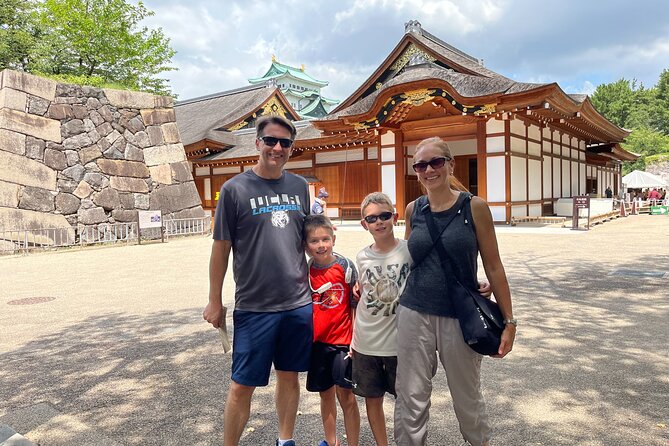
Nagoya rewards travelers who set their own pace. This private tour lets you choose three or four sights with a national licensed English-speaking guide, rather than rushing through a fixed route. I like the freedom to combine major landmarks with local neighborhoods, and I like the practical help with trains, buses, timing, and restaurant choices.
The main catch is that six hours is not enough for all 15 suggested stops. Entrance fees, transport, lunch, and a private vehicle are extra, and the pickup is on foot within a designated part of Nagoya. Still, for a couple, family, or small group that wants personal guidance, this can be a strong way to make sense of a spread-out city.
In This Review
- Key points to know before booking
- Why a private Nagoya tour can work so well
- Nagoya Castle and Atsuta Shrine: the classic opening pair
- City views and science at the heart of Nagoya
- Toyota and Noritake: Nagoya’s industrial side
- Tokugawa Art Museum and Tokugawa Garden
- Osu, Shikemichi, and Wakamiya Hachimansha
- Shirotori Garden and the Nagoya Sword Museum
- Getting around without a private car
- Price, group value, and the guides
- Who should book this Nagoya experience?
- Should you book it?
- FAQ
- How long is the Nagoya private tour?
- How many sights can I choose?
- Is the tour private?
- Is transportation included?
- Are entrance fees included?
- Is lunch included?
- Can the guide meet cruise passengers?
- What is the cancellation policy?
Key points to know before booking
- Choose only 3 to 4 sights: The long stop list is a menu, not a promise to visit every location.
- Public transport is part of the experience: Guides can help you use trains, buses, and stations, but fares are not included.
- Nagoya’s famous sights mix well with local life: Pair Nagoya Castle or Atsuta Shrine with Osu Shopping Street or Shikemichi.
- Guides are praised for flexibility: Hisato, Toshie, Ryo, Lily, Sammy, Matt, and others have helped groups adjust plans, find meals, and keep to ship schedules.
- Cruise passengers can benefit greatly: Several guides have met parties at the port and planned the return carefully.
- Budget for extras: The $155.22 per-person price covers the guide and custom planning, not admissions, food, or transportation.
Why a private Nagoya tour can work so well
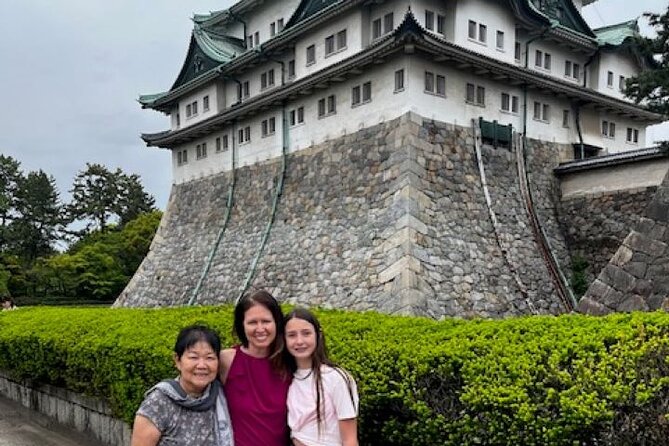
Nagoya is easy to overlook between Tokyo and Kyoto, but that is part of its appeal. It has a major castle, old shrines, powerful industrial museums, traditional gardens, shopping arcades, and a strong food culture. These sights are spread across the city, so a local guide can save you time deciding what fits together.
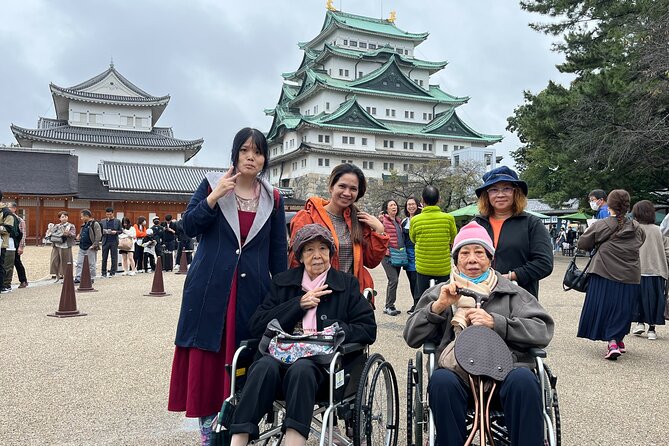
The tour is private, meaning only your own party participates. That matters if your group includes children, older family members, museum fans, or people who would rather linger at a shrine than march through another museum. You can tell the guide what interests you, then work out a realistic route.
The advertised choices range from a 10-minute stop at the Nagoya Sword Museum to a longer visit at the Nagoya City Science Museum or Toyota Commemorative Museum of Industry and Technology. You should think in terms of three major visits, or perhaps two major visits plus a neighborhood and lunch.
The six-hour duration is useful, but the wording full-day can create the wrong expectation. This is closer to a substantial half-day or compact city day. If you choose distant locations, travel time will reduce sightseeing time. A good guide will help you avoid an overstuffed plan.
More licensed guide tours in Japan:
- Tokyo 6hr Private Tour with Government-Licensed Guide
★ 5.0 · 3,902 reviews - Tokyo 4hr Private Tour with Government-Licensed Guide
★ 5.0 · 1,394 reviews - Kyoto 6hr Private Tour with Government-Licensed Guide
★ 5.0 · 1,369 reviews
Nagoya Castle and Atsuta Shrine: the classic opening pair
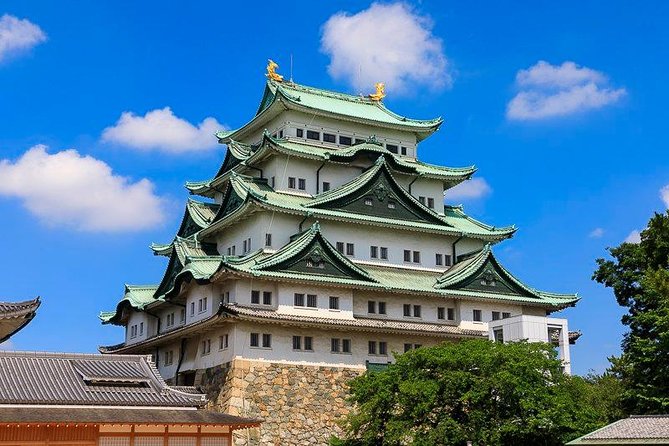
Nagoya Castle is the city’s essential historical stop. Its roof ornaments, golden shachihoko, are instantly recognizable. These mythical creatures have a tiger’s head and carp’s body, and they have become one of Nagoya’s best-known symbols.
The castle also connects the city to Tokugawa Ieyasu, the first shogun, and to the political power that shaped early modern Japan. A guide can add meaning to the buildings and grounds instead of leaving you with a quick photo and a name.
Allow more than the listed 30-minute sample if the castle is your main interest. Admission is not included, and the guide’s entry fee is covered only for sights identified as part of the expected program. Ask in advance how the admission arrangement works for your chosen sites.
One practical warning comes from the timing. A line for Honmaru Palace once prevented a group from entering, even though the rest of the visit went well. If the palace is important to you, tell the guide before the tour and leave room for queues. Nagoya Castle is not a good choice for a rushed 30-minute photo stop.
Atsuta Shrine offers a very different mood. Founded in the 8th century, it occupies a large wooded area inside the city. You get broad paths, tall trees, shrine buildings, and a sense of quiet that contrasts with Nagoya’s traffic and modern towers.
Admission is free, which makes Atsuta Shrine a sensible partner for a paid museum or observation deck. It is also a good choice for visitors interested in Japanese religious customs and traditional spaces. The sample schedule allows 30 minutes, enough for a first look, but not a slow exploration of the whole grounds.
For a first visit, Nagoya Castle and Atsuta Shrine make a logical historical pairing. Add lunch or Osu Shopping Street if you want the day to feel less like a checklist.
City views and science at the heart of Nagoya
The Chubu Electric MIRAI TOWER, formerly called the Nagoya TV Tower, is a central city landmark. It gives your day a modern counterpoint to the castle and shrine. Admission is extra, and a 30-minute visit is enough if you mainly want the tower and its outlook.
The Sky Promenade offers another high-level view from Midland Square. The building rises 47 floors and 247 meters, and the observation area provides a broad look over central Nagoya. Choose this instead of MIRAI TOWER if your priority is height and city views, or ask the guide which suits your route better.
Trying to fit both towers into six hours may not be worthwhile. They serve a similar purpose, and the time may be better spent on a shrine, museum, or neighborhood. If you love architecture and city views, though, the comparison could be fun.
The Nagoya City Science Museum is a strong choice for families and curious adults. Its planetarium is described as the largest in the world, and the museum presents the chance to experience the universe in an astronaut-like way. The sample stop is 30 minutes, but that is brief for a science museum.
You should tell the guide if the planetarium is a priority. A short visit may cover the building and a few exhibits but may not allow time for a full program. Admission is not included, so confirm current entry details before setting the route.
Toyota and Noritake: Nagoya’s industrial side
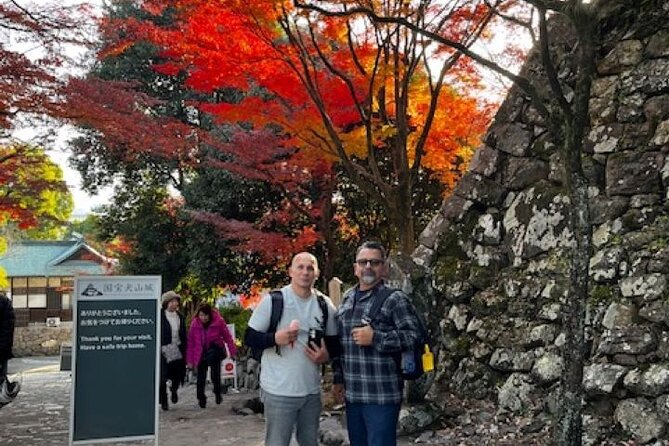
Nagoya’s identity is closely tied to manufacturing, and the Toyota Commemorative Museum of Industry and Technology gives that story a proper setting. Established in 1994, 100 years after Toyota founder Toyoda Kiichiro was born, the museum traces the company’s development and its industrial roots.
This is not simply a display of cars. The name and background point to machinery, technology, and the transition from textile production to automobile manufacturing. One guide, Matt, is a former Toyota employee and can add a personal connection for visitors interested in the company.
The museum has earned especially strong praise from people who expected an ordinary car museum and found much more. If you enjoy engineering, business history, or hands-on industrial displays, give this stop serious consideration. The sample itinerary allows only 20 minutes, which is not enough for a satisfying visit. Make it one of your three main stops, not an add-on.
Noritake no Mori presents a different side of Nagoya’s manufacturing tradition. Noritake began in 1904 and is known internationally for fine tableware. The site connects Japanese craftsmanship with ceramics and design.
A 20-minute stop works better here than at Toyota if you want a quick look, a pleasant break, or an introduction to porcelain. The experience will appeal most to people who appreciate table settings, craft, and design. If your group is focused on samurai history or food, this may be less important than Osu or the castle.
A few more Japan experiences worth weighing up
- From Tokyo: Mount Fuji Full-Day Sightseeing Trip
★ 4.5 · 4,970 reviews - Mount Fuji Full-Day Private Tour from Tokyo (Customizable)
★ 4.9 · 1,470 reviews - Hiroshima / Miyajima Full-day Private Tour with Government Licensed Guide
★ 5.0 · 1,298 reviews - Tokyo Private Full-Day Tour by Car or Van
★ 5.0 · 684 reviews
Tokugawa Art Museum and Tokugawa Garden
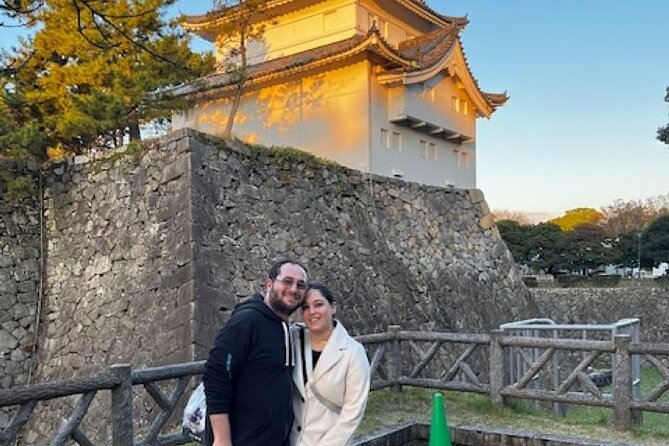
The Tokugawa Art Museum occupies the former Ozone Shimoyashiki compound in central Nagoya. Its collection contains more than 12,000 items, and its subject matter connects strongly with the Tokugawa family and the culture of the Edo period.
The museum is a natural companion to Nagoya Castle. It can give you a closer look at art, objects, and elite life after the castle introduces the political setting. The suggested 15-minute visit is far too short for anyone who wants to study the collection. Use that timing only for a quick introduction, or plan to make the museum a main stop.
Next door, Tokugawa Garden offers a more restful experience. The traditional garden is arranged around a pond and reflects the style of major daimyo gardens during the Edo period. At 10 minutes, the suggested stop is really a brief walk, not a full garden visit.
I would choose the museum and garden together if your group enjoys Japanese art and gardens. They provide a calm, focused section of the day, but they compete with several other parts of Nagoya for your limited hours. Admission is not included at either site.
Osu, Shikemichi, and Wakamiya Hachimansha
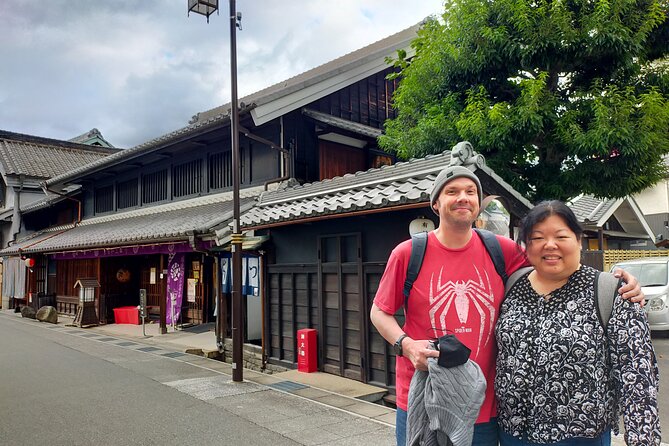
Osu Shopping Street is one of the best choices for seeing everyday Nagoya. Its arcades grew after the war into a place for electrical goods, second-hand clothing, food, and broad, varied shopping. This is not a polished showcase district. It feels more useful, quirky, and local.
The area also works well for lunch. Lily took one group to a local sushi restaurant, while other guides have helped groups find udon and Nagoya-style fried pork. The city is known for local specialties, and guides can help you choose according to your group’s tastes. Lunch is extra, and bringing cash is sensible because one group specifically found cash useful for transport and food.
Shikemichi is a quieter historical neighborhood along the west bank of the Horikawa River. It was built in 1610 when the town of Kiyosu was moved to Nagoya’s castle town. The old merchant character gives you a glimpse of how commerce and urban life developed around the castle.
At 20 minutes, Shikemichi fits neatly into a route with the castle or a central museum. It is especially useful if you want old streets without committing to a full museum visit.
Wakamiya Hachimansha Shrine is another free stop. Its enshrined figures include Emperor Nintoku, Emperor Ojin, and Takeuchinosukune, and the shrine also has a connection with the Tokugawa period. It is a compact cultural visit, best paired with nearby city sights rather than treated as a major destination.
Shirotori Garden and the Nagoya Sword Museum
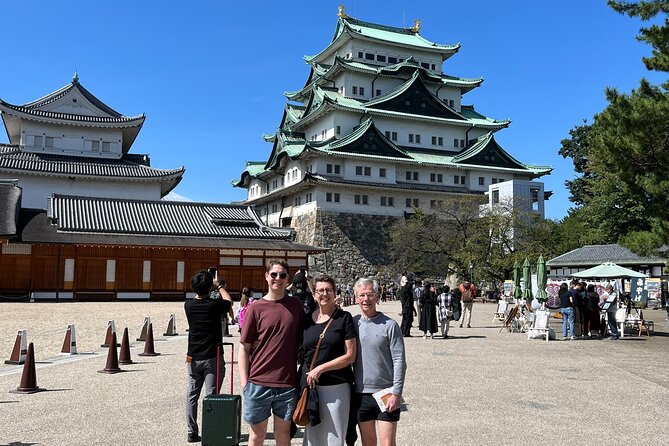
Shirotori Garden covers about 3.7 hectares and offers a traditional Japanese garden setting inside the city. The design changes with the pond and its changing water patterns, giving the garden a sense of movement even when you are simply walking.
A 20-minute visit gives you a taste, but garden lovers should ask for more time. This is a better choice in pleasant weather, while indoor museums may make more sense on a rainy day. One group found rain reduced the enjoyment of sightseeing, so keep weather in mind when selecting outdoor stops.
The Nagoya Sword Museum, also called Nagoya Sword World, is located in the Sakae district. It focuses on Japanese swords and can display up to 200 examples, including National Treasures and Important Cultural Properties.
The sample stop is only 10 minutes, so treat it as a quick introduction unless your group has a strong interest in sword-making and samurai culture. Visitors who book this tour specifically for samurai history should say so clearly when planning. One couple made that subject their focus and still felt they learned a great deal, even after their cruise schedule shortened the day.
Getting around without a private car
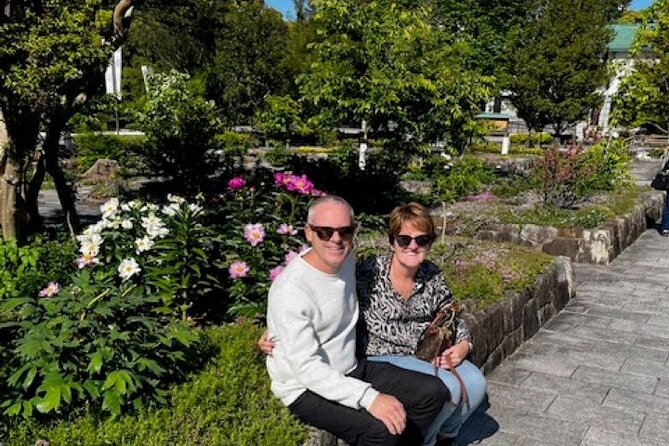
This is a walking tour, and pickup is on foot within the designated Nagoya area. A private vehicle is not included. You pay your own train, subway, bus, or taxi costs, along with admissions and lunch.
That sounds less convenient than a car, but public transport is one of the tour’s real strengths. Hisato helped a group understand the system and stayed with them until they boarded their return train. Other guides handled coin lockers, luggage, and train timing. Yoshii met a cruise party at the port, used trains and buses to reach the city, then arranged a taxi back toward the station so the group could return to the ship in good time.
Cruise passengers should provide the ship’s all-aboard time before the route is planned. A delayed return is not a small problem. The tour provider has also shown flexibility when a typhoon forced a cruise ship to change ports, issuing a full refund in that case.
Because fares are separate, carry cash as a backup and allow a little extra for transport. Public transportation also means walking between stations, platforms, and sights. Comfortable shoes are essential, especially in hot or wet weather.
Price, group value, and the guides
At $155.22 per person, the price is not cheap if you are traveling alone or as a pair and choose only free sights. It becomes more reasonable for a family or group that would otherwise pay for several separate activities and still need to manage the route alone.
The value comes from personal planning and local help, not included tickets. You are paying for a licensed guide who can explain history, interpret customs, help with food choices, and keep the day moving. Group discounts may improve the price for larger parties, but the exact saving should be checked before booking.
The guides have different strengths. Hisato has been praised for punctuality, clear English, transport help, and warm care of families. Toshie has matched activities and food to adults and teenagers. Ryo has a background teaching English in Japanese grade schools and has been flexible when plans changed.
Sammy has helped with railway routes, restaurant reservations, shopping, and group photos. Matt brings former Toyota experience and is careful with schedules and luggage. Hiroshi has been praised for managing time well and explaining local history. Mieko has guided groups to Inuyama Castle, traditional sweets, and a temple with a cherry tree.
You cannot choose a particular guide based on this information, but you can send clear interests before the day. Ask for a guide who suits your priority, such as Toyota, samurai culture, food, gardens, shopping, or port timing.
Who should book this Nagoya experience?
I would recommend it to first-time Nagoya visitors who want context instead of simply collecting photos. It also suits families because the guide can adjust the pace and choose food or activities that work for different ages.
Cruise passengers are another strong match. The private format can cost about half the price of a comparable ship excursion, according to one booking experience, while giving your group control over the sights. The key is to plan conservatively and protect your return time.
This tour is less suitable if you want a private car, dislike walking, or expect to see all 15 places. It is also not the best value for someone who only wants a single museum and can navigate Nagoya independently.
Free cancellation is available up to 24 hours before the start time. Changes or cancellations inside that window are not accepted for a refund. Most people can participate, service animals are allowed, and the tour operates near public transportation.
Should you book it?
Book this tour if you want a flexible Nagoya day with a real local guide, especially if your group has mixed interests or you are visiting from a cruise ship. Before paying, choose your top three sights, name one backup, ask about admission costs, and tell the operator your transport or ship deadline.
My strongest suggested routes are Nagoya Castle, Atsuta Shrine, and Osu Shopping Street for a first taste of the city; Toyota Museum, Nagoya Castle, and Shikemichi for history and industry; or Tokugawa Art Museum, Tokugawa Garden, and a food stop for art and traditional culture.
The tour works best when you treat six hours as a focused introduction, not a race around Nagoya. Set a sensible plan, bring cash and good shoes, and the private format can be worth the extra cost.
FAQ
How long is the Nagoya private tour?
The experience lasts approximately six hours.
How many sights can I choose?
The tour includes a customizable plan built around three or four sites from the available choices.
Is the tour private?
Yes. Only your own group participates, and multiple tour groups cannot be combined.
Is transportation included?
No. Transportation fees are not included, and the tour does not provide a private vehicle. The guide meets you on foot within the designated Nagoya area.
Are entrance fees included?
No. Entrance fees are generally separate. The guide’s entry fees are covered only for sights listed under the expected tour arrangements.
Is lunch included?
No. Lunch and personal expenses are not included.
Can the guide meet cruise passengers?
Pickup can be arranged from the Nagoya port area, and several tour plans have used public transportation between the port and city. You should provide your ship’s schedule when arranging the route.
What is the cancellation policy?
You can cancel up to 24 hours before the experience starts for a full refund. Cancellations or changes made less than 24 hours before the start time are not accepted for a refund.
Just added around Japan
- Kanazawa private half day/Photoshoot by professional photographer★ 5.0 · 38 reviews
- Osaka Food Tour with 10 Classic Japanese Tastings & Drinks★ 5.0 · 38 reviews
- Osaka: Highlights & Hidden Gems Private Walking Tour★ 4.7 · 38 reviews
- Tokyo Small Group Tour with Guide★ 4.5 · 38 reviews
- Tokyo 6hr Instagram Highlights Private Tour with Licensed Guide★ 5.0 · 38 reviews
- From Tokyo: Kamakura Private Customize Tour by Luxury Van★ 4.6 · 38 reviews
- Tokyo Sumo Experience with Live Show & Audience Challenge★ 5.0 · 38 reviews
- Kyoto: Private Customizable Day Trip by Car★ 5.0 · 38 reviews
Government-Licensed Guide Tours, compared.
Tokyo 6hr Private Tour with Government-Licensed Guide
Read our review →
Tokyo 4hr Private Tour with Government-Licensed Guide
Read our review →
Kyoto 6hr Private Tour with Government-Licensed Guide
Read our review →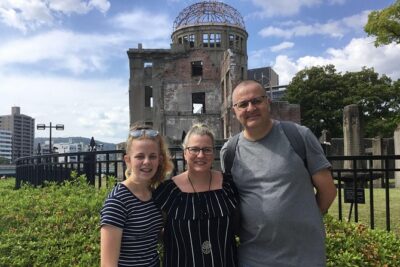
Hiroshima / Miyajima Full-day Private Tour with Government Licensed Guide
Read our review →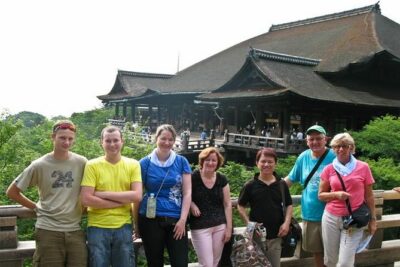
Kyoto 4hr Private Tour with Government-Licensed Guide
Read our review →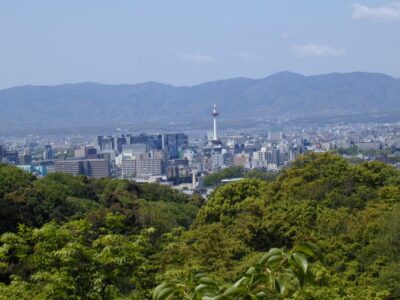
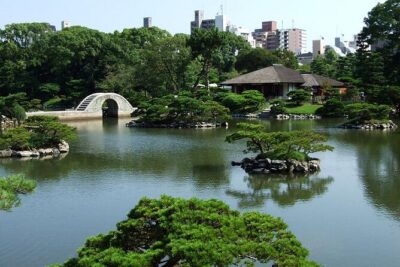
Hiroshima City 4hr Private Walking Tour with Licensed Guide
Read our review →
Private Kyoto Tour with Licensed Guide & Vehicle (Max 15 persons)
Read our review →Browse the lists this tour appears in