
Reviewed · FOOD & DRINK
Old Town Tokyo Food Tour
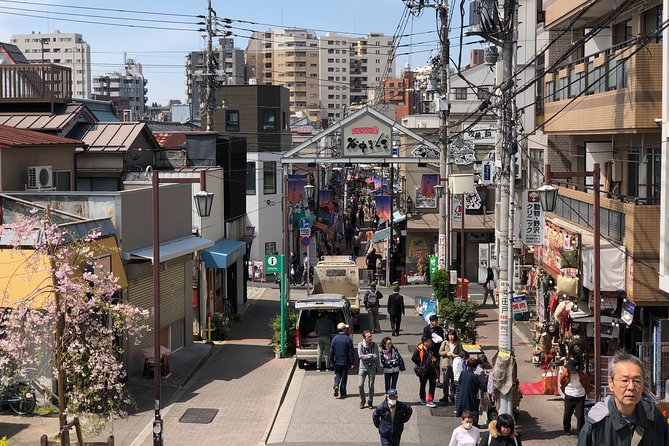
Old Tokyo still has a few quiet corners. This 3.5-hour walking tour takes you through Yanaka, a neighborhood known for old temples, small shops, local food, and streets that feel far removed from Tokyo’s high-rise core. I like the included regional lunch and six food stops, which give you more than a quick snack crawl. I also like the tea ceremony, a calm cultural pause in the middle of the walk. The main drawback is the price: at $231 per person, you need to care about guided food and culture to feel the value.
The group is capped at 10 people, so you should get a more personal outing than on a large bus tour. English guidance, food, lunch, tea, and shopping time are included, but hotel pickup, local transportation, and extra food or drinks are not. Guide Sandra has earned particular praise for her friendly handling of both Yanaka’s old-town sights and the tea ceremony.
In This Review
- Key points to know before booking
- Meeting Sandra in Nippori at 10:30 a.m.
- Why Yanaka feels unlike central Tokyo
- Temples, graveyards, and the first taste of old Tokyo
- Yanaka Ginza and the pleasure of small shops
- Six food stops, plus a full Teishoku lunch
- The wagashi and tea experience
- Dietary needs, family visits, and walking comfort
- How the $231 price measures up
- Weather and schedule changes
- Who should book this Yanaka food tour?
- Should you book it?
- FAQ
- How long is the Old Town Tokyo Food Tour?
- Where does the tour begin?
- Where does the tour end?
- Is hotel pickup included?
- Is transportation included?
- What food is included?
- What kind of lunch is served?
- Are dietary options available?
- Is the tour suitable for children?
- Can I cancel for a full refund?
Key points to know before booking
- Six food stops are included: You sample dishes and drinks throughout the walk rather than paying separately at each stop.
- The lunch focuses on Kyushu: The included Teishoku meal uses regional specialties and seasonal ingredients.
- Yanaka offers a different Tokyo: Temples, cemeteries, older homes, and small stores replace the glass towers and major shopping streets.
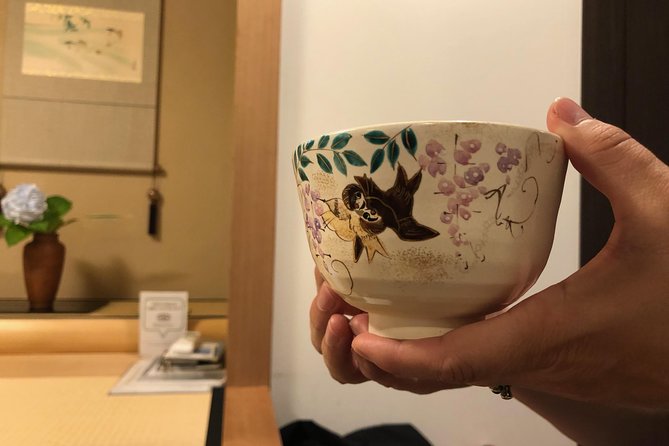
- The tea ceremony adds cultural depth: Wagashi, traditional Japanese sweets, and tea give the food tour a quieter, more formal moment.
- The group stays small: A maximum of 10 people makes it easier to ask questions and keep up with the guide.
- Dietary needs can be accommodated: Vegan, vegetarian, pescetarian, and gluten-free options are listed as available, but you should give this information when booking.
Meeting Sandra in Nippori at 10:30 a.m.
The tour begins at Coffee Room Renoir Nippori Yanaka at 10:30 a.m. The meeting point is in Taito City, near Yanaka’s Nippori side, and the experience ends in the Yanaka area. You will need to make your own way there and back, so allow time to reach the café by train or other public transportation.
That starting point matters. You are not being picked up at your hotel and whisked straight to a famous market. You begin in a neighborhood setting, then walk into Yanaka with a local English-speaking guide. It gives the tour a clear sense of place from the start.
The schedule is built around walking, eating, and short stops. You should have a moderate level of physical fitness, since the experience covers streets, temple grounds, shopping lanes, and public spaces over roughly three and a half hours. Comfortable shoes are a sensible choice.
The group size, limited to 10 people, is one of the tour’s better features. A small group lets you hear explanations without fighting for space, and it gives the guide more room to answer questions about Japanese food and daily life. It also keeps the stops at small shops from feeling too crowded.
More Food Tours in Tokyo
- Tokyo: Shinjuku Food Tour (13 Dishes at 4 Local Eateries)
★ 5.0 · 6,603 reviews - Tokyo Tsukiji Fish Market Food and Culture Walking Tour
★ 5.0 · 3,184 reviews - Tokyo: Shinjuku Food Tour (15 Dishes and 4 Eateries)
★ 4.9 · 2,033 reviews
Why Yanaka feels unlike central Tokyo
Yanaka is part of the wider Yanesen area, along with Nezu and Sendagi. It is one of Tokyo’s older districts, with a reputation for surviving fires, earthquakes, and the bombings of World War II. That survival gives the neighborhood a more traditional look than many parts of the city.
You will see temples, older streets, local shops, and quiet corners rather than a parade of large attractions. The appeal is not one grand monument. It is the way food, architecture, religious sites, and ordinary neighborhood life sit close together.
This makes the tour a good choice if you want context with your lunch. You are not simply moving from one restaurant to another. The guide connects what you eat with the setting around you, including local customs, neighborhood history, and Japanese food traditions.
The tradeoff is that Yanaka is not a polished theme park of old Japan. The route is a working district, and the experience depends on your interest in small details. If you want Tokyo’s tallest buildings, major department stores, or a famous shrine packed with visitors, this is the wrong half-day.
Temples, graveyards, and the first taste of old Tokyo
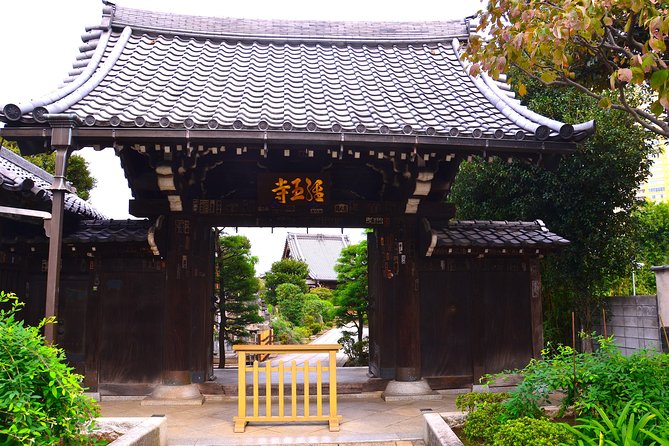
The route includes Tennō-ji and Kyōōji Temple, two religious sites that help explain Yanaka’s character. These stops are not only photo breaks. They show how temples remain part of the neighborhood’s physical and cultural fabric.
The tour also passes Yūyake Dandan, a staircase and viewpoint associated with the Yanaka area. From here, you can expect a more local view of the district, with streets and rooftops rather than a grand city panorama. It is the kind of place where the value comes from being shown why a modest local spot matters.
Yanaka Cemetery Park adds another layer. Cemeteries in Japan are not simply places to rush through on the way to lunch. They can be quiet, carefully maintained spaces tied to temples, family remembrance, and neighborhood life. The walk gives you a chance to see this side of Tokyo in a respectful setting.
Okakura Tenshin Memorial Park is also part of the route. The stop adds an art and cultural note to a walk otherwise shaped by temples, food, and local streets. You should not expect a long museum visit. The schedule is a food walk, so these cultural stops are brief pieces of a larger picture.
Yanaka Ginza and the pleasure of small shops
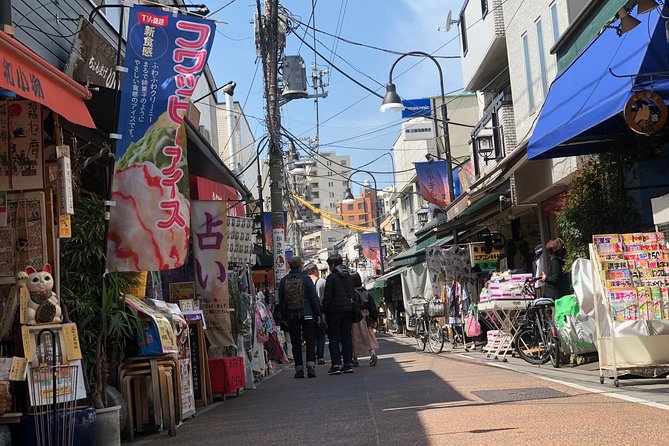
Yanaka Ginza is the main shopping stop, with about 15 minutes set aside for local specialties and small stores. This is where the food tour’s practical side becomes clear. You get time to look, taste, and notice how a neighborhood shopping street differs from a large Tokyo commercial center.
The included food at six stops means you can try items without constantly reaching for your wallet. That is helpful in a tour setting, since small snacks can add up quickly when you are sampling several things. You also receive shopping time, so you can buy something extra if a particular food catches your attention.
The 15-minute stop is useful but short. You should see it as a guided introduction, not an open-ended shopping trip. If you want to browse every shop, compare products, and make several purchases, the schedule may feel tight.
Still, this is one of the strongest parts of the experience for first-time visitors to Yanaka. A guide can help you understand what is worth trying and how the shopping street fits into local life. You get a taste of the district without spending your entire afternoon figuring out where to go.
A completely different kind of day out in Tokyo:
- Mt Fuji and Hakone 1-Day Bus Tour Return by Bullet Train
★ 5.0 · 26,383 reviews - 1-Day Tokyo Bus Tour
★ 5.0 · 14,250 reviews - Tokyo: TOKYO SKYTREE® Admission ticket
★ 4.5 · 11,192 reviews - Tokyo: teamLab Planets TOKYO Digital Art Museum Entry Ticket
★ 4.6 · 9,779 reviews
Six food stops, plus a full Teishoku lunch
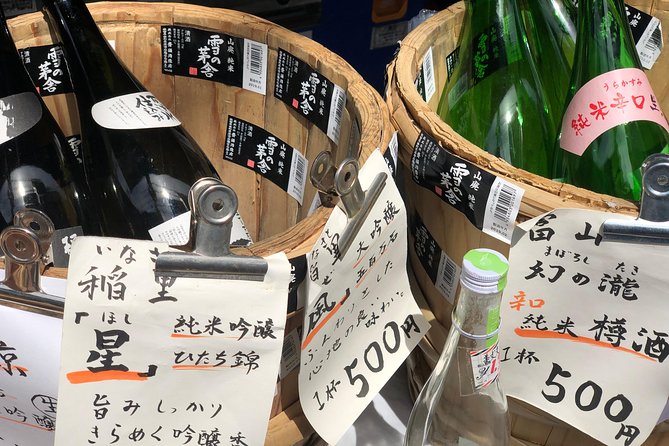
The food portion includes dishes and drinks at six stops, followed by lunch in a restaurant. That is a substantial amount of food for a three-and-a-half-hour walk, especially when compared with tours that offer only two or three samples.
The meal is Teishoku, a Japanese set lunch built around several coordinated parts. The focus here is on regional specialties from Kyushu Island and seasonal ingredients. That regional angle gives the lunch more purpose than simply eating a standard Japanese meal. You get a small introduction to the food traditions of a large and varied part of Japan.
The exact dishes can change. Restaurant schedules, public holidays, weather, and other unforeseen conditions can lead to substitutions. That flexibility is worth remembering before you book. You are paying for the style and structure of the meal, not a guaranteed list of named dishes.
I see the lunch as the tour’s best value point. A meal, multiple tastings, and drinks are included in the $231 price, along with the guide and cultural activities. Tokyo food can be costly, but the price still sits at the premium end. You should book it because you want explanation and access to a planned experience, not because you are looking for the cheapest possible lunch.
Extra drinks or food are not included. If you have a large appetite or want to keep sampling after the included stops, plan to pay separately.
The wagashi and tea experience
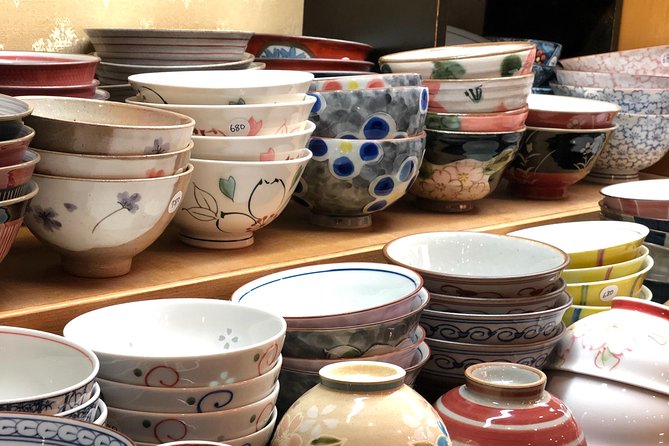
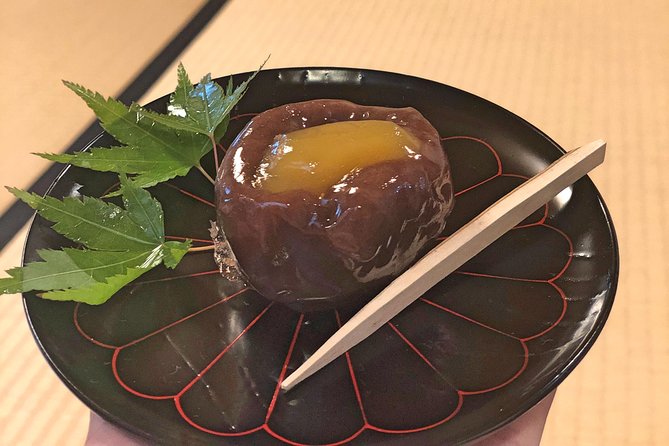
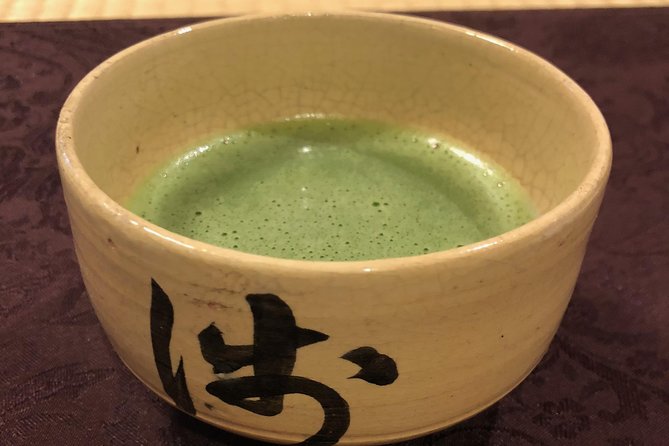
The tour finishes with a wagashi and tea experience. Wagashi are traditional Japanese sweets, often designed with an emphasis on shape, season, and presentation. Paired with tea, they make a pleasant change from eating while walking or standing at a shop.
The tea ceremony is also the part most likely to stay with you after the food has been eaten. It gives the tour a slower rhythm and introduces a formal food custom rather than only casual street eating. You can expect the guide or tea host to provide context, though the supplied schedule does not specify the ceremony’s exact format or length.
Guide Sandra has received specific praise for leading the tea ceremony as well as the old-town walk. That detail matters because a good guide can make a traditional practice feel welcoming rather than stiff or confusing. You do not need to be a tea expert to appreciate the pause.
The tea stop may be less exciting if you prefer nonstop tasting. The tour wisely places food and culture side by side, but not every part will appeal equally to every person. If tea and Japanese customs interest you, this is a major reason to choose the tour. If you only want street food, you may find the ceremony takes time away from eating.
Dietary needs, family visits, and walking comfort
The experience is listed as suitable for vegan, vegetarian, pescetarian, and gluten-free diets. That is a useful range, but you should provide your dietary needs in advance and confirm them when booking. Since food stops and restaurant menus can change, do not assume every item will suit your diet without notice.
The tour is family-friendly, though children must be accompanied by an adult. A passport information copy is required for children aged 10 and above. That requirement is easy to overlook, so handle it before the morning of the tour.
This can work well for families who like food, walking, and cultural stops. Younger children may find the cemetery, temples, and tea ceremony less exciting than the snacks, so your family’s interests matter. The tour is not presented as a children’s entertainment program.
The moderate fitness requirement is also important. You will walk through the Yanaka district for about three hours, with stops along the way. No special athletic ability is stated, but you should be comfortable staying on your feet for much of the outing.
How the $231 price measures up
At $231 per person, this is not a casual budget food walk. The price includes a local English-speaking guide, six food stops with dishes and drinks, a restaurant lunch, the wagashi and tea experience, and shopping time.
That package can be good value if you want a carefully planned introduction to Yanaka and prefer to have someone explain what you are seeing and eating. The small group also adds value, especially in a neighborhood where small shops and quiet temple grounds are more important than a single headline attraction.
The price is harder to justify if you are comfortable exploring on your own, already know Tokyo’s food culture, or mainly want an inexpensive meal. You could spend less by visiting Yanaka independently, but you would lose the built-in tastings, regional lunch, tea experience, and local guidance.
The tour is usually booked around 41 days in advance. That suggests you should reserve well ahead if your Tokyo dates are fixed, particularly because the group limit is 10 people. Confirmation arrives at booking, and free cancellation is available until 24 hours before the 10:30 a.m. start time.
Weather and schedule changes
This experience requires good weather. If poor weather causes cancellation, you will be offered another date or a full refund. The same general choice applies if the minimum number of people is not reached.
Weather and restaurant schedules can also change the route or food selection. Public holidays may affect which shops or restaurants are open. The operator says substitutions may be made, so keep your expectations focused on the overall experience rather than one exact shop or dish.
That policy is reasonable for a walking food tour in a real neighborhood. It also means you should avoid booking this as the one activity that cannot move during a tight schedule. Leave some flexibility if you can.
Who should book this Yanaka food tour?
I would recommend it to you if you want to see a quieter side of Tokyo and prefer a guide to handle the food choices, route, and cultural explanation. It suits first-time visitors who want more than the usual central Tokyo checklist, as well as repeat visitors looking for a different district.
Food-focused couples, small groups of friends, and families with older children are likely to get the most from it. The tea ceremony and temple stops make it broader than a simple street-food crawl, while the six food stops keep the morning lively.
I would hesitate if you dislike walking, have a very limited budget, or need complete control over the menu and timing. I would also think twice if your main goal is a famous Tokyo market or a long restaurant meal. This tour is about the relationship between Yanaka’s streets, food, temples, and local customs.
Should you book it?
Book this experience if you want a small-group introduction to old Tokyo with real food built into the route. The combination of Yanaka Ginza, temple grounds, cemetery paths, six tastings, Kyushu-style Teishoku lunch, and tea ceremony creates a well-rounded half-day.
The strongest reasons to reserve are the intimate group size, included meals, and cultural variety. Sandra’s praised guiding, especially during the tea ceremony, is another encouraging detail. The main question is value: at $231, you are paying for interpretation and convenience as much as for the food itself.
If that sounds worthwhile, reserve ahead and arrive ready to walk, taste, and slow down. If you want the lowest-cost way to eat in Yanaka, explore independently instead.
FAQ
How long is the Old Town Tokyo Food Tour?
The experience lasts approximately 3 hours and 30 minutes. The listed Yanaka walking portion is about 3 hours.
Where does the tour begin?
It begins at Coffee Room Renoir Nippori Yanaka in Taito City, Tokyo, at 10:30 a.m.
Where does the tour end?
The experience ends in the Yanaka area of Taito City.
Is hotel pickup included?
No. Hotel pickup and drop-off are not included.
Is transportation included?
No. Transportation costs to and from the meeting point are not included.
What food is included?
The tour includes dishes and drinks at six food stops, a restaurant lunch, and a wagashi and tea experience.
What kind of lunch is served?
The included lunch is a Teishoku meal featuring regional specialties from Kyushu Island and seasonal ingredients.
Are dietary options available?
Vegan, vegetarian, pescetarian, and gluten-free options are listed as available. Provide your dietary needs when booking.
Is the tour suitable for children?
Yes, it is listed as family-friendly. Children must be accompanied by an adult, and a passport information copy is required for children aged 10 and above.
Can I cancel for a full refund?
Yes. You can cancel at least 24 hours before the experience start time for a full refund. Changes or cancellations made less than 24 hours before the start time are not accepted for a refund.
Just added around Tokyo
- Tokyo 6hr Instagram Highlights Private Tour with Licensed Guide★ 5.0 · 38 reviews
- Tokyo Small Group Tour with Guide★ 4.5 · 38 reviews
- Tokyo Sumo Experience with Live Show & Audience Challenge★ 5.0 · 38 reviews
- Japanese Food Cooking Class in Asakusa, Tokyo★ 5.0 · 39 reviews
- Very popular in Harajuku♡Animal petting zoo★ 4.6 · 39 reviews
- Ramen Making from Scratch with Tokyo Mom(Vegan Option Available)★ 5.0 · 39 reviews
- Tokyo JDM Night: 600hp C63s AMG Edition 1 (Private)★ 4.9 · 39 reviews
- Tokyo: Kimono Rental inside Shinjuku Gyoen National Garden★ 4.9 · 39 reviews
Food & Drink, compared.
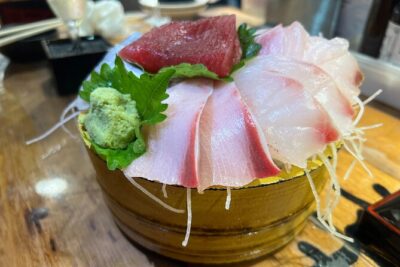
Shinjuku Food Tour (13 Dishes at 4 Local Eateries)
Read our review →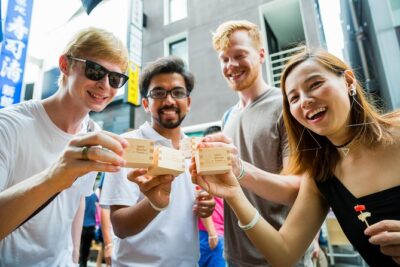
Tokyo Tsukiji Fish Market Food and Culture Walking Tour
Read our review →
Shinsekai Food Tour with 13-15 Dishes at 5 Eateries
Read our review →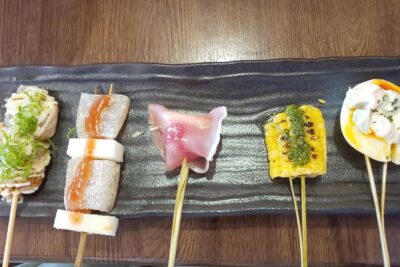
Osaka Food Tour: 13 Dishes at 5 Local Eateries
Read our review →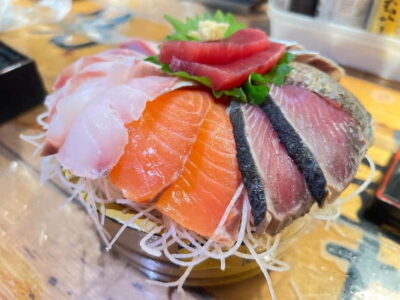
Shinjuku Food Tour (15 Dishes and 4 Eateries)
Read our review →
Best of Shinjuku: Izakaya Food Tour (4 Stops, 14+ Tastings)
Read our review →
Kyoto Night Foodie Tour in Gion (9+ dishes + 6 Sake tastings)
Read our review →
Hungry Osaka Street Food Tour:15 Tastings & 3 Drinks with a Local
Read our review →Browse the lists this tour appears in