
Reviewed · CYCLING TOURS
Sakurajima Century Lava Climb Journey with E-bike
Volcanic views come with a little pedal power. This three-hour ride around Sakurajima combines Taisho lava traces with clear stories about the island’s eruptions, and I especially like the small group size and the easy-to-use electric bikes. I also like the regular rest stops, local snack, and drink at Yunohira Observatory. The main caution is that the uphill ride still takes effort, and wet black sand can make parts of the route slippery.
Guide Rento gets repeated praise for his friendly manner, safety-minded approach, and ability to adjust the pace. I would not call this a lazy sightseeing ride, though. The motor helps, but you will still be cycling, and hot weather, ash, wind, or sudden rain can change the feel of the morning.
In This Review
- Key points at a glance
- Why Sakurajima works so well by bicycle
- Starting near the Sakurajima Ferry Terminal
- The first ride and the story of Sakurajima
- Seeing the Taisho lava traces up close
- The climb toward Yunohira Observatory
- Yunohira Observatory and Kagoshima views
- The quieter stops on the way down
- What Rento adds to the morning
- Weather, clothing, and road conditions
- Is $102 a fair price?
- Who should book this Sakurajima ride?
- My verdict on the three-hour volcanic outing
- FAQ
- How long is the Sakurajima e-bike tour?
- Where does the tour meet?
- Is the e-bike rental included?
- Do I need to be able to ride a bicycle?
- What languages are available?
- What happens if the weather is bad?
Key points at a glance
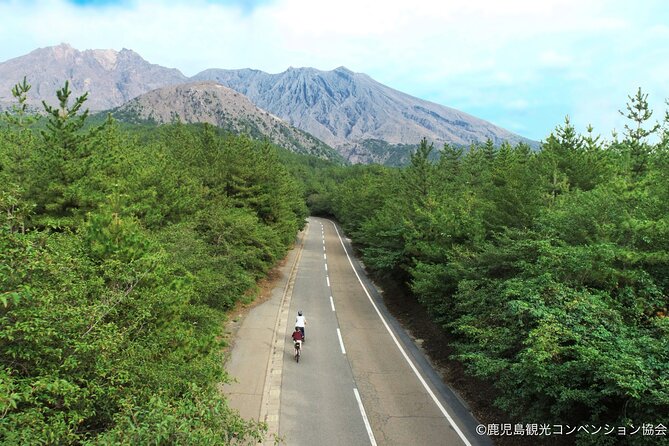
- Yunohira Observatory by e-bike: Ride to Sakurajima’s highest point and look across Kagoshima from above.
- Taisho lava and eruption stories: See physical traces of the major twentieth-century eruption while learning how it changed the island.
- Small groups of six or fewer: The guide can stop often, answer questions, and adjust the pace more easily than on a bus tour.
- Rento’s personal guiding: He is praised for careful safety advice, clear explanations, photos, and a warm approach.
- A real uphill workout: Electric assistance makes the climb manageable, but it does not remove the need to pedal.
- Weather matters: Bring protection from wind, rain, glare, cold, and possible falling ash.
Why Sakurajima works so well by bicycle
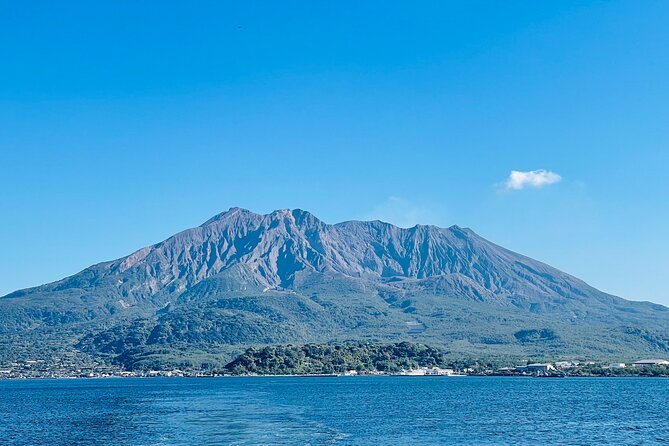
Sakurajima is not just a scenic backdrop for Kagoshima. It is an active volcanic island with a story written into its roads, slopes, lava fields, orchards, and viewpoints. A bus can show you the main sights, but a bicycle gives the guide more freedom to stop at quieter places and point out details you might otherwise miss.
I like the scale of this tour. Three hours is long enough to reach Yunohira Observatory and hear the main volcanic story, but short enough to fit into a morning or afternoon around the ferry crossing. You are not being rushed from one major stop to another. The route includes several short breaks, photo stops, and two less-publicized stops described as secret stops.
The electric bike changes the experience in a useful way. The road climbs, and the uphill section can be challenging even with assistance. Still, people who are new to e-bikes have managed the ride after a little practice, and the motor makes the climb far more realistic than using a standard bicycle.
You need to be able to ride a bike confidently enough to steer, brake, and handle changing surfaces. This is not suitable for anyone who cannot ride, and participants must be at least 145 centimeters tall.
More bike tours in Japan:
- Hidden Kyoto E-Biking tour
★ 5.0 · 1,843 reviews - Tokyo Guided Small-Group Biking Tour
★ 5.0 · 1,250 reviews - Bike Tour Exploring North Kyoto plus Lunch
★ 5.0 · 1,087 reviews
Starting near the Sakurajima Ferry Terminal
The meeting point is at the Sakurajima Visitor Center, about an eight-minute walk from the Sakurajima Ferry Terminal. That makes the tour fairly easy to connect with after crossing from Kagoshima, but you should allow enough time to leave the ferry area, walk to the center, and get organized before the safety briefing.
The first 20 minutes are devoted to safety. That is valuable here, since the route includes hills, changing weather, and volcanic material near the roads. You will receive your e-bike and helmet, learn how the electric assistance works, and get ready for the ride.
If you have never used an e-bike, tell the guide at the start. One participant had not ridden one before but became comfortable after a short practice. That small bit of preparation can make the rest of the tour much more relaxed.
The group is limited to six people. I see this as one of the tour’s best features. A small group allows the guide to keep an eye on cycling ability, stop for questions, and give extra help when the weather turns hot or the climb feels demanding.
The first ride and the story of Sakurajima
After the briefing, you set out for a short guided ride. The early section helps you get used to the bicycle while the guide begins explaining Sakurajima’s past and its place in the Kagoshima area.
The focus is not only on dates and eruption facts. The tour connects the volcano to the island’s people, agriculture, and changing ground. That makes the ride more meaningful than simply reaching a viewpoint and taking a photograph.
Expect several pauses during the route. The guide uses these stops to explain the geology and point out places connected with the island’s volcanic activity. The breaks also give you time to catch your breath, adjust your seat or helmet, and take photographs.
The ride has a pleasant rhythm: cycle, stop, listen, look around, and continue. It is a good format for anyone who wants more context than a self-guided ride provides.
Seeing the Taisho lava traces up close
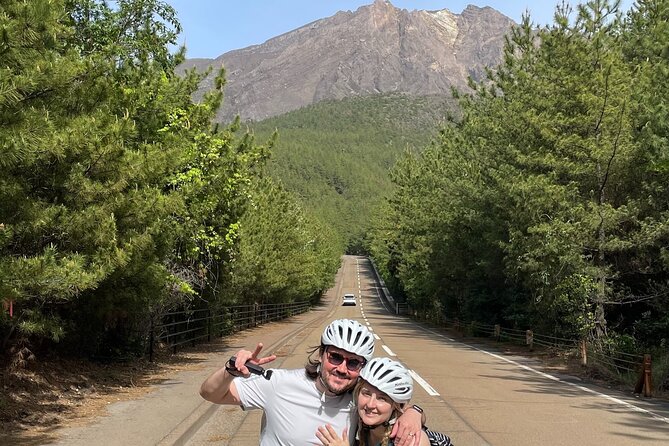
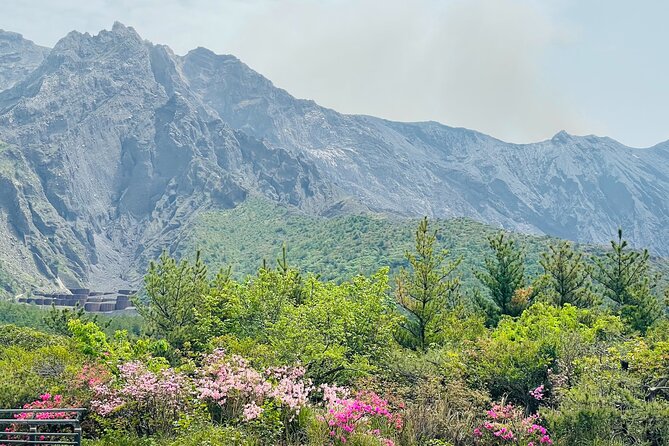
A central theme is the Taisho eruption, the major eruption that took place in the twentieth century. The tour takes you around traces of Taisho lava and explains how volcanic activity affected Sakurajima.
The value here is in seeing the evidence while hearing the story. Lava is not just an abstract subject in a museum display. Along the route, the guide helps connect the rock and altered ground to the eruption that shaped the island.
The tour also includes information about volcanoes in the wider area. You will hear about eruption activity, the nature of the volcano, and the way people live with it. One participant was fortunate enough to see the volcano erupt twice during the ride, but that is a matter of timing and luck, not a promised part of the tour.
I would keep your expectations sensible. The main reward is the guide’s explanation and the scenery, not a guaranteed eruption sighting. Volcanic ash, glare, wind, and clouds can affect what you see.
More e-bike tours in Japan:
- Tokyo Top Highlights 3h Guided E-bike Tour
★ 5.0 · 714 reviews - 3h Tokyo E-Bike Tour: Hidden Gems, and Local Life with guide
★ 5.0 · 670 reviews - 5 Top Highlights of Kyoto Full Day Bike Tour (E-bike option)
★ 5.0 · 511 reviews - Tokyo: 3-Hour Bike or E-Bike City Highlights Tour
★ 4.8 · 435 reviews
The climb toward Yunohira Observatory
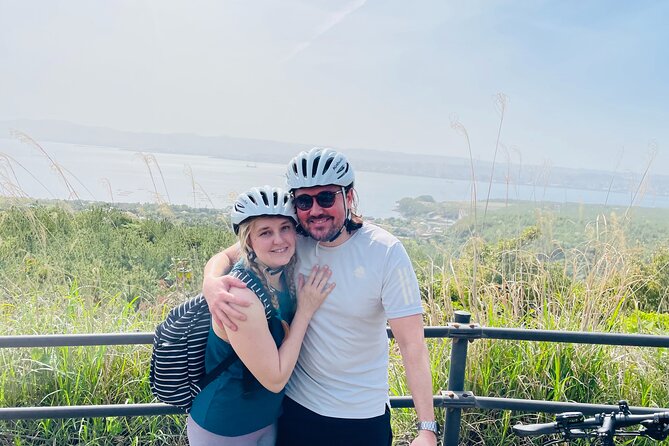
The uphill portion is the physical heart of the tour. The e-bike’s electric assist helps greatly, but several people found the climb demanding enough to call it a workout. That is important when deciding if this suits you.
The guide makes regular stops, especially in warm weather. You can use these pauses to rest, ask questions, and enjoy the view as it opens up. The pace may be especially flexible when the group is small, and Rento has been praised for adjusting the ride to the people in front of him.
Comfortable shoes are essential. You should also bring water, even though a drink is provided later. A small backpack is useful for personal items, and bags can be attached to the bicycles for carrying valuables.
The downhill ride is easier, but it still requires attention. One important safety point is wet black sand. It can spread onto the path and make the surface slippery, so slow down and avoid sharp turns when the ground looks loose or dark. A cyclist suffered bruising after a fall on this type of surface, which is a good reason to ask about current road conditions before setting off.
Yunohira Observatory and Kagoshima views
Yunohira Observatory is the tour’s main viewpoint and highest point on Sakurajima. You get around 30 minutes here for photographs, free time, a guided explanation, and a little shopping.
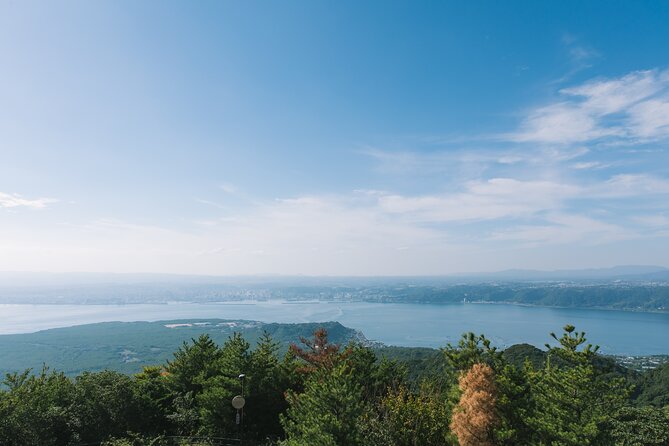
The view takes in Kagoshima and the surrounding area. This is the moment when the uphill work pays off. After riding through volcanic scenery and hearing how eruptions changed the island, you can look back across the area and understand Sakurajima’s position within it.
The guide explains what you are seeing rather than leaving you to guess at distant features. That added context matters on a broad viewpoint, where a photograph alone can feel disconnected from the place.
A local snack and drink are included at the viewpoint. It is a small touch, but a welcome one after the climb. On a hot day, the break also gives you time to cool down before getting back on the bicycle.
Do not assume the summit means the summit of the volcano itself. Yunohira is the highest point reached on this route, not a climb to the active crater. The tour provides a safe viewpoint and volcanic context rather than an extreme mountaineering challenge.
The quieter stops on the way down
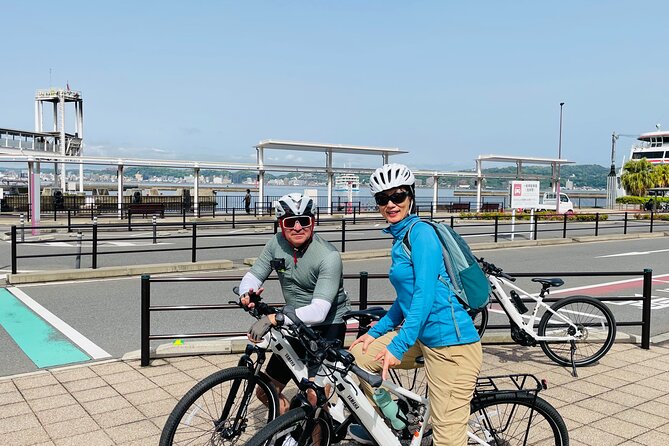
After Yunohira, the route returns through additional sightseeing stops. Two are listed as secret stops, each with time to pause and look around. Their exact details are not specified in advance, so part of their appeal is letting the guide respond to conditions and the group’s pace.
These stops help prevent the ride from becoming a simple climb and return. You may get more local views, further explanations, or a quieter place for photographs. The guide has also taken visitors to local agricultural sites and orchards, adding a useful side to the volcanic story.
Agriculture is an especially interesting part of the ride. Sakurajima is not only about lava and ash. The route shows how people use the island and continue daily life beside an active volcano. That human side gives the trip more substance.
The ride finishes back at the Sakurajima Visitor Center. Since the tour begins and ends in the same place, it is easier to plan around the ferry and keep your belongings organized.
What Rento adds to the morning
The guide can make or break a small outdoor tour, and Rento receives unusually strong praise for several specific reasons. He is described as patient with beginners, careful about safety, friendly with families, and willing to stop for explanations and photographs.
He has also helped create a personal experience for people riding alone. When one person was the only participant, the pace could be set around that rider, with plenty of time for questions and rests. Another participant who was not cycling but followed by the island tourist bus said Rento waited at the top and continued explaining the area.
That flexibility is useful, but it should not be treated as a guarantee that every group can bring non-cyclists along. The stated activity is an e-bike tour, and anyone booking should plan to ride.
The guiding style appears to be conversational rather than purely scripted. You get volcano facts, island history, agriculture, scenic stops, and practical help with the bicycle. I would choose this tour mainly for that local explanation, not simply for access to a rental bike.
Weather, clothing, and road conditions
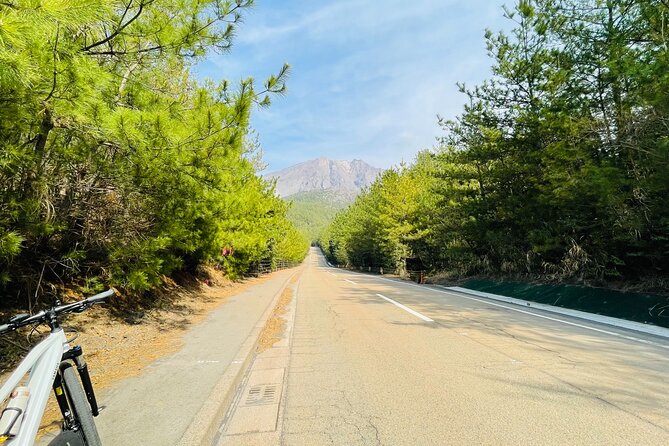
Sakurajima’s weather can affect the ride. The tour provider makes a bad-weather decision by the day before and will notify you if the activity is canceled. A refund is provided in that case.
Bring clothing suited to the forecast, plus protection against sudden rain and wind. A window breaker is recommended as a measure against sudden weather changes, and slip-resistant gloves can help with both grip and cold.
Sunglasses serve two purposes: they reduce daytime glare and help protect your eyes if ash is falling. A small backpack is practical for water, an identity document, and personal items.
You should bring:
- Passport or ID card
- Comfortable shoes
- Water
- Weather-appropriate clothing
- Travel insurance
- Sunglasses
- Slip-resistant gloves
- A small backpack
Alcohol and drugs are not allowed. The practical point is simple: treat this as an active outdoor trip, not a casual ride around a flat park.
Is $102 a fair price?
At $102 per person, this is not the cheapest way to see Sakurajima. You are paying about $34 per hour, but the fee includes a guide, e-bike, helmet, snack, and drink. It also buys a small group experience with stops and interpretation, rather than only transportation.
The value is strongest if you want to understand the volcano and enjoy a more active outing. A bus may require less effort, while walking covers less ground in three hours. Renting a bicycle independently could cost less, but you would give up the guide’s route, local explanations, safety support, and planned stops.
The small group makes the price easier to justify. With no more than six participants, the guide can help beginners and adjust rest breaks. The repeated praise for the bicycles being in good condition also matters, since reliable equipment is important on a hilly route.
Free cancellation up to 24 hours before the tour and the option to reserve now and pay later add useful flexibility. Still, check the available start times and keep your ferry plans realistic.
Who should book this Sakurajima ride?
I would recommend it to active visitors who want more than a quick viewpoint stop. It suits couples, families with older children who meet the height requirement, solo cyclists, and anyone curious about volcanoes, local history, and island agriculture.
It is particularly good for first-time e-bike users who like a guided introduction. The electric assist makes the climb possible for more people, and the guide can provide practice and regular rests.
I would hesitate if you dislike hills, cannot ride a bicycle, or want a completely effortless sightseeing trip. The tour is also less appealing if you are hoping to reach the volcano’s crater or if your schedule leaves no room for weather changes.
If you are worried about fitness, the small group and rest stops help. You still need to be honest about your comfort on a bicycle and prepare for heat, wind, ash, and slippery black sand.
My verdict on the three-hour volcanic outing
I like this tour because it joins three things that are easy to separate: the physical presence of Sakurajima, the story of the Taisho eruption, and the everyday life of the island. The e-bike lets you cover more ground than walking, while the guide keeps the ride from becoming a silent workout.
The best parts are the small group, the regular stops, the Yunohira view, and Rento’s personal approach. The main weakness is also clear: the climb takes effort, and road conditions require care.
Book it if you want an active, guided introduction to Sakurajima and can handle a three-hour bicycle ride. Skip it if you need flat paths, guaranteed clear views, or a ride with no physical demands. For the right person, $102 buys a thoughtful and memorable way to meet the volcano.
FAQ
How long is the Sakurajima e-bike tour?
The experience lasts three hours, including the safety briefing, guided cycling, sightseeing stops, time at Yunohira Observatory, and the return to the Sakurajima Visitor Center.
Where does the tour meet?
The tour starts and finishes at the Sakurajima Visitor Center, about an eight-minute walk from the Sakurajima Ferry Terminal.
Is the e-bike rental included?
Yes. The price includes the guided e-bike tour, e-bike rental, and helmet. A Kagoshima snack and drink are also included.
Do I need to be able to ride a bicycle?
Yes. The tour is not suitable for people who cannot ride a bike. Participants must also be at least 145 centimeters tall.
What languages are available?
The live tour guide is available in English and Japanese.
What happens if the weather is bad?
The decision is made by the day before the experience. If bad weather leads to cancellation, you will be notified and receive a refund. You can also cancel up to 24 hours in advance for a full refund.
Just added around Japan
- Kanazawa private half day/Photoshoot by professional photographer★ 5.0 · 38 reviews
- Osaka Food Tour with 10 Classic Japanese Tastings & Drinks★ 5.0 · 38 reviews
- Osaka: Highlights & Hidden Gems Private Walking Tour★ 4.7 · 38 reviews
- Tokyo Small Group Tour with Guide★ 4.5 · 38 reviews
- Tokyo 6hr Instagram Highlights Private Tour with Licensed Guide★ 5.0 · 38 reviews
- From Tokyo: Kamakura Private Customize Tour by Luxury Van★ 4.6 · 38 reviews
- Tokyo Sumo Experience with Live Show & Audience Challenge★ 5.0 · 38 reviews
- Kyoto: Gion Night Walking Tour with Geisha Insight★ 5.0 · 39 reviews
Cycling Tours, compared.
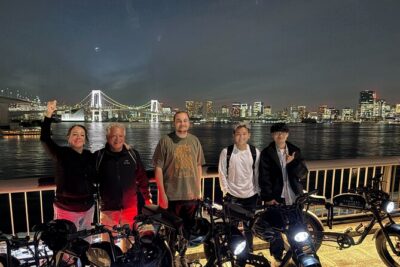
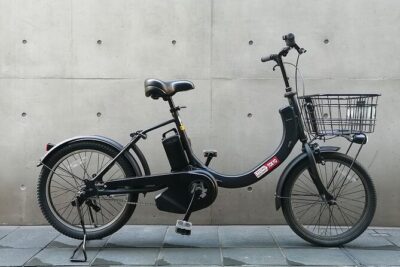
3h Tokyo E-Bike Tour: Hidden Gems, and Local Life with guide
Read our review →
Arashiyama Bamboo Forest & Hidden Gems Bike Tour (Early Bird)
Read our review →
Hiroshima in a Nutshell: Morning Bike Adventure
Read our review →Browse the lists this tour appears in