
Reviewed · FOOD & DRINK
Shibuya All You Can Eat Best Food Tour The Original One in Tokyo
Shibuya tastes better away from the crossing. This four-hour walking tour links sushi, yakitori, yakiniku, takoyaki, and desserts with small streets and local dining spots that are easy to miss. I like the limited group size of 10, and I like that guides such as Hamada, Kato, Amber, and Tanaka often add useful cultural explanations rather than simply handing you a menu. The main concern is the price: at $205 per person, this is a costly food outing if you mainly want a few restaurant meals.
The route also gives you a quick look at several sides of Shibuya, from the famous Hachiko meeting point and Shibuya Crossing to Nonbei Yokocho and the huge MEGA Don Quijote store. Food portions appear generous, but all you can eat should not be read as an unlimited buffet. The experience is better understood as a guided tasting tour with four or five food stops.
In This Review
- Key Points to Know Before You Book
- Why This Shibuya Food Walk Works
- Meeting Hachiko Before the Eating Begins
- Shibuya 109 and the Local Food Streets
- Nonbei Yokocho, Shibuya’s Tiny Drinking Alley
- Shibuya Crossing and the Fast Photo Stop
- MEGA Don Quijote After the Main Food Stops
- What You Are Likely to Eat
- The Guide Can Make or Break the Evening
- Is $205 a Fair Price in Tokyo?
- Who Will Enjoy This Tour Most?
- Booking Details Worth Noting
- Should You Book the Shibuya Food Tour?
- FAQ
- How long does the Shibuya food tour last?
- Where does the tour begin?
- Where does the tour finish?
- How many people can join the tour?
- What food is included?
- Are drinks included?
- Is hotel pickup included?
- Is the tour suitable for most people?
- Is the ticket available on a phone?
- Can I cancel for a full refund?
Key Points to Know Before You Book
- Four or five substantial food stops: Expect Japanese favorites including sushi, grilled meat, takoyaki, yakitori, and sweets.
- A maximum of 10 people: The small group makes it easier to ask questions and stay connected on busy Shibuya streets.
- Nonbei Yokocho adds character: This narrow alley of tiny bars offers a look at an older, more intimate side of the district.
- The guides shape the evening: Hamada, Kato, Amber, Tanaka, Hiromi, Ryu, and others receive strong praise for warmth, patience, and local insight.
- The tour begins and ends at Hachiko: You meet near the Hachiko Statue and return to the same meeting point.
- The cost requires careful thought: Two soft drinks and water are included, while alcohol costs extra.
Why This Shibuya Food Walk Works
Shibuya is often reduced to one famous image: thousands of people crossing a broad intersection beneath giant video screens. That view is worth seeing, but it tells you little about how people eat in the district.
This tour uses the famous center as a starting point, then moves into smaller lanes and local-style dining spots. I like that balance. You get the picture-postcard moment, then spend more time in places where the atmosphere comes from narrow counters, small restaurants, Japanese barbecue tables, and crowded food streets.
The food is the main reason to book. You are not limited to one specialty. Depending on the guide’s choices, you may sample sushi, yakiniku, yakitori, takoyaki, chicken karaage, steak, sake, mochi, and other desserts. The exact dishes can vary, since the guide chooses four or five stops.
That flexibility is useful for a group with mixed tastes. You can try several classic foods in one evening instead of guessing your way through unfamiliar menus. It also means you should not expect a fixed restaurant-by-restaurant program with every dish guaranteed.
The tour’s strongest feature is its human side. Hamada is repeatedly praised for patience, friendliness, and practical help. Kato is described as warm, funny, and passionate about Japanese food. Amber receives praise for being pleasant and attentive, while Tanaka is appreciated for his easy manner and strong knowledge of the area and Japanese culture.
Guides have also helped with small errands and shopping questions. One guide assisted with a purchase at BIC Camera, and another allowed time for a quick personal errand. These touches are not the formal purpose of the tour, but they show how the experience can become more personal when the group is small.
More Food Tours in Tokyo
- Tokyo: Shinjuku Food Tour (13 Dishes at 4 Local Eateries)
★ 5.0 · 6,603 reviews - Tokyo Tsukiji Fish Market Food and Culture Walking Tour
★ 5.0 · 3,184 reviews - Tokyo: Shinjuku Food Tour (15 Dishes and 4 Eateries)
★ 4.9 · 2,033 reviews
Meeting Hachiko Before the Eating Begins
The meeting point is the Hachiko Statue at 2 Chome-1 Dogenzaka, near Shibuya Station. This is convenient if you are already exploring Shibuya, but it is also a busy place where many people gather.
Give yourself extra time to find the statue and guide. Shibuya Station is large, and the surrounding streets can be confusing, especially after dark. Your confirmation arrives when you book, so check the meeting instructions before setting out.
Starting at Hachiko makes practical sense. It places you right in the middle of the district and gives the guide a clear landmark for introductions. From there, you begin walking through an area that changes quickly from giant retail buildings to narrow lanes and local eating streets.
The tour ends back at the same meeting point. That is helpful if you are not yet comfortable finding your way around Tokyo, although you may need to plan your own transport afterward if you want to continue elsewhere.
Shibuya 109 and the Local Food Streets
The first listed portion lasts about 45 minutes around Shibuya 109 and nearby streets. Shibuya 109 is best known as a major shopping landmark, but the point here is the surrounding food scene, including streets used by local diners and izakaya.
An izakaya is a Japanese pub-style restaurant where people order several small dishes with drinks. It is a useful format for a food tour because you can share different plates instead of committing to one large meal.
This is where the guide’s presence matters. Japanese restaurant customs can be unfamiliar, from ordering and sharing food to understanding what comes with a drink or meal. A good guide can explain those small details as they happen, rather than giving you a lecture detached from the meal.
You may also get your first food stop here, although the exact order is not fixed in the supplied details. The broader selection can include sushi, grilled chicken, and other Japanese dishes.
One practical point: this is still central Shibuya. You will be walking through busy streets, not entering a quiet food village. If you want a calm, slow meal, this part may feel rushed. If you want to see how food fits into one of Tokyo’s busiest entertainment districts, it is a strong beginning.
Nonbei Yokocho, Shibuya’s Tiny Drinking Alley
Nonbei Yokocho is one of the most distinctive stops. The name is often translated as Drunkard’s Alley, and the area is known for narrow lanes lined with very small bars.
The tour allows about 30 minutes here. That is enough for a look around and an explanation of how evening drinking spots can work in Japan. One review describes the bars as so small that only four or five people might fit inside. That cramped scale is exactly what makes the alley memorable.
I especially like this stop because it adds context beyond food. You see a side of Shibuya that is easy to miss if you stay on the main roads and shopping floors. The alley also gives you a sense of how varied Tokyo’s nightlife can be, from giant entertainment complexes to a few stools around a tiny counter.
Do not expect a long bar session to be included. Alcohol is available to purchase, but it is not part of the included price. The tour provides two soft drinks and water, while alcoholic drinks cost extra.
If the guide has time, you may receive recommendations for places to return to later. One person enjoyed the alley enough to visit again independently. That is a useful sign for anyone who likes to collect small places for a second visit.
A completely different kind of day out in Tokyo:
- Mt Fuji and Hakone 1-Day Bus Tour Return by Bullet Train
★ 5.0 · 26,383 reviews - 1-Day Tokyo Bus Tour
★ 5.0 · 14,250 reviews - Tokyo: TOKYO SKYTREE® Admission ticket
★ 4.5 · 11,192 reviews - Tokyo: teamLab Planets TOKYO Digital Art Museum Entry Ticket
★ 4.6 · 9,779 reviews
Shibuya Crossing and the Fast Photo Stop
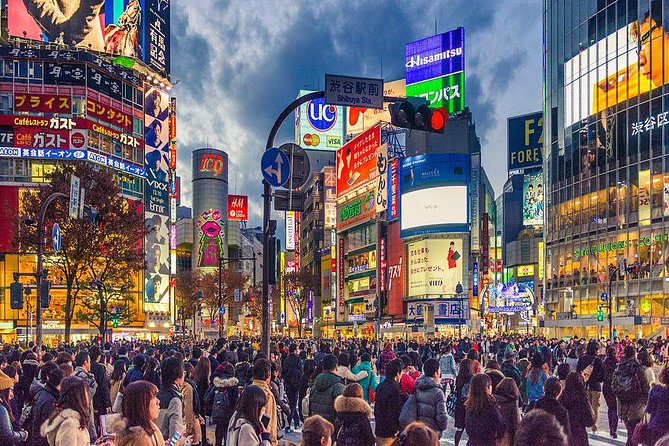
The Shibuya Crossing section lasts about 15 minutes. This is a short stop, and it should be treated as a photo and orientation break rather than a full sightseeing visit.
The crossing is famous for the sheer number of people moving in several directions at once. The tour description gives a figure of more than 2,000 people crossing every minute. Numbers aside, the appeal is simple: you step into the flow, cross with the crowd, and take in the scale of central Tokyo.
The guide can help place the crossing within the wider district, but do not expect a long historical talk here. Fifteen minutes passes quickly, especially when the group is taking photos and keeping together.
This stop works best as a change of pace between food locations. After sitting or standing at restaurants, you get a short walk through one of Tokyo’s best-known public spaces. It also reminds you that the tour is part food outing and part city walk.
MEGA Don Quijote After the Main Food Stops
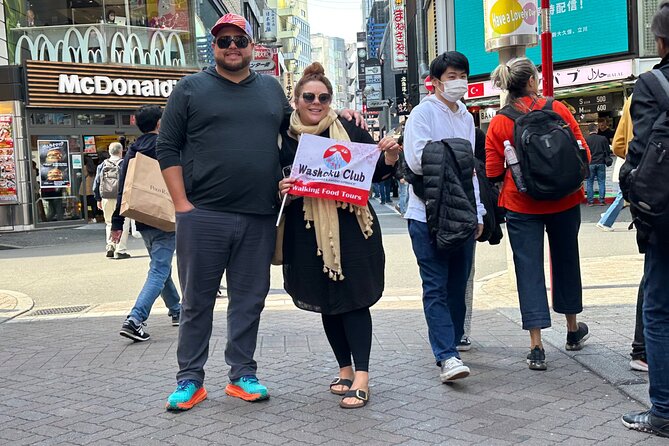
The itinerary includes around 30 minutes at MEGA Don Quijote, a 24-hour shopping mall that sells an enormous range of goods, including sweets, cosmetics, food, and electrical items.
This is not a traditional Japanese food stop in the same way as sushi or yakiniku. It is a look at modern Japanese retail culture, where floors of packaged snacks, household goods, beauty products, and unusual souvenirs sit under one roof.
I find this a useful addition for first-time visitors. You can see the kinds of products people buy for everyday use, and you may find edible souvenirs that are easier to carry than restaurant leftovers. The store can also be a sensory overload, with bright displays and a huge selection, so a guide helps you focus.
The drawback is time. If you are mainly paying for restaurant food, half an hour in a shop may feel like a detour. If you enjoy browsing Japanese stores or want help understanding what is worth buying, it adds variety.
What You Are Likely to Eat
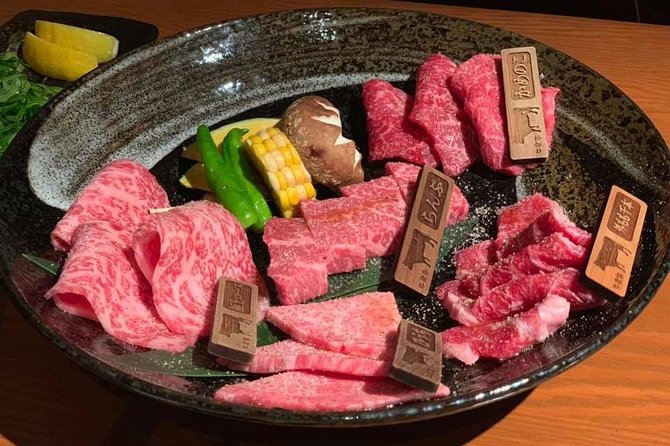
The included food is the heart of the experience. You receive four to five food stops selected by the guide, plus desserts, two soft drinks, and water.
The food examples include:
- Sushi
- Yakitori
- Yakiniku
- Takoyaki
- Chicken karaage
- Steak or grilled meat
- Mochi and other desserts
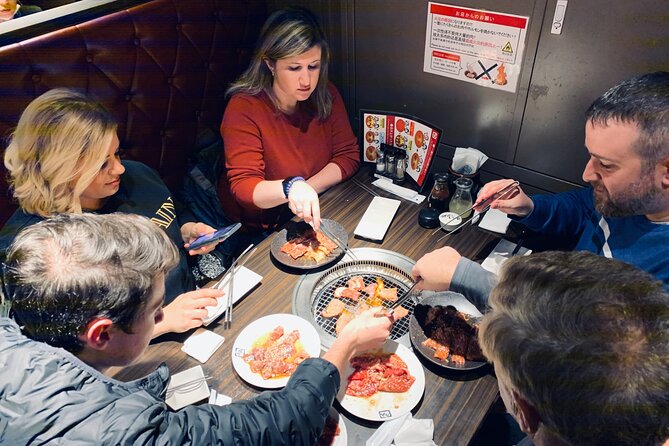
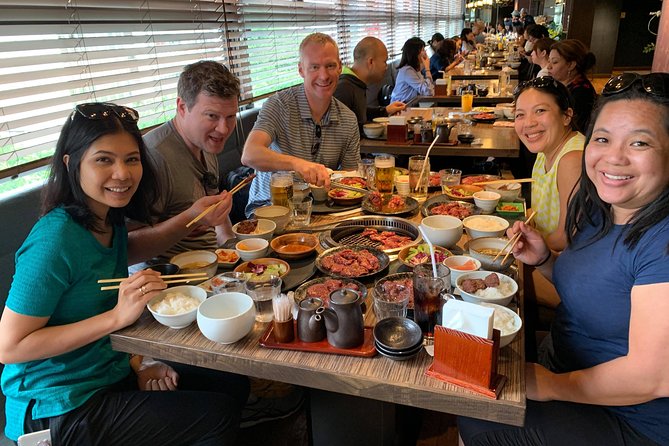
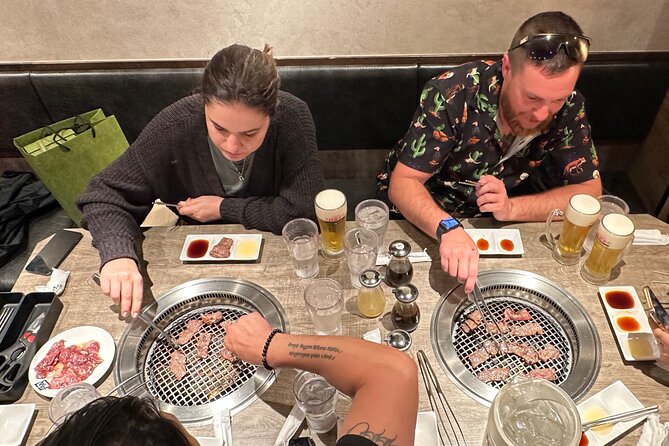
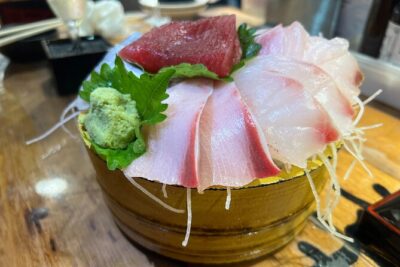
Yakiniku is Japanese-style tabletop grilling, where you cook pieces of meat on a small grill. Several people describe this as a highlight, along with sushi and takoyaki. One family enjoyed sushi, yakiniku, chicken karaage, and takoyaki during the same outing.
Takoyaki are round batter snacks filled with octopus and topped with savory sauces and garnishes. They are hot, filling, and easy to share. If you have never tried them, this is a good setting because the guide can explain what you are eating and how to handle the heat.
Food quantities appear generous. Several people describe leaving full or stuffed, and one large eater especially praised the sushi and steak. Still, portion sizes and dishes depend on the guide, restaurant availability, and group needs.
This is also not ideal for someone who wants complete control over every ingredient. The tour is designed around trying several foods, and one person who disliked new foods ate very little. Tell the operator about dietary restrictions or strong dislikes before booking, though the supplied details do not promise specific substitutions.
The Guide Can Make or Break the Evening
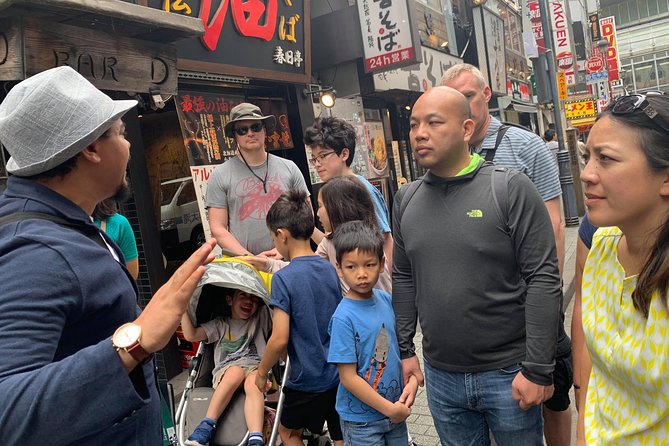
The wide range of guide names in the feedback tells you that the company uses a team rather than one fixed host. Strongly praised guides include Hamada, Kato, Amber, Tanaka, Hiromi, Ryu, Suzuki, Samir, Show, Islam, Adam, and Bazaraa.
The best descriptions have a clear pattern. Guides are friendly, punctual, attentive, good English speakers in some cases, and willing to explain Japanese food customs and daily life. Hamada is particularly praised for helping tired families, waiting for people who became separated, and adding bonus sightseeing while the group regrouped.
Kato is described as relaxed company, almost like spending an evening with a friend. Hiromi receives praise for her dining choices and insight into Tokyo. Ryu is noted for being fun and able to communicate well in English.
That personal contact is a major part of what you are buying. You are not simply paying for food. You are paying for someone to choose places, guide you through the neighborhood, answer questions, and reduce the stress of ordering in unfamiliar restaurants.
There are limits. One person found the guide only adequate and felt the price was too high. Another reported a serious organizational problem, with the main leader arriving halfway through and an initial guide unable to explain the food. Those accounts are much less common than the positive ones, but they matter because a food tour depends heavily on the person leading it.
Is $205 a Fair Price in Tokyo?
At $205 per person, this is not a budget food crawl. You can eat well in Tokyo for far less if you choose restaurants yourself and order directly.
The price makes more sense if you value structure and guidance. In four hours, you get multiple food stops, a walking route through central Shibuya, cultural explanations, desserts, soft drinks, and a small group capped at 10. You also avoid the time spent researching restaurants, guessing what to order, and finding your way through unfamiliar streets.
It becomes better value for a first visit, for families who want a simple introduction to Japanese food, or for people who are nervous about ordering. It is less attractive for confident food lovers who already know Shibuya and prefer to spend $205 on several independent meals.
Alcohol is not included, so budget extra if you want beer, sake, or another drink. Hotel pickup and drop-off are also not included.
The 97 percent recommendation rate and 4.9 rating from 261 reviews suggest a strong overall record, but no tour suits everyone. The few low ratings focus on price, organization, guide quality, and one complaint about a Korean restaurant appearing during a Japan food tour. That last point is worth considering if you want a strictly Japanese menu at every stop.
Who Will Enjoy This Tour Most?
I would put this tour high on the list for first-time Tokyo visitors who want an easy introduction to Shibuya and Japanese food. You get famous sights, small lanes, restaurant guidance, and enough variety to discover new favorites.
It also suits families. The route has several food styles, and guides have been praised for patience with tired adults and children. A private-feeling experience can happen if your date has very few bookings, though the advertised maximum is 10 rather than a guaranteed private group.
Solo visitors can also benefit. One person ended up alone on the tour and received a private experience with Amber. That is not guaranteed, but the small-group format makes solo participation less awkward than a large bus-style outing.
You may want to skip it if you dislike walking, dislike shared tasting meals, need a fixed menu, or mainly want the lowest possible food cost. You should also be cautious if your expectations are centered on a formal food education class. The cultural information depends heavily on the guide and the flow of the evening.
Booking Details Worth Noting
The tour lasts approximately four hours and uses a mobile ticket. It begins and ends at the Hachiko Statue, near public transportation.
Most people can participate, and the group maximum is 10. The experience includes free cancellation when you cancel at least 24 hours before the start time. Cancel within 24 hours, or request changes during that period, and you should not expect a refund.
The tour provider is The Washoku Club Culture and Food Tours. Since the route includes several restaurants and busy public streets, wear comfortable shoes and arrive ready to walk and eat. That advice is simple, but it matters more here than dressing for a single restaurant meal.
Should You Book the Shibuya Food Tour?
Book it if you want a guided first taste of Shibuya, not just a cheap dinner. The combination of sushi, grilled food, takoyaki, dessert, Nonbei Yokocho, Shibuya Crossing, and MEGA Don Quijote gives you a broad evening with plenty of variety.
I would be less quick to book at $205 if you already know Tokyo’s food scene or are comfortable choosing restaurants alone. Before paying, make sure you accept three things: the exact dishes can vary, alcohol costs extra, and the quality of the evening depends greatly on the assigned guide.
For most first-time visitors, the warm guide reports, generous food, and small group make this a promising introduction. Go hungry, ask questions, and think of the tour as a neighborhood experience with dinner built into it.
FAQ
How long does the Shibuya food tour last?
The tour lasts approximately four hours.
Where does the tour begin?
It begins at the Hachiko Statue at 2 Chome-1 Dogenzaka, Shibuya, Tokyo 150-0043, Japan.
Where does the tour finish?
The tour ends back at the meeting point near the Hachiko Statue.
How many people can join the tour?
The maximum group size is 10 people.
What food is included?
The tour includes food at four to five stops chosen by the guide. Examples include sushi, yakitori, yakiniku, takoyaki, and desserts.
Are drinks included?
Two soft drinks and water are included. Alcoholic beverages are available to purchase separately.
Is hotel pickup included?
No. Hotel pickup and drop-off are not included.
Is the tour suitable for most people?
The supplied information says most people can participate, and the tour is near public transportation.
Is the ticket available on a phone?
Yes. The experience includes a mobile ticket.
Can I cancel for a full refund?
Yes, if you cancel at least 24 hours before the scheduled start time. Cancellations within 24 hours are not refunded, and changes during that period are not accepted.
Just added around Tokyo
- Tokyo 6hr Instagram Highlights Private Tour with Licensed Guide★ 5.0 · 38 reviews
- Tokyo Small Group Tour with Guide★ 4.5 · 38 reviews
- Tokyo Sumo Experience with Live Show & Audience Challenge★ 5.0 · 38 reviews
- Japanese Food Cooking Class in Asakusa, Tokyo★ 5.0 · 39 reviews
- Very popular in Harajuku♡Animal petting zoo★ 4.6 · 39 reviews
- Ramen Making from Scratch with Tokyo Mom(Vegan Option Available)★ 5.0 · 39 reviews
- Tokyo JDM Night: 600hp C63s AMG Edition 1 (Private)★ 4.9 · 39 reviews
- Tokyo: Kimono Rental inside Shinjuku Gyoen National Garden★ 4.9 · 39 reviews
Food & Drink, compared.
Shinjuku Food Tour (13 Dishes at 4 Local Eateries)
Read our review →
Tokyo Tsukiji Fish Market Food and Culture Walking Tour
Read our review →
Shinsekai Food Tour with 13-15 Dishes at 5 Eateries
Read our review →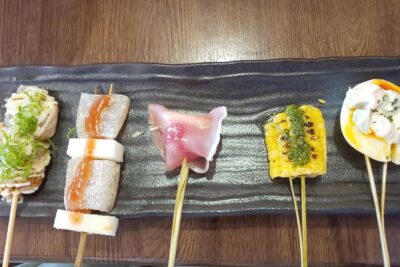
Osaka Food Tour: 13 Dishes at 5 Local Eateries
Read our review →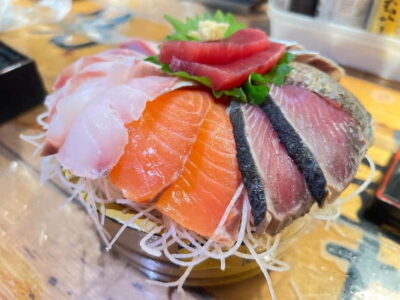
Shinjuku Food Tour (15 Dishes and 4 Eateries)
Read our review →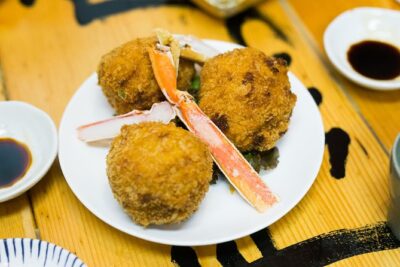
Best of Shinjuku: Izakaya Food Tour (4 Stops, 14+ Tastings)
Read our review →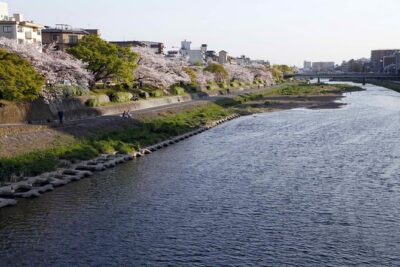
Kyoto Night Foodie Tour in Gion (9+ dishes + 6 Sake tastings)
Read our review →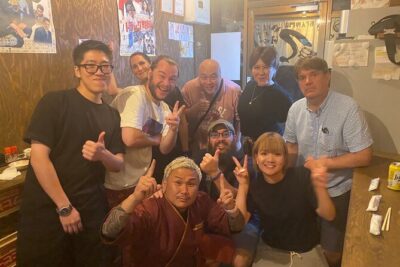
Hungry Osaka Street Food Tour:15 Tastings & 3 Drinks with a Local
Read our review →Browse the lists this tour appears in