
Reviewed · FOOD & DRINK
Shinjuku: Food Tour – 15 Dishes at 4 Eateries
Tokyo eats after dark. This three-hour Shinjuku food tour gives you a practical way to sample the district’s small eateries, local drinks, and neighborhood stories without having to decode every menu yourself. I like the four-restaurant format, which keeps the evening moving, and I like the small group limit of 10, which makes shared dishes and guide conversation easier. The main caution is simple: this is a walking tour, and some people found the pace brisk and the food uneven from stop to stop.
You meet at AOKI Shinjukunishiguchi Honten in Nishishinjuku and return to the same point. Along the way, you pass through Kabukicho, Omoide Yokocho, and Nishishinjuku, with 15 food portions and drinks included. The strongest guide experiences came from hosts such as Dai, Haydn, Naruto, Mak, Lisa, Yota, and Naoya, but the quality of the evening depends partly on who leads your group.
In This Review
- The key points at a glance
- Why a Shinjuku food tour makes sense
- Starting in Kabukicho
- Omoide Yokocho, Tokyo’s narrow memory lane
- Nishishinjuku, where the route gets more local
- Godzilla Head and the city after dark
- What the food experience is really like
- The guides can shape the whole night
- Walking, timing, and meeting details
- Who should book this experience?
- Should you book the Shinjuku food tour?
- FAQ
- How long does the Shinjuku food tour last?
- How many dishes are included?
- Are food and drinks included in the price?
- Where does the tour begin?
- Where does the tour end?
- How large is the group?
- Can I cancel for a full refund?
The key points at a glance
- Four eateries, 15 dishes: You get a broad tasting rather than one long restaurant meal.
- Kabukicho after dark: The route adds food to one of Tokyo’s most talked-about entertainment districts.
- Omoide Yokocho in 15 minutes: You see the famous narrow lane of old izakayas without spending the whole evening there.
- Nishishinjuku adds a local angle: The tour finishes its food stops in an area many first-time visitors skip.
- Drinks are included: Sake sours and other beverage choices have been part of the experience.
- Small groups help: A maximum of 10 people is useful in tiny restaurants, though the walking pace may still feel quick.
Why a Shinjuku food tour makes sense
Shinjuku is not one tidy dining quarter. It is a huge station district with more than 10,000 restaurants, ranging from polished dining rooms to tiny counters and casual izakayas. That abundance is exciting, but it can also leave you standing under a line of Japanese signs, hungry and unsure where to start.
This tour solves that first-night problem. Your guide handles the route, restaurant entry, ordering, and cultural explanation while you concentrate on eating. You are not just paying for food. You are paying for a tested evening plan in a district where the best small places may be hard to identify from the street.
At $77.60 per person, the price is reasonable if you value variety and guidance. Fifteen dishes across four eateries can add up quickly in Tokyo, especially with drinks included. The value is weaker if you want one excellent dinner, prefer to choose every dish yourself, or dislike walking between stops.
The tour has a 4.9 rating from 493 ratings and is recommended by 98 percent of customers. Those figures suggest a very reliable experience overall, but they do not mean every dish will suit every palate. One person found the food average apart from the tonkatsu, while another left early after finding the food and route disappointing. I would treat the tour as a food-and-neighborhood introduction, not as a guaranteed parade of top-end meals.
More Food Tours in Tokyo
- Tokyo: Shinjuku Food Tour (13 Dishes at 4 Local Eateries)
★ 5.0 · 6,603 reviews - Tokyo Tsukiji Fish Market Food and Culture Walking Tour
★ 5.0 · 3,184 reviews - Tokyo: Shinjuku Food Tour (15 Dishes and 4 Eateries)
★ 4.9 · 2,033 reviews
Starting in Kabukicho
Kabukicho is the first major setting. This is one of Tokyo’s largest entertainment districts, known for neon, nightlife, restaurants, and a more complicated social scene than the polished image of central Tokyo suggests. The tour uses the area as a doorway into Shinjuku’s evening culture, then takes you into a local restaurant.
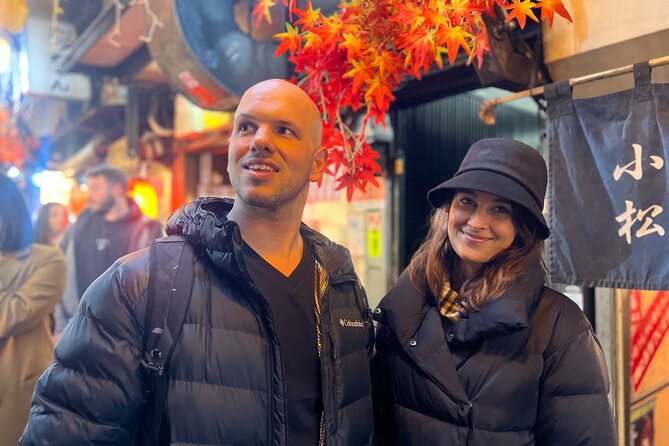
This is where the guide matters most. Good hosts add context about customs, nightlife, and the district’s past without turning the tour into a lecture. Naruto, for example, was praised for explaining Shinjuku and pointing out an alley and street associated with the yakuza era. That kind of detail gives the walk a sense of place, though the focus can lean heavily toward red-light district and organized-crime stories for some people.
The first eatery appears to be the strongest stop for some participants. Seafood and drinks received particular praise, and the first restaurant was described as the only truly worthwhile one by a dissatisfied customer. That contrast is useful. The opening meal may set a high bar, while later stops may feel more casual.
Do not expect a quiet, formal dinner here. You are moving through an entertainment district, sharing food, and learning as you go. If you want polished service and a calm table for the whole evening, book a restaurant instead.
Omoide Yokocho, Tokyo’s narrow memory lane
The walk past Omoide Yokocho takes about 15 minutes. The name means Memory Lane, and the street is lined with old izakayas and small restaurants dating from the postwar period. It is a compact but memorable part of Shinjuku, with narrow passages and a very different feel from the broad streets around the station.
The tour does not present this as a full meal stop. That is a plus if you want to keep the evening focused on several restaurants, but it is also a limitation if Omoide Yokocho is high on your wish list. You pass through rather than spend a long time eating there.
Keep your group together here. The lanes are tight, and a guide who walks too fast can create real frustration. One poor experience centered on exactly that problem: the guide moved quickly, spoke mainly to people beside him, and left much of the group struggling to keep up. Stay near the guide and speak up early if you need the pace slowed.
Nishishinjuku, where the route gets more local
The tour then heads into Nishishinjuku, an area full of local restaurants that many visitors miss. This is a useful change of scene. You have already seen Kabukicho’s famous nightlife district and Omoide Yokocho’s historic alley. Nishishinjuku shows you a less obvious side of the station area.
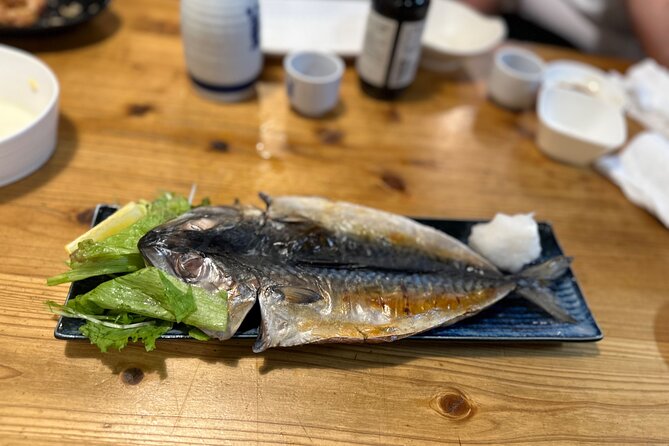
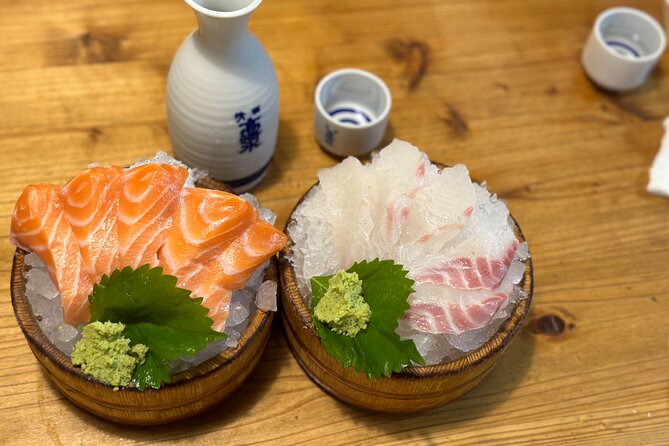
The second major dining portion takes place here at a local favorite. The supplied accounts describe a good range of food, with Okinawan dishes appearing as a memorable feature. One evening included Okinawan food and sake sours, while another included about seven varieties of sashimi. Tonkatsu was also singled out as especially good on one tour.
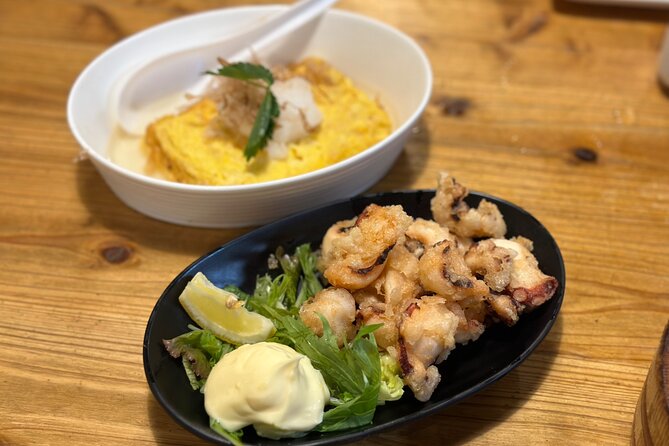
That variety is one of the experience’s best features. You might try seafood, fried dishes, regional food, and drinks in one evening rather than committing to a single cuisine. It is a useful way to learn what you like before ordering more Japanese food during the rest of your trip.
The tradeoff is consistency. The exact 15 dishes are not fixed in the information provided, and different guides may make different choices. Several people found the food plentiful and tasty, while others thought only some dishes were memorable. Go with curiosity rather than the expectation that every plate will be a personal favorite.
A completely different kind of day out in Tokyo:
- Mt Fuji and Hakone 1-Day Bus Tour Return by Bullet Train
★ 5.0 · 26,383 reviews - 1-Day Tokyo Bus Tour
★ 5.0 · 14,250 reviews - Tokyo: TOKYO SKYTREE® Admission ticket
★ 4.5 · 11,192 reviews - Tokyo: teamLab Planets TOKYO Digital Art Museum Entry Ticket
★ 4.6 · 9,779 reviews
Godzilla Head and the city after dark
The Godzilla Head above Kabukicho is another visual marker on the route. It adds a playful, cinematic photo stop to an evening otherwise centered on restaurants and narrow streets. The giant head is easy to recognize and helps place you in the middle of Shinjuku’s entertainment zone.
This is not a major attraction visit with a long entry or viewing period. Think of it as a landmark along the walk. The tour’s value comes from connecting sights, food, and local stories, not from spending a long time at any one monument.
What the food experience is really like
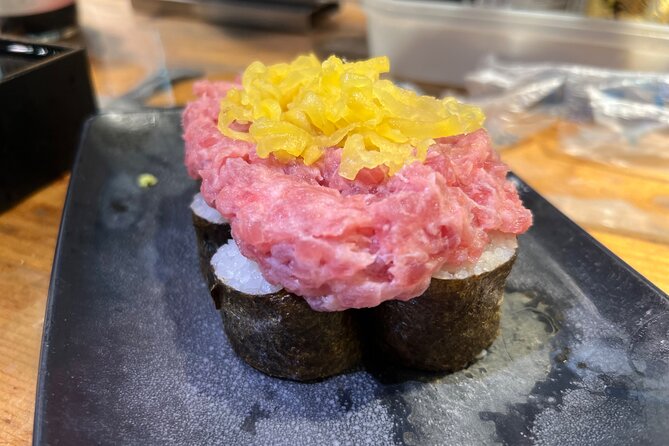
The promise is 15 dishes at four eateries, with food and drinks included. That is a generous amount for three hours, and several people said they finished full. One person called it a great bargain because the food was both plentiful and varied.
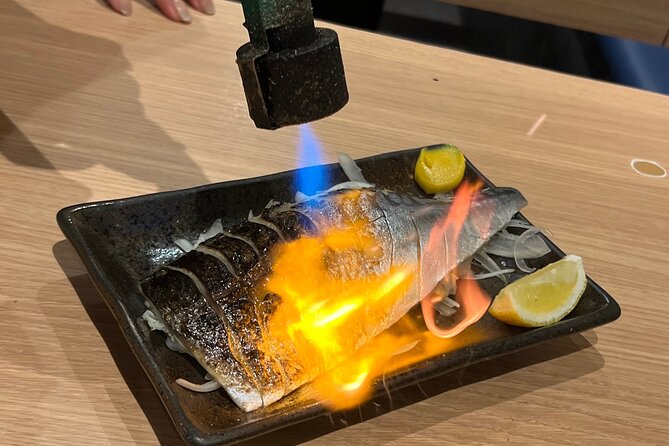
The meals are built for sampling. You are likely sharing plates with the group, which lets you taste more than you could comfortably order alone. That works well for adventurous eaters and for anyone who wants a quick introduction to Japanese dining customs.
The food examples available from past evenings include:
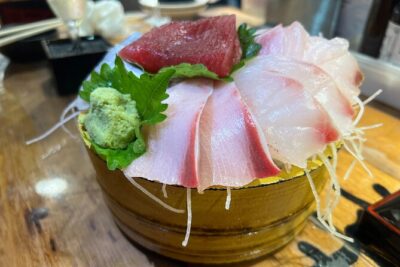
- Sashimi, including a serving with roughly seven varieties
- Seafood and other restaurant specialties
- Tonkatsu
- Okinawan food
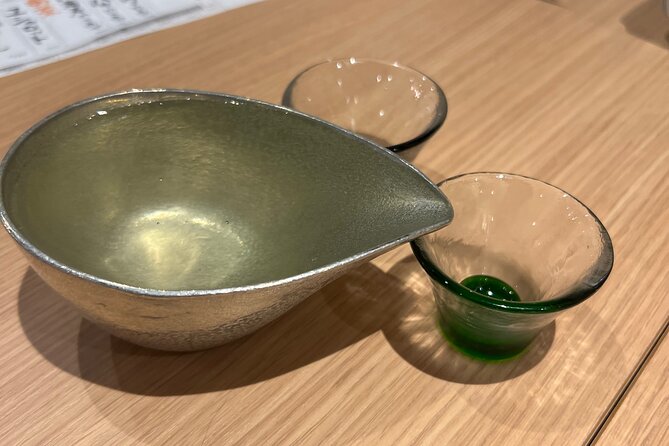
- Sake sours and other included drinks
The list above should not be treated as a guaranteed menu. It simply shows the range that has appeared on the tour. If you have dietary restrictions or a strong dislike of seafood, confirm suitability before booking because the provided details do not explain substitutions.
The drink inclusion adds value, but it also affects the feel of the evening. Sake sours were enjoyed by some groups, while non-drinkers can judge only the food. Gratuity is not included, though it is optional.
The guides can shape the whole night
Guide quality is the biggest variable. Many hosts received warm praise for being friendly, energetic, and clear in English. Dai was repeatedly appreciated for adding cultural and historical information between meals. Haydn was praised for explaining the sights, food, and social character of Shinjuku. Mak was described as enthusiastic and well informed about the dishes and area.
Other strong hosts included Alma, Lisa, Yota, Naoya, Fu, Kaira, Izzy, and Naruto. Yota was especially appreciated for his food and drink explanations, while Naoya was praised for choosing places that showed the range of Tokyo’s food scene. These comments point to the tour’s best version: a guide who does more than shepherd you from table to table.
Still, guide-led tours are personal experiences. A fast walker may not suit you. A guide who focuses heavily on nightlife stories may be less appealing if you mainly want food. I would arrive ready to participate, ask questions, and stay close to the leader. That small effort can make the difference between feeling included and feeling like you are chasing the group.
Walking, timing, and meeting details
The advertised duration is about three hours. The meeting point is AOKI Shinjukunishiguchi Honten, at 1-chome-8-5 Nishishinjuku, Shinjuku City, Tokyo 160-0023. The tour ends back at the meeting point, which makes it easier to plan the rest of your night.
The route includes several neighborhoods and dining stops, so this is not a sit-down experience from start to finish. One person found the amount of walking excessive and felt that closer restaurants could have made the evening more relaxed. That is a fair concern. Shinjuku is large, and the distance between stops can shape your enjoyment as much as the dishes do.
Wear comfortable shoes and leave room in your schedule. The tour is near public transportation, and most people can participate, but the provided details do not promise a step-free route or explain the exact walking distance. If walking speed or mobility is a concern, contact the operator before booking.
The group limit of 10 is a useful middle ground. You get more interaction than on a large bus outing, but the group is still big enough for lively shared conversation. It also matters because tiny izakayas have limited space.
Who should book this experience?
I would recommend it for a first evening in Shinjuku, especially if you want help getting oriented. The food introduces several styles, while the route shows you how Kabukicho, Omoide Yokocho, and Nishishinjuku differ from one another.
It also suits solo visitors and couples who want company at dinner. The group setting gives you people to share dishes and conversation with, and several strong experiences came from the social side of the evening.
You may want to skip it if you are a serious food planner with specific restaurants in mind. You might also prefer another option if you want a slow meal, dislike shared plates, have strict dietary needs, or do not enjoy nightlife-focused commentary. The food is generally well received, but not every stop is likely to feel special to every palate.
For the best value, book it early in your Tokyo stay. You can use the guide’s suggestions and your own discoveries to plan later meals. Free cancellation is available up to 24 hours before the start time for a full refund, which gives you some flexibility if your plans change.
Should you book the Shinjuku food tour?
Book it if you want a full evening of tasting, walking, and local context for $77.60. The combination of 15 dishes, four eateries, included drinks, and a 10-person limit makes the price fair, particularly for a first visit to Tokyo.
I would not book it expecting four perfect restaurants or a fixed menu. Think of it as an organized introduction to Shinjuku’s eating culture, with the chance to discover dishes and neighborhoods you might overlook alone. Choose comfortable shoes, stay near your guide, and treat the menu as a sampling adventure. For most people, that is where the tour earns its keep.
FAQ
How long does the Shinjuku food tour last?
The experience lasts approximately three hours.
How many dishes are included?
The tour includes 15 dishes served across four eateries.
Are food and drinks included in the price?
Yes. Food and drinks are included. Gratuity is optional and not included.
Where does the tour begin?
It begins at AOKI Shinjukunishiguchi Honten, 1-chome-8-5 Nishishinjuku, Shinjuku City, Tokyo 160-0023, Japan.
Where does the tour end?
The activity ends back at the meeting point.
How large is the group?
The tour has a maximum of 10 people.
Can I cancel for a full refund?
Yes. You can cancel at least 24 hours before the experience start time for a full refund. Changes or cancellations made less than 24 hours before the start time are not accepted or refunded.
Just added around Tokyo
- Tokyo 6hr Instagram Highlights Private Tour with Licensed Guide★ 5.0 · 38 reviews
- Tokyo Small Group Tour with Guide★ 4.5 · 38 reviews
- Tokyo Sumo Experience with Live Show & Audience Challenge★ 5.0 · 38 reviews
- Japanese Food Cooking Class in Asakusa, Tokyo★ 5.0 · 39 reviews
- Very popular in Harajuku♡Animal petting zoo★ 4.6 · 39 reviews
- Ramen Making from Scratch with Tokyo Mom(Vegan Option Available)★ 5.0 · 39 reviews
- Tokyo JDM Night: 600hp C63s AMG Edition 1 (Private)★ 4.9 · 39 reviews
- Tokyo: Kimono Rental inside Shinjuku Gyoen National Garden★ 4.9 · 39 reviews
Food & Drink, compared.
Shinjuku Food Tour (13 Dishes at 4 Local Eateries)
Read our review →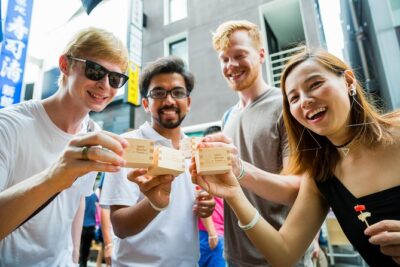
Tokyo Tsukiji Fish Market Food and Culture Walking Tour
Read our review →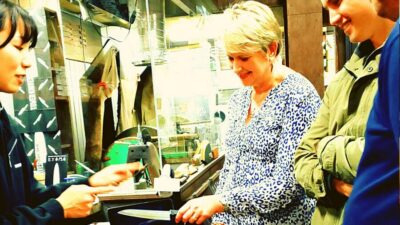
Shinsekai Food Tour with 13-15 Dishes at 5 Eateries
Read our review →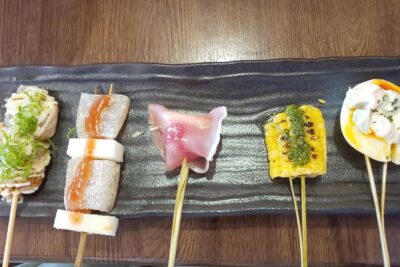
Osaka Food Tour: 13 Dishes at 5 Local Eateries
Read our review →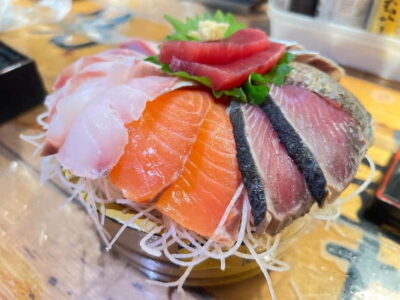
Shinjuku Food Tour (15 Dishes and 4 Eateries)
Read our review →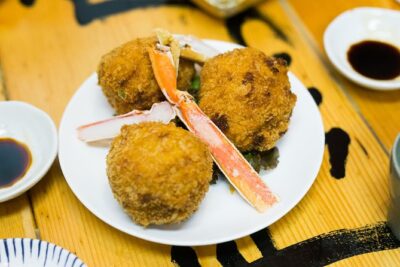
Best of Shinjuku: Izakaya Food Tour (4 Stops, 14+ Tastings)
Read our review →
Kyoto Night Foodie Tour in Gion (9+ dishes + 6 Sake tastings)
Read our review →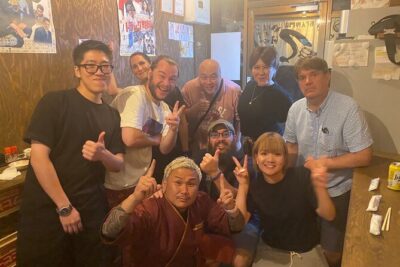
Hungry Osaka Street Food Tour:15 Tastings & 3 Drinks with a Local
Read our review →Browse the lists this tour appears in